Chad rewrites your sense of scale: black volcanic peaks and sandstone arches in the north, elephant herds and green floodplains in the south, and a capital where millet porridge, hibiscus tea and seven-million-year-old fossils share the same afternoon. Travelling here means long days in a 4x4, markets loud with indigo cloth and camel bells, and hospitality measured in three small glasses of tea. Nothing about it feels generic.
N'Djamena: Markets, Fossils and the Chari River at Dawn
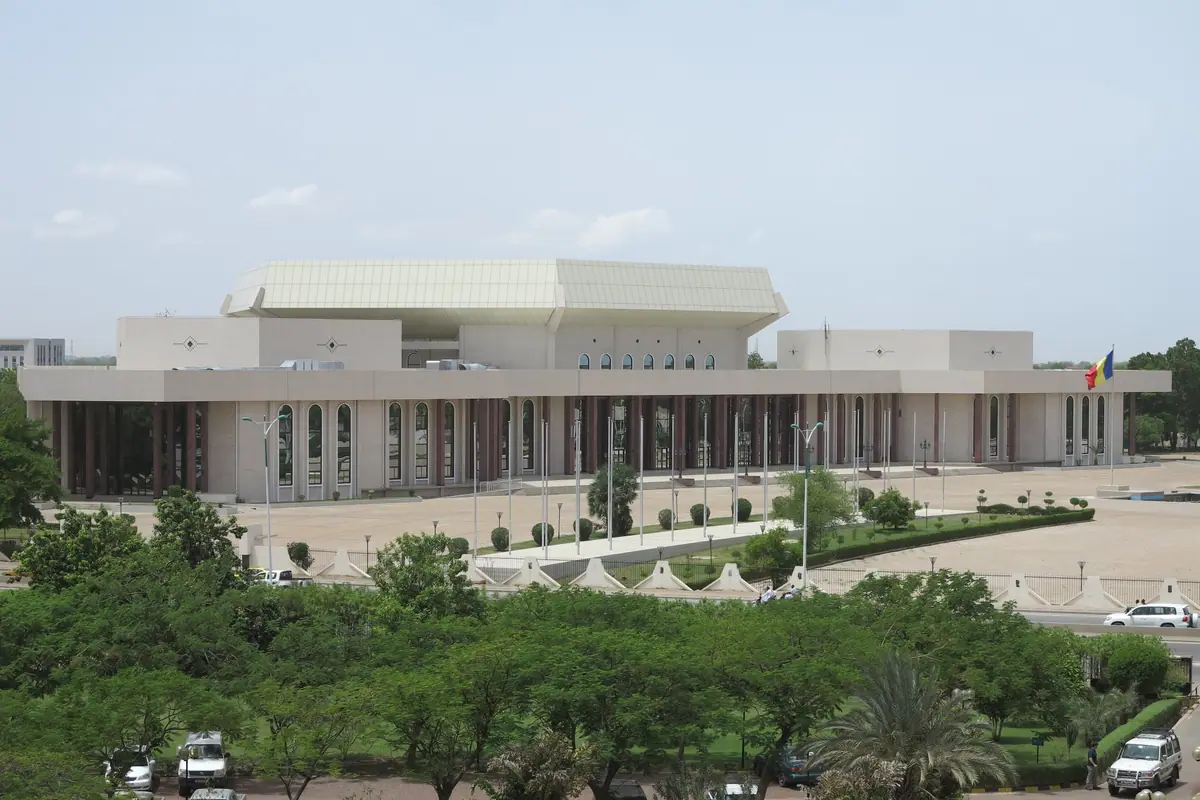
N'Djamena sits where the Chari meets the Logone, a low-rise capital of sand streets, bougainvillea and slow-moving traffic. Start at the Grand Marché, a jumble of spice mounds, dried fish, indigo cloth and Toubou and Arab traders who have crossed half the Sahel to get there. Avenue Charles de Gaulle runs through the centre, past the Cathedral of Our Lady of Peace, whose striking modern facade is one of the few vertical landmarks in the city. Mornings are for errands; evenings are for grilled fish on the riverbank.
The National Museum of Chad is small and dusty in the best sense, and it holds two things worth the trip alone. The first is Toumaï, a hominin skull roughly seven million years old, recovered from the Djurab Desert in the north and still among the oldest such finds anywhere on earth. The second is a collection of terracotta figures from the Sao civilisation that once flourished around Lake Chad, alongside drums, harps and basketwork from across the country's many peoples.
Give N'Djamena a day and a half, no more. Walk down to the Chari at first light, when dugout canoes slide in loaded with capitaine and the women who smoke and salt the catch, then spend the hot middle of the day in the museum or over tea. Almost everything runs on cash in Central African CFA francs, so plan accordingly before you head east.
At the Table: Millet, Okra Stew and Three Glasses of Tea
The staple across most of Chad is boule, a stiff porridge of millet or sorghum eaten with the right hand from a shared bowl and torn off to scoop up whatever sauce comes with it. Those sauces change with the region and the season: daraba, a slippery okra stew, is the classic; elsewhere you will meet groundnut, baobab leaf and dried tomato versions, often with mutton or dried beef. Kisser, a flat griddle bread, turns up alongside morning tea and in Arab quarters of the bigger towns.
Fish is the other pillar, especially along the Chari, the Logone and what remains of Lake Chad. Capitaine, the great Nile perch, is grilled whole over charcoal and eaten with lime and chilli. Salanga — dried, salted lake fish — travels far inland and gives sauces their deep savoury backbone. Order karkanji, a cold hibiscus infusion the colour of garnet, to cut the heat, and if you are in the south around Moundou, try bil-bil, the cloudy millet beer brewed in the cotton country.
Then there is tea. Chadian shai arrives in three tiny glasses, brewed on a charcoal brazier and poured from a height to build a foam: the first bitter, the second sweet, the third sweeter still. It can take an hour, and that is the point. Accepting the third glass is how conversations start, invitations appear and strangers become guides. You are never obliged to drink it, but refusing the whole ritual closes a door.
The Ennedi Massif: Rock Art, Sandstone Arches and the Guelta d'Archei
The Ennedi Massif in the far north-east is Chad's great wonder, a plateau of eroded sandstone cathedrals, towers and slot canyons that was inscribed as a World Heritage site in 2016. Fada is the gateway, reached by a long 4x4 haul from Abéché — itself worth two nights for the Sultan's palace of the Ouaddaï kingdom, its sprawling market and its leatherwork and camel caravans. Beyond Fada there is no tarmac, no fuel station for hundreds of kilometres and no moving without a licensed guide, a permit and a well-stocked vehicle.
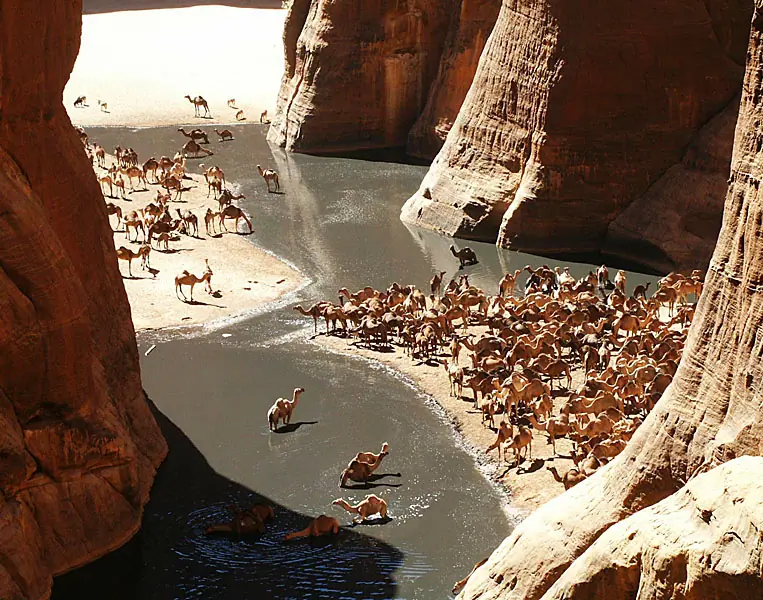
Two sights define the massif. Aloba Arch is one of the largest natural stone arches on the planet, a span you can walk beneath. The Guelta d'Archei is a deep, dark waterhole at the bottom of a canyon where a relict population of Nile crocodiles survives in the middle of the Sahara, alongside the camels that come down to drink. Scattered across the whole plateau are thousands of paintings and engravings at sites such as Niola Doa, showing cattle, giraffes and human figures painted thousands of years ago, when this was savannah.
Plan Ennedi for November to February, when days are warm and nights genuinely cold. Expect to camp wild, carry all your water, and travel in convoy with a guide who knows the tracks. Camel treks between rock-art sites are possible with local Toubou and Arab herders, and they are the slowest, best way to understand how anyone lives out here at all.
Ounianga's Desert Lakes and the Volcanic Tibesti
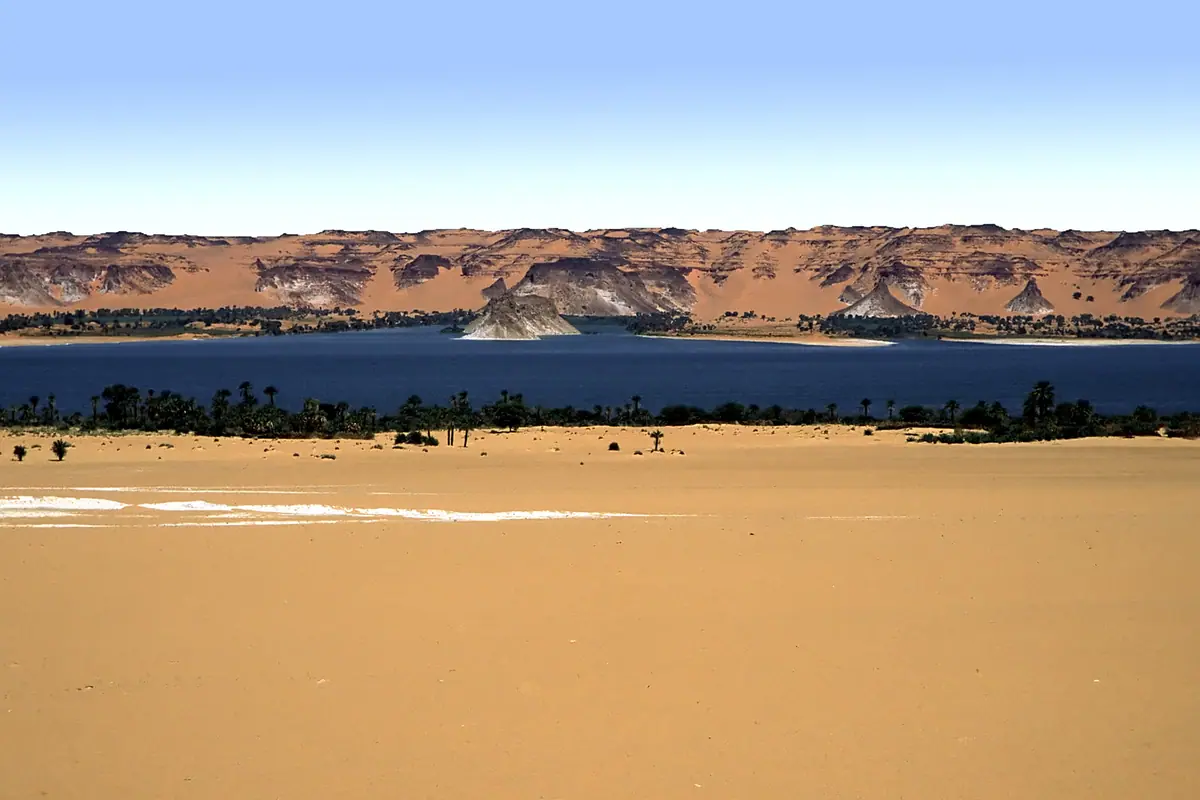
West of Ennedi, the Ounianga lakes are the strangest landscape in Chad: eighteen bodies of water in two groups, Ounianga Kebir and Ounianga Sérir, sitting between dunes in the middle of the Sahara. They are fed by fossil groundwater and survive because wind-driven layers keep them from evaporating, which earned them World Heritage status in 2012. Lake Yoan is the largest and the most welcoming, its water clear and swimable; neighbouring Katam and Teli are so saline that salt crusts the shore and the colours run from turquoise to rust.
Further west again rise the Tibesti Mountains, a volcanic massif of black lava fields, hot springs and calderas. Emi Koussi, at 3,445 metres, is the highest point in the entire Sahara, and the Trou au Natron is a volcanic crater floored with white natron that looks like a frozen lake. Bardai is the main settlement and the usual base, but access is genuinely difficult: permits, escorts, long convoys and a security situation that can change quickly.
Treat both regions as November-to-February destinations and build in buffer days, because sandstorms and vehicle breakdowns are normal rather than exceptional. There are no ATMs and no card payments anywhere out here, so carry enough cash for fuel, food and guide fees. Operators who run these routes usually bundle Ennedi, Ounianga and Tibesti into one two-to-three-week northern circuit.
Zakouma National Park: Elephants on the Salamat Floodplain
Zakouma National Park, in the Salamat region south-east of the capital, is the reason many travellers come to Chad at all. After a brutal poaching crisis, its elephant population has been clawing its way back, and in the dry season herds of several hundred animals gather at pans like Rigueik, kicking up dust and drinking in shifts. The park also holds Kordofan giraffe, lion, buffalo, tiang and red-fronted gazelle, spread across a mosaic of floodplain, woodland and marsh fed by the Salamat river.
Getting there is either a long, hard drive — roughly a day and a half from N'Djamena in a good 4x4 — or a short charter flight to a bush airstrip. Once inside, you move with a licensed operator and a guide, in open vehicles, on morning and late-afternoon game drives. The park is generally accessible from around November through April or May; in the rains the tracks turn to soup and the camps close, so there is no point turning up unannounced.
Accommodation is limited to a handful of simple camps, so book months ahead if you are travelling in the European winter holidays. Bring binoculars, long sleeves, high-factor sun cream and malaria prophylaxis, and expect hot, still nights and spectacular birdlife along the water. A three-night stay gives you a realistic chance of a serious elephant encounter rather than a fleeting one.
Lake Chad, Bol and the Wodaabe Gerewol Festival
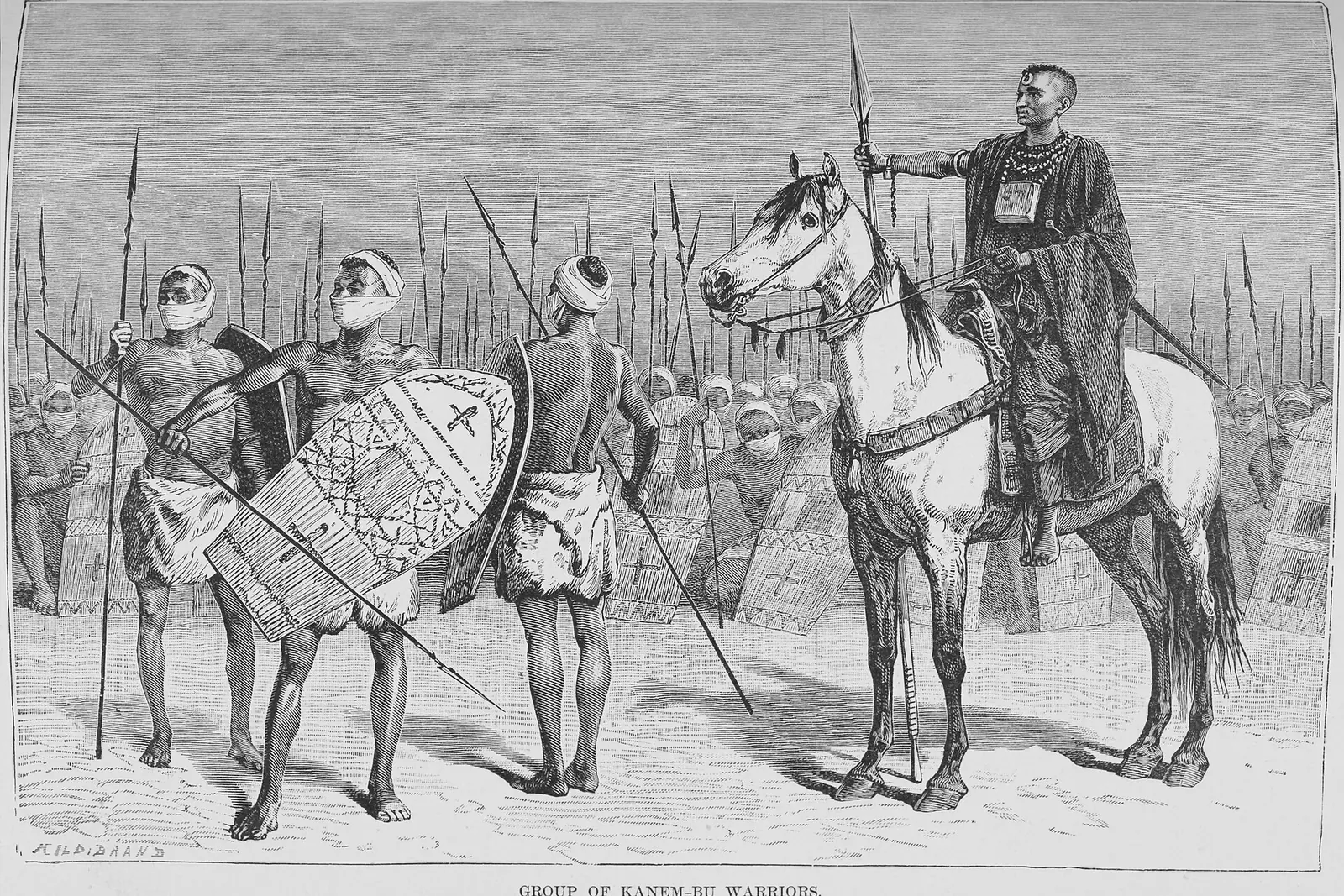
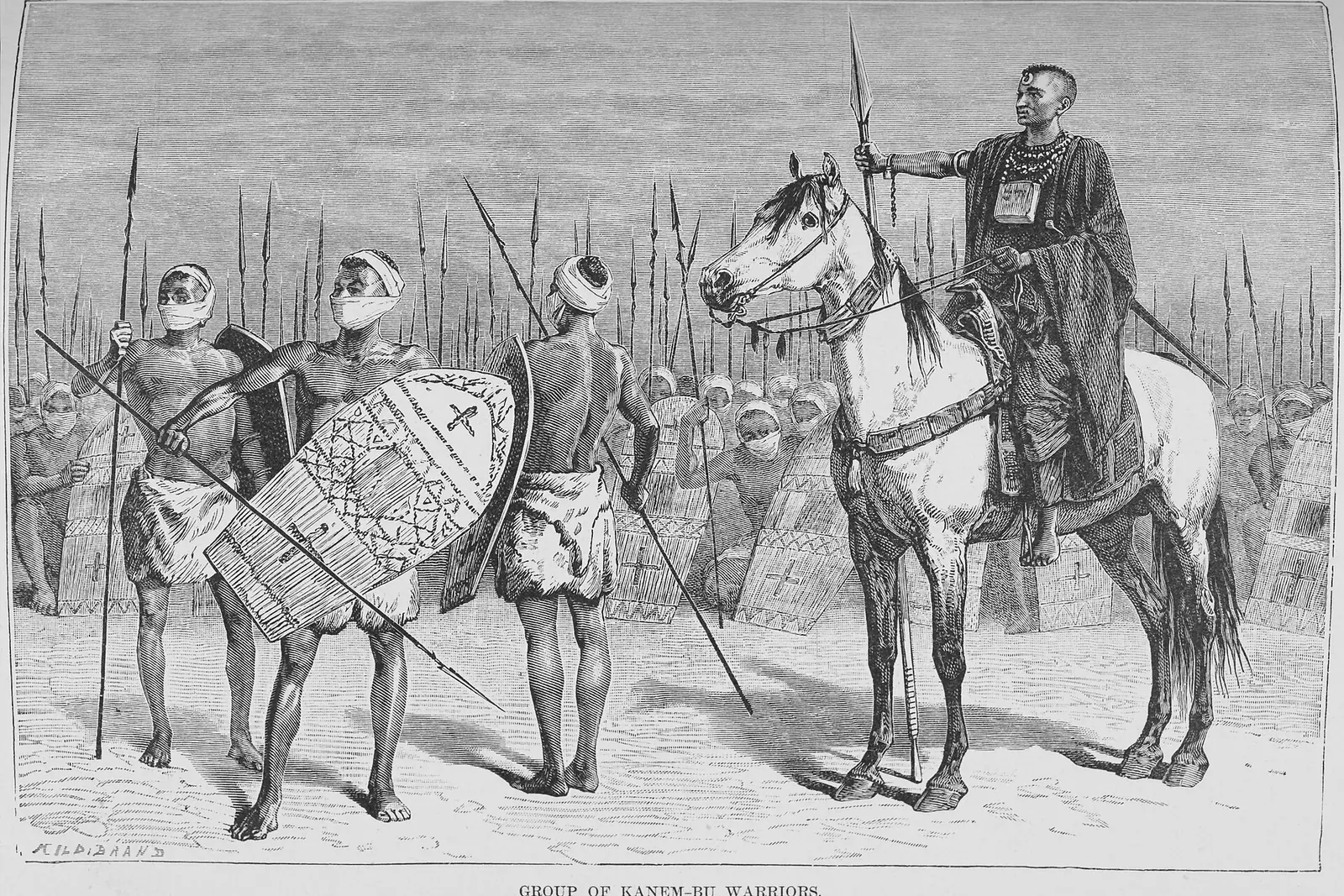
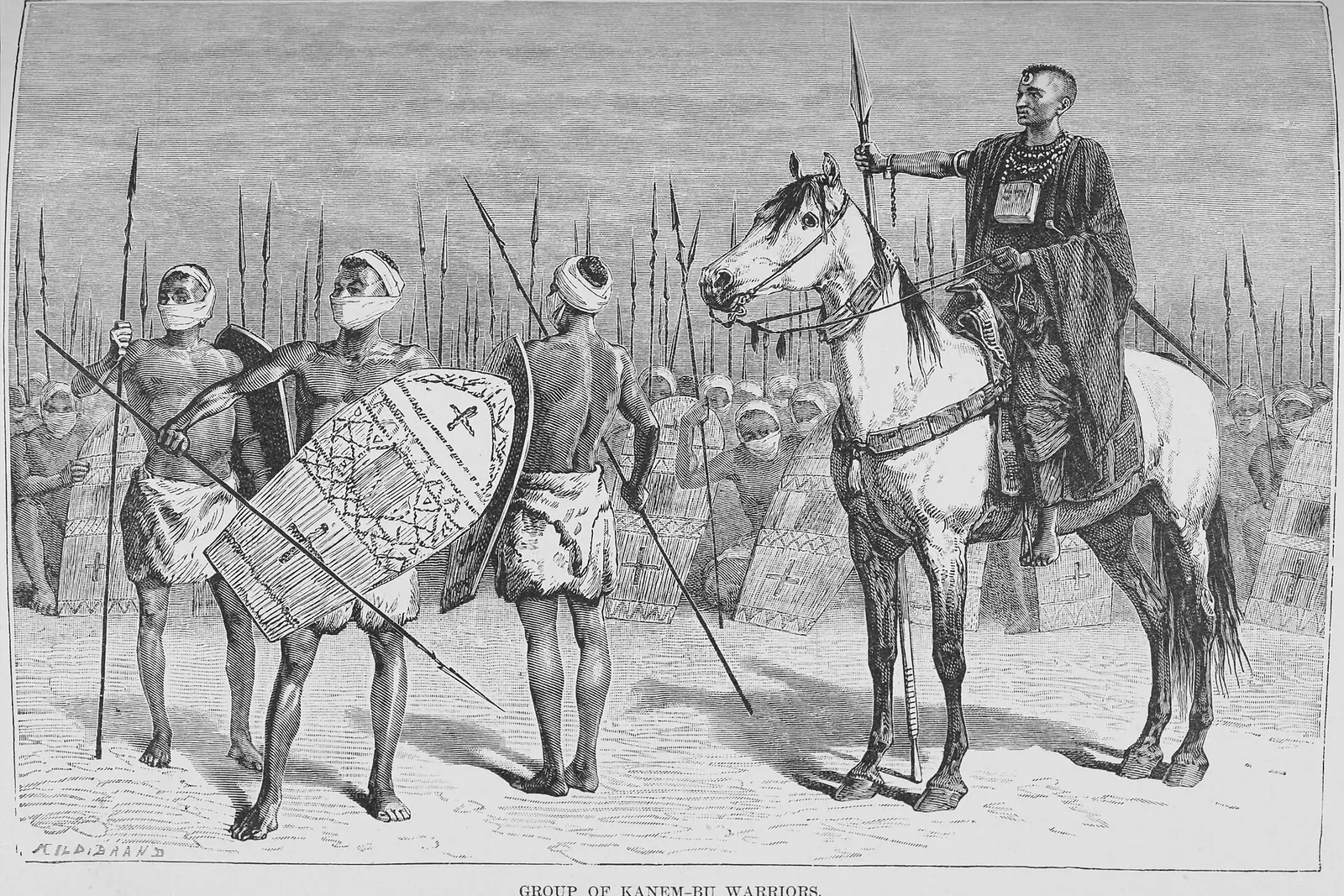
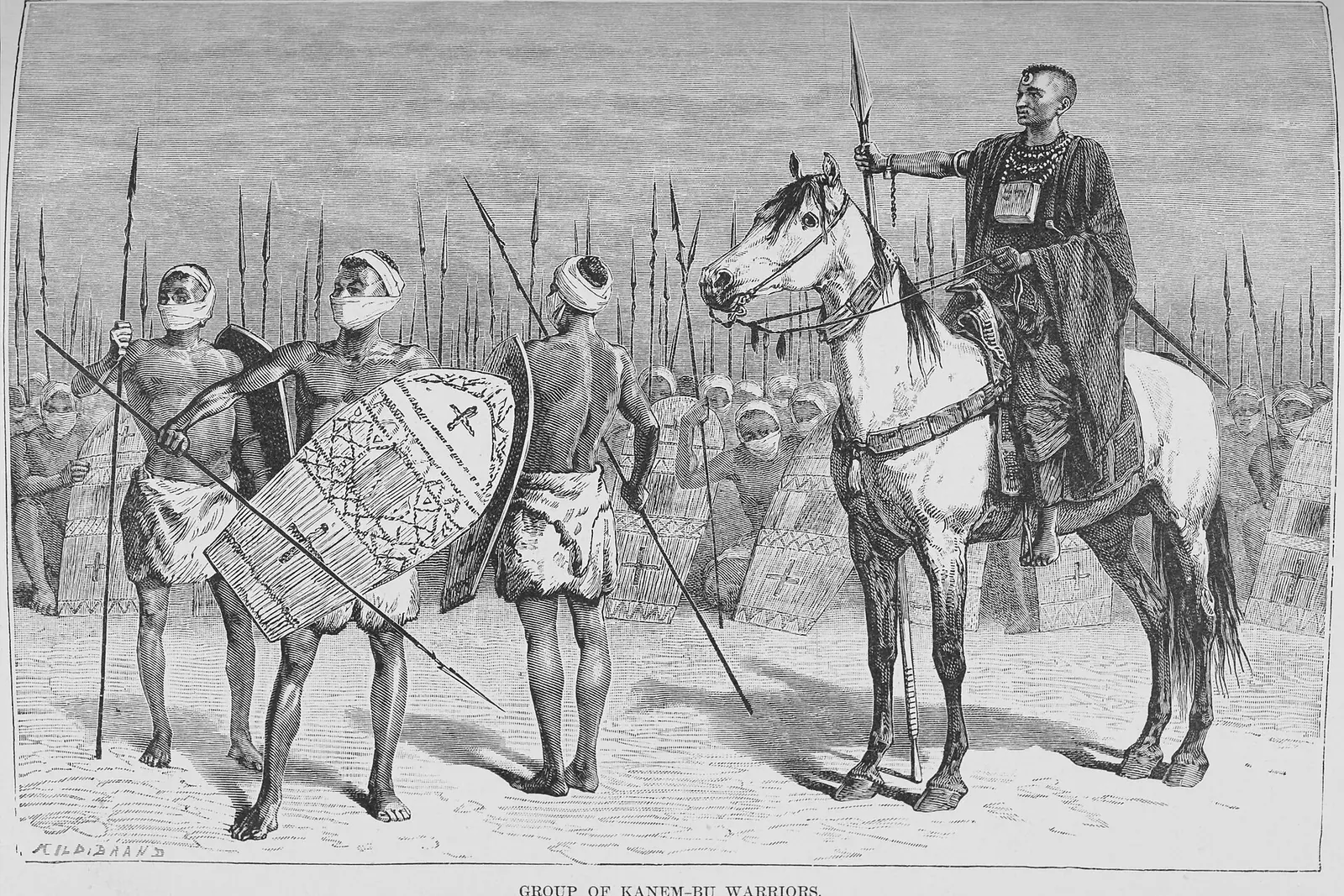
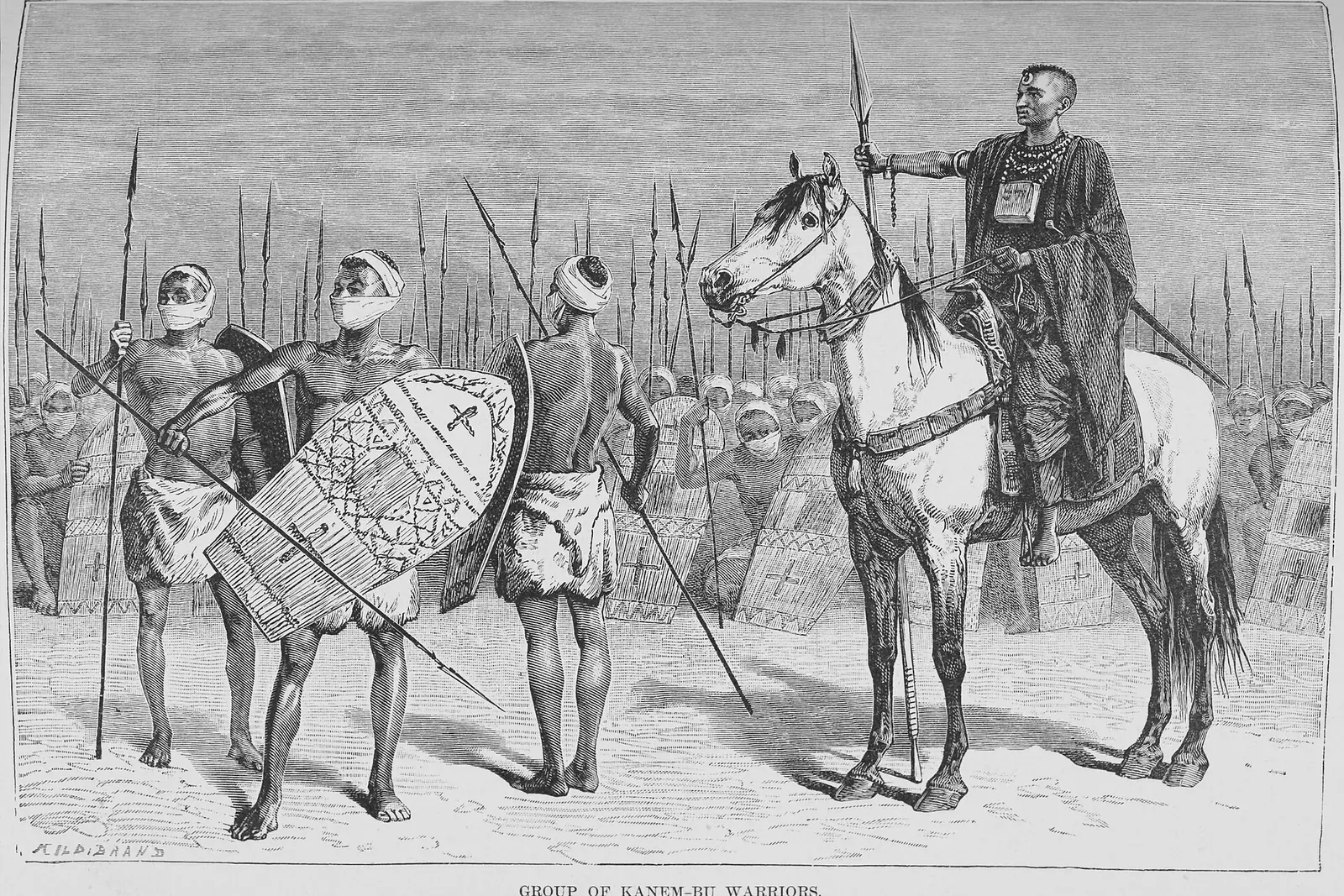
Chad's share of Lake Chad is a labyrinth of reed channels, ambatch floating islands and fishing villages where Kanembu and Kotoko communities live on the water. Bol, on the eastern shore, is the base: its market draws traders from across the basin, and at dawn you can watch dugout canoes glide out between the reeds, while racks of salanga dry in the sun and hippos surface in the channels beyond. Security in the basin fluctuates, so travel with a licensed operator and check current advisories before committing.
If you can time a trip to September, you may catch the Gerewol, the Wodaabe gathering held after the rains somewhere in the Chari-Baguirmi scrub and near the lake. It is a courtship festival rather than a show: young men spend hours on yellow-and-white face paint, don ostrich-feather hats and perform the yaake dance in long lines, rolling their eyes and baring their teeth to be judged on beauty and stamina. Dates shift with the rains and grazing, so you need a guide who knows where the camps have settled.
For the country as a whole, aim for November to February: dry, comparatively cool and easier on both roads and lungs. December and January bring a hazy harmattan that mutes the light but keeps temperatures bearable. March to May is punishing, with N'Djamena regularly above 40°C, and the June-to-September rains green the south beautifully while stranding tracks and closing Zakouma.
Frequently asked questions
When is the best time to visit Chad?
November to February suits almost the whole country, from N'Djamena to Ennedi and the Ounianga lakes. December and January are cooler but hazier thanks to the harmattan wind. March to May is brutally hot, with the capital often exceeding 40°C, and the June-to-September rains make southern tracks impassable and close Zakouma National Park.
Do I need a guide or permits to visit places like Ennedi or Zakouma?
Yes. The Ennedi Massif, the Tibesti Mountains and Zakouma National Park all require a licensed operator, a guide and permits, and permits often come with an escort. Independent travel is not realistic in these regions, and the security situation in the far north, the east and parts of the Lake Chad basin can change quickly, so plan with an operator who monitors it locally.
What food should I try in Chad?
Start with boule, a millet porridge eaten by hand with daraba okra stew or a groundnut sauce. Grilled capitaine from the Chari or Logone rivers is superb, and salanga — dried salted lake fish — flavours sauces all over the country. Drink karkanji, a cold hibiscus infusion, and in the south around Moundou try bil-bil, the local millet beer. Finish with three small glasses of shai tea.
How do I get around Chad?
Domestic flights connect N'Djamena with Abéché, Faya-Largeau, Moundou and Sarh, and a few bush airstrips serve the parks. Otherwise you travel by 4x4 with a driver and guide, often on sand tracks: N'Djamena to Abéché is around 700 km, and reaching Fada in Ennedi takes considerably longer. Distances are vast, fuel is scarce outside towns, and almost everywhere runs on cash in Central African CFA francs.
What languages and money are used in Chad?
French and Arabic are the official languages, but more than 120 languages are spoken across the country, including Sara in the south. Outside the capital, English is rarely understood, so a few words of French go a long way. The currency is the Central African CFA franc, cards are accepted almost nowhere, and ATMs are limited even in N'Djamena — bring enough cash to cover the whole trip.