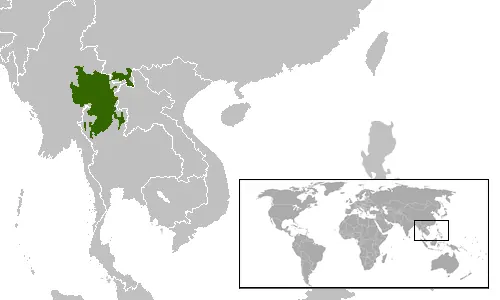
Thailand is not one holiday but a handful of them stitched together by cheap flights, overnight trains and slow ferries, and the hotel you choose quietly decides which version you get. Pick a riverside room in Bangkok and you wake to temple spires and longtail boats; pick a hillside bungalow in the north and your morning is mist over rice terraces. This guide walks through the country's main stay-zones, the landmarks worth building a trip around, and the seasons that make or break a booking.
How Thailand's Hotel Map Actually Works
Thailand stretches roughly 1,600 kilometres from the northern hills near the Myanmar and Laos borders down to the Malay Peninsula, so a single base rarely covers everything. Most travellers string together two or three stops: a city, a cultural town and a coast. Domestic hops between Bangkok, Chiang Mai, Phuket, Krabi and Koh Samui usually take about an hour in the air, while overnight sleeper trains and long-distance buses keep costs down and add a certain romance if you are not precious about sleep.
Within each destination, location matters more than star rating. In Bangkok, a hotel beside the Chao Phraya river puts you within walking distance of the Grand Palace and the ferry piers that link to Wat Arun; a hotel in Sukhumvit trades river views for Skytrain access, street food and nightlife. In Chiang Mai, the walled Old City is walkable and atmospheric, while Nimmanhaemin suits café-hoppers and digital nomads. On the islands, the difference between a quiet west-facing beach and a party strip is often a ten-minute drive.
Accommodation ranges from fan-cooled shophouse guesthouses and family-run homestays to converted teak houses, mid-range pool hotels and private-pool villas. Expect certain constants regardless of price: a 24-hour reception, bottled drinking water, air conditioning at almost every level above budget, and breakfast included far more often than in Europe. Learn a few words of Thai, remove your shoes when a sign asks, and the welcome becomes noticeably warmer.
Bangkok: Riverside Temples and Skytrain Convenience
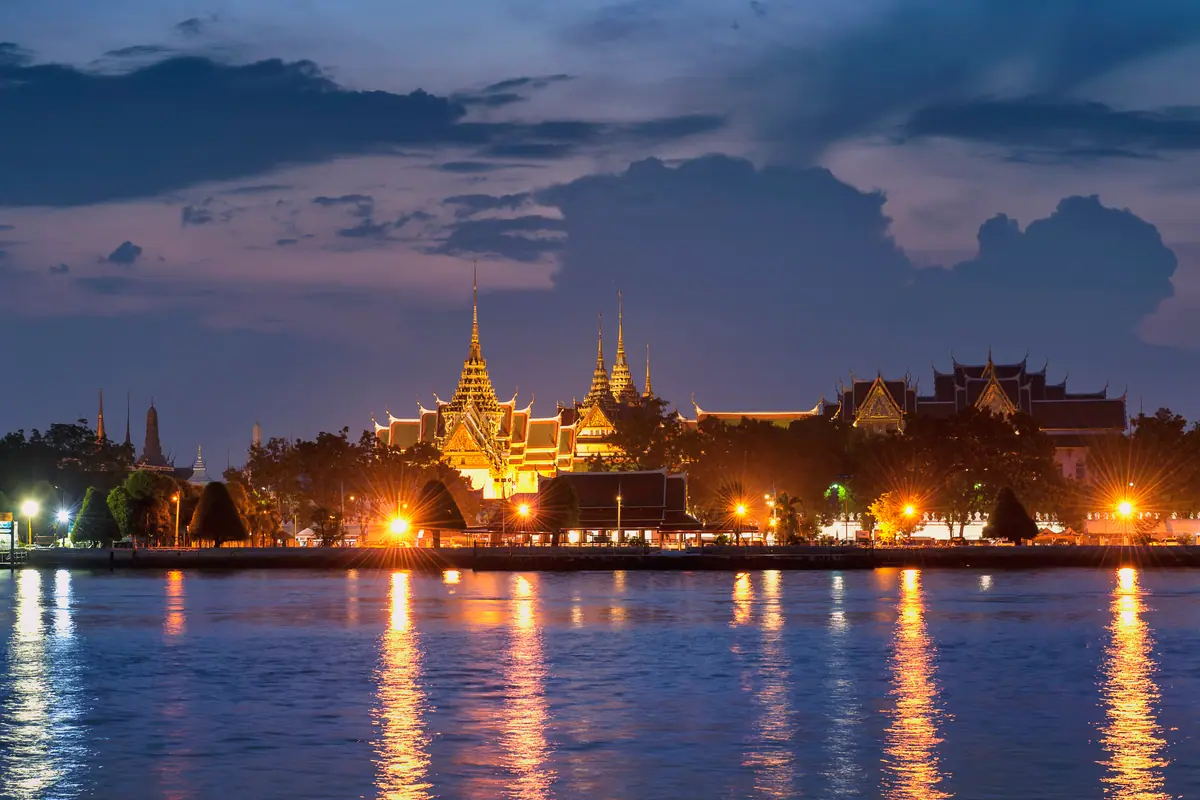
Bangkok is where most trips begin, and its headline sights cluster along the water. The Grand Palace and the Temple of the Emerald Buddha sit shoulder to shoulder behind white walls, best visited at opening time before the heat and the tour groups arrive. A short walk south, Wat Pho shelters the enormous Reclining Buddha and doubles as the city's most famous massage school, while a three-baht ferry ride across the river delivers you to Wat Arun, the Temple of Dawn, whose porcelain-studded spire glows at sunset.
Choose your neighbourhood by temperament. Riverside hotels near Tha Tien and Chinatown let you walk to temples and graze through Yaowarat's evening food stalls. Sukhumvit and Silom offer rooftop pools, department stores and easy Skytrain and metro connections. Khao San Road remains the backpacker heartland, loud and sociable, though the surrounding lanes hide surprisingly calm courtyard guesthouses.
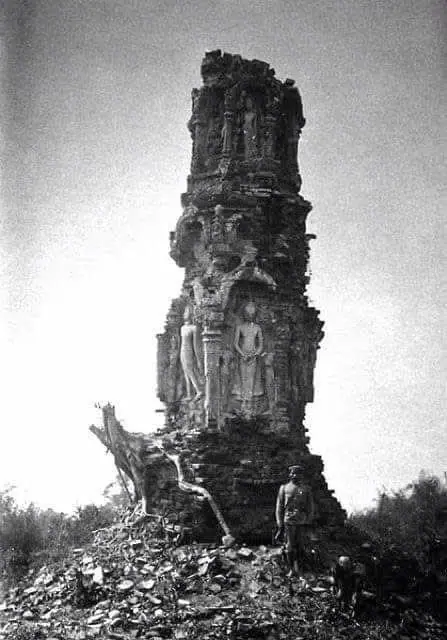
Build in time beyond the temples: the Jim Thompson House museum, the vast Chatuchak Weekend Market, Lumphini Park at dawn when locals practise tai chi, and a day trip north to the ruined capital of Ayutthaya, where Wat Mahathat's tree-wrapped Buddha head and the prangs of Wat Chaiwatthanaram justify the early train. Riverside boats and the Skytrain make a central hotel genuinely car-free, which in Bangkok traffic is a luxury in itself.
Chiang Mai and the North: Guesthouses Inside the Old City Walls
Chiang Mai rewards slow travel. The Old City is a rough square ringed by a moat and the remains of a brick wall, entered through Tha Phae Gate, and it is small enough to cross on foot in twenty minutes. Boutique guesthouses and teak-lined boutique hotels hide down lanes lined with frangipani, and the Sunday Walking Street market takes over the main road with handicrafts and grilled snacks. Wat Chedi Luang's weathered stupa and Wat Phra Singh's Lanna carvings are the two temples most visitors remember.
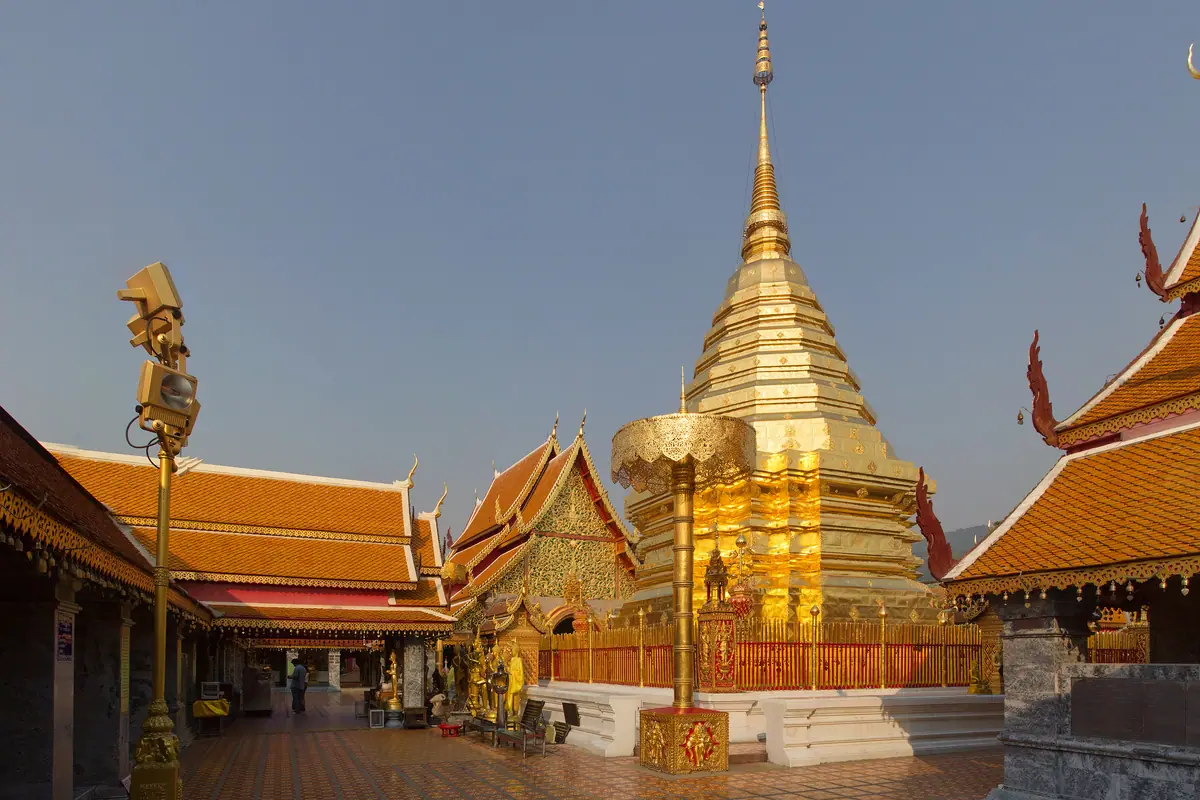
Above the city, the road snakes up to Wat Phra That Doi Suthep, the gilded hilltop temple with a viewpoint over the whole valley — go early, before the mist lifts. Further afield, Doi Inthanon is Thailand's highest peak, wrapped in cloud forest and waterfalls, and the night bazaar and riverside restaurants fill the evenings back in town. Cooking classes, ethical elephant sanctuaries and Thai massage courses are all easy to arrange from a guesthouse desk.
Cooler months from November to February make the north the most comfortable part of the country, with chilly mornings that call for a jumper. Rooms here cost noticeably less than on the islands, so a modest budget buys a garden courtyard, a saltwater pool or a mountain-view balcony. From Chiang Mai it is a comfortable three-hour drive to Chiang Rai's White Temple, and a winding route to the laid-back river town of Pai.
Phuket, Krabi and the Andaman Coast: Beach Resorts and Island Day Trips
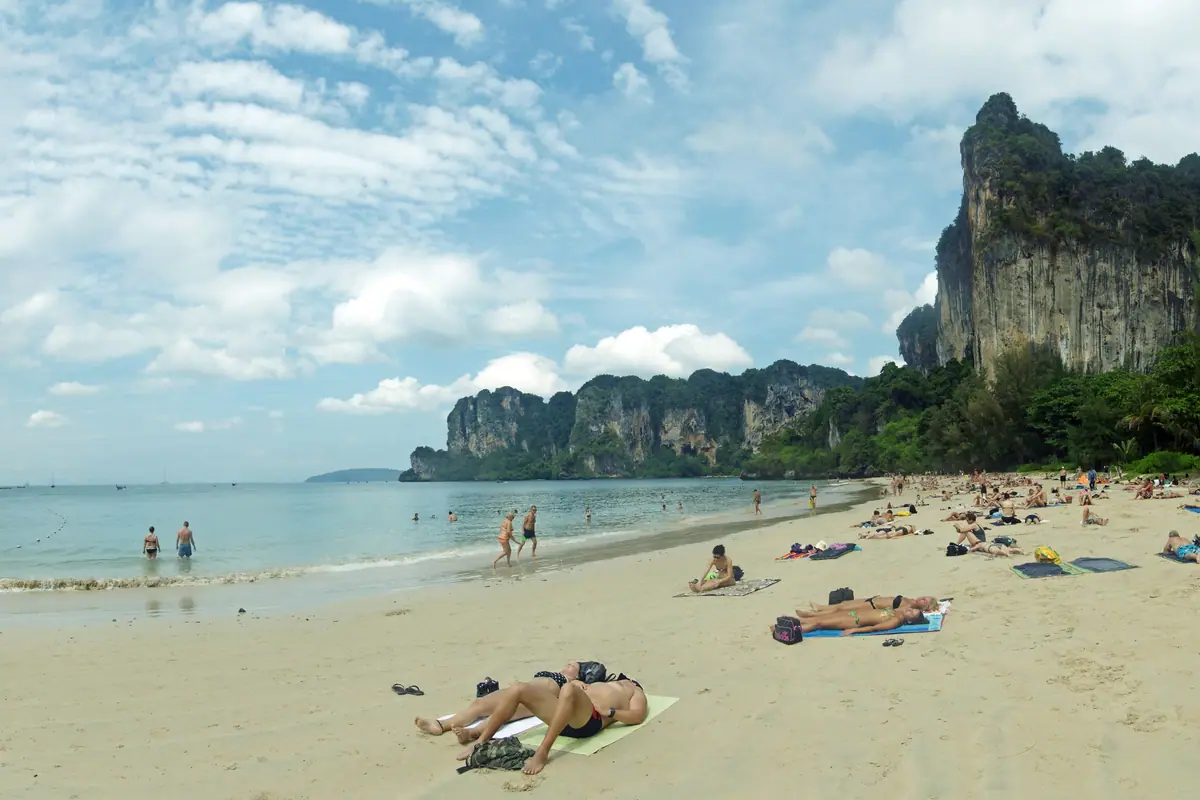
The Andaman Sea delivers the postcard version of Thailand: limestone karsts, translucent water and beaches that stretch for kilometres. Phuket is the busiest and most developed, with resorts stacked along Patong, Kata and Karon, and a completely different mood in Old Phuket Town, where Sino-Portuguese shophouses now hold cafés and boutique hotels. The hilltop Big Buddha and the sunset viewpoint at Promthep Cape sit at opposite ends of the island and are worth the drive.
Krabi offers a gentler rhythm. Ao Nang is the practical base for boats to Railay Beach, a peninsula reachable only by longtail where climbers scale the cliffs and monkeys patrol the trails. Day trips run to the Phi Phi Islands and to Phang Nga Bay, whose leaning rock formations and floating villages are best seen by kayak. Quieter travellers head to Koh Lanta for long empty sands or Koh Yao Noi for rice paddies and bicycle lanes.
Beach resorts here vary enormously in feel: family-friendly complexes with waterslides and kids' clubs, adults-only hillside villas, and simple bungalows where the fan whirs and the waves do the rest. Check whether a pool faces the afternoon sun, ask how far the nearest restaurant strip is, and remember that many beaches drop steeply into deep water at high tide. Railay and the smaller islands have no ATMs, so bring cash.
Koh Samui, Koh Phangan and the Gulf Islands
The Gulf of Thailand runs on a different weather clock from the Andaman, which matters when you book. Koh Samui is the most polished of the trio, with Chaweng and Lamai drawing the crowds, Fisherman's Village in Bophut offering a quieter, prettier promenade, and the Big Buddha Temple at Wat Phra Yai guarding the northern shore. Boat trips to the Ang Thong National Marine Park reveal hidden lagoons and emerald saltwater lakes ringed by jungle.
Koh Phangan splits neatly in two: the southern Haad Rin peninsula hosts the famous full-moon gatherings, while the northern and eastern coves such as Bottle Beach are almost silent, reachable by boat or a bumpy track. Koh Tao, further north, is the country's diving hub, with Sairee Beach lined with schools and inexpensive rooms. Staying on the quieter side of any of these islands, rather than by the pier, transforms the experience.
Because the Gulf's rains arrive later, Samui and its neighbours are often at their best from January through to mid-year, while the Andaman coast's peak falls in the same window but its green season bites from May. Ferries link the islands in a reasonably reliable web, though crossings can be rough in November and December. Book beachfront rooms early for the New Year period; in low season you can often negotiate on arrival.
Heritage Stays, Seasons and Booking Sense
Thailand's interior deserves more than a transit stop. Sukhothai Historical Park, a UNESCO-listed plain of lotus ponds and seated Buddhas, is best explored by bicycle, with guesthouses clustered just outside the gates. Kanchanaburi pairs the Bridge over the River Kwai and its sombre war cemeteries with the seven-tiered Erawan Falls, while Khao Sok National Park offers floating bungalows on Cheow Lan Lake, surrounded by rainforest older than the Amazon. Bangkok and Chiang Mai both make easy launching points for these detours.
Timing decides everything. November to February brings cool, dry weather nationwide and the highest room rates; March to May turns hot and hazy, with Songkran water fights in mid-April and hotel discounts to match. June to October is the green season, when the Andaman coast gets heavy afternoon showers but stays lush, cheap and photogenic. Note that the Gulf islands are wettest later, from October into December, so a rainy forecast for Phuket says nothing about Koh Samui.
When booking, favour properties with free cancellation, confirm whether the pool is shaded or under renovation, and read recent guest comments for noise from bars or building work. High-season beach resorts and Chiang Mai boutique hotels during the cool months sell out two to three months ahead, while city hotels open rooms later. Ask about airport transfers, laundry prices and whether breakfast is included — small extras that quietly shape the value of a stay.
Frequently asked questions
Where should a first-time visitor stay in Thailand?
Most first-timers do best with three bases: two or three nights in Bangkok near the river or the Skytrain, two or three nights in Chiang Mai's Old City for temples and markets, and four or more nights on one coast. Splitting the trip this way keeps flights short and shows you city, culture and beach without constant packing.
When is the best time to book a hotel in Thailand?
For the cool, dry months from November to February, reserve beach resorts and boutique town hotels two to three months ahead, and even earlier for the New Year and Songkran periods. In the green season from June to October, rooms are plentiful and you can often book a week or two in advance, or negotiate on arrival at smaller guesthouses.
Are Thailand hotels good value compared with other destinations?
Generally yes. Mid-range rooms typically include air conditioning, a pool, breakfast and daily cleaning, and upgrading to a private-pool villa or a riverside suite remains affordable by Western standards outside the peak weeks. Island locations, full-moon weekends and Christmas rates are the main exceptions.
What should I check before booking a beach resort?
Confirm how far the room is from the sand, whether the beach shelves steeply at high tide, and whether the pool or restaurant is closed for renovation. Look at the nearest village or restaurant strip for evening options, and ask about transfers from the pier or airport, since island taxis can add up quickly.
Do I need a car to get around from my hotel?
In Bangkok you rarely need one: the Skytrain, metro, river boats and ride-hailing apps cover the main sights. Chiang Mai is small enough to walk or use red songthaew trucks, while Phuket and Samui reward those who rent a scooter or car, provided they hold a valid licence and an international permit.
Sort the rest of your trip
Everything for Thailand, in one place
Transfer in Thailand
Private driver waiting on arrival — no queues, no surprises.
Book a transfer
Things to do in Thailand
Skip-the-line tickets, guided tours and standout experiences.
See experiences
Stay online in Thailand
Travel eSIM — data the moment you land, no roaming bills.
Get an eSIMMore guides in Thailand
One Week in Thailand by Flight: A Bangkok, Chiang Mai and Andaman Coast Itinerary
Best Places to Visit in Thailand: Temples, Islands and Ancient Capitals