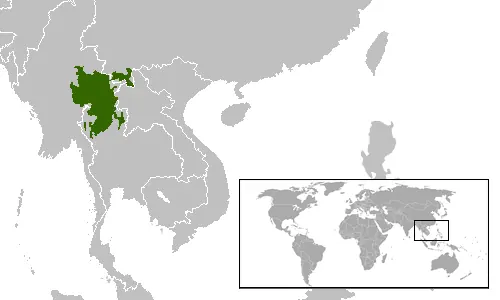
Thailand is one of the few places on earth where the finest meal of your trip may cost less than a bus ticket and be eaten on a plastic stool beside a smoking charcoal grill. Scratch beneath the beaches and you find a country organised around food, family, faith and the river — a rhythm best learned slowly, one bowl at a time.
Bangkok: Street Kitchens, Temple Gold and Chinatown After Dark
Bangkok rewards travellers who follow their nose rather than a map. The city's real dining rooms are its pavements: in the old quarter around Rattanakosin you'll find jok (rice porridge) with ginger and a crullers-like patongo at breakfast; by mid-morning, vendors are ladling boat noodles and grilling moo ping skewers over glowing coals. Head to Yaowarat Road in Chinatown after 6pm, when the whole street turns into a single long kitchen — woks of hoi tod (crispy oyster omelette), whole fish steaming in lemon and chilli, and mango sticky rice sliced to order.
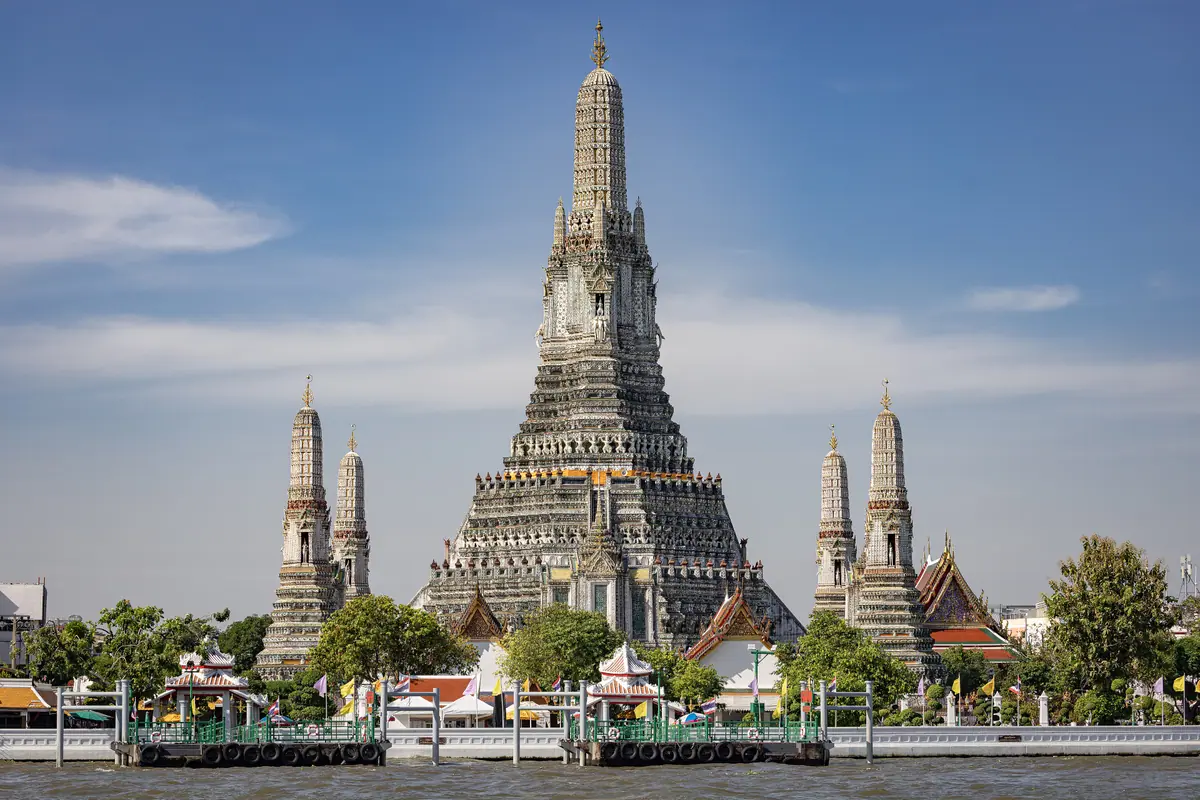
The essential Bangkok sights cluster within a walk or a short river hop of each other. The Grand Palace and the Temple of the Emerald Buddha (Wat Phra Kaew) are the ceremonial heart of the nation, glittering with mosaic and the epic Ramakien murals along the cloister walls. A few minutes south, Wat Pho shelters the enormous Reclining Buddha and remains the country's most respected centre for traditional massage. Opposite, on the far bank, Wat Arun's porcelain-studded spire catches fire at sunset — cross by the inexpensive public ferry and climb the terrace for the view back to the palace.
Between meals, explore the low-rise lanes of Talat Noi and Bang Rak for old shophouses and coffee counters, or escape the traffic entirely at Bang Krachao, a green lung of elevated walkways and orchid gardens across the river in Thonburi. On weekends, Chatuchak Weekend Market spreads thousands of stalls across its grid — worth going for the food alleys alone, where northern curries, Isaan sausages and coconut sweets are sold side by side. Give Bangkok three full days and still you'll leave with a list of places you meant to eat.
Sacred Thailand: The Temples and Ruins You Should Not Skip
Thai temple etiquette is simple but firm: cover shoulders and knees, remove your shoes before entering any building containing a Buddha image, lower your voice, and never point your feet toward a sacred figure. Watch how locals do it — women should avoid touching monks or handing them objects directly. Early morning is the loveliest time to visit: the light is soft, the courtyards are quiet, and you may catch the alms round, when monks walk barefoot through the neighbourhood collecting rice from kneeling residents.
Beyond Bangkok, the ruined capitals are the great set pieces. Ayutthaya, roughly an hour and a half north of the city, was a thriving Siamese capital before its destruction in the 18th century; today its brick prangs and headless Buddhas stand in open parkland, most famously the serene stone face framed by banyan roots at Wat Mahathat, with Wat Chaiwatthanaram best seen at sunset. Further north, Sukhothai Historical Park is gentler and greener — cycle between lotus ponds and the towering seated Buddha of Wat Si Chum at first light, before the tour buses arrive.
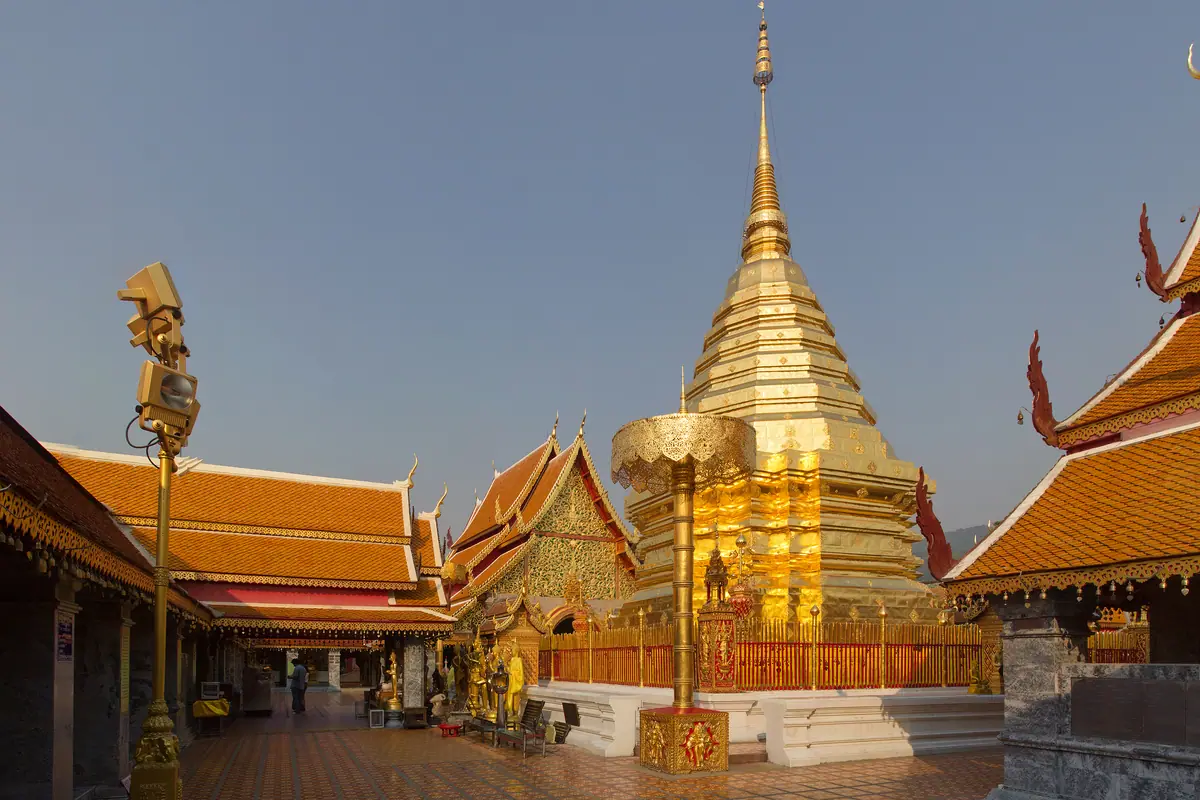
In the north, the pilgrimage is Wat Phra That Doi Suthep, reached by a long naga-flanked staircase above Chiang Mai with the city spread out below on clear days. Add Wat Chedi Luang in the old town, the teak-and-lanna charm of Wat Phra That Lampang Luang, and, if you push on to Chiang Rai, the startling white mirrored halls of Wat Rong Khun and the deep cobalt interior of Wat Rong Suea Ten. Two to three temples a day is plenty; more than that and the details blur.
Chiang Mai and the North: Khao Soi, Walking Streets and Cool Mornings
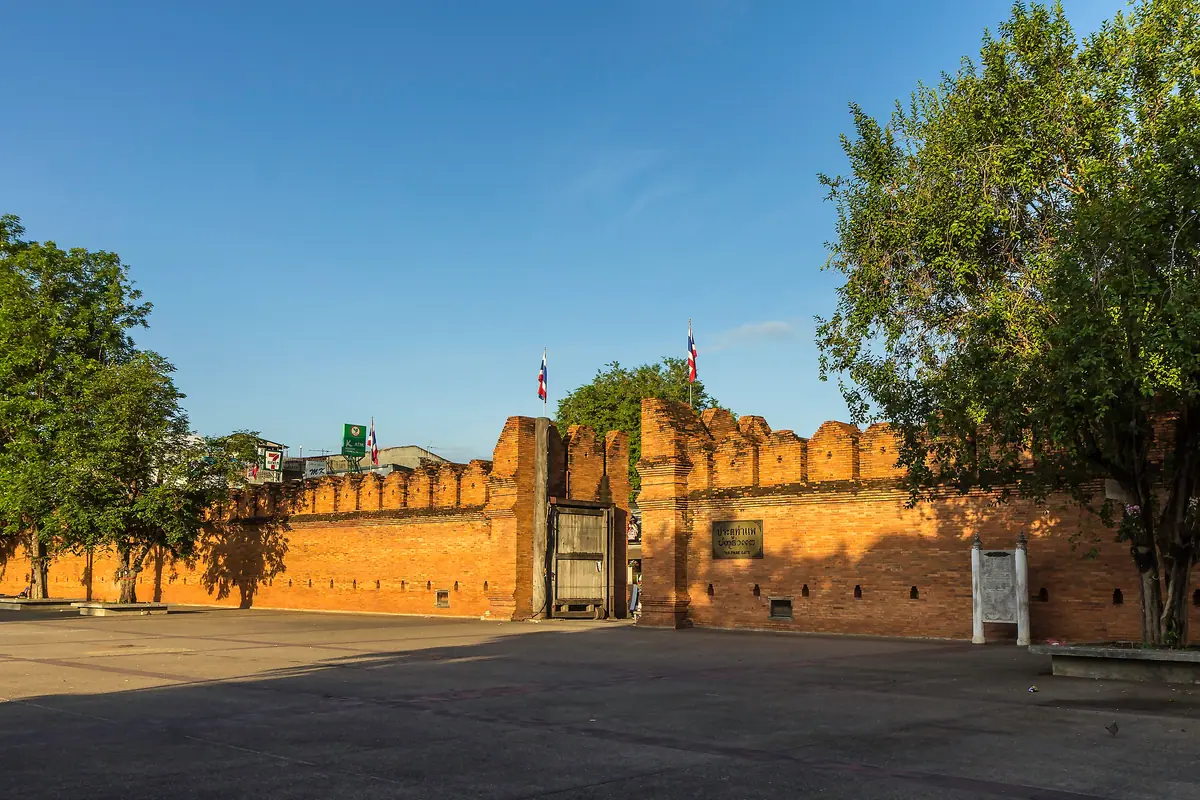
Chiang Mai's old city is a square of moat and crumbling brick gateways, and its calendar revolves around markets. On Saturday evenings the silver-workers' street of Wualai fills with stalls; on Sunday, the Walking Street runs the length of Ratchadamnoen Road inside the old city, mixing hill-tribe textiles with food stands selling sai ua herb sausage and fiery nam prik dips. The Night Bazaar is more commercial but handy, while the Nimmanhaemin district handles the city's excellent coffee culture.
The north has its own cuisine, distinct from the coconut-rich curries of the centre. Khao soi — egg noodles in a curry broth with pickled mustard greens, shallots, lime and a nest of crispy noodles on top — is the dish you'll crave afterwards, usually eaten at lunchtime. Look also for gaeng hung lay, a sticky Burmese-influenced pork curry, and khan toke dinners, where a low round table is loaded with small dishes and accompanied by Lanna music and dance. Cooking classes almost always begin in a market, which is half the pleasure.
Use Chiang Mai as a base for the hills: Doi Suthep is twenty minutes away, Doi Inthanon, Thailand's highest peak, makes a long but rewarding day trip with waterfalls and cloud forest, and the loop through Mae Hong Son via Pai suits those with a week and a tolerance for winding roads. Be aware that from roughly February to April agricultural burning can haze the northern air, and that cool-season nights in the mountains can drop low enough for a jacket. November to February is the sweet spot.
Isaan: Thailand's Fiery Heartland and the Mekong Edge
Northeastern Thailand cooks the boldest food in the country. Som tam arrives shredded and pounded with lime, palm sugar, fish sauce and fermented fish; larb and nam tok bring toasted rice powder and herbal bite to minced meat; gai yang grilled chicken is eaten with sticky rice pressed into balls and dunked in tamarind-chilli dips. Night markets in Khon Kaen and Udon Thani are among the best-value eating in the kingdom, and portions are built for sharing — order three or four dishes between two people and let the table fill up.
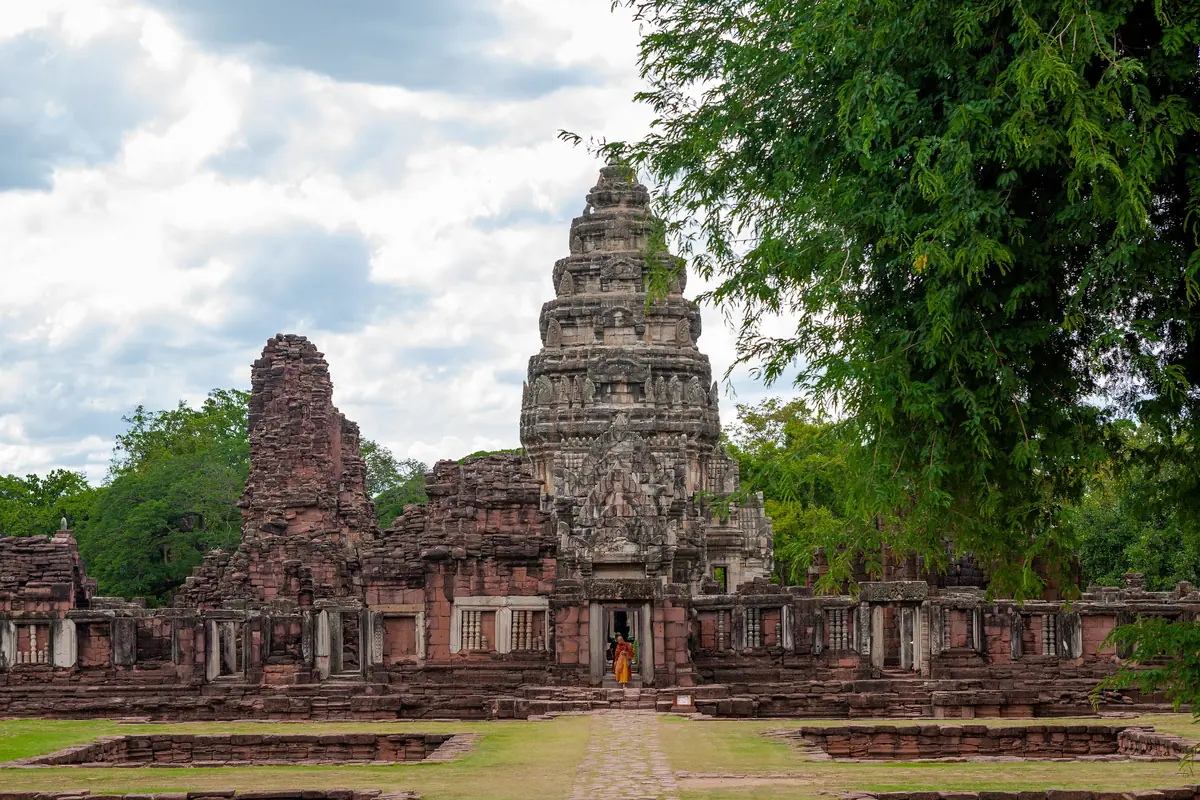
Isaan also holds Thailand's finest Khmer-era architecture, strung along the old empire's western edge. Phimai, near Nakhon Ratchasima, is a compact, beautifully proportioned sanctuary with a walkable museum nearby; Phanom Rung sits dramatically on the rim of an extinct volcano, its stairway and lintels worth the climb; and the quieter Muang Tam nearby offers shaded ponds and near-empty galleries. Visiting these in the cool season means fewer crowds than their famous counterparts across the border.
Follow the Mekong for the region's slowest, most atmospheric travel. Nong Khai has the surreal sculpture garden of Sala Keoku, filled with towering concrete figures, plus a riverside promenade looking over to Laos. Further east, Nakhon Phanom and Mukdahan string together temple towns and river sunsets, while Chiang Khan's wooden walking street is a favourite weekend escape for Thais. Time a visit to the rocket festival in May or the masked ghost procession of Dan Sai in mid-year and you'll see Isaan at full volume.
Water Worlds: Floating Markets and the Andaman Coast
The floating markets west of Bangkok are a window into how this delta once worked. Damnoen Saduak is the most visited and best done at dawn, when vendors paddle in with fruit, noodles and coffee and the canals are still cool; Amphawa, further out toward Samut Songkhram, only really comes alive in the late afternoon and on weekend evenings, when wooden houses open as cafes and boats drift past for firefly viewing after dark. Closer to the city, Khlong Lat Mayom and Taling Chan are smaller, cheaper and largely local.
Southern Thailand splits into two coasts with different weather. The Andaman side — Phang Nga Bay with its limestone karsts and the famous leaning rock of Ko Tapu, the cliff-locked beaches of Railay reachable only by longtail boat, Ko Phi Phi, Ko Lanta and the diving islands further north — is at its best from November through April, when the sea is calm and the skies clear. From roughly May to October the monsoon brings bigger swell, cheaper rooms and sudden, heavy showers, though many operators simply move to the Gulf side.
On the Gulf, Ko Samui, Ko Pha Ngan and Ko Tao offer calmer, shallower water and easy island hopping, with Ang Thong National Marine Park's hidden lagoon a highlight of any boat trip. Note that the Gulf's wettest stretch tends to fall later, around October to December, so it can be a sensible alternative when the Andaman is rough. Wherever you go, choose boat trips that limit group size, skip the elephant-riding camps in favour of genuine sanctuaries, and never touch or stand on coral.
When to Go, How to Behave, How to Get Around
Thailand has three broad seasons. The cool, dry months from November to February are the most comfortable and the busiest, with the north chilly enough at night for a light jacket; March to May turns hot and sticky, ending with Songkran, the water-throwing New Year celebrated nationwide around 13 to 15 April. The green season from June to October brings short, dramatic afternoon downpours, lush landscapes and lower rates, with the Gulf islands tending to be wetter toward the year's end. Loi Krathong in November, when candles float on rivers and lanterns rise over Chiang Mai, is the most photogenic festival of all.
Cultural manners matter more than you might expect. Dress modestly at temples, always remove shoes before entering homes and sacred buildings, and avoid touching anyone's head or pointing your feet at people or images. A smile and a slight bow with palms together — the wai — covers most greetings. Treat images of the monarchy with respect; the laws here are strict and taken seriously. When eating with locals, it's normal to share dishes, spoon food onto your own rice rather than eating straight from communal plates, and to leave a little on the plate at the end.
Getting around is easier than the map suggests. Bangkok has an elevated Skytrain and an underground metro that skip the traffic entirely, plus metered taxis, tuk-tuks and river boats; agree the fare before you get in a tuk-tuk. Overnight sleeper trains link the capital with Chiang Mai and the Isaan cities and are worth booking several days ahead in high season, while short domestic flights cut long journeys cheaply. In Chiang Mai, red songthaew pickups run set routes for a flat fare, and in the islands you'll rely on longtail boats and scooters — only rent one with an international driving permit, a helmet and nerves of steel, remembering that Thais drive on the left.
Frequently asked questions
When is the best time to visit Thailand?
For dry, comfortable weather across most of the country, aim for November to February. March to May is hot and humid but brings the Songkran water festival in mid-April, while June to October is the green season — fewer crowds, lower rates and short afternoon downpours, with the Andaman coast wettest and roughest around May to October.
How many days do I need in Thailand?
Ten to fourteen days lets you combine Bangkok, the northern temples around Chiang Mai and one beach or island without rushing. If you have only a week, pick two bases — Bangkok plus either the north or a coast — and allow three days for the capital and three to four for the second stop.
Is Thai street food safe to eat?
Generally yes, and it's often the best food of the trip. Choose stalls with a queue and a high turnover of fresh ingredients, watch your food being cooked to order, and be cautious with raw seafood, unpasteurised juices and very spicy salads if your stomach is sensitive. Bottled or filtered water is widely available.
What should I wear and how should I behave at temples?
Cover shoulders and knees, remove shoes and hats before entering buildings with Buddha images, and sit with your feet tucked behind you rather than pointing at anything sacred. Women should not touch monks or hand them objects directly. Speak quietly, don't climb on ruins, and ask before photographing people or ceremonies.
How do I travel between Bangkok, the north and the islands?
Overnight sleeper trains connect Bangkok with Chiang Mai and the Isaan cities and should be booked a few days ahead in high season; short domestic flights are fast and inexpensive for longer hops. In cities you'll use metered taxis, songthaew pickups or the Skytrain and metro, and islands are linked by ferries and longtail boats.
Sort the rest of your trip
Everything for Thailand, in one place
Stay in Thailand
Hotels, guesthouses and apartments — compared in one search.
Search hotels
Transfer in Thailand
Private driver waiting on arrival — no queues, no surprises.
Book a transfer
Stay online in Thailand
Travel eSIM — data the moment you land, no roaming bills.
Get an eSIMMore guides in Thailand
Best Time to Visit Thailand: A Season-by-Season Guide to Weather, Crowds and Hotels
One Week in Thailand by Flight: A Bangkok, Chiang Mai and Andaman Coast Itinerary
Best Places to Visit in Thailand: Temples, Islands and Ancient Capitals
Top Things to Do in Thailand: Must-See Landmarks, Temples and Islands