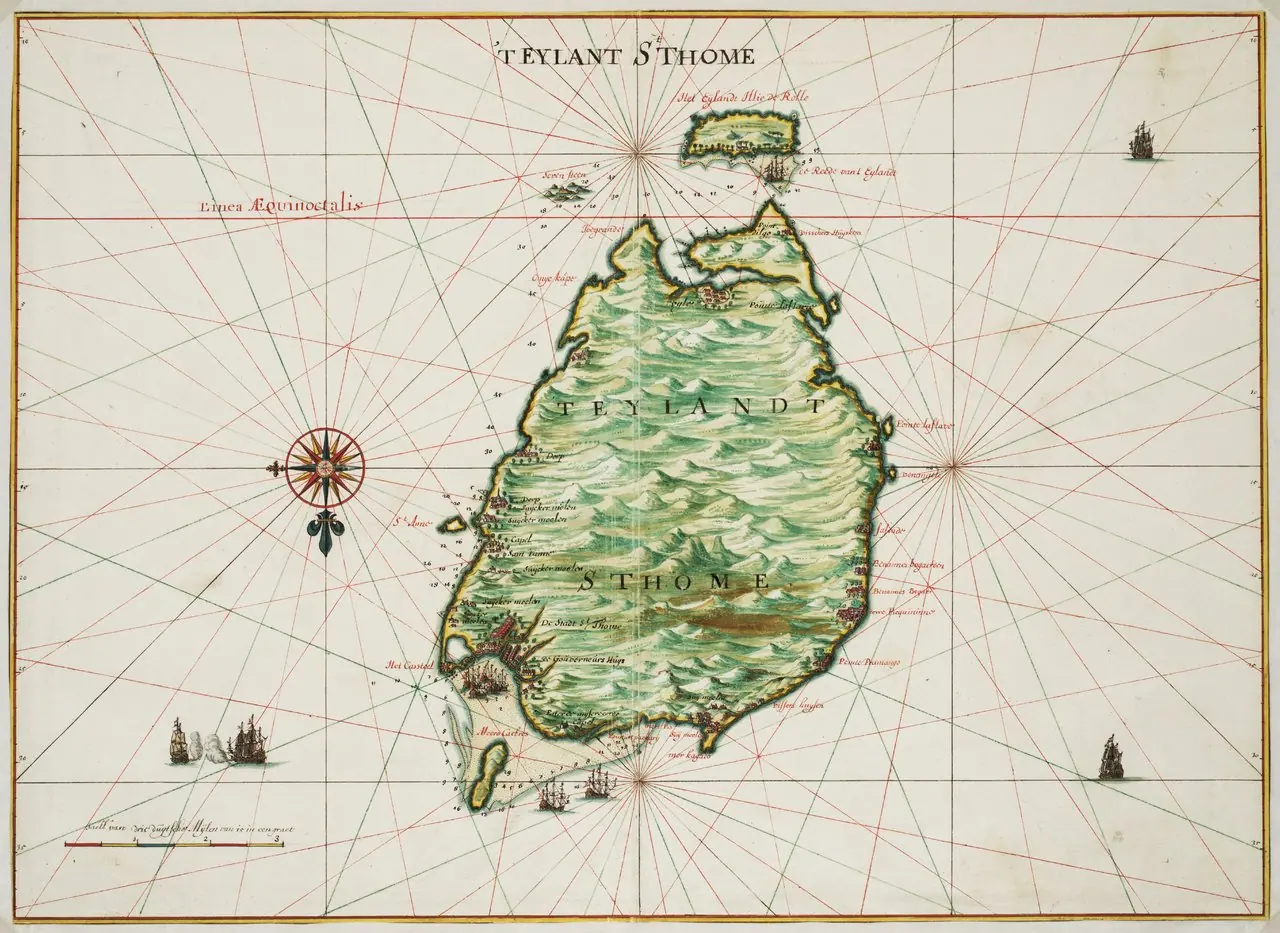
São Tomé and Príncipe sits in the Gulf of Guinea like two green beads dropped on blue glass — volcanic, forest-cloaked and almost absurdly quiet. Choosing a hotel here is really choosing a rhythm: the creole bustle of the capital, the cool coffee highlands, an empty southern beach, or the near-silent plantation life of Príncipe. This guide maps where to sleep on both islands, and which landmarks you'll want within walking distance.
Two Islands, Two Very Different Kinds of Stay
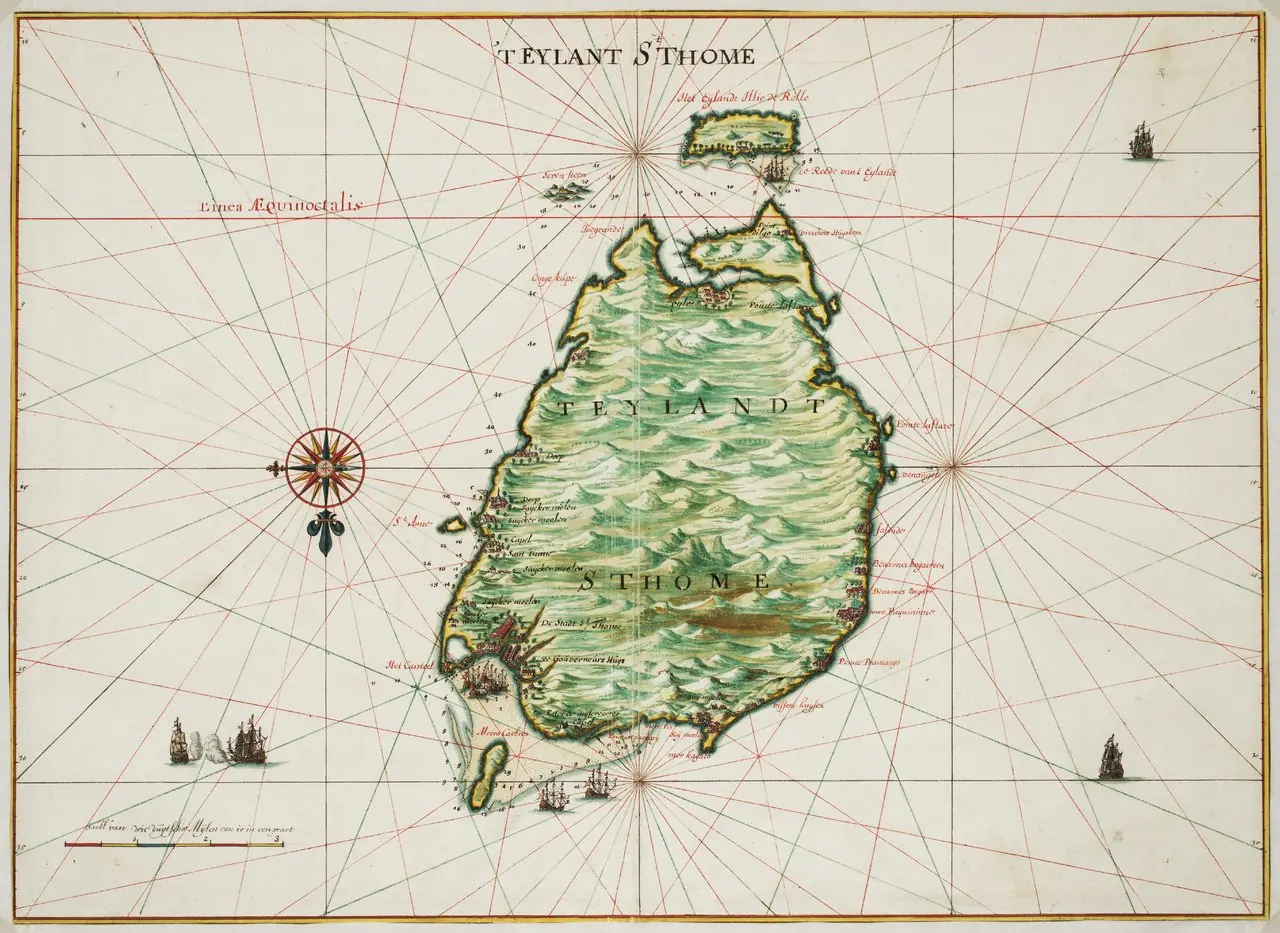
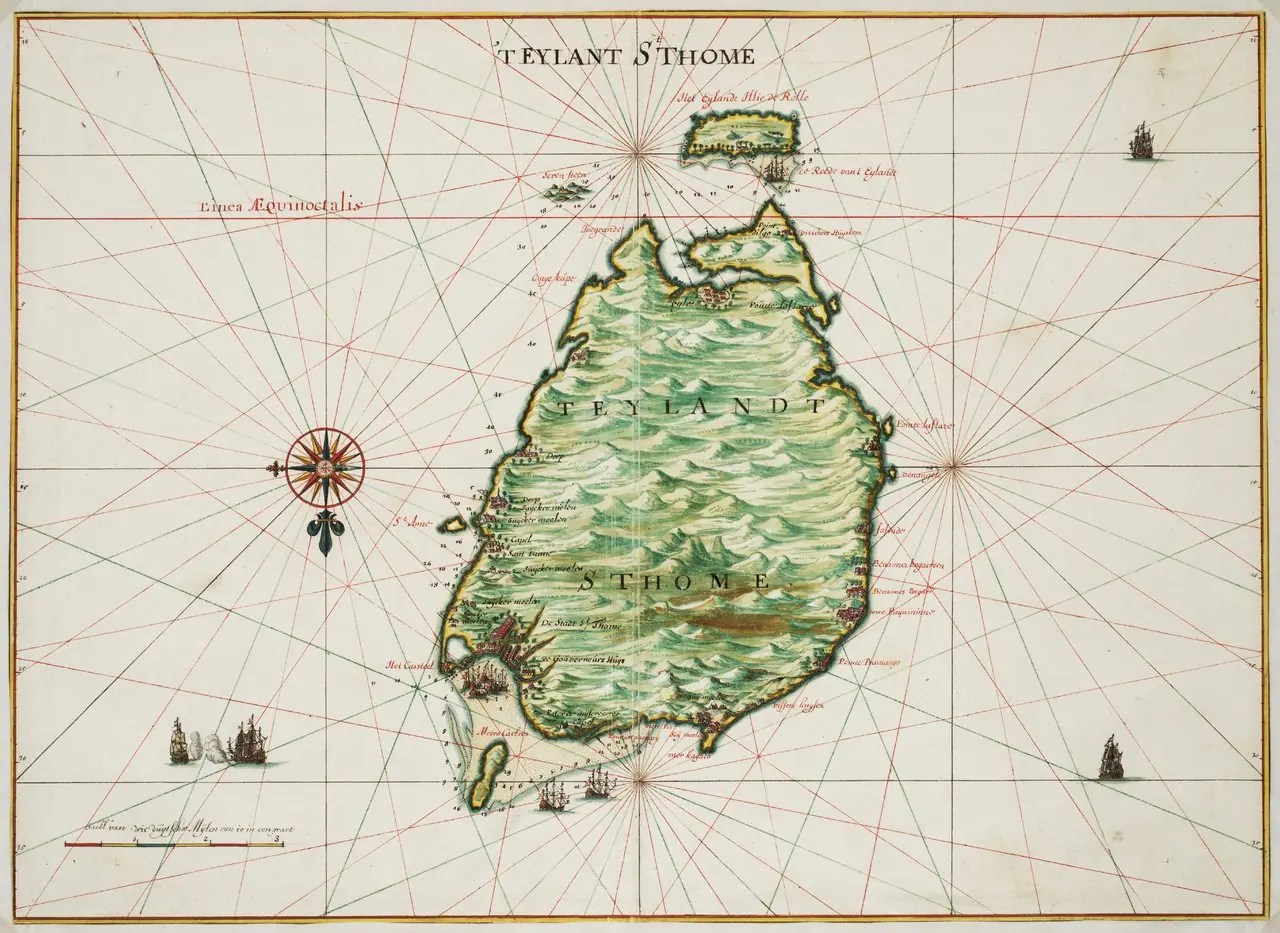
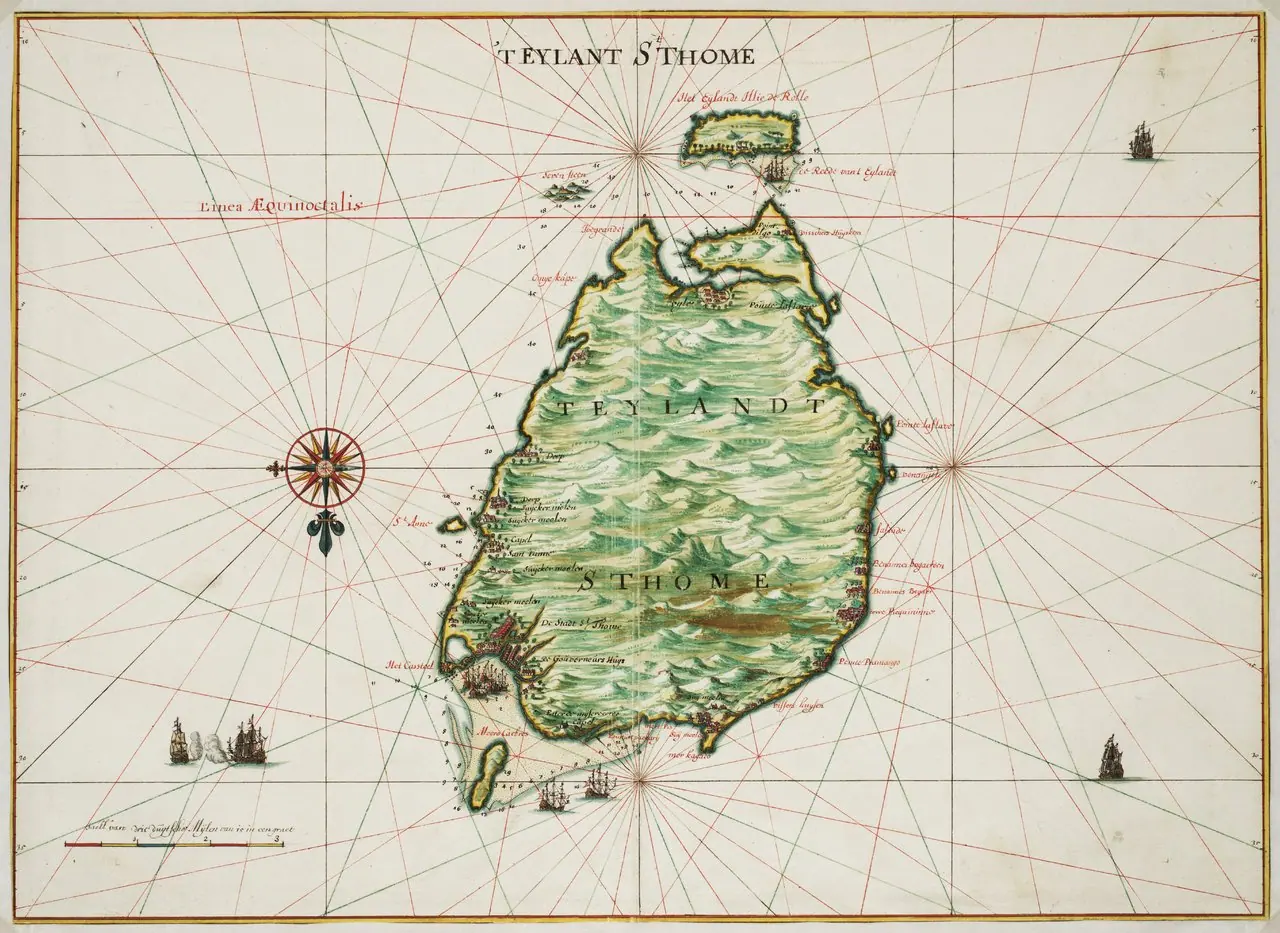
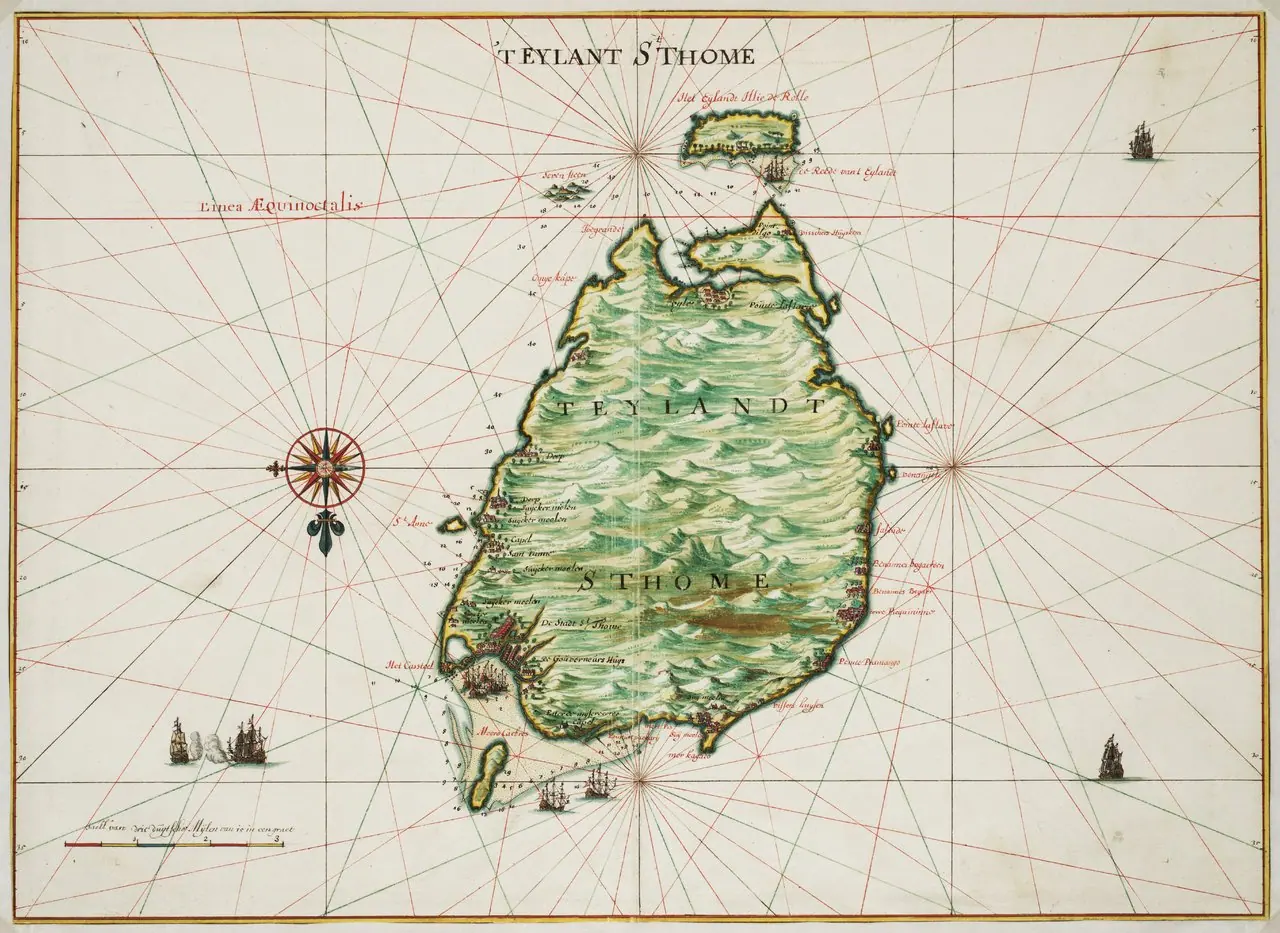
São Tomé, the larger island, stretches roughly north-east to south-west and holds the capital, the international airport and the great majority of the country's beds. Príncipe lies a long way north-east across open water, small enough to cross in an afternoon and protected as a UNESCO biosphere reserve. The practical consequence is simple: São Tomé gives you choice — city hotels, beach lodges, converted estate houses — while Príncipe gives you a handful of intimate properties where you either book early or not at all.
Accommodation falls into four loose families. First, compact hotels and guesthouses in and around the capital. Second, small beach lodges on the northern and southern coasts, often with only a few rooms and a kitchen that cooks whatever the boats brought in. Third, the roças — the old Portuguese cocoa and coffee estates, several of them restored into atmospheric inns with high ceilings, deep verandas and hardwood floors that creak politely. Fourth, on Príncipe, a few plantation-house retreats and one or two beach properties that feel almost like private houses.
Altitude matters as much as address. Coastal rooms are warm and humid year-round, with fans doing most of the work and air conditioning in the more established places. Move uphill towards the coffee country and the evenings turn genuinely cool, sometimes needing a light jumper. If you are sensitive to heat, a highland roça or a breezy ocean-facing room is worth more than any extra star rating.
One more thing shapes every booking: the islands are small and seasonal. During the dry months the best rooms go months in advance, and the smallest places may only have three or four of them. Plan your nights before you plan your flights, and be prepared to move between two or three bases rather than staying put.
São Tomé City and the Northern Coast: History on the Doorstep
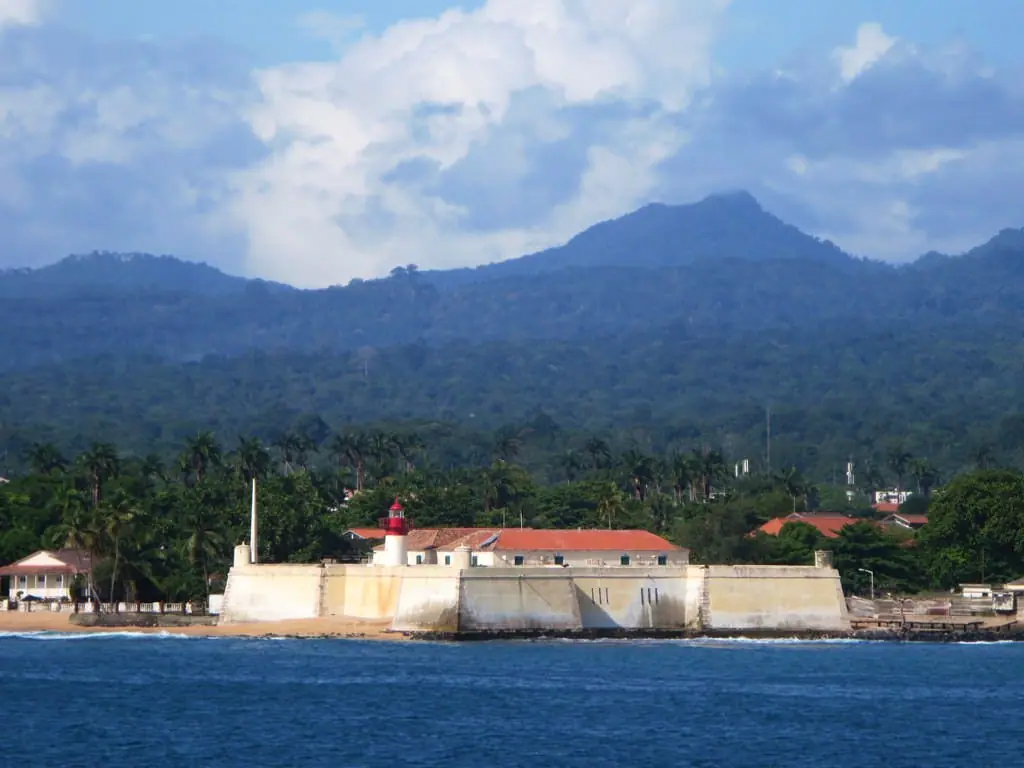
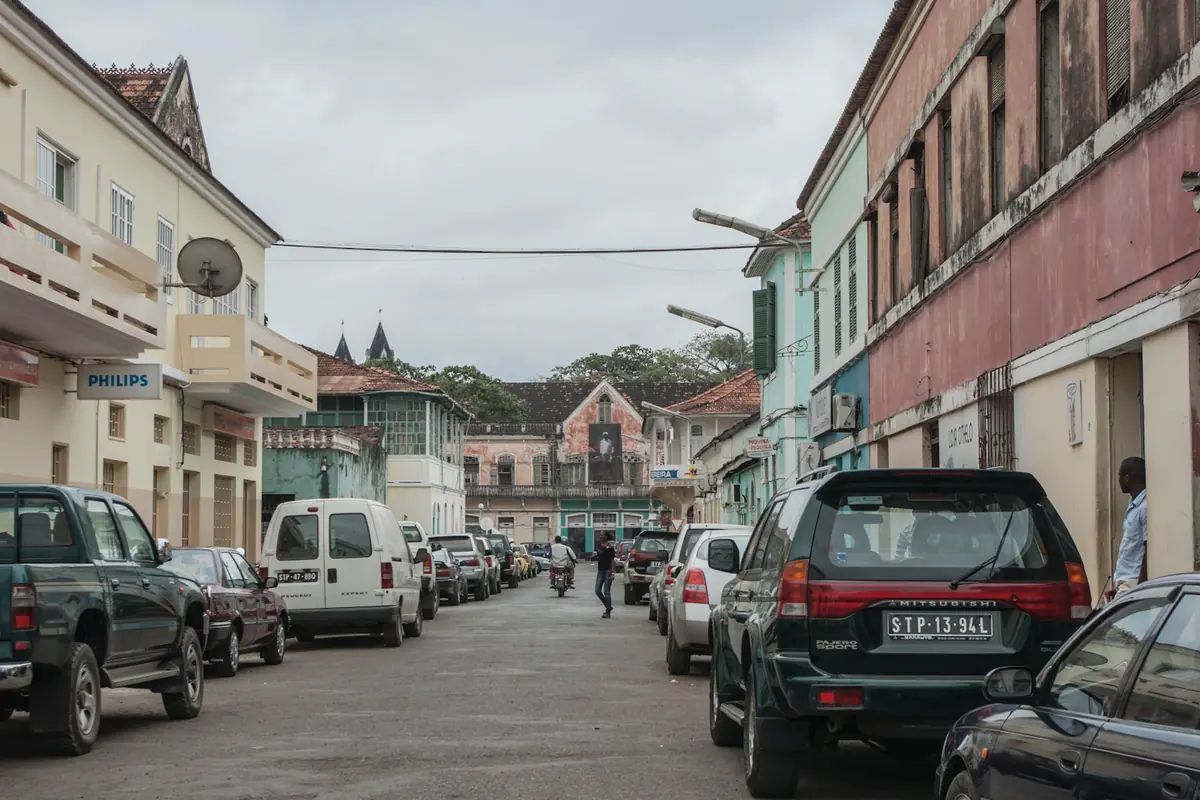
The capital rewards two or three nights, and the reason is walkability. The Cathedral of São Tomé, with its twin towers and weathered pink façade, anchors the seafront, while at the southern end of the bay the whitewashed Fort São Sebastião — now the national museum — looks straight out over the water and holds a fine collection of colonial-era artefacts and religious art. Between them runs the waterfront avenue, past faded merchants' mansions and the iron-framed municipal market where you can buy cocoa, pepper, bananas and smoked fish before breakfast.
Hotels in the city cluster along that oceanfront strip and in the quiet residential streets just behind it. A sea-facing room means you fall asleep to the Atlantic and wake to fishermen working the bay; an inland room is cheaper and cooler. Either way, most guests end up walking to the cathedral, the fort and the market within a single morning, then taking a taxi a few minutes west to Praia das Sete Ondas, the long grey-sand beach where the capital goes to swim at weekends.
Base yourself here and the north coast becomes a series of easy day trips. Lagoa Azul, a sheltered turquoise lagoon near Morro Peixe, is calm enough for children and framed by black volcanic rock. Further out, the fishing villages of Neves and Guadalupe give you boat-building, palm-thatch bars and grilled fish for lunch. Small lodges sit along this stretch too — quieter than the city, but still only an hour or so from the airport, which makes them a good first or last stop.
The Wild South: Pico Cão Grande, Praia Jalé and the Equator
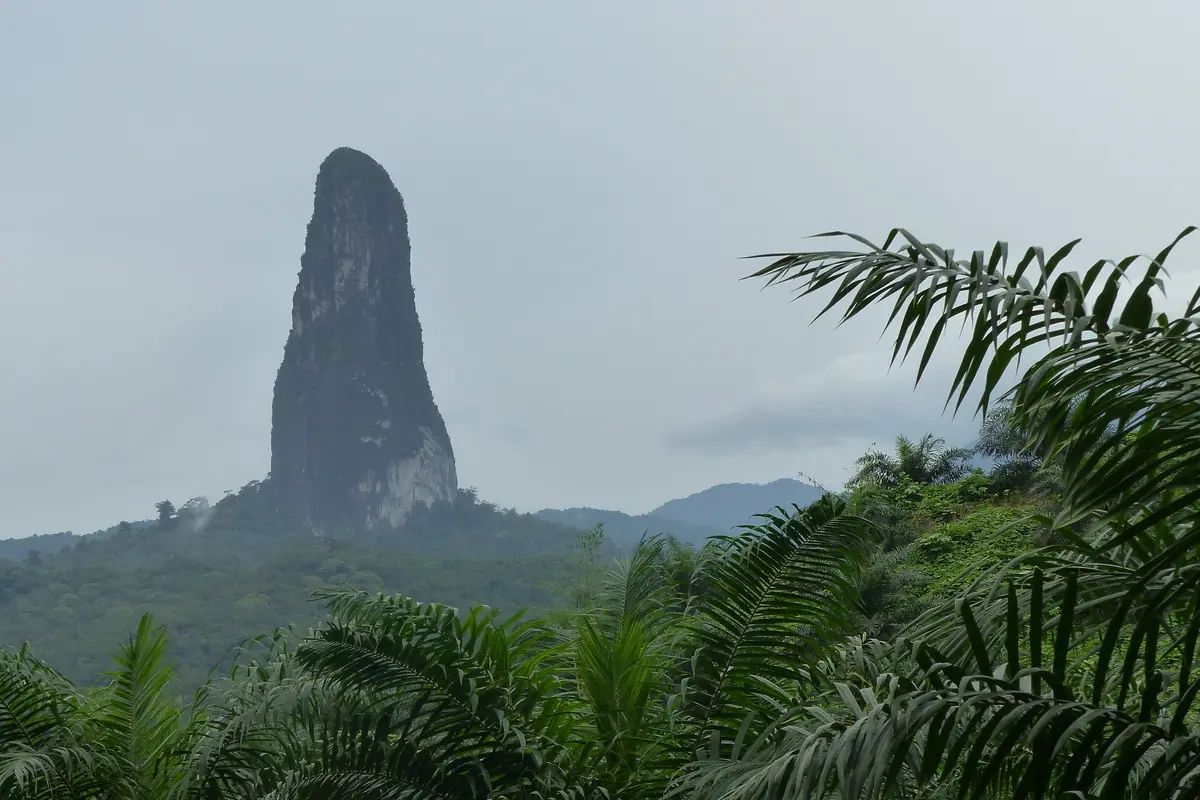
The south of São Tomé is where the island shows off. Obô National Park protects a vast share of the interior rainforest, and rising out of it is the country's most photographed silhouette: Pico Cão Grande, a volcanic needle of rock thrusting up from the canopy, wreathed in cloud by mid-morning. Further inland, trails climb towards Pico de São Tomé, the island's highest point, through mossy forest loud with parrots and pigeons found nowhere else on earth.
On the coast, the beaches come one after another: Praia Jalé, Praia Inhame, and the long empty sands near Porto Alegre. Between roughly November and March, turtles haul themselves ashore here to nest, and the small lodges run night patrols with guests tagging along. Offshore, Ilhéu das Rolas is cut by the equator itself, with a marker where you can stand with a foot in each hemisphere, and near the eastern shore the Boca do Inferno blowhole fires spray into the air while Praia Piscina's rock pools fill like warm baths at low tide.
Accommodation down here is deliberately simple: eco-lodges with generator power, mosquito nets over the beds, cold or solar-heated showers and set dinner times built around grilled fish, rice and beans. What you trade in polish you gain in emptiness — some of these beaches see more turtles than people. Allow three to four hours to drive from the capital to the far south, more in the wet season, and arrange a 4x4 and a local driver rather than trusting a small car to the later stretches of road.
Sleeping Among the Coffee Trees: Monte Café and the Roças
The plantation estates, or roças, are the country's most distinctive places to stay. Roça Água Izé on the east coast is the grandest ruin of them all: a long low complex of chapel, hospital building and administrator's house set on a spit between river and sea, with rusting machinery still standing in the yard. Walking through it in the late afternoon, when the light comes in sideways, is one of the most affecting experiences on the island.
In the highlands above Trindade, Roça Monte Café tells a happier story. Coffee still grows here, the old drying terraces are still in use, and a small museum explains how São Tomé's beans once travelled the world. The air is noticeably cooler at this altitude, the gardens are full of hummingbirds and weaver birds, and the Cascata de São Nicolau waterfall is a short drive away for a hot-forest walk and a swim.
Many of these estates now take guests, and the experience is consistently memorable: shuttered windows, wide verandas for afternoon coffee, no televisions and meals served at fixed hours in a communal dining room. Some are restored with real care, others are charmingly rough around the edges — read descriptions carefully and pack a torch, a power bank and earplugs. The reward is a night in a building that carries the whole complicated history of these islands in its walls.
Príncipe: Santo António, Praia Banana and the Bom Bom Islet
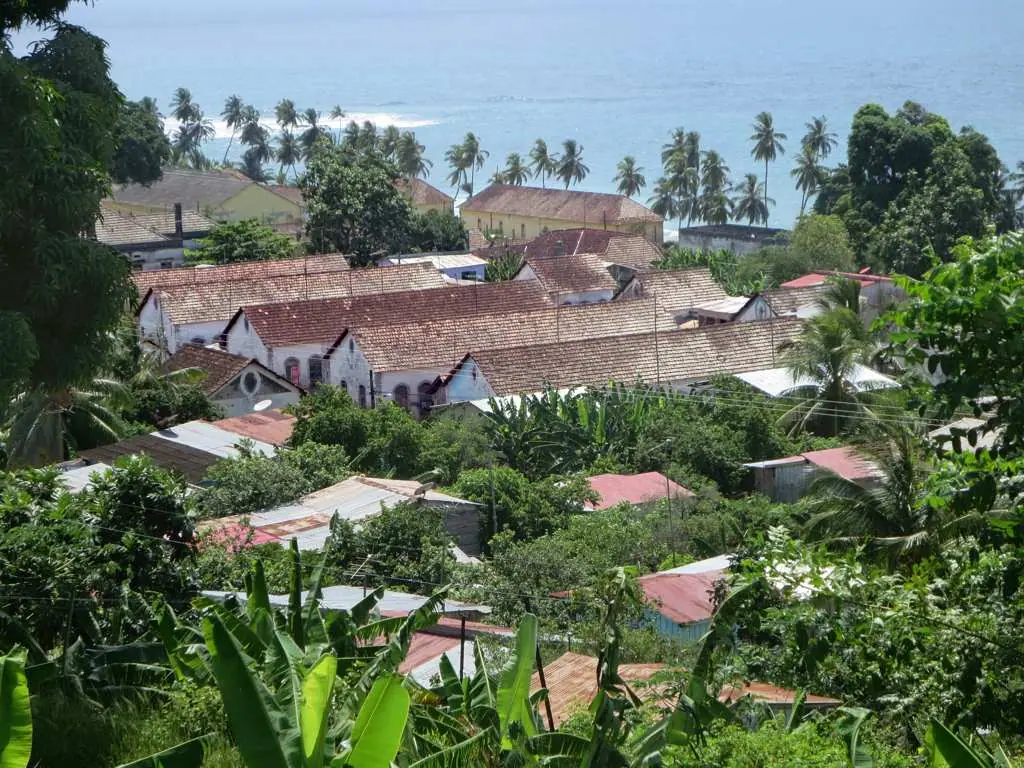
Príncipe is a different country in all but name. Its capital, Santo António, is one of the smallest in Africa — a few pastel colonial buildings, a market, a church and a football pitch, all within a short stroll of the airstrip. There are only a handful of flights a week from São Tomé, so arrivals and departures organise your days, and once you are here the pace drops immediately.
The island's landmarks are mostly natural. Praia Banana is the postcard: a crescent of pale sand backed by a grove of palms, reached by boat or a bumpy track, with swimming that is best at high tide. Nearby Praia Boi offers similar solitude, while the Bom Bom islet — joined to the shore by a wooden footbridge — is the classic sunset walk. Inland, the hike up Pico Papagaio takes you through mist forest to a view over the whole island, and the historic estate at Sundy, where astronomers once came to watch a solar eclipse, is worth a morning.
Where you sleep is a short list. Expect plantation houses with polished floors and four-poster beds, a beach property or two, and small guesthouses in Santo António itself. Meals are often included because there are few restaurants, electricity may run on a schedule, and Wi-Fi is best treated as a bonus rather than a promise. Book months ahead for the dry season and for the Christmas and New Year period, when the few rooms fill fast.
Practical Planning: Seasons, Inter-Island Travel and What to Expect
The islands sit almost on the equator, so temperatures hover between roughly 25°C and 30°C all year, with high humidity on the coast. The drier, cooler season known locally as the gravana runs from June to September and is the most comfortable time for hiking and long drives. October to May is wetter, with the heaviest rain generally falling between March and May; January and February often bring a short drier window that suits beach stays. Pack light cotton, a rain shell, quick-drying shoes, insect repellent and reef-safe sun cream.
Getting around São Tomé means one main paved road that loops much of the island, with rougher sections in the south that slow everything down. Distances look short on a map and never are in practice, so hire a driver or a 4x4 rather than relying on a small car. Príncipe is reached by a short hop of roughly half an hour from São Tomé on a small aircraft, with tight baggage limits — leave the hard-shell suitcase behind. Boats cross occasionally but the passage can be rough.
For a first visit, five to seven days on São Tomé plus three or four on Príncipe is about right: two or three nights in the capital near the cathedral and fort, a couple of nights in the highlands or on the north coast, and a stretch in the south for Pico Cão Grande and the turtles. Portuguese is the language, the dobra is the currency, and cash matters once you leave the capital — card machines are rare. Many smaller hotels include dinner in the rate and stop serving by nine, so eat when they eat.
Frequently asked questions
Where should first-time visitors stay in São Tomé and Príncipe?
Split your stay. Start with two or three nights in São Tomé city, walking distance from the Cathedral of São Tomé and the Fort São Sebastião museum, then move to a beach lodge on the north or south coast. If time and budget allow, finish with three or four nights on Príncipe, where the choice of hotels is small but memorable.
When is the best time to visit São Tomé and Príncipe?
The gravana, roughly June to September, brings cooler, drier weather and the best conditions for hiking to Pico Cão Grande or Pico de São Tomé. January and February often offer a shorter dry spell ideal for beaches. The wettest months tend to be March to May, when roads in the south get muddy and boat trips are less reliable.
How do you get from São Tomé to Príncipe?
A small aircraft makes the hop in around thirty to forty minutes, with only a few flights each week, so book early and check baggage allowances carefully. Boats cross occasionally but the open-water passage can be uncomfortable. Because flights are limited, most travellers plan Príncipe around their arrival and departure days.
Do hotels have reliable electricity and Wi-Fi?
In the capital and larger properties, power is generally steady and Wi-Fi works, if slowly. At remote beach lodges and some plantation stays, electricity comes from generators or solar panels and may run only during set hours, with no signal at all. Bring a power bank, a torch and a sense of humour about connectivity.
Do you need to hire a car in São Tomé and Príncipe?
A 4x4 is genuinely useful, especially for the southern roads near Praia Jalé and Porto Alegre, but many visitors simply hire a driver for the day. On Príncipe, transport is usually arranged through your hotel. Either way, allow far more time than the distance suggests — a short drive here can take an hour.
Plan it — hotels in Sao Tome and Principe
Live search, booked directly with trusted providers.
Sort the rest of your trip
Everything for Sao Tome and Principe, in one place
Transfer in Sao Tome and Principe
Private driver waiting on arrival — no queues, no surprises.
Book a transfer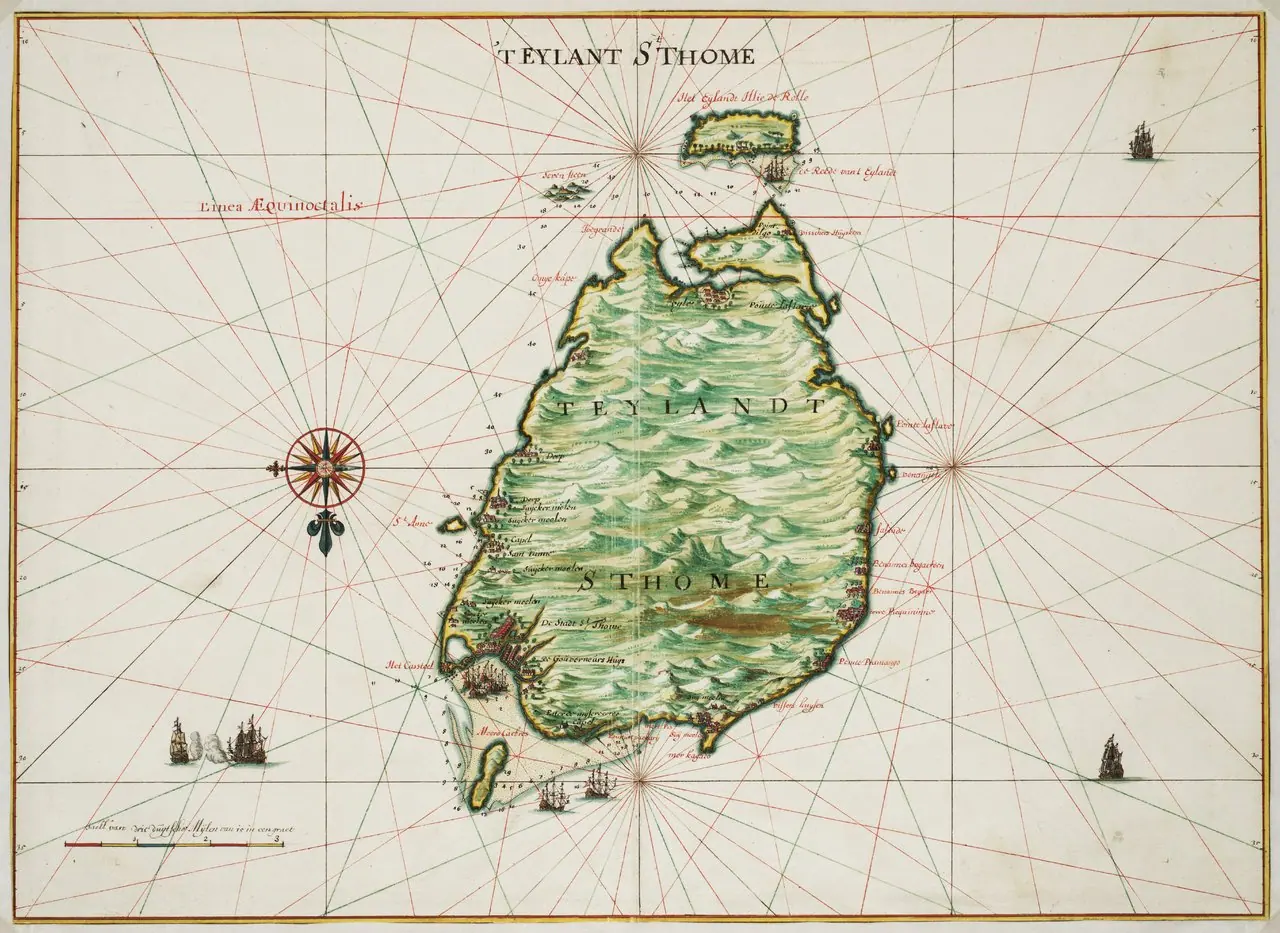
Things to do in Sao Tome and Principe
Skip-the-line tickets, guided tours and standout experiences.
See experiences
Stay online in Sao Tome and Principe
Travel eSIM — data the moment you land, no roaming bills.
Get an eSIMMore guides in Sao Tome and Principe
Best Places to Visit in São Tomé and Príncipe: Rainforest Peaks, Cocoa Roças and Empty Atlantic Beaches
Best Time to Visit São Tomé and Príncipe: Seasons, Weather and When to Book
Top Things to Do in São Tomé and Príncipe: Landmarks, Beaches and Wild Rainforest
São Tomé and Príncipe in One Week: A 7-Day Island Itinerary