Peru packs a desert capital, a high-altitude Inca heartland, a canyon deeper than anything in North America and a slice of Amazon rainforest into one country — and where you sleep changes the trip entirely. Choose the right district or valley town and you trade hours of transit for sunrise at ruins, market breakfasts and evenings on a clifftop promenade. This guide breaks the country into bases, with the landmarks each one puts on your doorstep.
Lima: Clifftop Hotels, Bohemian Barranco and a Colonial Core
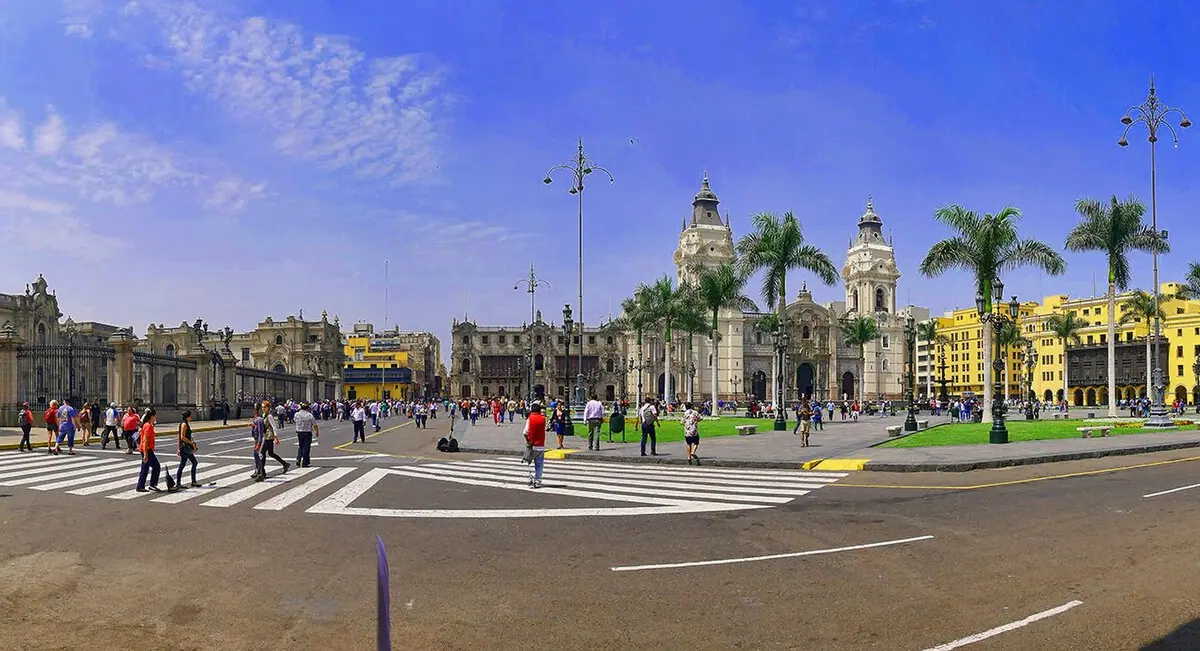
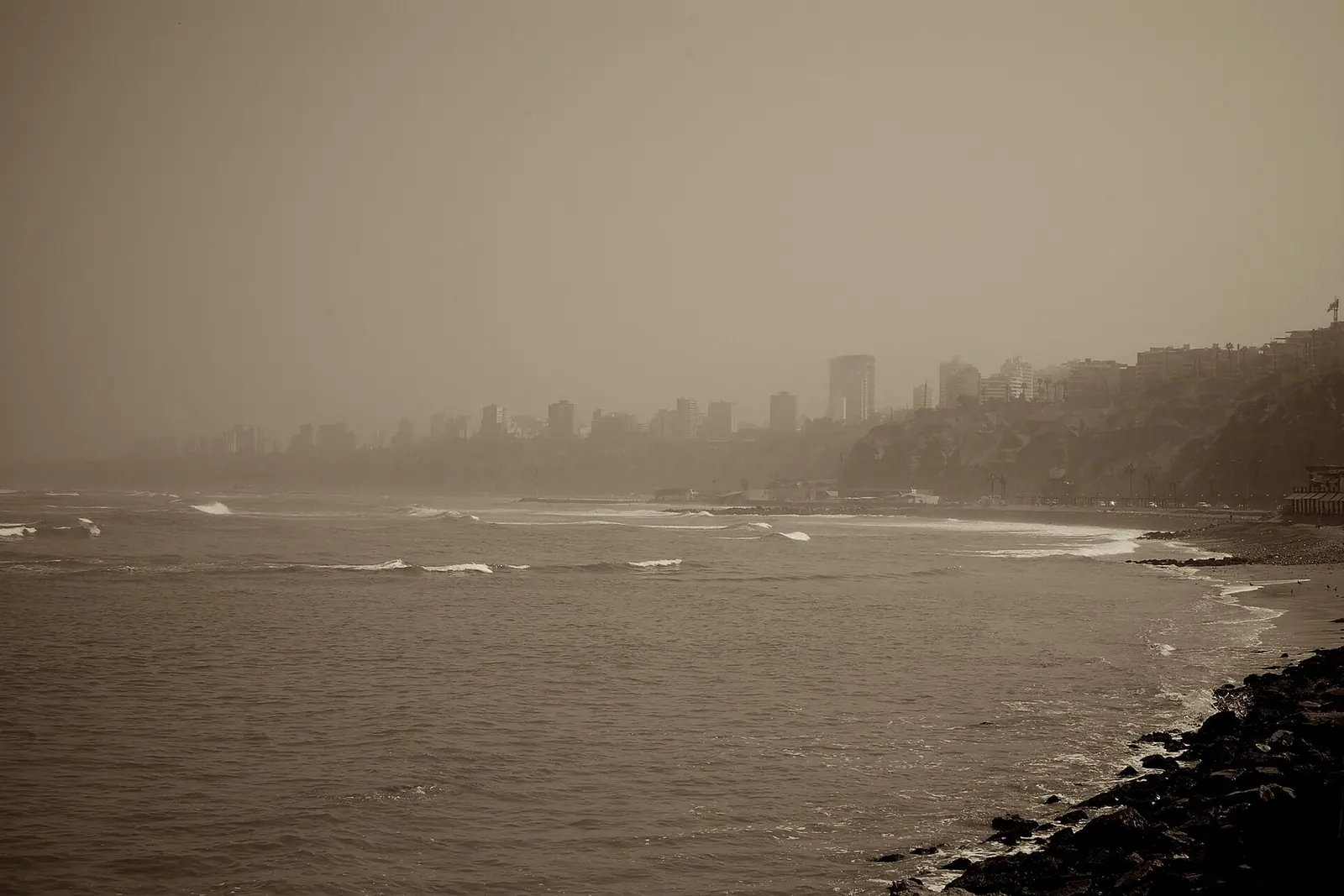
Most travellers land at Lima's airport in Callao and head straight for the coast. Miraflores is the easy first stop: modern hotels line the Malecón, the cliff-edge promenade where paragliders drift over the Pacific and couples stroll between Parque Kennedy and the lighthouse at Faro de la Marina. Barranco, just south, trades glass towers for mural-covered streets, the Puente de los Suspiros and a small but excellent cluster of boutique guesthouses in restored republican-era houses. If you have only a night in the city, stay in Miraflores for convenience; if you have three, split them between Miraflores and Barranco.
The historic centre rewards a morning of walking. Plaza Mayor is ringed by the Cathedral and the Government Palace, and a few blocks away the Monastery of San Francisco hides catacombs stacked with colonial bones. Give the Larco Museum a half-day for its pre-Columbian ceramics, and squeeze in Huaca Pucllana, a stepped adobe pyramid sitting improbably in the middle of Miraflores' residential blocks. Lima is also the country's gastronomic capital, so build your days around long lunches of ceviche and causa, then pisco sours at sunset.
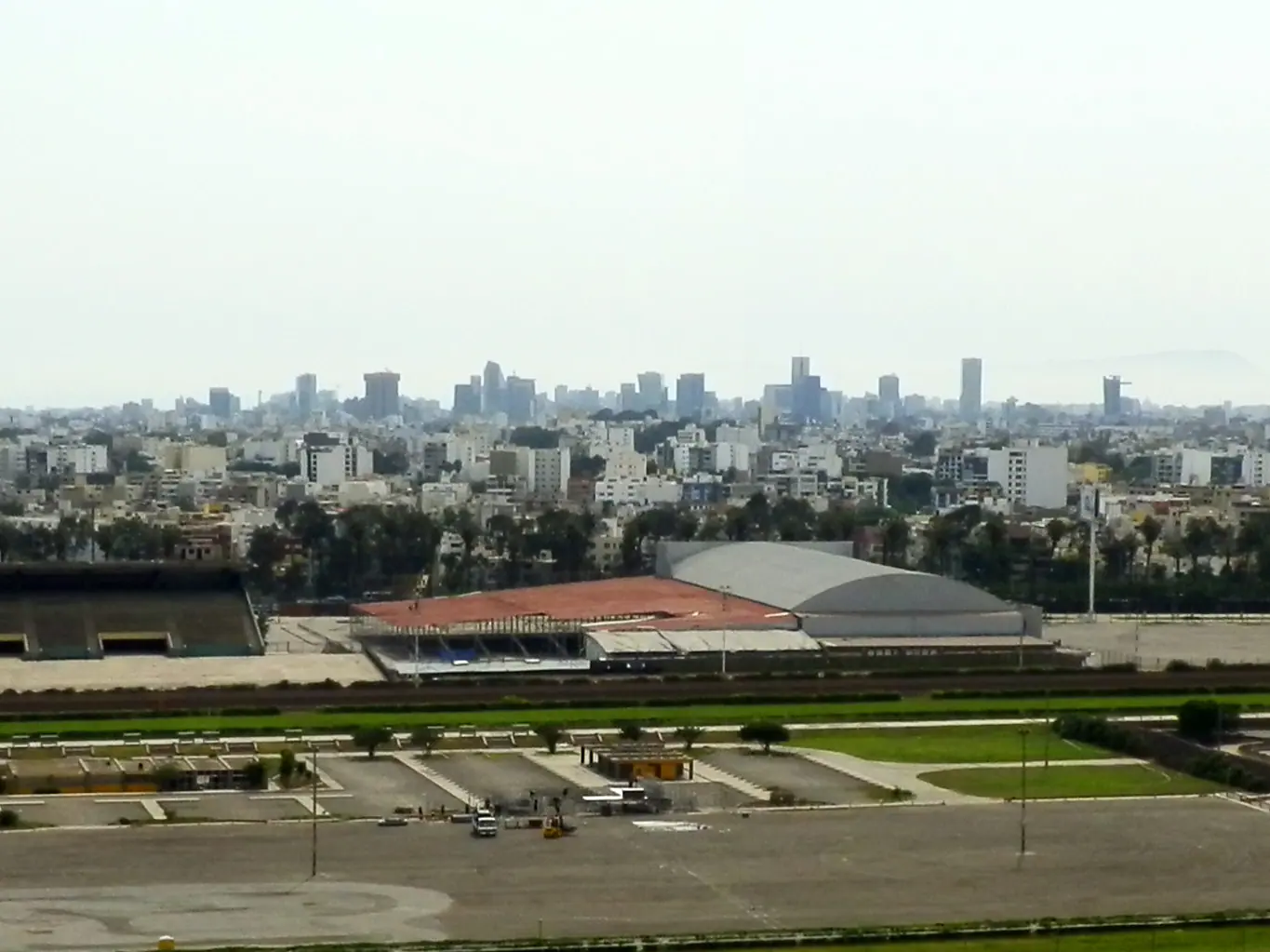
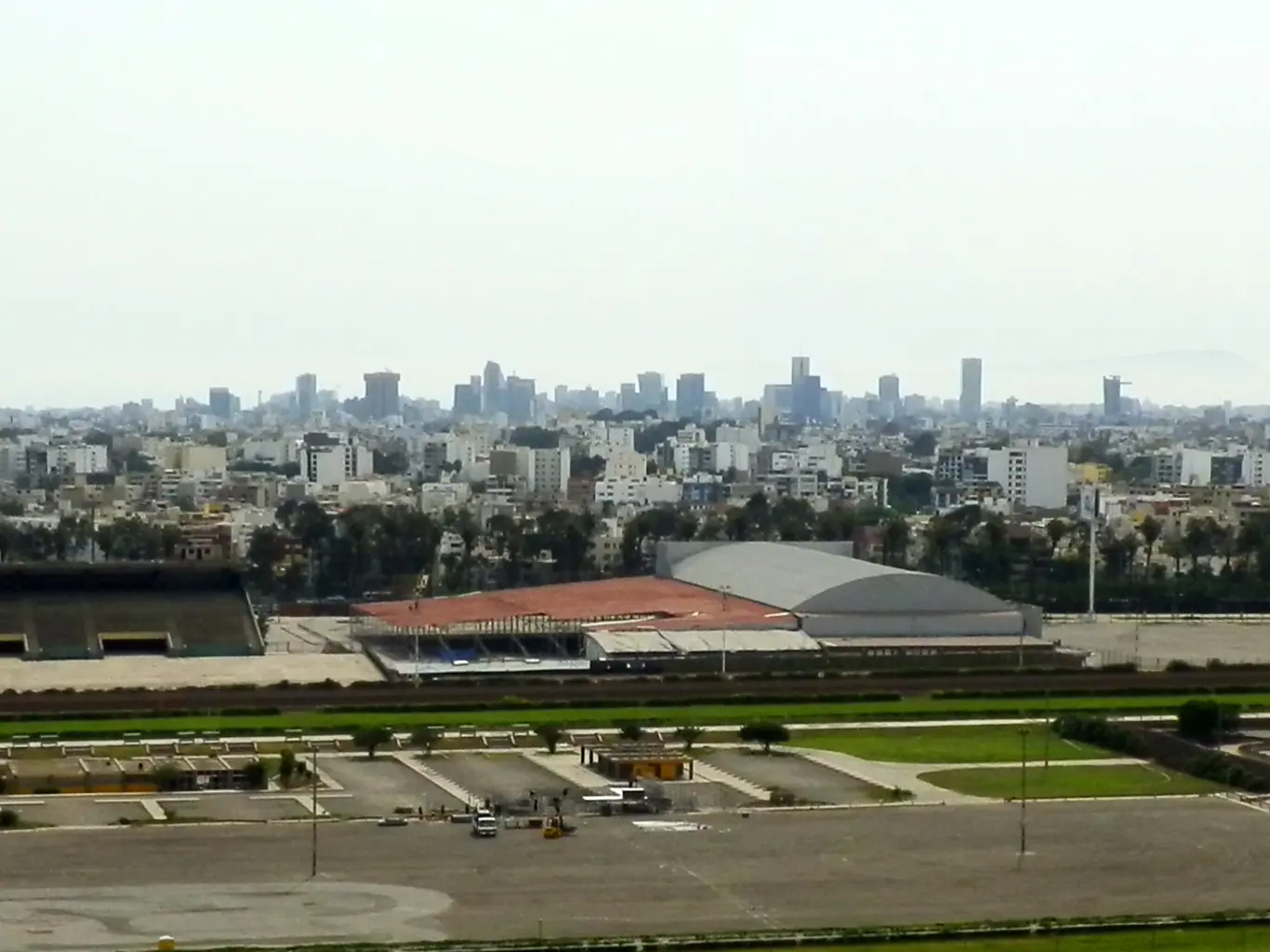
Timing matters more than you'd expect. From roughly May to November a grey coastal fog called the garúa blankets the city, keeping temperatures mild but the sky flat — fine for museums, less ideal for beach photos. December through April brings sunshine and the best light. Airport transfers take 45 to 60 minutes depending on traffic, so book a hotel near the Malecón rather than near the terminal, and use ride-hailing or hotel-arranged cars after dark.
Cusco: Sleeping Inside a Living Colonial Museum
Cusco sits at around 3,400 metres, and the hotels here are part of the attraction. Many occupy colonial casonas built on Inca stone foundations, wrapped around courtyards with arcades, fountains and rooms opening onto balconies over the Plaza de Armas. San Blas, the steep artisan quarter, offers smaller family-run places with views over terracotta roofs, while the streets between the plaza and San Pedro Market suit travellers who want to walk everywhere. Whatever you choose, confirm the room has reliable hot water and heating — Andean nights drop close to freezing from June to August.
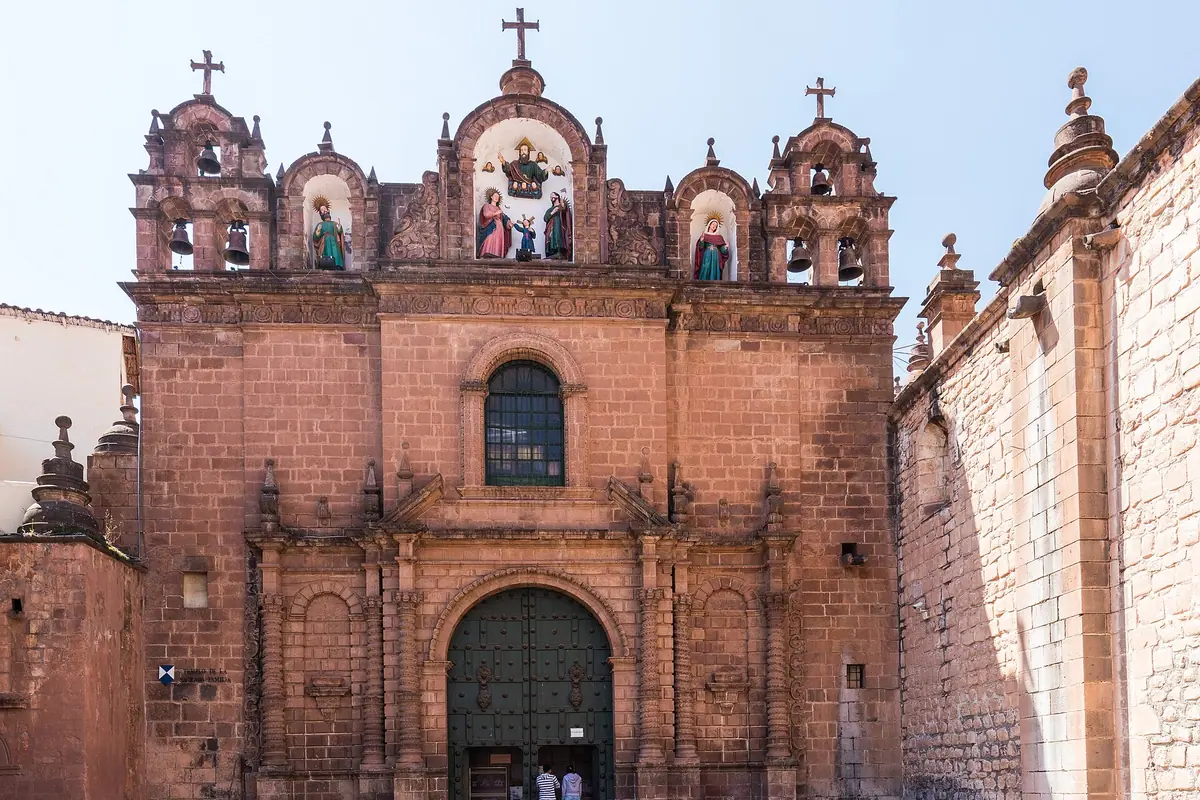
The city itself is dense with landmarks. The Convent of Santo Domingo is built directly over Qorikancha, the Inca Temple of the Sun, and the Inca walls are still visible beneath the church. Above town, Sacsayhuamán's zigzag ramparts of fitting-together megalithic stone are best at golden hour, with Q'enqo and Tambomachay along the same ridge. Inside the centre, the Pre-Columbian Art Museum and the Cathedral of Cusco fill a rainy afternoon, and San Pedro Market is the place for fresh juice, cheese and cheap set lunches.
Give yourself two or three nights here before moving on, partly to acclimatise. The first day should be light — no long hikes, plenty of water, a mild dinner — and many travellers schedule a Sacred Valley stay before returning to Cusco at full strength. The dry season runs May to September, with June's Inti Raymi festival filling hotels weeks in advance. The wetter months from December to March mean afternoon showers, greener hills and lower rates, though the Inca Trail closes each February for maintenance.
The Sacred Valley and Machu Picchu: Where to Base Yourself
Overnighting in the Sacred Valley is the single smartest move in Peru. Urubamba, Ollantaytambo and Pisac all sit lower than Cusco, in the 2,800- to 3,000-metre range, so sleep comes easier. Urubamba has the widest choice of larger hotels and wellness retreats with gardens and mountain views; Ollantaytambo is the practical pick because the trains to Machu Picchu depart from its station; Pisac suits market lovers and anyone wanting ruins within walking distance of their room. A few cliffside lodges even suspend transparent pods from the rock face above the valley — memorable, but not for anyone nervous about heights.
The valley is stacked with sights. The Pisac archaeological park terraces down a mountainside above a Sunday-through-Thursday craft market. Ollantaytambo's fortress, with its unfinished Temple of the Sun and water channels, is one of the best-preserved Inca complexes anywhere. Nearby, the Maras salt pans form thousands of white evaporation pools that glow at sunset, and the circular terraces of Moray look like an Inca agricultural laboratory. Weave in a stop at Chinchero for weaving demonstrations.
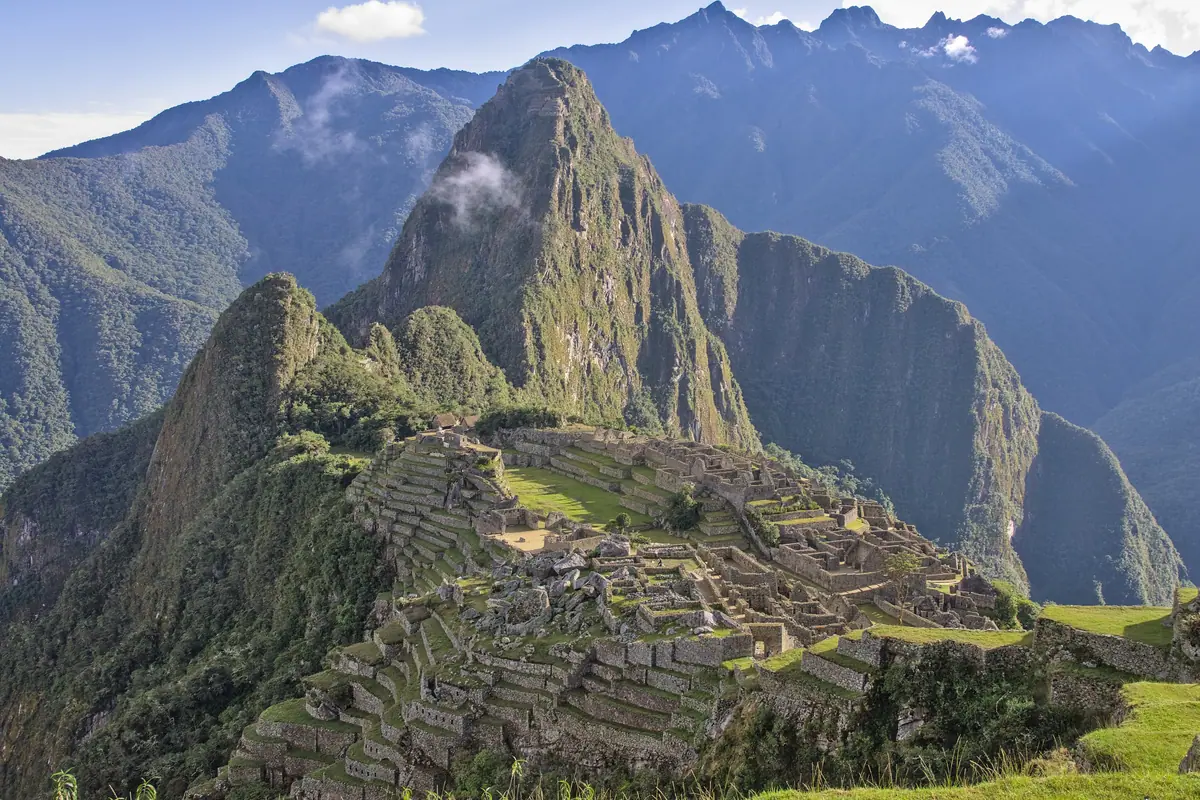
For Machu Picchu itself, most people sleep in Aguas Calientes, the small town at the base, then take the first buses up for sunrise before the day-trippers arrive. Tickets, bus seats and the separate permits for climbing Huayna Picchu or Machu Picchu Mountain all sell out in high season, so reserve months ahead. Trains run from Ollantaytambo and Poroy and take roughly 1.5 to 3.5 hours. The driest and clearest months are May to September; October and November bring fewer crowds with a higher chance of mist.
Arequipa and the Colca Canyon: White Stone and Andean Condors
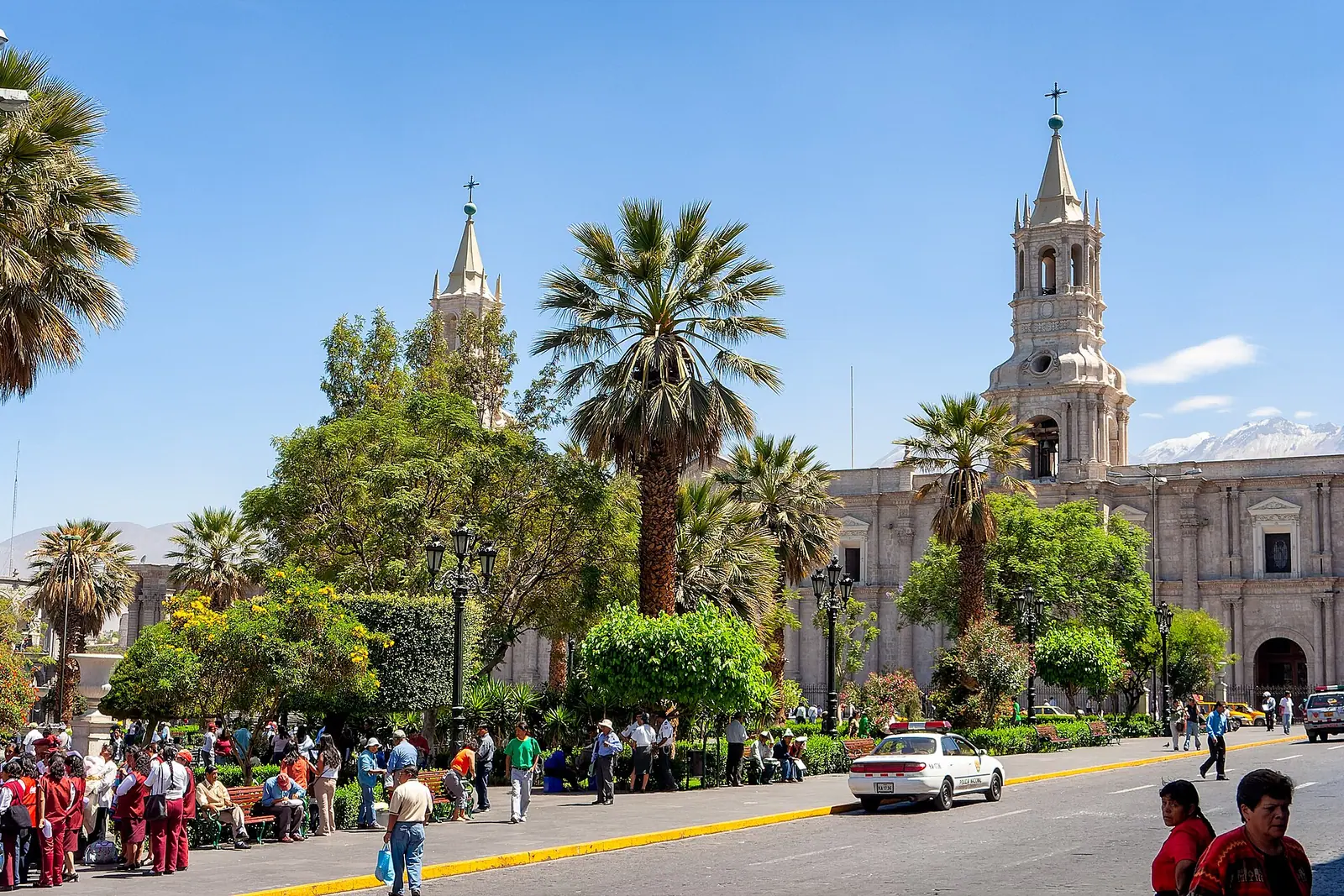
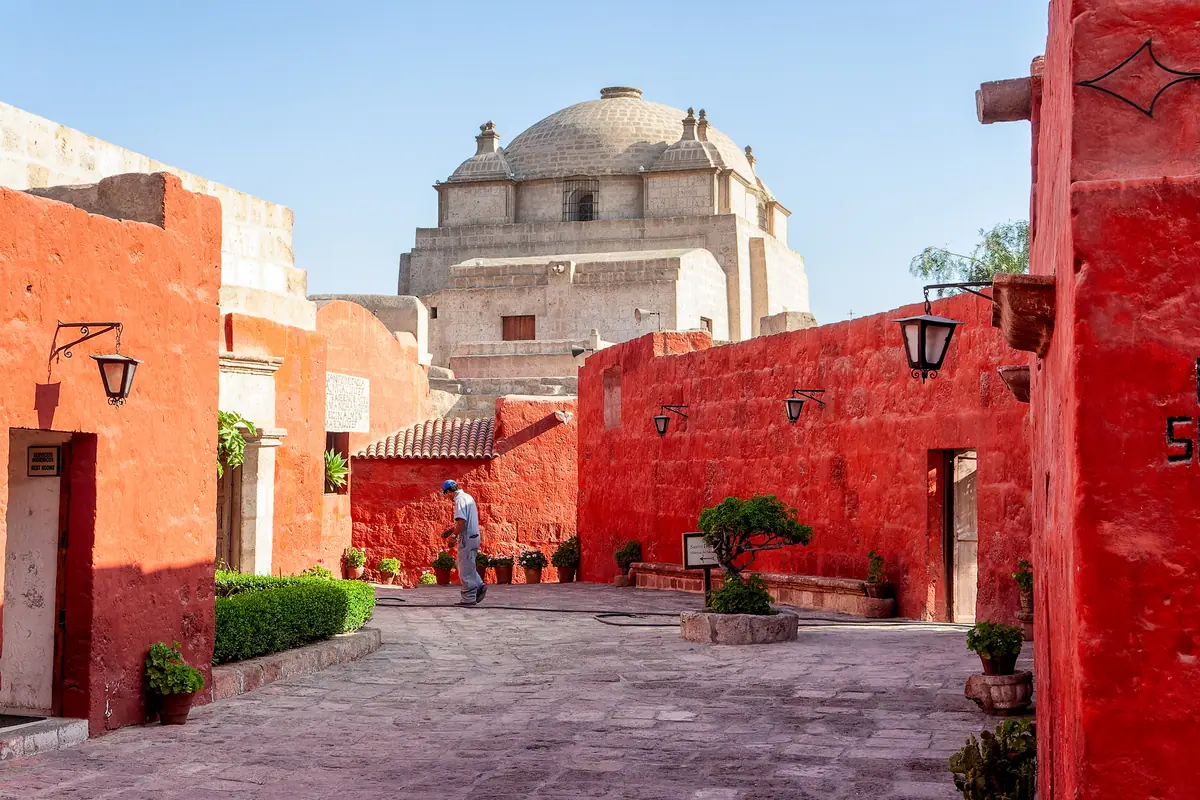
Arequipa's centre is built from sillar, a pale volcanic stone that glows pink at sunset, and the Plaza de Armas is one of the most photogenic squares in South America, framed by a cathedral and arcaded colonnades. The Santa Catalina Monastery is a walled city within the city — cloisters, kitchens and streets painted in vivid blue and rust — and deserves two to three hours. Stay in a casona conversion within a few blocks of the plaza, or in the leafy suburb of Yanahuara, where a viewpoint frames the perfect cone of the Misti volcano.
The Colca Canyon, a few hours inland, is twice as deep as the Grand Canyon and the main reason many travellers come this far south. The Cruz del Cóndor viewpoint is where Andean condors ride the morning thermals, usually most active between about 8am and 10am. Chivay and Yanque are the usual overnight bases, and there are comfortable lodges with hot springs nearby; multi-day treks descend to villages such as Sangalle, where you sleep in basic huts beside a river.
Arequipa sits at 2,335 metres, which makes it a gentle place to acclimatise before heading higher. The weather is dry and sunny most of the year, with the clearest skies from April to November and a short rainy spell in January and February. It is also a natural break between Cusco and the coast: buses connect to Puno in about six hours and to Lima in around sixteen, so many travellers fly in or out of Arequipa to avoid backtracking.
Puno and Lake Titicaca: Reed Islands and Homestays
Puno is a working port town rather than a beauty spot, but its hotels are the launchpad for the world's highest navigable lake. At around 3,800 metres, this is the altitude that catches people out, so book a room with heating and take the first day slowly. Alongside standard hotels, the region offers homestays on Amantaní and Taquile islands, where families cook for guests and you sleep in simple adobe rooms — a highlight for many, provided you pack warm layers and a headlamp.
The classic boat trips head first to the Uros floating islands, built from layered totora reeds that are replenished constantly, then on to Taquile, famous for its tightly woven textiles and knitting traditions. On the mainland, the funeral towers of Sillustani, cylindrical chullpa tombs set on a hill above Lake Umayo, make an excellent half-day trip. Sunset from the Puno waterfront, with the lake turning silver, is worth staying up for.
The best months are May to September, when days are bright and nights are bitter — expect below-freezing temperatures after dark in June and July. The rainy season from December to March brings heavy afternoon downpours and occasional transport delays. Trains and buses from Cusco take about six to ten hours respectively; a stop in Puno pairs neatly with a Colca Canyon detour on the way back toward Arequipa.
Beyond the Andes: Amazon Lodges, the North Coast and Huaraz
Peru's second travel identity is the rainforest. Jungle lodges reached from Iquitos or Puerto Maldonado range from rustic screened huts to surprisingly plush river camps, and they sit close to reserves such as Pacaya-Samiria, Tambopata and Manu. A typical stay is three to four nights with guided dawn walks, canopy towers and night boat trips for caimans. The drier, lower-water months from roughly June to November are easier for wildlife spotting and hiking; December to March floods trails but turns the forest lush and the rivers high enough for deeper excursions.
On the northern coast, Trujillo is the base for Chan Chan, the vast adobe capital of the Chimú kingdom and the largest mud-brick city of the ancient world, plus the brightly painted Moche pyramids of the Huacas del Sol y la Luna. Chiclayo, further north, holds the gold-filled tomb displays of the Lord of Sipán. Surfers and beach lovers push on to Máncora and the warm-water coves of the far north, where the sun shines almost year-round and the season peaks from December to March.
Inland from the coast, Huaraz is the gateway to the Cordillera Blanca, a chain of snow-capped peaks with day hikes to Laguna 69, Laguna Parón and the glacier viewpoints around Pastoruri. Trekking here is best from May to September; the Santa Cruz route is the classic four-day walk. Further south, the Nazca Lines are best seen on a morning flight for smoother air, and Paracas makes a relaxed coastal stop for boat trips to the Ballestas Islands and their sea lions and penguins. Book these smaller towns ahead for July and August, when domestic travellers fill every bed.
Frequently asked questions
What is the best time of year to visit Peru?
May to September is the dry season in the Andes and the most reliable window for Cusco, the Sacred Valley, Machu Picchu and Lake Titicaca, with bright days and cold nights. The coast around Lima is sunniest from December to April, while the Amazon is generally easier to explore between June and November when river levels are lower and trails drier.
Where should I stay for Machu Picchu?
Most travellers sleep in the Sacred Valley first — Ollantaytambo for train access, Urubamba for bigger hotels at lower altitude — then spend one night in Aguas Calientes so they can take an early bus up to the ruins before the day crowds arrive. Cusco works as a base too, but the pre-dawn journey is considerably longer.
How do I handle the altitude in Cusco and Puno?
Spend your first day or two at a gentle pace, drink plenty of water, eat lightly and skip alcohol. Many people break the ascent with a night or two in the Sacred Valley, which sits several hundred metres lower than Cusco. Coca tea and available oxygen in hotel lobbies help, but if you feel seriously unwell, descend rather than push on.
Do I need to book hotels and Machu Picchu tickets in advance?
Yes for the ruins. Entry tickets, bus tickets and the extra permits for Huayna Picchu or Machu Picchu Mountain sell out well ahead in high season, and Inca Trail permits often go months in advance. Hotels in Cusco, Aguas Calientes and Puno also fill quickly around June festivals and July holidays, so reserve both together.
What should I expect from hotels in Peru?
Standards vary widely by price. Mid-range and upscale places in Lima, Cusco, Arequipa and the Sacred Valley are usually comfortable, with hot water, heating in the mountains and decent Wi-Fi. Cheaper guesthouses and island homestays may have shared bathrooms, limited electricity hours and cold nights, so pack layers and a small flashlight.
Sort the rest of your trip
Everything for Peru, in one place
Transfer in Peru
Private driver waiting on arrival — no queues, no surprises.
Book a transfer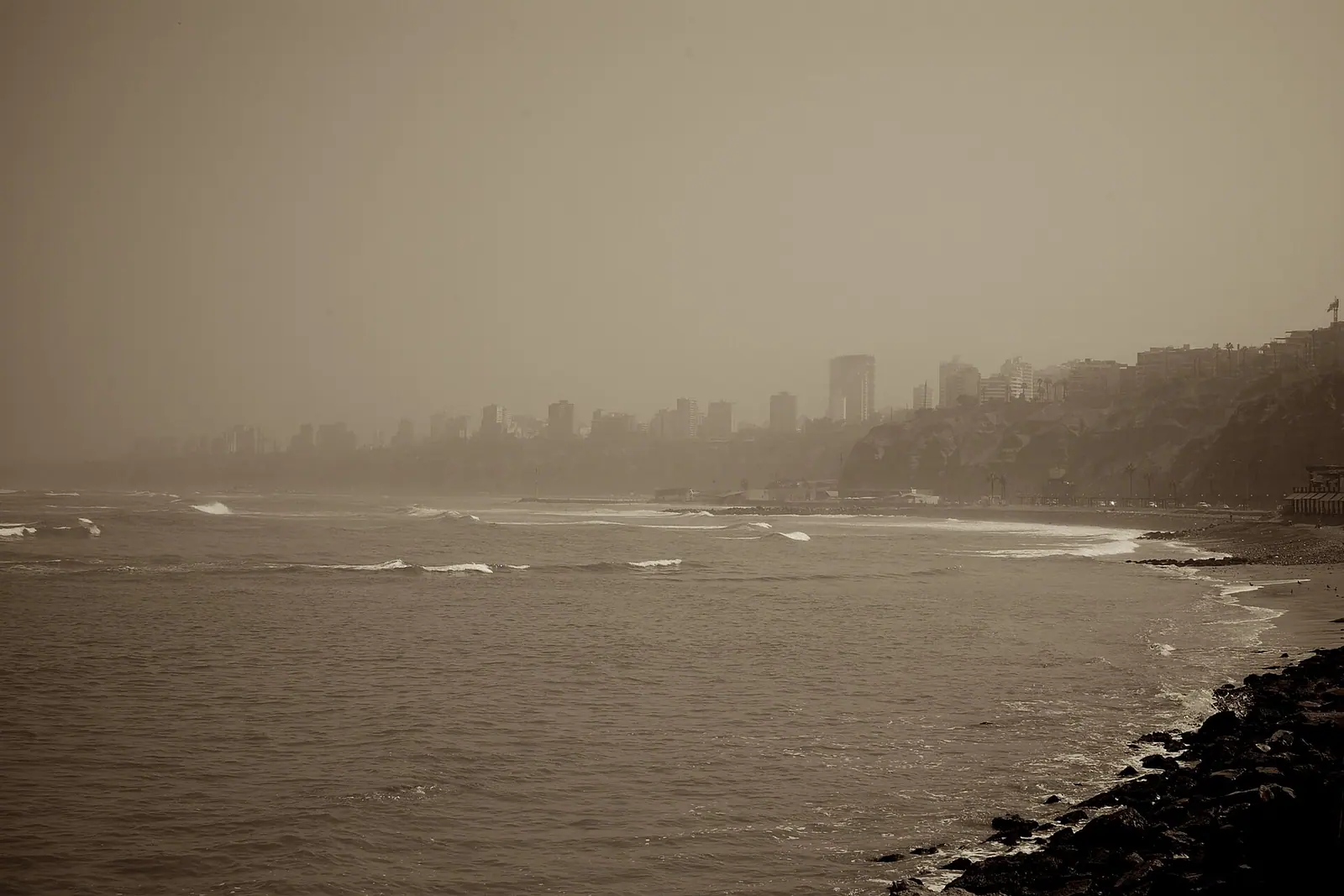
Things to do in Peru
Skip-the-line tickets, guided tours and standout experiences.
See experiences
Stay online in Peru
Travel eSIM — data the moment you land, no roaming bills.
Get an eSIMMore guides in Peru
Tours in Peru: A Food, Culture and Local Experiences Guide
Top Things to Do in Peru: Machu Picchu, Cusco, Colca Canyon and Beyond
Peru in One Week: A Flight-Hopping Itinerary from Lima to Machu Picchu
Best Time to Visit Peru: Seasons, Hotel Rates and Must-See Sights
Best Places to Visit in Peru: Machu Picchu, the Sacred Valley and Beyond