Peru squeezes a ceviche coastline, a highland larder of potatoes, corn and quinoa, and some of the most cinematic ruins on earth into one country. Travel here and you move between ocean fog, cloud forest and 4,000-metre plateaus in the space of a week, eating very well at every altitude. This guide maps the flavours, festivals and landmarks that make a Peru tour feel less like sightseeing and more like being let in on something.
Lima First: Ceviche, Chifa and a Capital That Eats Like a Nation
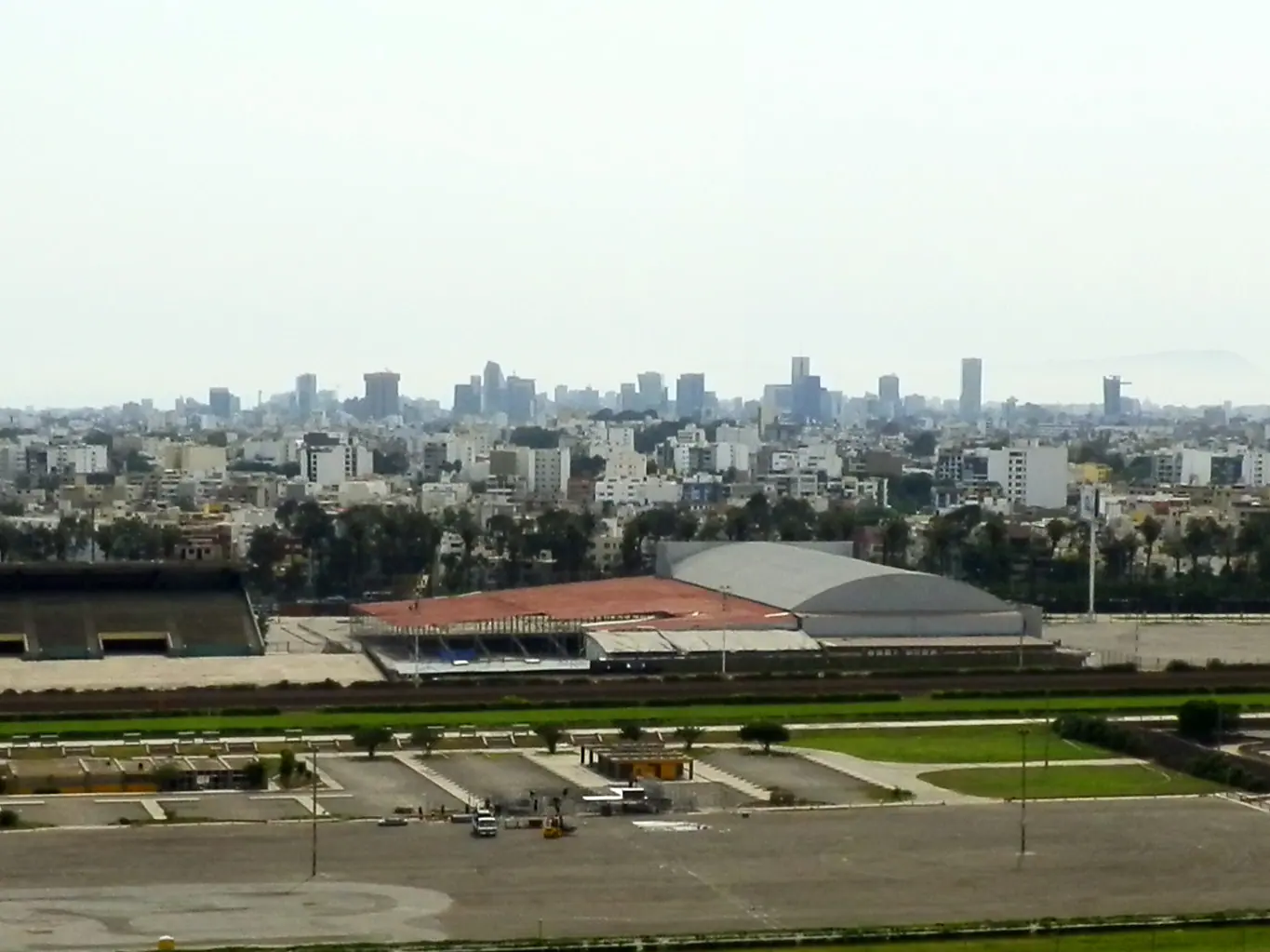
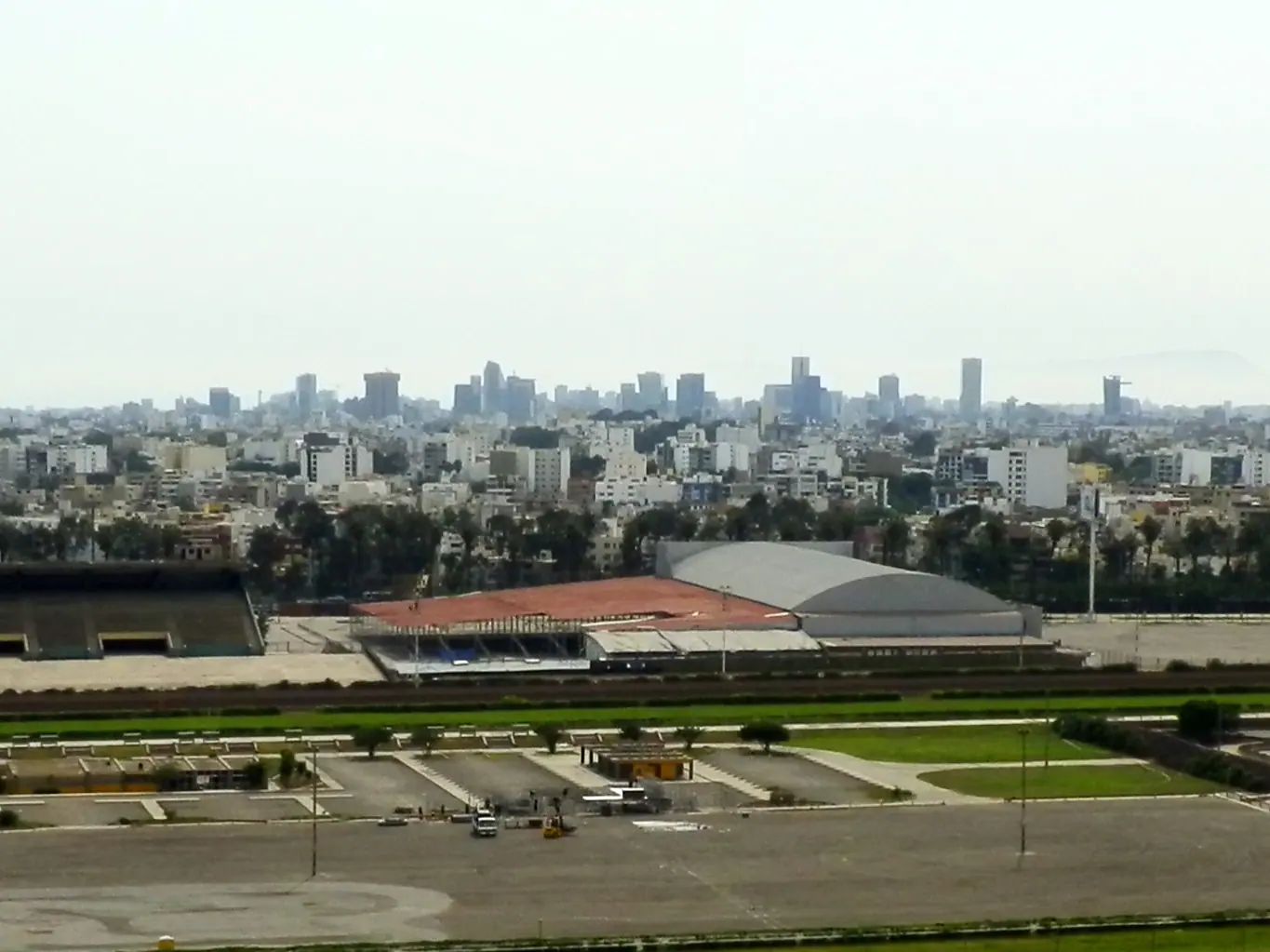
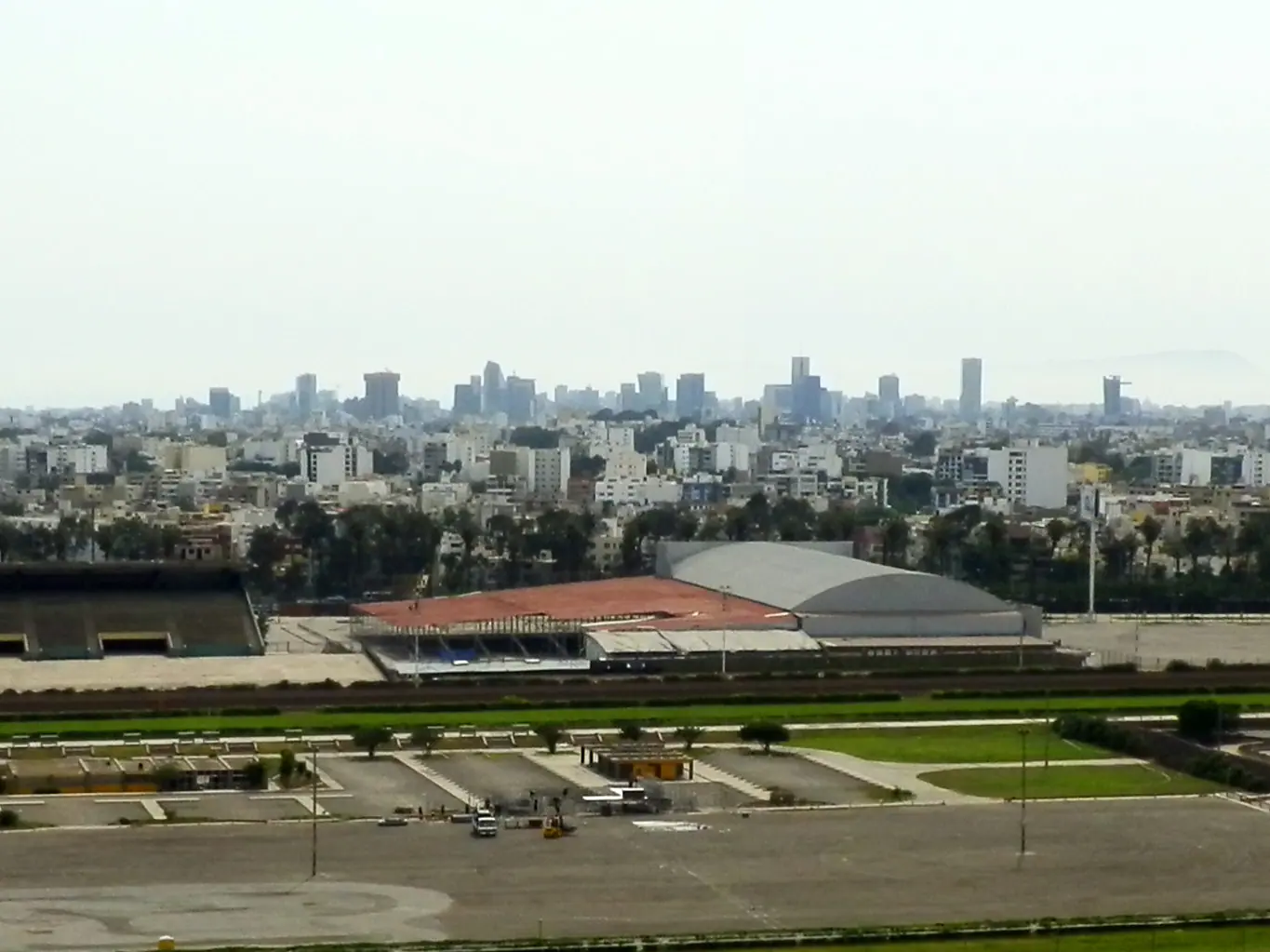
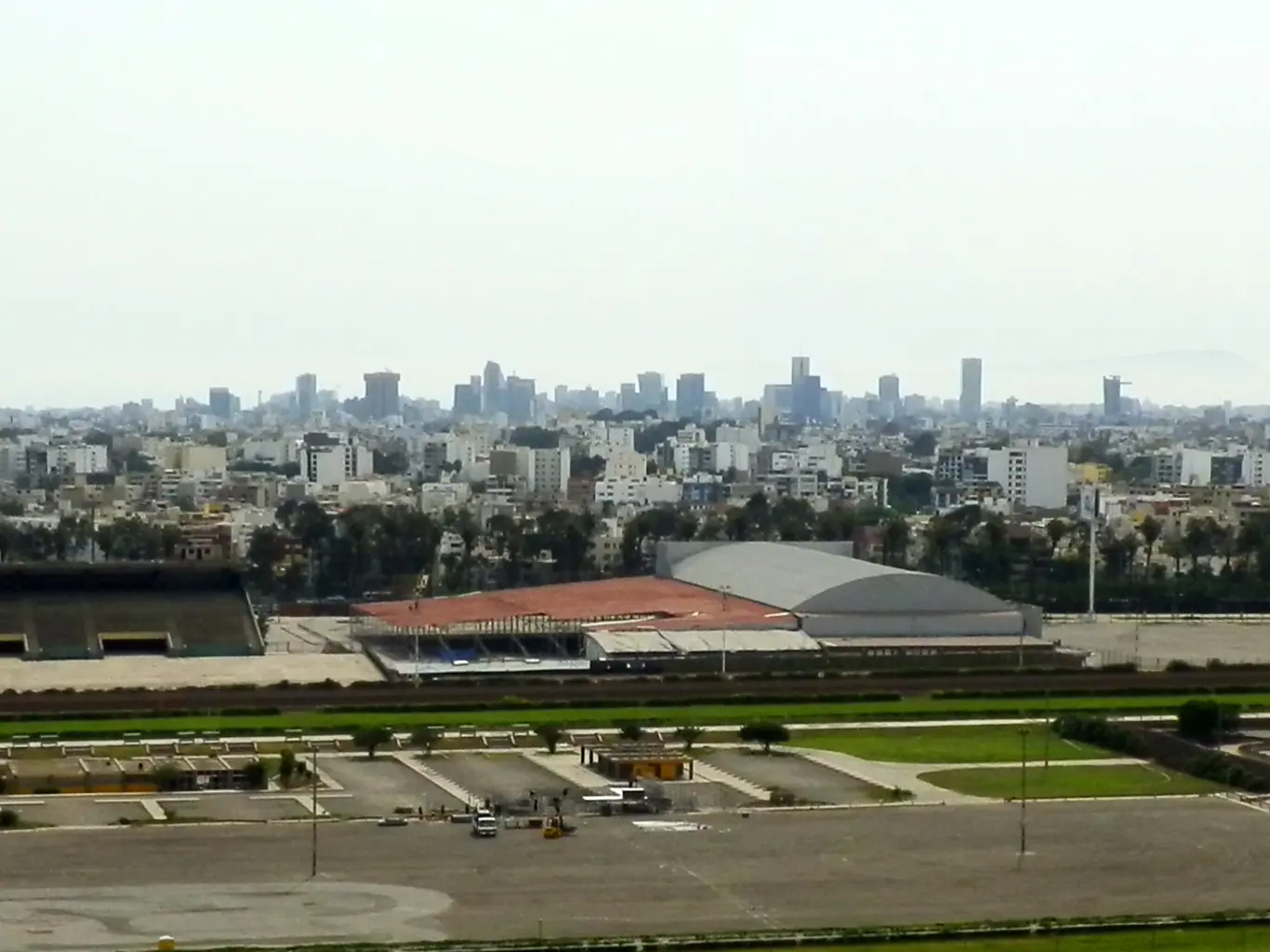
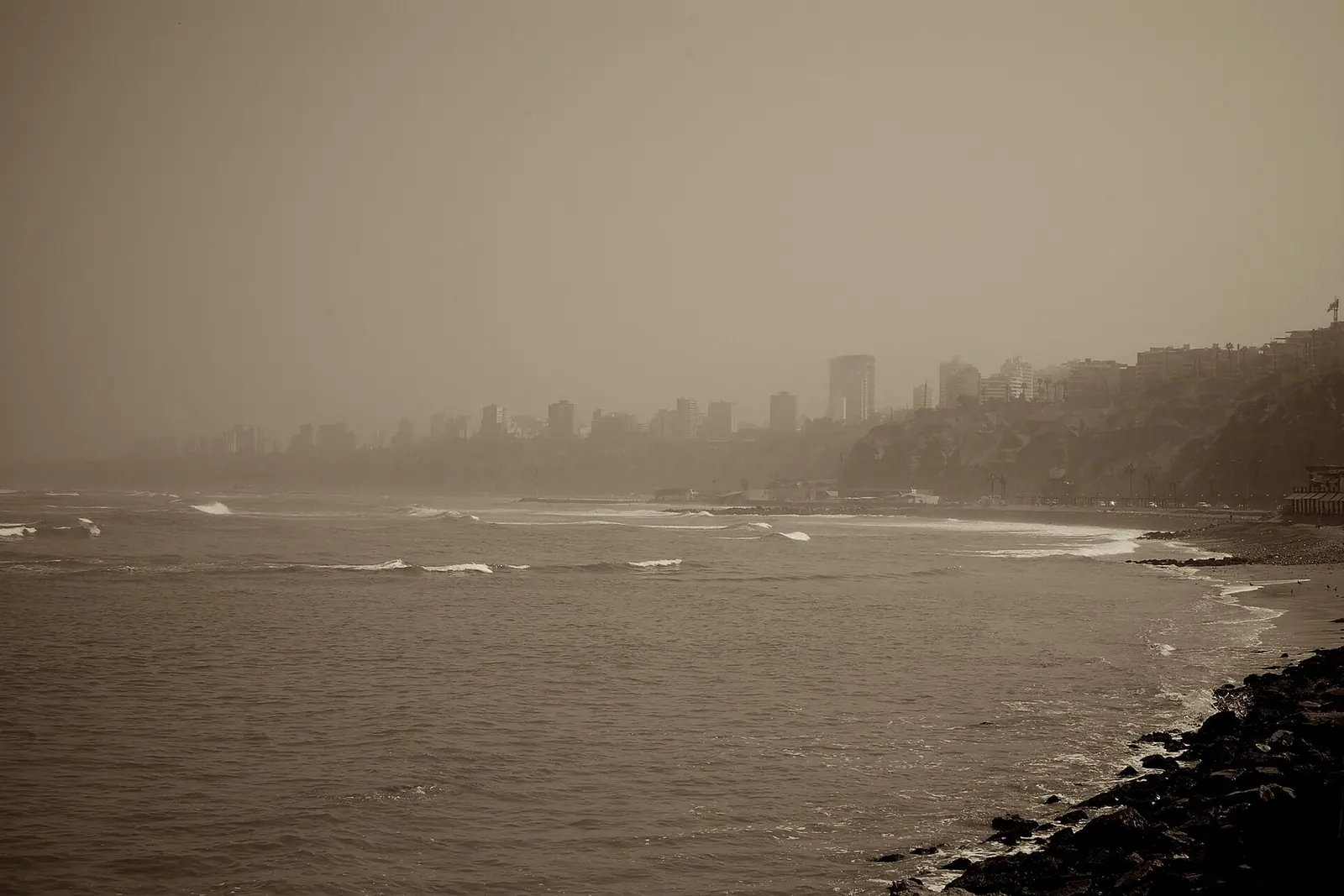
Most journeys begin in Lima, a city of grey coastal fog and sudden cliffs above the Pacific. Start in the historic centre around the Plaza Mayor, where the balconies of the Archbishop's Palace and the catacombs beneath the San Francisco church sit a few blocks from stalls selling churros and marzipan. Then head south to Miraflores and bohemian Barranco, where the Museo Larco holds a dazzling pre-Columbian collection and the adobe pyramid of Huaca Pucllana rises incongruously between apartment blocks.
Lima is where you learn that Peruvian food is several cuisines at once. Ceviche arrives as firm white fish cured in lime with ají limo and a shot of leche de tigre, and it is a lunch dish, not a dinner one, best eaten in a busy cevichería near the sea. Chifa, the Chinese-Peruvian kitchen, gives you lomo saltado and tallarín saltado; Nikkei cooking blends Japanese precision with Peruvian ingredients; anticuchos, skewers of marinated beef heart, sizzle on street grills after dark, chased by picarones, rings of squash dough fried and drenched in chancaca syrup.
For local texture, shop where cooks shop: the Mercado Central downtown and the Mercado de Surquillo, both stacked with fruit stalls selling chirimoya, lucuma and granadilla, and counters ladling out fish stews. Lima is mild all year, though December to April brings sunshine and May to November the grey garúa mist. Give the city two full days before flying or bussing onward.
Cusco and the Sacred Valley: Andean Kitchens Beneath Inca Walls
Cusco sits at around 3,400 metres, a colonial city built directly on Inca foundations. The Plaza de Armas, the Qorikancha temple with its curved stone walls, and the vast zigzag ramparts of Sacsayhuamán above the rooftops are the essential landmarks, and the lanes of San Blas hide workshops and cafés. The Mercado de San Pedro is the real pantry of the city: women in polleras serve caldo de cabeza, plates of choclo con queso, tamales and glasses of fresh papaya juice, all for a handful of coins.
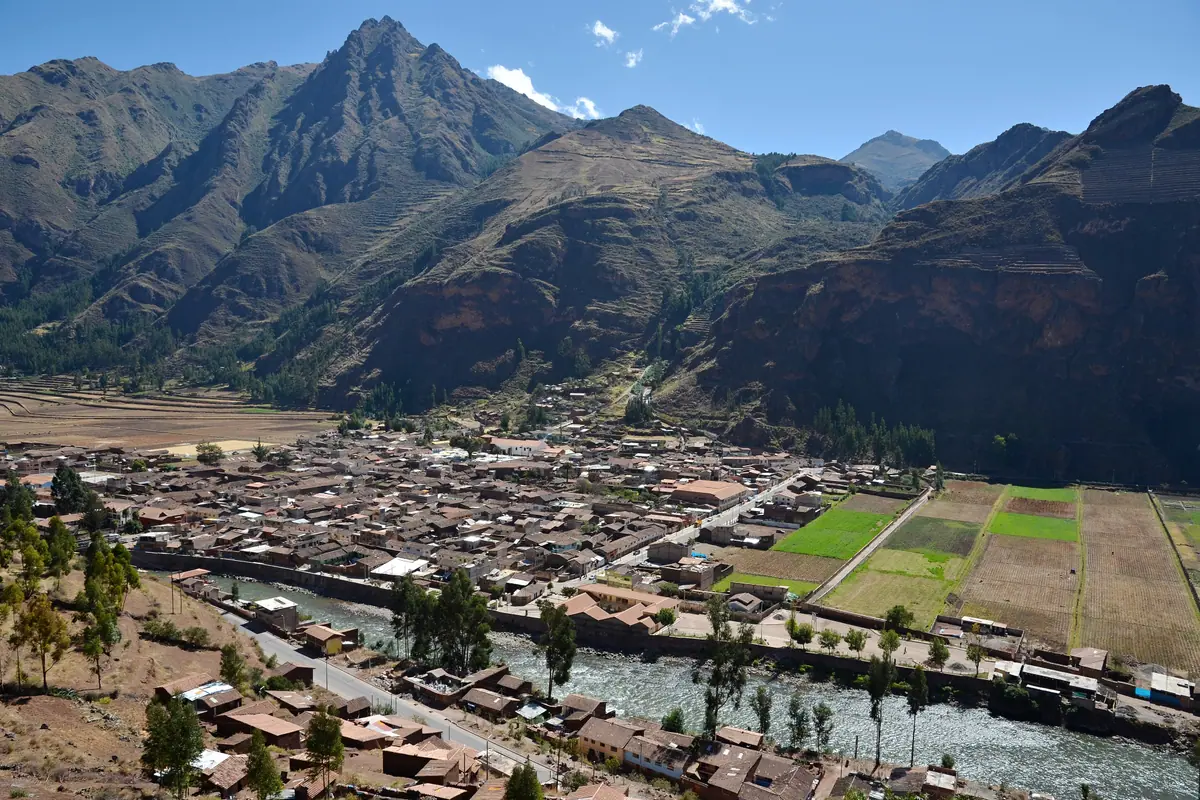
Down in the Sacred Valley, the altitude drops and the scenery opens. Pisac holds a famous market plus terraced ruins above the village; Ollantaytambo is both a monumental Inca fortress and a town where people still live in the original grid; Chinchero is known for weaving cooperatives where dyeing with cochineal and weaving on backstrap looms is demonstrated rather than staged. Further along, the salt pans of Maras and the circular terraces of Moray show how deliberately the Incas farmed this terrain.
Eat the highland classics here: pachamanca, meat and tubers cooked in a heated earth oven with hot stones, huatia, potatoes roasted in clods of earth, and ají de gallina, a creamy yellow chicken stew. Acclimatise for two or three days, drink coca tea, and save heavy drinking for later. The dry season from May to October brings clear skies and cold nights; June's Inti Raymi festival fills Cusco with processions, and Corpus Christi earlier in the same month brings roasted guinea pig and giant bread figures to the plaza.
Machu Picchu and the Cloud Forest: The Walk That Earns the View
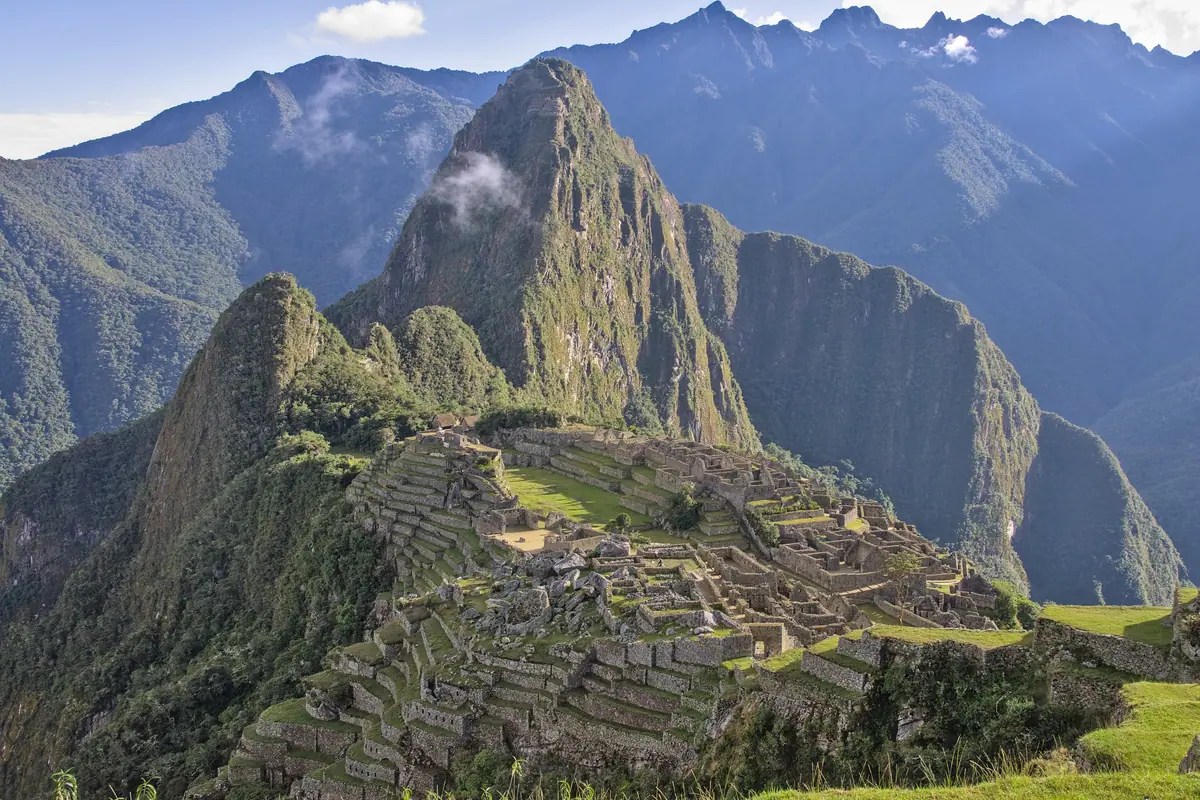
Machu Picchu needs no introduction, but it does need planning. Entry is timed, and only a few hundred permits are issued daily for the classic Inca Trail, which are usually snapped up months in advance. Most visitors instead take a train to Aguas Calientes from Ollantaytambo or Poroy and ride the switchback bus up at dawn, when mist pours over the terraces and the Huayna Picchu peak behind the citadel is still half-hidden.
The site itself rewards slow reading: the Temple of the Sun, the Intihuatana stone, the Room of the Three Windows and the long agricultural terraces that tumble toward the Urubamba river far below. If your legs are willing, the extra climb to Huayna Picchu or Machu Picchu Mountain gives the aerial view everyone photographs; the Sun Gate, Inti Punku, is where trekkers on the Inca Trail first see the city, and it remains the most emotional viewpoint on the whole route.
Alternative treks such as Salkantay, Lares and the long, quiet walk to Choquequirao offer comparable drama with more breathing room. Around all of them lies cloud forest: orchids, tree ferns, hummingbirds and, if you are lucky, the flash of a cock-of-the-rock. Bring layers and waterproofs even in the dry season, since this is a rainforest edge, and expect a long, wet, memorable day.
Lake Titicaca and Puno: Reed Islands, Homestays and High-Plateau Cooking
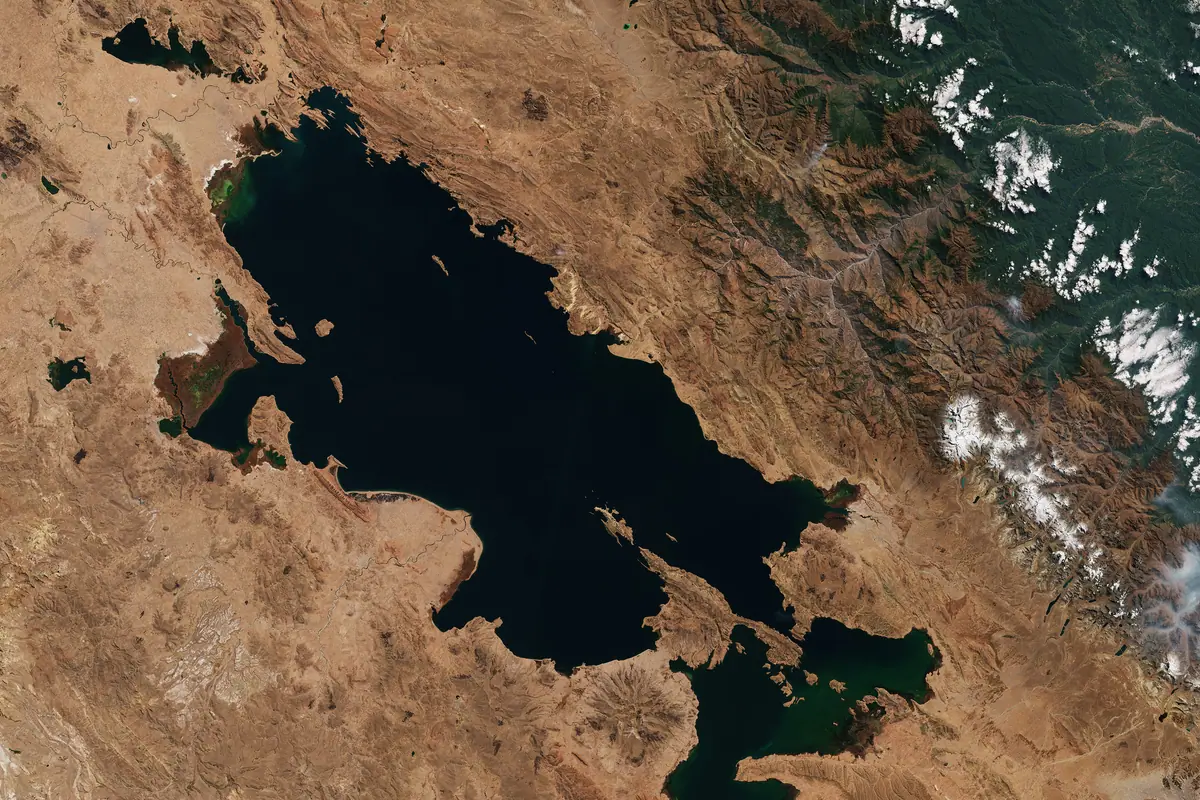
At roughly 3,800 metres, Lake Titicaca is the highest navigable lake in the world and the cultural heart of Peru's south. From Puno, boats thread out to the Uros floating islands, built from layers of totora reeds that are replenished constantly and moved when the water demands it. Further out, Taquile Island is famous for its textiles, woven and worn as a marker of status and marital life, and Amantaní welcomes visitors into family homestays where you eat quinoa soup, potatoes and lake trout by candlelight.
The cooking here is starker and more seasonal than in Lima: chairo, a thick soup of lamb, chuño and vegetables; trucha frita from the lake; and pachamanca on feast days. Nearby, the burial towers of Sillustani stand on a windswept hill above a lagoon, and in February the Virgen de la Candelaria festival turns Puno into one of the most spectacular dance gatherings in South America.
Go gently. This altitude bites harder than Cusco, nights are bitterly cold, and the sun burns fast through thin air. On island homestays, small courtesies matter more than money: share fruit or bread from the mainland, ask before photographing people, and learn a few words of Quechua or Aymara. Boat trips usually leave early and return mid-afternoon, so keep the evening free for hot soup and an early night.
Arequipa and the Colca Canyon: Picanterías, Volcanoes and Condors
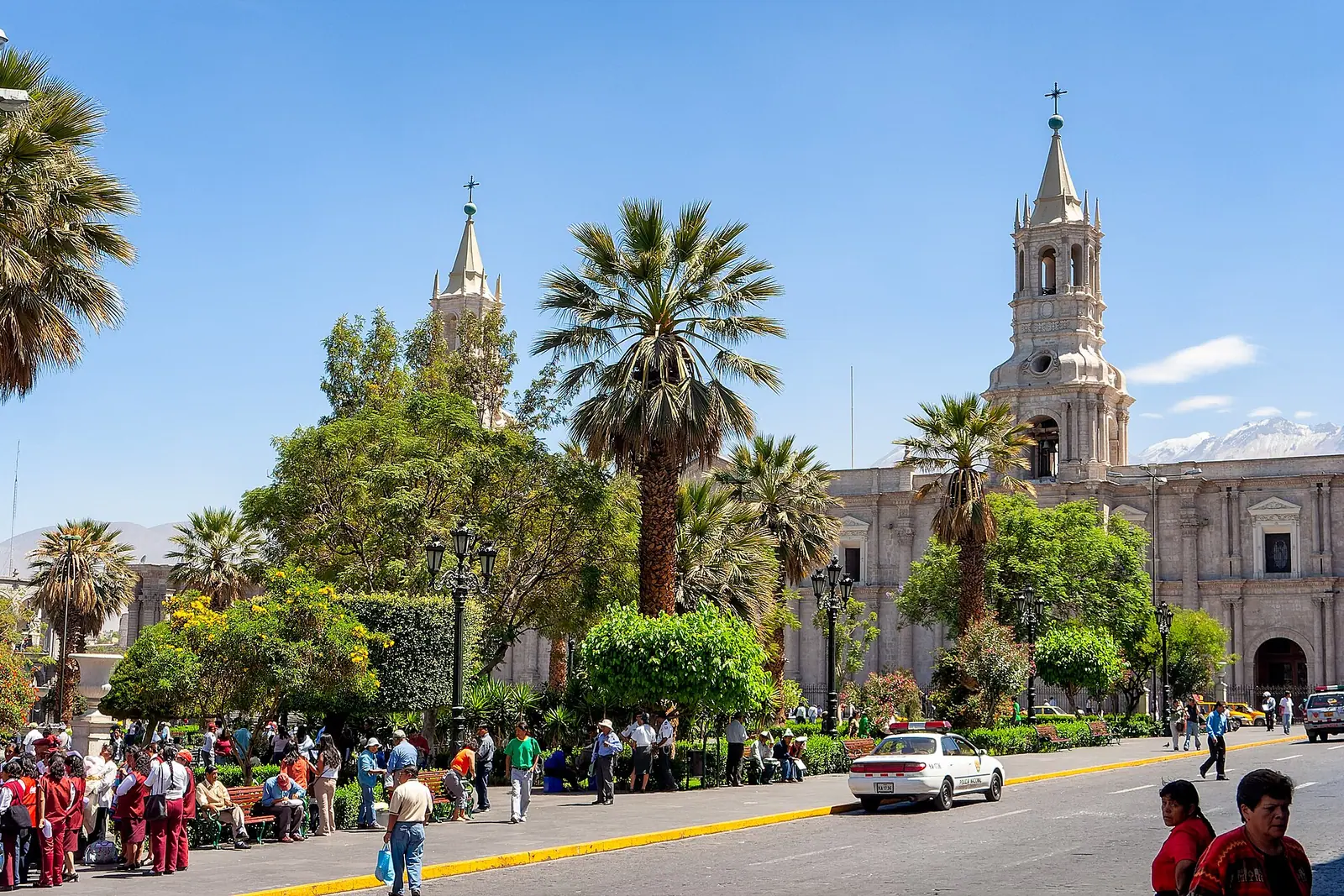
Arequipa glows white, built from sillar, a pale volcanic stone, with the snow-capped cone of Misti volcano looming over the Plaza de Armas. Its showcase is the Santa Catalina Monastery, a walled city of cloisters, kitchens and painted streets where nuns lived in seclusion for centuries. The Museo Santuarios Andinos houses the frozen remains of a young Inca woman sacrificed on a nearby peak, an extraordinary and sobering sight.
Arequipa is also the capital of the picantería, the traditional kitchen where generous plates of rocoto relleno, adobo de chancho and pastel de papa come with a jug of chicha de jora. In the Mercado San Camilo, vendors sell anise sweets, cheese and the local queso helado, a cinnamon-scented frozen dessert that tastes better than its name suggests. This is a city for long lunches, late afternoon sun and eating far more than you planned.
From here, most travellers head to the Colca Canyon, more than twice as deep as the Grand Canyon and one of the few places to see Andean condors at close range. Tours leave Arequipa around three or four in the morning to reach the Cruz del Condor viewpoint by sunrise, when the birds ride the thermals up the canyon walls with wings held flat. En route you pass Chivay, terraced slopes and hot springs, and often a stop with villagers selling embroidered cloth and cactus fruit. Allow two days minimum, more if you hike between the canyon's traditional villages.
Beyond the Andes: Amazon Rivers, Desert Oases and Northern Ruins
Peru is not only mountains. East of the Andes, Iquitos sits on the Amazon with no road connecting it to the rest of the country, reachable only by plane or riverboat, and it serves as a launch point for jungle lodges where you wake to howler monkeys and fish for piranhas. Further south, the Manú and Tambopata regions offer some of the richest biodiversity on the planet, including macaw clay licks and pink river dolphins.
On the desert coast, the Nazca Lines remain best seen from a small plane, their hummingbirds, monkeys and spirals etched into the pampa. Nearby, the Islas Ballestas and the Paracas reserve deliver seabirds and sea lions, while the Huacachina oasis outside Ica pairs dune buggies with sunset sandboarding and local wine tasting.
The north holds its own marvels: the adobe city of Chan Chan and the Moche pyramids of the Huacas del Sol y la Luna near Trujillo, the tomb treasures of the Señor de Sipán in Chiclayo, the cloud-forest fortress of Kuelap reached from Chachapoyas, and Caral, a city roughly 5,000 years old that ranks among the oldest in the Americas. Inland, Huaraz is the base for the Cordillera Blanca, Laguna 69 and pre-Inca Chavín de Huántar. With ten days to two weeks you can combine Lima, Cusco, the Sacred Valley and Machu Picchu comfortably; add a week for Lake Titicaca, Arequipa, the Colca Canyon or the Amazon without feeling rushed.
Frequently asked questions
When is the best time to visit Peru?
For the Andes, including Cusco, the Sacred Valley, Machu Picchu and Lake Titicaca, the dry season from May to October is best, with clear skies and cold nights. June to August is busiest and hosts Inti Raymi on 24 June. December to March is wetter in the highlands but fine for Lima, the coast and the Amazon.
How do I handle the altitude in Cusco and Puno?
Give yourself two or three days in Cusco before trekking, keep the first day gentle, drink plenty of water and coca tea, and skip alcohol at first. The Sacred Valley sits lower and makes an easier start. Lake Titicaca and Puno are higher still, so plan them after you have adjusted.
Do Machu Picchu and the Inca Trail need booking in advance?
Yes. Machu Picchu entry is timed and sells out in peak months, and Inca Trail permits are limited to a few hundred per day and typically go months ahead. Alternatives include the Salkantay, Lares and Choquequirao treks, or travelling by train to Aguas Calientes and visiting the site as a day trip.
What Peruvian food should I not miss?
Ceviche and tiradito eaten at lunch, lomo saltado, ají de gallina, causa, anticuchos from evening grills, pachamanca in the highlands, and lake trout around Puno. Drink chicha morada or a pisco sour, and finish with picarones or suspiro a la limeña. Eat where locals queue and stick to bottled or boiled water.
How long do I need for a Peru tour, and how do I get around?
Ten days to two weeks covers Lima, Cusco, the Sacred Valley and Machu Picchu at a comfortable pace. Add a week for Lake Titicaca, Arequipa and the Colca Canyon, or for the Amazon. Domestic flights link the main cities, comfortable long-distance buses cover the rest, and trains serve the Sacred Valley and Machu Picchu.
Sort the rest of your trip
Everything for Peru, in one place

More guides in Peru
Top Things to Do in Peru: Machu Picchu, Cusco, Colca Canyon and Beyond
Peru in One Week: A Flight-Hopping Itinerary from Lima to Machu Picchu
Best Time to Visit Peru: Seasons, Hotel Rates and Must-See Sights
Best Places to Visit in Peru: Machu Picchu, the Sacred Valley and Beyond
Where to Stay in Peru: The Best Bases for Lima, Cusco, Machu Picchu and Beyond