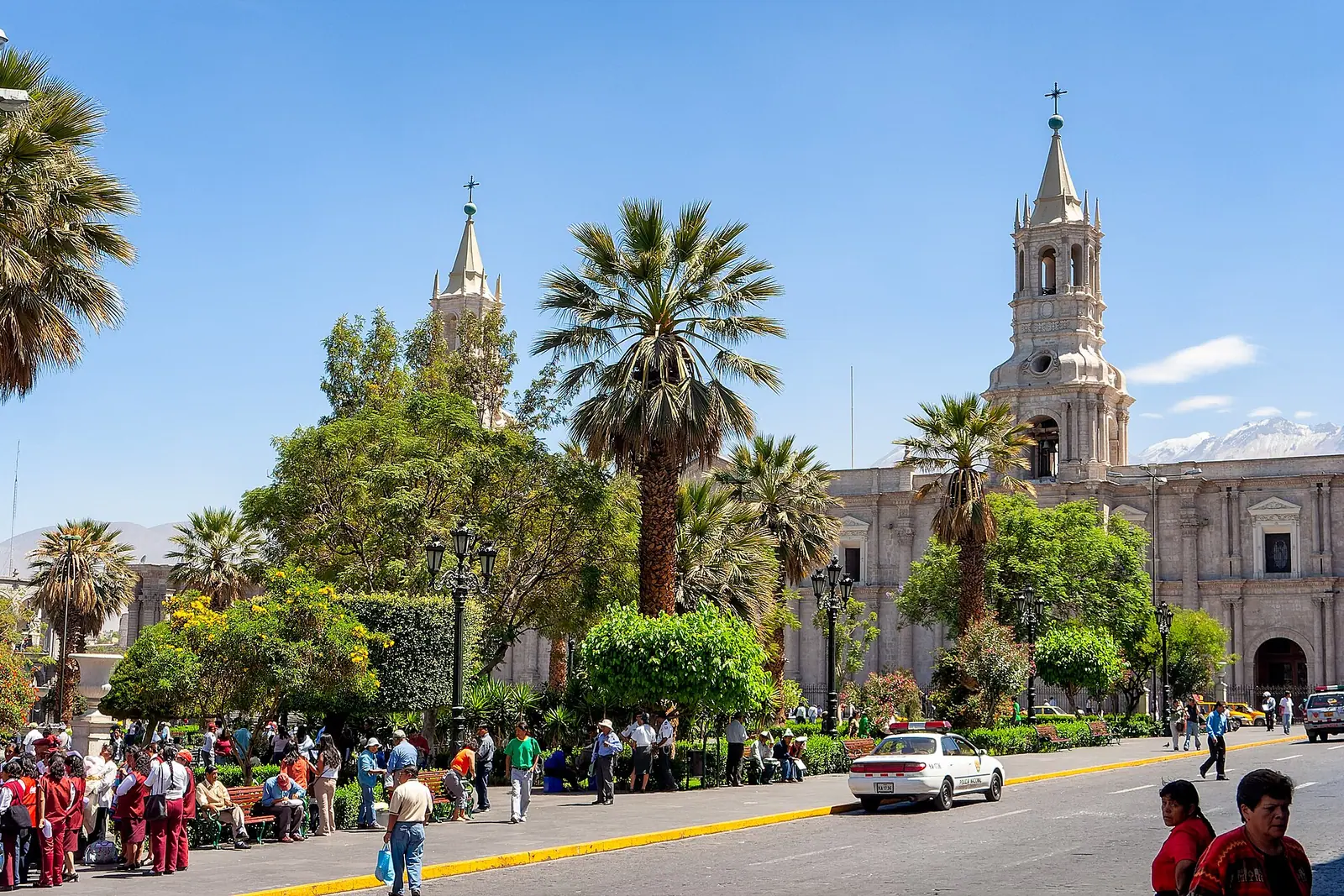
Peru is not one climate but three stitched together by the Andes: a foggy desert coast, high-altitude plateaus where nights freeze and noons burn, and a rainforest that steams year-round. Choosing when to go decides whether you get the sunlit postcard of Machu Picchu or the misty, half-empty ruins — and whether your hotel bill doubles or drops by half.
Peru's Seasons at a Glance: One Country, Three Climates
Peru's travel calendar is governed less by the calendar than by altitude. The Pacific coast, from Lima down to the Nazca desert, is dry and mild almost all year, wrapped in grey sea mist from roughly May to November and bright blue from December through April. The Andes — Cusco, the Sacred Valley, Lake Titicaca, the Colca Canyon — have a sharply defined dry season from May to September and a wet season from December to March, with the heaviest rain falling in January and February. The Amazon, around Iquitos, Puerto Maldonado and the Manú region, is hot and humid always, with a wetter half from December to May and a drier, more walkable half from June to November.
For most first-time visitors, the sweet spots are May, June, September and October: reliable sunshine in the highlands, comfortable temperatures on the coast, and hotel availability that has not yet collapsed under peak-season demand. July and August deliver the most stable weather of the year but also the biggest crowds and the highest room rates, especially around Cusco and the Sacred Valley.
Budget also swings with the seasons. Rates in Cusco and Aguas Calientes can rise by 50 percent or more between June and August, while April and November often bring similar conditions at noticeably gentler prices. If your dates are flexible, building the trip around school holidays is the single easiest way to overspend.
Dry Season in the Andes (May to September): Prime Time for Machu Picchu and Cusco
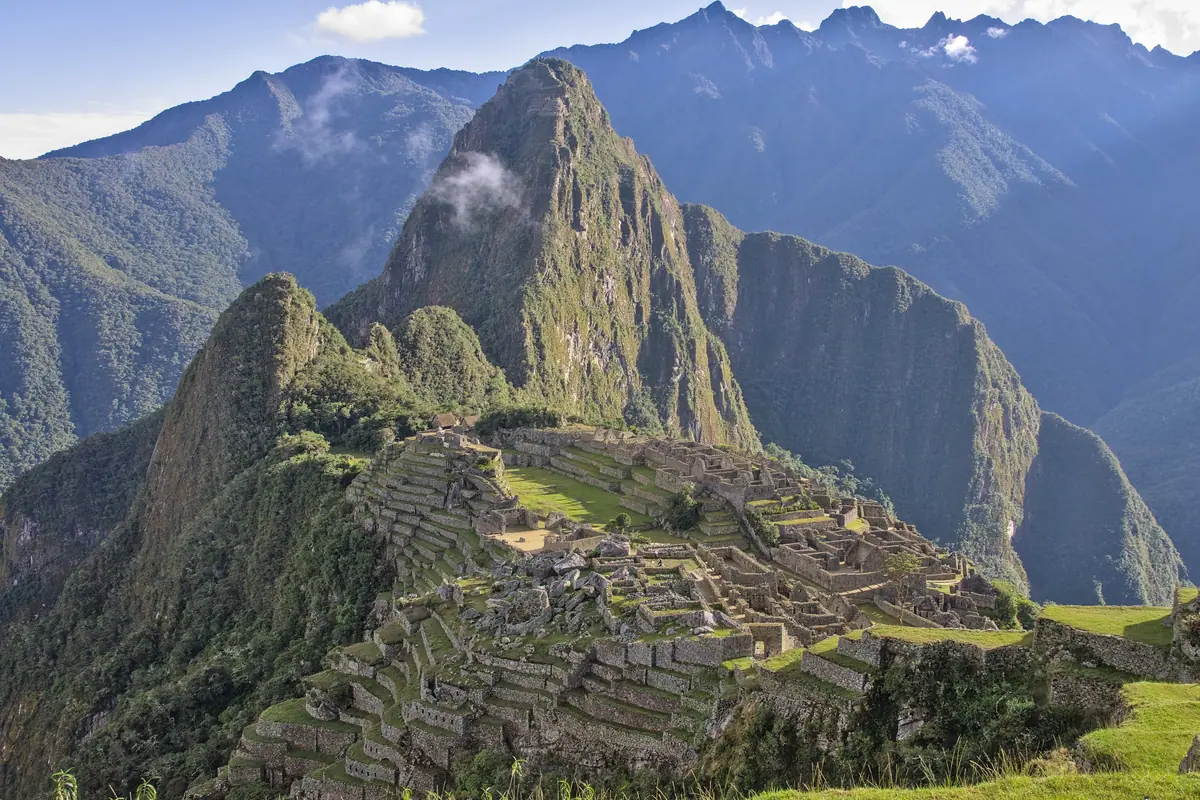
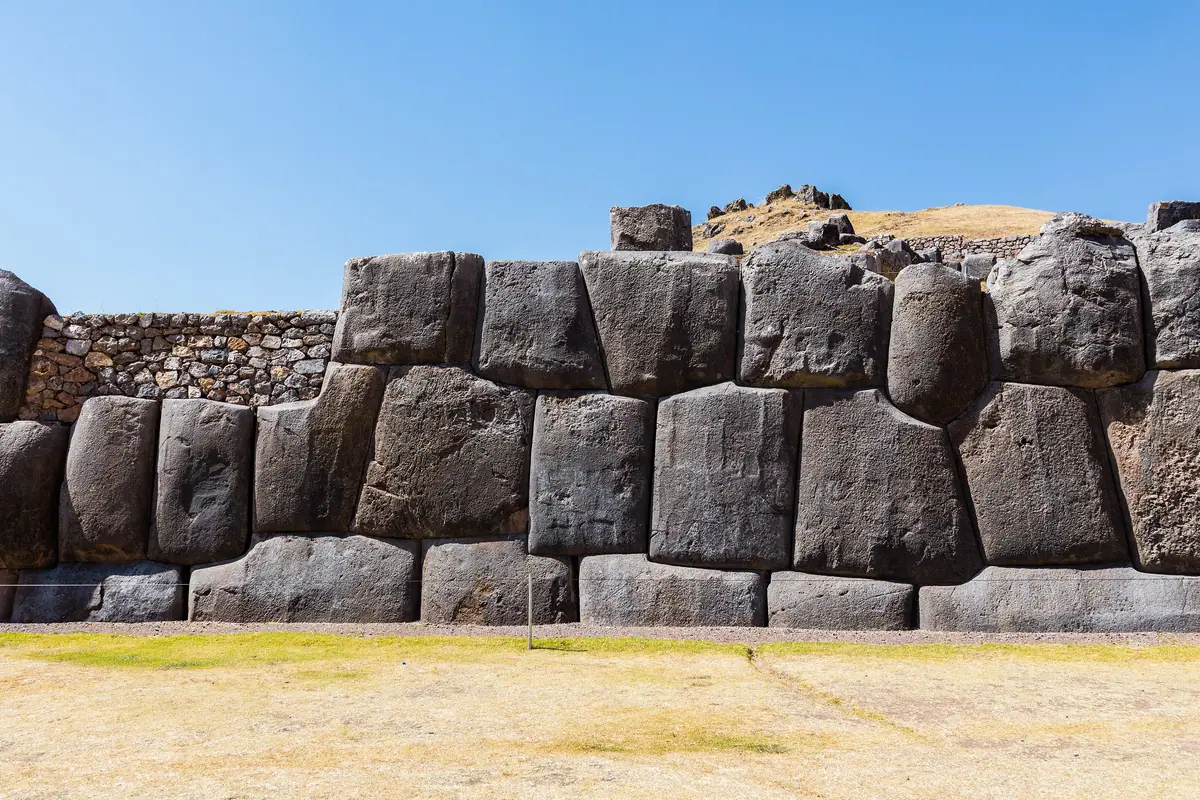
This is the window most people picture when they imagine Peru. Skies over Cusco's Plaza de Armas turn a hard, brilliant blue, the stonework of Sacsayhuamán and Q'enqo glows in the afternoon light, and the terraces of Pisac and Ollantaytambo in the Sacred Valley are crisp underfoot. Machu Picchu, reached by train from Ollantaytambo or by the classic Inca Trail, is at its most photogenic — and at its most congested. Mornings usually bring clear views before cloud builds over the Huayna Picchu peak behind the ruins.
Trekking seasons for the big routes, including the Inca Trail and the Salkantay and Lares alternatives, sit squarely in these months; permits for the classic trail typically sell out months in advance for June, July and August. Days are warm at altitude, often 18 to 22°C, but nights drop close to or below freezing in Cusco and Puno, so a hotel with reliable heating is worth prioritising over one with a pretty courtyard.
Further south, the Colca Canyon near Arequipa offers some of its clearest condor-spotting conditions from May to September, and Lake Titicaca's islands, including the floating Uros islands and Taquile, are easier to reach when the altiplano is dry. Book accommodation in Cusco, Aguas Calientes and Puno three to six months ahead for July and August, and expect minimum-stay rules around major holidays.
Green Season (December to March): Lower Rates, Lush Ruins and the Amazon at Its Best
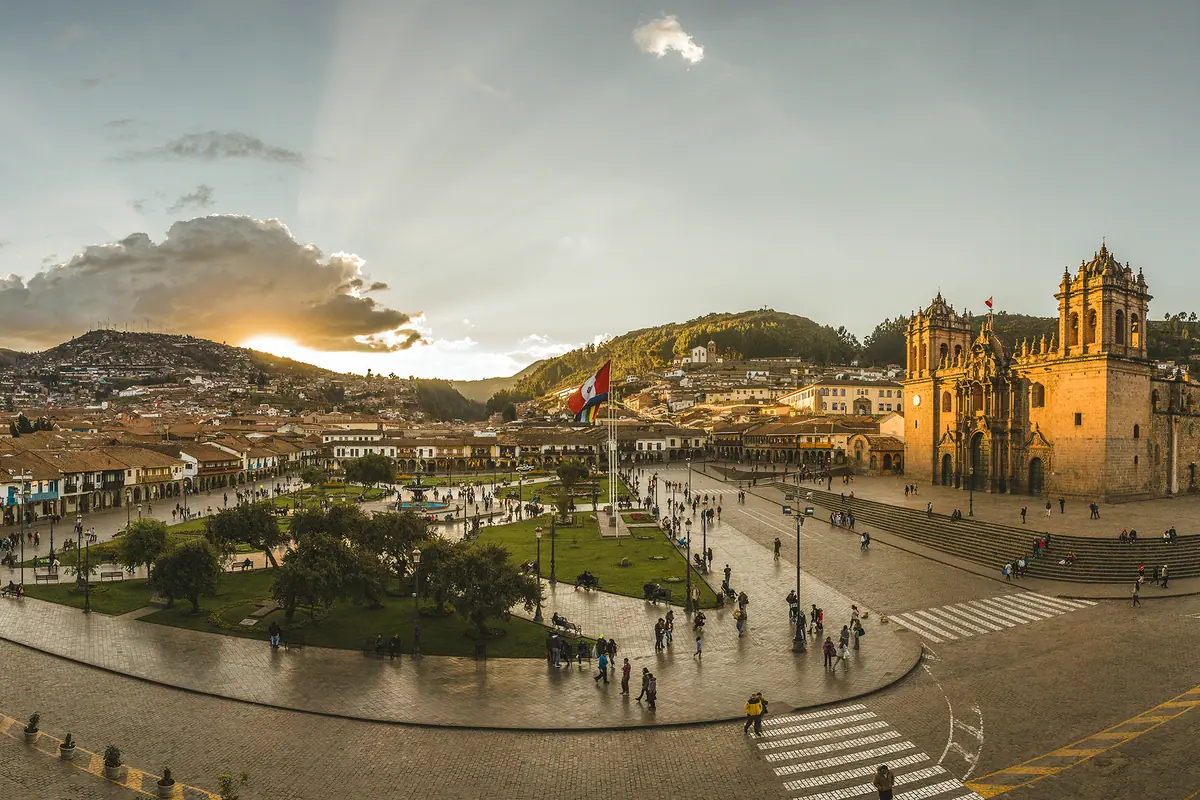
Peru's wet season has an unfairly poor reputation. Rain in the Andes usually arrives in heavy afternoon bursts rather than all-day drizzle, leaving mornings often clear enough for Machu Picchu, Choquequirao or the ruins above Cusco. The hillsides turn emerald, orchids bloom along the trails, and the crowds thin dramatically — which means smaller queues, easier permit availability and hotel rates that can fall by a third or more outside the Christmas and New Year peak.
There are real trade-offs. The classic Inca Trail closes every February for maintenance and environmental recovery, and landslide risk on mountain roads rises in January and February, occasionally disrupting train services to Aguas Calientes. If a Machu Picchu visit is non-negotiable, build in a spare day.
The flip side is the Amazon. December to May is the high-water season around Iquitos and in the Pacaya-Samiria reserve, when boats can push deep into flooded forest, canopy walkways put you level with the treetops, and wildlife concentrates along the waterways. Around Puerto Maldonado and Manú, this is prime time for spotting macaws at clay licks and for oxbow-lake excursions. Just pack for humidity and mosquitoes rather than altitude.
Shoulder Months and Festival Calendar: When Hotels Fill Up Fast
April, May, September, October and November combine much of the dry season's clarity with far softer demand. May in particular is a favourite: the rains have washed the Andean valleys green, the light is clean, and hotel prices have not yet jumped to peak levels. October and November bring similar conditions with warmer coastal weather on the horizon.
Festivals, however, can upend any calm forecast. Inti Raymi, the Inca sun festival staged at Sacsayhuamán outside Cusco on 24 June, draws enormous crowds and sends hotel prices in the city soaring; rooms should be reserved many months out, and Cusco's streets close to traffic. Semana Santa, the week before Easter, turns Cusco and especially Ayacucho into centres of elaborate processions, with accommodation booked solid. The pilgrimage of Qoyllur Rit'i near Cusco in late May or early June is one of the Andes' most spectacular religious events.
On the coast, Lima's Señor de los Milagros processions in October fill the historic centre, while the Mistura-style food fairs and the city's spring weather make October an excellent month for the capital. In the north, Trujillo's spring festival in late September celebrates the marinera dance and fills hotels across the region.
Coast, Desert and Rainforest: Matching Regions to Months
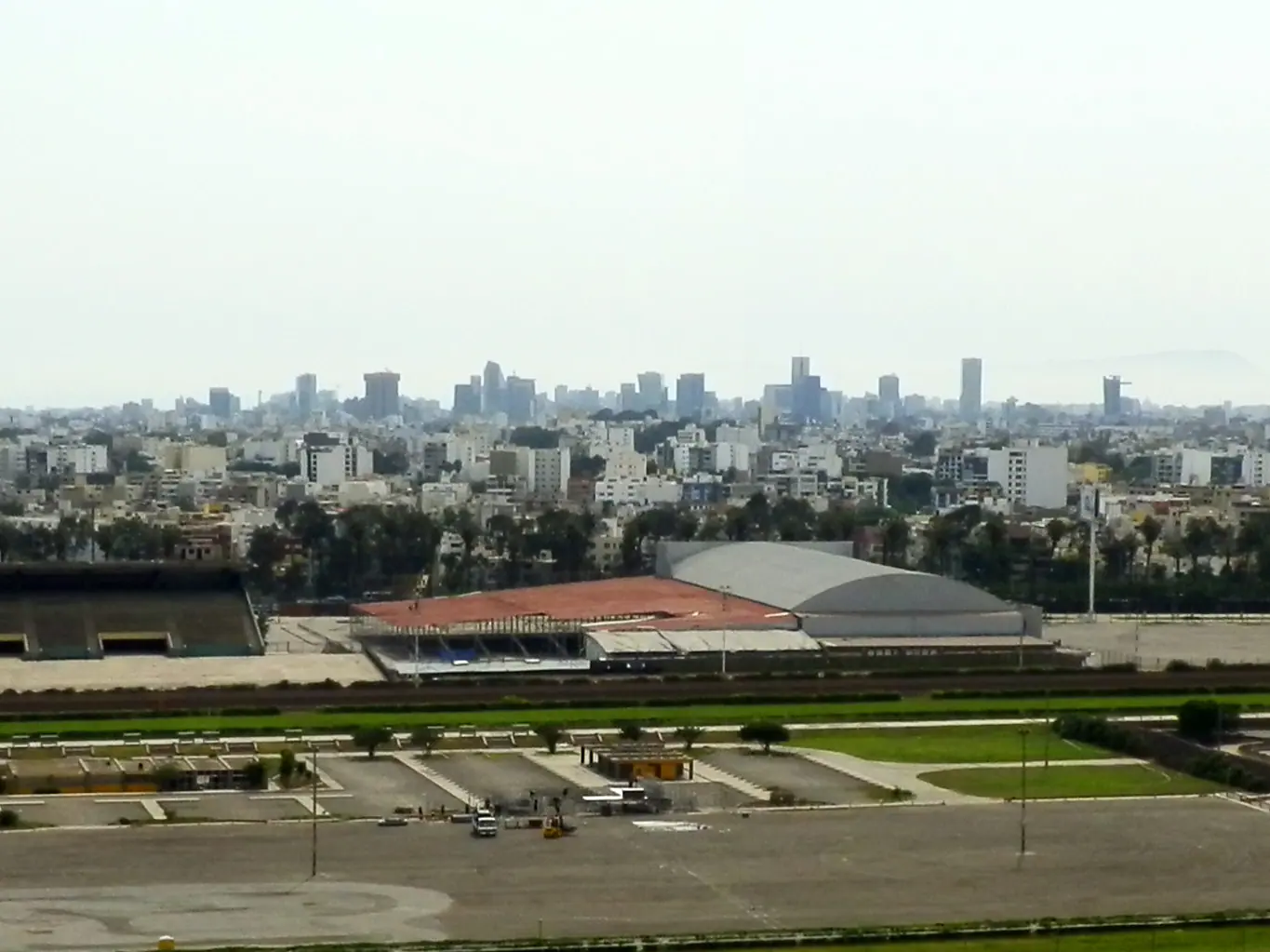
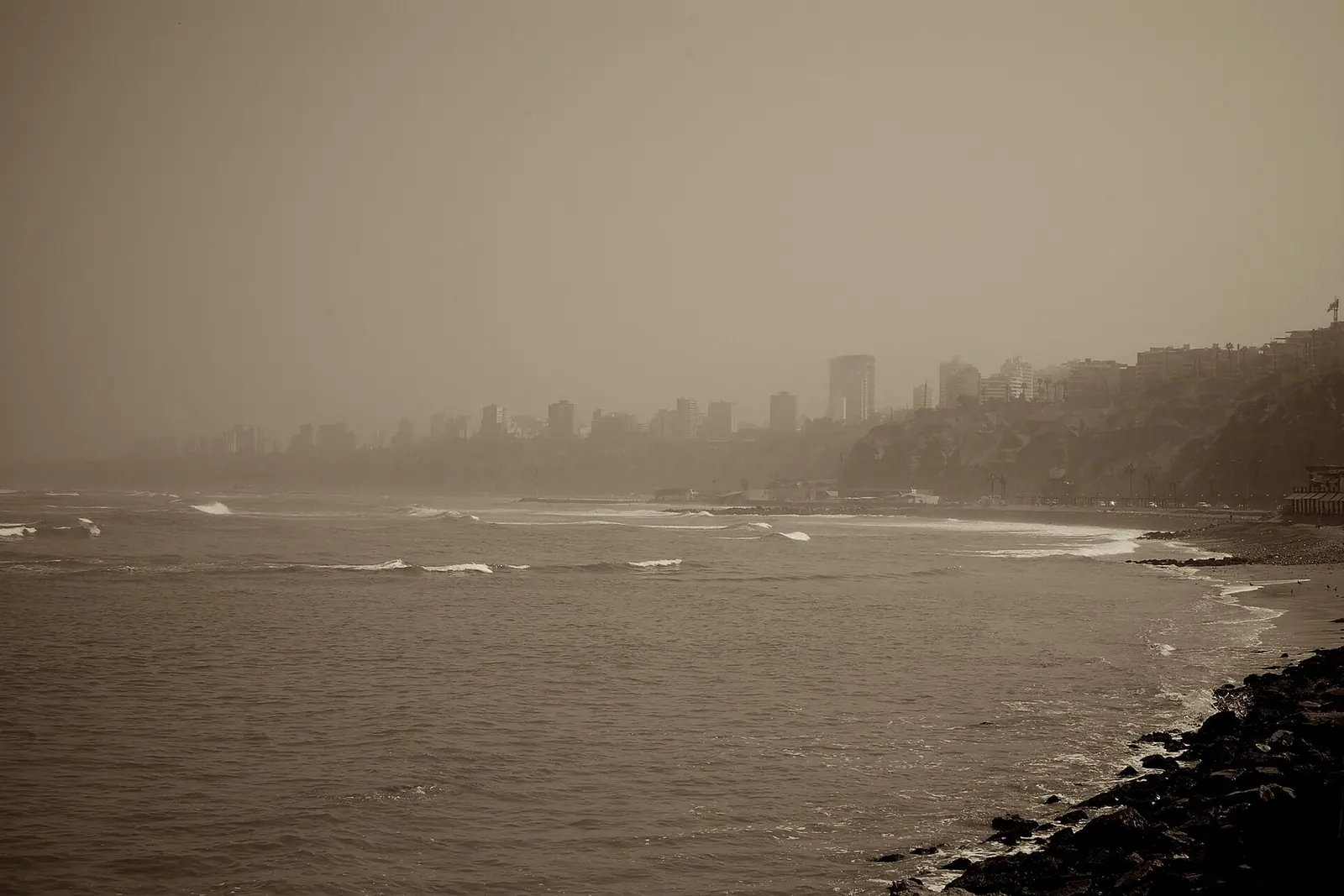
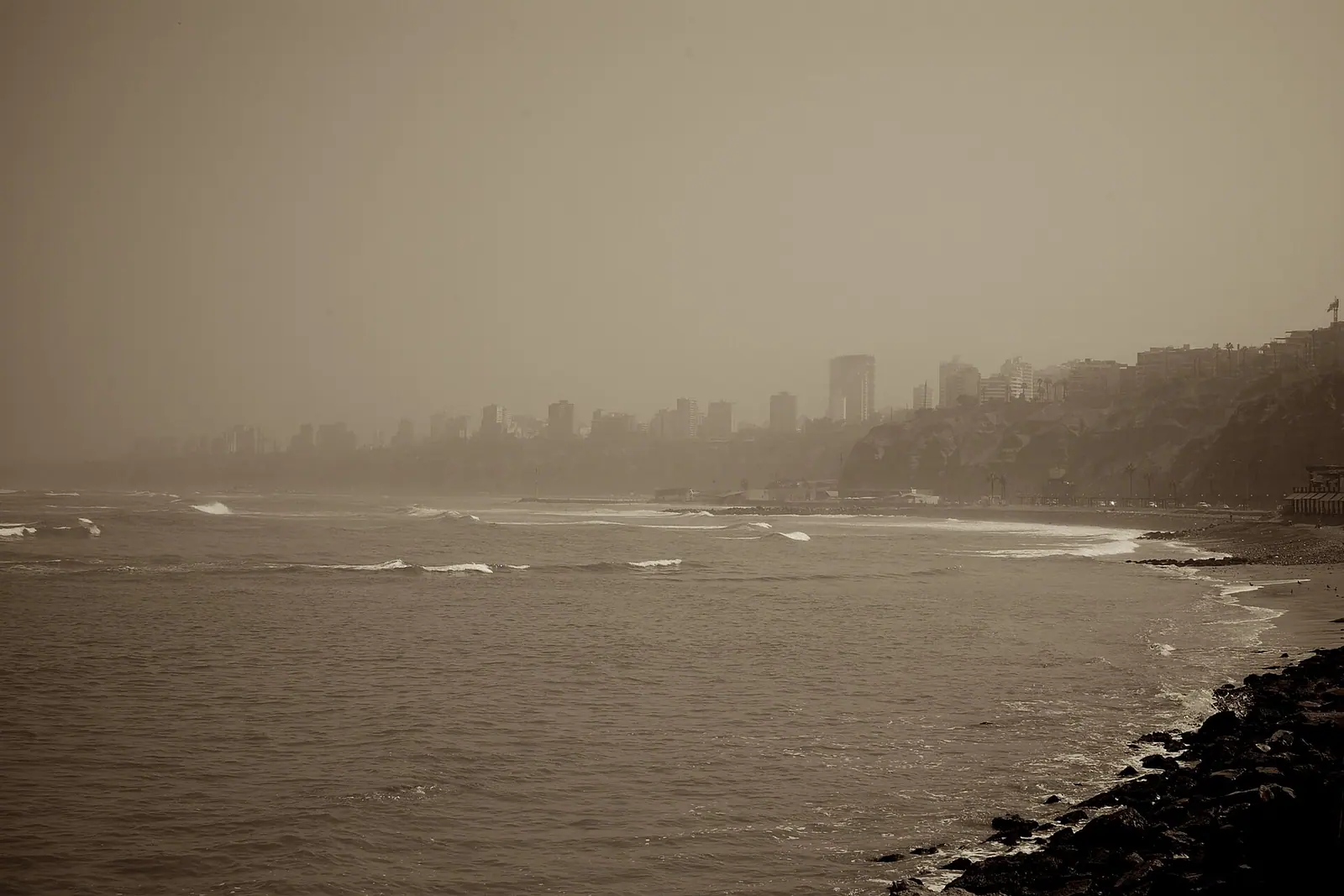
Peru rewards a split itinerary, and each region has its own best window. Lima, with its clifftop districts of Miraflores and Barranco and archaeological sights such as Huaca Pucllana and the Larco Museum's pre-Columbian collection, is sunniest and warmest from December to April; from May to November the garúa sea mist hangs over the city, giving it a moody, monochrome character that photographers love.
South of Lima, the Ballestas Islands, the Paracas reserve and the Nazca Lines are visitable year-round, with calm seas and clear desert skies from April to November; the Huacachina oasis near Ica is best in the cooler months when sandboarding and dune-buggy rides are not punishing. The northern beaches around Máncora and the surf towns of the far north peak from December to March, when the water finally warms, while Trujillo's Chan Chan adobe citadel and the Moche pyramids are comfortable almost any month.
In the high Andes, the Cordillera Blanca around Huaraz offers its safest trekking from May to September, and the Rainbow Mountain of Vinicunca is at its most vivid in the dry season, when the mineral stripes are not muted by cloud. Lake Titicaca and the Colca Canyon reward the same months for clear views and easier transport.
How to Time Your Hotel Booking (and Where to Base Yourself)
Altitude, not weather, should shape your first two nights. Cusco sits around 3,400 metres, and arriving straight from sea level can flatten you for a day or more. Many travellers spend the first night lower in the Sacred Valley at Ollantaytambo or Urubamba, around 2,800 metres, then move up to Cusco — a strategy that also spreads hotel costs across two cheaper bases. Puno, at 3,800 metres, is the highest common stop and deserves a night of acclimatisation before island excursions.
For Machu Picchu, remember that Aguas Calientes has limited beds and limited space to build, so its guesthouses, mountain lodges and hot-spring hotels sell out first and cost most in June, July and August. Staying in Ollantaytambo and taking an early train is a popular alternative. Entrances to the ruins are timed, so match your hotel dates to your entry slot rather than the other way round.
Finally, treat hotel bookings in Peru as a rolling project. Reserve Cusco, the Sacred Valley and Aguas Calientes early for the dry season, keep the Amazon flexible because river levels and flight schedules shift, and leave one buffer day before any international departure. High-altitude towns rarely need air conditioning, but they do need heating, hot water and, in the wet season, a room that keeps the rain out.
Frequently asked questions
What is the best month to visit Machu Picchu?
May, June, September and October offer the best balance of clear skies, manageable crowds and reasonable hotel rates. July and August are the driest and most reliable but also the busiest, with the highest prices in Aguas Calientes and Cusco. The wettest months, January and February, bring mist, fewer visitors and lower rates, though the Inca Trail closes each February.
Do I need to book Peru hotels far in advance?
For June, July and August, and around Inti Raymi on 24 June or Semana Santa, booking three to six months ahead is wise, especially in Cusco, the Sacred Valley, Aguas Calientes and Puno. In the shoulder months of April, May, October and November, a few weeks' notice is usually enough, and the green season from December to March gives the most last-minute flexibility outside the Christmas period.
Is the rainy season a bad time to visit Peru?
Not necessarily. Andean rain typically falls in intense afternoon bursts, leaving mornings clear for Machu Picchu, Cusco's ruins and the Sacred Valley. You will encounter lush scenery, thinner crowds and lower hotel prices, but should allow spare days for possible transport disruption and note that the classic Inca Trail shuts in February. It is an excellent time for the Amazon, when high water opens up flooded forest routes.
How many days do I need in Peru?
Ten days to two weeks covers the essentials: Lima, Cusco, the Sacred Valley, Machu Picchu and Lake Titicaca. Add three to five days for the Amazon or the Colca Canyon near Arequipa, and more for northern sites such as Chan Chan or the Cordillera Blanca around Huaraz. Build in at least one acclimatisation day before heavy activity at altitude.
What should I pack for Peru's seasons?
Layers are essential. Even in the dry season, Andean nights near Cusco and Puno can drop close to freezing while afternoons are mild, so bring a warm jacket, hat and gloves alongside short sleeves. Add rain protection for the December to March wet season, sun protection for the coast and highlands, and light, quick-drying clothing with insect repellent for the Amazon.
Sort the rest of your trip
Everything for Peru, in one place
Transfer in Peru
Private driver waiting on arrival — no queues, no surprises.
Book a transfer
Things to do in Peru
Skip-the-line tickets, guided tours and standout experiences.
See experiences
Stay online in Peru
Travel eSIM — data the moment you land, no roaming bills.
Get an eSIMMore guides in Peru
Tours in Peru: A Food, Culture and Local Experiences Guide
Top Things to Do in Peru: Machu Picchu, Cusco, Colca Canyon and Beyond
Peru in One Week: A Flight-Hopping Itinerary from Lima to Machu Picchu
Best Places to Visit in Peru: Machu Picchu, the Sacred Valley and Beyond
Where to Stay in Peru: The Best Bases for Lima, Cusco, Machu Picchu and Beyond