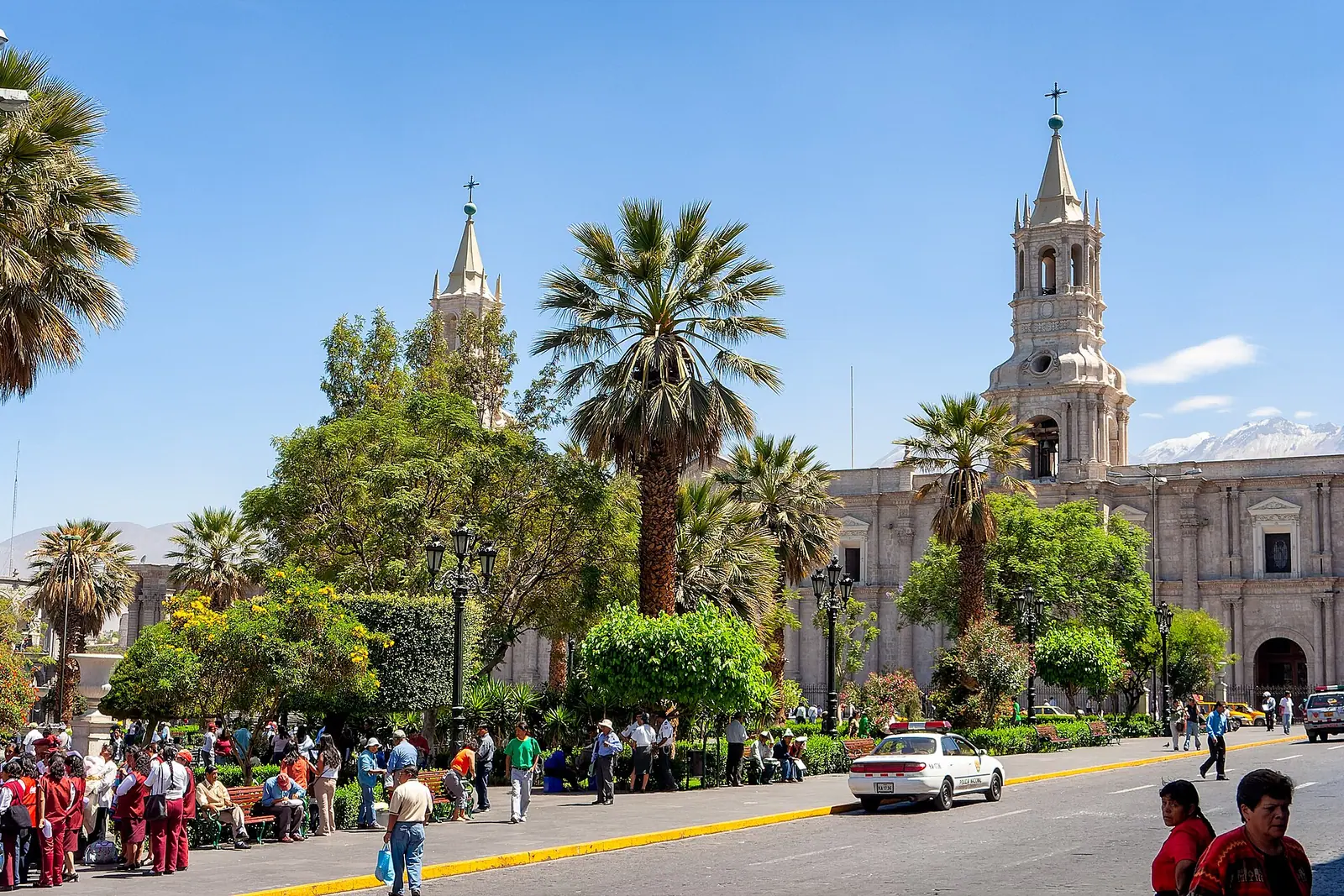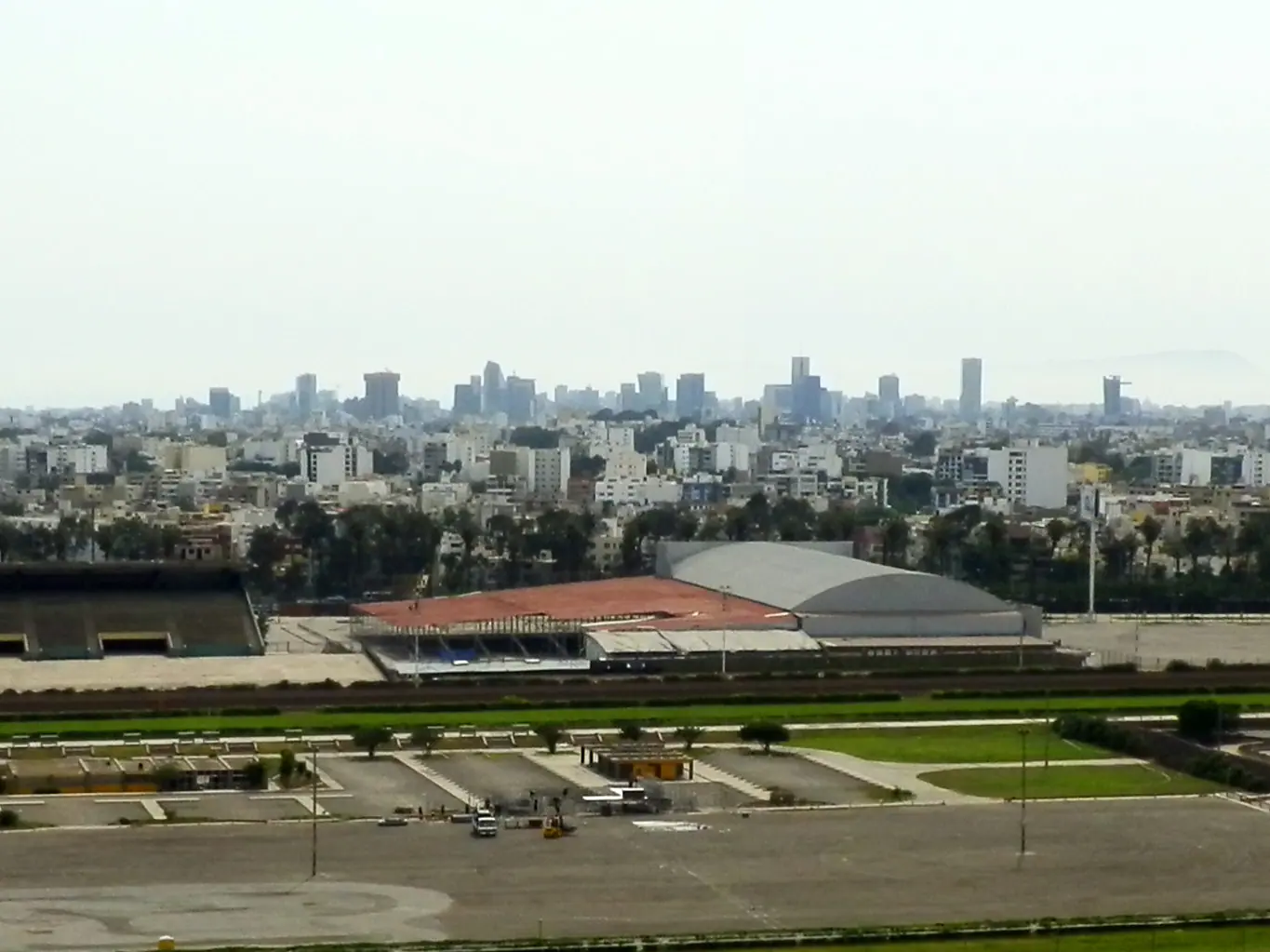
Peru is a country the size of Western Europe with a spine of Andes running down its middle, which is why the aeroplane — not the bus — is what makes a single week here genuinely possible. Fly smart between Lima, Cusco and the Amazon lowlands and you can stand in a colonial plaza at breakfast, ride a train through a cloud forest valley by afternoon, and watch sunrise break over Machu Picchu the next morning.
Days 1–2: Lima, the Coastal Capital That Most Travellers Rush Past
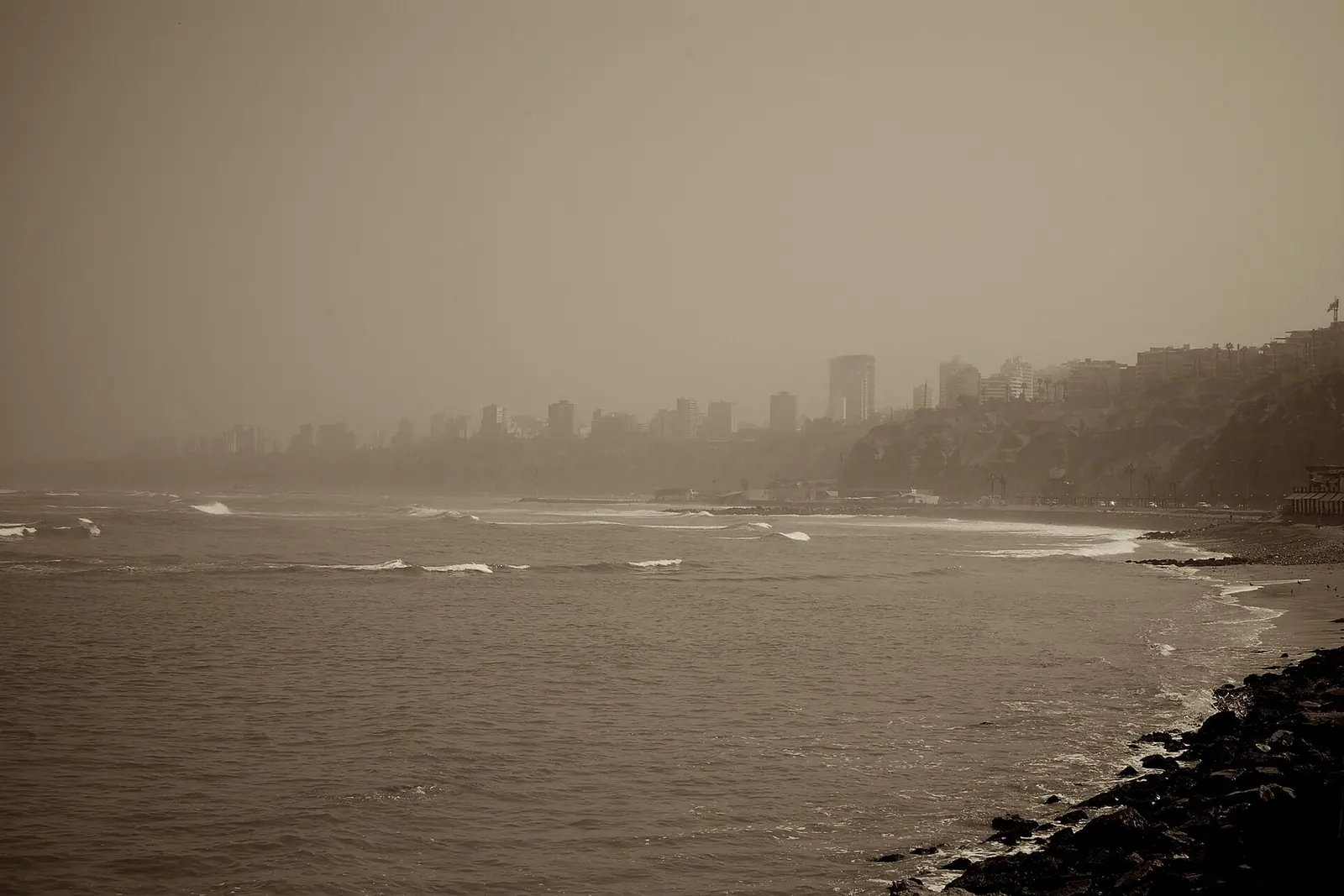
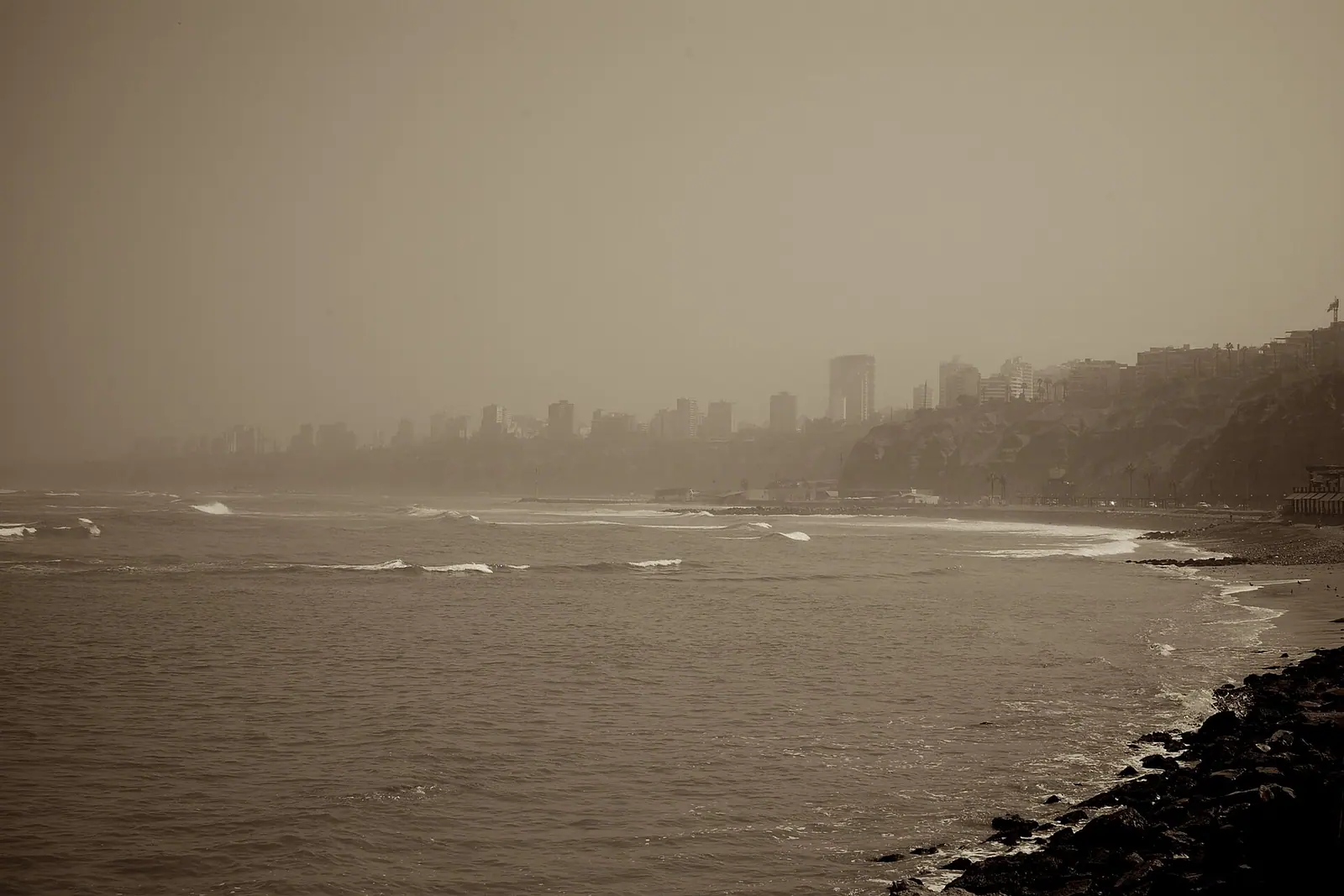
Almost every international arrival lands at Jorge Chávez International Airport, 12 km north of central Lima, and most visitors immediately transfer to a flight south. Don't. Give the city two nights and you get the best food scene in South America, a UNESCO-listed historic centre and a coastline that turns gold at sunset. Base yourself in Miraflores or Barranco, where the malecón clifftop walk runs for kilometres above the Pacific and paragliders drift past the headland at dusk.
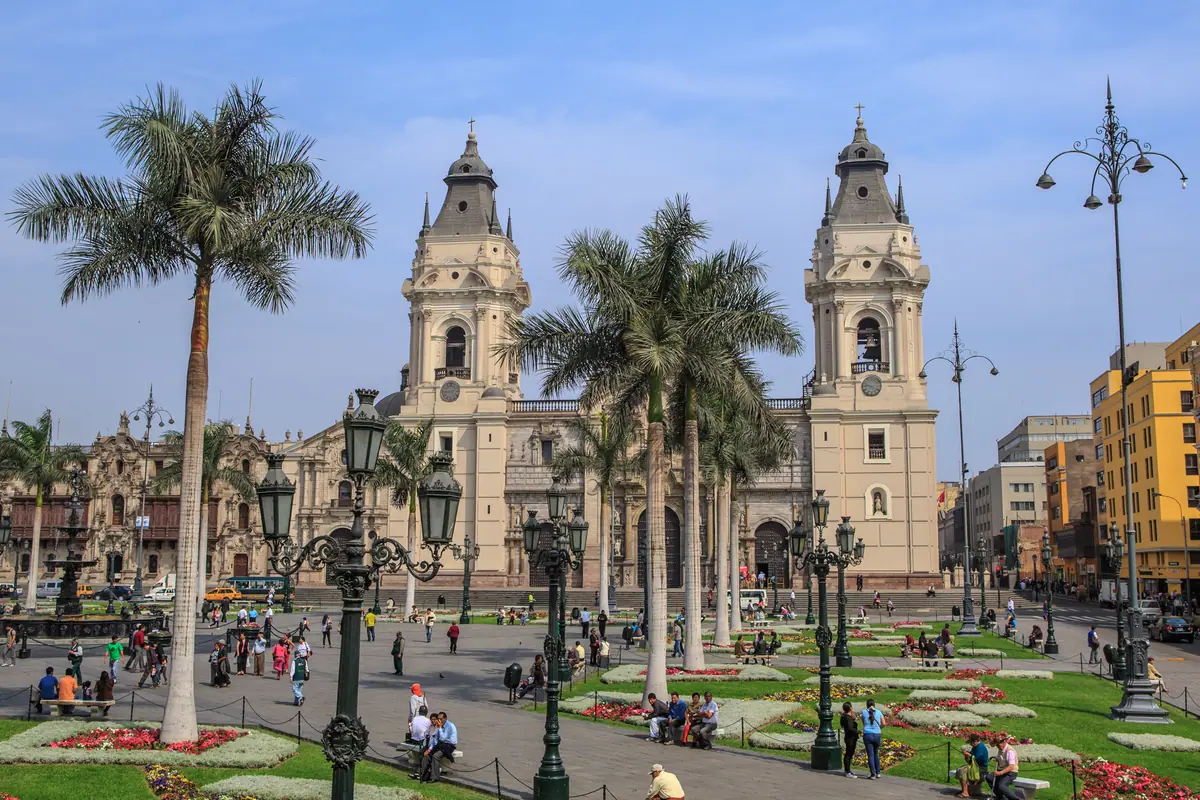
Spend day one in the historic centre: the Plaza Mayor with its bronze fountain and the Archbishop's Palace, the catacombs beneath the San Francisco church, and the ornate balconies of the Jirón de la Unión. Then push west to the Huaca Pucllana, a 1,500-year-old adobe pyramid sitting improbably in the middle of a residential neighbourhood, and the Larco Museum, whose pre-Columbian gold and ceramics collection is the finest in the country.
Day two is for the south of the city — the colourful murals and bohemian bars of Barranco, the Puente de los Suspiros, and a long lunch of ceviche and causas. Lima's climate is famously grey from May to November, a thick coastal garúa mist that burns off by midday, while December to April brings hot, bright beach weather. Either way, keep the evening free: you fly to Cusco in the morning.
Day 3: Flying to Cusco and Learning to Breathe at 3,400 Metres
The flight from Lima to Cusco takes about 75 minutes, but it crosses the Andes in a way that feels far more dramatic — the plane banks over glaciated peaks and drops into a bowl of red-tiled roofs at 3,400 metres. Do not schedule anything strenuous on arrival. Altitude sickness is real, unpredictable and unimpressed by fitness levels, so the first day is for coca tea, slow walking and early nights.
Cusco itself rewards gentle exploration. The Plaza de Armas, with the cathedral and the Jesuit church on its two facing sides, is the natural starting point. From there, the Qorikancha — the Inca Temple of the Sun with a colonial convent literally built on top of its curved stone walls — is a ten-minute walk and one of the most eloquent places in Peru. The San Pedro market, a few blocks west, is where to buy coca leaves, alpaca socks and enormous jugs of fresh juice.
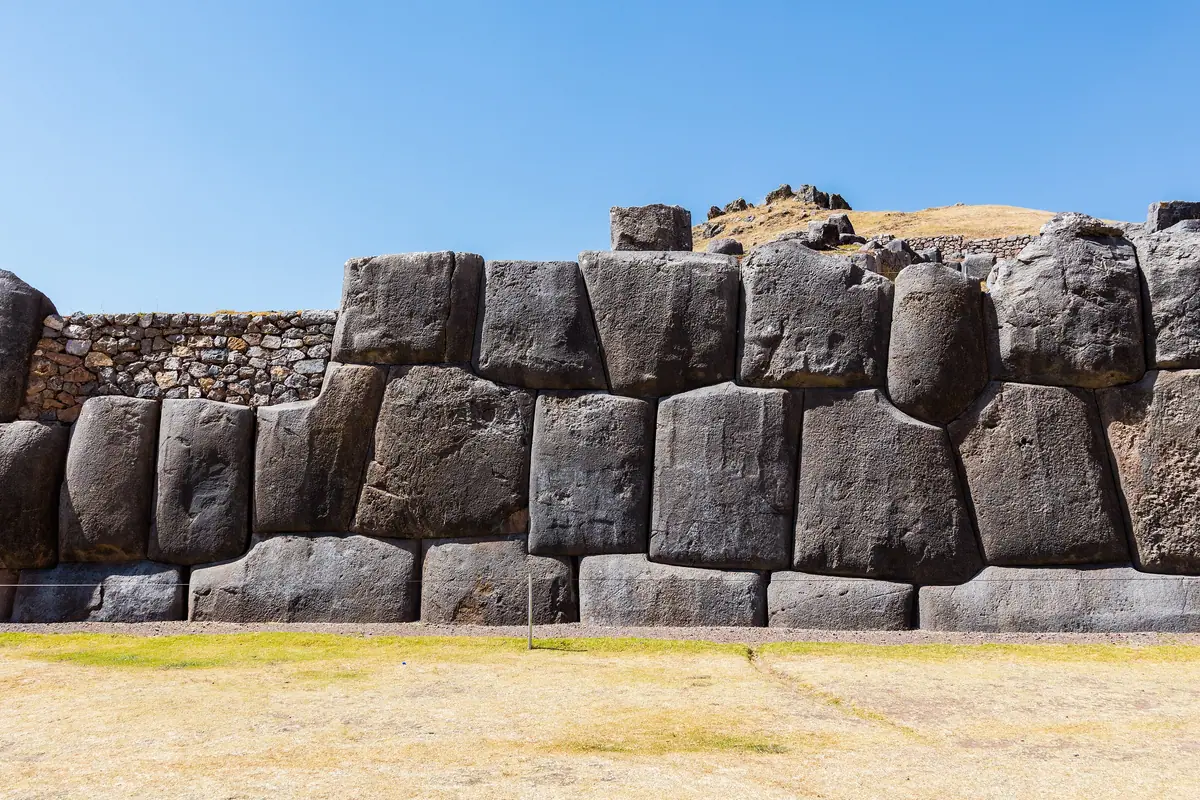
If you feel well by mid-afternoon, take a short taxi ride up to Sacsayhuamán, the vast Inca fortress of interlocking limestone blocks so precisely fitted that no mortar was needed. The view down over the city is the classic Cusco photograph. Save the higher sites — Q'enqo, Puka Pukara and Tambomachay, all included on the same tourist ticket — for a spare morning, not your first day at altitude.
Day 4: The Sacred Valley by Road and a Train Through the Gorge
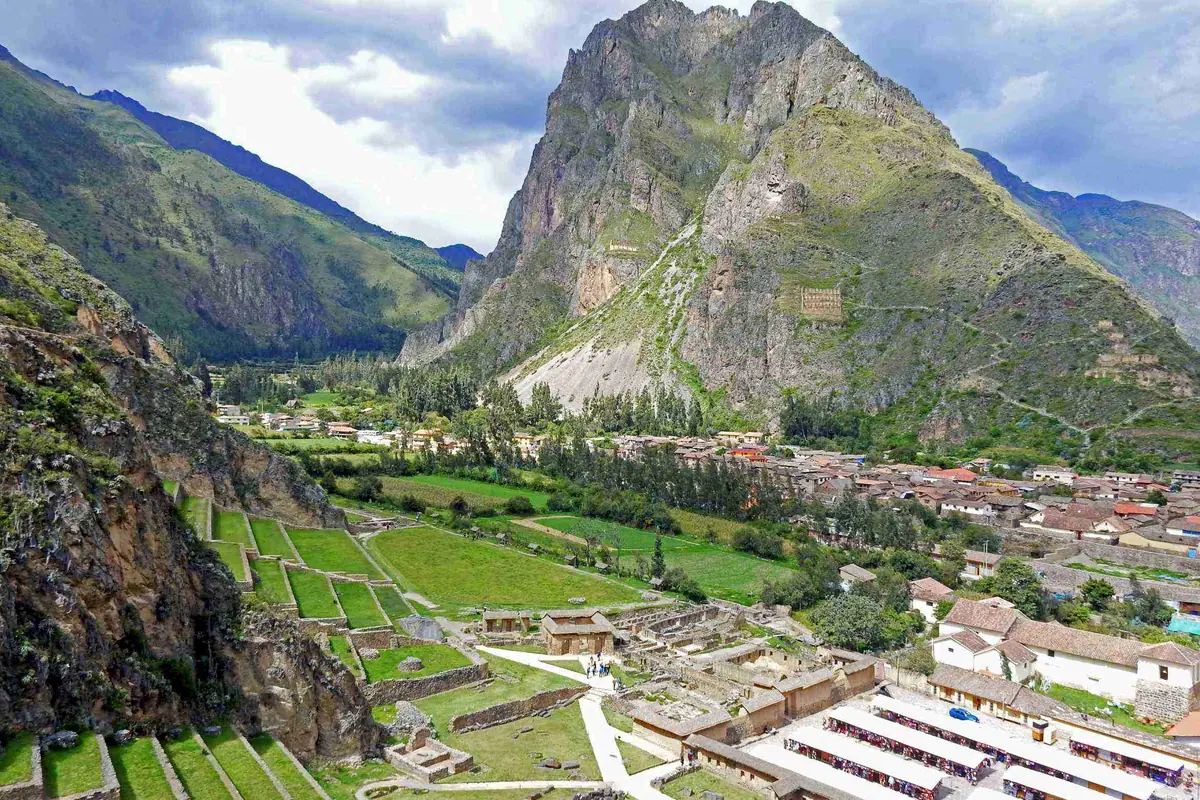
The Sacred Valley sits lower than Cusco, around 2,800 metres, which makes it both easier to breathe in and warmer at night. A private car or a shared tour runs the classic loop: Pisac, with its hillside Inca terraces and a Sunday market that spills through the whole town; and Ollantaytambo, where the Inca built a fortress-temple of pink granite terraces above a village that still uses original Inca street plans and water channels.
Don't skip the salt pans at Maras, thousands of shallow evaporation pools cascading down a hillside in shades of white and rust, or the circular agricultural terraces of Moray, built like a giant amphitheatre sunk into the plateau. Both sit between Pisac and Ollantaytambo and take a couple of hours combined.
In the late afternoon, board the train from Ollantaytambo to Aguas Calientes — roughly 90 minutes of the Urubamba river gorge, with orchids on the cliffs and the occasional glimpse of snow peaks. Arriving after dark in the little town below Machu Picchu, with the river roaring through the middle and clouds clinging to the valley walls, is one of the great travel anticlimaxes-turned-highlights. Sleep early; tomorrow starts before dawn.
Day 5: Machu Picchu at First Light
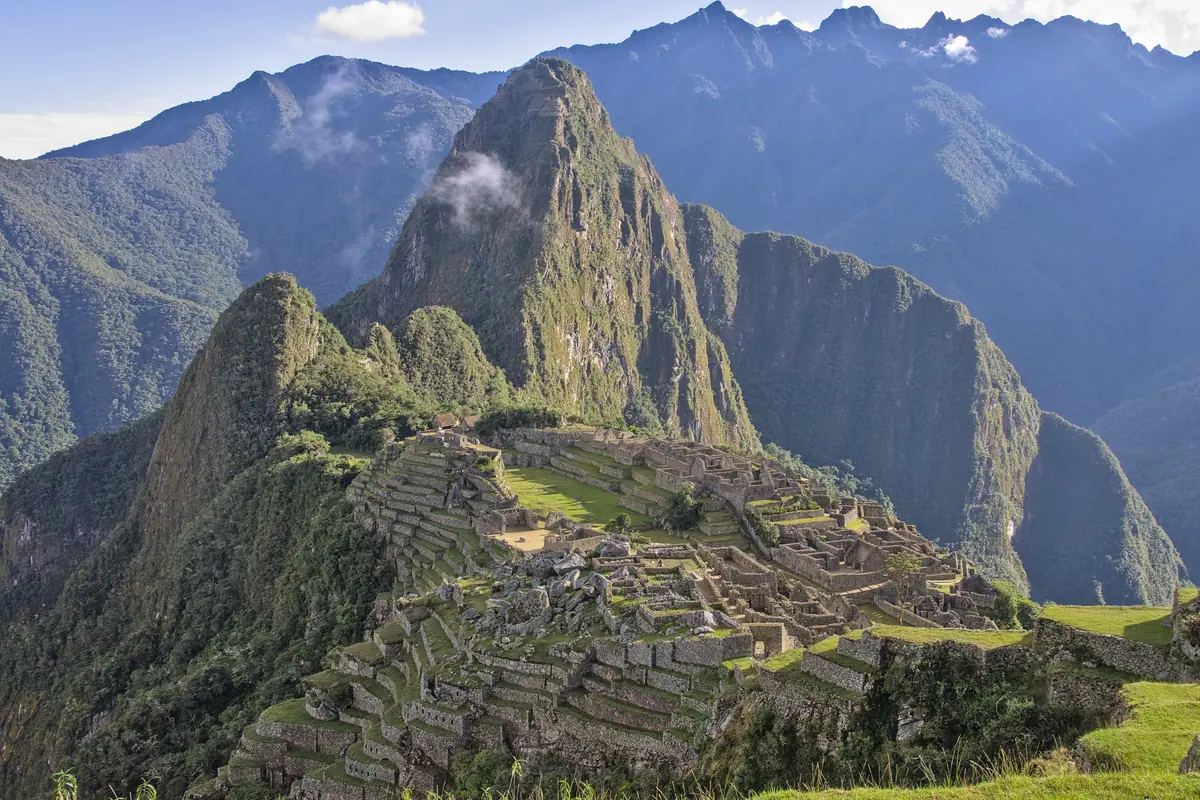
Buses climb the switchback road from Aguas Calientes to the citadel from about 5:30am, and timed entry tickets are mandatory — buy them months ahead, together with your train seats, in the dry season from May to September. Walk in through the Inti Punku gate and the famous terraces, the Temple of the Sun and the Intihuatana stone emerge out of the mist as the light comes up. It is worth booking a licensed guide at the entrance; the site makes far more sense when you understand what the Inca actually built here and why it survived.
Afterwards, climb Huayna Picchu or Machu Picchu Mountain if you secured one of the limited permits — both take two to three hours round trip and are steep, exposed and unforgettable. Alternatively, walk back down to the Puente Inca, a vertiginous stone path along a cliff face, or simply sit on the terraces until the day-trippers thin out. Note that the Inca Trail closes every February for maintenance, though the citadel itself stays open year-round.
Take an afternoon train back, stay the night in Ollantaytambo or return to Cusco. If you return to the city, treat yourself: Cusco's restaurant scene, from Andean tasting menus to wood-fired pizza, is far better than its tourist-town exterior suggests.
Day 6: Rainbow Mountain, Cusco's Markets, or a Slower Day
The most popular add-on from Cusco is Vinicunca, the so-called Rainbow Mountain, a striped ridge of mineral deposits at just over 5,000 metres. Tours leave around 3:30am and involve a two- to three-hour drive, a steep 90-minute walk and a lot of cold. The colours are genuine and startling, but this is not a day for anyone still struggling with the altitude — consider the gentler Palccoyo alternative nearby, which offers similar striping at lower elevation and with far fewer people.
If you'd rather stay closer to sea level, spend the day in Cusco properly. The San Blas quarter climbs steeply behind the Plaza de Armas and is packed with workshops, galleries and cafés; the Museo de Arte Precolombino holds a beautiful small collection; and the Mercado de San Pedro is the place to eat a plate of chicharrón or a bowl of sopa de quinua for almost nothing.
Book your onward flight tonight. Cusco's Alejandro Velasco Astete airport is small, and morning departures are far less likely to be delayed by afternoon cloud and wind — an important detail in the wet season from December to March.
Day 7 and Beyond: The Final Flight — Amazon, Lake Titicaca or Home
How you use the last day depends on which direction you're flying. The easiest extension is Puerto Maldonado, a 45-minute hop from Cusco down into the Amazon basin, where boats carry you along the Madre de Dios river to jungle lodges in the Tambopata reserve. Even two nights is enough for macaw clay licks, caiman spotting on night rivers and canopy walks — and the lowland altitude feels wonderful after a week in the Andes.
The other option is Puno and Lake Titicaca, reached either by a ten-hour scenic train or by flying into Juliaca, about 45 minutes from the city. Puno sits at 3,830 metres, so budget a day to adjust. Then take a boat to the Uros floating islands, built entirely of totora reeds, and on to Taquile, where the knitting is done by men and the views across the deep blue lake stretch all the way to Bolivia.
Whatever you choose, keep a buffer day before your international departure — domestic flights in Peru are punctual by Andean standards but weather in Cusco and Puno can ground aircraft without warning. Fly back to Lima the night before, sleep near the airport, and spend your final morning eating one last ceviche before the long haul home.
Frequently asked questions
How many internal flights do I need for one week in Peru?
Three is the sweet spot: Lima to Cusco at the start, one short regional hop (Cusco to Puerto Maldonado for the Amazon, or a flight into Juliaca for Lake Titicaca), and a final return to Lima. Domestic flights are short — the Lima–Cusco leg is around 75 minutes — so they eat very little of your week compared with the 20-plus hours a bus would take.
When is the best time of year for this itinerary?
May to September is the dry season, with clear skies over Machu Picchu, cold nights in Cusco and reliable flights, but also the biggest crowds and the highest prices. October, November and April are quieter shoulder months with occasional rain. December to March is the wet season: the Inca Trail closes in February, cloud can delay Cusco departures and the Amazon is at its wettest and most atmospheric.
How do I handle altitude in Cusco and on Rainbow Mountain?
Arrive in Cusco with nothing planned for the first day, drink more water than feels necessary, and go easy on alcohol. Coca tea and leaves help some travellers; a doctor can prescribe acetazolamide in advance. Sleep lower if you struggle — the Sacred Valley towns of Pisac and Ollantaytambo sit several hundred metres below Cusco. Rainbow Mountain, at over 5,000 metres, should be skipped entirely if you are still feeling the altitude in Cusco.
Do I need to book Machu Picchu and the train in advance?
Yes, and well ahead. Entry to the citadel is timed and capped, and permits for Huayna Picchu and Machu Picchu Mountain sell out first. Train seats between Ollantaytambo and Aguas Calientes are limited in peak season, so book entry tickets, train and a night in Aguas Calientes together as soon as your dates are fixed.
Can I combine the Amazon and Lake Titicaca in the same week?
Honestly, no — not comfortably. Each needs at least two nights plus travel, and Puno's 3,830-metre elevation requires acclimatisation time. Pick one for a seven-day trip and save the other for a return visit. If you want wildlife and warmth, choose Puerto Maldonado; if you want culture and high-altitude lake scenery, choose Puno, Taquile and the Uros islands.
Sort the rest of your trip
Everything for Peru, in one place

More guides in Peru
Tours in Peru: A Food, Culture and Local Experiences Guide
Top Things to Do in Peru: Machu Picchu, Cusco, Colca Canyon and Beyond
Best Time to Visit Peru: Seasons, Hotel Rates and Must-See Sights
Best Places to Visit in Peru: Machu Picchu, the Sacred Valley and Beyond
Where to Stay in Peru: The Best Bases for Lima, Cusco, Machu Picchu and Beyond