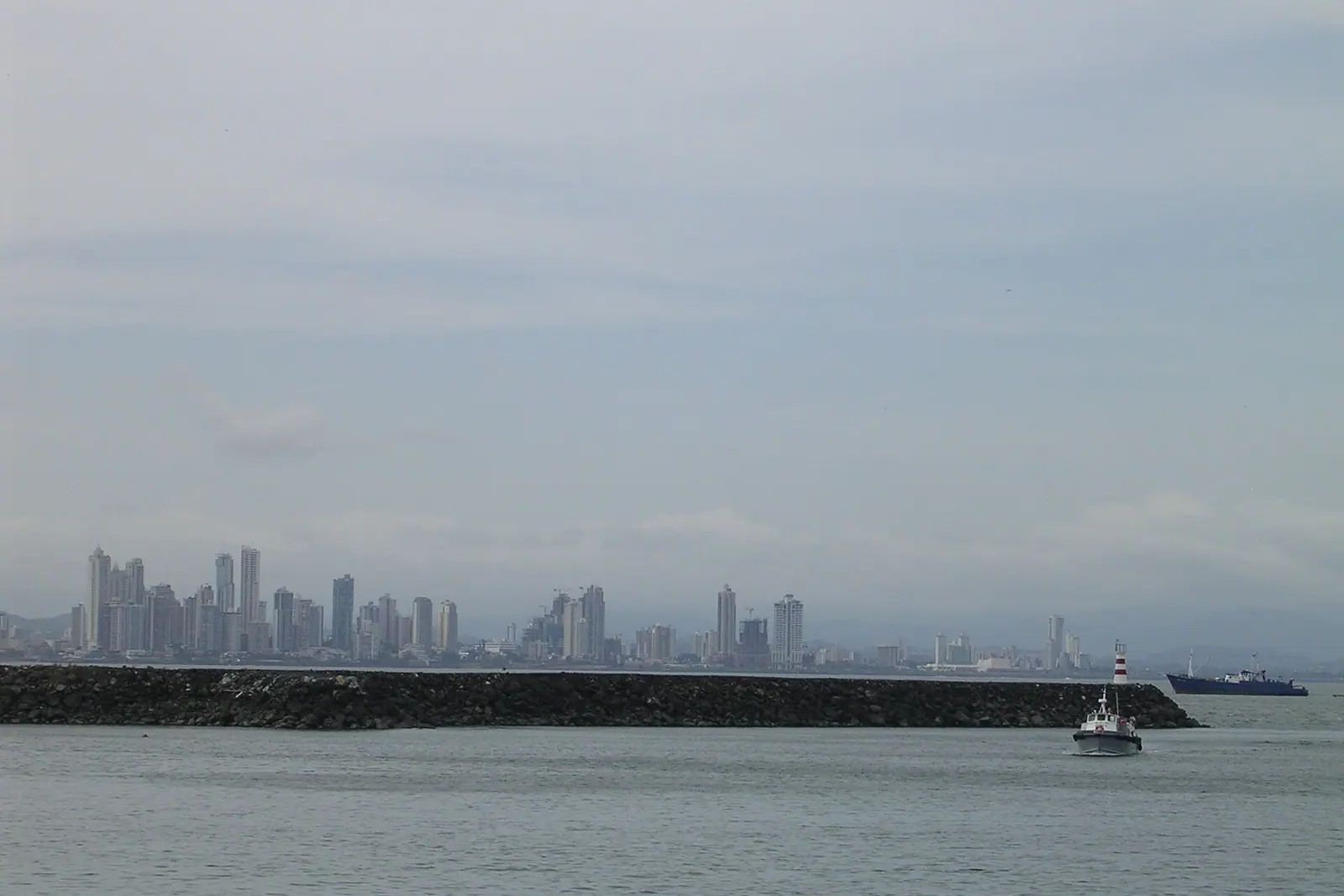
Panama City is a place where a colonial plaza, a rainforest trail and a skyline of glass towers can share the same afternoon. Choosing the right neighborhood shapes the whole trip — a cobbled square in Casco Antiguo feels nothing like a bayfront high-rise ten minutes away. This guide walks you through where to sleep, what to see, and how to time it all.
Where to Stay in Panama City: Neighborhoods at a Glance
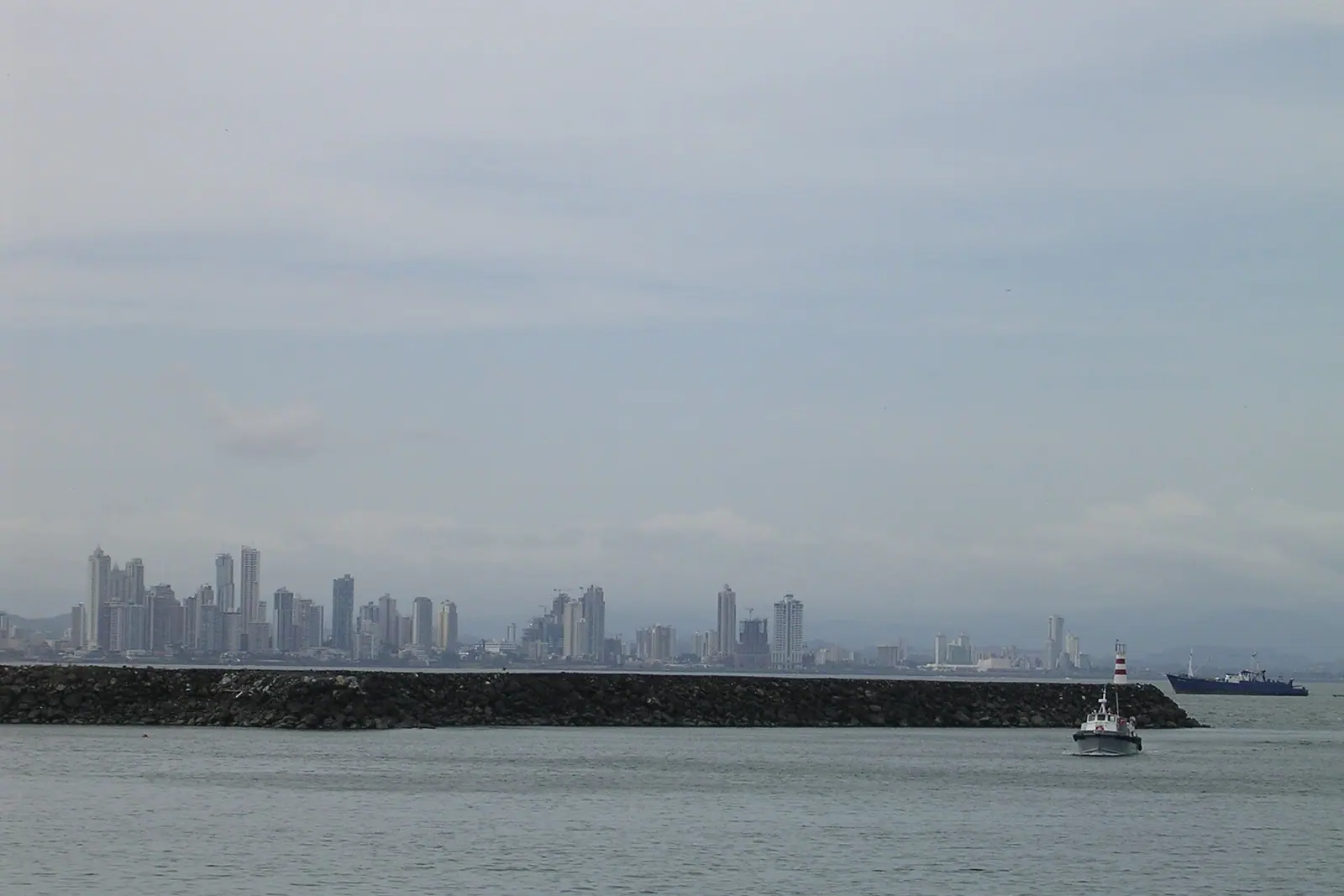
Panama City contains several distinct personalities inside one skyline. Picking a hotel is really picking a version of the city: the colonial romance of Casco Antiguo, the high-rise bay front along Avenida Balboa and the Cinta Costera, the business and dining corridors of Obarrio, El Cangrejo and Bella Vista, the polished new towers of Punta Pacífica and Costa del Este, or the greener, canal-side calm around Ancón and the Amador Causeway. The core is more compact than it looks — you can go from seventeenth-century churches to seventy-storey condominium towers in a quarter of an hour, though rush-hour traffic makes every neighborhood feel further away than the map suggests.
Each area suits a different traveler. Casco Antiguo is for people who want to walk to dinner, hear live music from a rooftop, and wake up to church bells; boutique conversions and small heritage hotels dominate here, and rooms are often smaller but full of character. Avenida Balboa and Punta Paitilla offer big international-style properties with bay views, gyms and pools — good for families and anyone who values a long breakfast buffet. El Cangrejo and Obarrio are mid-range and practical, packed with cafés, sushi bars and business hotels, while Costa del Este and Santa María appeal to longer stays, golf, and proximity to corporate offices.
A few distances worth knowing: Tocumen International Airport sits 30–45 minutes from the center depending on traffic, the Miraflores Locks are roughly 20–30 minutes from the downtown hotel strips, and the Amador Causeway is a short taxi ride from Casco Antiguo. If you plan to spend most days outside the city — in the highlands or on the islands — a single well-located base near the Cinta Costera is usually the smartest choice, with an early departure and a late return.
Casco Antiguo: Boutique Hotels in the Historic Heart
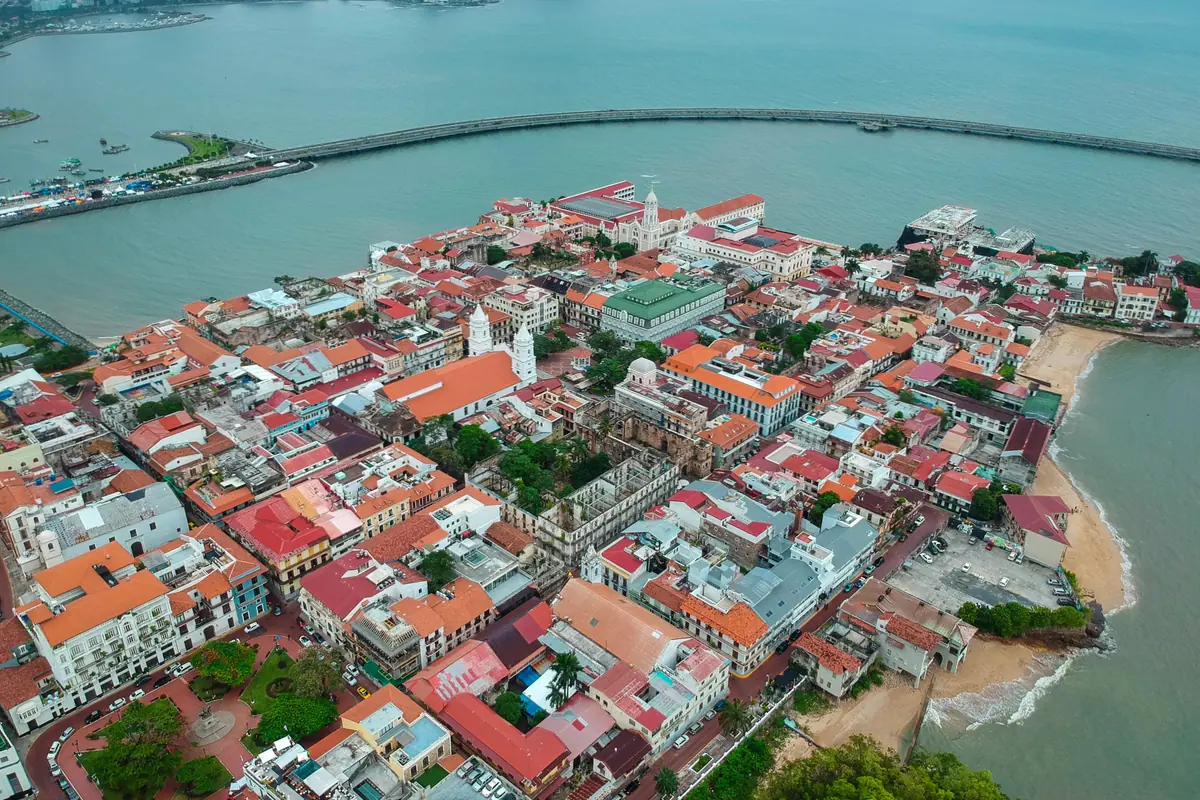
Casco Antiguo — also called Casco Viejo — is the walled city founded after the original settlement was sacked, and it remains the most atmospheric place to sleep in Panama. The streets are a tight grid of wrought-iron balconies, peeling pastel facades and restored courtyards. Plaza de la Independencia, with the Metropolitan Cathedral on its eastern edge, is the ceremonial heart, while the Iglesia de San José nearby hides a spectacular golden altar said to have been saved from the Welsh privateer Henry Morgan's raid. Plaza Bolívar, the Paseo Esteban Huertas walkway above the sea wall, the arched Las Bóvedas vaults and the roofless Arco Chato are all within a five-minute stroll of most hotels here.
Hotel stock is mostly boutique: converted townhouses with rooftop plunge pools, small courtyards, and staff who will remember your name. Rooms in heritage buildings can be compact and street noise is real, especially on weekends around Plaza Herrera and Calle 9, so ask for a rear or upper-floor room if you are a light sleeper. In exchange you get the city's best walkability — the Panama Canal Museum, the fish market on the Cinta Costera, and a dense cluster of ceviche counters and cocktail terraces are all on foot.
The quarter is lively but small, and it changes character block by block. The area around the cathedral and the Paseo Esteban Huertas feels serene and photogenic; the western blocks toward Plaza Herrera are where the nightlife concentrates. If you want colonial charm without the late-night bass, aim for the eastern and southern edges of the district, near the sea wall where the breeze comes through.
Bayfront Towers, Obarrio and Costa del Este: Modern Comfort
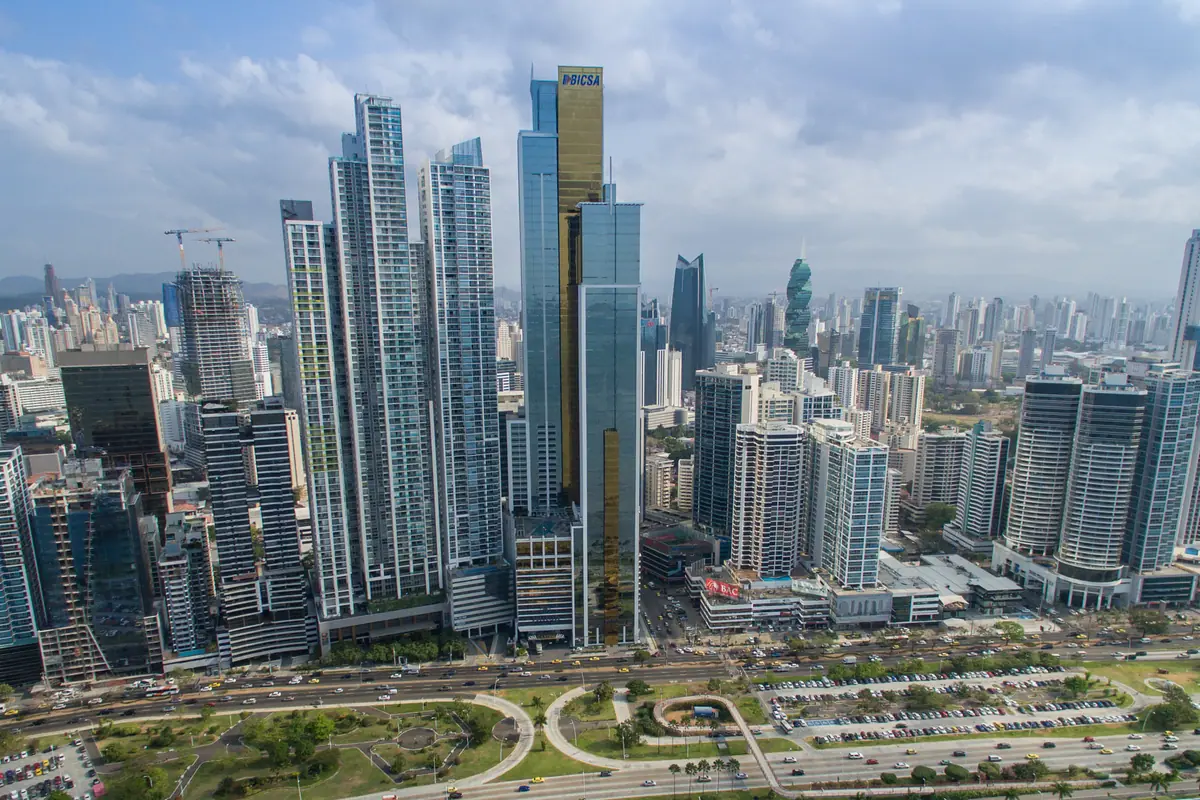
If you want skyline views, rooftop pools and air-conditioned predictability, the strip along Avenida Balboa and the Cinta Costera is hard to beat. Rooms on the upper floors look straight across the bay toward the Bridge of the Americas and the ships queuing for the canal, and the waterfront promenade below is made for early runs, cyclists and sunset strolls. Punta Paitilla and Punta Pacífica, a little further east, pack in more luxury towers, marinas and hospital-grade medical facilities — a plus for longer stays.
El Cangrejo and Obarrio sit slightly inland and offer the best value for travelers who don't need a sea view. This is embassy and office territory, so you'll find reliable mid-range hotels, laundries, pharmacies, and a wide choice of restaurants along Calle Uruguay and Via Argentina, including excellent Panamanian, Peruvian and Chinese kitchens. Bella Vista, wedged between them and the water, blends apartments, hostels and small hotels with easy access to both the promenade and the dining districts.
Further east, Costa del Este and Santa María are newer, greener and more residential, with golf courses, gated communities and large-format shopping. They are convenient if you are visiting for business, have a car, or want space and quiet — but you will rely on taxis or ride-hailing for sightseeing, since the historic quarter and the canal are both a drive away.
Must-See Attractions: The Canal, Panamá Viejo and the Biomuseo
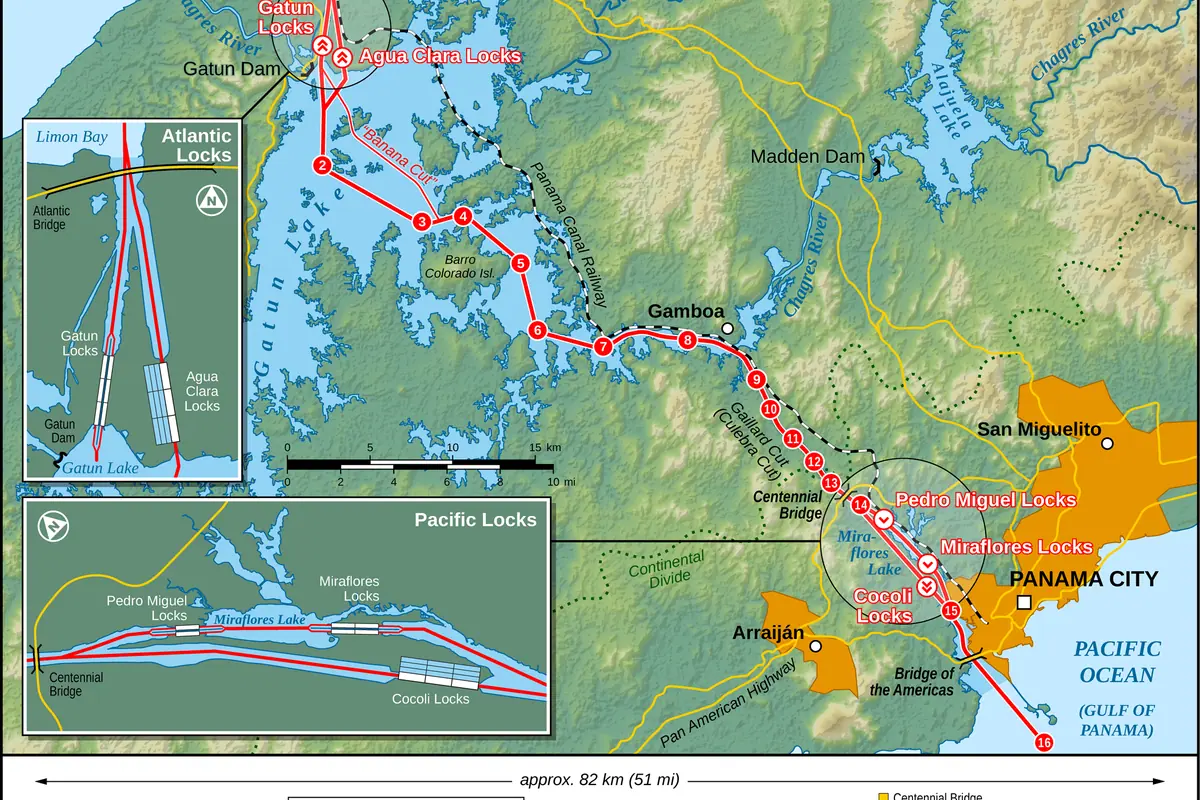
The Panama Canal is the reason many people come, and it does not disappoint. At the Miraflores Locks, just outside the city, you can watch from a tiered viewing deck as colossal ships are raised or lowered in stages between the Pacific and the inland lake, with a museum and narration explaining how the whole system works. It is worth timing your visit to a transit — mornings and late afternoons tend to be busy, and the experience of seeing a container ship pass within touching distance never gets old. On the Atlantic side, the Agua Clara Locks offer a contrasting view over the expanded canal and Gatún Lake.
In the city itself, start with Panamá Viejo, the mossy ruins of the original 1519 settlement and a UNESCO World Heritage Site, where a climb up the old cathedral tower rewards you with a panorama of the modern skyline. Then head to the Amador Causeway, built from rock excavated during the canal's construction, for the Biomuseo — Frank Gehry's explosively colorful museum on the isthmus's natural history — plus the Punta Culebra Nature Center, bike rentals and views back to the towers. Ancon Hill, crowned by a flag, and the Metropolitan Natural Park, a patch of tropical dry forest with sloth-and-toucan-spotting trails, are the easiest doses of nature you'll find inside a capital city.
Round off the list with the historic quarter's own sights: the Metropolitan Cathedral, the Panama Canal Museum in a former grand hotel, the sea-wall walkways, and the Interoceanic Canal Museum. Andrés, meanwhile, adds an unexpected sight — the golden altar of the Iglesia de San José, a surviving treasure of the old city.
Beaches, Islands and Highlands: Stays Beyond the Capital
Panama rewards anyone willing to leave the city for a night or two. The closest escape is Taboga Island, a 30-minute ferry ride from the Amador Causeway, where a small village, a colonial church and a quiet beach make an easy day trip or a low-key overnight. Further out, the Pearl Islands — Contadora above all — offer white-sand bays and snorkeling reachable by short flight or boat, while the San Blas archipelago in Guna Yala, reached by 4x4 and then a lancha, is a genuine bucket-list stay in thatched cabañas over turquoise water.
On the mainland, Playa Bonita sits just past the canal on the Pacific side, convenient for a beach fix without a long drive, and the Coronado area about an hour from the city has resort-style hotels popular with weekenders from the capital. For a complete change of climate, head to El Valle de Antón, a crater town in the hills, or continue to Boquete in the highlands, where coffee farms, cooler air and the Volcán Barú trail justify a few nights. Bocas del Toro, on the Caribbean coast, is a short domestic flight away and mixes overwater lodges with a laid-back island town.
If you are splitting your stay, a common and sensible pattern is two or three nights in Panama City, one or two on an island or at the beach, and two in the highlands. Book intercity transport and domestic flights early during peak season, and remember that island crossings depend on weather and tides, so keep your final night back in the city before an international departure.
When to Go and What to Know Before You Book
Panama's dry season runs roughly from December through April, with blue skies, strong sun and the most reliable beach weather — this is also when hotel rates and flights peak, especially around Carnival, the four-day celebration before Ash Wednesday, and the national holidays in early November. The green season from May to November brings afternoon downpours rather than all-day rain, lush landscapes, fewer crowds and noticeably better value. Temperatures in the capital hover around 30°C year-round with high humidity, so a hotel with a pool or strong air conditioning matters more than you might think.
Practical details that shape a booking: the local currency is the US dollar, tap water is generally safe to drink in the capital, and tipping around ten percent is customary. Traffic is heavy from roughly 7–9am and 4–7pm, so choose accommodation based on what you'll actually do each day rather than on raw distance. Casco Antiguo is pleasant to walk at night, but stick to lit streets, use ride-hailing or hotel-arranged taxis after dark, and keep valuables out of sight in crowded markets.
Museums and canal visitor centers typically open daily but close on some public holidays, and the Biomuseo is usually shut one day a week — check before you go. Book canal-side or historic-quarter rooms well ahead for the dry season and Carnival, request a quiet room if you're near a nightlife square, and confirm whether your hotel includes airport transfers, since the ride from Tocumen can be long in traffic.
Frequently asked questions
Is Casco Antiguo a safe place to stay in Panama City?
Yes, it is one of the most popular areas for visitors and is generally safe to walk during the day and in the evening along lit streets such as those around Plaza de la Independencia and the Paseo Esteban Huertas. Take normal precautions after dark, avoid quiet side streets late at night, and use hotel-arranged taxis or ride-hailing instead of hailing unmarked cars.
How many days do you need in Panama City?
Three full days lets you see the Panama Canal at Miraflores Locks, explore Casco Antiguo and its museums, visit Panamá Viejo and the Biomuseo on the Amador Causeway, and still fit in a walk on the Cinta Costera or a morning at the Metropolitan Natural Park. Add a night or two if you want a beach or island side trip.
What is the best time of year to visit Panama City?
December to April is the dry season, with sunny days that suit sightseeing and beach trips, though it is also the busiest and priciest period. May to November is greener and quieter, with heavy but usually short afternoon showers — a good trade-off if you want lower rates and softer light for photography.
Do you need a car to get around Panama City?
Not for the main sights. The historic quarter, the Cinta Costera and the museum districts are walkable or a short taxi ride apart, and the metro covers much of the modern city. A car is more useful if you are basing yourself in Costa del Este, heading to the highlands, or planning beach days at Coronado.
Which neighborhood is best for families or first-time visitors?
First-timers often love Casco Antiguo for its atmosphere and walkability, while families tend to prefer the Avenida Balboa and Punta Paitilla area for larger rooms, pools and easy access to the waterfront park. El Cangrejo and Obarrio are a strong middle ground: central, good value and surrounded by restaurants.
Sort the rest of your trip
Everything for Panama, in one place
Transfer in Panama
Private driver waiting on arrival — no queues, no surprises.
Book a transfer
Things to do in Panama
Skip-the-line tickets, guided tours and standout experiences.
See experiences
Stay online in Panama
Travel eSIM — data the moment you land, no roaming bills.
Get an eSIMMore guides in Panama
Best Time to Visit Panama: Dry Season, Green Season and Where to Stay
One Week in Panama: The Perfect 7-Day Itinerary with Domestic Flights
Panama Food, Culture and Local Experiences: What to Eat, See and Do

Best Places to Visit in Panama: Canal Locks, Cloud Forests and Caribbean Islands