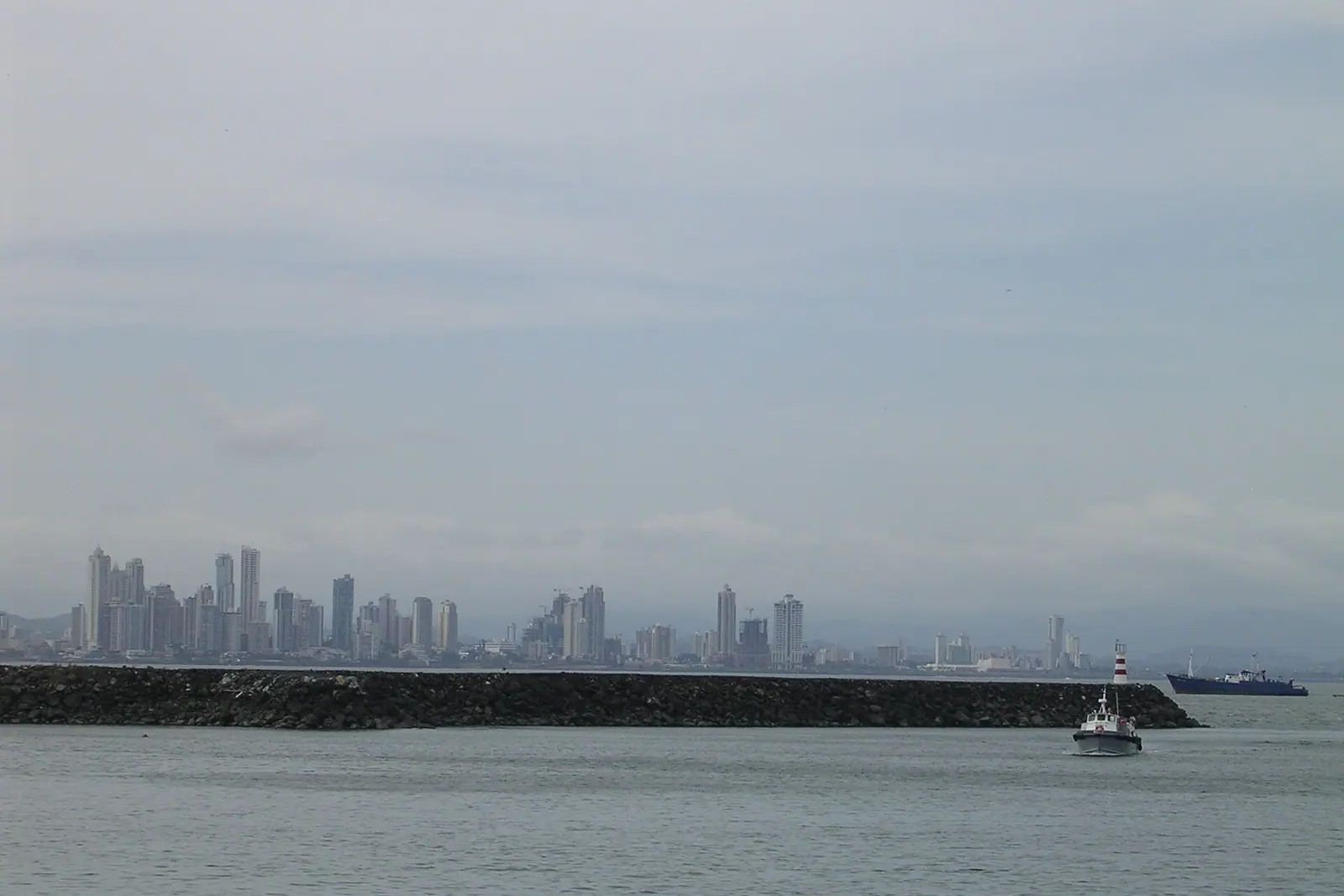
Panama packs three countries' worth of landscapes into a strip narrower than most people imagine — a capital of colonial rooftops and container ships, coral archipelagos on both oceans, and a volcano that shows you the Pacific and the Atlantic in a single sunrise. This seven-day route leans on the country's short-hop domestic flights to skip the long road transfers and spend your hours on the water and the trails instead. Here's how to sequence it so the weather, the boat schedules and the small-plane baggage limits all work in your favour.
Days 1–2: Panama City — Casco Antiguo, the Cinta Costera and Ancon Hill
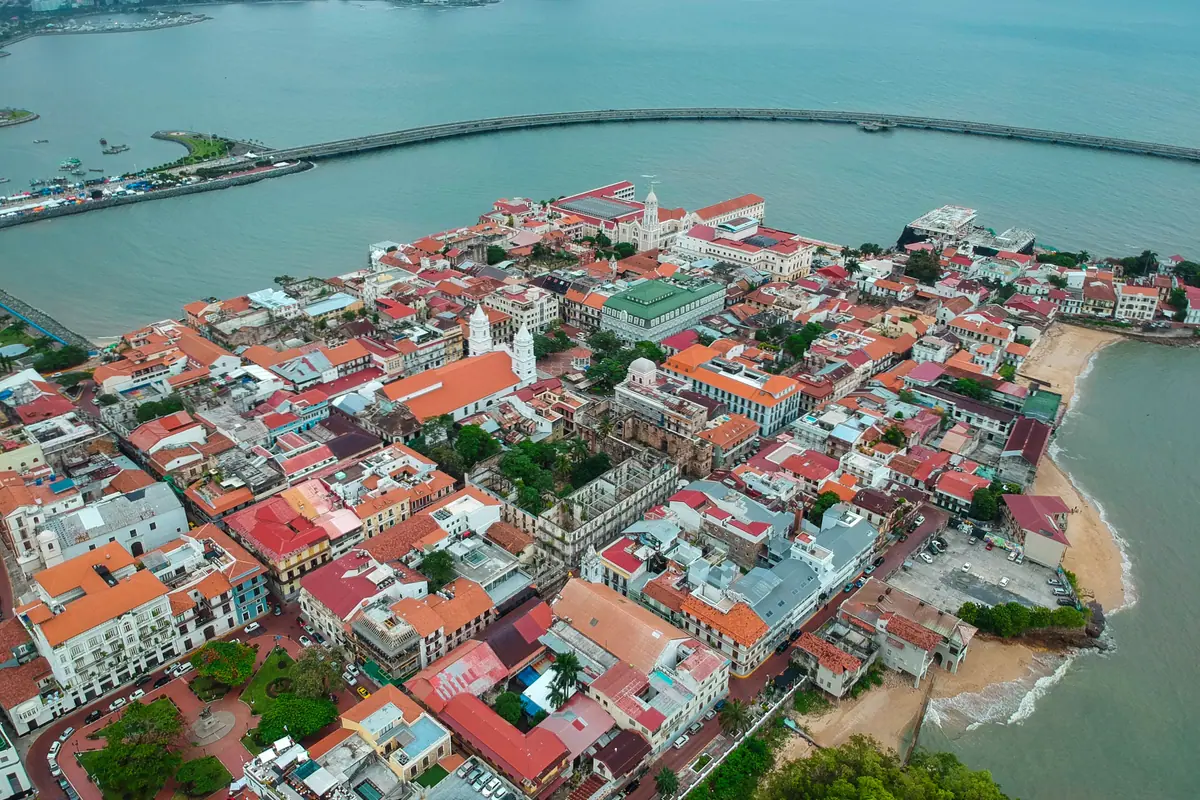
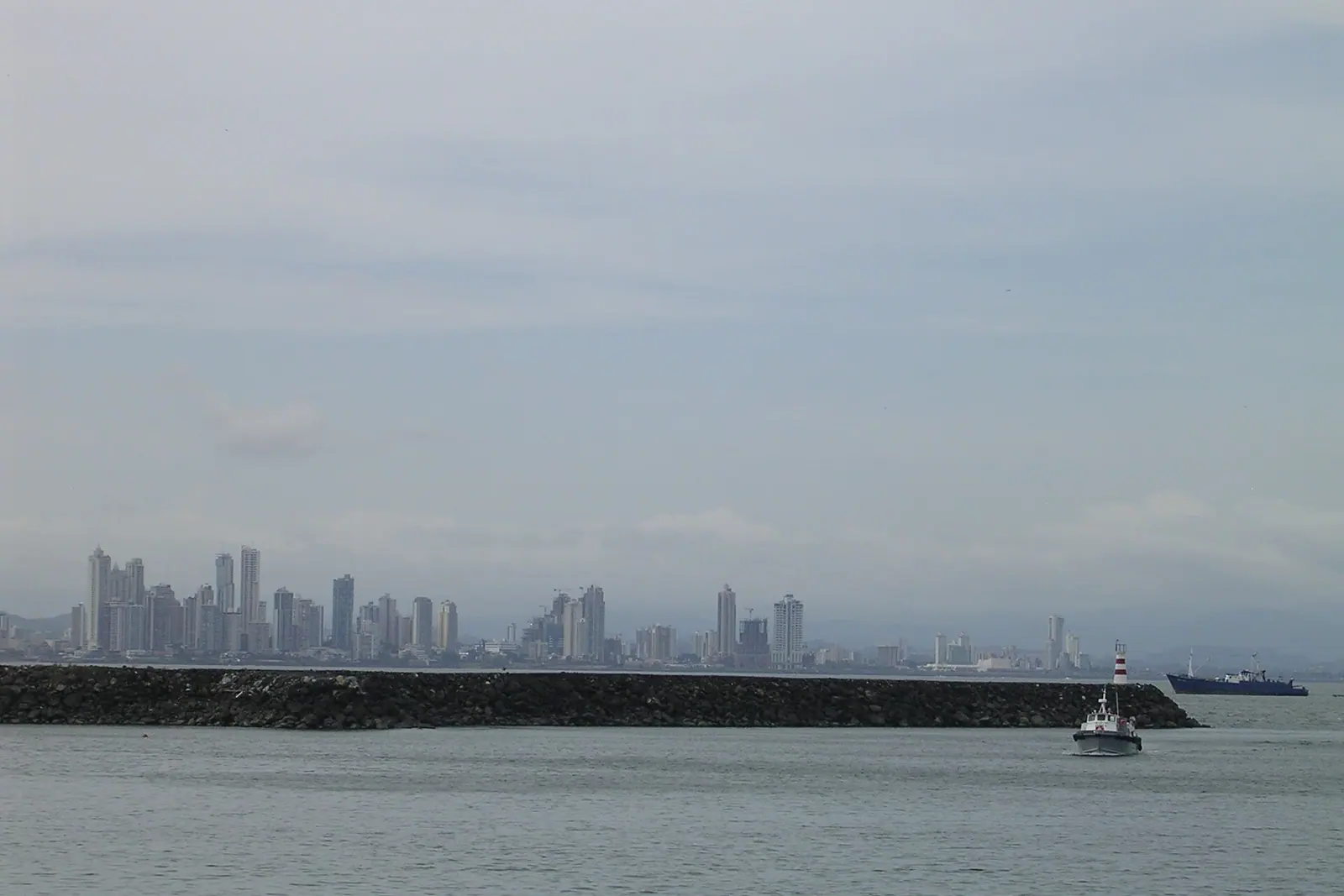
Most long-haul arrivals touch down at Tocumen International Airport in the evening, and the drive into the city takes 30–45 minutes outside rush hour. Base yourself in Casco Antiguo, the UNESCO-listed old quarter, where restored balconies and crumbling facades sit shoulder to shoulder and everything worth seeing is walkable. Start at Plaza de la Independencia, step into the Metropolitan Cathedral and the church of San José with its golden altar, then wander Plaza Bolívar and the Paseo de las Bóvedas along the old seawall, where Guna women sell molas on the ramparts and the skyline of the modern city glitters across the bay.
Give day two to the waterfront. Walk or cycle the Cinta Costera for the skyline views, detour to the Mercado de Mariscos for a plastic cup of corvina ceviche, then push on to the Amador Causeway, the causeway strung with moored yachts where you can watch container ships queue for the canal entrance at sunset. If you're up before dawn, climb Ancon Hill — it opens around 6am, takes about 45 minutes up a paved road, and rewards you with sloths, toucans and both the old town and the canal laid out below.
Practical rhythm: keep this stretch deliberately light. Jet lag plus tropical heat is a bad combination, and you'll want an early night before a domestic departure. January to April is the dry season and the most reliable window for the whole trip; May to November brings afternoon downpours but greener hills and emptier islands.
Day 3: The Panama Canal and Panama Viejo
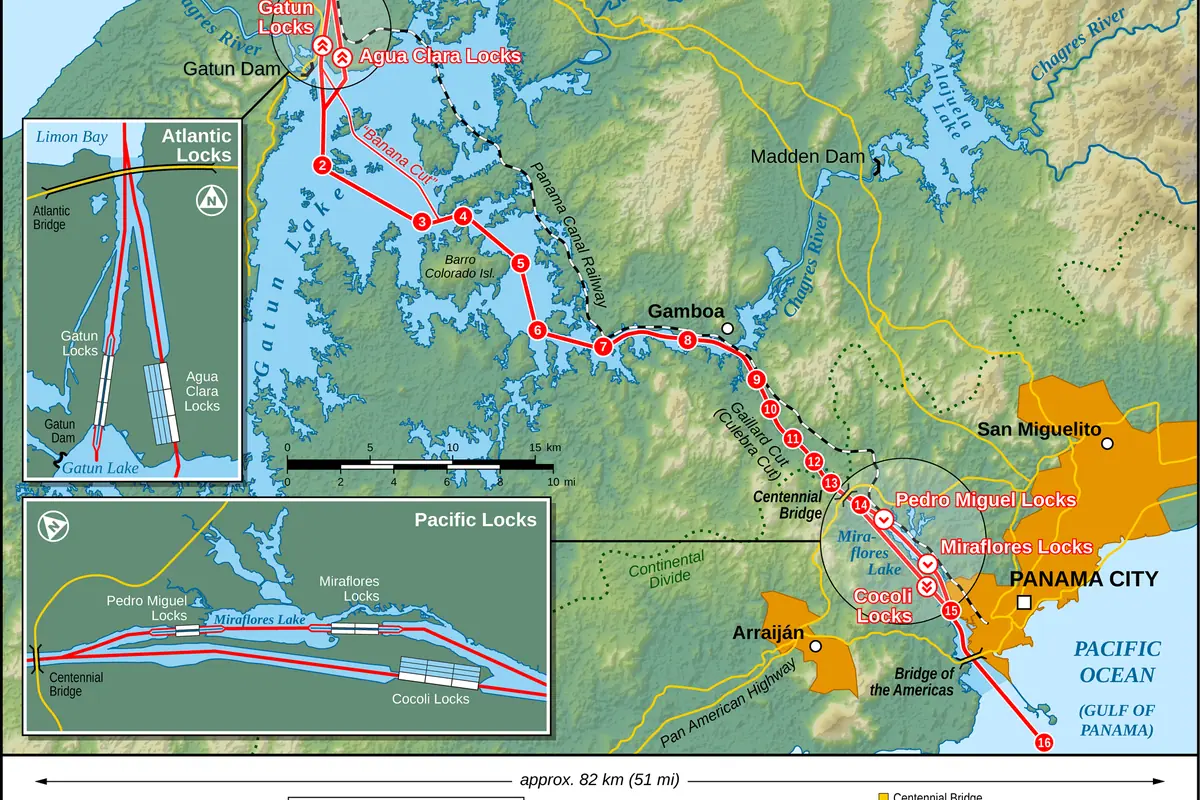
This is the day you come face to face with the reason Panama exists on the map. The Miraflores Locks, just 20 minutes from the city centre, have a visitor centre with terraces looking straight down onto the chambers — ships rise and fall roughly 16 metres in two steps. Ship traffic is heaviest mid-morning and again mid-afternoon, so aim for a 9–11am or 2–4pm arrival, and stay for the narration over the loudspeakers explaining the tug-and-locomotive ballet. If you have the appetite for a longer day, the Agua Clara Locks on the Atlantic side show the enormous neopanamax vessels, and pair naturally with the colonial forts of Portobelo and San Lorenzo, both part of the same UNESCO listing.
In the afternoon, head east to Panama Viejo, the original 1519 settlement and the oldest European city on the Pacific coast of the Americas. The tower of the ruined cathedral is the postcard image, and the on-site museum explains how Henry Morgan's privateers flattened the place in 1671 and sent the survivors marching to the peninsula that became Casco Antiguo. It's an easy two hours in the late-day light.
If architecture is your thing, squeeze in the Biomuseo on the Amador Causeway — a wildly colourful, folded-roof building that tells the story of the isthmus rising from the sea and reshaping the planet's climate. It closes mid-afternoon on some days, so check locally before you build your afternoon around it.
Days 4–5: Fly to San Blas and sleep on a Guna island
San Blas — Guna Yala to the people who live there — is a chain of some 365 islands and a semi-autonomous Indigenous comarca, and flying is by far the least exhausting way in. Small aircraft leave from Albrook Airport in the city for grass-and-gravel airstrips such as Playón Chico, Corazón de Jesús and Ukupseni; flights take 30–50 minutes and leave early because afternoon winds and cloud can ground them. The alternative, a 4x4 to the Cartí dock followed by a boat, eats half a day and is rough on the spine.
Once you're there, the rhythm is boat, snorkel, hammock, repeat. Island-hop to the Cayos Holandeses for the clearest water and best coral, swim the natural pool known as El Naufragio where starfish carpet the sand, and let a Guna guide take you to a village to see molas being stitched. Accommodation is simple: palm-thatch cabañas, shared bathrooms, generator power until around 10pm, and meals of fresh fish, rice and plantains arranged through your host. Bring cash in small notes, reef-safe sunscreen, and more mosquito repellent than you think you need.
Two things to know. Luggage on the island planes is strictly limited — typically around 10–14 kg per person, with soft bags only — so leave the hard-shell suitcase in Panama City. And the season matters: December to April is calmest and driest, with January and February sometimes blowing up choppy crossings, while the wet months bring heavy showers and occasional cancelled flights.
Days 5–6: Fly to Bocas del Toro on the Caribbean side
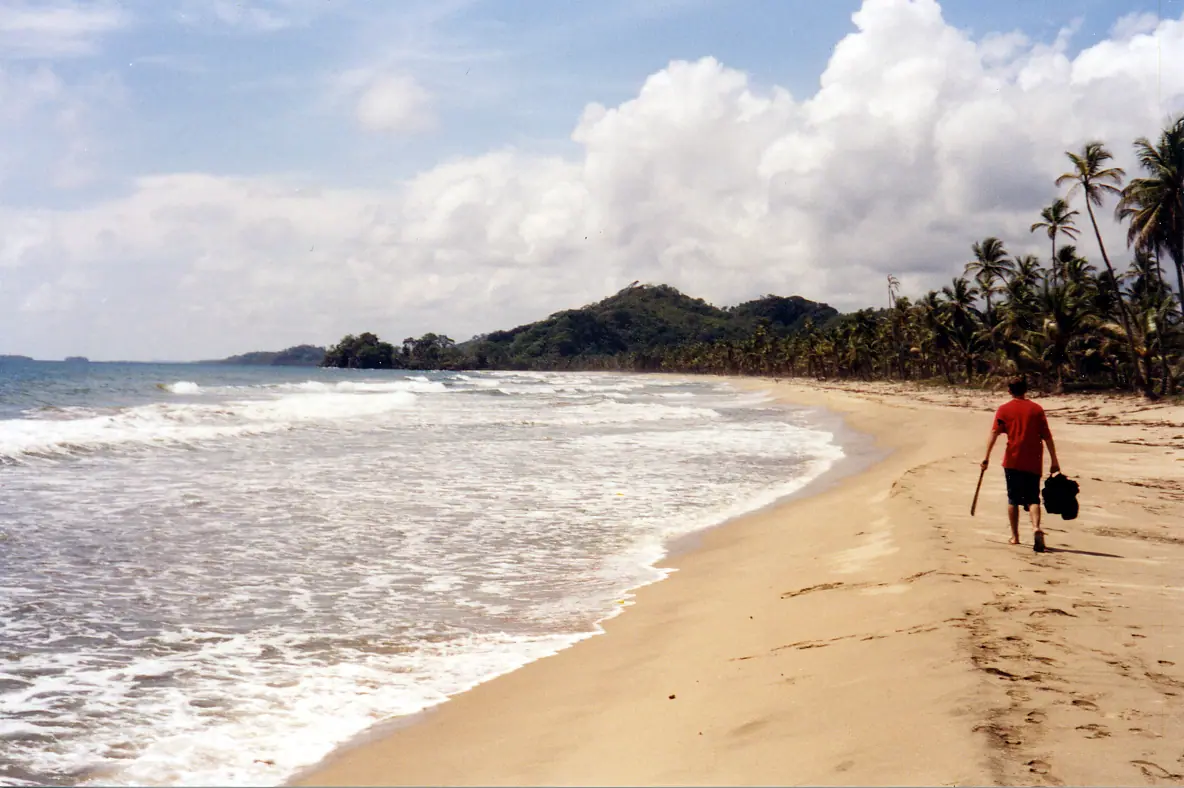
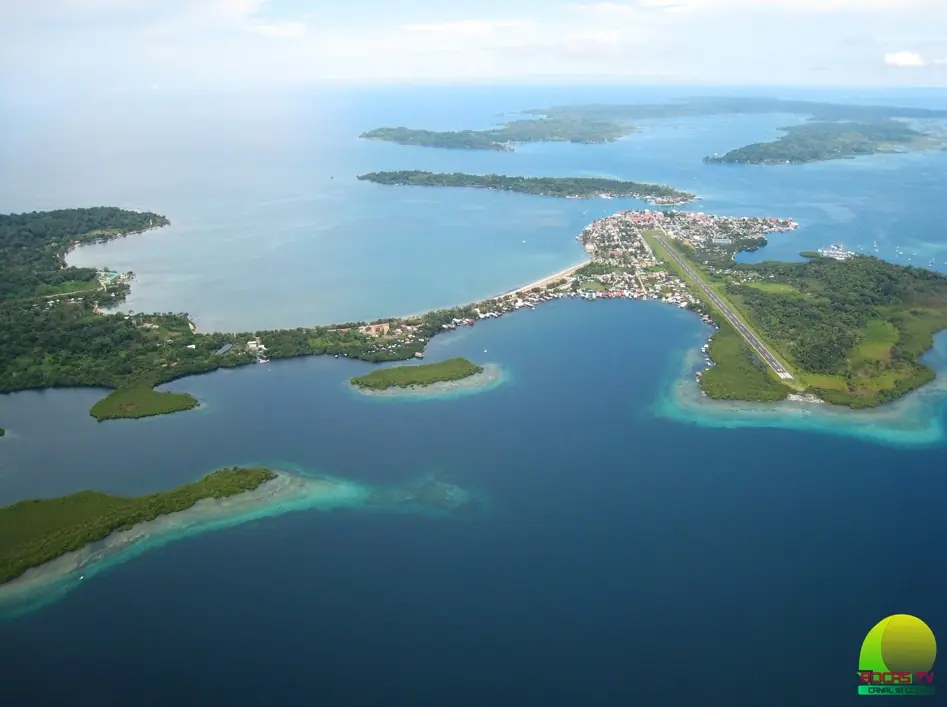
From Albrook, a one-hour flight lands you on Isla Colón, the main island of the Bocas del Toro archipelago, and in a completely different Panama — Afro-Antillean wooden houses on stilts, reggae drifting from bars, water taxis instead of buses. Base yourself in Bocas town for convenience, or on Bastimentos for quiet. Rent a bike or scooter to reach Bluff Beach for surf and turtle nesting, and Playa Boca del Drago for the shallow, starfish-studded stretch at the island's north-west tip.
The real highlight is the water. Take a boat to the Zapatilla Cays in Bastimentos Marine National Park, two uninhabited islands with white sand, coconut palms and reef just offshore — go early to beat the day-trippers. Snorkel at Hospital Point, look for sloths and red frogs on a jungle walk, and consider a night trip to see bioluminescence in the bays. The Caribbean side has its own weather pattern: it can rain here while the Pacific coast is bone dry, and September and October often deliver the clearest skies of the year.
Logistics tip: domestic seats to Bocas sell out fastest over Christmas, New Year and the February carnival period, so lock in those tickets weeks in advance. If flights are full, there's a long overland-boat option via Almirante, but it will cost you the better part of a day in each direction.
Day 6–7: Boquete, Volcán Barú and the coffee highlands
Trade the sea for cloud forest with a short flight to David, followed by a 45-minute drive up into the green bowl of Boquete, sitting at around 1,200 metres beneath Panama's tallest peak. The town is coffee country: estate tours walk you through shade-grown geisha and typica beans, from cherry to cupping table, and the cooler air is a genuine relief after the coast. Add the Caldera hot springs and the Pipeline Trail, a gentle birdwatching walk where quetzals and trogons are the prize.
The signature hike is Volcán Barú, 3,475 metres. Most people start around 11pm or midnight to reach the summit for sunrise, and on a clear morning — most likely between January and April — you can see the Pacific on one side and the Caribbean on the other. It's a long, cold, dusty climb on a rough track, so bring layers, a headlamp, plenty of water, and either a guide or a shared 4x4 for the upper section. The alternative is the Los Quetzales Trail between Boquete and Cerro Punta, a beautiful highland path through the national park that needs no alpine start.
If your flight home leaves from Panama City, use the last evening to return, eat a final plate of ropa vieja in Casco Antiguo, and walk the Paseo de las Bóvedas one more time. It's a good bookend to a week that spans two oceans.
Swap-ins and smart alternatives: El Valle de Antón, the Pearl Islands and Portobelo
Not everyone wants three flights in a week. El Valle de Antón, a town sitting inside a dormant volcanic crater about two hours from the capital, is the easiest substitution: hike to the Chorro El Macho waterfall, look for the famous square-trunked trees, soak in the thermal pools and shop the Sunday handicraft market. You can pair it with a night on the Pacific coast at Playa Venao for surf, or with Isla Iguana off Pedasí, a protected island with frigatebirds and reef snorkelling.
For an island fix without the small-plane hassle, the Pearl Islands are reachable by fast ferry or a very short flight to Contadora, and between July and October humpback whales migrate through these waters — a genuinely spectacular sight from a boat. On the Atlantic side, the fortresses of Portobelo and San Lorenzo, plus the Agua Clara Locks, make a strong full-day history loop if you'd rather not fly at all.
Whatever you choose, build the week in this order: city first, islands in the middle, highlands last, and always keep the final night in Panama City before an international departure. Domestic flights from Albrook are short but delay-prone in the rainy season, and a morning buffer is the difference between a relaxed exit and a sprint through the terminal. Dry-season travellers who book flights and island beds a month or more ahead get the best of Panama with the least friction.
Frequently asked questions
Do I really need domestic flights for a one-week Panama itinerary?
They save enormous time. The overland trip to Bocas del Toro takes the better part of a day each way, and San Blas is a rough 4x4 ride plus a boat. Short hops of 30–60 minutes from Albrook Airport turn those into half-days, which is what makes a Canal-plus-islands-plus-highlands week realistic at all.
What is the best time of year for this route?
Mid-December to April is the dry season and the safest bet for the Pacific coast, San Blas and a clear Volcán Barú sunrise. May to November is wetter, with afternoon downpours and more flight delays, though the Caribbean side around Bocas del Toro often enjoys its clearest weather in September and October.
Are there baggage limits on the small island planes?
Yes, and they are enforced. Expect roughly 10–14 kg per person on the light aircraft serving San Blas and the archipelago routes, with soft-sided bags preferred. Store hard cases at your Panama City hotel and travel light for the island legs.
How far ahead should I book domestic flights and island accommodation?
For the Christmas and New Year period, February carnival and Easter week, book three to six weeks ahead — seats and simple island cabañas sell out first. At quieter times, a week or two is usually enough, but morning departures fill before afternoon ones.
Can I visit San Blas independently?
You can arrange a flight and a stay, but Guna Yala is an Indigenous comarca with its own rules, entry fees and permits. Stays are organised through Guna-owned lodges, and visiting villages or reefs is expected to be done with a local guide — which is also how the money stays in the community.
Sort the rest of your trip
Everything for Panama, in one place
Stay in Panama
Hotels, guesthouses and apartments — compared in one search.
Search hotels
Transfer in Panama
Private driver waiting on arrival — no queues, no surprises.
Book a transfer
Travel insurance
Medical cover, delays and lost baggage — sorted before you go.
Get coveredMore guides in Panama
Best Time to Visit Panama: Dry Season, Green Season and Where to Stay
Panama Food, Culture and Local Experiences: What to Eat, See and Do

Best Places to Visit in Panama: Canal Locks, Cloud Forests and Caribbean Islands
Where to Stay in Panama City: Neighborhoods, Hotels and Must-See Attractions