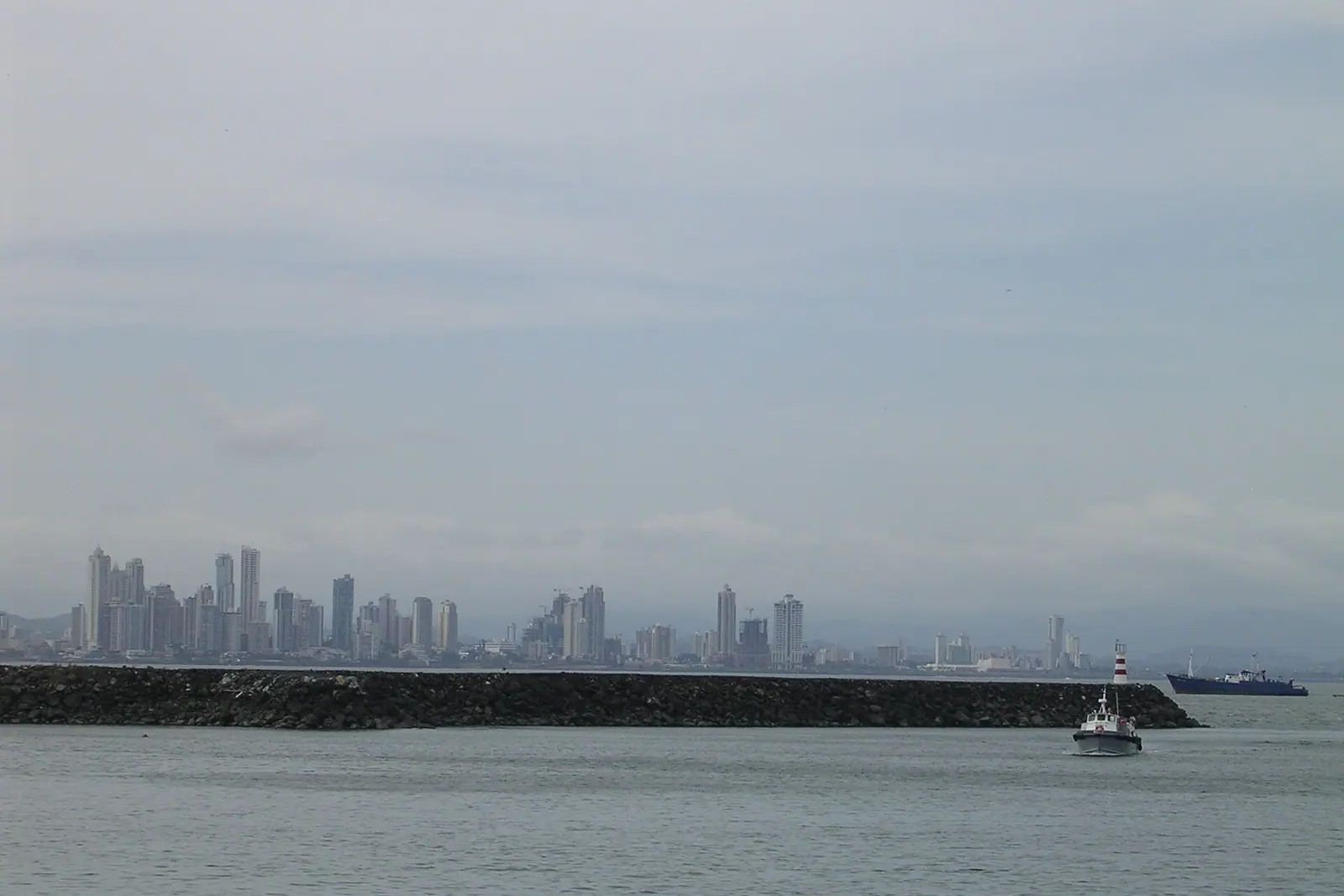
Panama is a narrow bridge where two oceans, two continents and a dozen cultures collide, and you feel it in a single day: a freighter the length of three football pitches gliding through the locks at dawn, a bowl of cold sea-bass ceviche at noon, and drums spilling out of a colonial plaza by night. This guide skips the checklist and gets to the heart of it — the dishes, festivals, markets and landmarks that actually define the isthmus.
Casco Antiguo: The Walled City Where Panama Begins
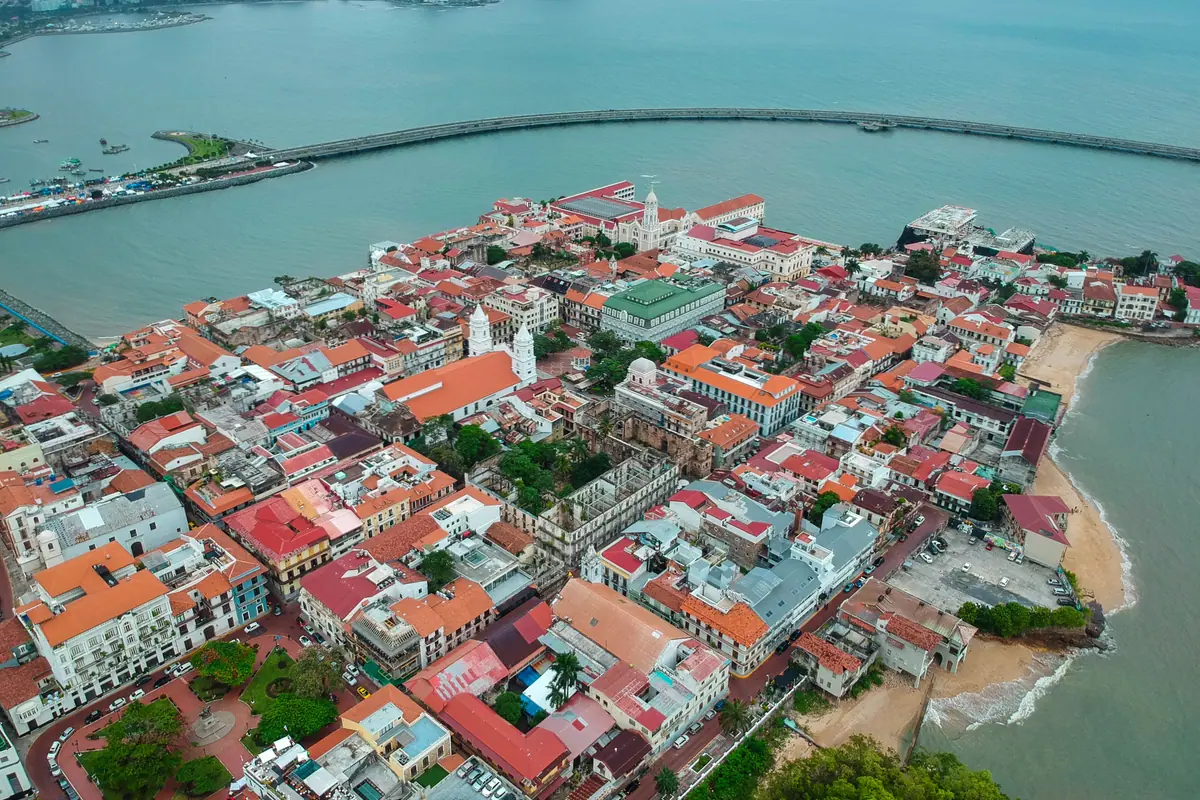
Casco Antiguo — also called Casco Viejo — is the country's emotional centre, a UNESCO-listed peninsula of pastel facades, wrought-iron balconies and churches that survived fire, siege and neglect. Start at the Plaza de la Independencia, where Panama declared separation from Colombia in 1903, and step into the Catedral Metropolitana, whose twin towers dominate the skyline. A block away, the Iglesia de San José hides a baroque golden altar that legend says was painted black to escape pirate attention, and the roofless Iglesia de Santo Domingo preserves the Arco Chato, a flat arch that stood for centuries without support.
Walk the Paseo de las Bóvedas, the old sea wall where vendors sell molas and thread bracelets, then continue to the Plaza de Francia with its obelisk honouring the French canal builders — many of whom died here of yellow fever. Late afternoon is the sweet spot: the light turns honey-coloured, rooftop bars open above the tiled roofs, and you can watch the sun drop behind the Bridge of the Americas while the causeway lights flicker on.
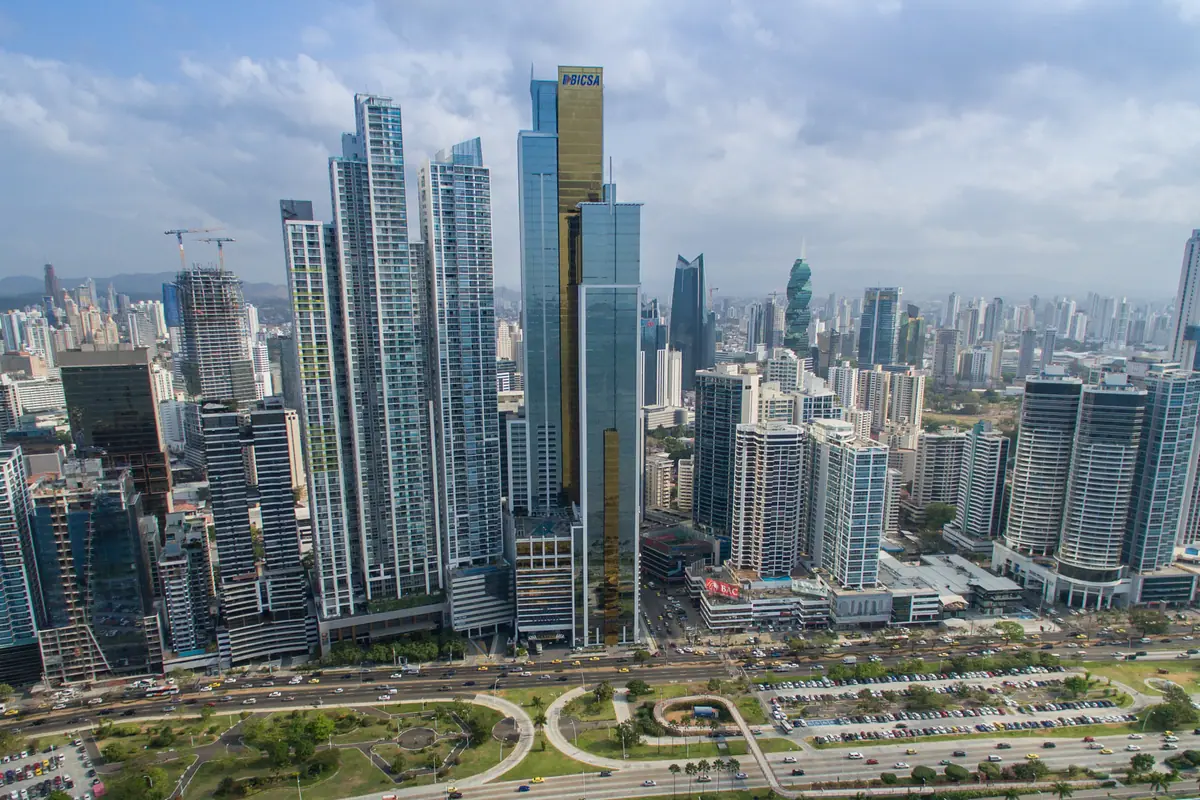
Give Casco Antiguo a full morning and a full evening. Mornings belong to the Panama Canal Museum and to coffee on Plaza Herrera; evenings belong to ceviche counters, live son and salsa, and the low roar of a city that stays up late. Across town, the ruins of Panama Viejo — the original 1519 settlement, sacked and burned in 1671 — add a sobering two hours, with a cathedral tower you can climb for a view over the modern skyline.
The Panama Canal: Miraflores, Agua Clara and the Culebra Cut
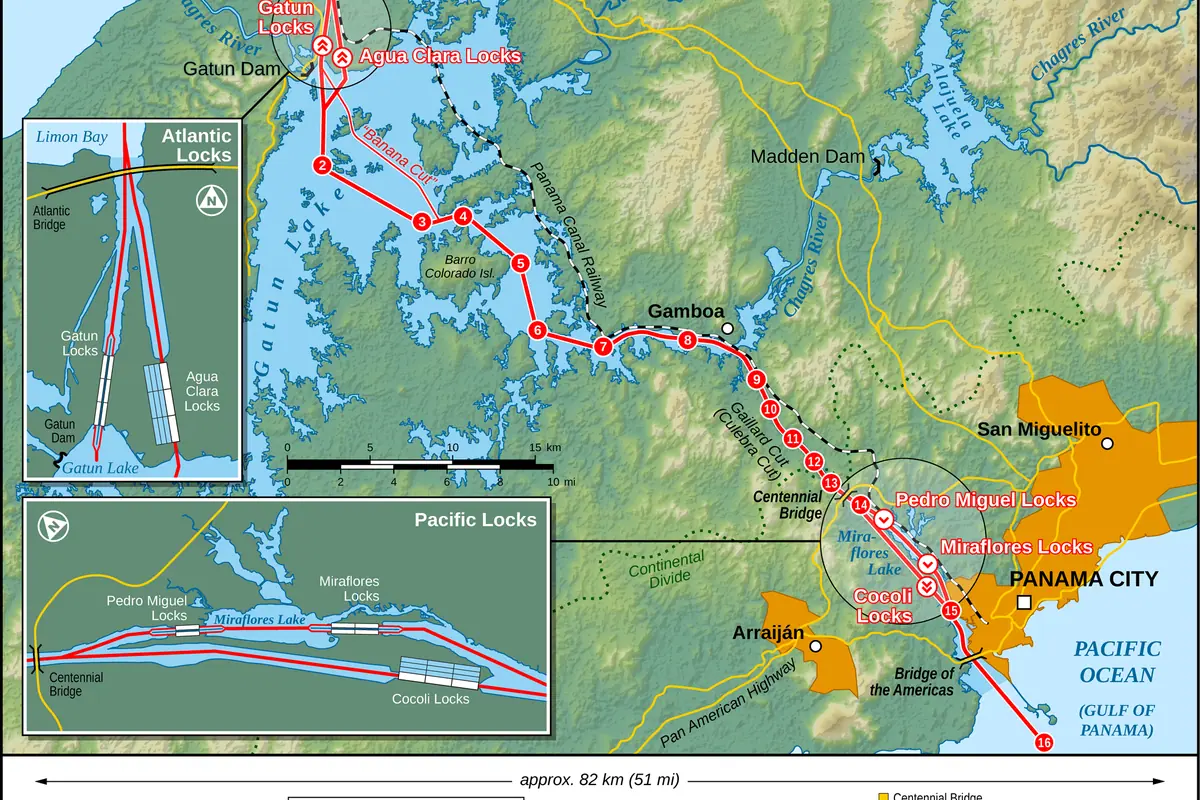
No trip is complete without time spent watching the canal work. On the Pacific side, the Miraflores Locks are the classic introduction: tiered viewing decks put you close enough to see the electric locomotives — the mules — hauling ships through, and to hear the water thunder in as a vessel is lifted some sixteen metres in minutes. Ships generally arrive from the Pacific in the early morning, so aim to be there by 8am, and budget two to three hours for the decks, the exhibits and the film.
Across the isthmus near Colón, Agua Clara is the quieter, newer viewpoint, looking down on the vast neopanamax locks and the expanse of Gatún Lake beyond. Pair it with a half-day at the fortified ruins of Portobelo and San Lorenzo, both UNESCO-listed Spanish coastal forts, and you have the Atlantic side in one unhurried loop. A full transit of the canal takes a ship roughly eight to ten hours, so a partial transit excursion is the only realistic way to cover the waterway itself.
For the geography that makes it all possible, head to the Culebra Cut, where the channel slices through the continental divide and landslides were a daily terror during construction. Boat trips onto Gatún Lake offer a gentler angle — capuchin and howler monkeys along the forested islands, herons stalking the shallows — and the rainy months from May to November mean fewer visitors and a greener, moodier landscape, with brief afternoon downpours you can plan around.
What to Eat: Fish Market Ceviche to Sunday Sancocho
Panama's food story starts at the Mercado de Mariscos, the working fish market on the edge of Casco Antiguo. Go before noon, when the day's catch is still being unloaded, and order ceviche de corvina — sea bass cured in lime with onion, cilantro and a whisper of ají chombo — alongside coctel de camarones and whole fried snapper with patacones. It is cheap, loud, briny and the single most Panamanian meal you can eat standing up.
Away from the water, look for fondas, the family-run canteens where lunch is served from trays. Sancocho, the chicken-and-root-vegetable soup, is the national comfort dish, simmered with ñame, yuca and culantro, and often eaten as a cure for a long night. You will also meet arroz con pollo, ropa vieja, guacho de mariscos and carimañolas — yuca fritters stuffed with spiced beef. Breakfast belongs to hojaldres, feather-light fried dough taken with white cheese, or to tortillas de maíz cooked on a comal and topped with cheese or eggs.
Save room for the sweets and the drinks. Raspao, shaved ice drenched in fruit syrup and condensed milk, appears on street corners as soon as the sun turns serious; plátanos en tentación and pesada de nance fill market stalls; and chicha de piña — fermented pineapple — is sold in clay jugs during festivals. Coffee from the highlands around Boquete and Volcán is genuinely world-class, and a locally distilled rum, taken neat or in a simple highball, is the correct way to end a Panamanian evening.
Beyond the Capital: Guna Yala, Bocas del Toro and Boquete
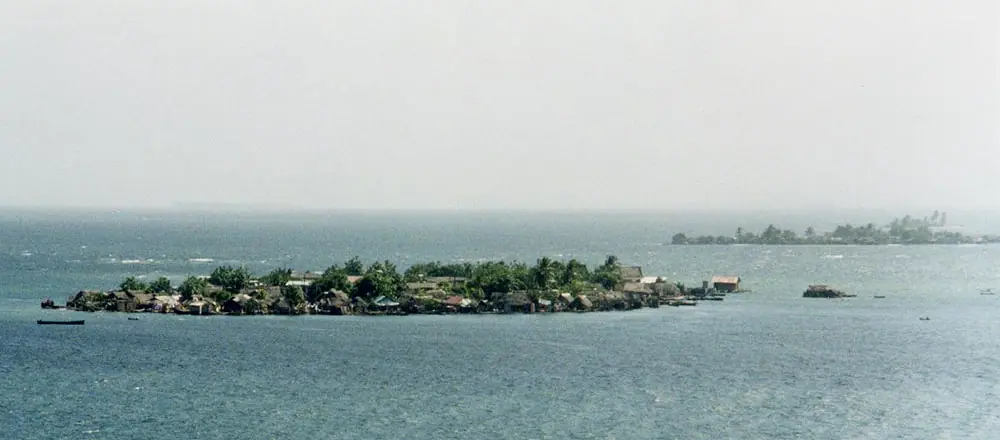
The Guna Yala archipelago — San Blas to most outsiders — is a semi-autonomous Guna territory of roughly 365 coral islands, reachable from Panama City by four-wheel drive and boat. Life here is deliberately low-key: simple thatched cabañas, no high-rises, and molas, the intricately layered textile panels made by Guna women, sold from porches. Bring cash, pack light, and ask before photographing people — this is a living community, not a resort.
On the Caribbean side, Bocas del Toro is a laid-back archipelago of wooden houses over turquoise water, with bicycles as the main transport on Isla Colón and coral reefs and sloth-filled jungle on nearby Bastimentos. Inland, the highland town of Boquete sits beneath Volcán Barú, whose 3,475-metre summit is climbed overnight to catch sunrise above both oceans. Boquete's coffee farms offer tastings of the prized Geisha varietal, and the surrounding cloud forest trails are the best place in the country to spot a resplendent quetzal.
For a shorter escape, El Valle de Antón occupies the floor of a vast extinct crater two hours from the capital, with a Sunday artisan market, a waterfall at Chorro El Macho and thermal springs in the surrounding hills. Further afield, Coiba National Park is a UNESCO-listed island wilderness with some of the Pacific's richest diving, while Isla Taboga is an easy ferry hop from the city, known for its flowers and its unhurried village lanes.
Festivals, Music and Living Culture
If your dates allow, plan around Carnaval. The country shuts down for four days before Ash Wednesday, and the small inland town of Las Tablas stages the most passionate version, with rival neighbourhoods competing through costume, comparsas and culecos — water trucks that drench the crowd in the midday heat. Panama City holds its own celebrations along the Cinta Costera, but the interior is where tradition runs deepest, and where you will see women in the embroidered pollera, one of Latin America's most beautiful folk costumes.
The rest of the year is a steady rhythm of fairs and fiestas. January brings the flower and coffee fair in Boquete and a well-regarded jazz festival in the capital; September brings the Mejorana festival in Guararé, devoted to the small guitar-like instrument and the improvised décima verse that goes with it. Corpus Christi in Villa de los Santos features the dance of the dirty devils, and December fills every town square with parades and fireworks.
Day to day, culture shows up in smaller ways. Emberá and Wounaan communities along the Chagres River welcome visitors for canoe trips, woven baskets and music; the hand-painted diablos rojos buses still brighten provincial roads; and greetings matter, so a cheerful "buenas" when you enter a shop goes a long way. Learn a few words of Spanish, accept the offered coffee, and you will be treated less like a tourist and more like a guest.
When to Go and How to Move Like a Local
Panama runs on two seasons rather than four. The dry months, roughly mid-December to April, bring blue skies, steady trade winds and peak prices — this is the window for San Blas, Bocas del Toro and the Volcán Barú summit. May to November is the green season: hot, humid, cheaper, with heavy but usually brief afternoon rain, dramatic light, and the bonus of humpback whales off the Pacific coast from roughly July to October.
The US dollar circulates everywhere alongside the balboa, which exists only as coins, so there is no exchange-rate arithmetic to do. Smaller notes are useful, and cash is essential on the islands and in Guna Yala, where ATMs are scarce or nonexistent. Tap water is generally safe in the cities and towns but stick to bottled in remote areas, and carry a light rain shell year-round — the tropics rarely stay dry for long.
In the capital, the metro, local buses and ride-hailing apps cover most of what you need, and the Amador Causeway — with the colourful Biomuseo at its entrance — makes a fine sunset bike ride. For the interior, rent a car or take a domestic flight to David for Boquete, and give yourself a couple of extra days beyond the canal: sunrise from Ancon Hill and a morning walk in Metropolitan Natural Park show you the city as locals see it, framed by forest, water and ships waiting their turn.
Frequently asked questions
How many days do you need in Panama?
Four to five days is enough for Panama City, the Miraflores Locks and Casco Antiguo, with a day trip to Guna Yala or El Valle de Antón. Give yourself ten days to two weeks to add Boquete, Bocas del Toro and Coiba without rushing, since road transfers and boat rides eat into the day.
What is the best time of year to visit Panama?
The dry season from mid-December to April offers the most reliable weather for beaches and hiking, though it is the busiest and priciest stretch. May to November is greener and quieter, with short afternoon downpours, lower rates and excellent whale watching on the Pacific side from around July to October.
What food should I not leave Panama without trying?
Ceviche de corvina at the Mercado de Mariscos, sancocho (chicken and root-vegetable soup), hojaldres with cheese for breakfast, carimañolas, patacones with fried fish, and raspao from a street cart. Coffee from the Boquete highlands and a locally made rum are the drinks to match.
Do I need cash in Panama?
US dollars are accepted nationwide, but carry smaller bills and a reasonable amount of cash. Guna Yala and many small islands are cash-only with no ATMs, and some village guesthouses and market stalls cannot take cards at all.
Is Panama easy to get around without a tour?
Yes. Panama City has a metro, buses and ride-hailing apps, and the canal and Casco Antiguo are simple to visit independently. For Guna Yala, Coiba and some highland coffee farms, organised transport is effectively required because access is by boat or restricted community land.
Sort the rest of your trip
Everything for Panama, in one place
Stay in Panama
Hotels, guesthouses and apartments — compared in one search.
Search hotels
Transfer in Panama
Private driver waiting on arrival — no queues, no surprises.
Book a transfer
Stay online in Panama
Travel eSIM — data the moment you land, no roaming bills.
Get an eSIMMore guides in Panama
Best Time to Visit Panama: Dry Season, Green Season and Where to Stay
One Week in Panama: The Perfect 7-Day Itinerary with Domestic Flights

Best Places to Visit in Panama: Canal Locks, Cloud Forests and Caribbean Islands
Where to Stay in Panama City: Neighborhoods, Hotels and Must-See Attractions