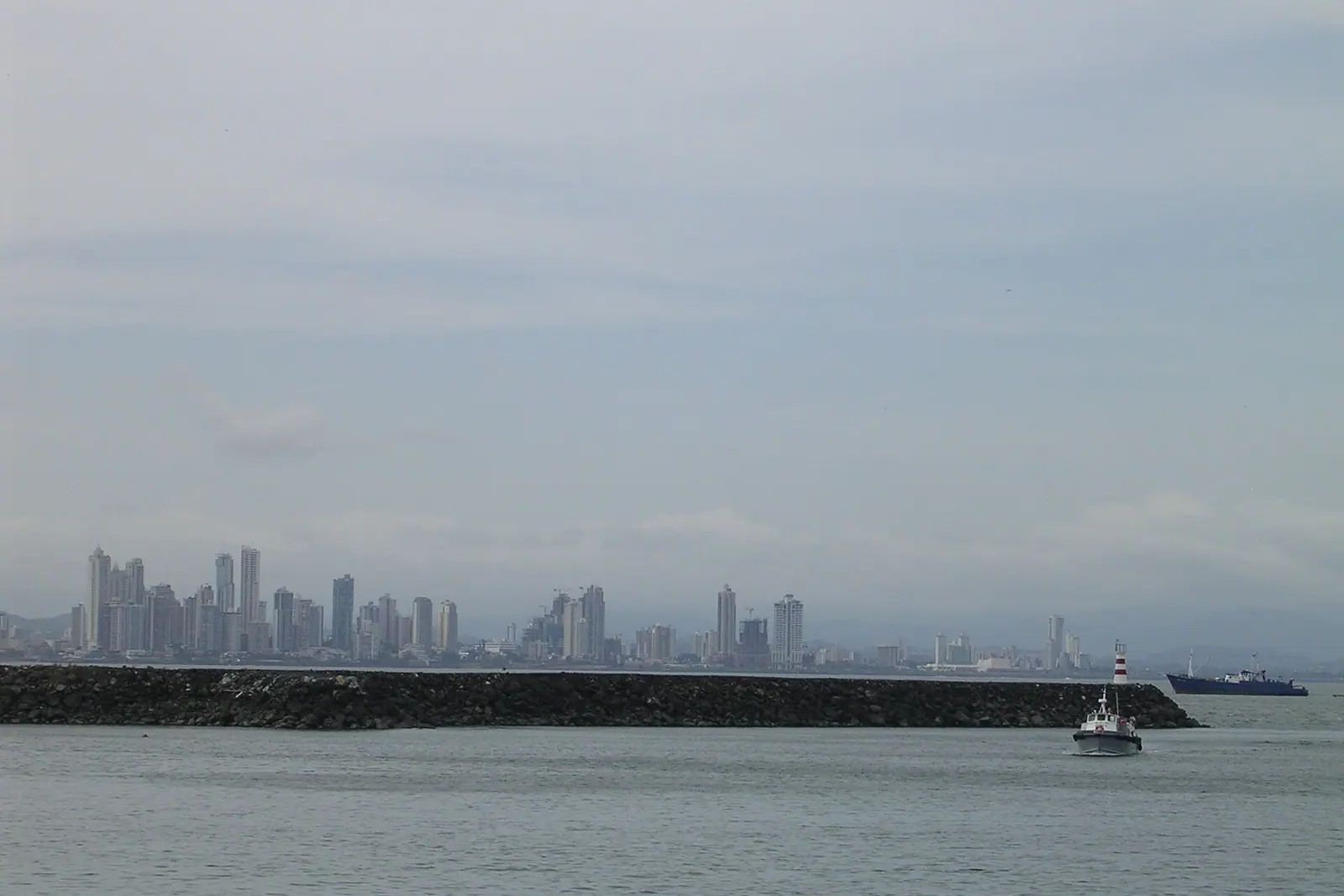
Panama is a country of two calendars: a bright, breezy dry season that fills Casco Antiguo's plazas with photographers, and a lush green season that turns the canal watershed emerald and drops hotel rates across the isthmus. Pick your window well, and you get the Panama Canal, colonial rooftops and Caribbean islands without fighting the weather or the crowds.
Panama's Two Seasons: Dry Verano and the Long Green Stretch
Panama sits at roughly nine degrees north of the equator, comfortably outside the Caribbean hurricane belt, so its year is divided not into four seasons but two. The dry season, which locals call verano or summer, runs from about mid-December through April. Skies are a hard, clean blue, the trade winds keep coastal humidity bearable, and afternoon temperatures hover around 30–33°C in Panama City. The green season, invierno, stretches from May to November, when you can usually count on a bright morning, a heavy shower somewhere between two and five in the afternoon, and a clear, steaming evening.
The catch is that Panama has microclimates sharp enough to change your itinerary. The Pacific side — Panama City, the Azuero Peninsula, the Pearl Islands — is noticeably drier than the Caribbean coast, where Bocas del Toro absorbs some of the heaviest rainfall in the region. The highlands around Boquete and Volcán Barú sit at 1,000–1,800 metres and stay cool all year, often between 15°C and 25°C, which is why coffee farms and cloud-forest lodges there feel like a different country. The Caribbean also gets a short breather in late June, the little dry spell known as veranillo de San Juan, and often another quieter window in September and October.
For travellers, the practical upshot is simple: the dry months deliver the most reliable weather and the highest demand, especially over Carnival and the Christmas–New Year peak, while the wet months bring genuinely tempting room rates, emptier viewpoints and landscapes at their most photogenic. Neither season is a mistake — they're just different trips.
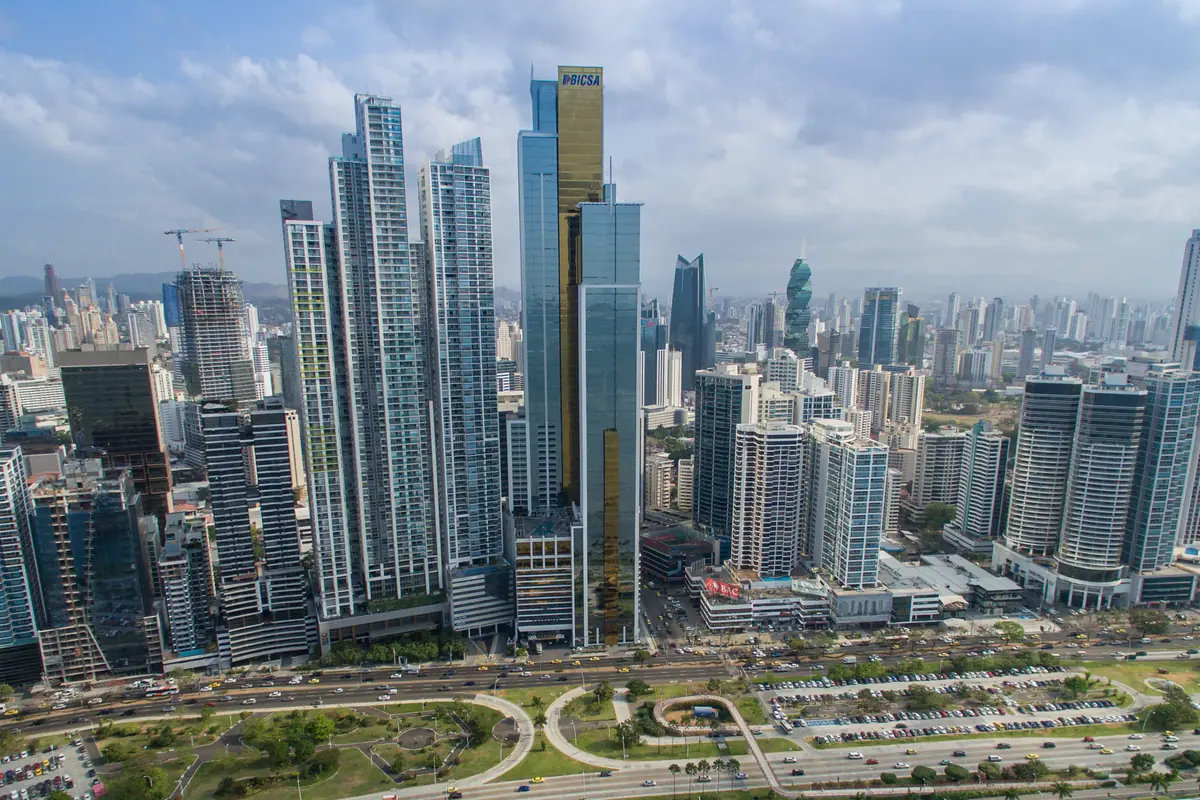
Dry Season (Mid-December to April): The Classic First Visit
If you are coming for the headline sights, this is the window to aim for, and January to March is the sweet spot — cooler evenings than April, less haze, and the most stable conditions for the canal. Base yourself in Panama City and you can tick off the icons efficiently: the Miraflores Locks visitor centre on the Panama Canal, where you watch container ships rise and fall through the chambers; the UNESCO-listed ruins of Panama Viejo, the original colonial city; and Casco Antiguo, the walled old town whose plazas, church towers and rooftop bars are best walked in the early morning or after sunset.
Add the Calzada de Amador, the causeway of islands linked by a road that curves out into the Pacific, home to the brightly coloured Biomuseo and a string of seafood restaurants with skyline views back towards the city. Fit in a sweaty climb up Ancon Hill for the panorama, a shaded trail through Metropolitan Natural Park, and a boat trip to Taboga Island, where the sand is an hour from the docks. Most first-timers need four to five nights in the capital to do this without rushing.
Because this is peak season, book central hotels two to three months ahead — earlier if your dates collide with the four days of Carnival in February, which is the single busiest travel period of the Panamanian year. Expect higher nightly rates, busier tour departures and the need to reserve canal and island excursions in advance. The reward is that almost nothing gets rained off.
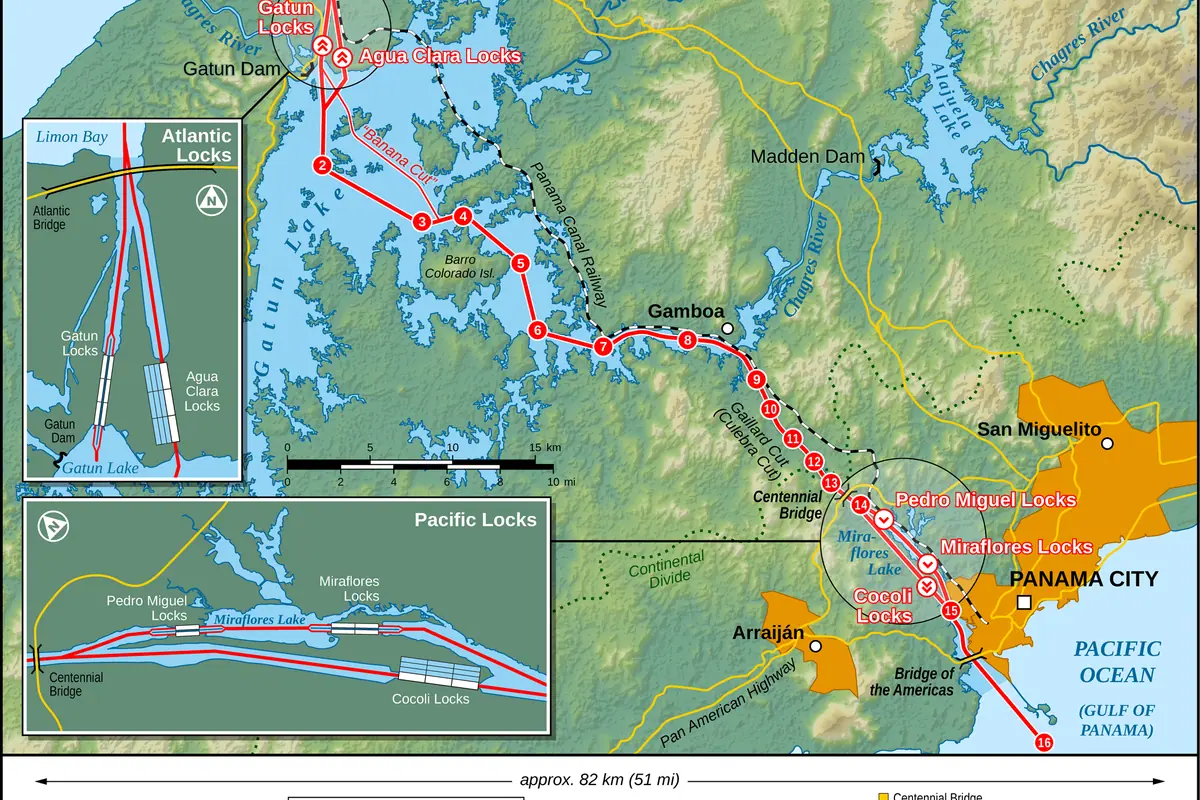
Shoulder Months (May, June and November): The Value Sweet Spot
The transition months are quietly the smartest time to book a Panama hotel. In May and June the rains have arrived but are still relatively gentle and often confined to a single late-afternoon burst, while early November often dries out in time for the country's independence celebrations. Landscapes are vivid green, gardens are in flower, and the pressure on rooms drops sharply after the Easter break.
These weeks suit travellers who want the city without the crush. You can wander Casco Antiguo's Plaza de la Independencia and Plaza Bolívar at leisure, get a table on the Calzada de Amador without waiting, and still count on mostly dry mornings for the Miraflores Locks or a hike in the rainforest. Airlines and hotels frequently release lower rates during these windows, so the same itinerary often costs meaningfully less than in February.
November is a special case because of Fiestas Patrias: the flag-waving parades around 3, 4, 5, 10 and 28 November fill the capital and towns like Las Tablas and Chitré with music and street food. Rooms in the interior sell out fast, so if you want to combine a colonial hotel stay with a parade, plan well ahead.
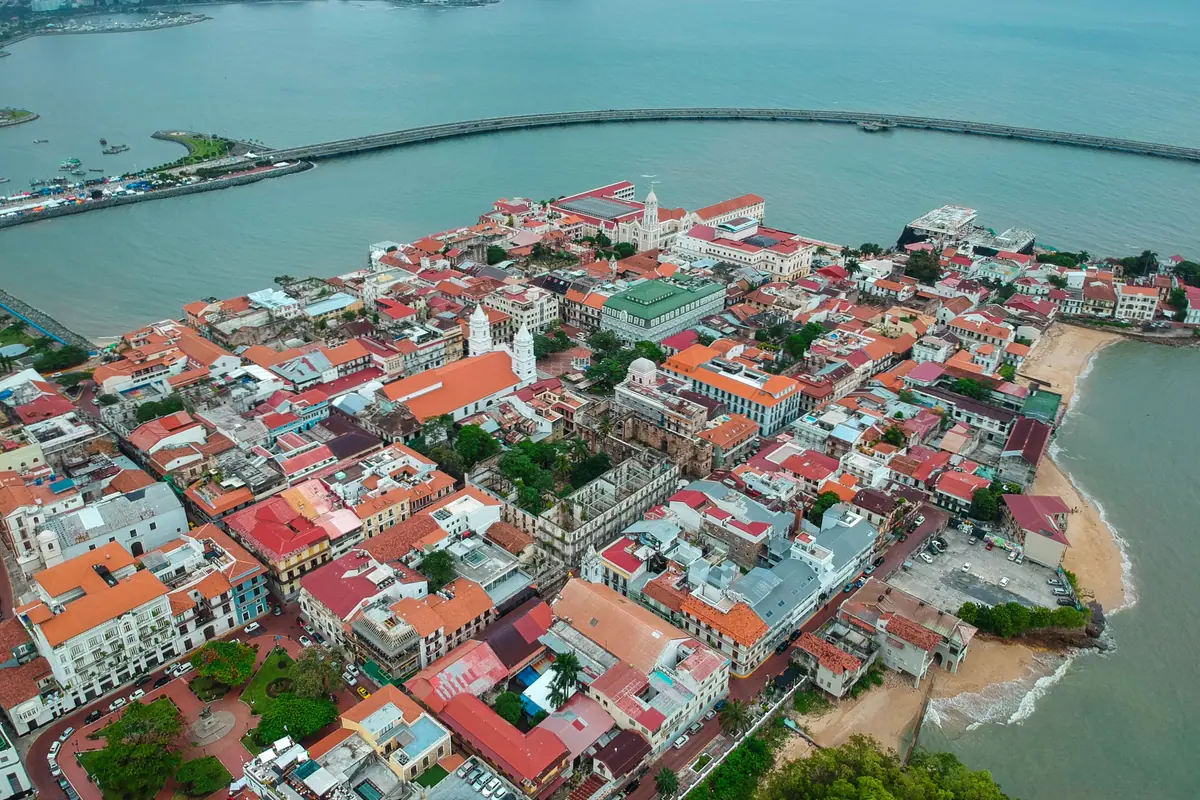
Green Season (July to October): Whales, Surf and Lower Rates
The wettest stretch of the year is also the most underrated. Between July and October, humpback whales migrate into the Gulf of Chiriquí and around Isla Coiba, one of the largest marine parks in the Americas and a UNESCO site, plus the Pearl Islands closer to the capital. Boat operators run whale-watching trips from towns like Pedasí and Santa Catalina, and the diving and snorkelling around Coiba stay good because the water is warm and nutrient-rich.
This is also the season for Bocas del Toro's Caribbean rhythm: heavier rain, yes, but bigger swells for the surf breaks and a much calmer version of the archipelago's famous over-water guesthouses. In the highlands, Boquete and El Valle de Antón trade sunshine for misty cloud forest, waterfalls at full volume and coffee farms in the middle of their harvest and milling cycle, which usually runs from late in the year into March.
Hotels across the country discount aggressively from September to early November, and the canal and old town are rarely crowded. Pack quick-dry clothing, a light rain shell and dry bags for electronics, plan outdoor activities for the morning, and treat the afternoon downpour as a built-in excuse for a long lunch.
Where to Base Yourself: Districts, Islands and Highlands
Your choice of neighbourhood changes the trip as much as the season does. Casco Antiguo is the romantic pick — boutique stays inside restored colonial buildings, church bells, rooftop pools and narrow streets that are walkable at night. Obarrio, El Cangrejo and Bella Vista offer modern high-rise hotels with business-grade comfort and easy access to the Cinta Costera waterfront promenade. Punta Paitilla and Costa del Este skew upmarket and quiet, while the Calzada de Amador puts you on the water with resort-style pools and evening views of the lit-up skyline.
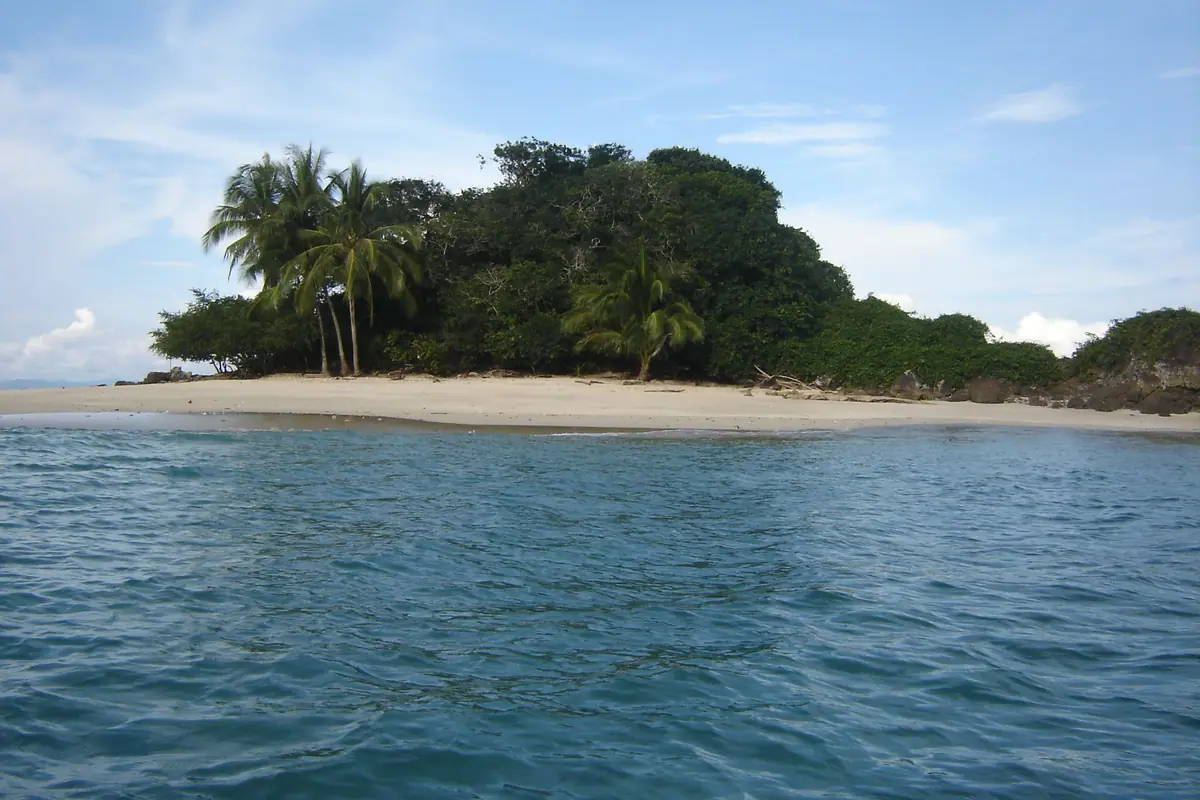
For onward travel, Albrook is handy because the domestic terminal for flights to Bocas del Toro and David sits beside it. Beyond the capital, the classic bases are Bocas del Toro for Caribbean island life, Boquete for cool-weather coffee country, El Valle de Antón for a crater-valley weekend, Santa Catalina and Pedasí for Pacific surf and whale season, and Contadora or Taboga for an easy island night out of the city.
A well-paced two-week itinerary usually combines four or five nights in Panama City, three in Bocas or Boquete, and two or three on an island or at a Pacific beach. If you only have a week, stay in the capital and add a single island escape — Panama's roads and domestic flights make anything more ambitious feel rushed.
Festivals That Should Shape Your Dates
Panama's calendar has a few fixed points worth planning around. Carnival, in the days leading up to Ash Wednesday in February, is the biggest party in the country, with the wildest celebrations in the Azuero town of Las Tablas and large parades in Panama City — book accommodation months ahead or avoid those dates entirely. Semana Santa in March or April brings beach-bound crowds and closed businesses, and the Boquete jazz and blues festival in the cooler highlands draws music fans early in the year.
Later, the national pollera festival in Las Tablas in July celebrates Panama's ornate traditional dress, and November is a rolling series of independence and flag days with parades, drumming and fireworks. Christmas and New Year are the other peak: the capital's waterfront fills for New Year's Eve, and rates spike from mid-December into the first week of January.
If your priority is weather rather than parties, aim for late January to March and sidestep the festival weekends. If you want atmosphere, choose Carnival or November and accept higher prices, fuller hotels and a livelier, louder version of the country.
Frequently asked questions
What is the single best month to visit Panama?
February is the most reliable all-round month: firmly inside the dry season, breezy and bright on the Pacific side, with good conditions for the Panama Canal, Casco Antiguo and island day trips. March is a close second, with slightly warmer afternoons and a touch more haze.
Is the rainy season really a bad time to go?
No. From May to November you will usually get clear mornings and a heavy but short afternoon shower, plus considerably cheaper hotel rates and fewer crowds. It is the best window for whale watching around Isla Coiba and the Gulf of Chiriquí, and for seeing the canal watershed and highland cloud forests at their greenest.
How many days do I need in Panama City?
Four to five nights lets you cover the Panama Canal at Miraflores Locks, Panama Viejo, Casco Antiguo, the Calzada de Amador and the Biomuseo, plus a hike up Ancon Hill or through Metropolitan Natural Park and a boat trip to Taboga Island, without spending your whole trip in transit.
Do hurricanes affect Panama?
Panama sits south of the main Atlantic hurricane belt and is rarely hit directly, which is one reason the green season is less risky here than in much of the Caribbean. The bigger weather consideration is plain rainfall and the occasional rough sea crossing to the islands.
When should I visit Bocas del Toro or Boquete?
For Bocas del Toro, the calmest seas and driest Caribbean days generally fall between February and March, with a second, quieter window in September and October. Boquete is pleasant year-round thanks to its elevation, but the clearest volcano views and driest trails come during the January-to-April dry season.
Sort the rest of your trip
Everything for Panama, in one place
Transfer in Panama
Private driver waiting on arrival — no queues, no surprises.
Book a transfer
Things to do in Panama
Skip-the-line tickets, guided tours and standout experiences.
See experiences
Stay online in Panama
Travel eSIM — data the moment you land, no roaming bills.
Get an eSIMMore guides in Panama
One Week in Panama: The Perfect 7-Day Itinerary with Domestic Flights
Panama Food, Culture and Local Experiences: What to Eat, See and Do

Best Places to Visit in Panama: Canal Locks, Cloud Forests and Caribbean Islands
Where to Stay in Panama City: Neighborhoods, Hotels and Must-See Attractions