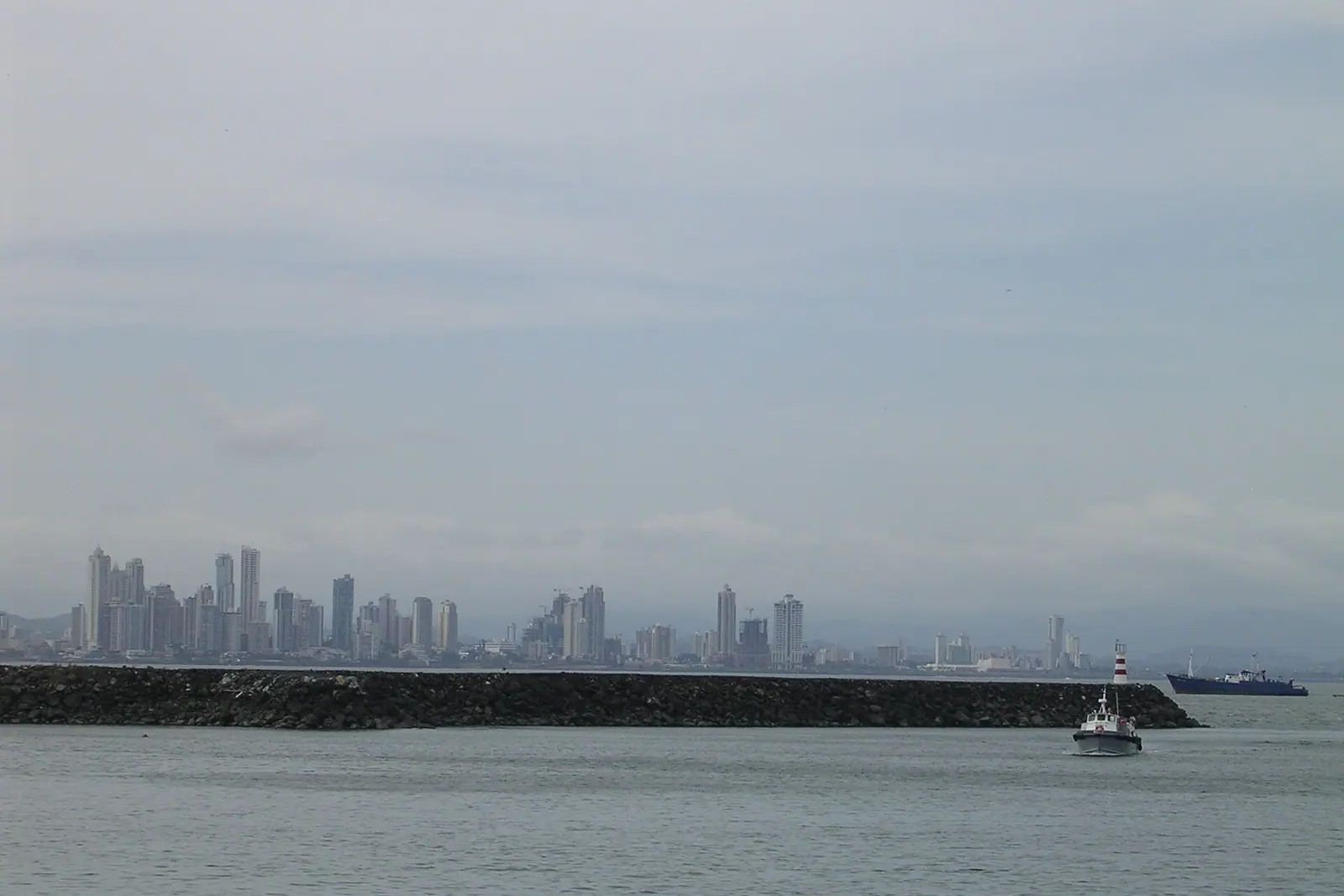
Panama packs a continent's worth of scenery into a country the size of Ireland — a canal that lifted global trade, Caribbean islands ringed with coral, volcano-top cloud forests and Pacific beaches where humpbacks pass offshore. This guide walks you through the places worth building a trip around, from the historic streets of Panama City to the islands of Guna Yala.
Panama City and Casco Antiguo: Colonial Streets Under a Modern Skyline
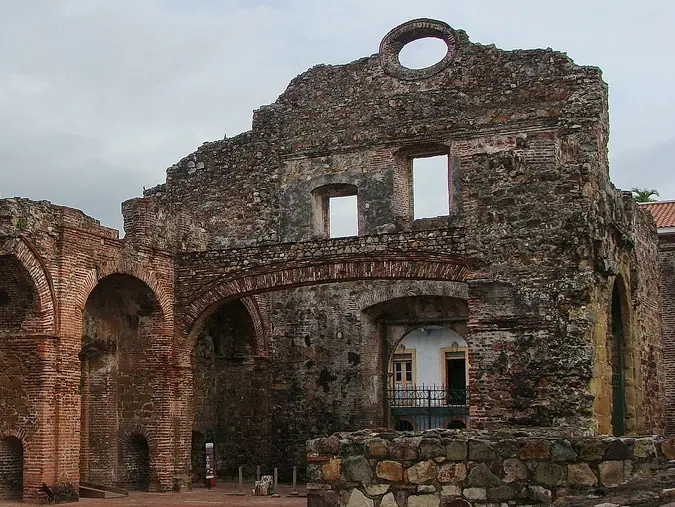
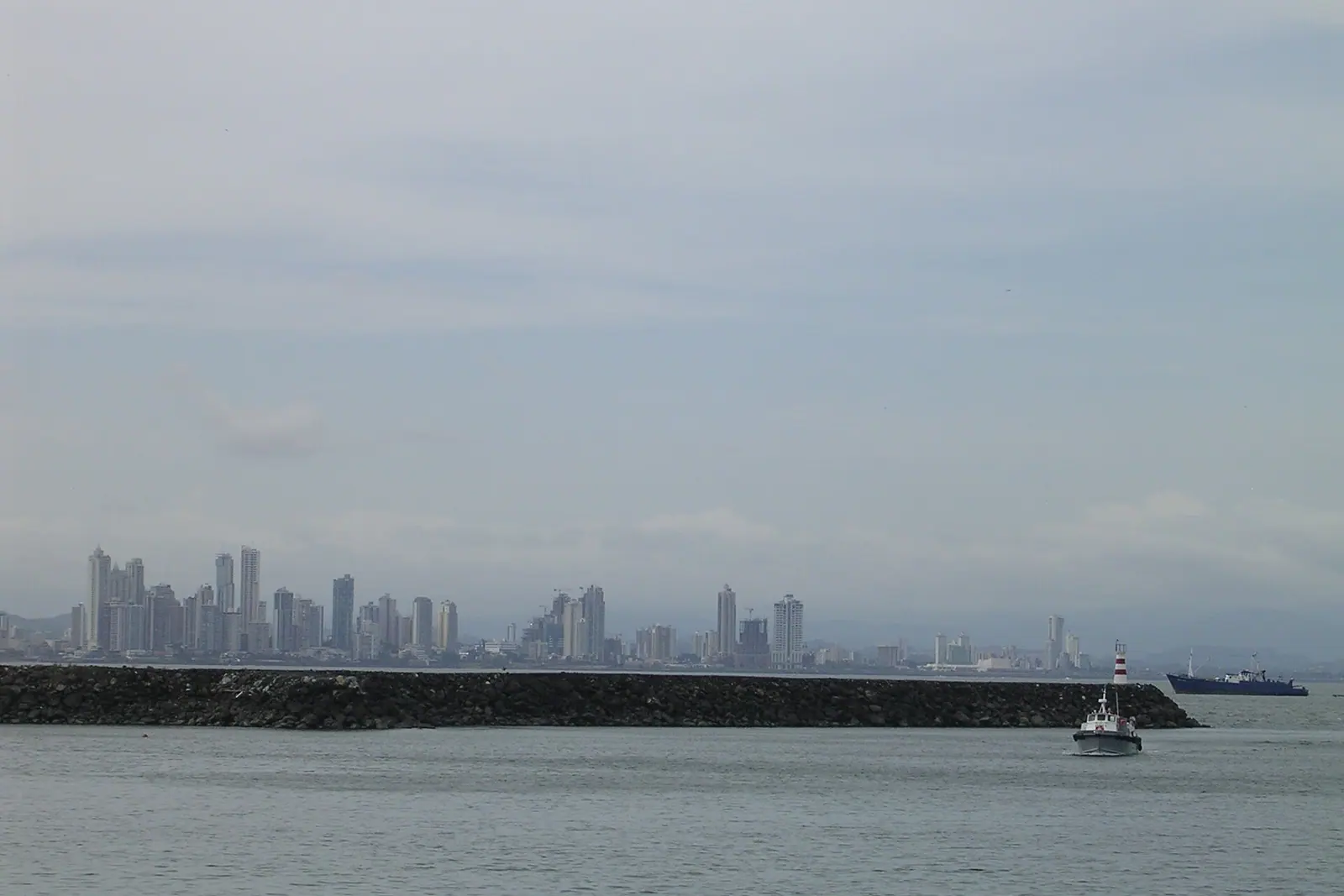
Almost every Panama trip starts here, and it deserves more than a layover. Panama City splits into three distinct faces: the glass towers of the modern banking district, the UNESCO-listed ruins of Panama Viejo — founded in 1519 and sacked by pirates in 1671, its cathedral tower still standing — and Casco Antiguo, the walled colonial quarter rebuilt after that raid. Casco's cobbled lanes hold the Metropolitan Cathedral, the flat Arco Chato, the gilded altar of Iglesia de San José, and the Paseo Esteban Huertas promenade, where the city's rooftops turn gold at sunset.
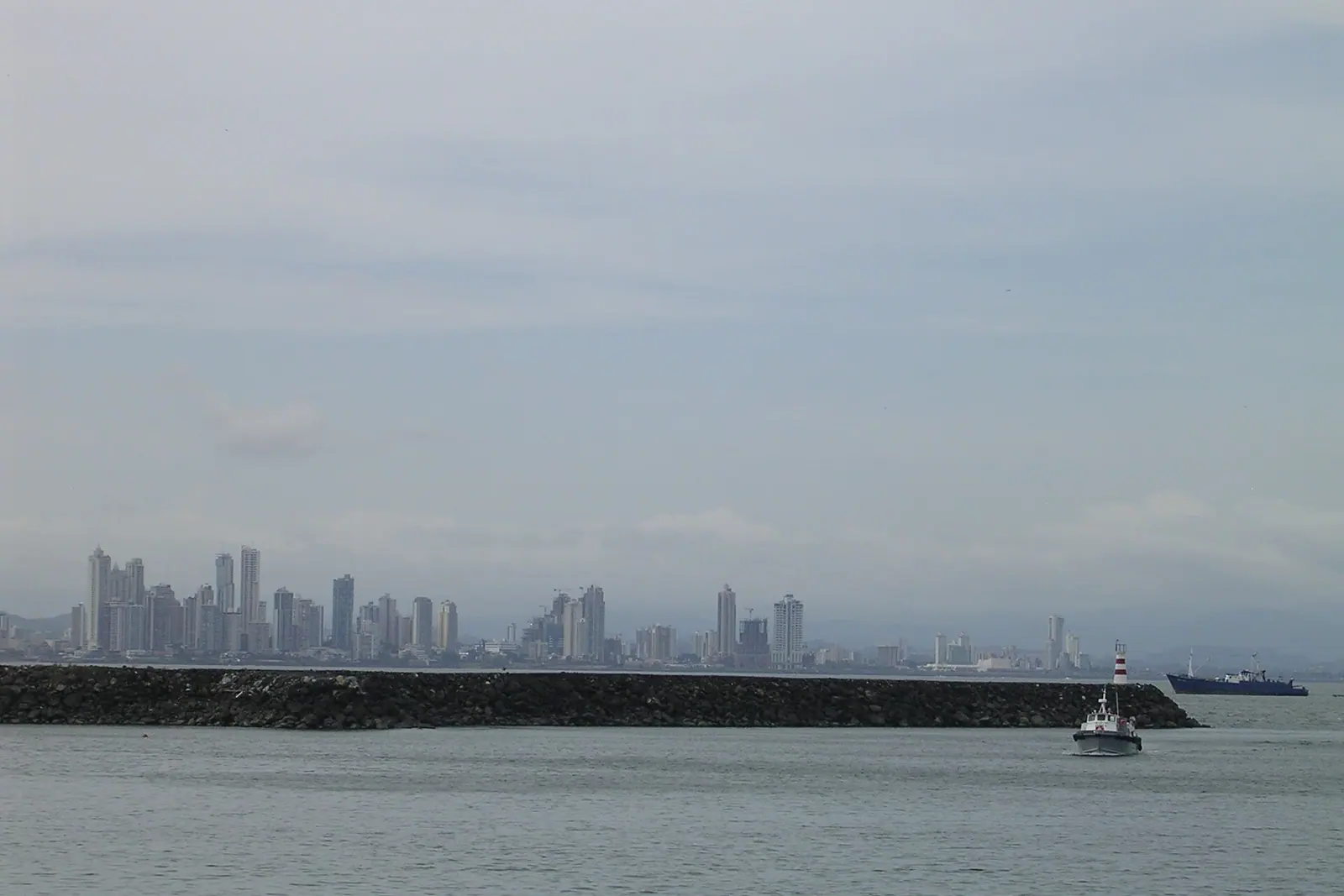
Give Casco Antiguo a full day and an evening — it is the best place in the country to eat ceviche, drink a cold beer on a balcony and watch ships queue on the horizon. From there, the Cinta Costera seafront path links the old town to the modern city in about 30 minutes on foot or by bike, and the Amador Causeway, built on four connected islands, offers the classic postcard view back at the skyline plus the Biomuseo, a riotously colourful Frank Gehry-designed museum on the geology and biodiversity of the isthmus.
If you want nature without leaving the city, the Metropolitan Natural Park protects a pocket of dry forest with around 20 kilometres of trails, ten minutes from downtown — it is one of very few capitals where you can hike among toucans before lunch. Base yourself in Casco for atmosphere, or in the Obarrio and Bella Vista districts for easier transport, restaurants and air-conditioned comfort.
The Panama Canal: Watching Giants Rise at Miraflores and Agua Clara
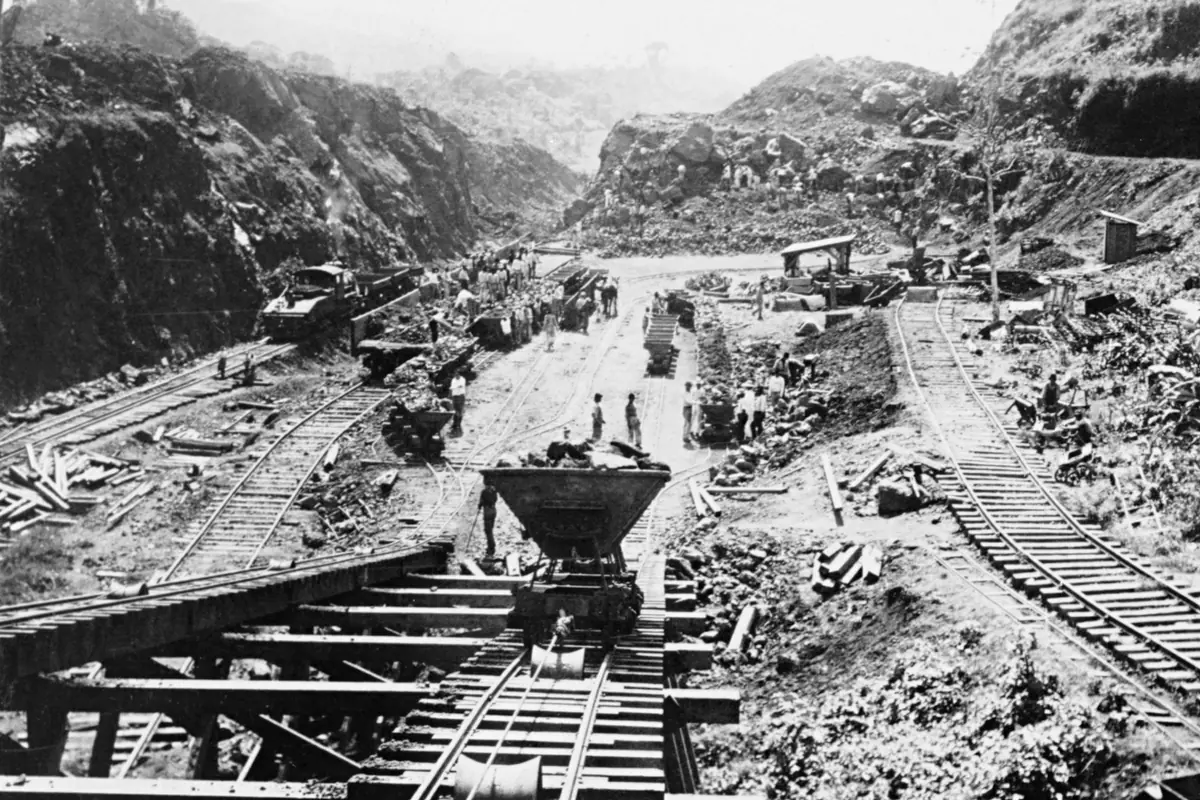
The canal is not a static monument — it is a working machine, and the best way to feel that is to stand at the Miraflores Locks, roughly 20 minutes from downtown, and watch a container ship or bulk carrier being lifted or lowered in the space of a few minutes. Ships move on a schedule rather than a fixed timetable, so aim to spend two to three hours; the viewing decks, narration and small museum give enough context to understand the lock system, the artificial Gatun Lake that feeds it and the sheer engineering nerve of a waterway cut through a continental divide.
For the other half of the story, cross to the Atlantic side and the Agua Clara Locks near Colón, where the newer, wider lane handles the largest vessels afloat and the observation area is far less crowded. A full transit by boat takes the better part of a day — typically eight to ten hours from ocean to ocean — and is the single best splurge on any Panama itinerary.
Budget travellers can follow the canal almost for free by riding the historic Panama Canal Railway along the shore of Gatun Lake, or by heading to Soberanía National Park and the legendary Pipeline Road, one of the Americas' great birding routes, where an early-morning walk can turn up motmots, trogons and antbirds in the first hour.
Bocas del Toro: Caribbean Islands, Reefs and Turtles
On the Caribbean side, Bocas del Toro is an archipelago of mangrove channels, over-water guesthouses and beaches that stay green and humid all year. Isla Colón is the hub, with the laid-back town of Bocas, wooden bars on stilts and water taxis that hop between islands for a few dollars. Starfish Beach on the same island is exactly what it sounds like in calm weather, while Red Frog Beach on Isla Bastimentos pairs surf-washed sand with a short jungle trail and the chance of sloths overhead.
The diving and snorkelling here beat most of the country's Pacific coast, thanks to coral gardens and the wreck of a sunken cargo ship near Isla Colón. Between roughly July and October, humpback whales migrate through these warm waters and can sometimes be spotted from a boat or even a beach bar.
Getting there is part of the fun: a short domestic flight from Panama City's Albrook airport takes about an hour, or you can take a comfortable overnight bus to Almirante and continue by water taxi. Pack rain protection even in the dry season — the Caribbean side marches to its own weather clock — and bring cash, since not every island business takes cards.
Boquete and the Chiriquí Highlands: Volcanoes, Coffee and Cloud Forest
Inland and uphill, the town of Boquete sits at the foot of Volcán Barú, Panama's highest point at 3,475 metres. Most visitors come for the volcano hike, which starts around midnight so you reach the summit for sunrise and — on a clear day — a view of both the Pacific and the Caribbean at once. It is a long, cold, steep walk of six to eight hours round trip; going with a local guide is strongly advised, and layers matter, because summit temperatures can dip close to freezing while the town below stays mild.
Below the summit lies some of the world's most prized coffee country. Estates around Boquete and Volcán run tastings and tours where you follow the bean from tree to cup, and the surrounding cloud forest is prime quetzal territory, best between January and May. The Quetzal Trail, a well-marked route between Boquete and Cerro Punta, is the classic way to walk through it.
Boquete also suits travellers who want activities rather than sitting still: whitewater rafting on the Chiriquí Viejo, canopy ziplines, horseback rides to hidden waterfalls and the volcanic hot springs at Caldera. Plan three or four nights to make the most of it, and note that the highlands are noticeably cooler and wetter than the coast — a light jacket is not optional.
Guna Yala (San Blas) and the Pacific Islands
The San Blas Islands, part of the autonomous Guna Yala territory, are the palm-fringed, turquoise-water archetype people picture when they think of the Caribbean. Around 365 islands and cays dot the coast, only a few dozen inhabited, and the Guna communities who govern the region run simple thatched lodges and day trips on their own terms. Reaching them means a roughly two-and-a-half-hour drive from Panama City to the Cartí embarkation point over mountain roads, then a 30–45 minute boat ride — long, bumpy and completely worth it.
Because the territory is self-governed, visitors pay a small entry fee and are expected to respect local rules: no wandering into village areas uninvited, no removing starfish or coral, and no photographs of people without asking. Day trips are possible but rushed; staying two or three nights on a small island gives you empty mornings, snorkelling straight off the sand and spectacular sunsets.
On the Pacific side, the options are closer to the capital. Isla Taboga is a 30-minute ferry ride from the Amador Causeway and makes an easy day out, with a hillside village, a century-old church and a beach on the far side. The Pearl Islands — especially Contadora — offer quieter sand and, from June to October, some of the region's best humpback whale watching. Further west, Coiba National Park is a UNESCO-listed marine reserve with serious diving and a former prison island history that adds an unexpected edge.
El Valle de Antón, Portobelo and the Wild Edges
El Valle de Antón is the easiest mountain escape from the capital — a town sitting inside the crater of an extinct volcano about two hours away, cool enough for sweaters at night. Walk to the Chorro El Macho waterfall, climb the ridge known as La India Dormida for views over the whole valley, soak in thermal pools and browse the Sunday craft market for woven baskets and wood carvings. It is a compact, gentle destination that works well with children or as a break from beach heat.
On the Caribbean coast, the historic town of Portobelo is a faded, atmospheric cluster of Spanish colonial forts — Fuerte San Jerónimo and San Lorenzo among them — built to guard the gold route across the isthmus. Its church draws pilgrims every October for the festival of the Black Christ, one of the country's biggest religious celebrations, and the surrounding water is good for kayaking and snorkelling when it is calm.
Beyond these lie the truly wild places: the Darién Gap, a roadless rainforest on the Colombian border that requires a guided expedition and careful planning, and the remote Comarca Ngäbe-Buglé highlands. For most travellers, the smart shape of a trip is simple — a few days in Panama City and the canal, then one Caribbean region and one highland or island region, with the dry season from December to April giving you the most reliable weather for all of it.
Frequently asked questions
What is the best time of year to visit Panama?
The Pacific side, including Panama City, Boquete and El Valle, has a dry season from roughly mid-December to April — the most reliable window for hiking and beaches. May to November is greener, cheaper and quieter, with heavy but usually short afternoon downpours. The Caribbean coast around Bocas del Toro and Guna Yala stays humid and can rain in any month, so pack accordingly.
How many days do you need in Panama?
Seven to ten days is enough for Panama City, the canal, Casco Antiguo and one other region such as Boquete, El Valle or Bocas del Toro. Two weeks lets you add the San Blas Islands or a Pacific island stay without constant travel days, which matters because domestic transfers eat into your time.
Do you need a car to get around Panama?
Not everywhere. Panama City has taxis, ride-hailing and a metro, and the canal is easy to reach on a tour. A rental car is genuinely useful in Boquete and El Valle de Antón, where attractions are spread out. The San Blas Islands require a 4x4 transfer plus a boat, and Bocas del Toro is easiest by domestic flight or long-distance bus followed by water taxi.
Is Panama a safe destination for travellers?
Panama is generally considered one of the safer countries in Central America for visitors. Standard precautions apply in Panama City, particularly at night in less busy parts of Casco Antiguo and around the bus terminals in Albrook. Avoid the Darién border region with Colombia and remote border areas, and use licensed boats and guides in Guna Yala.
What should first-time visitors not miss?
The Miraflores Locks on the Panama Canal, the colonial streets and seafood of Casco Antiguo, the ruins of Panama Viejo, and the Amador Causeway with the Biomuseo. If you have time for a second region, Volcán Barú and the coffee farms around Boquete, the islands of Bocas del Toro, or a night in the San Blas Islands each deliver a completely different Panama.
Plan it — experiences in Panama
Live search, booked directly with trusted providers.
Sort the rest of your trip
Everything for Panama, in one place
Stay in Panama
Hotels, guesthouses and apartments — compared in one search.
Search hotels
Transfer in Panama
Private driver waiting on arrival — no queues, no surprises.
Book a transfer
Stay online in Panama
Travel eSIM — data the moment you land, no roaming bills.
Get an eSIMMore guides in Panama
Best Time to Visit Panama: Dry Season, Green Season and Where to Stay
One Week in Panama: The Perfect 7-Day Itinerary with Domestic Flights
Panama Food, Culture and Local Experiences: What to Eat, See and Do
Where to Stay in Panama City: Neighborhoods, Hotels and Must-See Attractions