India rewards travellers who treat their bed as part of the journey — a frescoed haveli courtyard in Jaipur, a houseboat drifting through the Kerala backwaters, a jungle lodge within earshot of a tiger reserve. This guide pairs the country's must-see landmarks with the kind of stay that puts them within easy reach.
India's Accommodation Landscape: Palaces, Havelis, Houseboats and Homestays
Accommodation in India is not one category but a dozen. In Rajasthan and parts of Madhya Pradesh you can sleep inside converted royal residences, some still owned by the families who built them, with mirrored halls, carved jaali screens and courtyards that stay cool through the hottest afternoons. Merchant havelis offer a smaller-scale version of the same romance, while colonial-era bungalows in hill stations like Shimla, Mussoorie and Ooty come with fireplaces, creaking wooden floors and views over pine valleys. On the Kerala backwaters and on Dal Lake in Srinagar, the bed itself floats.
At the other end of the range are the workhorses: efficient business hotels in metro cores, family-run guesthouses clustered near railway stations and bus stands, palm-thatch beach huts along the Goa and Karnataka coasts, and homestays in Sikkim, Himachal Pradesh and the Nilgiris where dinner is simply whatever the family is eating. Jungle lodges gather around Ranthambore, Bandhavgarh, Kanha and Kaziranga for dawn safaris, and wellness retreats in Kerala and Rishikesh anchor week-long programmes of yoga and Ayurveda.
The practical rule is to match the bed to the sight you came for. If you want the Taj Mahal at sunrise, sleep in Agra rather than commuting from Delhi. If you want Mehrangarh Fort glowing above you at dusk, stay inside Jodhpur's old city instead of on its outskirts — the atmosphere, and the photography, are worth far more than the extra rupees.
Delhi and the Golden Triangle: A Comfortable Base for the Classics
Delhi is where most first journeys begin, and where the choice of neighbourhood shapes your days. Paharganj and Karol Bagh suit tight budgets and early trains; Connaught Place and Lodhi Colony put you near gardens, galleries and metro lines; Aerocity is the smart pick for a 3am international departure. From any of them you can reach the Red Fort, Jama Masjid and the chaos of Chandni Chowk in the old city, the soaring Qutub Minar in the south, and the symmetrical Mughal gardens of Humayun's Tomb — the monument that quietly foreshadows the Taj Mahal.
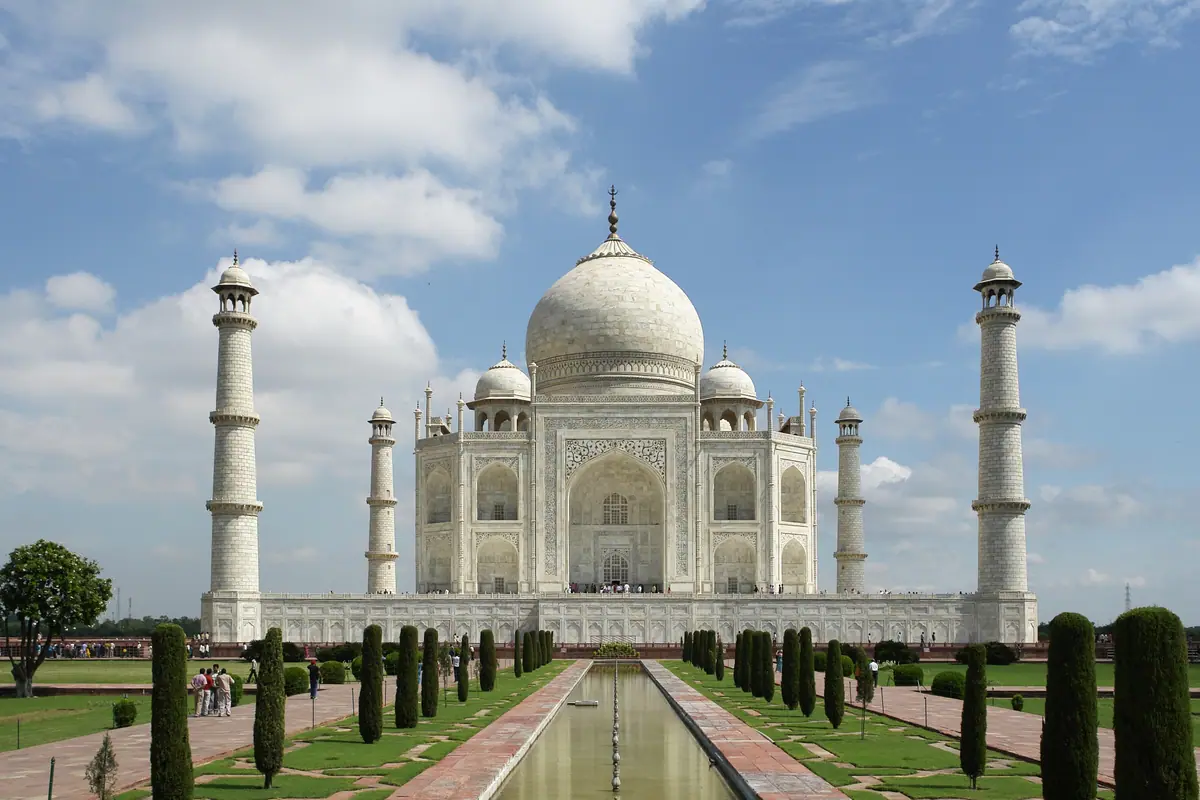
Agra, roughly three hours away by express train or a smooth motorway drive, deserves at least two nights. Staying in Taj Ganj means you can walk to the Taj Mahal for the soft light of opening hour, before the crowds and the heat arrive. Add Agra Fort, the riverside terraces of Mehtab Bagh for the classic across-the-water view, and the jewelled carving of Itmad-ud-Daulah's tomb, then use a spare morning for the abandoned Mughal capital at Fatehpur Sikri.
Jaipur completes the circuit that travellers call the Golden Triangle, and five to seven days is a realistic span for all three cities without exhausting yourself. Plan the route Delhi–Agra–Jaipur or reverse it, and leave the final night in Delhi if you are flying home — domestic connections to the capital are frequent, but the traffic is not forgiving.
Rajasthan: Sleeping Inside Forts and Merchant Havelis
Jaipur is the gentlest introduction to Rajasthan, and the most rewarding place to test a heritage stay. Rooms in the old walled city sit minutes from Hawa Mahal's honeycombed facade, the astronomical instruments of Jantar Mantar and the courtyards of the City Palace, while the pink bazaars of Johari and Bapu supply gemstones, block prints and mojari slippers. Climb to Amber Fort in the cool early morning, then return to Nahargarh Fort for sunset over the Aravalli hills.
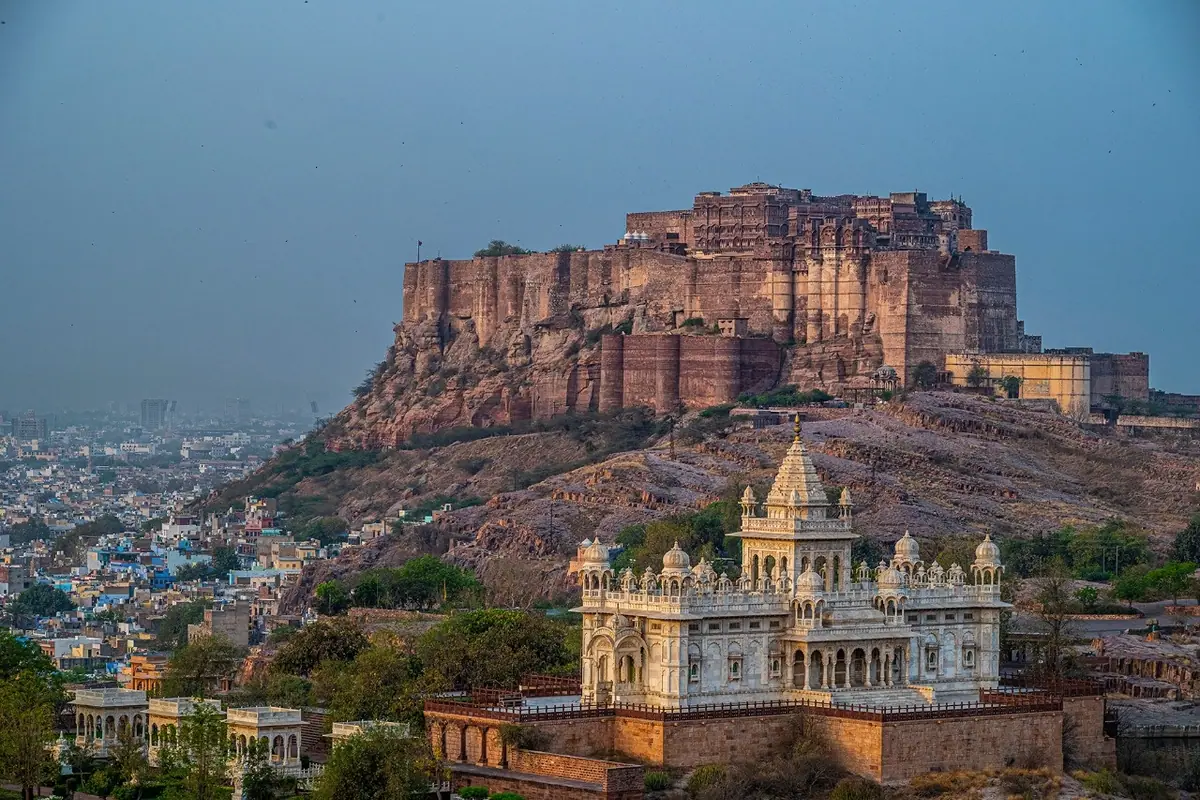
Jodhpur raises the drama. Guesthouses and boutique conversions in the blue-painted lanes look straight up at Mehrangarh Fort, an immense cliff-top stronghold of latticed windows and cannon-lined ramparts; below it, the stepped Toorji Ka Jhalra well is a favourite spot for an evening chai. Further west, Jaisalmer's Sonar Quila — the golden fort — contains living hotels within its walls, a rare chance to sleep inside a UNESCO-listed monument. Camel rides over the Sam dunes and the filigree facades of Patwon Ki Haveli fill the days.
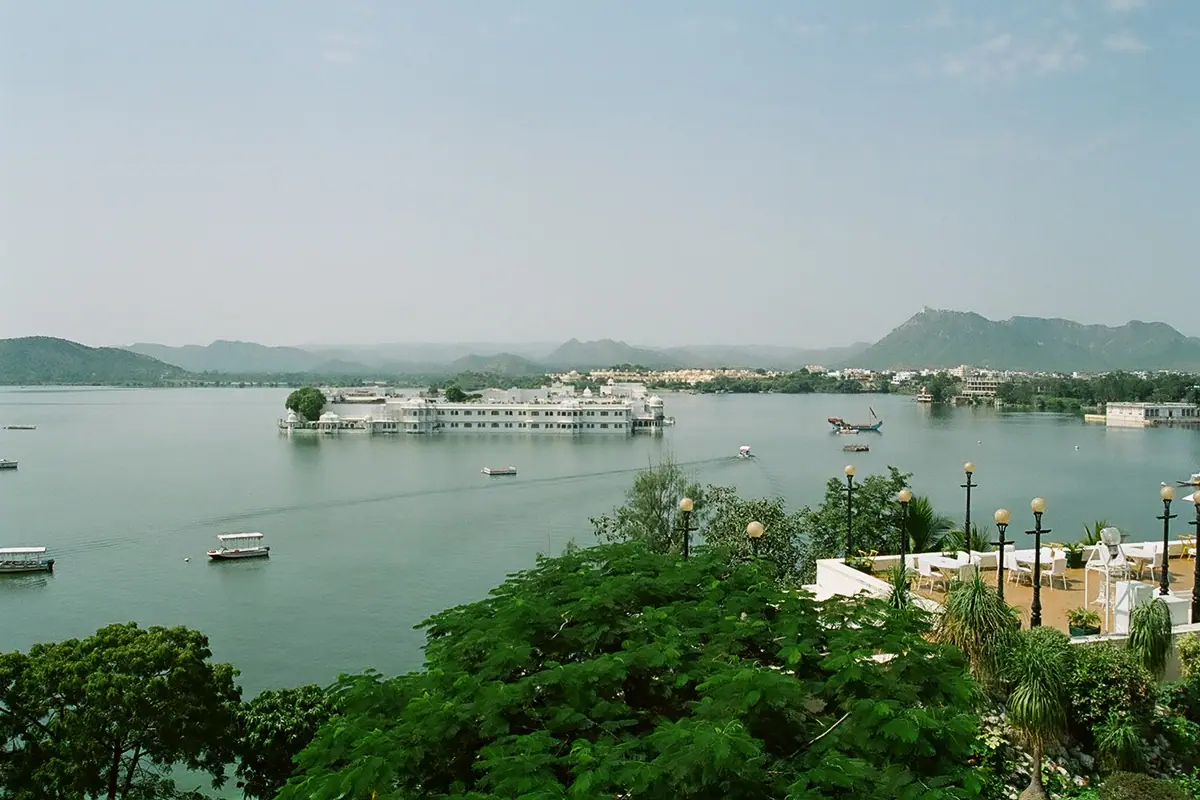
Udaipur is the romantic finale: lakefront terraces facing the City Palace, boat trips past Jag Mandir island, and the Monsoon Palace on its ridge above the water. Quieter alternatives include Pushkar's Brahma Temple and lakeside ghats, Bundi's faded palace frescoes, and Ranthambore for tiger safaris. October to March is the golden window here; by April the plains push past 40°C, and the monsoon turns the forts green but the desert tracks muddy.
Kerala and the South: Houseboats, Tea Hills and Temple Towns
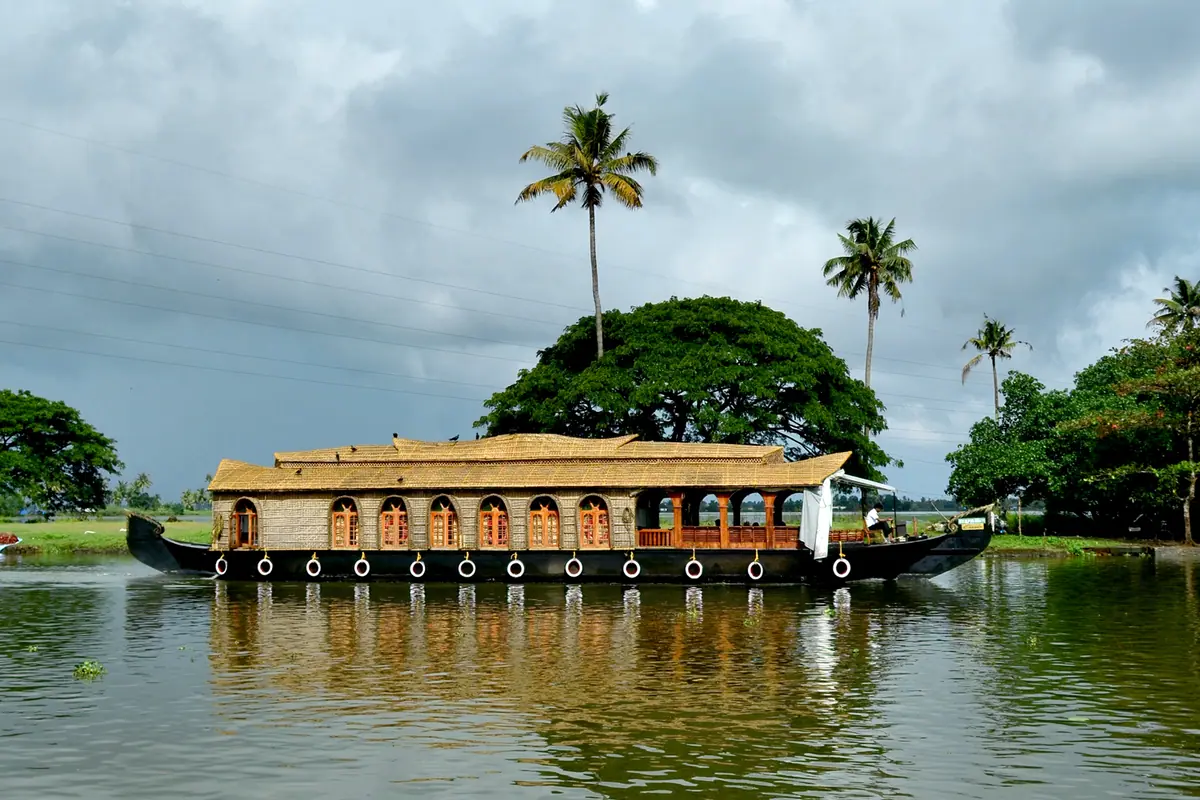
Kerala's signature stay is the thatched houseboat, or kettuvallam, drifting through the palm-fringed canals around Alleppey and Kumarakom, with a cook on board and kingfishers on the wires. Base yourself beforehand in Fort Kochi, where the Chinese fishing nets still dip into the harbour at dusk, the Mattancherry Palace holds faded murals, and Kathakali performers paint their faces before the evening show. Inland, the tea terraces of Munnar and the spice-scented forests of Periyar around Thekkady make cool, green retreats from the coast.
Tamil Nadu moves to a different rhythm of temple towns and long beaches. Madurai's Meenakshi Amman Temple, with its rainbow gopuram towers, is best seen at dawn when the flower sellers arrive; Thanjavur's Brihadeeswarar Temple is a thousand-year-old granite marvel, and the shore temple and rock carvings at Mahabalipuram sit within easy reach of Chennai's Marina Beach, one of the longest urban strands anywhere. Puducherry's French quarter offers pastel streets and sea-facing guesthouses for a slower finish.
In Karnataka, Mysore Palace lights up with tens of thousands of bulbs on festival nights, while Hampi's boulder-strewn landscape and the still-active Virupaksha Temple reward at least two nights in a simple riverside guesthouse. Coorg's coffee estates and Gokarna's cliff-backed beaches round out the south. October to March is prime almost everywhere; the hill stations stay pleasant through the summer, and the monsoon months are the traditional season for Ayurveda treatments.
Mumbai, Goa and the Konkan Coast: City Energy and Sand
Mumbai rewards a few nights rather than a stopover. Heritage properties in Colaba put the Gateway of India and the ferries to the Elephanta Caves within walking distance, and the seafront curve of Marine Drive — the Queen's Necklace — is a fifteen-minute stroll away. The Victorian Gothic facade of Chhatrapati Shivaji Maharaj Terminus, the markets of Colaba Causeway and the street food of Bandra fill the rest of the day. Rooms are the most expensive in the country; book early and accept small, characterful spaces over sprawling ones.
Goa divides neatly in two. The north, around Baga, Anjuna and Vagator, is livelier, with the seventeenth-century Fort Aguada and the headland ruins of Chapora Fort framing the coast. The south, from Colva to Palolem, is quieter and better suited to families and long stays. Old Goa's Basilica of Bom Jesus and Se Cathedral are essential stops, and the inland waterfalls at Dudhsagar make a memorable day trip in the post-monsoon months.
South along the Konkan coast, Gokarna, Malvan and Tarkarli offer uncrowded beaches and homestays at a fraction of Goan rates, with scuba diving and seafood thalis as the main events. Goa's peak season runs from November to February, when tariffs triple; the monsoon from June to September brings green hills, empty sands and deep discounts, though many beach huts simply close.
Seasons, Booking Rhythm and Choosing the Right Region
Timing decides everything in a country this large. October to March is the sweet spot for the plains, the deserts and the coasts, with Delhi, Rajasthan and Kerala at their most comfortable. April to June turns the north hot and dusty, which is precisely when the Himalayas shine — Shimla, Manali, Darjeeling and Kashmir are at their best, while Ladakh opens roughly from June to September. The southwest monsoon from June to September drenches Mumbai and the west coast but is ideal for Ayurveda in Kerala; the east coast around Chennai takes its heaviest rain later, from October to December, so plan Tamil Nadu for the cooler months. The Andaman Islands are best from November to April.
Book with the seasons in mind rather than on impulse. For the Christmas and New Year peak, reserve two to four months ahead, especially for heritage properties, which often have fewer than twenty rooms. Hill-station hotels in May and safari lodges near Ranthambore or Bandhavgarh — where accommodation and park permits go together — also need early commitment. Houseboats in Kerala are best arranged directly with operators, and it is worth confirming exactly what is included: air conditioning, breakfast, airport transfers and taxes are frequently quoted separately.
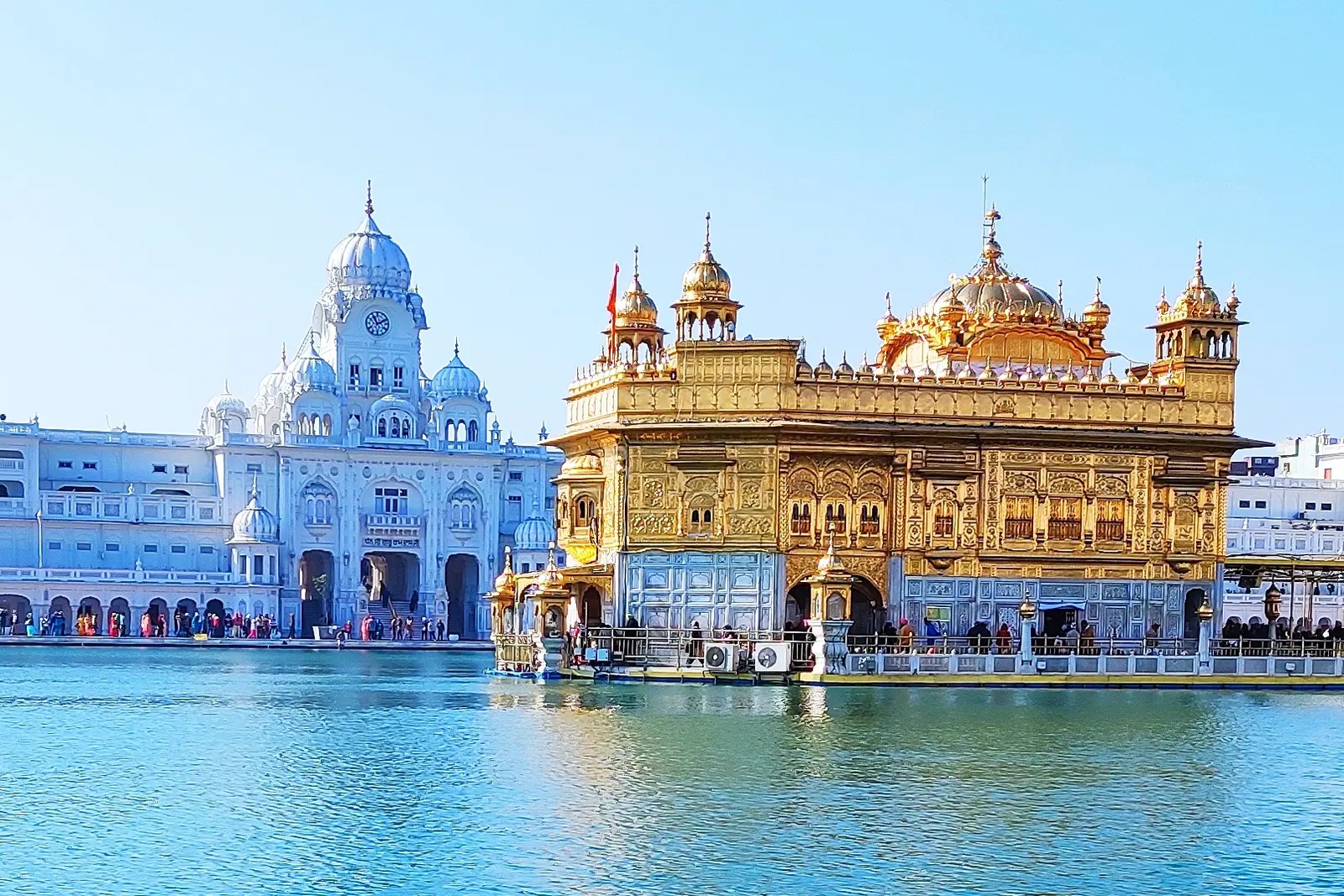
Finally, remember that India's bureaucracy is part of the experience. Carry your passport for check-in, since foreign guests are registered on arrival, and expect noon or early-afternoon check-in times with luggage storage offered in the interim. Beyond the headline cities, consider a guesthouse beside Varanasi's ghats for the evening Ganga aarti, a room within the Golden Temple complex at Amritsar, a Darjeeling stay for the Tiger Hill sunrise and the narrow-gauge toy train, or a Ladakh camp near Pangong Lake. Each one turns a hotel night into a memory of the place itself.
Frequently asked questions
When is the best time to visit India for the widest choice of hotels?
October to March suits most of the country — Delhi, Agra, Rajasthan, Goa and Kerala are all comfortable, and virtually every property is open. If your trip centres on the Himalayas or Ladakh, aim instead for April to September (June to September for Ladakh). Monsoon months bring the lowest rates but also closed beach huts and landslide-prone hill roads.
How far ahead should I book accommodation in India?
For the Christmas and New Year period, and for popular hill stations in May, book two to four months ahead — heritage havelis and palace conversions often have very few rooms. Outside peak dates, two to three weeks is usually enough, though safari lodges should be booked as early as park permits allow.
Are India's heritage havelis and palace hotels worth the money?
They are the reason many travellers come. Expect atmosphere over efficiency: thick walls, carved balconies, courtyards and staff who have worked there for decades, but occasionally quirky plumbing, steep stairs and no lift. If you want predictable amenities, a modern business hotel is the safer choice; if you want a sense of place, the haveli wins every time.
What is it like to stay on a Kerala houseboat?
A traditional kettuvallam carries a small crew and usually one or two cabins, with meals cooked on board and mooring overnight on a quiet canal. Days are spent watching village life unfold along the banks. Check whether the boat has air conditioning for the night hours and whether alcohol is available, since rules vary between operators and routes.
What should first-timers know about checking into Indian hotels?
Carry your passport — foreign nationals are registered at check-in, and some properties in smaller towns still use handwritten forms. Check-in is often around noon or 2pm, taxes and breakfast may be quoted separately, and star ratings reflect local standards rather than international ones. Tipping is appreciated but not obligatory, and bottled or filtered water is the norm.
Sort the rest of your trip
Everything for India, in one place
Transfer in India
Private driver waiting on arrival — no queues, no surprises.
Book a transfer
Things to do in India
Skip-the-line tickets, guided tours and standout experiences.
See experiences
Stay online in India
Travel eSIM — data the moment you land, no roaming bills.
Get an eSIMMore guides in India
One Week in India by Plane: A 7-Day Flight Itinerary From Delhi to Goa
Best Time to Visit India: Seasons, Festivals and When to Book Hotels
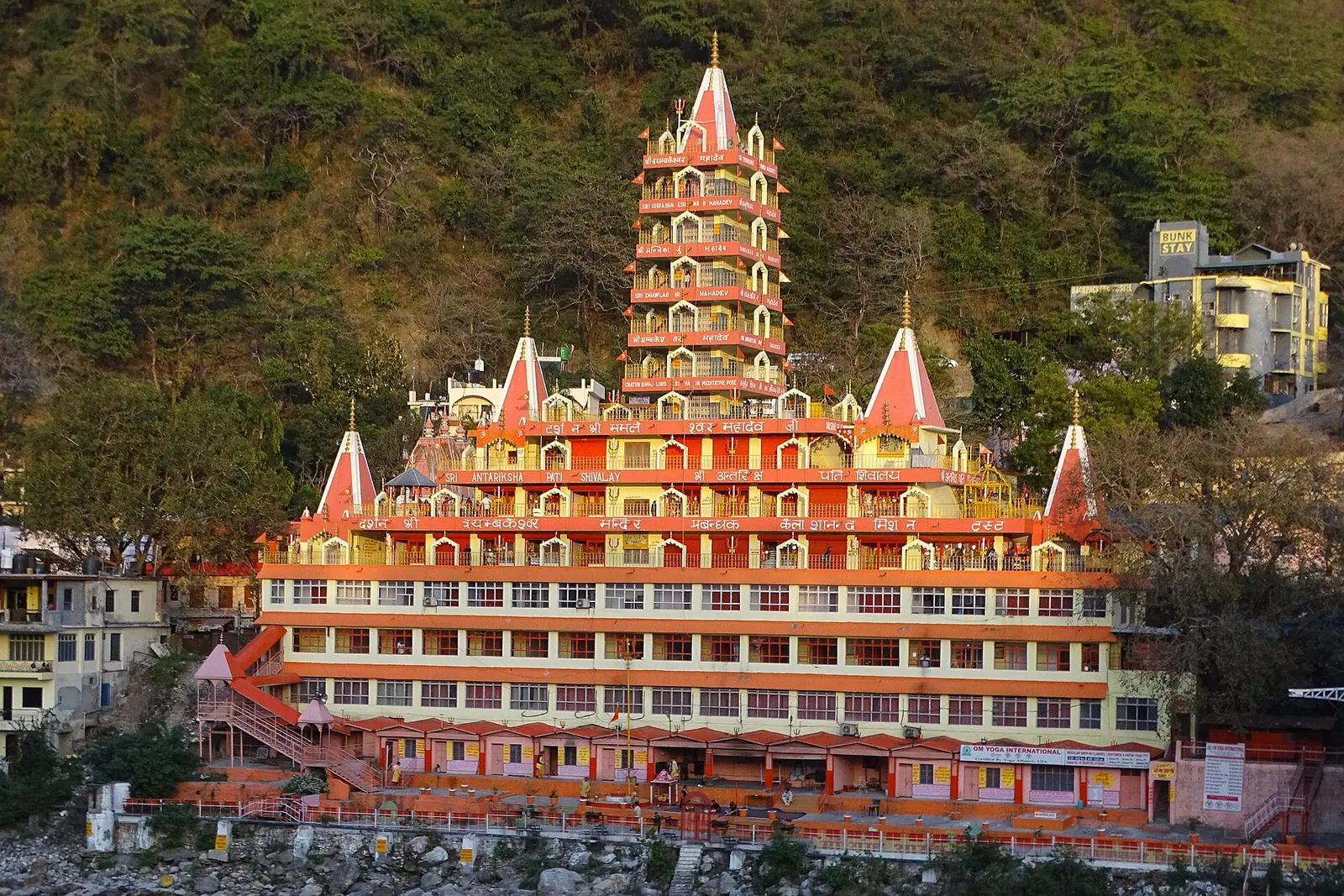
Where to Stay in Rishikesh: The Best Neighborhoods by the Ganga
Amritsar Food Guide: What to Eat and Drink in Punjab's Holy City
