India is less a single destination than a continent wearing one passport, so the 'best' month depends entirely on whether you're chasing tiger tracks in Ranthambore, a houseboat in the Kerala backwaters or snow-light on a Ladakh pass. Get the season right and the country unfolds effortlessly; get it wrong and you'll spend your holiday sheltering from 45°C heat or a road-washing downpour. Here's how the calendar actually behaves, and how the hotel map shifts with it.
India's Seasons at a Glance: Choosing Your Window
Most of India runs on three broad seasons: a cool, dry winter from roughly October to March; a fierce summer from April to June, when the plains bake and the Himalayas become the only sensible address; and the southwest monsoon from June to September, which sweeps up from Kerala and drenches the subcontinent in stages. Layer onto that a second, lighter monsoon along the southeast coast in October and November — Tamil Nadu around Mahabalipuram and Madurai gets its rain while the rest of the country dries out — and you begin to see why no single month flatters the whole map.
The practical upshot: winter is the classic window for first-timers, giving comfortable temperatures for the Golden Triangle loop of Delhi, Agra and Jaipur, for Rajasthan's fort cities, for the beaches of Goa and for temple towns like Varanasi. Ten to fourteen days is a realistic length for a first trip; five to seven days will comfortably cover Delhi, Agra and Jaipur alone if you don't mind early starts.
Summer and monsoon aren't lost causes — they're simply different holidays. Between April and June you head uphill, to Kashmir, Himachal Pradesh, Uttarakhand, Darjeeling or the high desert of Ladakh. From June to September the rain turns the Western Ghats emerald, fills the Kerala backwaters, and drops hotel rates across the plains to their lowest of the year.
Winter: The Golden Window from October to March
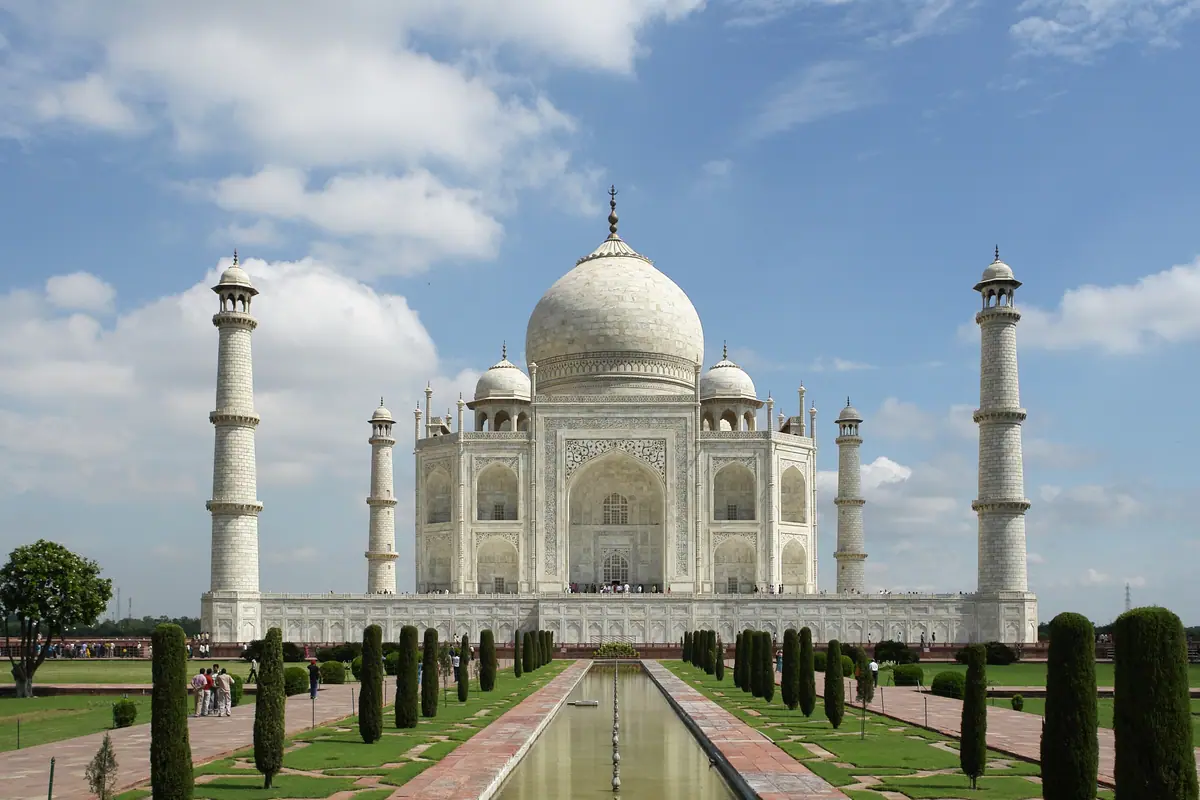
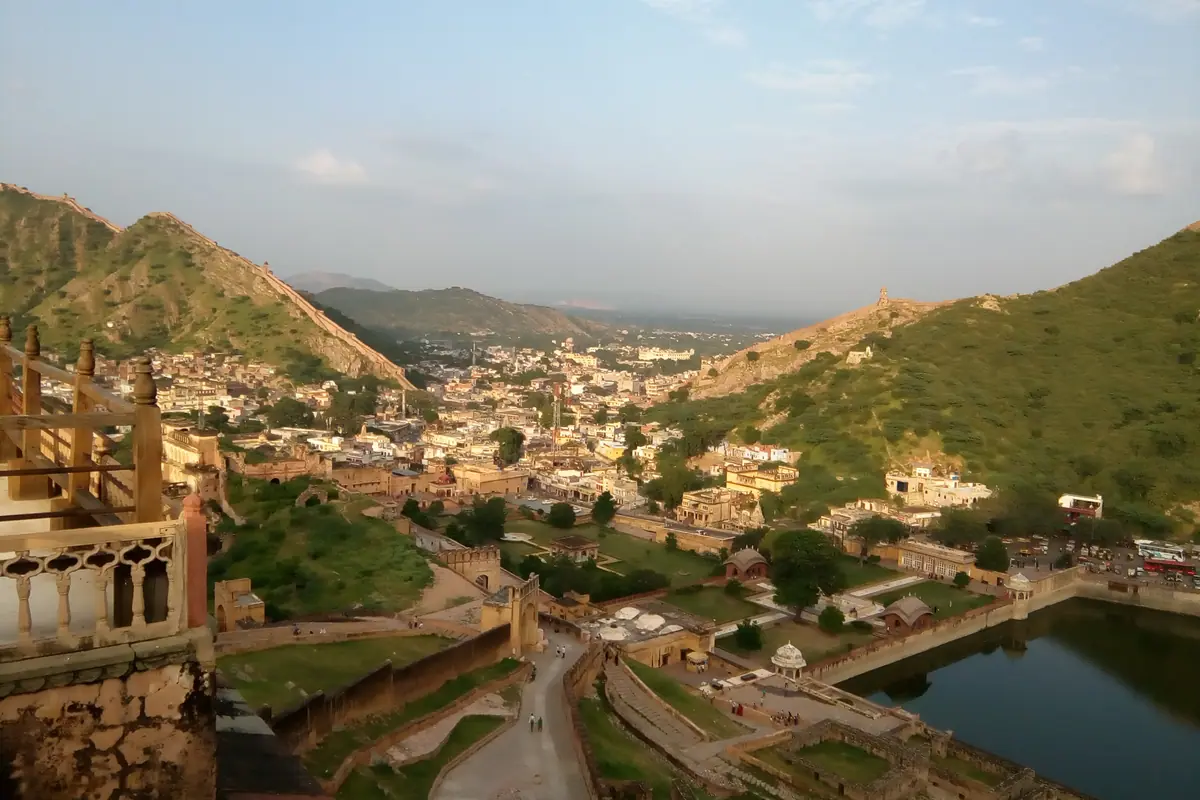
October and November bring relief and clarity: Delhi's gardens green up again, the air cools, and the light turns clean. This is prime time for the north's headline sights — the Taj Mahal at sunrise in Agra, the vast red sandstone sweep of the Red Fort and the stone lattice of Humayun's Tomb in Delhi, and the pink façades of Hawa Mahal and the hilltop ramparts of Amber Fort in Jaipur. December and January are the coolest months, with Delhi mornings sometimes foggy enough to delay trains, and Rajasthan nights cold enough to want a sweater at a campfire in Jodhpur below Mehrangarh Fort.
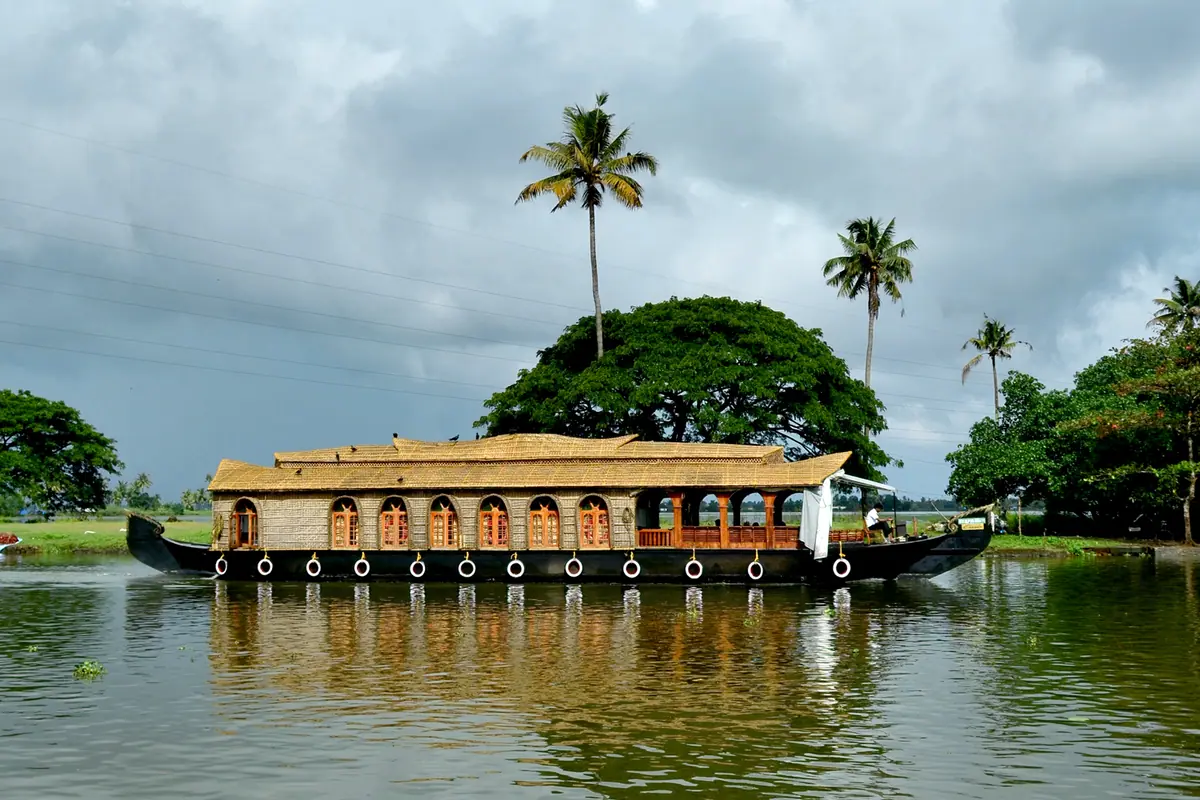
Further south, winter is simply perfect. Goa's beaches at Palolem and Vagator, the Portuguese-era churches of Old Goa, the spice-scented lanes of Fort Kochi with its cantilevered Chinese fishing nets, and the slow glide of an overnight houseboat through the Alleppey backwaters all hit their sweet spot between November and February. Varanasi's ghats, especially Dashashwamedh Ghat during the evening fire ceremony, are at their most bearable and most photogenic in the same months.
Expect peak-season pricing and full houses from about 20 December to 5 January, plus a second spike around Diwali and through the North Indian wedding season in November and February. A useful rule: book heritage havelis, palace hotels and wildlife lodges three to six months ahead for this window, and expect minimum-stay requirements over New Year.
Summer and the Mountains: April to June
When the plains hit their hottest, India collectively moves uphill. April through June is the season for Shimla's Ridge and Mall Road, Mussoorie's misty ridge line, Nainital's lake, and Darjeeling's tea terraces with Kanchenjunga on the horizon. Kashmir opens in earnest: a shikara ride across Dal Lake in Srinagar, houseboats moored among the lotus, and the meadows around Gulmarg and Pahalgam at their most generous. Hill-station hotels fill fast during the school holidays in May and early June, so reserve early.
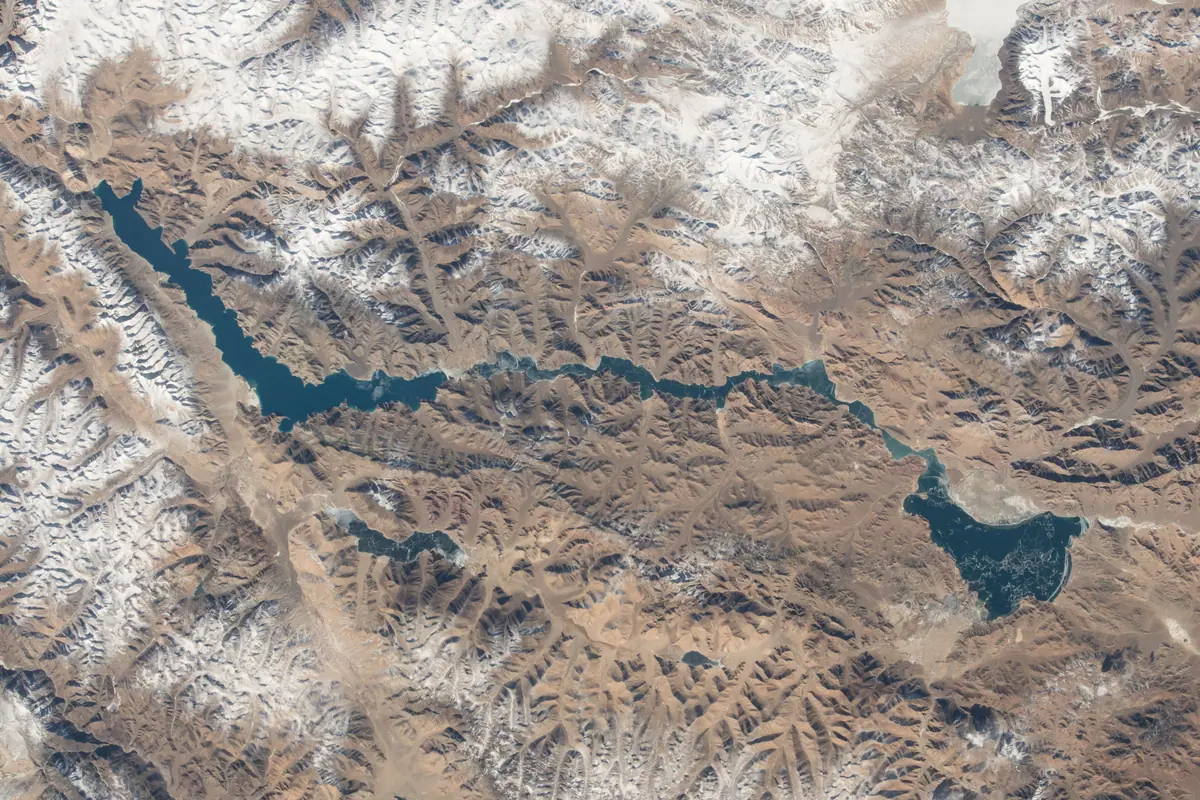
The real summer prize is Ladakh, reachable overland once the passes clear from roughly late May or June through September. Leh's old town, the whitewashed Thiksey Monastery at dawn, and the improbable blue of Pangong Lake at 4,350 metres are the rewards — but give yourself two days to acclimatise in Leh before climbing higher, and pack for cold nights even in July.
For those who prefer coastline, the Andaman Islands off the southeast run warm and calm through these months, with Radhanagar Beach on Havelock among the finest stretches of sand in Asia. Alternatively, Tamil Nadu's temple circuit — the shore-side rock-cut monuments of Mahabalipuram, the towering gopurams of Madurai's Meenakshi Temple, and the Sun Temple chariot at Konark further up the east coast — stays manageable if you sightsee early and rest through the afternoon.
Monsoon Magic: June to September
The monsoon arrives in Kerala around the first week of June and works its way north and west over the following weeks, reaching Delhi by late June and covering most of the country by mid-July. Travellers often write it off, which is exactly why it rewards the flexible. The Kerala backwaters turn a deep, cinematic green and houseboat operators drop their rates; the Western Ghats around Munnar and the tea country of the Nilgiris are at their most lush, with waterfalls in full voice.
Inland, Hampi's boulder-strewn ruins near the Tungabhadra River acquire a moody grandeur, and Udaipur's Lake Pichola fills to the brim, its island palaces reflected in water that was half mud only weeks earlier. Rajasthan in July and August is humid but almost empty, and the old city havelis offer steep discounts. Note that central India's tiger parks — Ranthambore, Bandhavgarh, Kanha — generally close to visitors for the core monsoon months, so plan wildlife trips for the October-to-June window instead.
Two signature monsoon experiences stand out: the Valley of Flowers in Uttarakhand, which blooms spectacularly through July and August, and the Onam festival in Kerala in August or early September, when snake-boat races and flower carpets mark the state's biggest celebration. Carry quick-dry clothing, mosquito repellent and a proper rain shell rather than an umbrella.
Festivals That Fill Every Room in the Country
India's festival calendar drives hotel demand more than the weather does, and a few dates will send availability to zero across whole regions. Holi in March turns the streets of Mathura, Vrindavan and Udaipur into a riot of colour. Ganesh Chaturthi in late August or September transforms Mumbai, where the Gateway of India and the surrounding streets fill with processions. Durga Puja in Kolkata in October is arguably the country's most spectacular public art event, with elaborate pandals on every corner.
Diwali, usually in late October or November, is beautiful but disruptive: cities glitter, shops stay open late, and domestic travel peaks sharply. The Pushkar Camel Fair in Rajasthan in November draws traders, pilgrims and photographers to the desert edge of a holy lake. In the far north, Hemis Festival in Ladakh in June or July brings masked cham dances to the monastery courtyards.
If your dates overlap with any of these, book accommodation first and build the itinerary around it. Rates can double, and the best-positioned small hotels — the ones with rooftop views over a ghat or a parade route — go first.
Where to Stay, and How Far Ahead to Book
India's accommodation is unusually varied, and the right base changes with the season. In winter, favour heritage havelis and converted merchants' mansions in Rajasthan, colonial-era bungalows in the hill stations, and beach huts or small resorts on Goa's southern sands. In summer, switch to mountain lodges with fireplaces and valley views in Himachal and Uttarakhand, houseboats on Dal Lake in Kashmir, and guesthouses in Leh's old town. During the monsoon, Kerala's backwater houseboats and the boutique plantation stays around Munnar become the obvious choice.
Booking windows matter more here than in most countries. For the December-to-January peak and for festival dates, aim for three to six months ahead, especially for palace-style properties in Udaipur or Jodhpur, tiger lodges near Ranthambore and Bandhavgarh, and anything overlooking the Taj Mahal or Varanasi's ghats. For April-to-June hill stations, two to three months is sensible, since domestic families book early. Monsoon travel is the exception — you can often decide a fortnight out and still find excellent rooms at their lowest annual rates.
A few practical habits help everywhere: confirm whether the quoted rate includes taxes, check that air conditioning or heating is genuinely available (not just listed), and ask about the property's power backup, which matters in rural areas. Travel between October and March for the widest choice, but remember that shoulder months like late September and early March often deliver the best combination of good weather, thinner crowds and softer rates.
Frequently asked questions
What is the single best month to visit India for a first trip?
November is hard to beat. The monsoon has gone, temperatures across Delhi, Agra, Jaipur, Rajasthan and Kerala are comfortable, and the December holiday crush hasn't started. Late February and early March are a close second, with warm days and fewer crowds.
Is it worth travelling to India during the monsoon?
Yes, if you choose the right region. June to September is superb for the Kerala backwaters, the Western Ghats, the Valley of Flowers in Uttarakhand and Udaipur when Lake Pichola is full. Expect heavy rain, lush scenery, low hotel rates and some closed wildlife parks in central India.
When should I book hotels for peak season in India?
For the late-December to early-January window, Diwali, and major festivals, book three to six months ahead — particularly for palace hotels, heritage havelis, houseboats and tiger lodges, which sell out first. For Himalayan hill stations in May and June, two to three months ahead is usually enough.
Which parts of India are best in summer?
The Himalayas and the far north: Kashmir around Dal Lake, Shimla, Mussoorie, Nainital, Darjeeling, and Ladakh once the passes open from roughly June to September. The Andaman Islands also work well, with calm seas and warm, clear water through the season.
Do hotel prices in India change much by season?
Considerably. Peak winter and festival dates can see rates double compared with the monsoon months, when the plains are quiet. Shoulder periods such as late September and early March often give the best balance of decent weather, thinner crowds and moderate room rates.
Sort the rest of your trip
Everything for India, in one place
Transfer in India
Private driver waiting on arrival — no queues, no surprises.
Book a transfer
Things to do in India
Skip-the-line tickets, guided tours and standout experiences.
See experiences
Stay online in India
Travel eSIM — data the moment you land, no roaming bills.
Get an eSIMMore guides in India
One Week in India by Plane: A 7-Day Flight Itinerary From Delhi to Goa
Where to Stay in India: Hotels, Havelis and Houseboats for the Top Cities and Sights
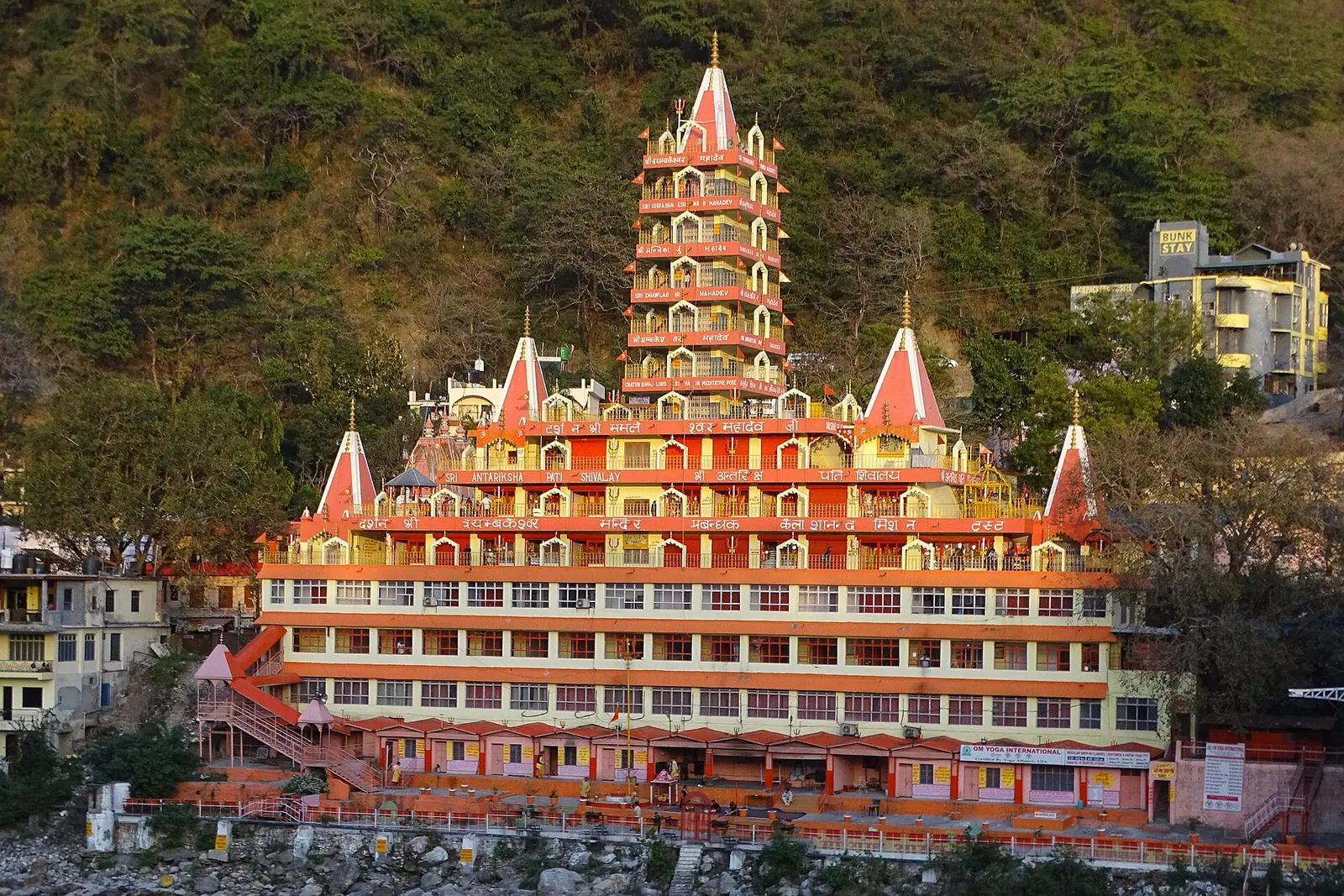
Where to Stay in Rishikesh: The Best Neighborhoods by the Ganga
Amritsar Food Guide: What to Eat and Drink in Punjab's Holy City
