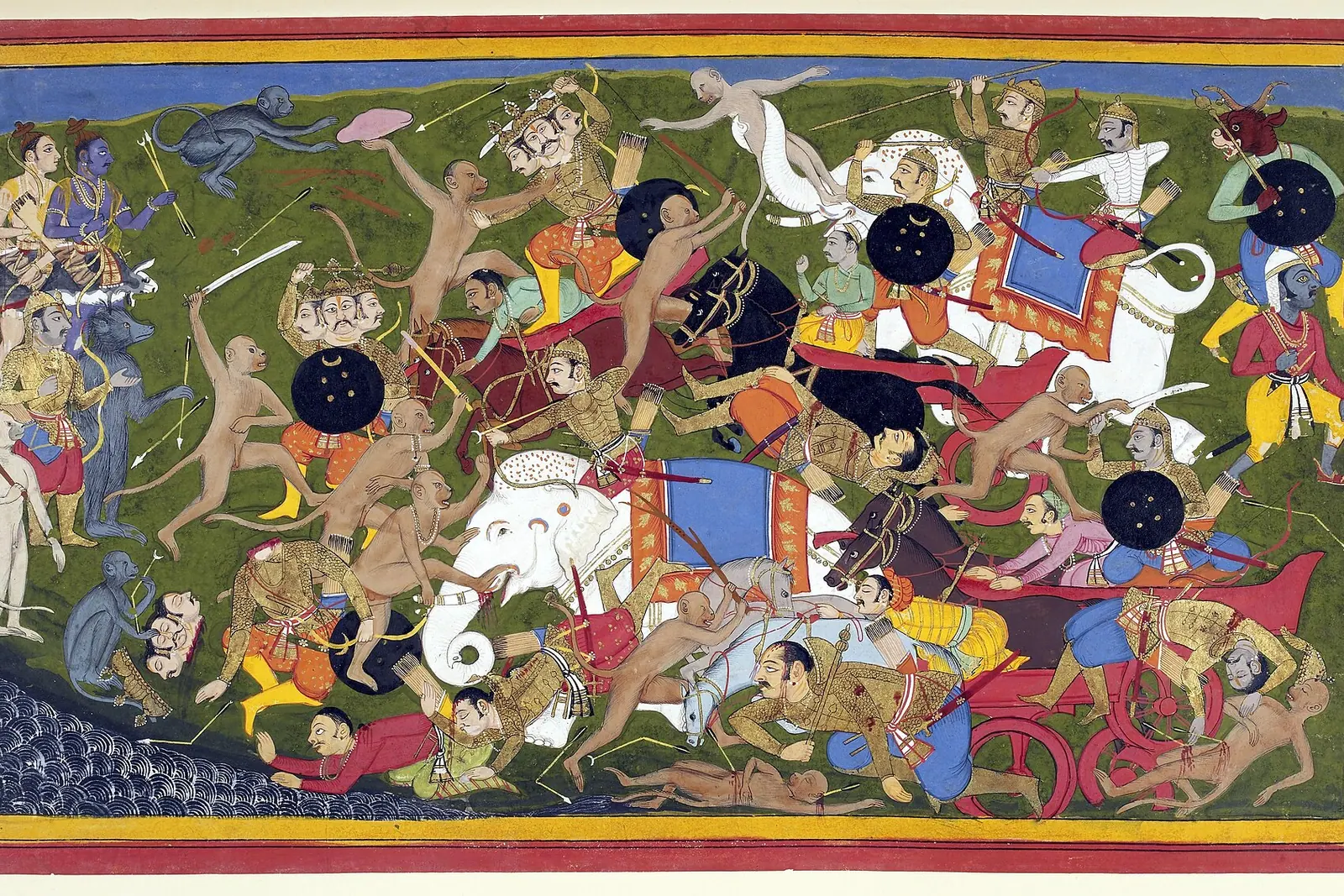
India does not have a national cuisine so much as a thousand local ones, and the quickest way to understand the country is to eat across it. From sizzling griddles in Old Delhi to banana-leaf feasts in Kerala and tea terraces in the eastern hills, every region speaks its own dialect of spice, grain and ritual. This guide maps the flavours, the festivals and the landmarks worth building a whole journey around.
Why India Is Best Tasted Slowly
Ask ten Indians what their national dish is and you will get ten fiercely defended answers. The cooking shifts with rainfall, religion, coastline and centuries of trade: wheat and dairy in the north, rice and coconut in the south, mustard oil and river fish in the east, a Portuguese-Konkani hybrid along the west coast. A thali — that round platter of small bowls — is really a compass, telling you which state you are standing in before you have read a single sign.
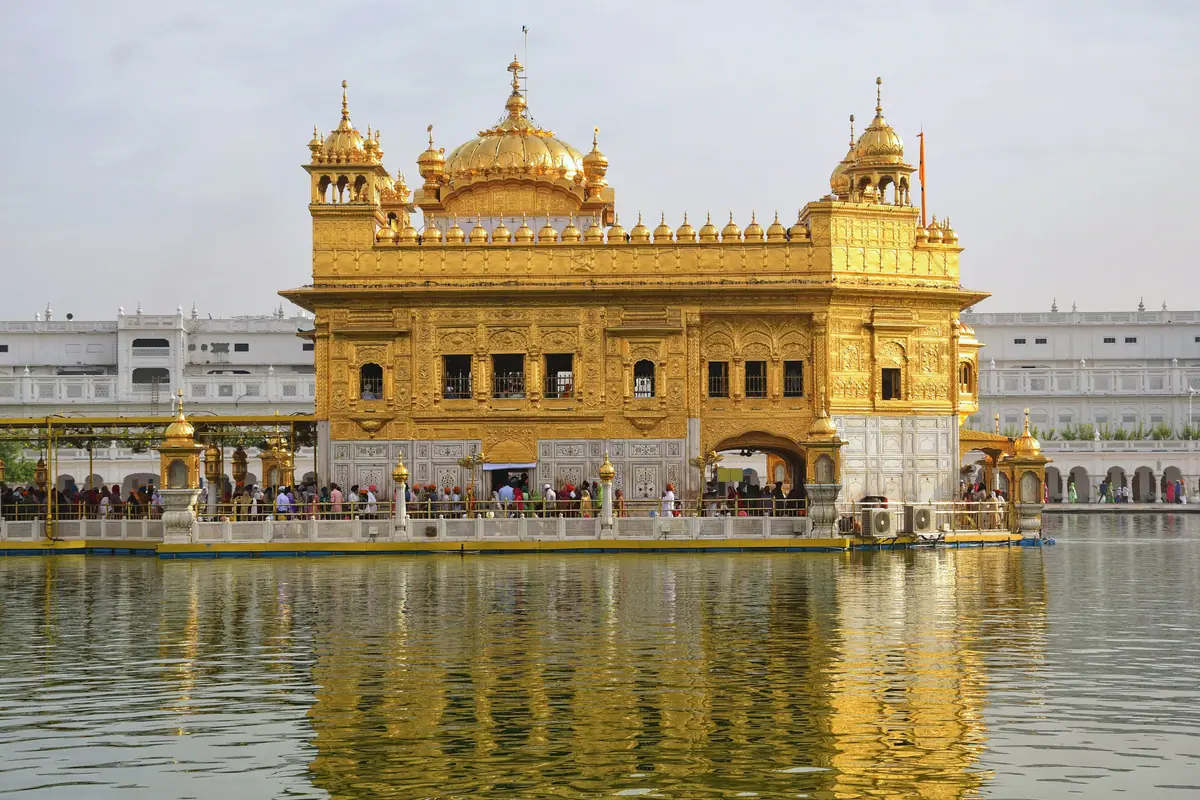
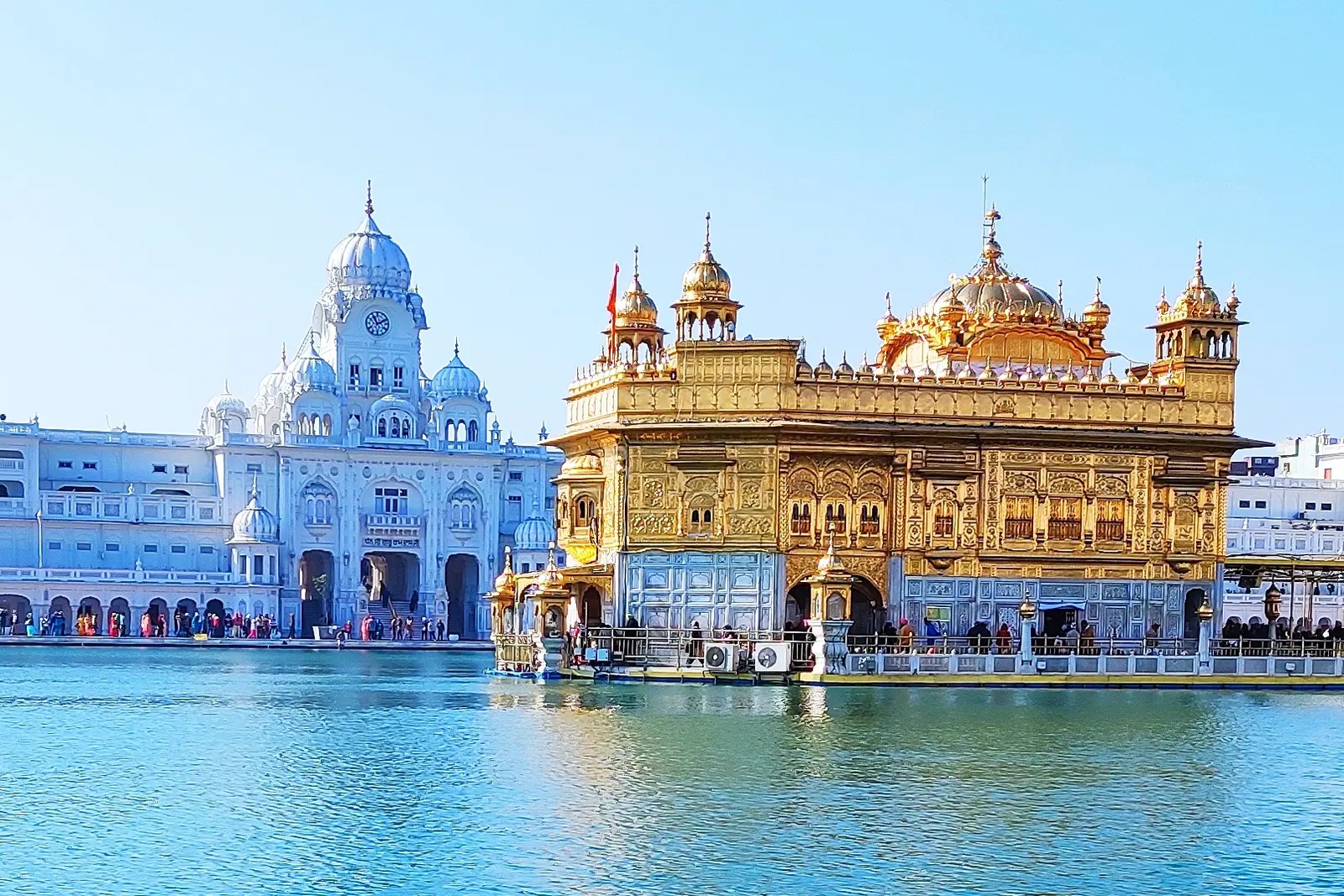
Some of the most memorable meals are served in sacred places. At the Golden Temple in Amritsar, the community kitchen feeds tens of thousands of visitors daily, free of charge and regardless of faith. In the temple towns of Tamil Nadu, food is cooked as an offering and shared as prasad — tamarind rice, sweet pongal, coconut chutney. Sit on the floor, eat with your right hand, and accept whatever lands on your banana leaf.
Practical shape: allow ten days for one region, three to four weeks for a cross-country run. October to March is comfortable nearly everywhere; April to June bakes the northern plains but suits Himalayan hill towns; the monsoon is best spent in Kerala, where rain is part of the experience rather than an interruption. Carry hand sanitiser, drink sealed water, and eat wherever the crowd is thickest.
Delhi: Mughal Kebabs and Old City Chaat
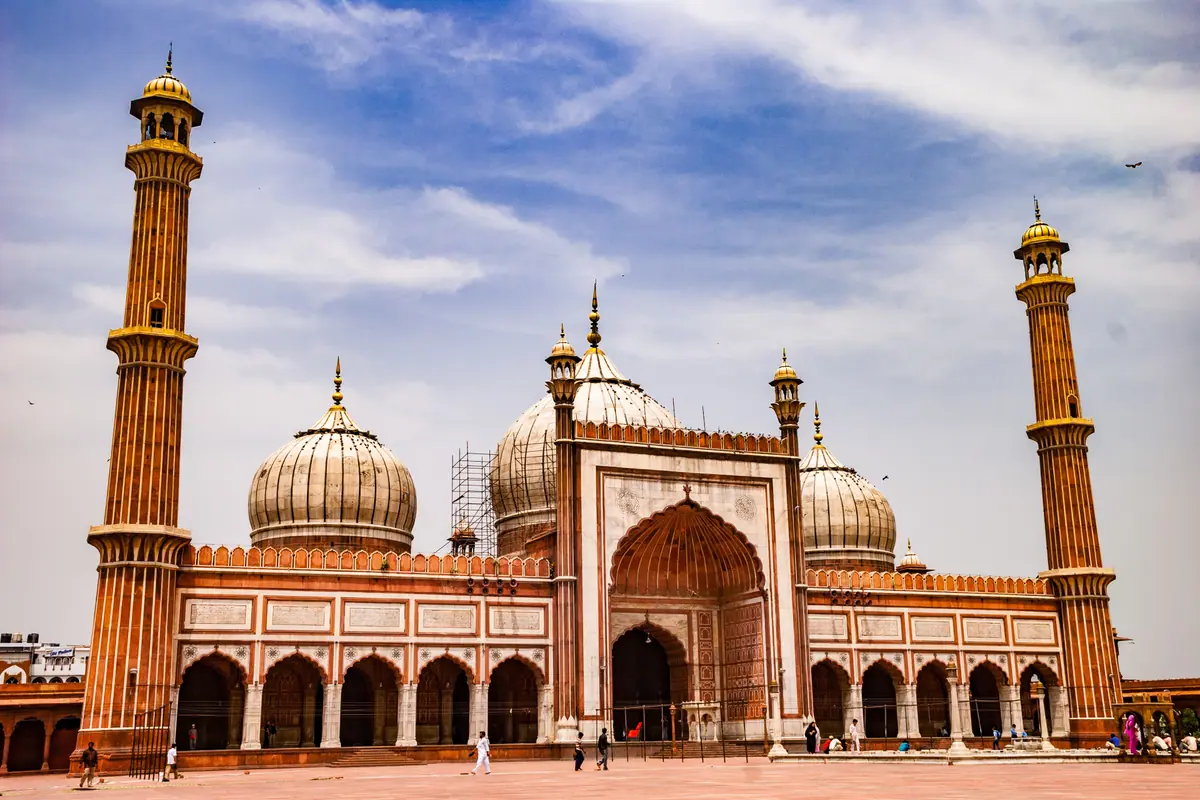
Old Delhi wakes up hungry before it wakes up anything else. By six in the morning the lanes around Jama Masjid already smell of slow-cooked nihari and charring seekh kebabs, and the entrance to Paranthe Wali Gali is frying ghee-basted stuffed parathas the way it has for generations. By midday Chandni Chowk becomes a crush of spice sacks, silver shops and chaat counters where crisp golgappas are assembled at terrifying speed.
The Mughal thread runs from the Red Fort — whose imperial kitchens once fed thousands — into the lanes of Nizamuddin, where qawwali singers perform on Thursday evenings. Dum biryani, korma, kebabs and buttery breads all descend from that courtly tradition. Weave in the monuments too: Humayun's Tomb, the subcontinent's first great garden-tomb, and the soaring Qutub Minar are each worth half a morning.
Two full days is the minimum here, and food walks use them best — go vegetarian on one street, carnivore on the next, finish with an over-brewed chai. Most travellers then pair Delhi with Agra, where the Taj Mahal at sunrise somehow justifies every cliché, before pushing west into Rajasthan. November to February is ideal; May and June are genuinely punishing.
Rajasthan: Fort Kitchens and Desert Feasts
Rajasthan cooks for scarcity, which is exactly why its food is so assertive. In Jaipur, breakfast might be a pyaaz kachori eaten standing near the pink façades of the old city, with lunch of dal baati churma — hard wheat rolls cracked open over ghee-drenched lentils. Between meals sit Hawa Mahal's honeycomb façade, the hilltop sprawl of Amber Fort and the giant astronomy instruments of Jantar Mantar, all within one unhurried day.
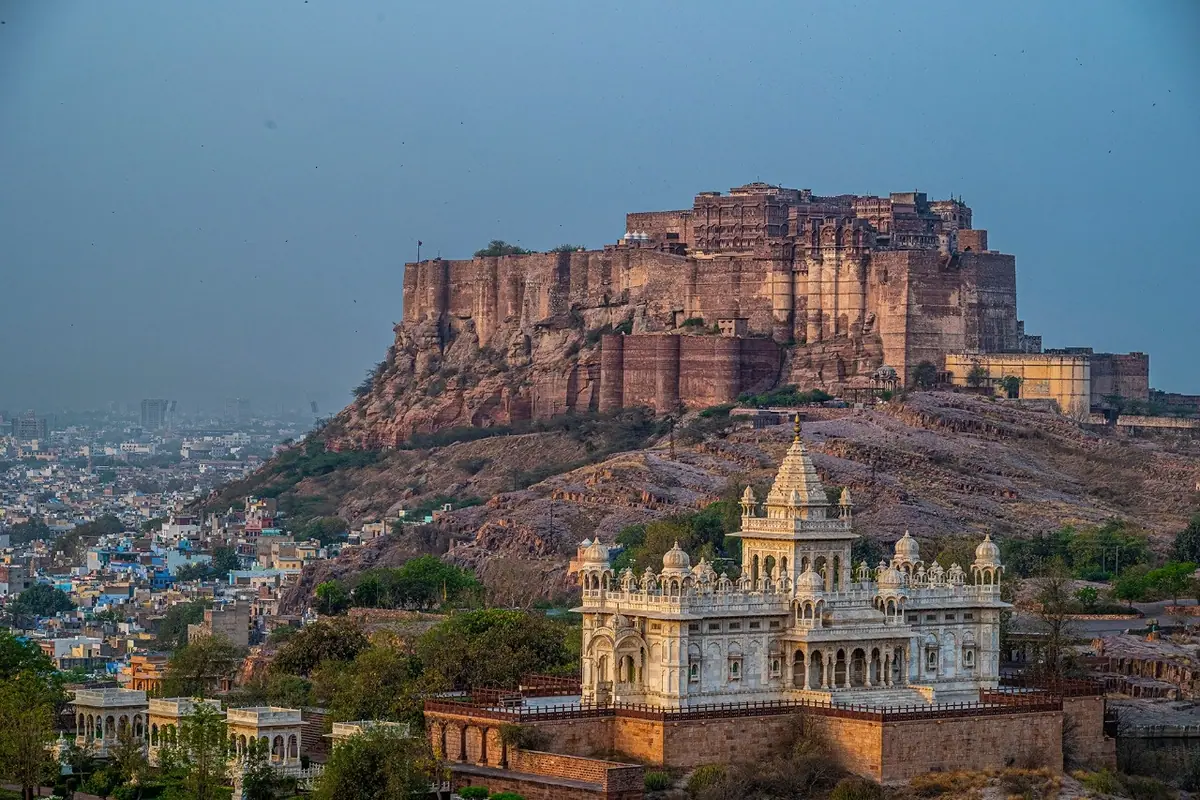
Head west and the cooking gets hotter and drier. Jodhpur's Mehrangarh Fort looms above a blue-washed old town where laal maas, mutton in a fierce red chilli gravy, is the signature dish and mirchi vada is the street snack. Farther out, Jaisalmer Fort rises straight from the Thar Desert; after dark, desert camps serve ker sangri, bajra roti and buttermilk under an enormous sky.
Pushkar, with its holy lake and Brahma Temple, is strictly vegetarian and alcohol-free, and its camel fair in November fills the dunes with traders and pilgrims. November to February is the sweet spot statewide; by April the desert is brutal and fort-top cafés start closing early.
South India: Coconut, Curry Leaf and Temple Towns
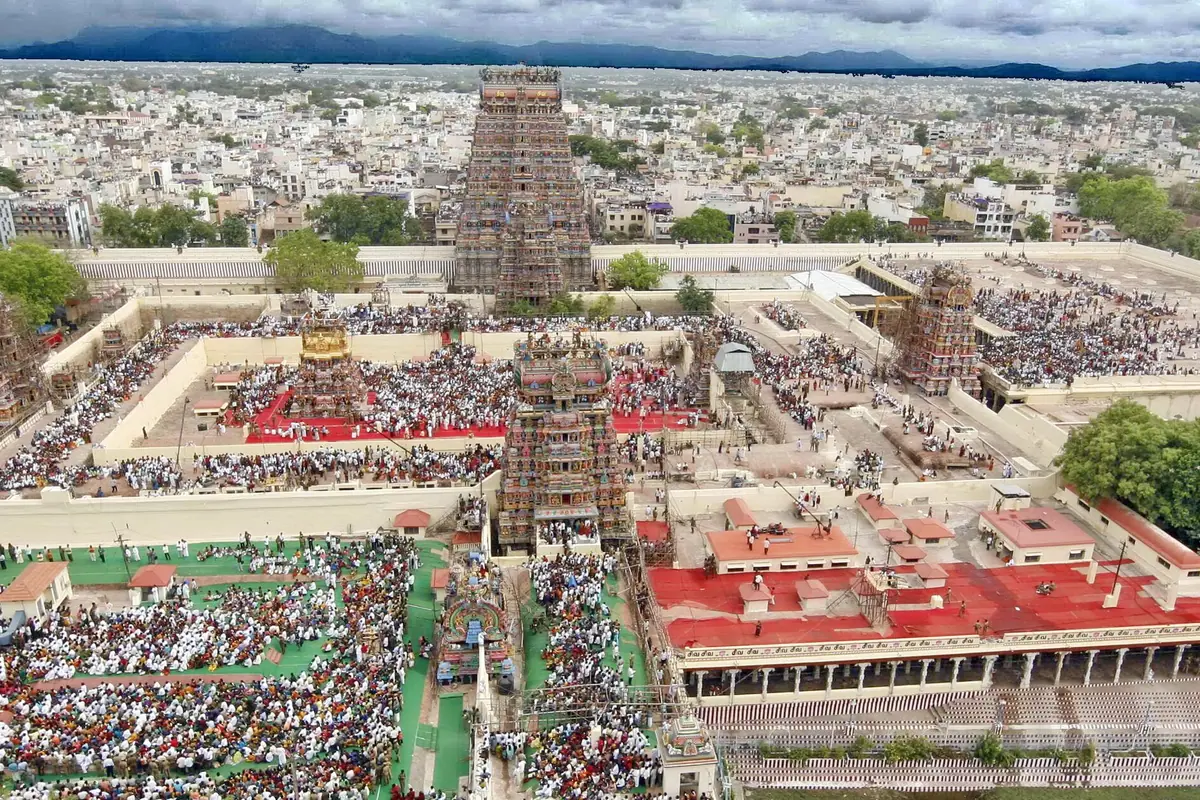
The south is where India's vegetarian cooking reaches its most refined pitch. In Madurai, the gopurams of Meenakshi Amman Temple rise in tiers of painted sculpture, and the surrounding streets serve idli and dosa from dawn, always with coconut chutney and sambar. In Thanjavur, the thousand-year-old Brihadeeswarar Temple anchors a region where rice, tamarind and sesame oil define the taste of everything.
Further west, Mysore Palace glitters through the Dasara festivities, and the city's filter coffee and dense Mysore pak justify a detour. Hampi's boulder-strewn ruins deserve at least two days, with roadside stalls selling banana and jaggery to keep you walking. In Chettinad, grand mansions surround kitchens famous for pepper, star anise and roasted spice pastes — the region has lent its name to some of India's most complex curries.
Kerala finishes the loop: Chinese fishing nets at Fort Kochi, a wooden houseboat drifting through the Alleppey backwaters, tea terraces climbing the hills at Munnar. The great feast is the sadya, a banana-leaf spread of rice, pickles, avial and payasam served at Onam in August or September. September to March is the easiest season; monsoon months are quieter, cheaper and impossibly green.
Kolkata, Varanasi and the Eastern Table
Kolkata eats with the confidence of a city that once ran an empire. Trams rattle past the Victoria Memorial and the Howrah Bridge, while the old neighbourhoods around College Street and Kumartuli hide Bengali fish curries, kathi rolls and puchka stalls. Sweet shops are institutions — spongy rosogolla, crumbly sandesh — and a long afternoon in an old coffee house is as much a cultural ritual as a meal.
Varanasi is the other pole. The ghats along the Ganges fill with bathers at sunrise, and each evening Dashashwamedh Ghat hosts the fire-and-lamp Ganga Aarti. Visit Kashi Vishwanath Temple, wander out to Sarnath where the Buddha first taught, and eat kachori-sabzi for breakfast, tamatar chaat in the lanes, and malaiyo, a frothy winter milk sweet, if you are there between November and February.
East of the plains, Darjeeling's tea estates and Sikkim's monasteries offer momos, thukpa and butter tea in cool mountain air. The clearest Himalayan views come in March to May and October to November.
Mumbai, Goa and the Spice Coast
Mumbai moves fast and eats faster. Vada pav from a pavement cart, bhel puri on Chowpatty Beach at dusk and a slow Parsi breakfast in an old Irani café form the city's real triptych. Between bites: the Gateway of India, the rock-cut caves of Elephanta Island reached by ferry, the long curve of Marine Drive, and the Victorian Gothic fantasy of Chhatrapati Shivaji Maharaj Terminus.
Goa traded recipes with Portugal for four centuries and it still shows. The Basilica of Bom Jesus and Se Cathedral in Old Goa, the Latin lanes of Fontainhas, the ramparts of Fort Aguada — and a table where fish curry rice, xacuti and vinegar-sharp vindalho sit beside bebinca, a layered coconut pudding. Dudhsagar Falls and the spice plantations inland make a fine counterweight to the beaches.
Finish with logistics that make everything easier: book long-distance trains well ahead, choose cooking classes and family homestays over hotel buffets, and time big trips around Diwali, Holi, Onam, Pongal or Mumbai's Ganesh Chaturthi. Dress modestly at temples, remove your shoes, ask before photographing people, and never refuse a second helping.
Frequently asked questions
When is the best time for an India food and culture tour?
October to March suits most of the country, with Rajasthan and the northern plains at their best from November to February. The south is comfortable from September to March. For the Himalayas, aim for March to June or September to November.
Is Indian street food safe for visitors?
Follow the crowd. Pick busy stalls with high turnover, watch your food cooked fresh in front of you, and skip cut fruit and unwashed salads. Drink sealed or filtered water, carry hand sanitiser, and start with cooked vegetarian snacks before moving on to meat.
How long do I need to see India's food regions?
Ten to fourteen days covers one region properly, such as Delhi, Agra and Rajasthan. Three to four weeks lets you add Kerala's backwaters, Kolkata or Goa. Food-focused itineraries usually run eight to twelve days from two or three bases.
What dining and temple etiquette should I know?
Eat with your right hand, share from the centre of the table and expect to be urged to take more. Remove shoes at temples and in homes, cover shoulders and knees, and avoid leather at some shrines. Many temples are vegetarian and a few states are alcohol-free.
Which festivals are worth planning a trip around?
Holi in March is spectacular around Mathura and Vrindavan, Diwali lights up Varanasi and Jaipur in October or November, Onam fills Kerala with banana-leaf feasts in August or September, and Pongal is Tamil Nadu's January harvest festival. Mumbai's Ganesh Chaturthi is enormous.
Sort the rest of your trip
Everything for India, in one place

More guides in India
One Week in India by Plane: A 7-Day Flight Itinerary From Delhi to Goa
Best Time to Visit India: Seasons, Festivals and When to Book Hotels
Where to Stay in India: Hotels, Havelis and Houseboats for the Top Cities and Sights
Where to Stay in Rishikesh: The Best Neighborhoods by the Ganga
Amritsar Food Guide: What to Eat and Drink in Punjab's Holy City
