India is too big to cross by road in a week, but its domestic flight network turns that limitation into an advantage. With three short hops you can drink chai in an Old Delhi bazaar, watch fire rise over the Ganges at Varanasi, stand in front of the Taj Mahal at dawn and still end the week barefoot on a Goan beach.
Building a Week Around India's Domestic Flight Network
Distances are what make flying essential here. Delhi to Varanasi is roughly a 12-hour overnight train or a 1 hour 20 minute flight; Delhi to Goa is a two-day drive or about 2 hours 30 minutes in the air; Mumbai to Goa is under an hour. By treating the major hubs of Delhi, Mumbai, Bengaluru and Chennai as your connecting points, almost every corner of the country becomes reachable within a morning.
Domestic fares swing wildly. Booking two to six weeks ahead usually secures the cheapest seats on the budget carriers, while last-minute tickets during wedding season or school holidays can double. Almost all low-cost domestic airlines allow around 15 kg of checked baggage and 7 kg in the cabin, with strict excess charges at the gate, so weigh your suitcase before you leave the hotel. Check in online as soon as the window opens, print or download the boarding pass, and carry the same government photo ID you used for the booking.
Timing your trip matters as much as your routing. October to March is the golden window, with clear skies, comfortable temperatures and reliable schedules across most of the country. April to June brings punishing heat in the northern plains, often above 40°C, while the June-to-September monsoon can ground flights and flood coastal roads in Mumbai and Goa. Build in at least one buffer afternoon so a delayed flight never costs you a landmark.

Days 1–2: Delhi — Mughal Tombs, Bazaars and a Sprawling Capital
Start in Old Delhi, where the Red Fort's red sandstone walls and the vast courtyard of the Jama Masjid frame a morning of pure sensory overload. Take a cycle rickshaw through the lanes of Chandni Chowk past spice merchants, silver sellers and sweet shops, then walk to Raj Ghat on the Yamuna's edge. The narrow alleys are chaotic by noon, so arrive early and keep your valuables zipped away.
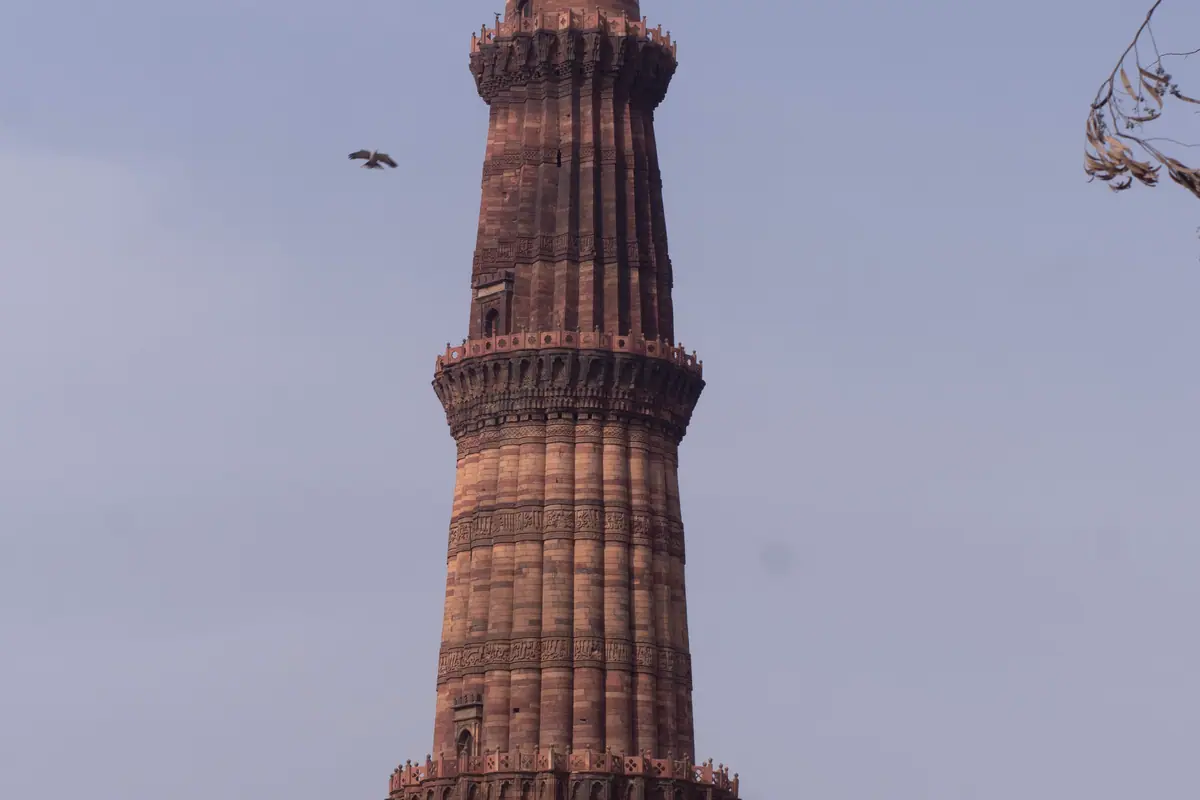
New Delhi offers the imperial set pieces. Humayun's Tomb, a UNESCO-listed garden mausoleum, is the architectural rehearsal for the Taj Mahal, and the soaring Qutub Minar, a 73-metre victory tower with centuries of intricate carving, sits in a leafy archaeological park south of the centre. Between them you can visit India Gate and the ceremonial Kartavya Path, the Lotus Temple's white petals, the sprawling Akshardham complex and the quiet Lodi Gardens. The metro is fast and cheap, and the Airport Express line links the terminals to the city centre in about 20 minutes.
Base yourself somewhere central like Connaught Place for markets and restaurants, or in Aerocity if you have an early departure. Two days is enough for the headline sights, but not for all of them — choose the Red Fort, Jama Masjid and Qutub Minar as your non-negotiables, and treat everything else as a bonus.
Days 3–4: Fly to Varanasi for the Ghats and Sarnath
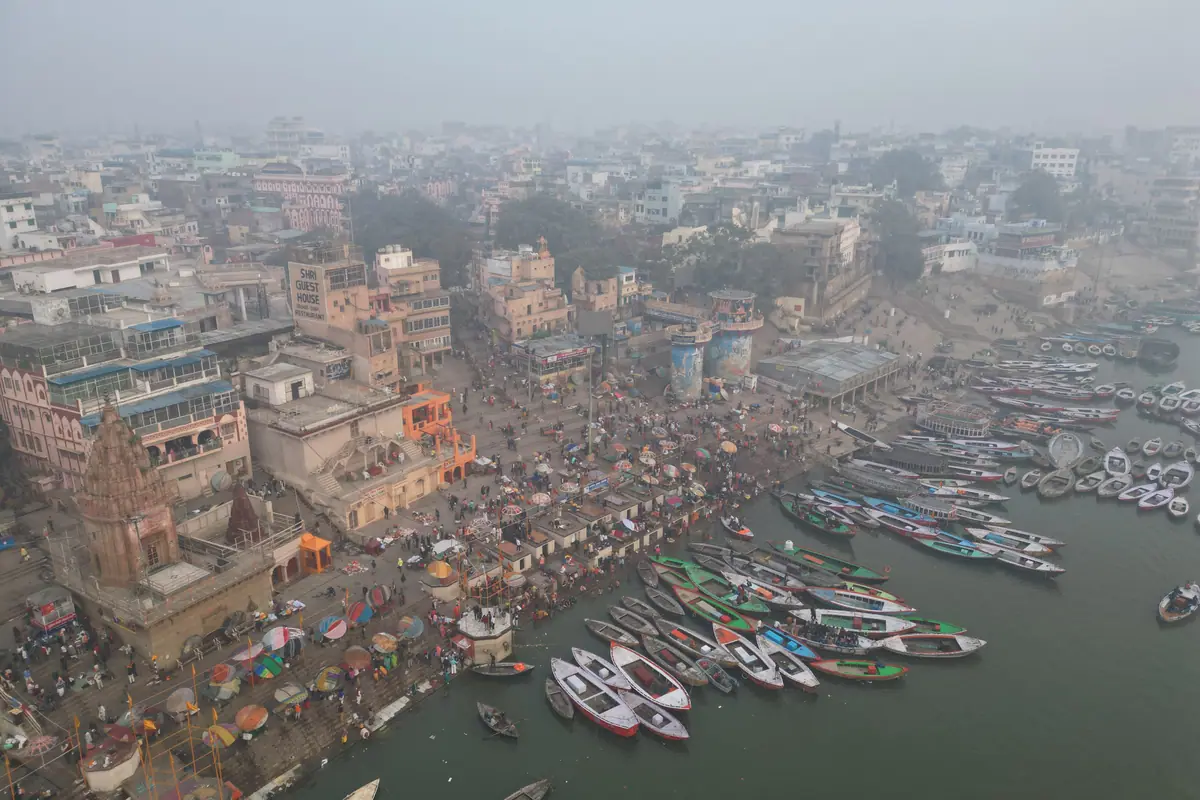
A short morning flight drops you in one of the world's oldest continuously inhabited cities. Varanasi is built along a crescent of stone steps — the ghats — where pilgrims bathe, laundry dries and funeral pyres burn around the clock. Take a wooden boat at sunrise from Assi Ghat and drift past Dashashwamedh, Manikarnika and the crumbling riverside palaces; it is the single most memorable hour you will spend in India. Return at dusk for the Ganga Aarti ceremony at Dashashwamedh Ghat, when priests swing tiered fire lamps in choreographed rhythm as crowds chant from the steps.
Behind the waterfront lies a maze of lanes leading to the Kashi Vishwanath Temple, one of the holiest Shiva shrines in the country and now linked to the river by a broad pilgrim corridor. Allow a full afternoon for Sarnath, 10 km north, where Buddha delivered his first sermon; the Dhamek Stupa, the ruins of monasteries and the archaeological museum's Ashokan lion capital are the highlights. If time allows, cross the river at dusk to Ramnagar Fort or wander the grounds of Banaras Hindu University.
Fly into Lal Bahadur Shastri airport, about 25 km from the ghats, and expect a 45-minute transfer through dense traffic. Stay near the river for atmosphere or in the cantonment for comfort and quiet. October to March is ideal; the Dev Deepawali festival in November, when every ghat is lit with oil lamps, is spectacular but crowded. Eat the local kachori sabzi for breakfast and finish with a clay cup of malaiyo in winter.
Day 5: Agra and the Taj Mahal at Sunrise
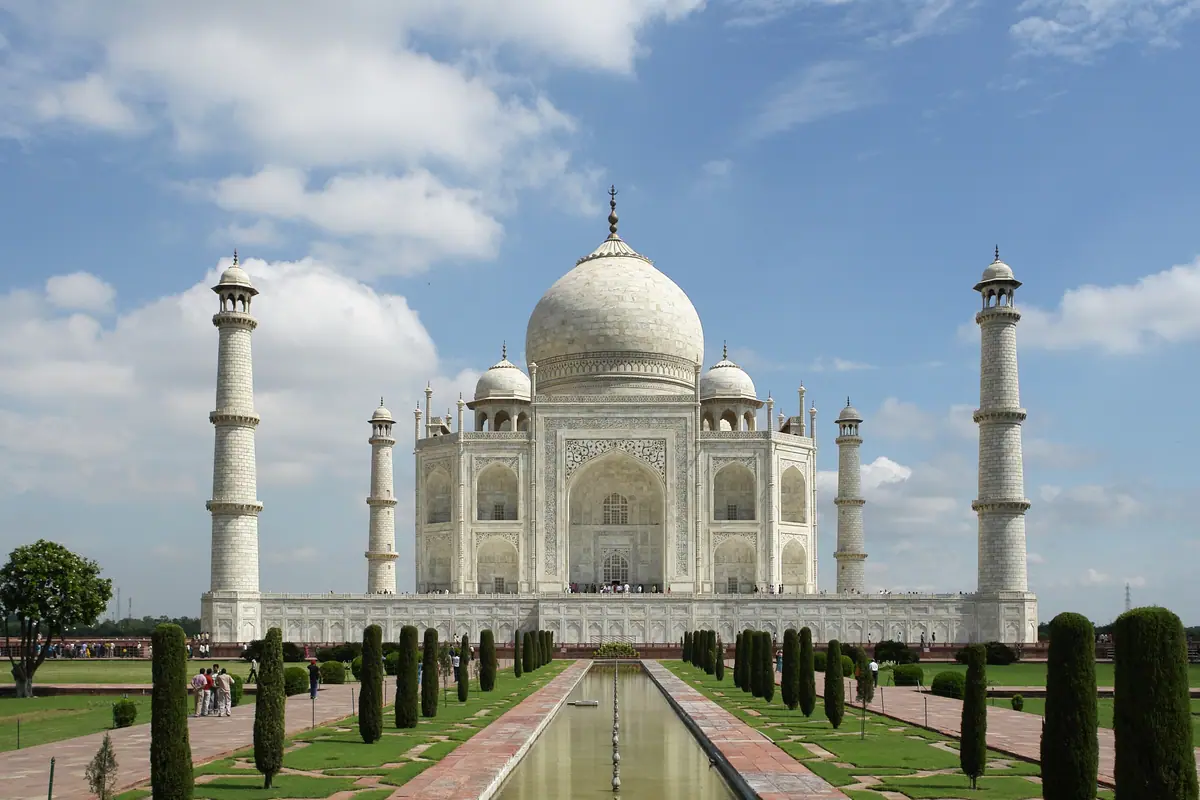
No trip to India is complete without the Taj Mahal, and sunrise is when it earns its reputation — soft pink light on white marble, mist off the Yamuna and far fewer people than at midday. Buy your ticket in advance, arrive before the gates open, and budget three unhurried hours to walk the gardens, the mosque and the reflecting pool. The monument is closed to tourists on Fridays, and security is strict about tripods, food and large bags.
Agra holds more than one masterpiece. The red sandstone Agra Fort, a UNESCO site and former Mughal capital, looks straight across the river to the Taj, while Mehtab Bagh on the opposite bank gives the classic sunset view. Across the water, the jewel-box Itimad-ud-Daulah is nicknamed the Baby Taj for good reason. If you have a spare half-day, Fatehpur Sikri's abandoned red-sandstone city lies an hour west and pairs beautifully with a stop for the local petha sweet on the way back.
Getting there from Varanasi usually means a seasonal direct flight or a connection through Delhi, followed by a fast daytime train or a three-hour expressway drive from the capital. Many travellers sleep in Agra the night before to be at the gate at dawn, then return to Delhi the same evening for a southbound flight.
Days 6–7: Fly South to Goa for Beaches and Portuguese Churches
A two-and-a-half-hour flight from Delhi lands you in a completely different country in spirit. Goa's coastline splits into a busier north — Anjuna's flea market, the cliffs of Vagator, Baga's beach shacks — and a slower south of palm-fringed Palolem and Agonda, where the pace drops to hammocks and seafood. Two airports serve the state, one in the north and one in the south, so pick your arrival based on where you plan to sleep.
Spend your first day inland in Old Goa, a UNESCO-listed cluster of Portuguese colonial architecture. The Basilica of Bom Jesus, with its baroque façade and gilded interior, and the neighbouring Se Cathedral are the standouts, along with the Church of St. Cajetan. Back on the coast, Fort Aguada and Chapora Fort offer sunset views over the Arabian Sea, while Fontainhas in Panaji, the old Latin Quarter of mustard-yellow houses and azulejo tiles, is worth an afternoon of slow wandering.
November to February is peak season: dry, warm and busy, with December the most expensive month. The monsoon from June to September turns the state emerald green and slashes hotel rates, but rough seas close many beach shacks and water sports. Either way, keep your final morning free — Goan roads are slow, and you want a comfortable margin before your flight home.
Flight-Day Logistics and Timing Your Week Right
Indian airports are efficient but procedural. Arrive two hours before a domestic departure, expect a document check at the terminal entrance, and remember that check-in counters typically close 45 to 60 minutes before take-off. Liquids are limited in hand baggage, power banks and spare batteries must travel in the cabin rather than the hold, and every bag is screened on entry. Keep a printed or offline copy of your ticket and ID, because Wi-Fi at the gate is not guaranteed.
For transfers, use the official prepaid taxi counters or app-based cabs rather than accepting offers from touts in the arrivals hall. Delhi's metro and airport express line beat traffic; in Mumbai and Goa, a pre-booked car is usually the calmest option. Never schedule a connection of less than two hours between separate tickets, and never plan a domestic hop on the same day as an international departure.
Finally, book the first flight of the morning whenever you can — early departures suffer fewer knock-on delays than afternoon services, and you gain a full day at your destination. With one buffer afternoon and a route that flows north to south, a single week in India stops feeling rushed and starts feeling like three holidays stitched together.
Frequently asked questions
Is one week enough to fly around India?
Yes, if you limit yourself to three or four stops. The classic one-week air route is Delhi, Varanasi, Agra and Goa, which covers Mughal monuments, the Ganges ghats, the Taj Mahal and a beach finale without excessive time in transit.
How many internal flights should I book for a seven-day trip?
Three domestic flights is the sweet spot: Delhi to Varanasi, Varanasi to Agra (or via Delhi), then Delhi to Goa. Adding a fourth usually means sacrificing depth at each stop, and every extra hop adds airport time and delay risk.
What is the best time of year for this itinerary?
October to March offers the most reliable weather across Delhi, Varanasi, Agra and Goa. April to June is unbearably hot in the north, and the June-to-September monsoon brings humidity and flight delays to the coast.
How early should I arrive at an Indian airport for a domestic flight?
Two hours before departure is comfortable. Terminals require an ID and ticket check at the door, check-in closes around 45 to 60 minutes before take-off, and security queues can be long at peak morning hours in Delhi and Mumbai.
Should I fly or take trains between these cities?
Flying saves enormous time on long routes such as Delhi to Varanasi or Delhi to Goa. Trains remain excellent for shorter, scenic legs like Agra, where a fast daytime service beats a flight once you factor in airport transfers.
Sort the rest of your trip
Everything for India, in one place

More guides in India
India Food and Culture Tours: A Guide to Local Flavours and Must-See Sights
Best Time to Visit India: Seasons, Festivals and When to Book Hotels
Where to Stay in India: Hotels, Havelis and Houseboats for the Top Cities and Sights
Where to Stay in Rishikesh: The Best Neighborhoods by the Ganga
Amritsar Food Guide: What to Eat and Drink in Punjab's Holy City
