Ghana asks a simple question of every traveller: do you want the roar of Accra's Oxford Street outside your window, the Atlantic a few steps from your breakfast table, or elephants drinking below your terrace at dawn? The answer decides where you sleep — and the country's hotels are far more varied than most first-time visitors expect.
Accra: Choosing the Right Neighbourhood for Your First Nights
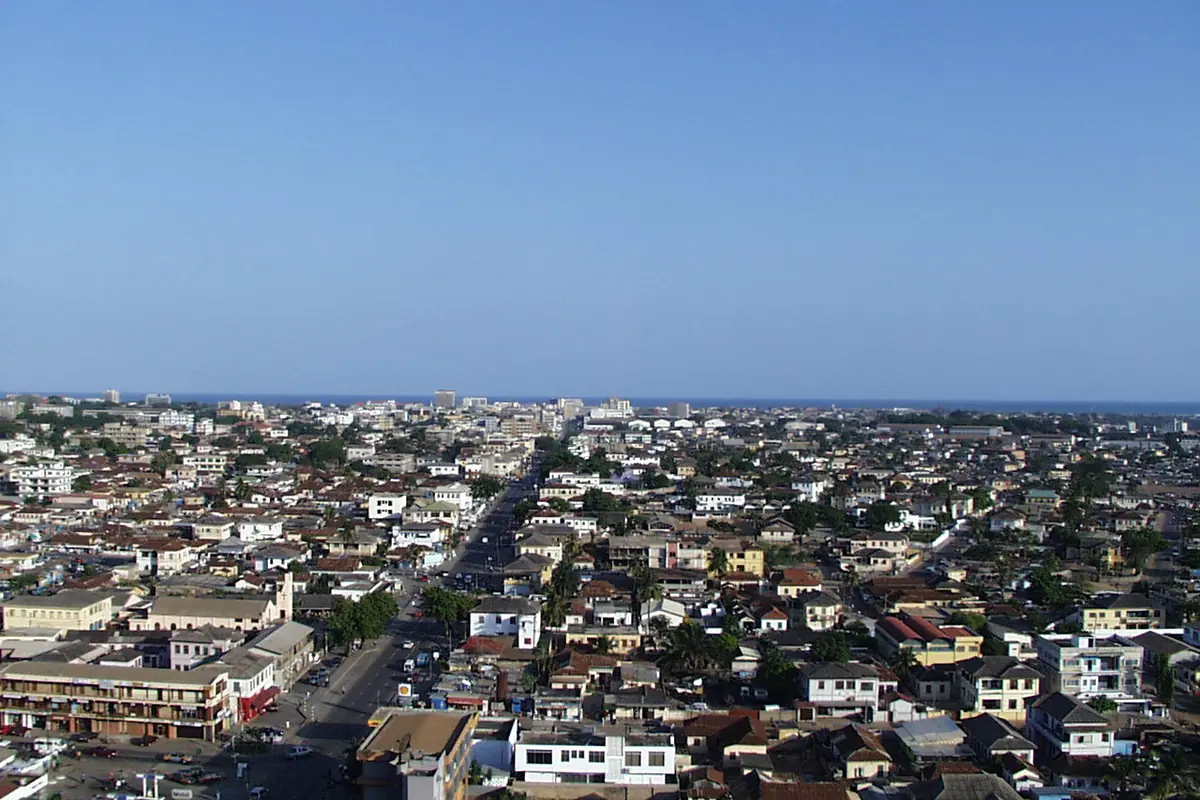
Almost every trip to Ghana begins at Kotoka International Airport, so the first real decision is which version of Accra you want to wake up to. Airport City and Cantonments sit minutes from the terminal, with quiet, tree-lined streets, embassies and conference-ready hotels built for travellers who need dependable Wi-Fi and a car on standby. It is efficient rather than atmospheric, and for one night before a domestic flight it is hard to beat.
Osu and Labone are the opposite: dense, sociable and walkable after dark. Oxford Street in Osu is a long strip of restaurants, bars, coffee shops and small guesthouses, with boutique hotels hidden on the side roads; Labone feels calmer, its older houses converted into intimate stays with courtyards and small pools. From either you can reach Independence Square, known to everyone as Black Star Square, and the Kwame Nkrumah Memorial Park in about fifteen minutes.
Jamestown, the old colonial quarter, rewards travellers who prefer character to calm — restored merchant buildings and small hotels stand within sight of Ussher Fort and Jamestown Lighthouse, close to the chaos of Makola Market. East Legon and Airport Residential suit longer stays in serviced apartments, while Labadi and La offer beachfront addresses and Ada Foah, at the mouth of the Volta, is the weekend escape of choice. Street-facing rooms are noisy, so ask for one set back from the road.
Cape Coast and Elmina: Sleeping Beside the Castles
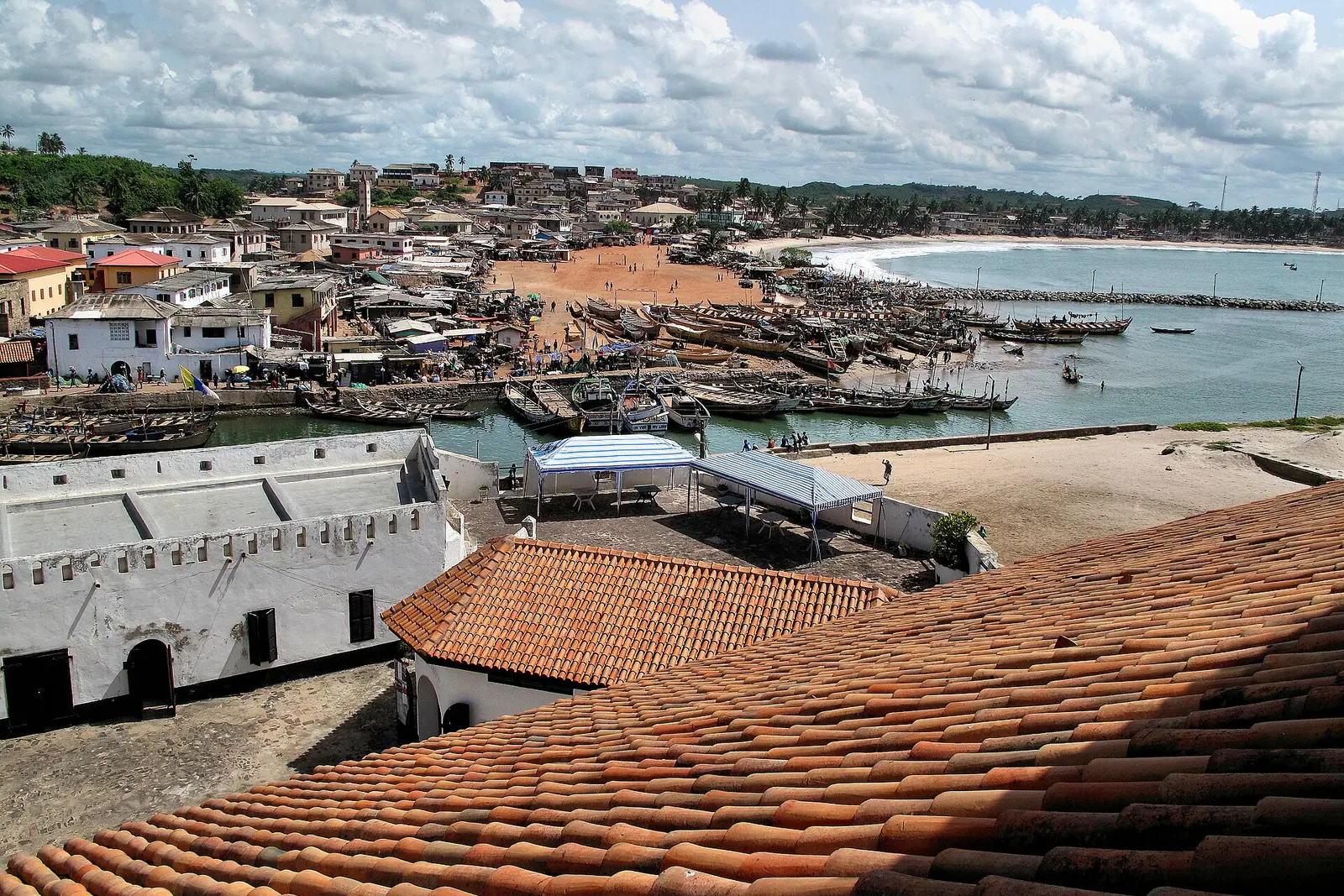
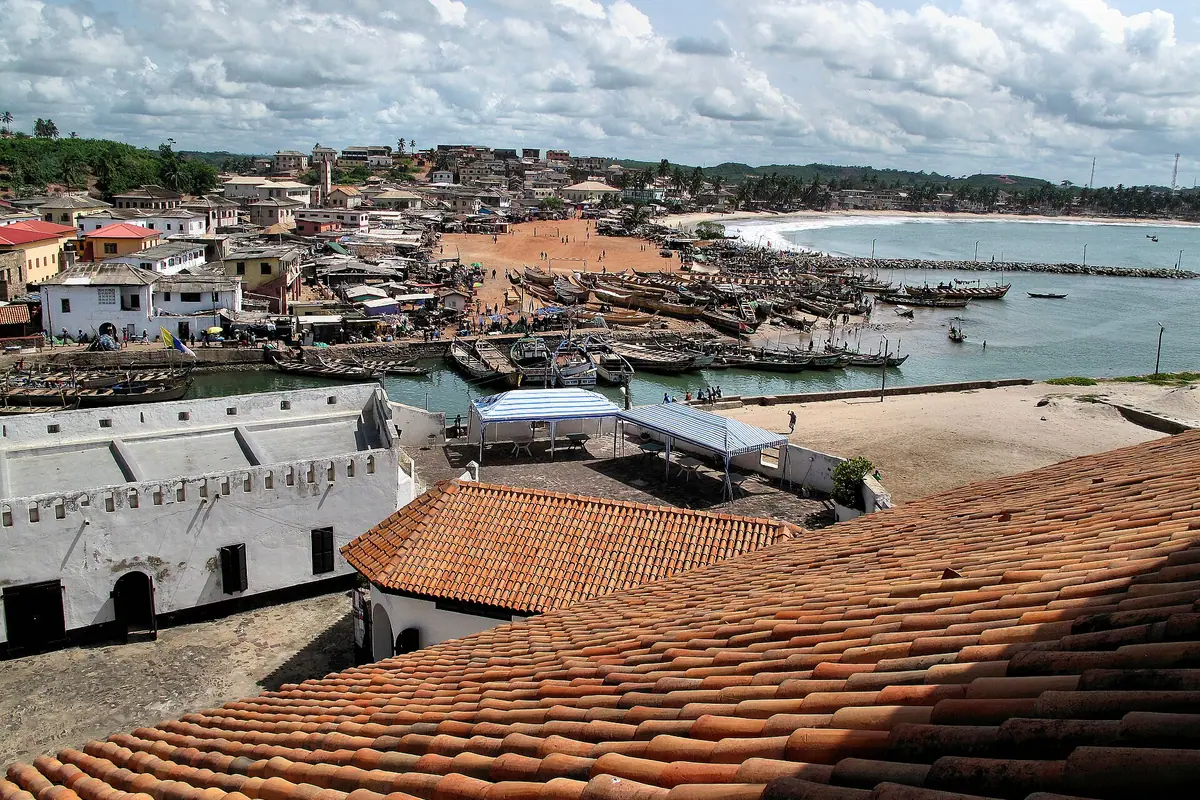
The Central Region is where Ghana's history presses hardest. Cape Coast Castle, a UNESCO World Heritage Site, runs guided tours of roughly an hour that end at the Door of No Return, and Elmina Castle, first raised by the Portuguese in 1482, is the oldest European building in sub-Saharan Africa. Above Elmina, Fort St. Jago looks down over the fishing harbour and the crowded canoes.
Cape Coast town has mid-range hotels within walking distance of the castle, several with rooftop restaurants and views over the sea; Elmina keeps smaller guesthouses near the lagoon bridge. East along the coast, beach resorts at Brenu and Anomabo trade town bustle for palm shade and pools. Expect straightforward comfort — air conditioning, cold beer, a generator for outages — and book well ahead for the Fetu Afahye festival, held on the first Saturday of September.
Forty-five minutes inland, Kakum National Park's canopy walkway strings seven bridges up to 40 metres above the forest floor, best tackled at dawn when the birdlife is loudest; a few simple lodges cluster near the gate. The dry season from November to March is the most comfortable time to explore the forts, though the harmattan haze of December and February softens the light. Bring cash for entrance fees and guides.
Kumasi: Kente, Kejetia Market and Lake Bosomtwe
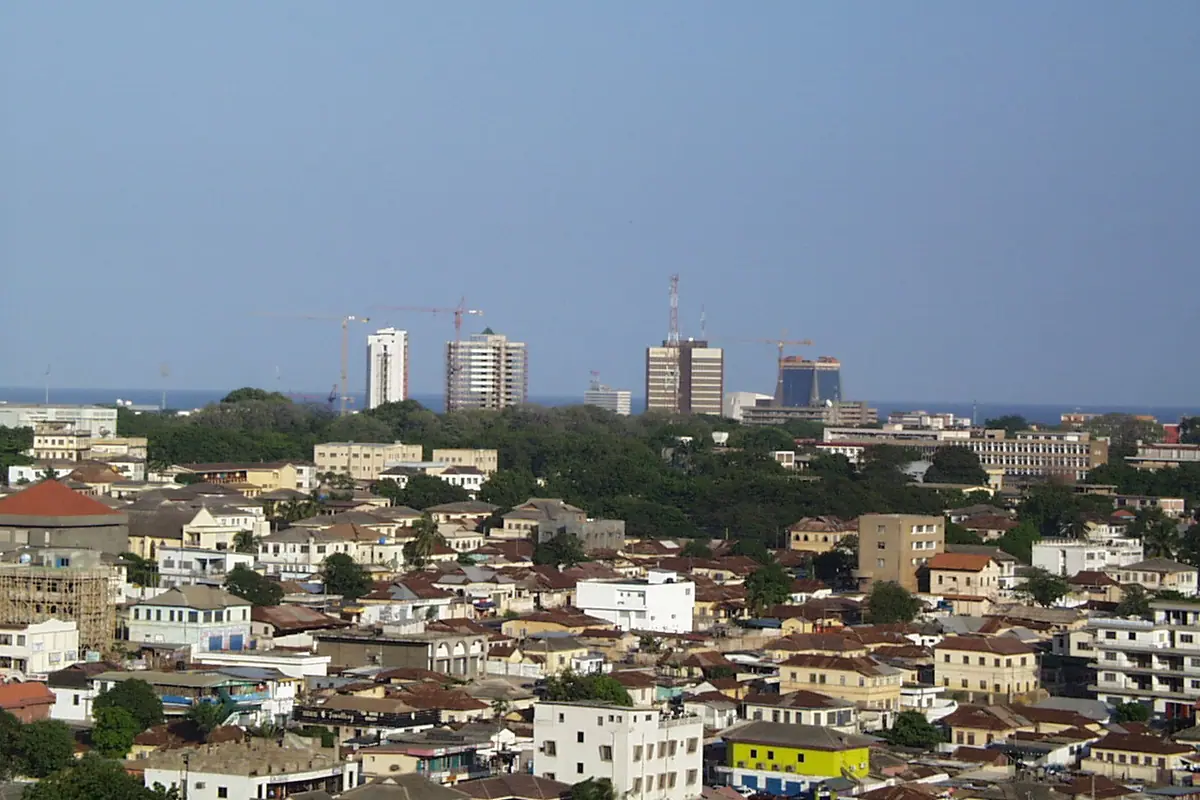
Kumasi is the capital of the Ashanti Kingdom, and its sights are inseparable from that identity. The Manhyia Palace Museum tells the story of the Asantehene and the wars and gold that shaped the region; the Prempeh II Jubilee Museum and Kumasi Fort and Military Museum add layers. Kejetia Market, among the largest in West Africa, swallows whole afternoons in its thousands of stalls of fabric, beads, food and hardware.
For sleeping, the commercial core around Adum puts you within walking distance of the market, with functional business hotels and early-morning noise; Nhyiaeso and Ahodwo are leafier and quieter, home to international-standard hotels with gardens, pools and proper restaurants. Both make sensible bases for day trips to Bonwire, where kente is woven on narrow looms, and Ntonso, known for adinkra cloth stamped by hand.
Thirty-five kilometres southeast, Lake Bosomtwe fills a crater and is treated as sacred by the communities along its shore, where fishermen still paddle plank canoes. A handful of lakeside guesthouses and eco-resorts offer the best sunrises in the region. Kumasi is humid year-round, with the heaviest rain in June and again from September into October; start sightseeing early, before the heat and traffic build.
Northern Ghana: Mole National Park and Tamale
Mole National Park is Ghana's largest and finest wildlife reserve, a sweep of savannah where elephants, kob, bushbuck, warthogs and baboons move between two watering holes below a steep escarpment. Walking safaris leave at dawn with an armed ranger; jeep drives run late in the afternoon when the light turns amber. Rooms on the ridge above the water can watch elephants from the terrace without leaving a chair.
Accommodation around the park ranges from simple motels and rest houses near the gate and in nearby Damongo to a small number of higher-end eco-lodges with pools and escarpment views. Flying from Accra to Tamale takes about an hour, followed by a drive of four hours or so; going by road via Kumasi is a long day, and a 4x4 makes the wet-season tracks far easier.
North of the park, the Larabanga Mosque is a Sudanese-style mud-and-stick building, one of the oldest in the country, and visitors are expected to dress modestly, ask permission and leave a small donation. Further north lie the old slave market at Salaga, the sacred crocodile ponds at Paga and the painted houses of Sirigu near Bolgatanga, with the Wechiau Hippo Sanctuary on the Black Volta. November to April is the best window; harmattan nights can be cool, so pack long sleeves, a torch and malaria precautions.
The Volta Region and Eastern Escapes
The Volta Region is where Ghanaians go to hike and swim. Wli, also called Agumatsa, is the country's highest waterfall, reached by a 45-minute forest walk past butterflies and roosting bats; Mount Afadja, or Afadjato, is Ghana's highest peak at 885 metres and takes two to three hours up and down. Nearby, the Tafi Atome Monkey Sanctuary protects a troop of mona monkeys that treat visitors with cheerful indifference.
Base yourself in Ho or Hohoe, where guesthouses and a few modern hotels serve hikers, or beside Lake Volta near Akosombo, where riverside lodges look across the water towards Dodi Island and boats and kayaks can be arranged. In the Eastern Region, the Aburi Botanical Gardens offer cool hill air and century-old trees, Boti Falls near Koforidua pairs a twin cascade with the Umbrella Rock and Three-Headed Palm, and Shai Hills Resource Reserve, 45 minutes from Accra, delivers baboons, antelope and caves on an easy day trip.
These escapes fill quickly at weekends and on public holidays, when Accra empties out, so book ahead. Roads to Wli are sealed as far as the gate, but the final stretch can flood in June. April to June and September to October are the wettest months; the rest of the year is ideal for waterfalls and ridge walks.
What to Expect from Ghanaian Hotels: Seasons, Rates and Practicalities
Ghana's peak season runs from mid-December into early January, when the diaspora returns for parties and family gatherings, and again over Easter and the school holidays. The dry months from November to March bring the clearest weather, although the harmattan dust of December and February hazes the sky and dries the skin. The rains arrive in two bands, April to mid-July and September to October, and with them come lower rates, green hills and dramatic skies. For December, book two to three months ahead.
Room standards vary enormously. City and resort hotels usually provide air conditioning, a standby generator, stored water, a pool and breakfast; smaller guesthouses may offer only fans and intermittent power. Always ask about backup power, hot water and whether the quoted rate includes taxes and service charge. Larger hotels take cards, while guesthouses, beach places and eco-lodges often prefer cash or mobile money, so keep cedis in small notes for tips of five to ten per cent and for entrance fees.
A few habits make a stay smoother. Greet people before launching into a request, use your right hand, and dress modestly in the Muslim north; ask before photographing anyone. Drink only sealed water, carry your yellow fever certificate, and take malaria precautions regardless of how plush your hotel is. Distances look short on a map but traffic is slow, so a ten-kilometre hop across Accra at rush hour can easily take 45 minutes. Ride-hailing works well in the cities, but agree the fare with a street taxi before you set off.
Frequently asked questions
Where should a first-time visitor stay in Accra?
Osu and Labone suit travellers who want walkable restaurants and nightlife; Airport City and Cantonments are quiet and close to the airport; Jamestown offers heritage character. Whichever you choose, request a room away from the street.
When is the best time of year to book a hotel in Ghana?
November to March brings the driest, most comfortable weather. December and early January are peak, so reserve two to three months ahead. The rainy months and September to October mean lower rates and greener landscapes.
Do hotels in Ghana accept credit cards?
Larger city hotels and international-standard resorts do. Guesthouses, small beach properties and remote eco-lodges often take cash or mobile money only, so carry Ghanaian cedis in small denominations as a backup.
Can I combine Accra, the castles, Kumasi and Mole National Park in one trip?
Yes, in roughly ten to twelve days: three nights in Accra, two around Cape Coast and Elmina, one or two in Kumasi, then two or three at Mole. A one-hour flight to Tamale, or to Kumasi, saves the longest drives.
Is it worth paying more for a beach hotel in Ghana?
If swimming and relaxing matter to you, yes. Labadi and La are closest to Accra, Ada Foah at the Volta mouth is quieter, and the beaches near Cape Coast at Brenu and Anomabo are calmer and far less crowded.
Sort the rest of your trip
Everything for Ghana, in one place
Transfer in Ghana
Private driver waiting on arrival — no queues, no surprises.
Book a transfer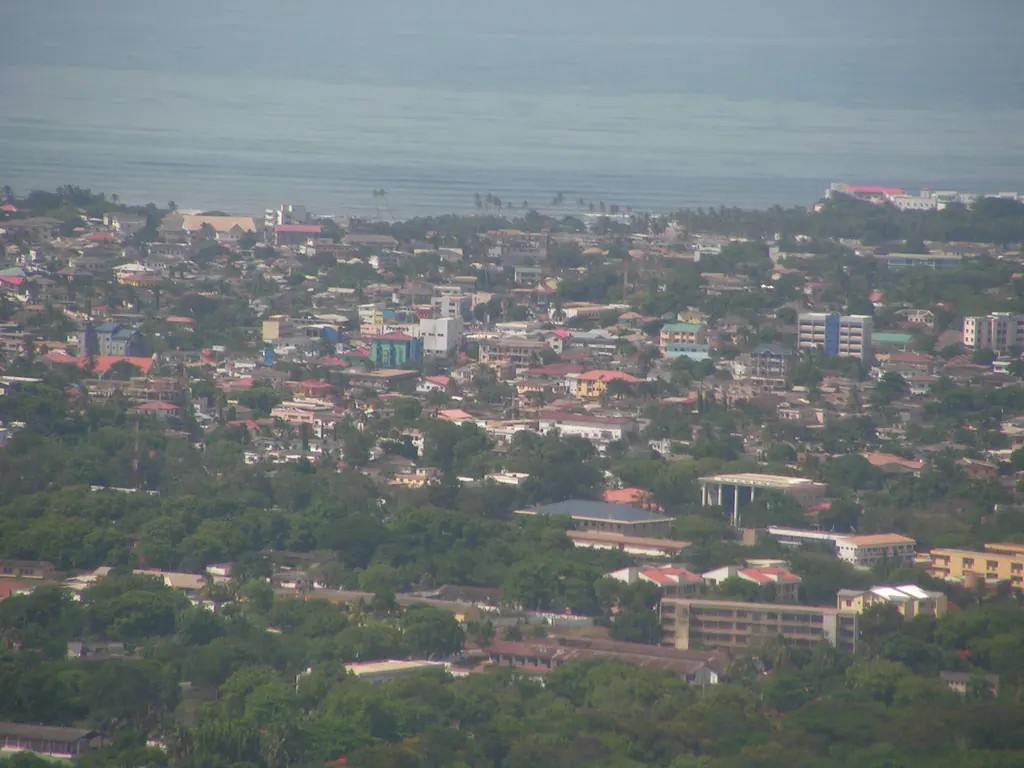
Things to do in Ghana
Skip-the-line tickets, guided tours and standout experiences.
See experiences
Stay online in Ghana
Travel eSIM — data the moment you land, no roaming bills.
Get an eSIMMore guides in Ghana
One Week in Ghana: A Flight-Based Itinerary Through Accra, Mole, Kumasi and the Cape Coast
Best Time to Visit Ghana: Seasons, Festivals and When to Book Your Hotel
Best Places to Visit in Ghana: Castles, Canopies and Savannah
Best Things to Do in Ghana: Landmarks and Must-See Sights