Ghana folds an entire West African story into a country you can cross in a long day's drive: Atlantic slave-trade castles, rainforest you can walk above, elephant savanna in the north, and highland waterfalls where the spray soaks you in seconds. It is warm, English-speaking and exceptionally easy to travel, yet the history here is heavy and worth sitting with. These are the places that repay the journey most.
Accra: Where Ghana's Story Begins
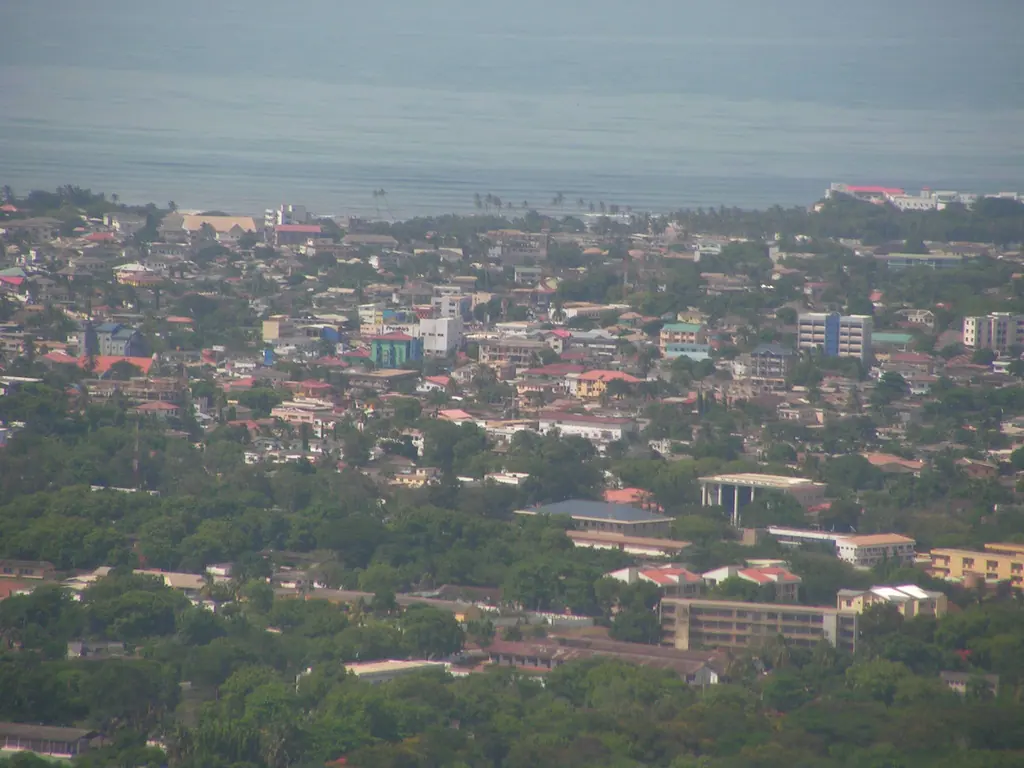
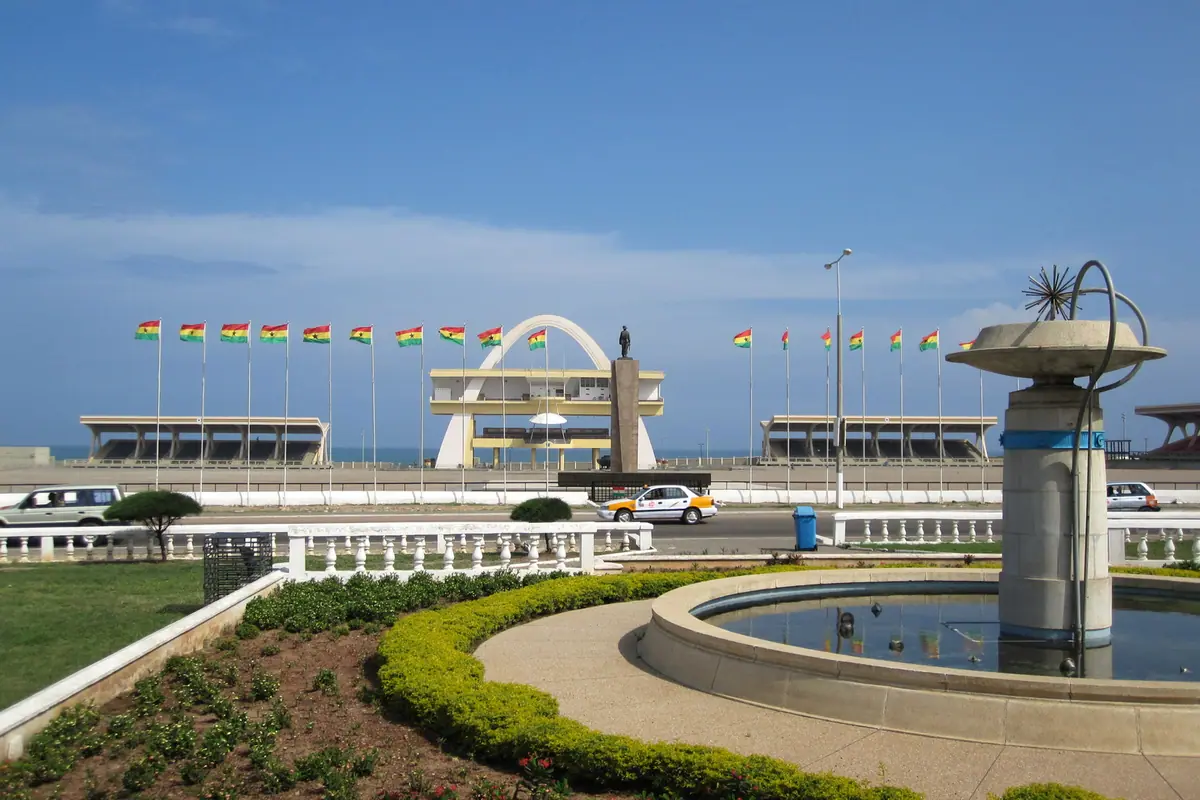
Start in the capital, where the country's modern identity is carved in concrete and bronze. Independence Square sprawls along the Gulf of Guinea, anchored by the Black Star Gate and the Independence Arch — the black star is Ghana's national emblem, and the square commemorates the 1957 break from colonial rule. A short walk inland, Kwame Nkrumah Memorial Park holds the mausoleum of the first president, a marble-and-gold monument set among fountains and palms that is genuinely moving even for visitors who know little of the history.
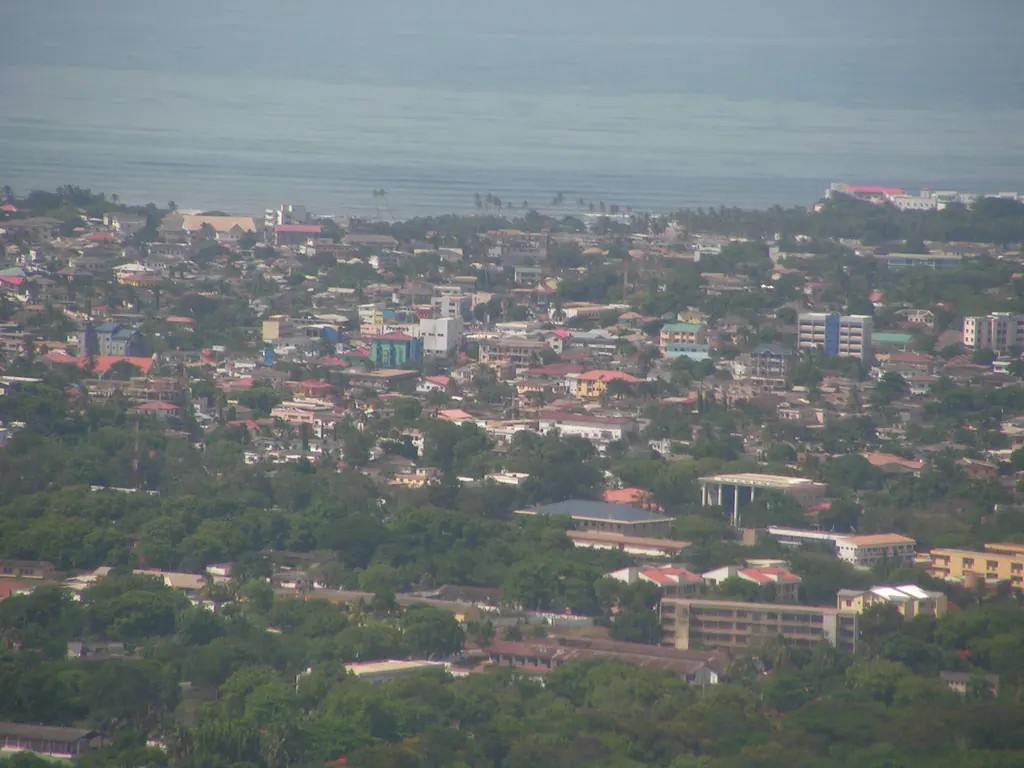
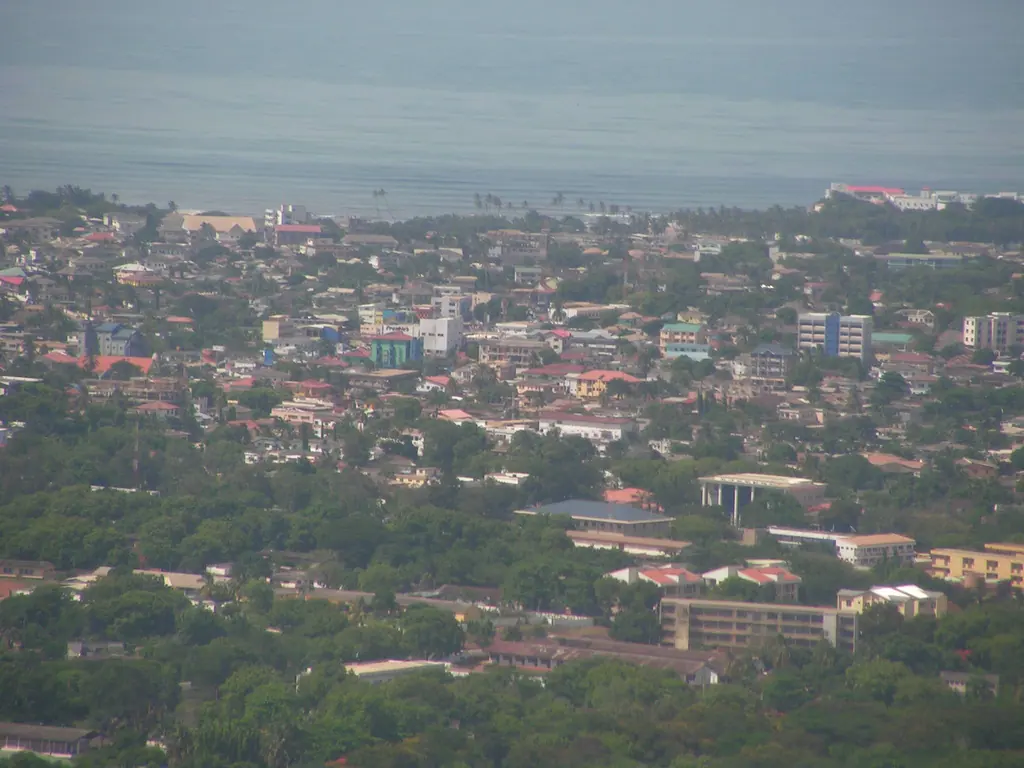
The old quarter of Jamestown is the counterweight: a dense, salt-bitten neighbourhood of fishing canoes, colonial-era warehouses and the whitewashed Jamestown Lighthouse, with Ussher Fort nearby. Photographers should come at golden hour, when the light hits the cliffs and the boats come in. Inland, Makola Market is a full-sensory initiation — bolts of wax-print cloth, mounds of dried fish, and traders who will happily teach you to haggle with a smile.
Give Accra two or three days. Add the W.E.B. Du Bois Memorial Centre, the beach bars and seafood grills of Osu and Labadi Beach on a weekend afternoon, and the hip nightlife of the Oxford Street strip. Traffic is the city's great thief of time, so plan one district per half-day rather than zigzagging.
Cape Coast and Elmina: Castles, Canopy and the Coast
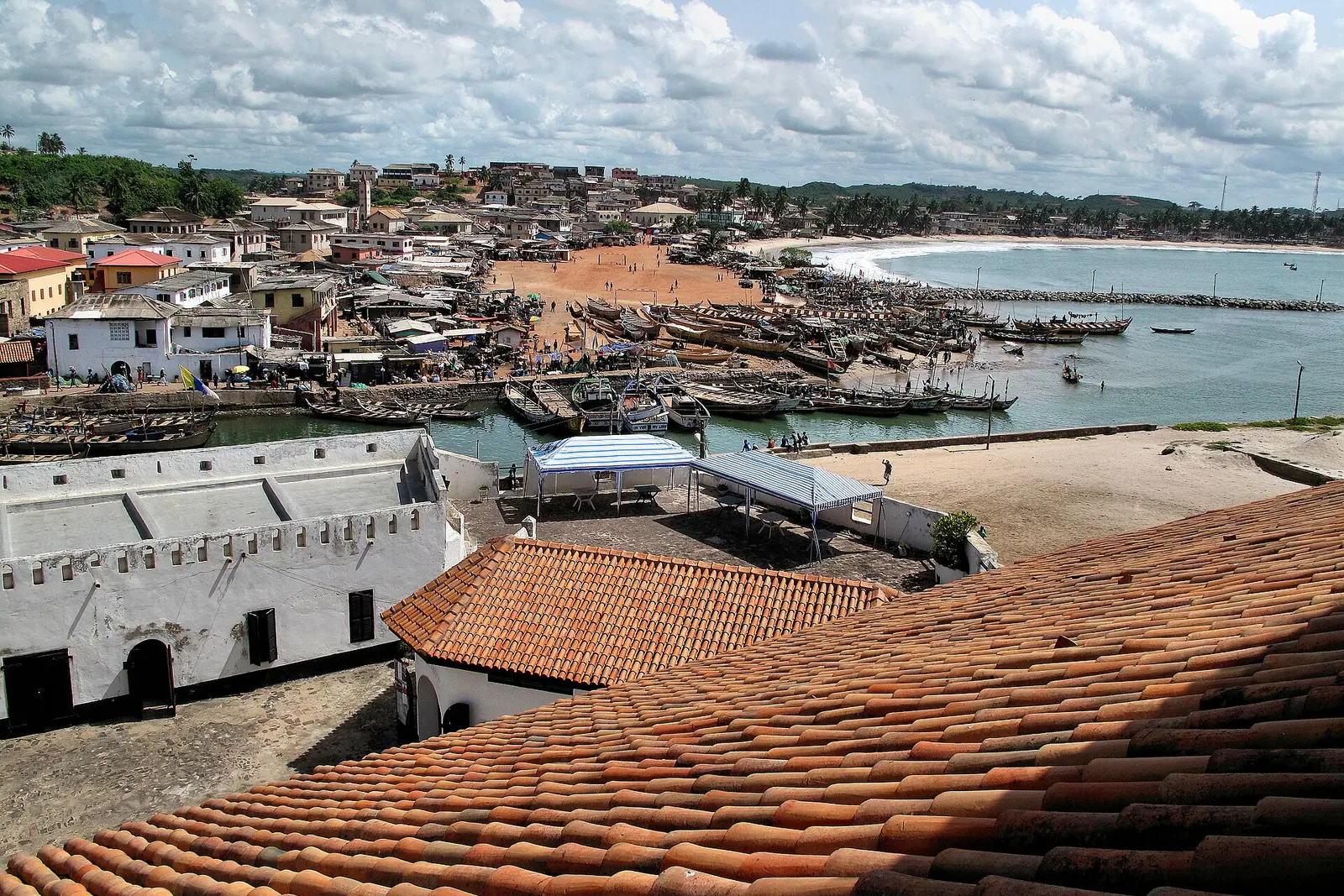
About three hours west of Accra, the Central Region holds the two most consequential historic sites in the country. Cape Coast Castle, a vast whitewashed fortress on the shore, and Elmina Castle, first raised by the Portuguese in 1482 and later expanded by the Dutch, were both hubs of the transatlantic slave trade. Guided tours take you through the dungeons and out to the 'Door of No Return'; the guides are descendants of the communities around them, and the experience is sobering rather than merely scenic. Above Elmina, the small hilltop Fort St Jago gives the finest view of the castle and the fishing harbour below.
Twenty minutes inland, Kakum National Park offers the exact opposite sensation. Its canopy walkway is a series of rope-and-plank bridges suspended up to 40 metres above the rainforest floor, running roughly 350 metres between seven treetops. It sways, it is not for anyone seriously afraid of heights, and it is unforgettable — especially in the early morning before the heat and the tour buses arrive. Below the canopy, guided forest walks reveal hornbills, forest elephants' tracks and enormous buttress-rooted trees.
Base yourself in Cape Coast or Elmina for two or three nights, allowing a day for the castles and a morning for Kakum. August brings PANAFEST and Emancipation Day ceremonies that fill the castles with drumming, libation and diaspora returnees. June and July are wet and green; the dry, bright stretch from November to March is the most comfortable.
Kumasi and the Ashanti Heartland
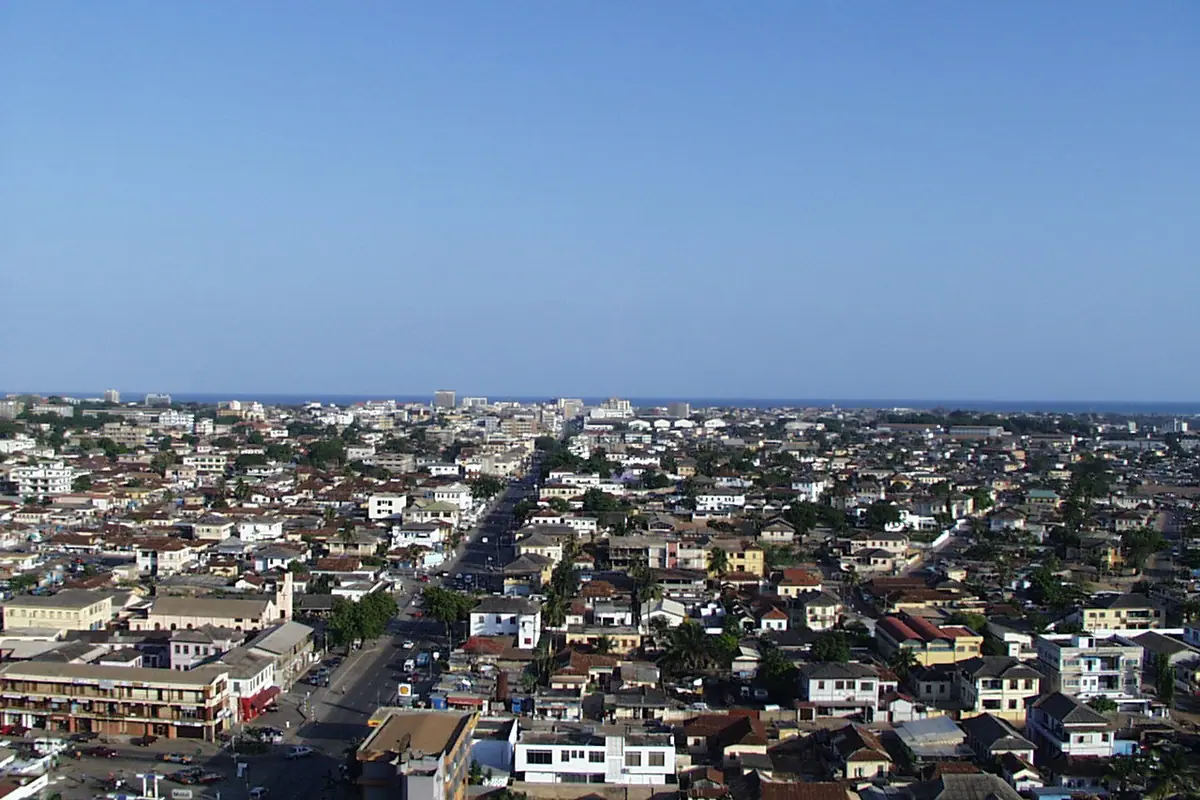
Kumasi is the seat of the Asantehene, the Ashanti king, and its cultural weight is unmistakable. The Manhyia Palace Museum occupies the former royal residence and displays the drums, gold regalia and personal effects of past kings, with guides who explain the meaning behind each symbol. If your visit happens to coincide with Akwasidae — a royal durbar held roughly every six weeks — you will see the king in full ceremonial dress, umbrellas spinning and horns blaring. Kejetia Market, sprawling across thousands of stalls, is the largest open-air market in West Africa and a world of its own.
The surrounding villages are where the country's most famous crafts are made. Bonwire is the home of kente, the strip-woven cloth of gold and indigo, and you can watch weavers work foot-treadle looms and buy directly. At Ntonso, artisans stamp adinkra symbols onto cloth with carved calabash stamps and thick, dark bark dye; in Ahwiaa, carvers turn blocks of wood into stools and masks. All three are within an easy drive of the city.
Give Kumasi two nights, then head roughly an hour south-east to Lake Bosomtwe, a near-perfect circular crater lake formed by a meteorite impact roughly a million years ago. Villages ring the shore, and a hike or bicycle circuit of part of the rim, followed by grilled tilapia at a lakeside guesthouse, is one of the most peaceful afternoons in Ghana. The Accra–Kumasi road takes four to five hours by car or coach.
Mole National Park and the Northern Savannah
Ghana's largest and best wildlife reserve covers more than 4,000 square kilometres of rolling savanna, escarpment and gallery forest. Mole is known above all for its elephants, which can be watched on foot with an armed ranger — a rare privilege in West Africa — along with kob, bushbuck, warthogs, baboons and more than 300 recorded bird species. Walks run at dawn and in the late afternoon when the light is low and the animals move; the mid-day heat empties the plains, so plan around it rather than fighting it.
The landscape itself is the other draw: a 120-metre escarpment drops away to a dam where elephants and antelope gather, and the view from the ridge at sunset is worth the long journey north alone. Nearby, the Larabanga Mosque is a 15th-century Sudanese-style structure of mud and reeds, considered one of the oldest mosques in the country, and the Mognori Eco Village offers canoe trips and cultural walks led by residents.
The north is best from November to April, when the grass is short and water is scarce, concentrating wildlife. Getting there means either a domestic flight to Tamale followed by a two- to three-hour drive, or a long overnight coach from Kumasi or Accra. Bring a headlamp, cash, and long sleeves for the mosquitoes — this is savanna, not city.
The Volta Region: Waterfalls, Mountains and Monkey Sanctuaries
East of Lake Volta, the land rises into green hills that feel entirely different from the coast. The star attraction is Wli (Agumatsa) Waterfalls, the tallest in West Africa, reached by a 45-minute forest walk from the village that crosses a series of small, swallow-filled bridges. In the wetter months the falls thunder; in the dry season they run in twin threads, and a cold plunge pool waits at the base for anyone brave enough to wade in.
Nearby, Mount Afadja (Afadjato) is Ghana's highest peak at 885 metres — a steep three- to four-hour return hike through farmland and forest, with views into neighbouring Togo on clear days. The Tafi Atome Monkey Sanctuary protects a troop of sacred Mona monkeys that villagers have long considered guardians; they are habituated and will approach closely for bananas, which makes it a great stop for families.
Farther south, Lake Volta — one of the world's largest man-made reservoirs, held back by the Akosombo Dam — offers boat cruises past drowned islands and riverside villages, plus the birdlife of the Dodi Islands and the coastal history of Keta with its small Fort Prinzenstein. Base yourself in Hohoe or Ho, allow two to three nights, and note that the region is greenest and most dramatic from May to October while the harmattan months are hazier and drier.
Festivals, Food and Getting the Timing Right
Ghana's calendar is built around festivals, and planning a trip around one transforms a good visit into a great one. In August the Ga people of Accra celebrate Homowo with the sprinkling of kpokpoi and wild drumming; May brings the deer-hunting Aboakyer festival to Winneba. Akropong holds Odwira in September or October, Kumasi hosts Akwasidae throughout the year, and August's Chale Wote street-art festival turns Jamestown into an open-air gallery where murals, drumming and performance spill across whole blocks.
Food is another reason to come. Waakye — rice and beans simmered with millet leaves — is the classic breakfast, sold from stalls and wrapped in leaves; banku with grilled tilapia and pepper sauce is the lunchtime benchmark; fufu pounded with light soup is dinner in most homes. Seek out kelewele, spiced fried plantain, and bofrot doughnuts in the evening, and note that Ghana's cocoa is among the world's finest, so chocolate here tastes of the place.
Timing: the dry season from November to March is the most comfortable nationwide, with December to February carrying the dusty harmattan haze that dims views but cools the air. Southern Ghana has two rainy seasons — the heavy one from April to June and a lighter one in September and October — while the north is a single wet season from roughly June to September. Pack light cottons, a rain shell, sunscreen, mosquito repellent, and a yellow-fever vaccination certificate, which is required for entry. Cash is king in markets and villages, though mobile money is used almost everywhere.
Frequently asked questions
What is the best time of year to visit Ghana?
November to March is the sweet spot: dry, sunny and comfortable across most of the country, and prime game-viewing season in the northern savanna. Be aware that December to February brings the harmattan, a dusty wind that can haze distant views. The heaviest rains fall in the south from April to June, with a lighter wet spell in September and October, while the north sees one rainy season roughly between June and September.
How many days do you need in Ghana?
Ten days to two weeks covers the classic loop well: two to three days in Accra, two or three in Cape Coast and Elmina for the castles and Kakum's canopy walkway, two in Kumasi and around Lake Bosomtwe, and three in the north for Mole National Park. Add extra time if you want the Volta Region's waterfalls and mountain hikes, which deserve two to three nights on their own.
What are the absolute must-visit attractions in Ghana?
Cape Coast Castle and Elmina Castle for history, Kakum National Park's canopy walkway for rainforest, Mole National Park for elephants and walking safaris, Kwame Nkrumah Memorial Park and Independence Square in Accra, the Manhyia Palace Museum and Kejetia Market in Kumasi, and Wli Waterfalls with nearby Mount Afadja in the Volta Region.
Is Ghana easy to travel around without a tour?
Yes, though it takes patience. English is the official language, and shared minibuses called tro-tros connect almost everywhere cheaply but slowly. Long-distance coaches link Accra, Kumasi, Cape Coast and Tamale comfortably, and domestic flights cut the trip north to about an hour. In Accra and Kumasi, ride-hailing apps work well. For Mole and the remoter Volta villages, hiring a car and driver is the least stressful option.
What should I know about money and health in Ghana?
The currency is the Ghana cedi, and while cards work in larger hotels and supermarkets, markets, tro-tros and village guesthouses run on cash — mobile money is also widely accepted. A yellow-fever vaccination certificate is required for entry, malaria is present year-round so prophylaxis and repellent are essential, and bottled or filtered water is the safe default. ATMs are common in cities but scarce in the far north, so carry a cash buffer.
Plan it — experiences in Ghana
Live search, booked directly with trusted providers.
Sort the rest of your trip
Everything for Ghana, in one place

More guides in Ghana
One Week in Ghana: A Flight-Based Itinerary Through Accra, Mole, Kumasi and the Cape Coast
Best Time to Visit Ghana: Seasons, Festivals and When to Book Your Hotel
Hotels in Ghana: Where to Stay for Accra, Cape Coast, Kumasi, Mole and the Volta
Best Things to Do in Ghana: Landmarks and Must-See Sights