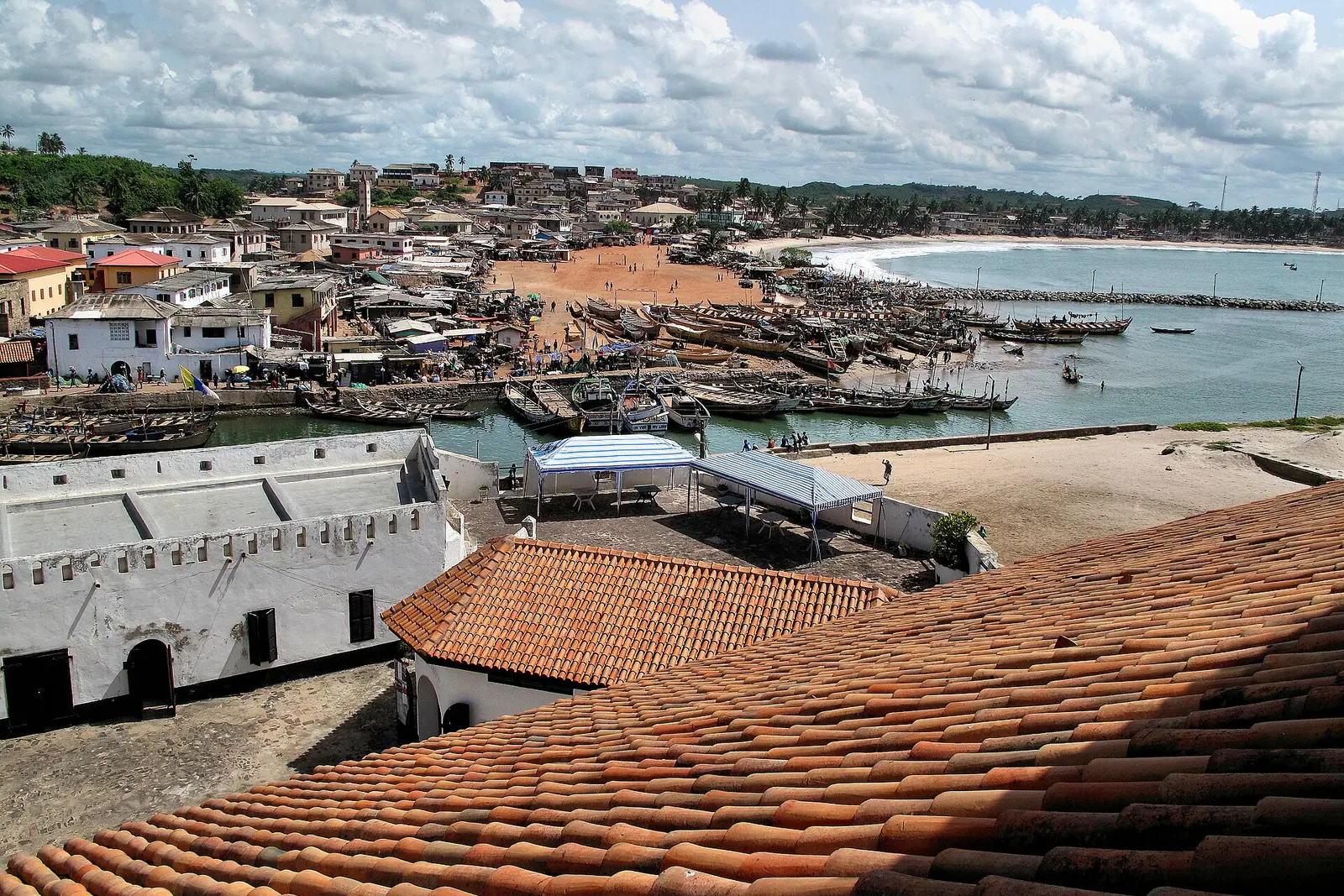
Ghana changes character with the wind: from December to February the harmattan haze softens the sky over Accra, the north turns cool and dusty, and every decent room between Labadi and Cape Coast is spoken for. Choose your weeks carefully and you can have Cape Coast Castle almost to yourself, or stand under Wli Waterfalls at full roar.
How Ghana's Two Seasons Shape Where You Sleep
Ghana sits only a few degrees north of the equator, so temperatures hover between roughly 24°C and 34°C all year. What actually changes is rain and dust. The country runs on two overlapping weather systems: the forested south and the coast — Accra, Cape Coast, Kumasi, the Volta Region — get a major rainy season from about April to July and a shorter one in September and October. The northern savannah around Tamale, Mole and Larabanga has a single wet season from June to September, followed by a long, parched dry spell.
That split matters more for hotel choice than you might expect. In the south, the dry months from November to March mean beach resorts at Ada Foah, Busua and Dixcove fill up, coastal castles draw steady crowds, and roads into places like Kakum National Park stay firm and easy. In the north, the dry season is the only comfortable window for Mole National Park: January to March brings cool mornings, thin vegetation that makes elephants easier to spot, and nights that genuinely need a jumper.
The harmattan, a dry dusty wind blowing down from the Sahara, arrives somewhere between late November and February. It mutes the sky into a pale haze, dries your skin within hours and drops humidity so much that Accra suddenly feels breathable. Some travellers love the soft photographic light; others find the grit irritating. Either way, it defines the high season, and hotel availability in December and early January tightens dramatically.
November to March: The Dry Season and Ghana's Busiest Booking Window
This is peak Ghana. Days are mostly sunny, rain is rare in the south, and the harmattan haze gives coastal sunsets a smudged, painterly quality. December and the first week of January are the absolute crunch: Ghanaians abroad return home en masse, families book out coastal resorts, and Accra's hotels around Osu, Cantonments and the Airport Residential Area sell out weeks ahead. Expect minimum-night stays, higher rates and less flexibility on room type if you leave it late.
Book December accommodation two to four months ahead, and be prepared to pay a premium for anything with a pool or sea view. If you are flexible, aim for mid-January to mid-March instead. The harmattan eases, the crowds thin out, rates soften, and the weather is arguably at its best — dry, bright and not punishingly humid. February is a quiet sweet spot for the coast and for the castles.
In the north, this same window is the reason to come. Mole National Park's safari season runs roughly November to April, with January and February offering the most comfortable game drives and walking safaris, usually a couple of hours at dawn and again in the late afternoon. Nights at the park's lodges and in nearby Damongo can be chilly, so pack a light fleece alongside your shorts.
April to Mid-November: Rain, Green Hills and Cheaper Rooms
Ghana's rainy season has a bad reputation it does not entirely deserve. In the south, rain usually arrives as a heavy afternoon or evening downpour lasting an hour or two, with bright mornings on either side. Between May and July the countryside turns a deep, saturated green, waterfalls thunder, and hotel rates drop noticeably outside the festival weekends. The trade-off is mud, humidity and the occasional washed-out road.
Late September and October bring the shorter southern rains, which are lighter and less disruptive than the spring deluge. This is an underrated time to visit: Kakum National Park's canopy walkway is lush and dripping, the forts along the coast are quiet, and you can often negotiate a better room rate in Cape Coast or Elmina on the day. Just accept that the canopy walkway gets slippery, and wear shoes with grip rather than sandals.
The Volta Region rewards wet-season travel. Wli Waterfalls, near Hohoe, is at its most spectacular from roughly June to September, when the volume of water turns it into a roaring curtain; in the dry months it can shrink to a relative trickle. Mount Afadja, Ghana's highest point, is a steep but manageable couple of hours up through farmland and forest, and the Tafi Atome Monkey Sanctuary nearby stays green and quiet. Rain gear, quick-dry clothing and strong mosquito repellent are essential packing in these months.
The Must-See Landmarks — and the Best Months for Each
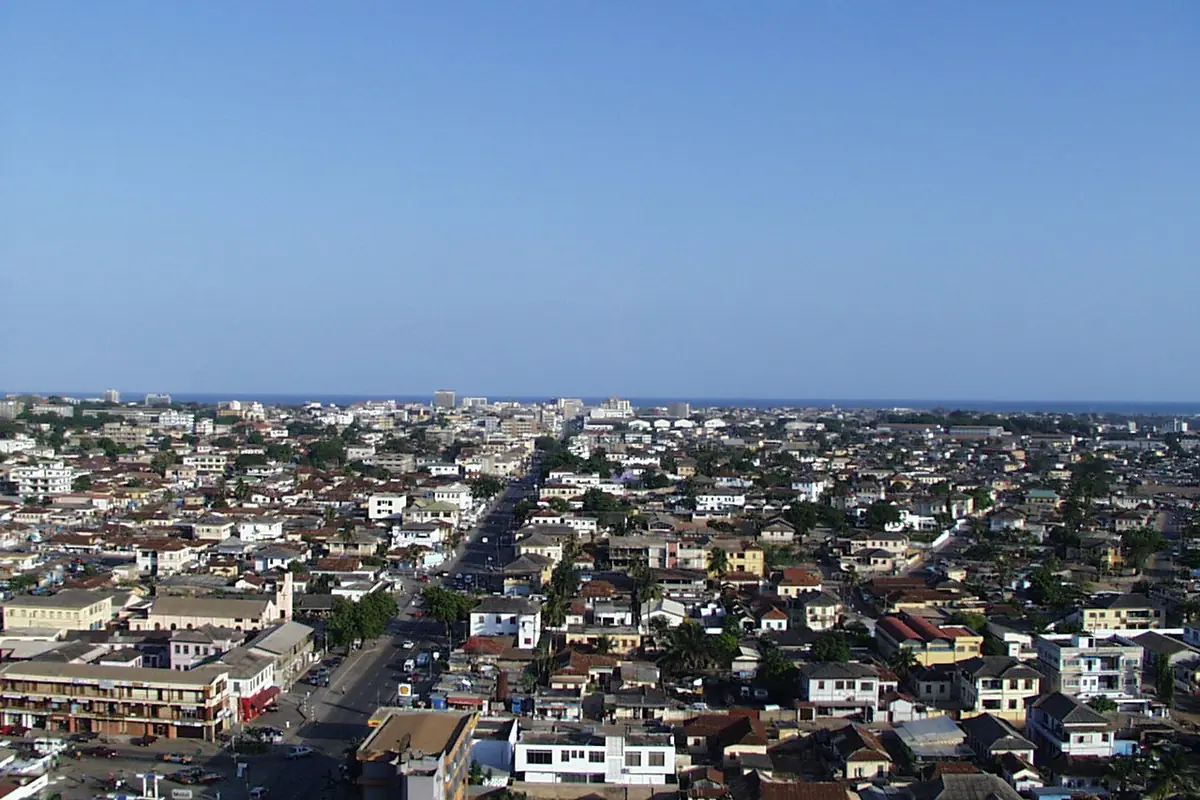
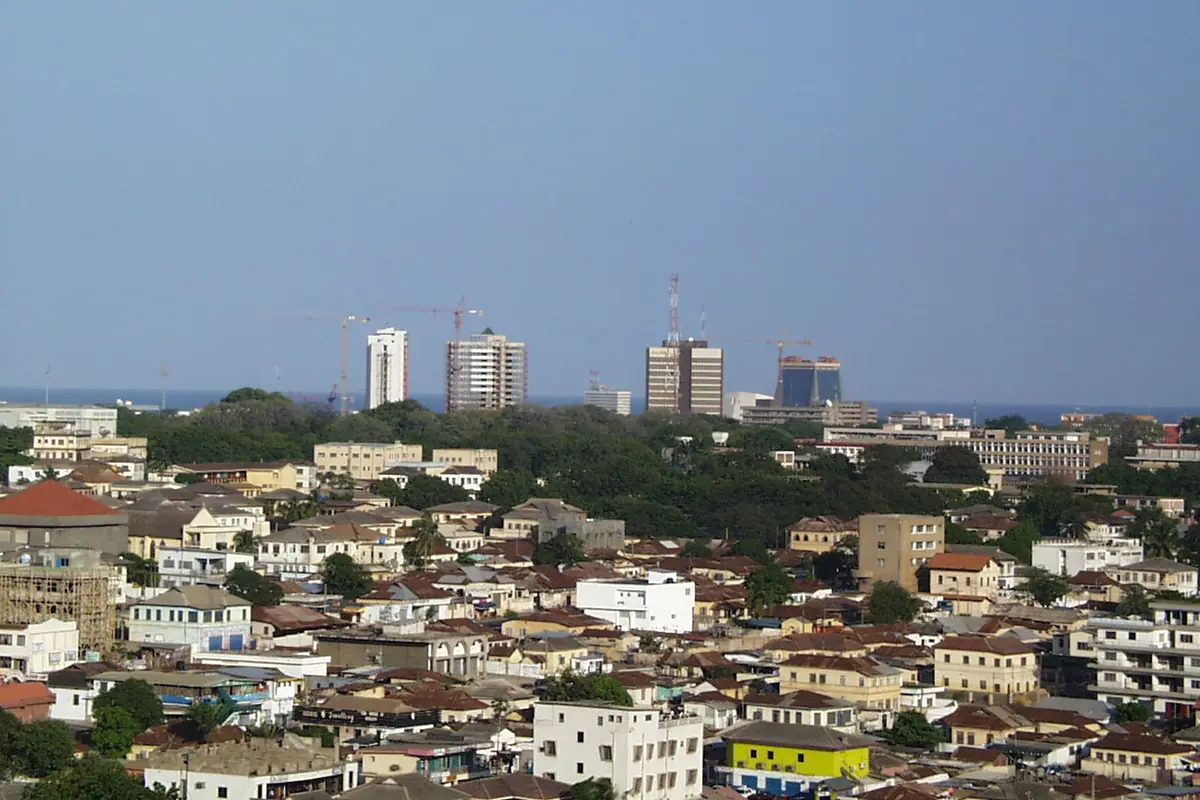
A first trip to Ghana almost always follows the same spine of sights, and each one has an ideal season. Start in Accra: Independence Square with its Black Star Gate, the Kwame Nkrumah Memorial Park and Mausoleum, Jamestown's lighthouse and colonial-era streets, and the sprawling colour of Makola Market. The capital is hot and humid year-round, but December to February is far more bearable for long walking days, and the city's beaches — Labadi and the quieter stretches towards Prampram and Ada Foah — are at their best then.
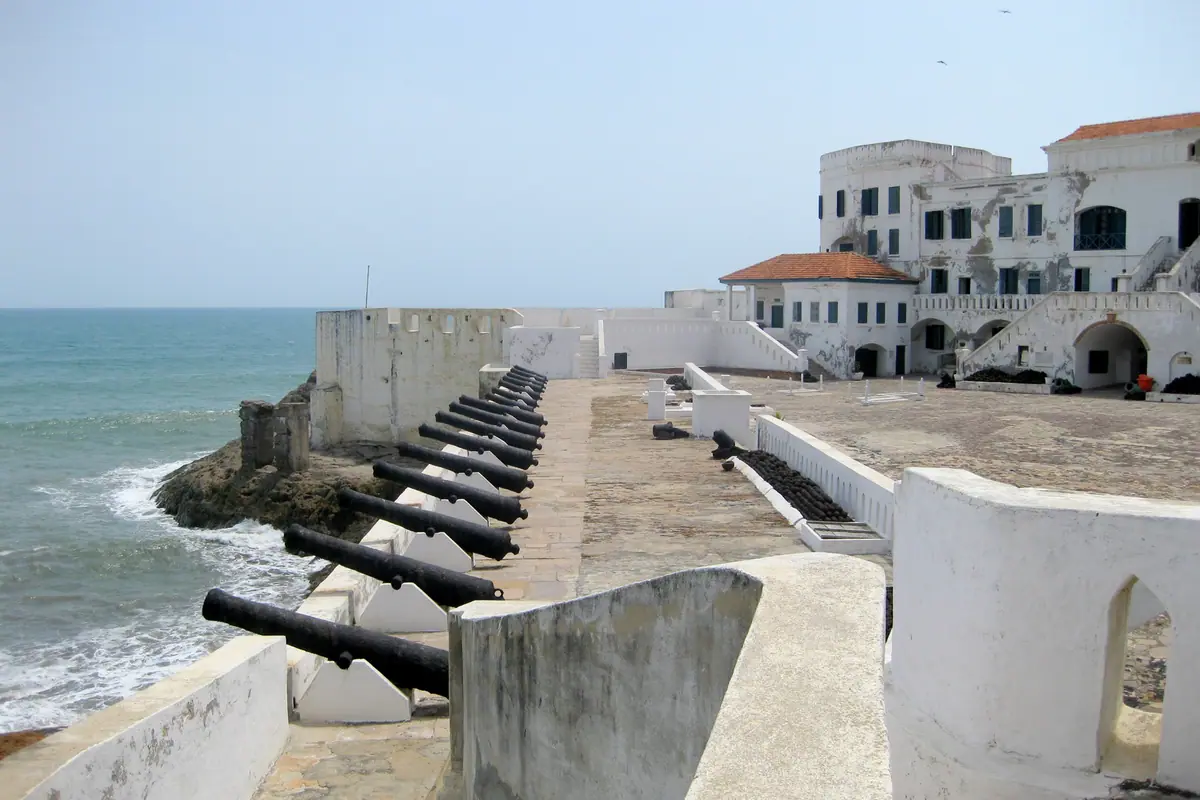
Head west to Cape Coast and Elmina, where two UNESCO-listed castles anchor the country's most sobering and important history. A guided tour of Cape Coast Castle, including the door of no return, takes around two hours; allow half a day for Elmina Castle and the Dutch Cemetery nearby. The dry season from November to March keeps the coastal humidity in check and the sea views clear. Inland, Kakum National Park's famous canopy walkway — a series of rope bridges strung high above the forest floor — is around 45 minutes from Cape Coast and works year-round, though it is most comfortable in the dry months.
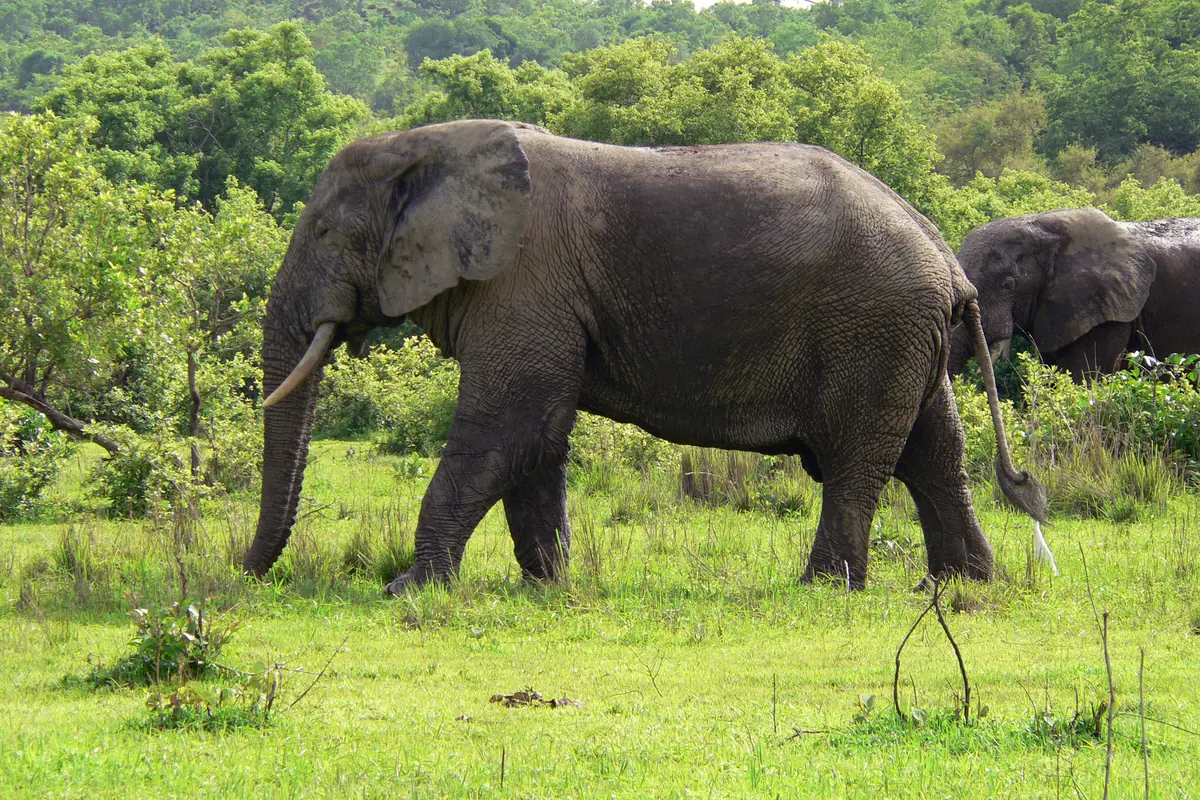
Inland and north, Kumasi offers the Manhyia Palace Museum, the living heart of Ashanti royalty, plus the overwhelming Kejetia Market and the peaceful crater lake at Bosomtwe, roughly an hour away. Further north still, Mole National Park is Ghana's premier wildlife destination, with elephants, antelopes and hundreds of bird species, best from January to March. Nearby, the ancient Larabanga Mosque — a whitewashed Sudanese-style building said to be centuries old — makes an easy half-day add-on. The drive from Accra to Mole can take ten to twelve hours, so most visitors fly to Tamale and continue by road.
Festivals and Holidays That Fill Every Room
Ghana's festival calendar is one of the strongest reasons to plan ahead — and one of the biggest causes of last-minute hotel panic. Homowo, the Ga harvest festival celebrated in and around Accra, brings drumming, processions and family gatherings, usually across August and September. Aboakyer in Winneba, held in May, draws crowds for its dramatic deer-hunting procession, while the Hogbetsotso festival at Anloga in the Volta Region, on the first Saturday of November, marks the Anlo people's exodus from their old kingdom with elaborate regalia and dance.
In Kumasi, Akwasidae ceremonies at the Manhyia Palace take place roughly every six weeks on a Sunday, filling the city's guesthouses. In the north, the Damba festival and various yam festivals shift with the lunar and agricultural calendars, generally landing in the dry season. If your trip coincides with any of these, treat accommodation as urgent rather than optional — smaller towns such as Winneba, Anloga and Damongo have limited rooms, and they go first.
Fixed national holidays matter too. Independence Day on 6 March brings parades and ceremony to Black Star Square in Accra, and Easter weekend is a major domestic travel period when coastal resorts fill with families from Kumasi and the capital. For Christmas and New Year, book as early as you realistically can; this is the single busiest fortnight in Ghana's hotel year, and some coastal properties impose multi-night minimum stays.
Practical Booking Wisdom: Where to Base Yourself and When to Reserve
Choose your base according to what you want to see, then match it to the season. Accra suits city culture, nightlife and as a transport hub; the Osu, Cantonments and Airport Residential districts have the widest range of hotels, while Labadi and La offer beach access. Cape Coast and Elmina are the right bases for castle history and Kakum. Kumasi is the gateway to Ashanti culture and Lake Bosomtwe. Tamale and Damongo serve Mole National Park, and Hohoe or Ho work for Wli Waterfalls and Mount Afadja.
When enquiring about a room, ask directly about backup power generators, air conditioning, water storage and Wi-Fi reliability — power and water interruptions do happen, and the difference between a comfortable stay and a trying one usually comes down to these details. Beach hotels and smaller guesthouses in the south can feel damp during the rains, so a room with proper ventilation or air conditioning is worth the upgrade. In the north during harmattan, ask for extra blankets; nights near Mole genuinely get cold.
Finally, let the trip's shape dictate the timing. If your priority is Cape Coast Castle, Elmina and Accra's landmarks, come between November and March and book December well ahead. If you want Wli Waterfalls at full force and green, empty landscapes, target June to September and accept afternoon rain and lower rates. For Mole's elephants and cool, clear safari mornings, January to March is unbeatable. Whichever you choose, a little foresight about Ghana's seasons turns a good trip into an easy one.
Frequently asked questions
What is the single best month to visit Ghana?
February is arguably the sweet spot: the harmattan haze has usually eased, the south is dry and sunny, coastal castles and beaches are comfortable, and crowds and rates have dropped since the December rush. For northern safaris, January to March offers the coolest, clearest conditions in Mole National Park.
How far in advance should I book a hotel in Ghana for December?
Two to four months ahead for December and the first week of January, especially for beach resorts around Accra, Ada Foah, Cape Coast and Busua. Some coastal hotels impose minimum-night stays over Christmas and New Year, so confirm the terms when you enquire.
Is the rainy season a bad time to visit Ghana?
No — it is simply a different trip. Rain in the south usually falls in short, heavy bursts, leaving bright mornings. You get lush green scenery, powerful waterfalls such as Wli, thinner crowds and softer room rates. The main drawbacks are mud, humidity and occasionally rough rural roads, particularly towards Mole and Nzulezu.
Which months suit which landmarks best?
November to March is ideal for Cape Coast Castle, Elmina Castle, Kakum's canopy walkway, Accra's Independence Square and the coastal beaches. January to March is best for Mole National Park and Larabanga Mosque. June to September brings Wli Waterfalls and Mount Afadja to life in the Volta Region, while Kumasi's Manhyia Palace and Lake Bosomtwe work well year-round.
What should I pack for Ghana depending on the season?
For the dry season, bring light layers for cold northern nights, sunscreen, sunglasses and lip balm for the harmattan dust. For the rains, pack a rain shell, quick-dry clothing, sturdy grippy footwear for trails and waterfalls, and strong mosquito repellent. Year-round, modest clothing is appreciated at shrines, palaces and festivals.
Sort the rest of your trip
Everything for Ghana, in one place
Transfer in Ghana
Private driver waiting on arrival — no queues, no surprises.
Book a transfer
Things to do in Ghana
Skip-the-line tickets, guided tours and standout experiences.
See experiences
Stay online in Ghana
Travel eSIM — data the moment you land, no roaming bills.
Get an eSIMMore guides in Ghana
One Week in Ghana: A Flight-Based Itinerary Through Accra, Mole, Kumasi and the Cape Coast
Hotels in Ghana: Where to Stay for Accra, Cape Coast, Kumasi, Mole and the Volta
Best Places to Visit in Ghana: Castles, Canopies and Savannah
Best Things to Do in Ghana: Landmarks and Must-See Sights