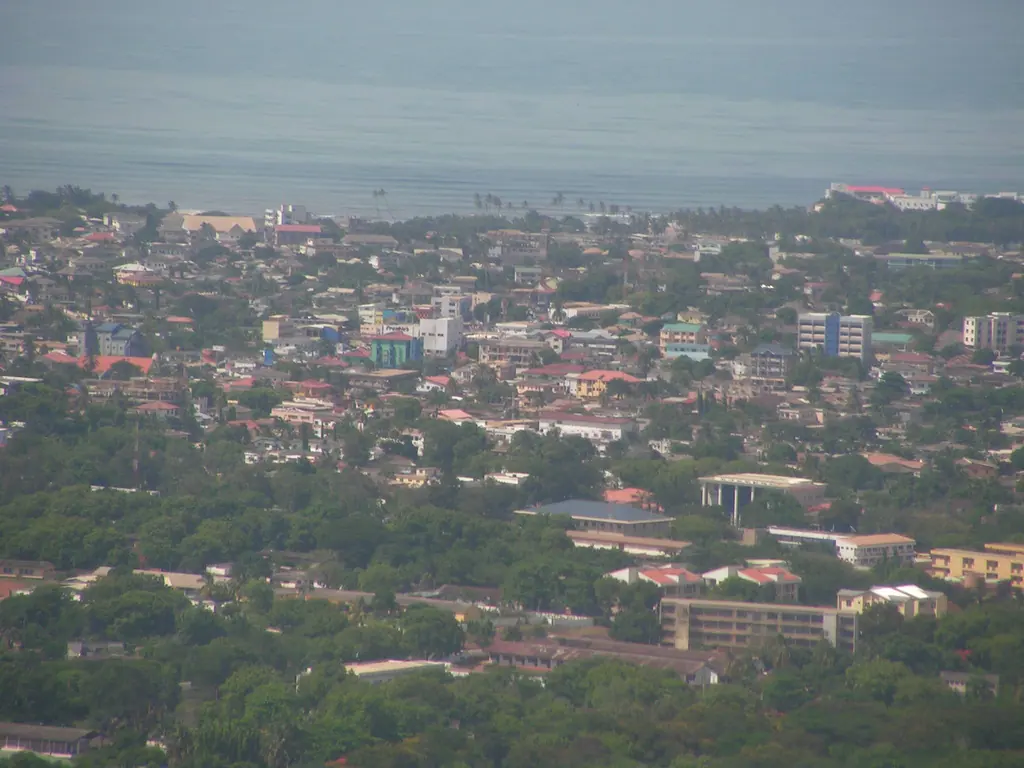
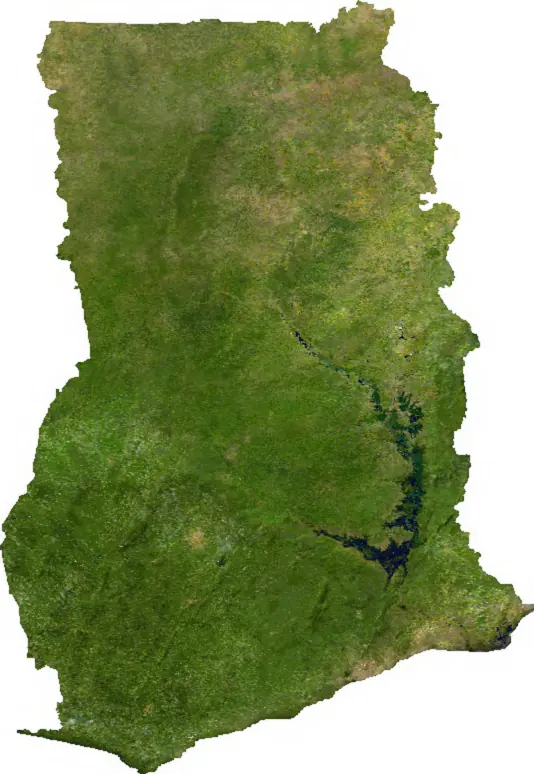
Ghana hits you first through the senses: charcoal smoke and kelewele at dusk, drumming drifting from a Jamestown courtyard, the slap of Atlantic waves beneath a castle wall. It is a country where a bowl of fufu, a kente loom and a 400-year-old trading fort all belong to the same conversation. This guide follows the food, the festivals and the landmarks that make a first trip here unforgettable.
The First Bite: Street Food and Chop Bars Across Ghana
Ghanaian cooking rarely fusses — it gets the fundamentals right. A starch arrives first: pounded fufu, fermented banku or kenkey wrapped in husk. Then comes the soup or stew with real depth, whether light soup sharpened with pepper and tomato, rich palm nut soup, groundnut soup, or kontomire greens stewed with egusi seeds. Order banku with grilled tilapia and fresh pepper sauce, waakye piled with spaghetti, boiled egg, gari and shito, or red red — black-eyed beans in palm oil with fried plantain. Chop bars, the small open-fronted kitchens found in every neighbourhood, serve all of it at communal tables, and eating with your right hand is part of the pleasure.
Breakfast is its own ritual: koko, a warm millet or maize porridge, with koose, a fried bean cake, or a soft, sugared bofrot. By dusk, the same streets fill with kelewele — ginger-and-chilli cubed plantain — and chichinga skewers turning over coals. Wash it down with sobolo, a deep-red hibiscus infusion, ginger beer, or asaana, a caramelised corn drink sold from buckets. In the Volta and Western regions you can taste palm wine tapped that morning, and everywhere you'll find akpeteshie, a fierce local spirit distilled from palm. Start mild, ask for 'small pepper', and let your tolerance build.
Accra: Makola Market, Jamestown and Black Star Square
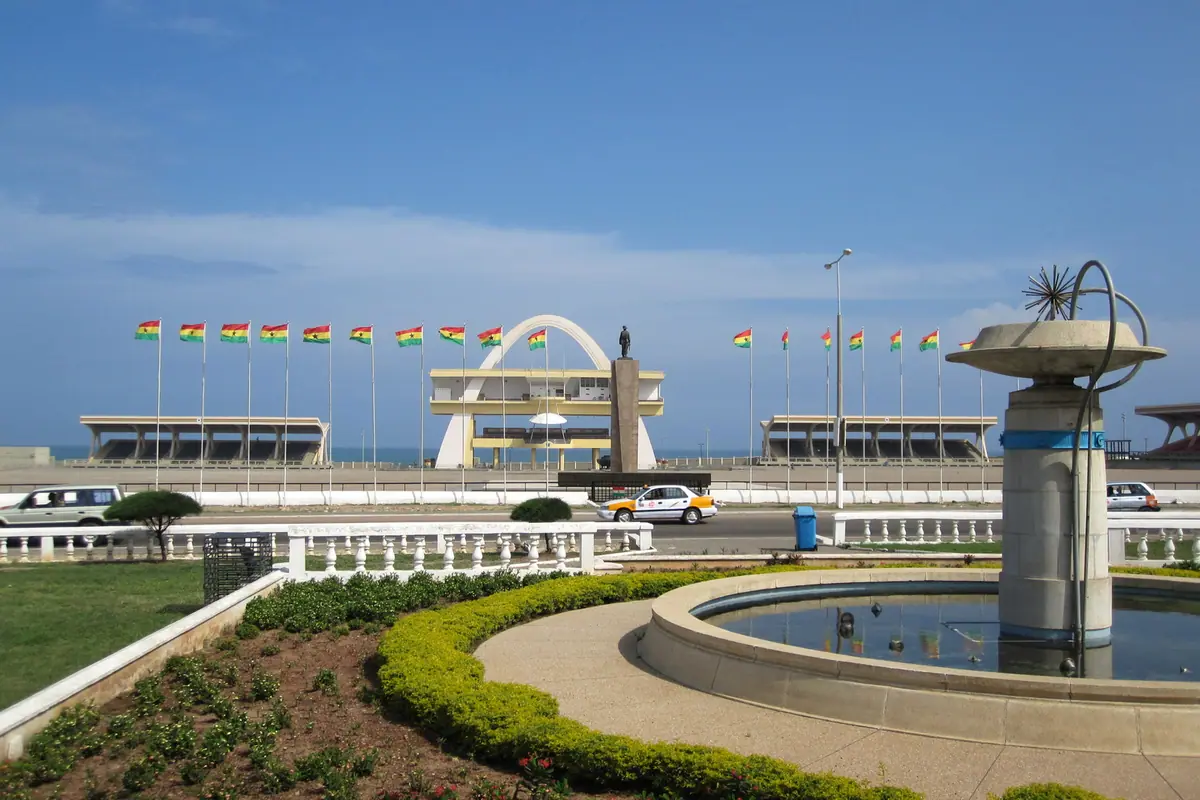
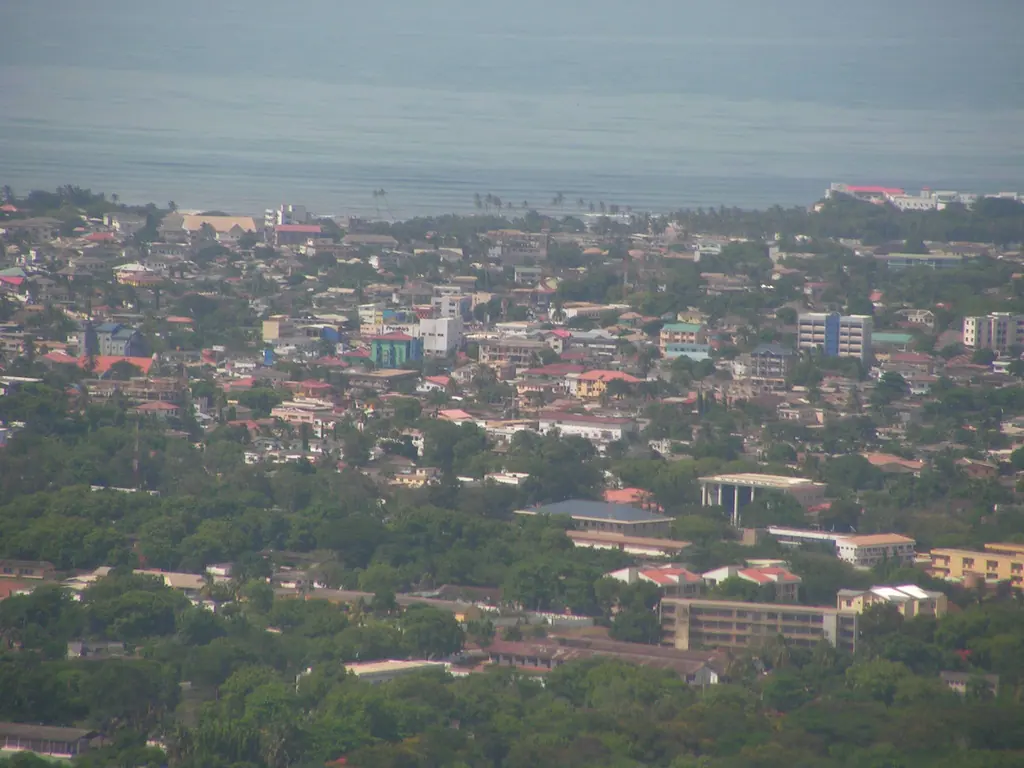
Begin in the formal heart of the capital. Independence Square opens onto the Black Star Gate, a monumental arch framing the Gulf of Guinea, and a few minutes' walk away the Kwame Nkrumah Memorial Park holds the mausoleum of Ghana's first president among fountains and palms. The National Museum of Ghana nearby gives you the country's history in an hour, from Ashanti goldweights to independence-era photography. Budget two to three days in Accra, and spend the first morning doing nothing more ambitious than walking the Osu district, where street grills and coffee shops sit side by side.
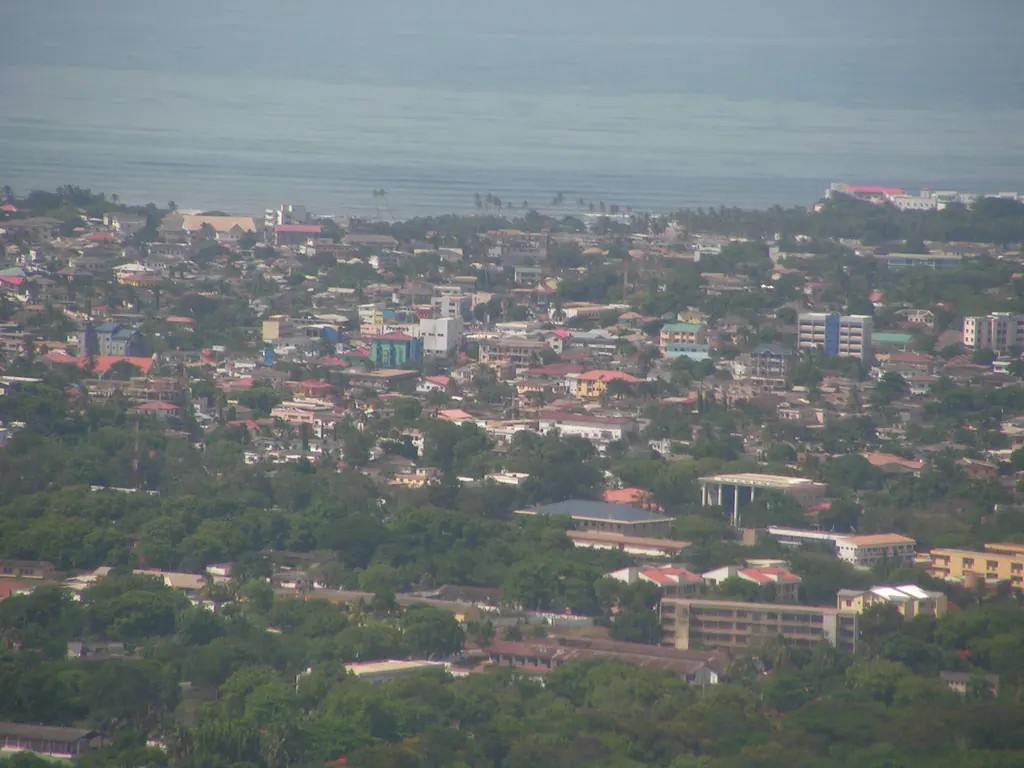
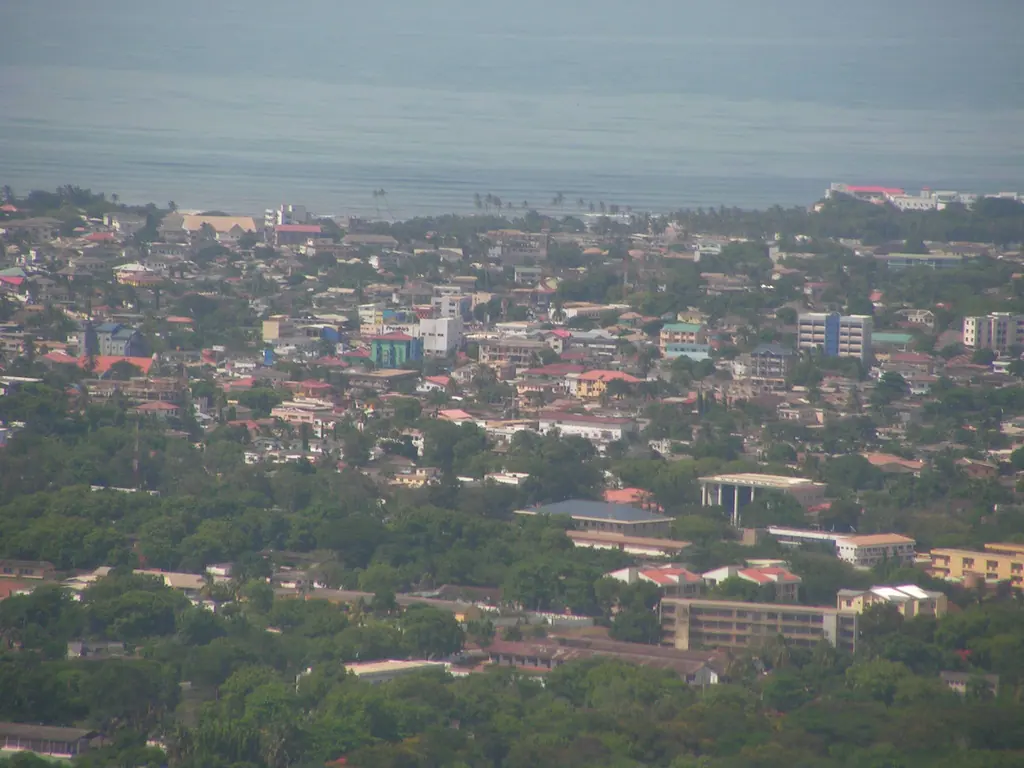
Then head west to Jamestown, the old colonial harbour, where the lighthouse can be climbed for a view over corrugated roofs, fishing canoes and the sweep of the coast. Ussher Fort and the surrounding lanes have become the city's creative quarter, and in August the Chale Wote street art festival turns walls, courtyards and the beach road into open-air galleries. On weekends, Labadi Beach fills with drumming, horse riders and families; if you want a quieter stretch of sand, push further east towards Ada.
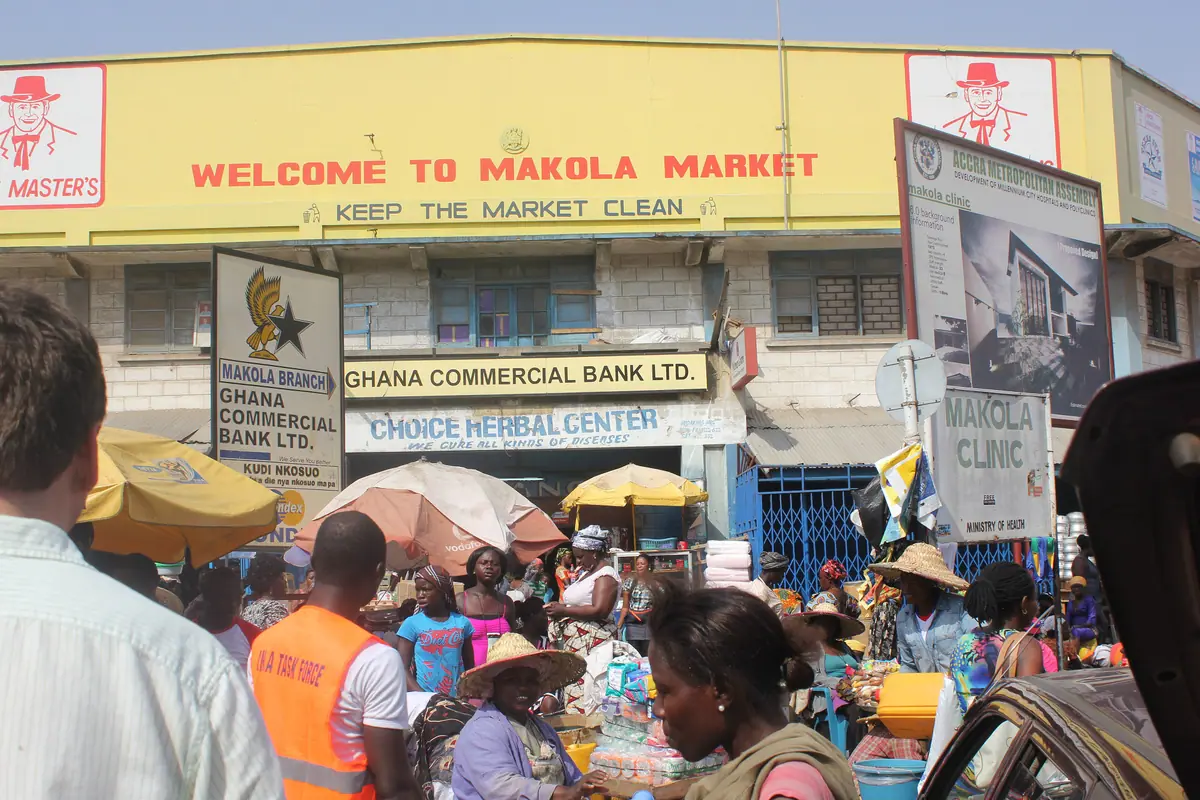
Makola Market is the city's commercial engine and its best introduction to Ghanaian retail theatre — fabrics, yams, cosmetics, hardware and fish, all announced at volume. Go early, keep valuables close, and greet stallholders before you ask a price; it changes the entire transaction. Nima Market, further north, is smaller and more everyday. For a slower afternoon, the Du Bois Memorial Centre gives context to the pan-African story that runs through this city.
Cape Coast, Elmina and the Canopy Walk at Kakum
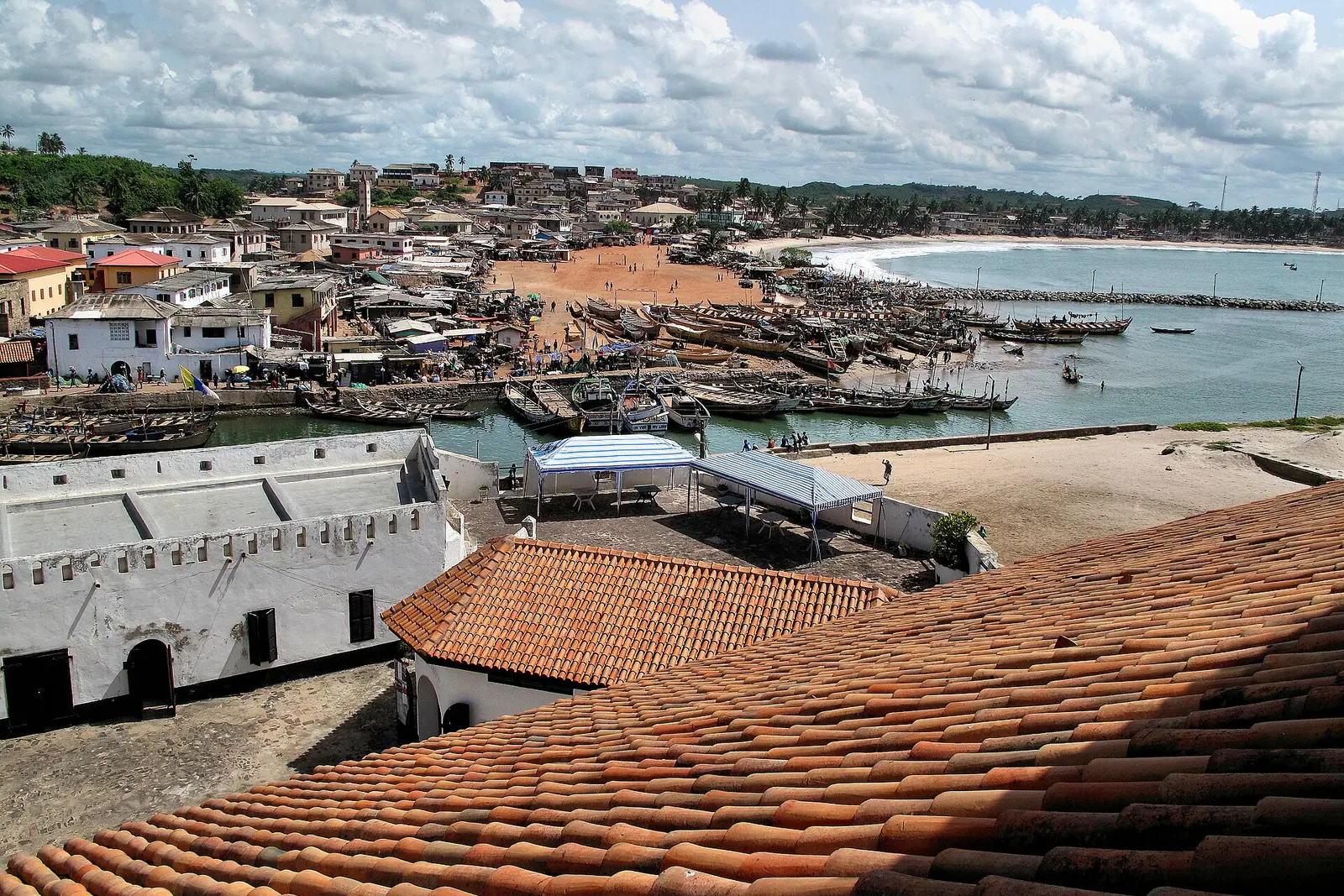
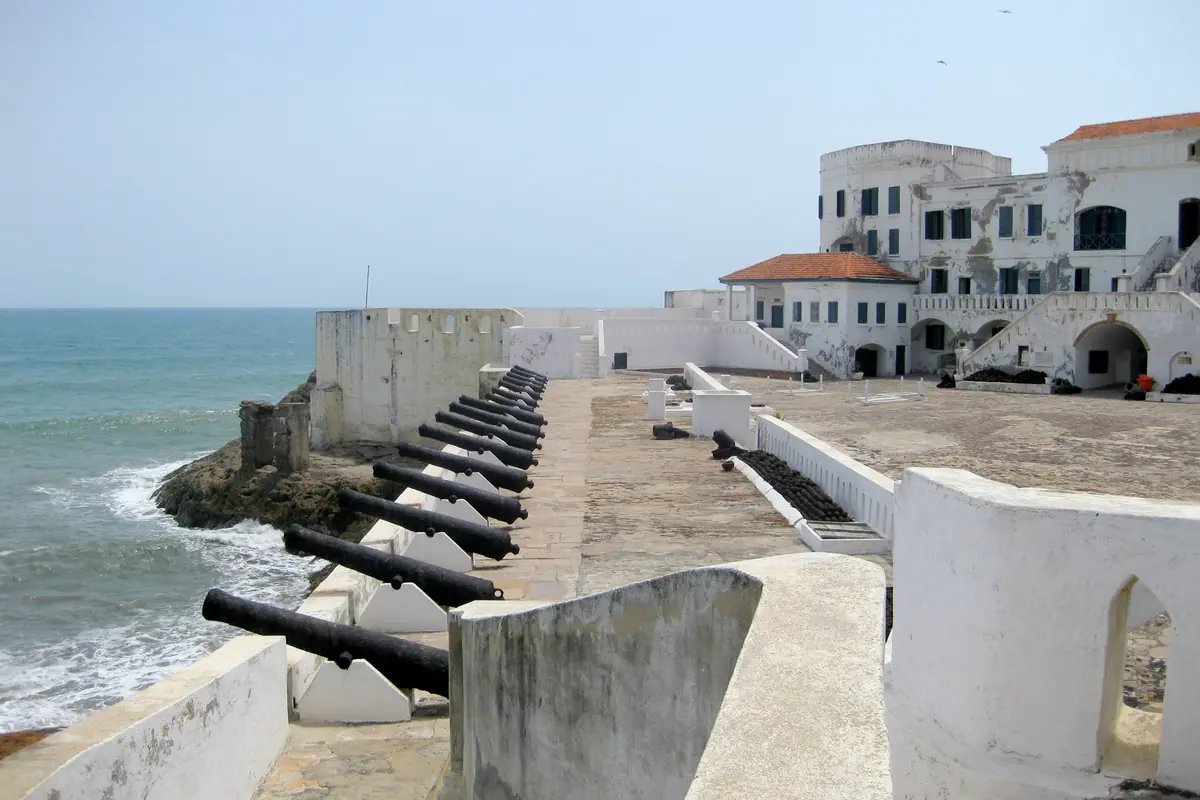
The Central Region carries the heaviest history in Ghana. Cape Coast Castle and Elmina Castle, both listed as World Heritage sites, were nodes in the transatlantic slave trade, and their guided tours — usually 45 to 60 minutes — lead through courtyards, chapels and the dungeons where captives were held before the 'door of no return'. Go early, ideally midweek, and allow silence afterwards. In Elmina, climb to Fort St. Jago for a view across the Benya lagoon and the crowded fishing harbour, where canoes painted with proverbs and football slogans come in with the tide.
Forty minutes inland, Kakum National Park offers the counterweight. Its canopy walkway strings seven rope-and-plank bridges about 40 metres above the rainforest floor, reached by a steep but short hike. Morning visits are cooler and far better for birds — hornbills, turacos, and if you're lucky, a troop of monkeys crossing the walkway itself. Guided night walks run for those who want to hear the forest without seeing much of it, and the park's trails suit anyone who wants a longer leg-stretch.
Nearby Assin Manso marks the river where captives were given their last bath before being marched to the coast, a quiet, affecting site. Beyond history, this stretch of coast is where you'll eat best: grilled tilapia with pepper, prawns straight off the boats, and fante fante, a one-pot of small fish and palm oil eaten with kenkey. Time your visit for Elmina's Bakatue festival, held on the first Tuesday of July with a colourful canoe regatta, or Cape Coast's Fetu Afahye, which fills the town on the first Saturday of September.
Kumasi, Kente and the Ashanti Craft Villages
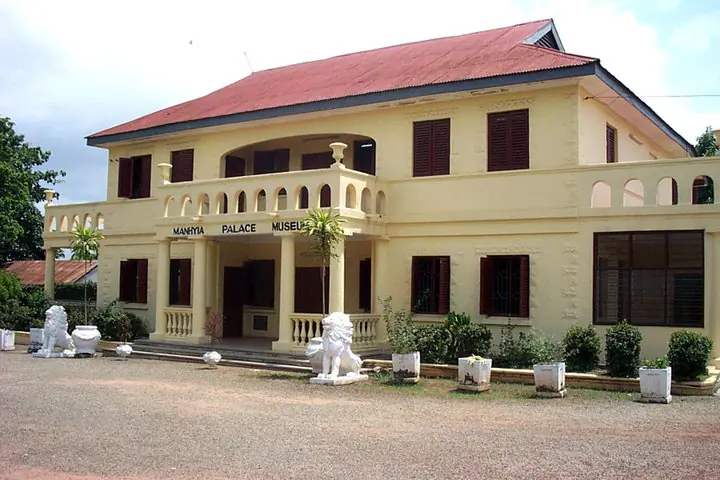
Kumasi is the seat of the Asantehene and the cultural capital of the Akan world. The Manhyia Palace Museum tells the Ashanti royal story through regalia, drums and photographs, and if your trip coincides with Akwasidae — a durbar held roughly every six weeks on a Sunday — you'll see the pomp at full volume: umbrellas, gold, drumming and crowds in their finest cloth. Kejetia Market is said to be the largest open-air market in West Africa, a labyrinth of fabric stalls, provisions and food vendors best explored with a guide and a sense of humour. The Kumasi Fort and Military Museum and the Centre for National Culture round out a full day.
Then get out of the city. Bonwire is the village where kente is woven on narrow-strip looms — you can watch a weaver work and buy by the strip, which is how the cloth is actually made. Ntonso stamps adinkra symbols onto cotton with calabash dies and thick badie ink; Ahwiaa carves stools and masks; and Odumase Krobo, further east, makes beads from recycled glass. Lake Bosomtwe, a crater lake ringed by villages, is a peaceful half-day of hiking or paddling. In Kumasi, expect Ashanti food — fufu in goat light soup, tatale, and Sunday waakye — and understand that Saturday funerals here are public, social and colour-coded occasions.
Heading North: Mole, Larabanga and the Sahel Kitchen
Northern Ghana feels like a different country: wide savannah, shea trees, mud-walled compounds and a drier, hotter rhythm. Mole National Park is the headline, the country's premier wildlife reserve, where you can walk with an armed ranger past elephants, kob, waterbuck, warthogs and baboons, or take the morning and late-afternoon game drives. Vegetation thins between November and March, which is exactly when sightings are best; the harmattan haze of December and January makes mornings cool and photographs soft. Evenings are for stargazing and cold drinks on the terrace above the watering hole.
An hour away, Larabanga Mosque is among the oldest surviving examples of Sudanese mud-and-stick architecture in West Africa, its timber struts jutting from the walls like pegs. Beside it lies the Mystic Stone, tied to local legend. Tamale, the northern hub, is where you should eat: tuo zaafi, millet or maize dough swallowed with ayoyo or okra soup, wasawasa, and rice dishes sold from roadside kitchens. Plan around Damba, with its horseback processions, or Bugum, the fire festival, both of which pull the whole region into the streets.
Waterfalls, the Volta and Getting the Season Right
The Volta Region is Ghana at its greenest. Wli Waterfalls, often called the tallest in West Africa, tumbles down a cliff face that fills with butterflies; the flat walk in takes about 40 minutes each way, and the spray is worth the soaking. Serious hikers climb Mount Afadja, the country's highest point at 885 metres, on a two- to three-hour round trip, while the Tafi Atome sanctuary lets you walk among habituated monkeys. Closer to Accra, Shai Hills Resource Reserve and the Aburi Botanical Gardens make easy day trips, Boti Falls rewards a longer detour, and Ada Foah at the Volta estuary is the place to hire a boat, float past sandbars and eat fresh fish grilled on the shore.
Timing shapes everything. The dry season from November to March brings reliable weather across the whole country and is the window for the north; April to June is the south's heavy rainy season, when afternoon downpours briefly flood Accra's streets and Kakum gets gloriously steamy. The minor rains arrive around September and October. December is busy and expensive in Accra, with diaspora visitors filling hotels and calendars. Festivals are worth planning around: Homowo in Accra in August, Aboakyer in Winneba in May, Odwira in the Eastern Region in September and October.
Give Ghana ten days to two weeks: three in Accra, two around Cape Coast and Elmina, two in Kumasi, three in the north, and the rest in the Volta Region. Tro-tros, the shared minibuses, are cheap and characterful for short hops, while air-conditioned intercity coaches cover long routes. Short domestic flights cut the Accra-to-Tamale journey to about an hour and fifteen minutes. Carry cash in cedis — mobile money is everywhere but cards are not — bring a yellow fever certificate, take malaria precautions, and learn a greeting or two in Twi, Ga, Ewe or Dagbani. It opens doors, and it's usually the start of a longer conversation.
Frequently asked questions
What is the best time of year to visit Ghana?
November to March is the most reliable window nationwide, with dry, sunny days and easier travel in the north. April to June is the south's heaviest rainy season; September and October bring a shorter, lighter spell of rain. December is the busiest and priciest month in Accra, and the harmattan haze settles over the country in late December and January.
What food should I try first in Ghana?
Start with waakye at breakfast, banku with grilled tilapia and pepper sauce for lunch, and fufu in light soup or groundnut soup in the evening. Add kelewele and chichinga from evening street grills, and drink sobolo or ginger beer. Chop bars are where the food is cheapest and most authentic — go where the queue is longest.
How many days do you need to see Ghana properly?
Ten to fourteen days lets you cover Accra, Cape Coast and Elmina, Kumasi and the Ashanti craft villages, Mole National Park in the north and the Volta Region's waterfalls. If you only have a week, choose either the southern historical circuit plus Kakum, or fly north for Mole and Tamale and keep things relaxed.
How do you get around Ghana and is it safe?
Tro-tros and shared taxis handle short trips; air-conditioned intercity coaches link the main cities, and short domestic flights connect Accra with Kumasi, Tamale and Takoradi. Ride-hailing apps work in Accra, Kumasi and Takoradi. Ghana is generally safe for visitors, but avoid travelling on highways after dark, keep valuables discreet in markets, and use a local guide for remote areas.
Do I need a visa or vaccinations for Ghana?
Most visitors need a visa, obtainable in advance or, for many nationalities, on arrival with prior approval — check current rules before booking. A yellow fever certificate is compulsory for entry. Malaria prophylaxis is strongly recommended, along with routine boosters such as typhoid and hepatitis A, and travel insurance that covers medical evacuation.
Sort the rest of your trip
Everything for Ghana, in one place

More guides in Ghana
One Week in Ghana: A Flight-Based Itinerary Through Accra, Mole, Kumasi and the Cape Coast
Best Time to Visit Ghana: Seasons, Festivals and When to Book Your Hotel
Hotels in Ghana: Where to Stay for Accra, Cape Coast, Kumasi, Mole and the Volta
Best Places to Visit in Ghana: Castles, Canopies and Savannah