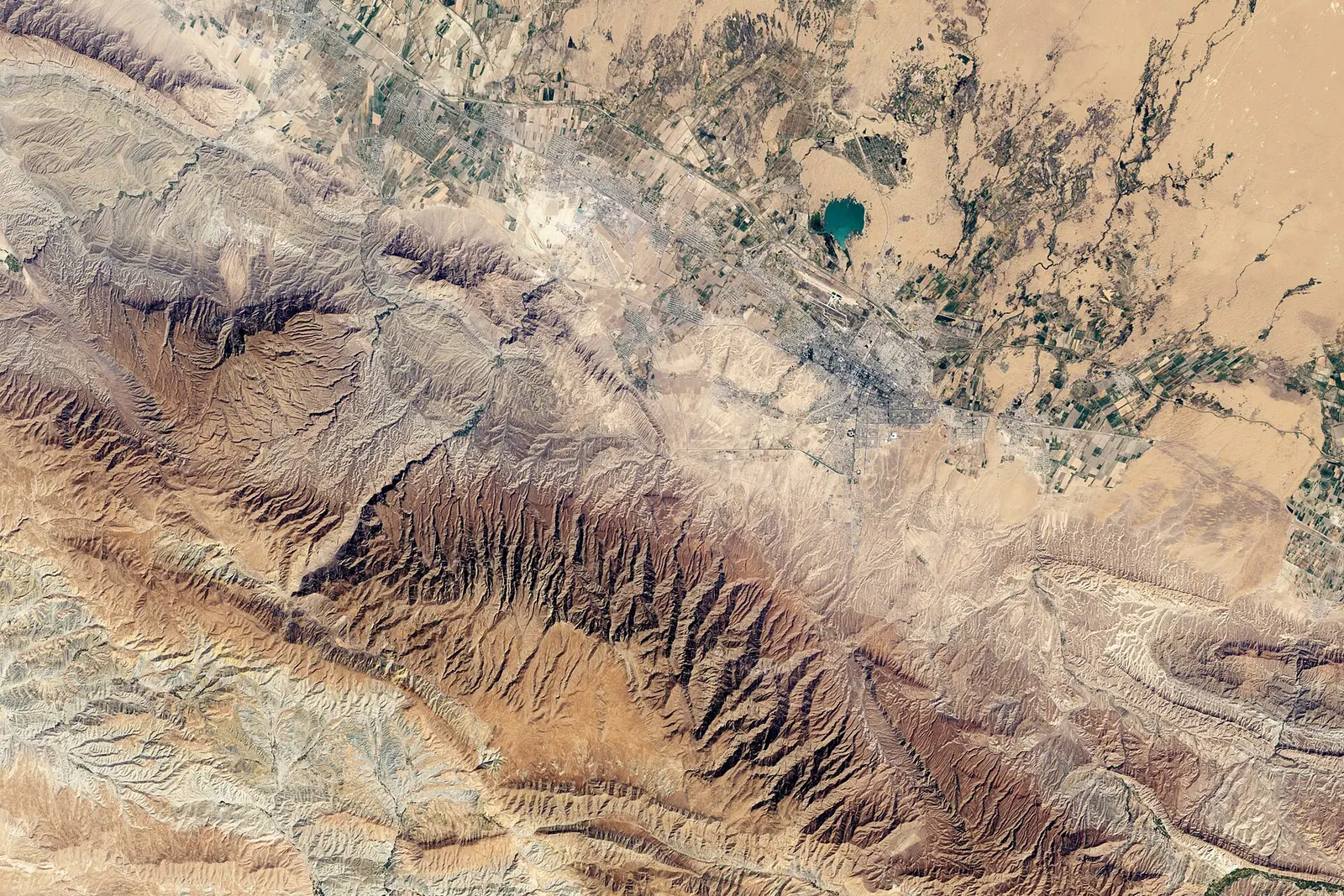
Turkmenistan is the quiet one of Central Asia — four-fifths desert, fringed by the Caspian Sea, stitched together by white-marble cities and the ruins of Silk Road empires. A tour here swings from the burning gas crater at Darvaza to a melon stall in an Ashgabat bazaar, with green tea poured into a small bowl and a dutar strumming somewhere behind you. This guide covers the food, culture and local experiences worth building a Turkmenistan itinerary around.
Why a Tour Here Feels Like Travelling Off the Map
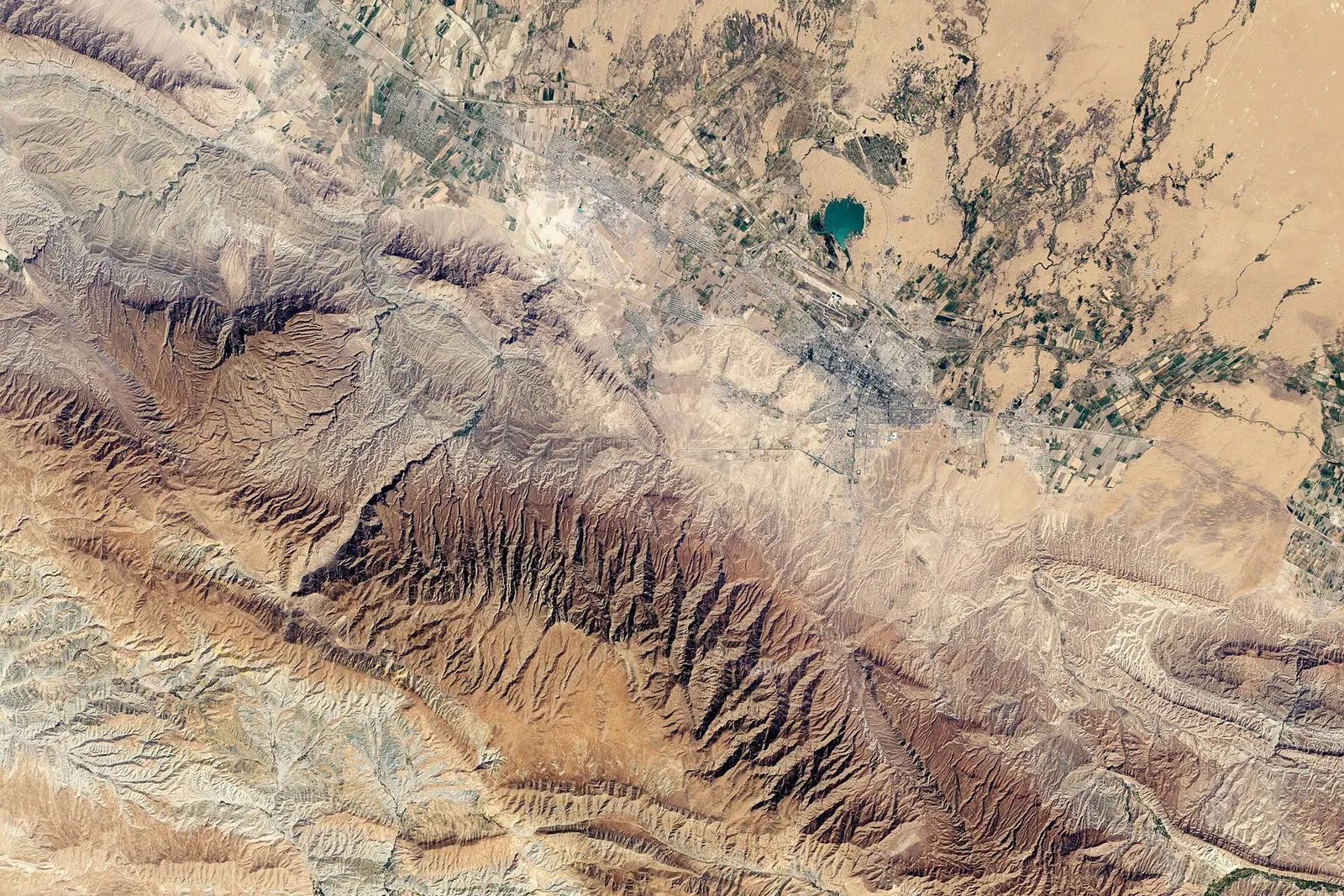
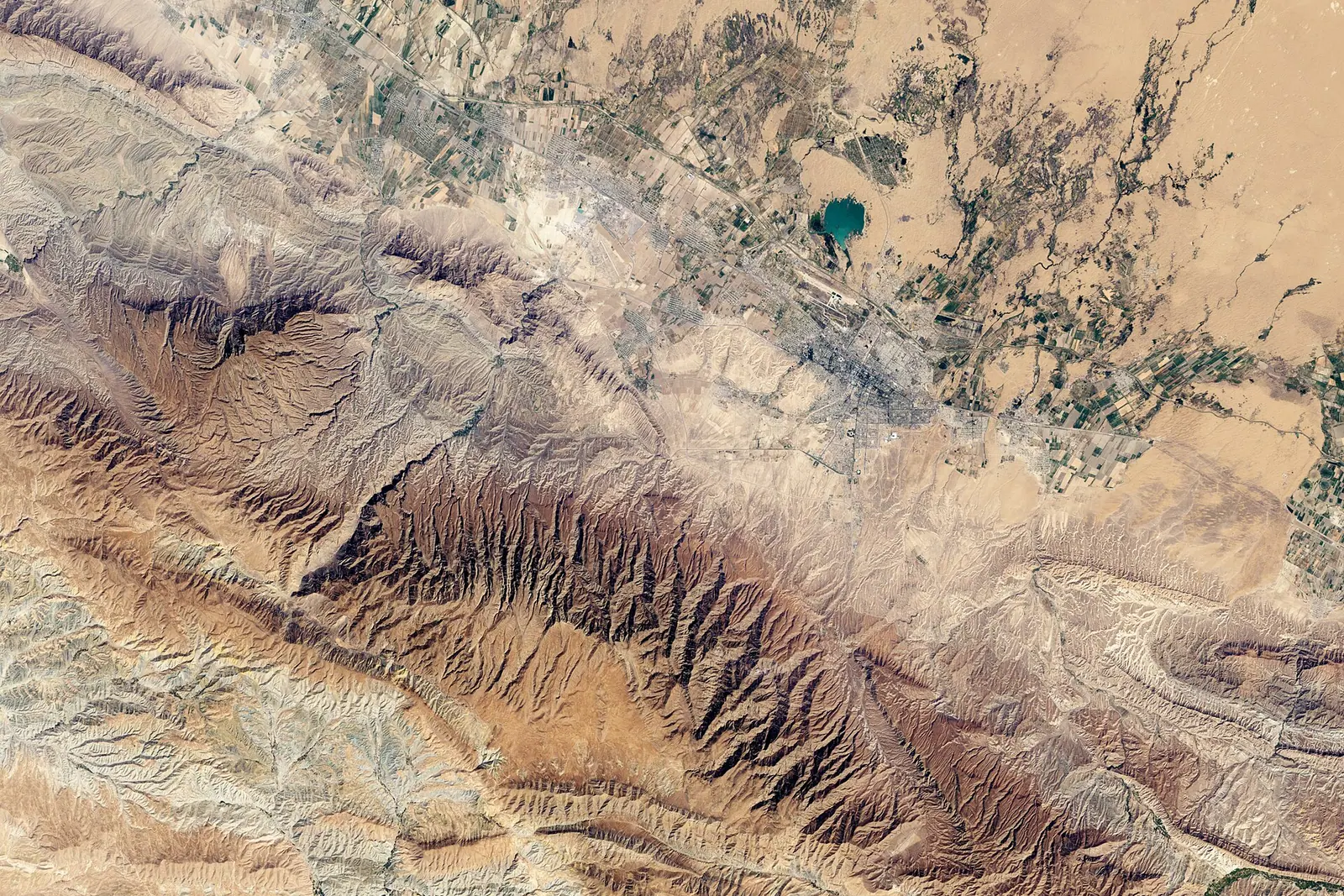
The Karakum desert swallows most of the country, which means distances are enormous and the map is thin. Roads run in long, straight lines between oases, the Kopet Dag mountains rise along the southern border, the Amu Darya cuts through the east, and a single highway threads west to the Caspian. A good itinerary accepts this rhythm: a morning at a fortress ruin, an afternoon of driving, and an evening arriving somewhere with one guesthouse, one chaikhana and a sky so full of stars it feels like a special effect.
Because visitor numbers stay low, tourism here still has an improvised, personal quality. Your driver may also be the man who knows the caretaker at the site you are visiting, and the family who feeds you lunch in a village may never have hosted a foreigner before. Hospitality is intense and immediate: tea arrives before introductions finish, bread is broken, sweets appear from a cupboard. Refusing is not really an option, and you will not want to.
A classic loop takes seven to twelve days. Most travellers land in Ashgabat, spend a day or two among the monuments, head east to Mary for Ancient Merv, then loop north to the Darvaza gas crater for a night in a desert camp. From there the route often continues to Dashoguz for Kunya-Urgench, or west to the Caspian coast and the canyon country. Far-eastern Koytendag, with its dinosaur footprints, needs a dedicated expedition of its own.
Try to leave room for the unplanned: a horse farm, a carpet workshop, an hour in a bazaar where nobody is selling you anything and everybody wants to know where you are from.
Ashgabat: White Marble, Golden Statues and Bazaar Life
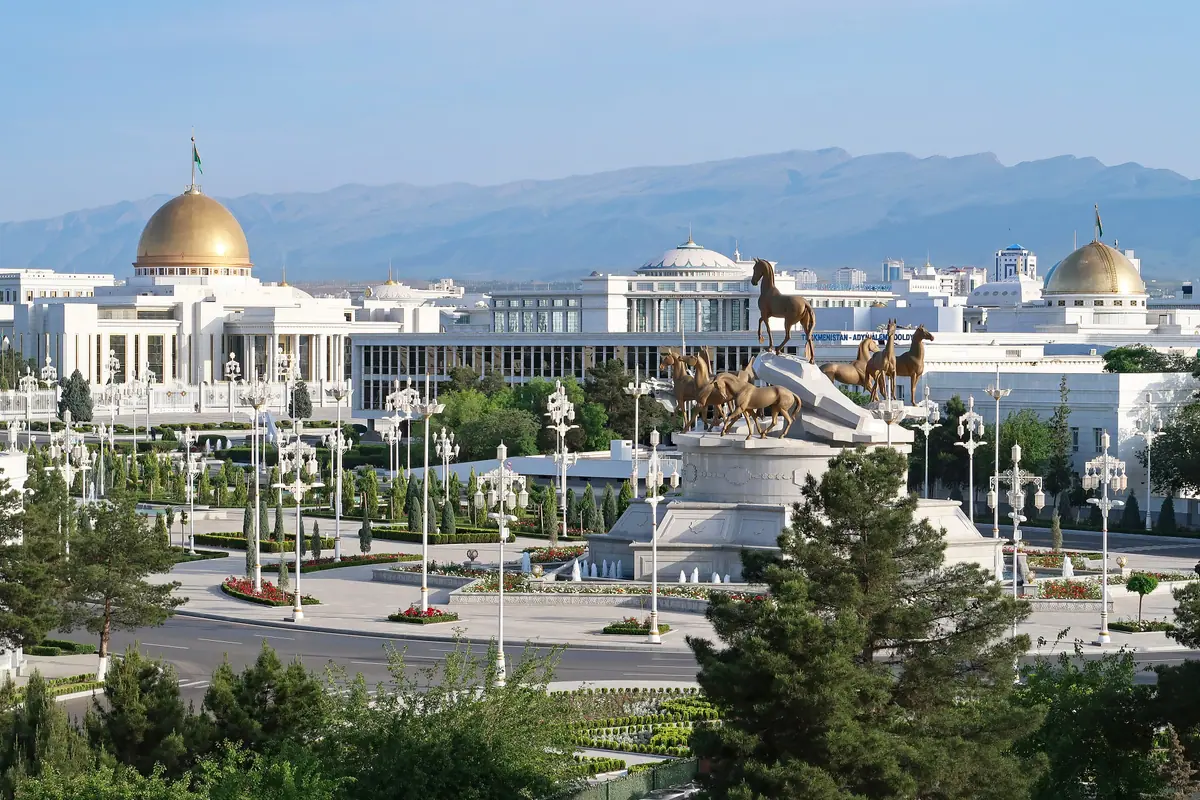
The capital is a spectacle of a very particular kind. Entire boulevards are faced in white marble, and monumental architecture is everywhere: the Independence Monument with its column and golden crown, the Arch of Neutrality topped by a gilded statue, and the Alem Cultural and Entertainment Centre, an enormous white Ferris wheel caged inside a lattice tower. The Wedding Palace, the Ertugrul Gazi Mosque and the monumental hotel-and-fountain complexes along the central avenue are all part of the same dreamlike stage set.
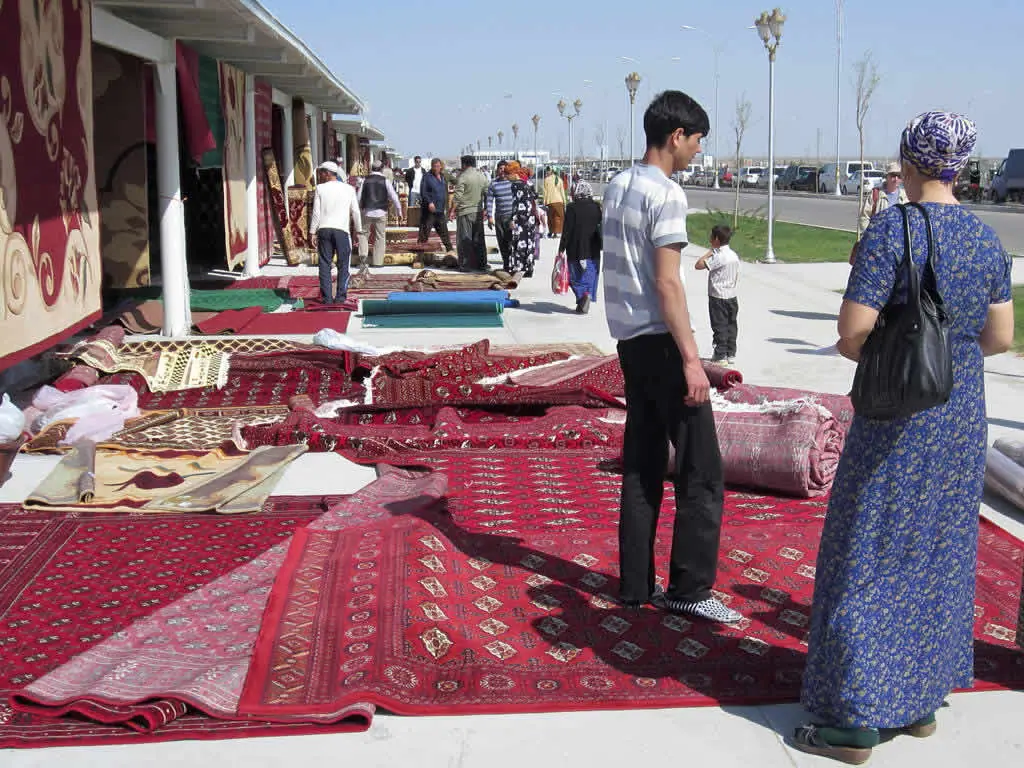
Twenty minutes outside the city stands the Turkmenbashi Ruhy Mosque at Gypjak, a vast white-and-gold building with a soaring dome and four minarets, surrounded by gardens and pilgrim paths. Elsewhere, the National Museum of Turkmen Carpets explains the language of the göl — the repeating medallion motifs that identify each weaving tribe, five of which appear on the national flag. Seeing how a pattern is read like a signature changes the way you look at every carpet for the rest of the trip.
Then there is the bazaar, and this is where the city stops performing. The sprawling Altyn Asyr market on the edge of town, busiest on Sundays, is a caravan in concrete: carpet sellers, camel-wool coats, silver jewellery, mounds of pistachios and raisins, and pyramids of melons in late summer. Buy a melon, ask for it to be cut, and eat it standing up in the sun. It is one of the simplest and best things you will do in Turkmenistan.
Between the monuments and the market stalls, Ashgabat is best given a full day rather than a rushed half. Mornings are cooler and the light on the marble is softer; late afternoon is for the hillside viewpoint above the city, where the whole white sprawl sits in the desert like something newly unboxed.
What Turkmenistan Eats: Plov, Dograma and Bread from the Tamdyr
The national dish is palow — rice cooked in a heavy kazan with lamb, yellow and orange carrots, whole heads of garlic and a slick of rendered fat. It is served at weddings, funerals, holidays and any gathering that needs feeding at scale, and it tastes different every time depending on the cook and the season: in spring and autumn some kitchens add quail, apricots or barberries. Eat it with your hands if that is what the table is doing, or with a spoon if it is not; either way, chase it with green tea.
Around the plov sit a whole family of dishes worth seeking out. Dograma is a festive northern and eastern speciality of shredded bread soaked in rich mutton broth with onion, traditionally made for large gatherings. Unash is a hearty noodle-and-bean soup, shurpa is a clear lamb broth, manty are steamed dumplings, and gutap are thin folded pastries stuffed with wild greens, pumpkin or meat and fried until blistered. Ishlekli, a round baked meat pie with onion, is the kind of thing you will want the recipe for and probably never quite reproduce.
Bread is close to sacred. Round chorek is slapped onto the wall of a tamdyr clay oven and pulled out puffed and stamped with a decorative press; it must never be placed on the ground or thrown away carelessly. Alongside it comes gök çay, the green tea that fuels every conversation, and chal, tangy fermented camel milk, sometimes topped with agaran, the rich cream skimmed from it. On the Caspian coast around Turkmenbashi and the Avaza resort strip, order grilled fish — kutum and sturgeon are the local prizes — while dried melon, pistachios and halva fill the sweet gap.
Come in August and you hit the melon season at its peak, celebrated nationally with festivals; come in winter and the same fruit reappears dried, chewy and intensely sweet, especially in the east and north.
The Silk Road Giants: Ancient Merv, Old Nisa and Kunya-Urgench
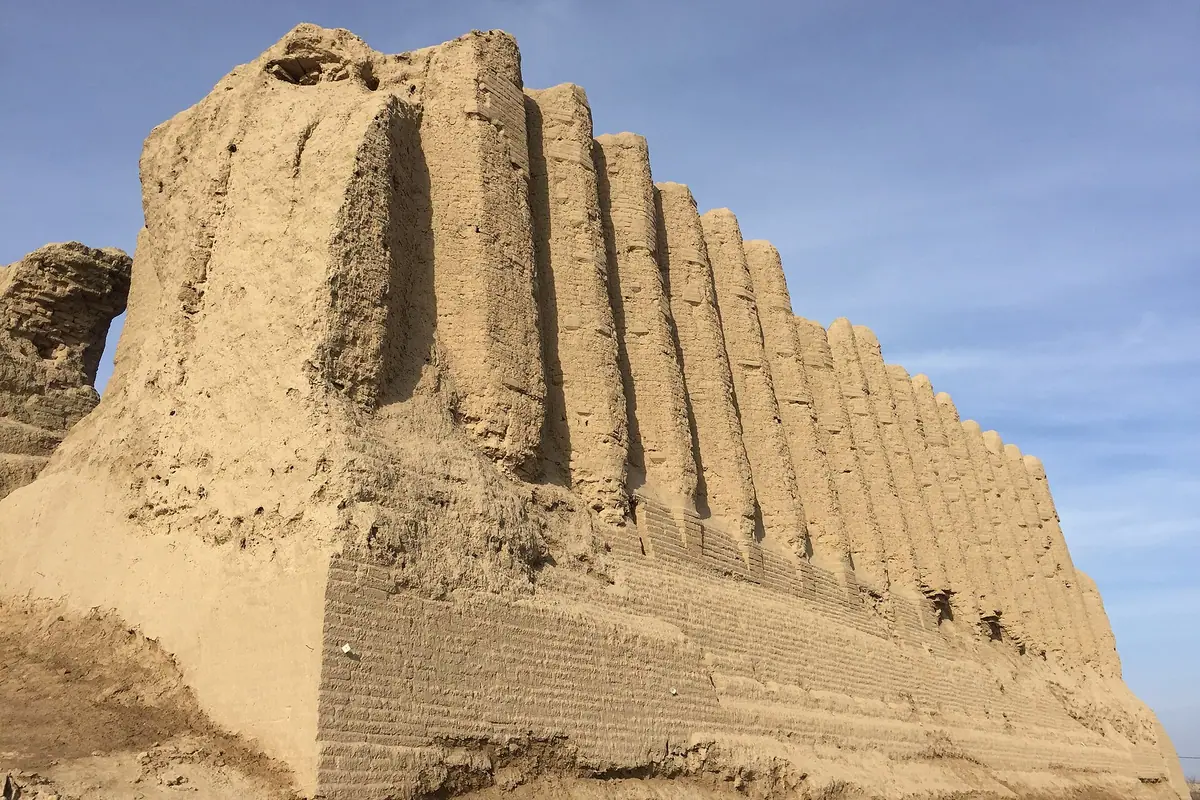
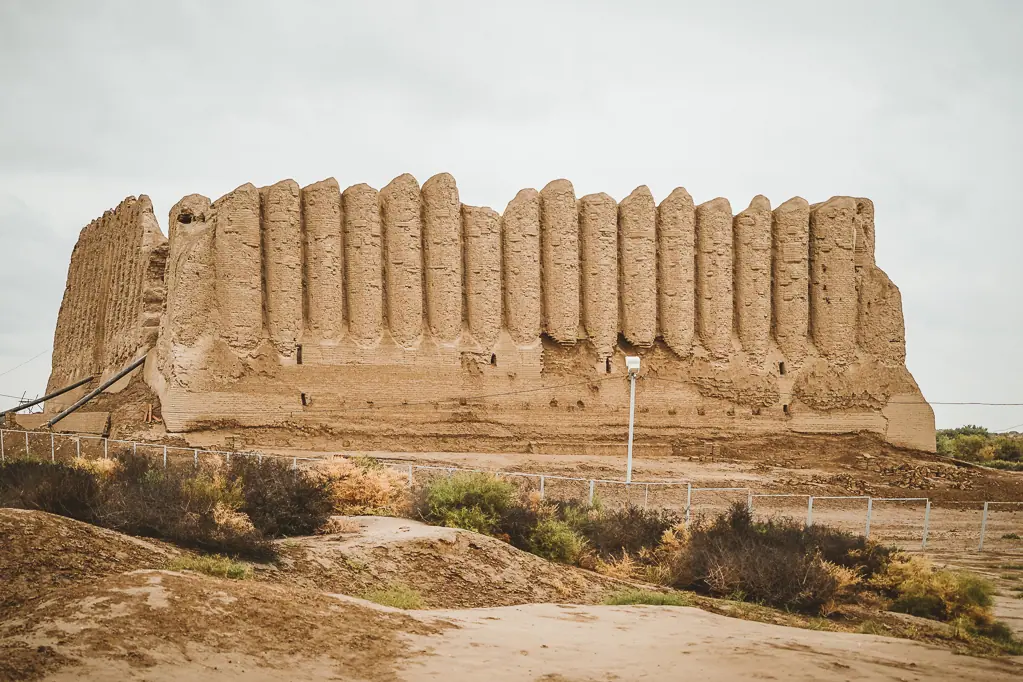
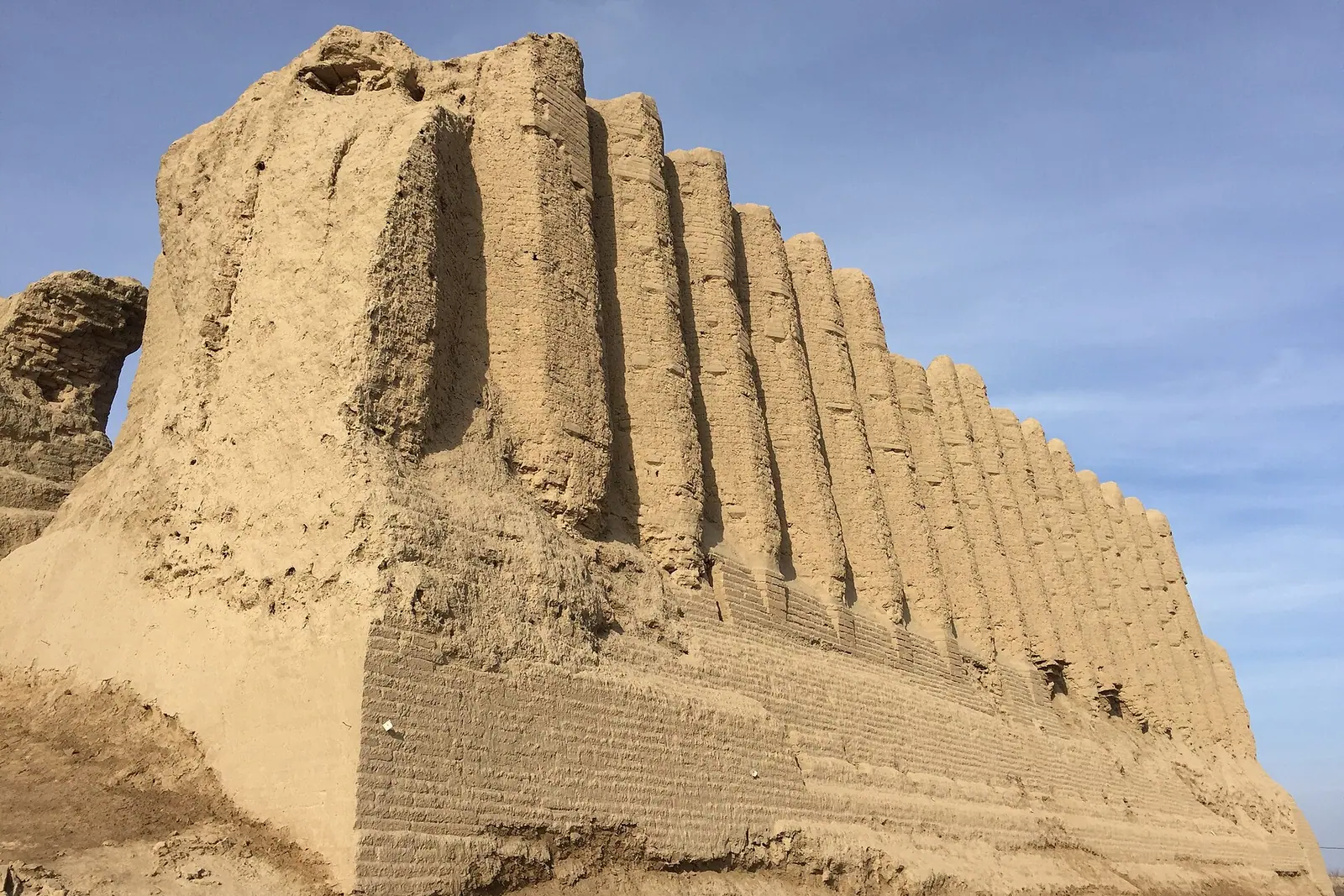
Ancient Merv, spread across the plain outside Mary, is the country's great archaeological landscape: a succession of walled cities built one after another over millennia, when this was a crossroads of the Silk Road and one of the largest cities in the world. The Sultan Sanjar Mausoleum, with its tall fluted dome, still stands in the middle of it all, alongside the ruined ramparts of Erk Kala and Gyaur Kala and the curious mud-brick Kyz Kala structures, sometimes described as aristocratic keshks or fortified houses. Give Merv a full day if you care about history — the site is huge, the sun is relentless and the scale only sinks in slowly.
Old Nisa, half an hour from central Ashgabat, is a different flavour entirely: the fortified ceremonial centre of the Parthian empire, built on a hill with thick mud-brick walls and a treasury that yielded famous ivory rhytons, the horn-shaped drinking vessels carved with mythological scenes. It is compact, atmospheric and easy to combine with a morning in the city.
In the north near Dashoguz lies Kunya-Urgench, the capital of the Khorezm region, whose monuments survived the disasters that flattened the rest of the city. The Kutlug Timur Minaret rises more than sixty metres, one of the tallest of its kind in Central Asia, and the Turabek Khanum Mausoleum, with its tiled dome and intricate mosaic interior, is among the most beautiful buildings in the country. The Soltan Tekesh Mausoleum and the surrounding necropolis complete the picture.
If you have the time and the inclination, add Gonur Depe in the Karakum desert, a Bronze Age site from the little-understood Margiana civilisation, reached by four-wheel drive. It is austere, remote and strangely moving.
Fire, Canyons and Horses: The Desert's Greatest Hits
The Darvaza gas crater — the so-called Door to Hell — is the image everyone brings home. A collapsed cavern roughly the width of a football pitch has been burning since the early 1970s, and at dusk the flames turn the whole depression into a pulsing orange bowl against absolute black. Most tours camp nearby in yurts or simple shelters, which is the right way to do it: arrive late afternoon, watch the light change, eat plov by firelight, then stay up for the stars. Even in summer the desert night gets cold, so pack a fleece.
West toward the Caspian, Yangykala Canyon is a wall of striped cliffs in chalk white, ochre, pink and rust, carved by wind above a dry valley — empty, silent and superb at sunset. In the opposite direction, far east on the border with Uzbekistan, Koytendag holds the Dinosaur Plateau, where hundreds of three-toed footprints are pressed into a limestone shelf, plus the deep Umbar Dere gorge and waterfalls that are still barely visited. Near Ashgabat, Kow Ata is an underground limestone lake, warm and faintly sulphurous, where locals swim year-round, and the mountain village of Nokhur is known for its juniper-wood pillar shrines and its own distinct dialect and embroidery.
Then there are the horses. The Akhal-Teke, with its metallic sheen and legendary endurance, is a national obsession; several stud farms around Ashgabat welcome visitors, and watching one of these animals move is genuinely startling. If your trip coincides with a national holiday or festival, you may also catch horse games and wrestling on the calendar, alongside carpet-weaving competitions and alabai shepherd dog shows.
Practical Rituals: Seasons, Visas and Local Manners
Spring and autumn are the seasons to aim for: April to mid-June and September to late October bring warm days, cool nights and comfortable desert camping. July and August push past forty degrees in the Karakum, which makes monument-hopping brutal even if the melons are perfect. Winter flips the other way — Ashgabat can be grey and foggy, and the north around Dashoguz gets properly cold. The gas crater is at its best in the shoulder months, when you can sit by the fire without shivering or sweltering.
Logistics take planning. Tourist travel generally requires an invitation arranged in advance by a licensed local agency, and most visitors travel with a guide and driver on a fixed itinerary; some regions additionally need permits. Keep your migration card with your passport at all times. Bring clean, untorn US dollars or euros to change into manats, because cards are accepted in very few places, and carry enough cash for bazaar purchases and tips. Internal flights link Ashgabat with Mary, Dashoguz and Turkmenbashi and save days of driving, but the long road journeys are where the country actually shows itself.
Etiquette is warm but formal. Shake hands with your right hand, remove shoes when entering a home, accept the tea that is offered and at least taste the bread. Never put bread on the ground or leave it unfinished if you can help it. Ask before photographing people, and expect restrictions around government buildings, airports and border zones; drones are a bad idea entirely. Dress modestly in villages, cover shoulders and knees, and learn a few words of Turkmen or Russian — the effort is always noticed.
Finally, slow down. Turkmenistan rewards patience: the best moments are usually the unscripted ones, a second cup of tea, a conversation through a translator, a melon eaten on a roadside wall while the desert goes pink.
Frequently asked questions
Do I need a guide and a pre-arranged tour to visit Turkmenistan?
In practice, yes. Tourist visas are normally supported by an invitation letter arranged through a licensed local travel agency, and itineraries are registered in advance. Most visitors travel with a guide and driver, and certain regions require extra permits, so it is far easier to join an organised tour than to attempt independent travel.
What is the best time of year for a tour in Turkmenistan?
April to mid-June and September to late October are ideal, with mild days and cool nights that suit desert camping at Darvaza. July and August are punishingly hot in the Karakum, while winter brings fog and cold to Ashgabat and genuine chill in the north.
Is the Darvaza gas crater worth an overnight stay?
It is the highlight for most travellers. Arriving in the late afternoon lets you see the flames intensify at dusk, and camping nearby means you get the crater under a full sky of stars. Nights are cold even in summer, so bring layers and a warm hat.
What food should I try in Turkmenistan?
Start with palow, the rice-and-lamb dish cooked in a kazan, then work through dograma, unash noodle soup, manty, gutap pastries and ishlekli meat pie. Always eat the tamdyr-baked chorek bread while it is warm, and finish with green tea, chal or a slice of melon.
How much time do I need, and can I use credit cards?
Seven to ten days covers Ashgabat, Merv, the Darvaza crater and either Kunya-Urgench or the Caspian coast; add several more days for remote Koytendag. Cards work in very few places, so bring sufficient cash in clean US dollars or euros to exchange for manats.
Plan it — tours in Turkmenistan
Live search, booked directly with trusted providers.
Sort the rest of your trip
Everything for Turkmenistan, in one place
Stay in Turkmenistan
Hotels, guesthouses and apartments — compared in one search.
Search hotels
Transfer in Turkmenistan
Private driver waiting on arrival — no queues, no surprises.
Book a transfer
Stay online in Turkmenistan
Travel eSIM — data the moment you land, no roaming bills.
Get an eSIMMore guides in Turkmenistan
Flying Through Turkmenistan: A One-Week Itinerary from Ashgabat to Konye-Urgench
Best Time to Visit Turkmenistan: Seasons, Hotels and Must-See Sights
Top Things to Do in Turkmenistan: Landmarks, Desert Wonders and Silk Road Cities
Things to Do in Turkmenistan: Ashgabat, Darvaza and the Silk Road Ruins