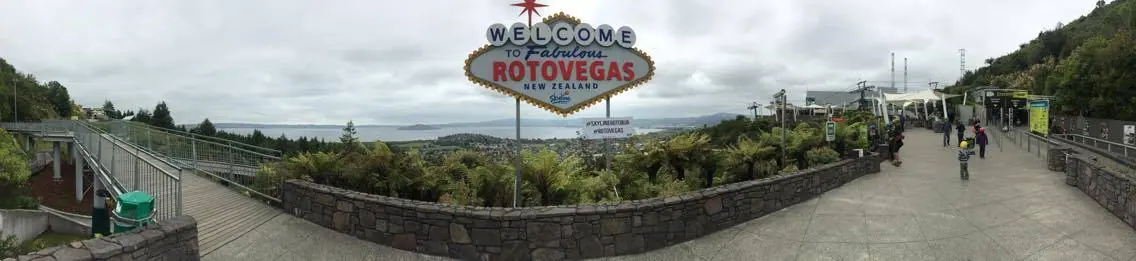
New Zealand rewards travellers who slow down: a hāngī feast steaming out of the earth, a paper cone of whitebait fritters on the West Coast, a powhiri welcome that makes the hairs on your arms stand up. This guide threads together the food, the culture and the landscapes that make touring Aotearoa feel like one long, generous meal.
Kai and Culture: How Aotearoa Feeds Its Visitors
Food here begins with the land and the sea, and with Māori hospitality. A hāngī is the classic introduction: stones heated in a pit, baskets of pork, lamb, kūmara and pumpkin lowered in, then covered with earth and steamed for hours until everything is smoky and impossibly tender. You will find hāngī and modern Māori cooking around Rotorua, at marae-based cultural evenings and at Matariki celebrations in June and July, when the Māori new year is marked with dawn ceremonies, storytelling and shared kai.
The coastline supplies the rest. Marlborough's green-lipped mussels are plump and sweet, pāua (abalone) turns up minced into fritters, kina is an acquired taste of creamy sea urchin, and Bluff oysters are hauled from the cold south in autumn, celebrated with a festival in May. On the West Coast, whitebait fritters — tiny translucent fish bound in egg and fried flat — are a seasonal obsession in spring. Finish with a pavlova piled with kiwifruit and cream, hokey pokey ice cream, or feijoas straight from a roadside stall between March and May.
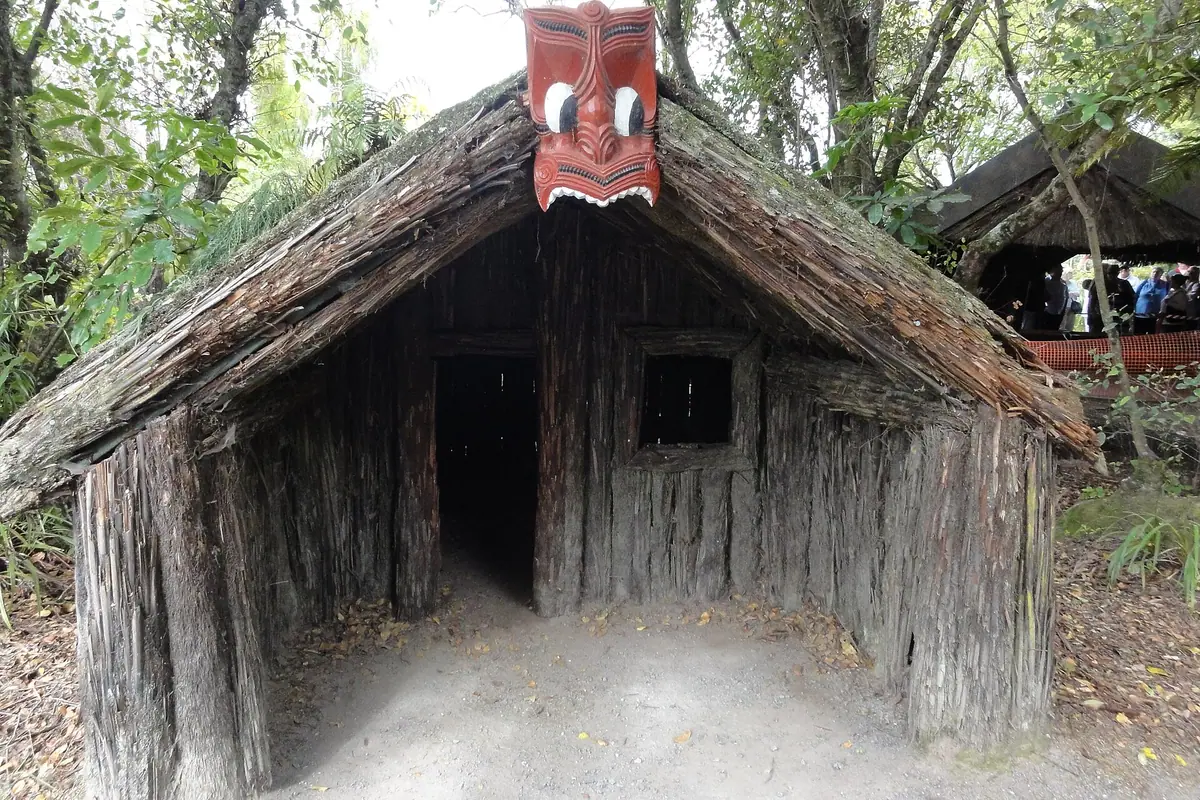
If you are invited onto a marae, treat it as a privilege, not a show. Expect a pōwhiri (welcome), a hongi or handshake, shoes off inside the meeting house, and no sitting on tables. A koha — a gift, often given quietly in an envelope — is customary, and a simple "kia ora" goes a long way anywhere in the country.
Auckland and Waiheke: Pacific Plates and Island Vineyards
Auckland is the easiest place to taste how diverse modern New Zealand cooking has become. Start downtown around the Viaduct Harbour and Britomart, where you can look up at the Sky Tower one minute and be eating Sri Lankan, Pasifika or Sichuan food the next. Ponsonby Road and Karangahape Road are the dining strips; the Saturday Ōtara Flea Market in South Auckland is where you will find island-style pork buns, taro, coconut baking and the city's best people-watching.
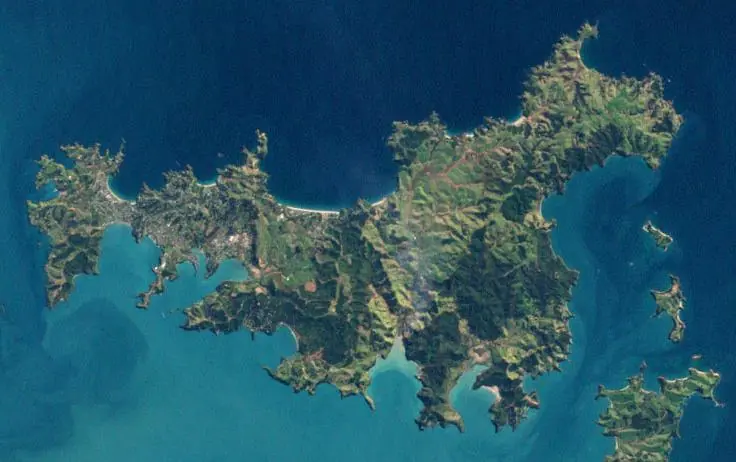
Take the ferry from downtown to Waiheke Island and the day becomes vineyards, olive groves and long lunches above the Hauraki Gulf — a 35-minute crossing that feels like a small holiday. On the way back, Rangitoto's volcanic cone rises out of the water like a black whale. If you have a car, push west to Piha's black-sand surf beach, or north to the Matakana farmers' market on a Saturday morning for oysters, cheese and smoked fish.
For a city that sits on 53 volcanoes, Auckland is surprisingly good at seafood: snapper, kahawai and John Dory appear on menus everywhere, and the fish-and-chip shops in Devonport and Mission Bay are worth the queue. Give yourself two to three days here before heading south.
Rotorua, Waitomo and the Volcanic Heartland
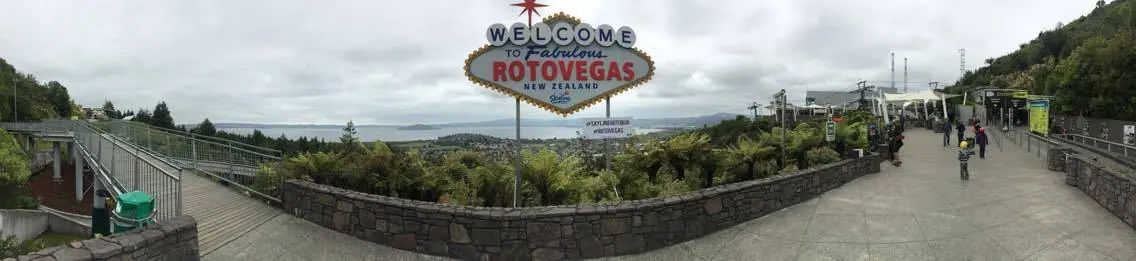
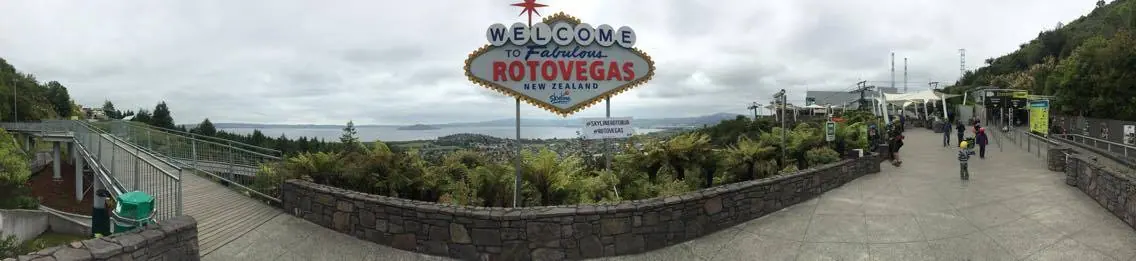
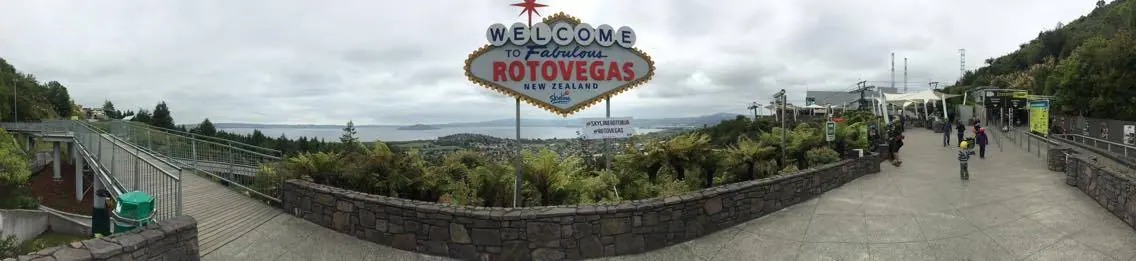
The central North Island is where geothermal drama and living Māori culture sit side by side. In Rotorua, Whakarewarewa and Te Puia are working villages set among steaming vents and bubbling mud pools, with carving and weaving schools, kiwi houses and guides who explain the science and the stories together. Nearby Wai-O-Tapu's champagne pool and Kuirau Park's free steaming craters are surreal, and the lakeside hot pools are the perfect end to a cool evening.
An hour west, the Waitomo Glowworm Caves glow like a planetarium ceiling; boat rides drift under thousands of tiny blue-green lights, and the more adventurous can black-water raft through the same cave system in a wetsuit and inner tube. Allow a full day if you are combining both.
Then comes the big one: the Tongariro Alpine Crossing, a 19.4-kilometre day walk across volcanic desert, past Mount Ngauruhoe's cone and the startling Emerald Lakes. It takes most people seven to eight hours, runs from roughly November to April in good conditions, and demands a shuttle booking, proper layers, water and a check on the mountain forecast — the weather up there changes fast. Taupō, with its lake, Huka Falls and trout fishing, makes a comfortable base on either side.

Wellington, Marlborough and the Top of the South
Wellington packs a lot into a walkable centre: the national museum Te Papa Tongarewa, the red cable car climbing to the Botanic Garden, and Cuba Street, where coffee culture borders on religion. Zealandia, a predator-fenced valley sanctuary minutes from the CBD, is the best chance to hear tūī, kākā and ruru in the wild, and the waterfront is at its best on a sunny afternoon with a flat white in hand.
Across Cook Strait lies Marlborough, the country's vinous heartland. The Wairau Valley around Blenheim and Renwick is planted with sauvignon blanc, pinot gris and aromatic whites, and cellar doors are close enough together to cycle between them. The Marlborough Sounds themselves are drowned river valleys — green ridges sliding into still water, best seen on the Queen Charlotte Track or from a water taxi hop between bays. Havelock, the mussel capital, does green-lipped mussels every way imaginable.
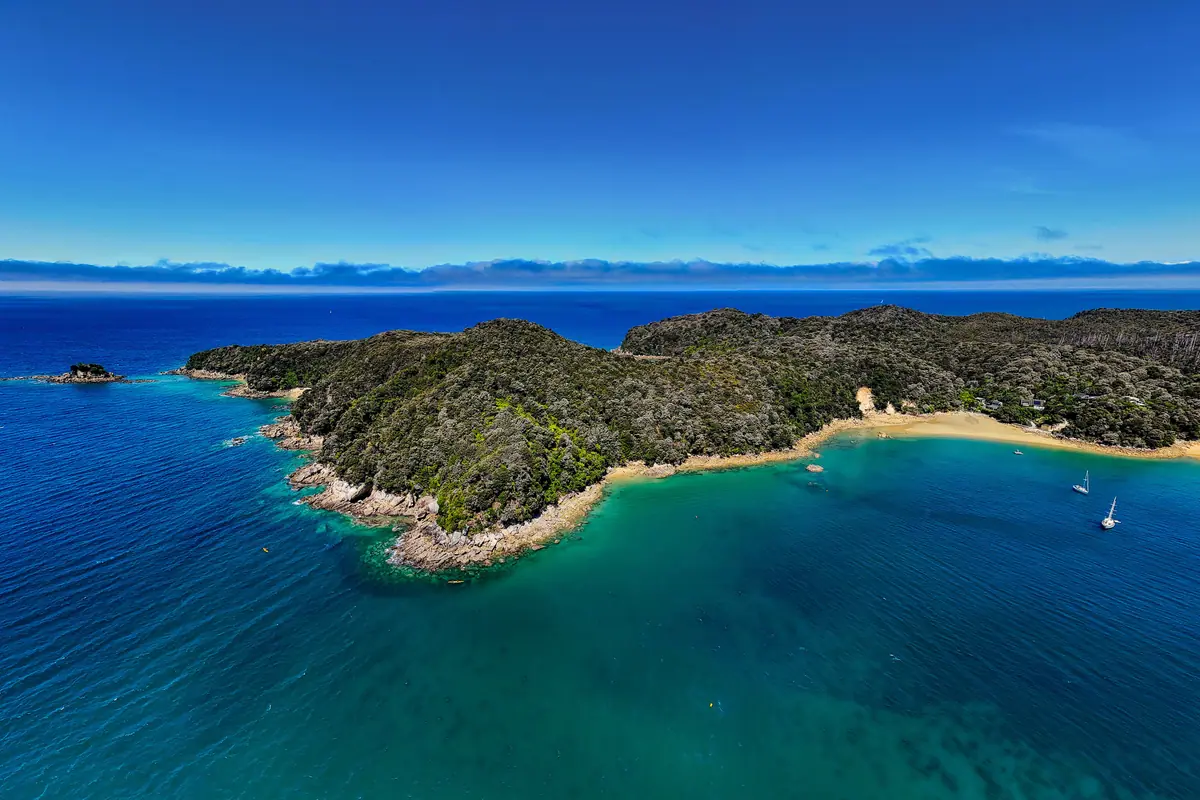
Continue west for Nelson's Saturday market and the golden-sand bays of Abel Tasman National Park, where sea kayaking and short coastal walks suit almost any fitness level. Peak season runs December to March; shoulder-season trips in October and April bring quieter tracks and lower prices.
The South Island Table: Christchurch to Central Otago
Christchurch has rebuilt itself around good food — the riverside market halls, the Botanic Gardens and a scattering of innovative small kitchens — and it makes a natural starting point for a southbound road trip. Two hours north, Kaikōura delivers both whale watching and its signature crayfish, sold from roadside caravans with a view of the sea. Inland, Aoraki/Mount Cook National Park offers the Hooker Valley Track, an easy three-hour return to a glacier lake beneath the country's highest peak.
On the Mackenzie Country plains, Lake Tekapo's impossibly turquoise water and the little Church of the Good Shepherd draw crowds and stargazers alike — this is a dark-sky reserve, so plan a night here if clear weather is forecast. Further south, Wanaka offers the famous lone willow, and Queenstown, 70 minutes away, is the adventure capital: gondola views over Lake Wakatipu, the Kawarau Bridge bungy site, jet boats, and a burger queue that is practically a landmark.
Central Otago is pinot noir country. Between Gibbston, Cromwell and Bannockburn, cellar doors pour earthy reds beside orchards heavy with apricots and cherries in summer. Historic Arrowtown, with its gold-rush main street, is the prettiest lunch stop in the region. This is also ski country: July and August fill Queenstown and Wanaka with snow-seekers.
Fiordland, the Deep South and Rakiura
Milford Sound is the image most people carry home: sheer walls, Mitre Peak rising straight from black water, waterfalls multiplying after rain. It is spectacular in wet weather, which is lucky, because it rains about 200 days a year. Cruises run year-round from the small harbour, and the drive in from Te Anau through the Homer Tunnel is a spectacle in itself. Doubtful Sound, reached by boat and bus, is quieter and even grander. Book Great Walks — the Milford, Routeburn and Kepler tracks — months ahead; huts sell out almost immediately when bookings open.
Carry on south and the menu changes again: Southland cheese rolls (a hot, savoury toasted roll that nobody outside the region seems to know about), oysters at Bluff in autumn, and Dunedin's student-city cafés. On the Otago Peninsula, Taiaroa Head hosts the world's only mainland royal albatross colony, with yellow-eyed penguins nearby, and Oamaru's blue penguin colony shuffles ashore at dusk. The Moeraki Boulders, perfectly round and strewn along the beach, are an easy detour north of Dunedin.
Off the bottom of the map, Stewart Island/Rakiura is the place to see kiwi in the wild — night walks have a genuinely good success rate — and Ulva Island is a predator-free haven for birds. Give the deep south at least a week, pack for four seasons in one day, bring strong sandfly repellent on the West Coast and in Fiordland, and remember you drive on the left; distances take longer here than the map suggests.
Frequently asked questions
When is the best time to visit New Zealand for food and culture?
December to March is warmest and busiest, but late February and March often bring the most settled weather and fewer crowds. Autumn (April–May) is oyster and harvest season, feijoas arrive March–May, whitebait is a spring delicacy, and Matariki — the Māori new year — falls in June or July with public celebrations nationwide. Skiers should aim for July and August in Queenstown and Wanaka.
How can I experience Māori culture respectfully?
Join a guided experience at a living village such as Whakarewarewa or Te Puia in Rotorua, or a marae-based overnight stay, rather than treating a performance as pure entertainment. Expect a pōwhiri welcome, a hongi or handshake, shoes off inside the meeting house, no sitting on tables, and a koha gift. Learn a few words of te reo Māori — kia ora, mihi, whānau — and ask before photographing people or sacred places.
What food should I not miss in New Zealand?
A hāngī feast, whitebait fritters on the West Coast, green-lipped mussels in Havelock or Marlborough, Kaikōura crayfish, Bluff oysters in autumn, Southland cheese rolls, and a pavlova. For sweet things, look for hokey pokey ice cream, feijoas, kūmara chips and manuka honey. Farmers' markets — Matakana on a Saturday, Nelson on a Saturday, Ōtara in Auckland — are the fastest route to local flavours.
How long do I need to tour New Zealand, and how do I get around?
Three weeks is a realistic minimum for both islands without rushing; two weeks works if you choose either the North or South Island. Driving is the best way to see the country, but allow more time than maps suggest — winding roads, single-lane bridges and scenic stops add hours. You drive on the left, and rental cars should be booked months ahead for the December–March peak. The Cook Strait ferry links Wellington and Picton, and short domestic flights connect the main centres.
What should I book in advance?
Great Walks huts and campsites, Milford Sound cruises, Tongariro Alpine Crossing shuttles, Waitomo glowworm cave tours, whale watching in Kaikōura and dark-sky stargazing at Lake Tekapo. Peak-season slots for all of these sell out weeks or months ahead. Also reserve campervans and rental cars early for summer, and check the mountain forecast before any alpine day walk.
Plan it — tours in New Zealand
Live search, booked directly with trusted providers.
Sort the rest of your trip
Everything for New Zealand, in one place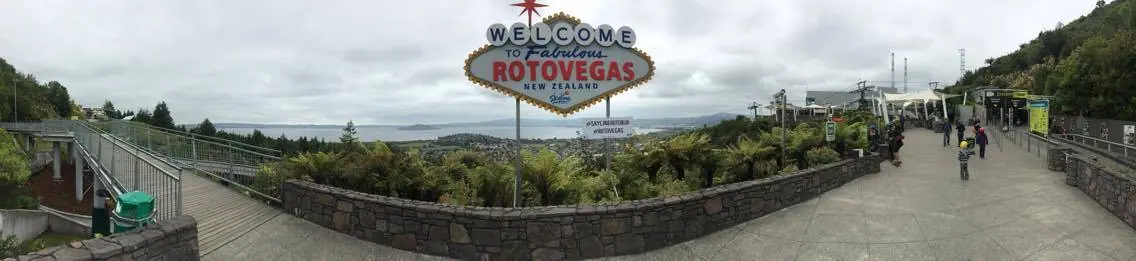
Stay in New Zealand
Hotels, guesthouses and apartments — compared in one search.
Search hotels
Transfer in New Zealand
Private driver waiting on arrival — no queues, no surprises.
Book a transfer
Stay online in New Zealand
Travel eSIM — data the moment you land, no roaming bills.
Get an eSIMMore guides in New Zealand
Where to Stay in New Zealand: Hotels, Regions and Must-See Attractions
The Best Time to Visit New Zealand for Hotels: A Season-by-Season Booking Guide
Best Things to Do in New Zealand: Must-See Landmarks, Hikes and Adventures
The Best Places to Visit in New Zealand: Fiords, Volcanoes and Alpine Peaks