New Zealand's seasons arrive upside down, and so does its accommodation calendar. A lakeside room in Queenstown that costs a fortune in early January can be had for far less in May, while the same town sells out months ahead once the ski fields open in July. Get the timing right and you'll sleep better — in every sense.
Seasons Run Backwards — and So Does the Hotel Calendar
New Zealand sits in the southern hemisphere, so December means beach weather and July means snow. That single fact reshapes every booking decision. There is no universal best month; the answer depends on whether you're chasing alpine powder, vineyard afternoons or a fiord at full roar. The country stretches roughly 1,600 kilometres from the subtropical far north to the cool subantarctic edge of the deep south, so a two-week trip can pass through three different climates.
Demand follows school holidays more than sunshine. Families travel hard from mid-December to early February, again for roughly two weeks in mid-winter, and in shorter bursts around Easter, the late-October long weekend and Waitangi Day on 6 February. Matariki, the mid-winter public holiday whose date shifts each year with the lunar calendar, adds another spike in late June or July. If your dates overlap any of those, book months ahead.
It also helps to know what "hotel" means here. Beyond the city high-rises, much of the country runs on motels with kitchenettes, self-contained apartments, holiday parks with cabins, boutique lodges, farm stays and bed-and-breakfasts. In small towns such as Te Anau, Kaikoura or Franz Josef the inventory may be a handful of properties — which is exactly why timing matters so much.
Summer (December–February): Peak Season, Peak Prices, Long Golden Evenings
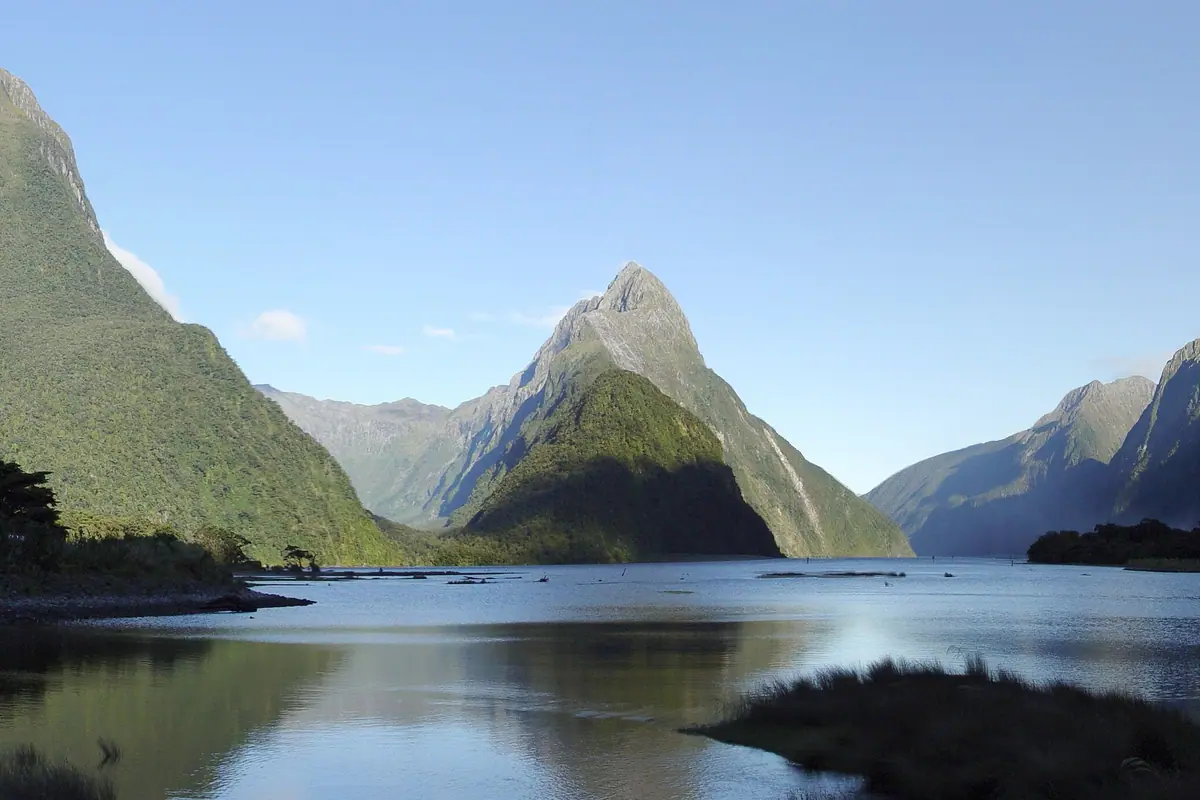
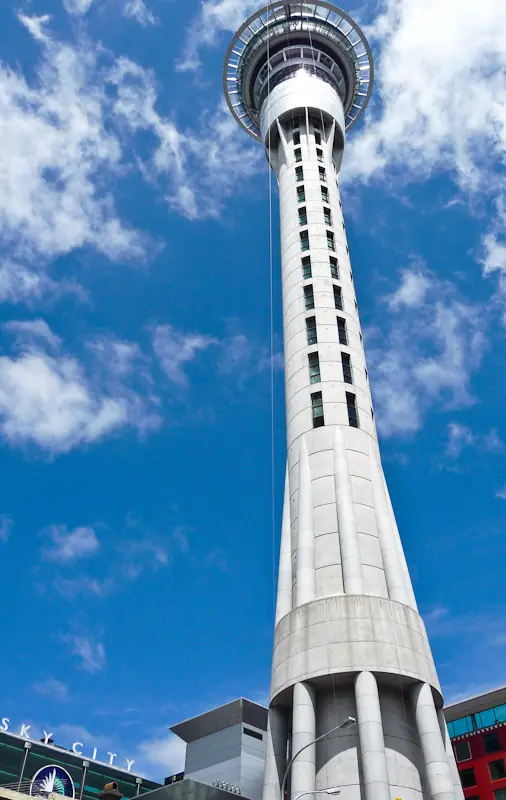
Summer is when New Zealand shows off. Daylight lingers past 9pm in the south, northern beaches are genuinely swimmable, and alpine passes are usually clear. It's also when the Sky Tower waterfront in Auckland, the Bay of Islands, Cathedral Cove on the Coromandel Peninsula and the road into Milford Sound are at their busiest. Queenstown and Wanaka hit their first pricing peak over Christmas and New Year, often with multi-night minimum stays.
Book four to six months ahead for anything between 20 December and 10 January, and don't expect bargains. Rates ease slightly in February, which is arguably the better summer month: still hot, a touch calmer, and once the Auckland Anniversary and Waitangi Day weekends pass, the domestic crowds thin out. Milford Sound cruises, the Tongariro Alpine Crossing and Abel Tasman water taxis all need booking days ahead, not hours.
Coastal highs sit in the low-to-mid twenties Celsius, so heat is rarely extreme — but the sun is fierce and the UV index brutal. Choose accommodation with shade and either air conditioning or strong cross-ventilation; plenty of older motels have neither. In holiday parks, aim for a powered site under trees.
Autumn (March–May): The Value Sweet Spot and the South's Best Colours
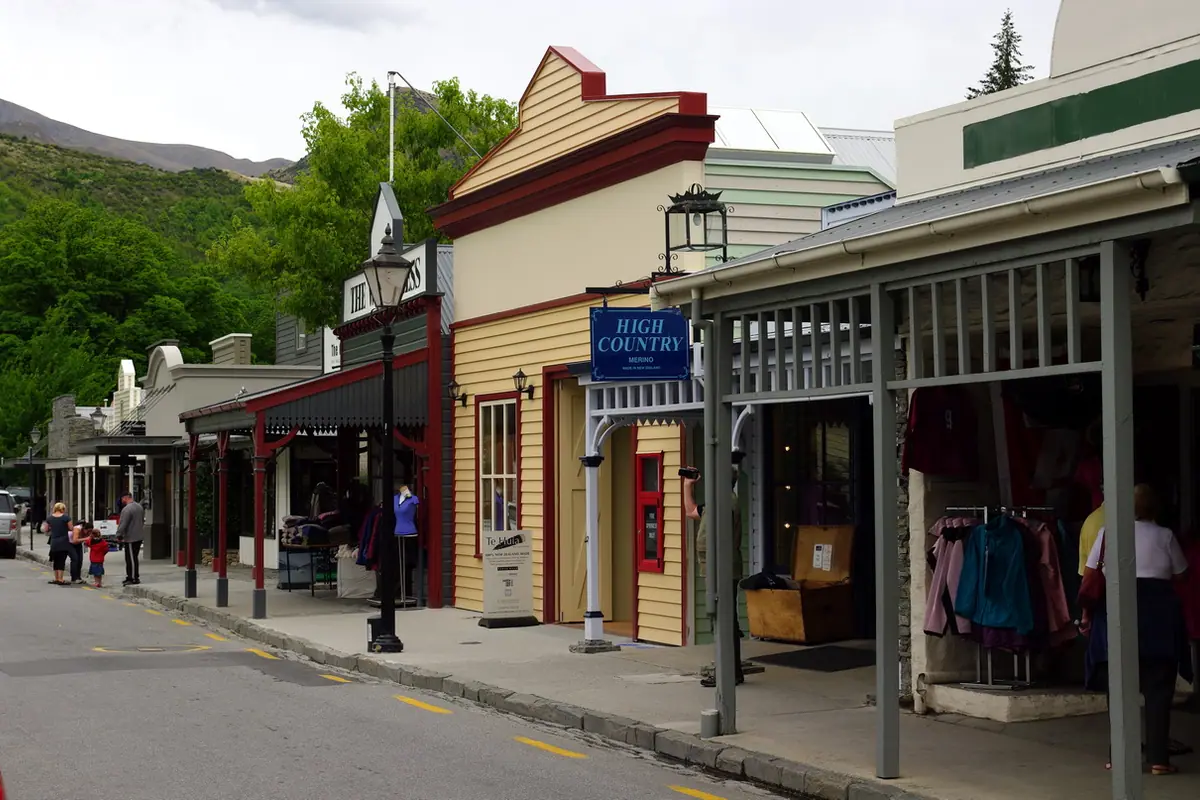
March and April are the connoisseur's months. Summer crowds have gone, hotel rates drop noticeably outside Easter, and the South Island's poplars and willows turn gold. Arrowtown, a restored gold-rush village just outside Queenstown, is the postcard — hillsides of amber above a tidy main street. Central Otago vineyards and the Art Deco streets of Napier in Hawke's Bay are at their most comfortable.
Hiking is superb, because cooler days suit the Routeburn Track, the Abel Tasman Coast Track and the Mueller Hut route above Aoraki/Mount Cook. Daylight still runs to around 7pm in April, so you can walk all day and still find dinner. Rain builds in Fiordland, but that's precisely when Milford Sound's waterfalls are at their most theatrical.
By May the peaks start collecting snow, some alpine roads require chains, and prices dip again — though ski towns begin pre-season maintenance. This is a fine window for city breaks in Wellington, where Te Papa, the cable car and Cuba Street fill a wet day, and in Christchurch, where supply is generous and rates are kind.
Winter (June–August): Ski Towns Sell Out, the North Stays Mild
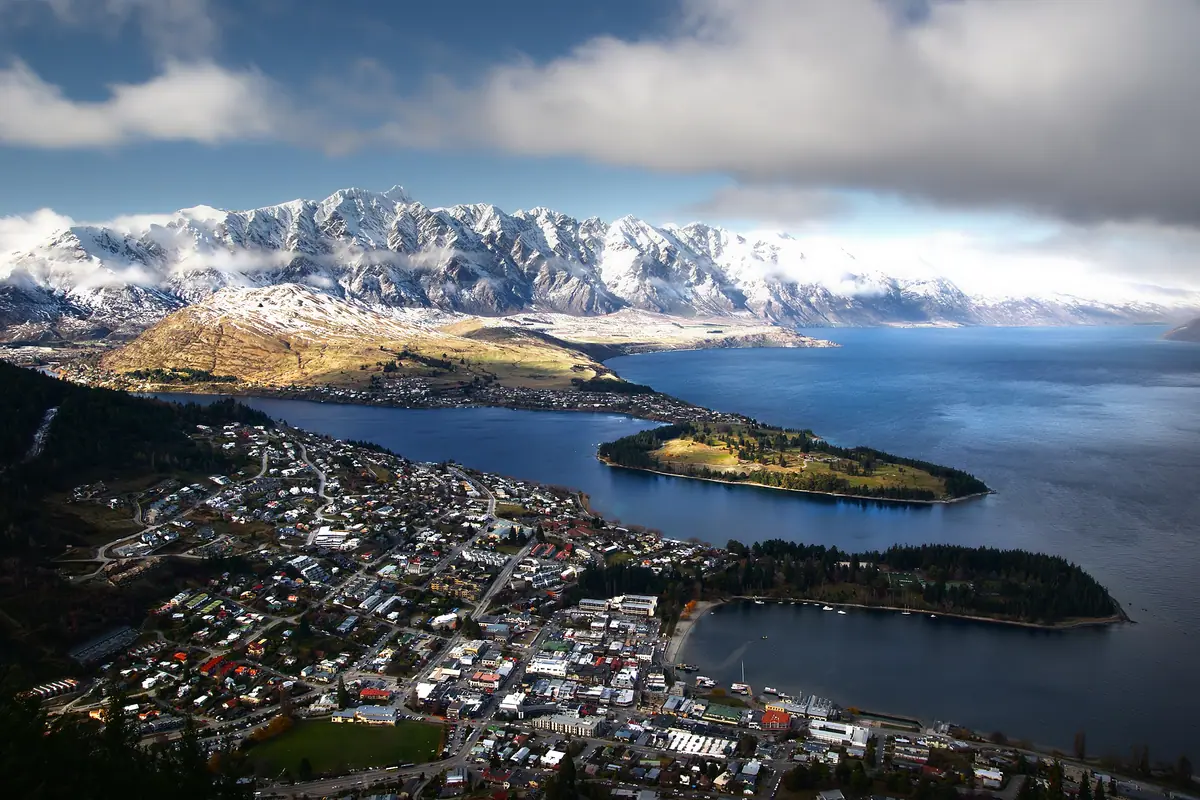
From late June the southern ski fields open — Coronet Peak and The Remarkables above Queenstown, Cardrona and Treble Cone near Wanaka, and Mt Hutt inland from Christchurch. Queenstown rates climb to their second annual peak, and the July school holidays bring minimum-stay rules and sold-out lodges. Book three to five months out if you want a short walk to the lifts.
The North Island has its own winter draw: the Whakapapa and Turoa fields on Mount Ruapehu, inside Tongariro National Park, plus geothermal Rotorua, where steam drifts off the lake and the Wai-O-Tapu and Te Puia thermal areas look their best in cold air. Waitomo's glowworm caves are a reliable wet-weather standby, and Northland — the self-styled winterless north — stays mild enough for Cape Reinga and Ninety Mile Beach.
Winter is also glacier season on the West Coast, when guided ice walks on Franz Josef and Fox glaciers run alongside heli-hiking on clear days. Expect early darkness — around 5:30pm in the south — so pick accommodation within walking distance of restaurants. Whale watching in Kaikoura operates year-round and is arguably richer in the colder months.
Spring (September–November): Waterfalls, Lupins and Shoulder-Season Rates
Spring is unpredictable but rewarding. September is quiet and cheap, October brings blossom to Christchurch's Hagley Park and warmer afternoons, and November is when the lupins bloom around Lake Tekapo, framing the Church of the Good Shepherd against turquoise water and the Southern Alps. Book Tekapo and Mount Cook Village early for late November.
Snowmelt makes this the year's best waterfall season — Milford Sound and the Routeburn thunder — and the Hooker Valley Track at Aoraki/Mount Cook is at its most photogenic. A few ski fields push into October, so late-season skiing and spring hiking can overlap for a week or two.
Watch the calendar closely. Spring school holidays in late September and the long weekend in late October push domestic rates up sharply for a few days. Outside those dates you'll find the year's best balance of weather, daylight and price in Nelson, Wellington, Dunedin and the Mackenzie Country.
Where to Base Yourself — and How to Book Smart
Region matters as much as season. Base in Auckland for the Sky Tower, Waiheke Island and the Waitakere Ranges; Rotorua or Taupo for geothermal parks and the Tongariro Alpine Crossing; Wellington for museums and coffee; Nelson for Abel Tasman; Queenstown or Wanaka for adventure; Te Anau for fiords; Franz Josef for glaciers; Dunedin for wildlife and the road south to Stewart Island.
A few habits save money and stress. Prioritise free cancellation in peak summer, because weather can reroute an entire itinerary overnight. Choose motels with kitchenettes in smaller towns where kitchens close early. Many properties are owner-run with no 24-hour desk, so confirm your arrival time, and break long drives with a night somewhere worthwhile — Punakaiki on the West Coast or Kaikoura on the coastal route.
If you're walking a Great Walk — the Milford, Routeburn, Kepler or Tongariro Northern Circuit — hut places release months ahead and vanish within minutes. Lock those dates first and build your accommodation around them. Lodges near Hobbiton in the Waikato and around the Coromandel also fill a year out for long weekends.
Frequently asked questions
What's the best month to visit New Zealand for good weather and reasonable hotel rates?
Late February through April, and October to mid-November. You get warm-to-mild days, long daylight, thinner crowds and noticeably lower rates than the Christmas-to-January peak.
How far ahead should I book hotels in New Zealand?
Four to six months for late December to mid-January and the July ski holidays, and about three months for February, March and October. In quiet periods such as May, June or September outside school holidays, a few weeks is usually enough — though small towns can still surprise you.
Is winter a bad time to visit New Zealand?
Not at all. It's the best time for skiing around Queenstown, Wanaka and Mount Ruapehu, and the North Island's geothermal areas plus mild Northland work well in cooler months. Just expect early darkness and occasional alpine road closures.
When is the cheapest time to stay in New Zealand?
Late April to June, avoiding Easter and the ski opening weekends, and September outside school holidays. Winter weeknights in non-ski towns are also strong value.
Do public holidays affect hotel availability?
Yes. Waitangi Day on 6 February, Easter, Matariki in late June or July, the late-October long weekend and regional school holidays all cause short, sharp spikes. Book early around those dates, or travel midweek instead.
Plan it — hotels in New Zealand
Live search, booked directly with trusted providers.
Sort the rest of your trip
Everything for New Zealand, in one place
Transfer in New Zealand
Private driver waiting on arrival — no queues, no surprises.
Book a transfer
Things to do in New Zealand
Skip-the-line tickets, guided tours and standout experiences.
See experiences
Stay online in New Zealand
Travel eSIM — data the moment you land, no roaming bills.
Get an eSIMMore guides in New Zealand

Where to Stay in New Zealand: Hotels, Regions and Must-See Attractions

New Zealand Food, Culture and Local Experiences: A Tour Guide to Aotearoa
Best Things to Do in New Zealand: Must-See Landmarks, Hikes and Adventures

The Best Places to Visit in New Zealand: Fiords, Volcanoes and Alpine Peaks