New Zealand squeezes an entire continent of scenery into two long islands: fiords carved by ice, geysers spitting sulphur, glaciers hanging above turquoise lakes and golden bays where rainforest meets the sea. The real skill is choosing which corners deserve your days, and how to link them without living behind the wheel.
Milford Sound and Fiordland: The Showstopper
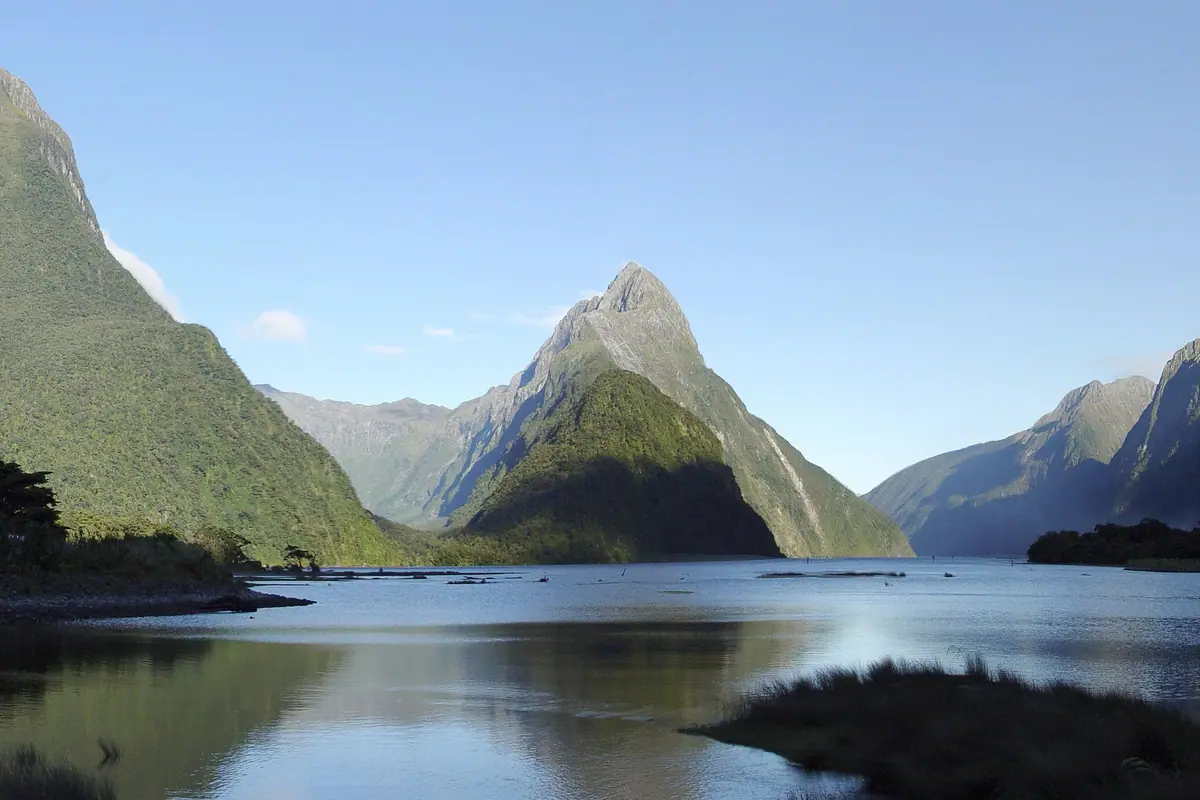
Nothing quite prepares you for the moment the Homer Tunnel spits you out and Mitre Peak appears, a 1,692-metre wedge of rock rising straight out of black water. Milford Sound is the headline act of Fiordland National Park, and it earns the fuss: waterfalls thread down sheer cliffs after rain, fur seals sprawl on the rocks and the whole place feels borrowed from another planet. Rain is not a disaster here, it multiplies the waterfalls and the mist. A cruise takes around two hours; kayaking takes longer and gets you closer to the cliffs.
Doubtful Sound is the quieter sibling, several times longer and far less visited. You reach it by crossing Lake Manapouri, then climbing over the Wilmot Pass before boarding a boat on the fiord itself. Overnight cruises are the classic way to do it: wake up to glass-flat water and nothing but birdcall.
This is walking country too. The Milford Track is the most famous of the country's multi-day hikes, with the Kepler, Routeburn and Hollyford tracks close behind. Book months ahead, aim for November to April, and take sandfly repellent seriously, because the biting flies here are relentless.
Queenstown and the Southern Lakes: Adrenaline With a View
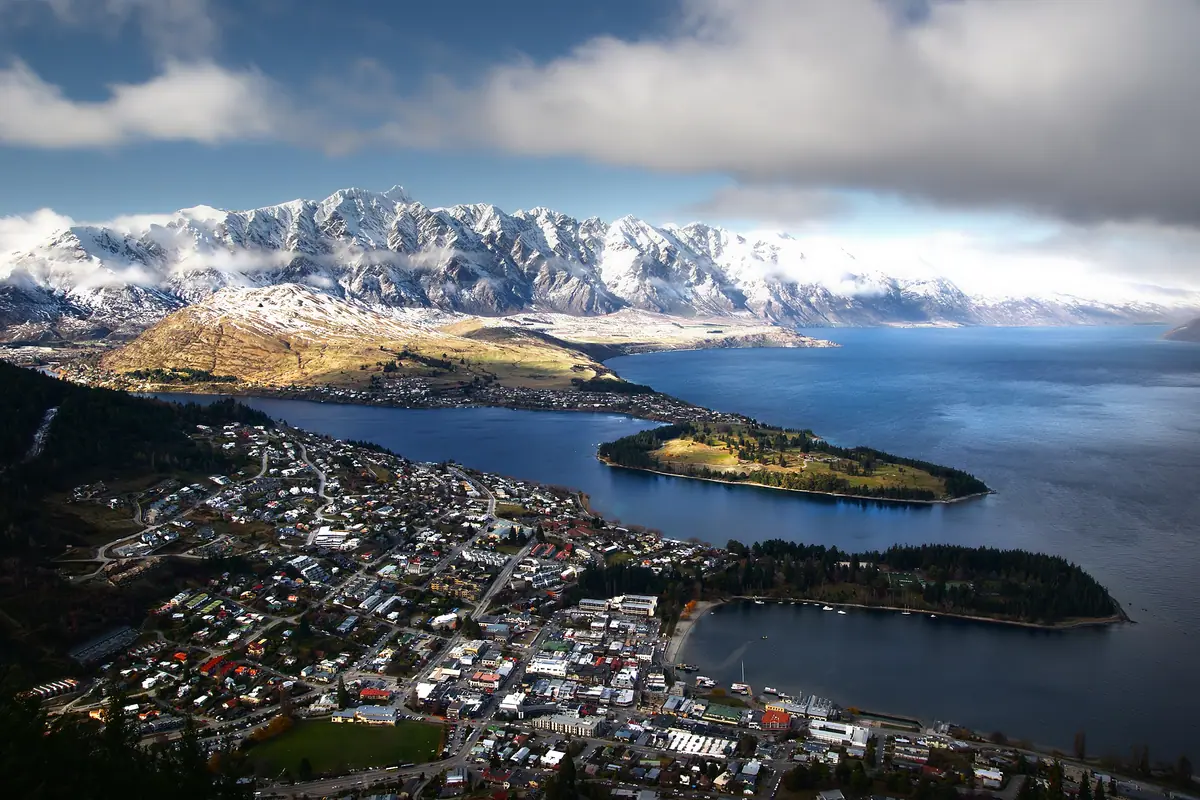
Queenstown sits on the shore of Lake Wakatipu with The Remarkables stacked behind it, almost unfairly pretty for a town whose main business is raising your heart rate. Ride the gondola up Bob's Peak for the panorama, walk the Ben Lomond Track if you want the view earned, then cross the lake on a century-old steamship to a high-country farm.
The adventure menu is genuinely world-class: bungy jumping from the historic Kawarau Bridge, jet boating through the Shotover and Kawarau canyons, paragliding off the gondola, white-water rafting, and skiing at Coronet Peak and The Remarkables from June to early October.
Give it more than a day. Arrowtown, twenty minutes away, is a preserved gold-rush village of wooden shopfronts and autumn poplars; the road to Glenorchy is one of the great drives anywhere; and the Gibbston Valley vineyards make a civilised afternoon. In summer the town fills up fast, so book beds well ahead.
Rotorua, Taupo and the Volcanic Heartland
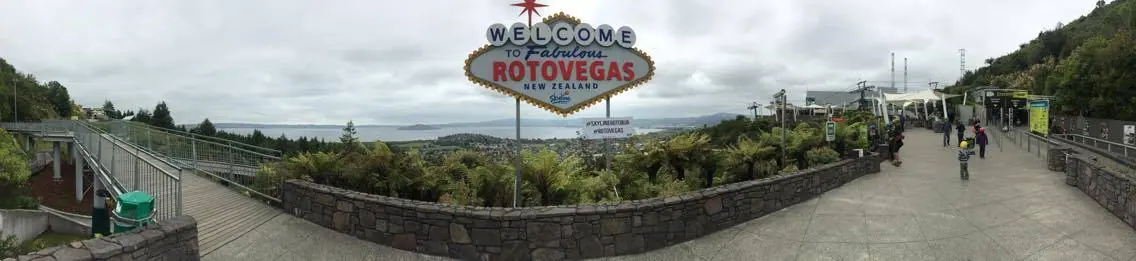
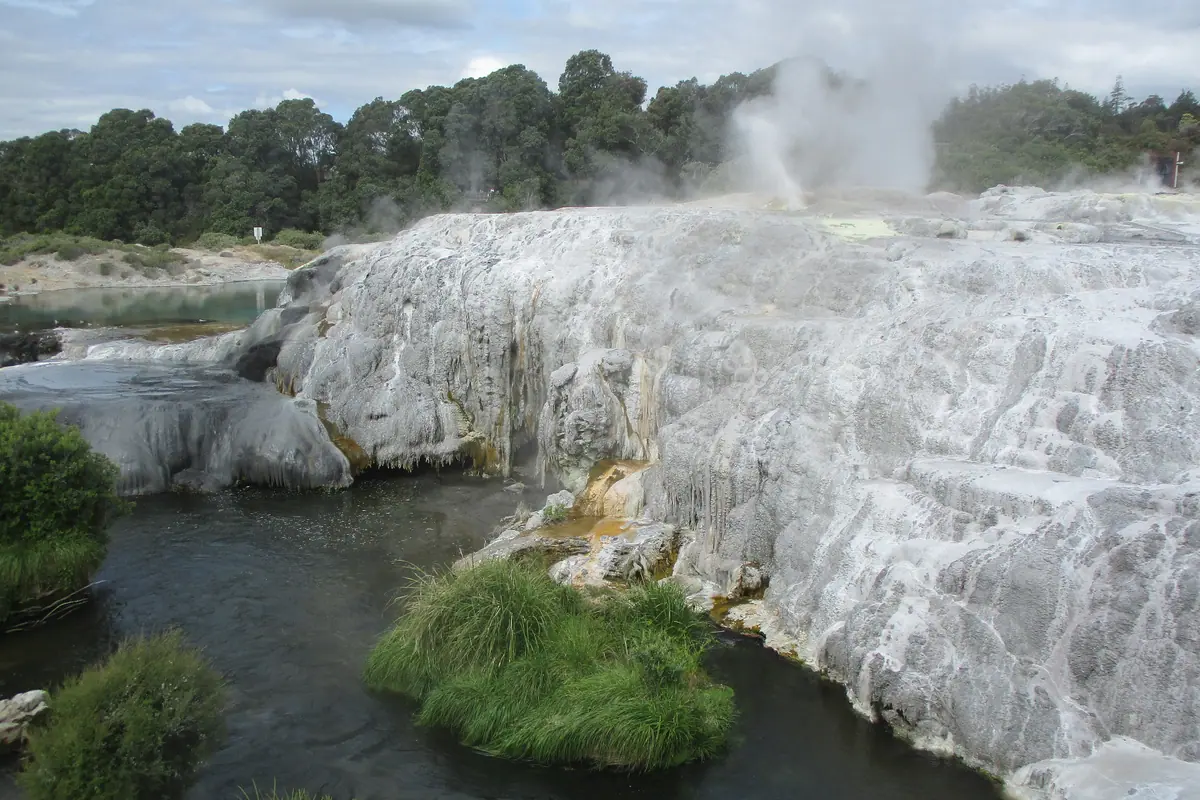
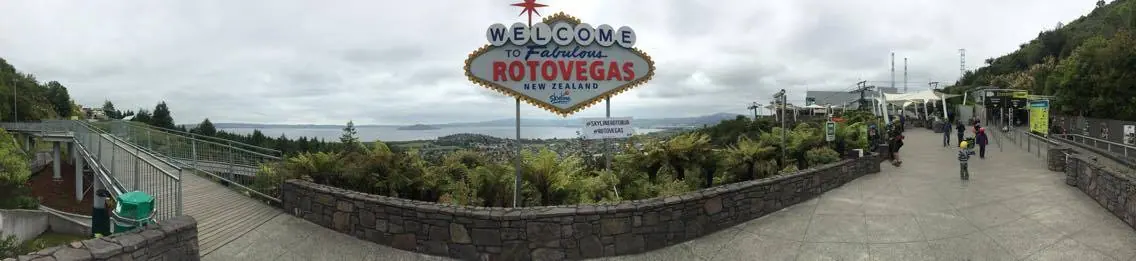
Rotorua announces itself before you see it, a faint sulphur smell drifting across the lake. This is one of the most active geothermal zones on Earth. At Whakarewarewa you can watch the Pohutu Geyser fire boiling water high into the air, and the Maori cultural performances in the district give the landscape its context rather than just its spectacle.
Nearby, Waiotapu's brilliantly coloured pools and the Waimangu Volcanic Valley offer steaming craters and mineral terraces, while the redwood forest above Rotorua has become one of the best mountain-biking networks in the southern hemisphere. An hour south, Huka Falls thunders into a vivid blue gorge near Taupo, the country's largest lake.
The other unmissable day here is the Tongariro Alpine Crossing, a 19.4 km traverse across volcanic desert past the Emerald Lakes and the cone of Mount Ngauruhoe. Allow seven to eight hours, check the forecast carefully, and arrange a one-way shuttle. On the way north, detour to the Waitomo caves to drift by boat beneath thousands of glowworms.
Aoraki/Mount Cook and the Mackenzie Country
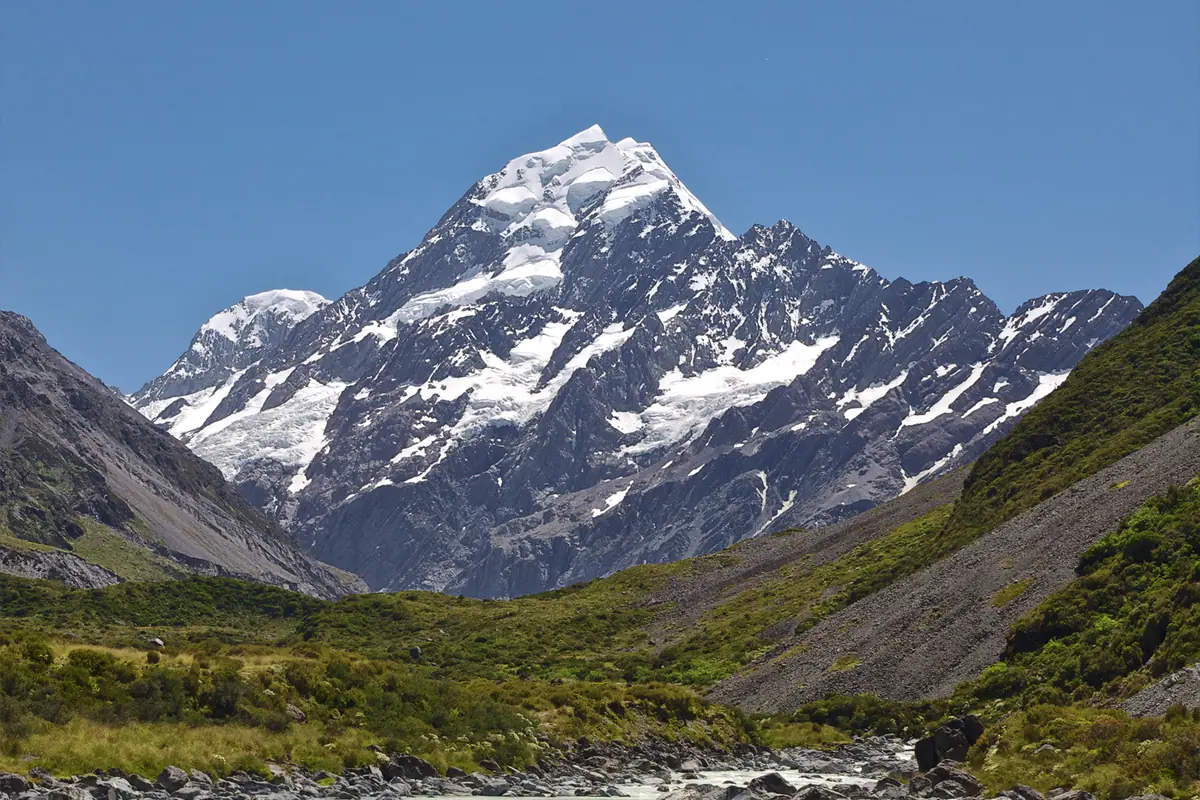
Drive north from Queenstown or south from Christchurch and the road eventually opens onto Lake Pukaki, an unnervingly opaque turquoise, with Aoraki/Mount Cook, the country's highest peak at 3,724 metres, floating at the far end. This is the Mackenzie Country: tussock plains, glacier-fed lakes and skies so clear the area is protected as a dark-sky reserve.
The Hooker Valley Track is the best short walk in the country. Ten kilometres return and roughly three hours, it crosses swing bridges and boardwalks to a glacier lake where icebergs calve off the terminal face. It is almost entirely flat, which makes it manageable for most fitness levels, though the weather can turn without warning.
Nearby Lake Tekapo has the Church of the Good Shepherd, a tiny stone chapel on the lakeshore that has become the country's most photographed building, plus lupins that carpet the roadside in late spring. Mount John Observatory is the place for stargazing, and further up the valley, scenic flights and guided glacier walks on the Tasman Glacier run through summer.
Abel Tasman and the Top of the South Island
The Abel Tasman Coast Track is the gentlest of the famous walks, about 60 km of golden sand, granite headlands and bays where the water really is that colour. You do not need to walk it all: water taxis drop you at beaches such as Anchorage, Bark Bay and Awaroa, so you can day-walk, kayak or tackle a two-to-three-day section.
Sea kayaking is arguably the better way to see it. Paddling out from Marahau or Kaiteriteri takes you past seal colonies near Tonga Island and forests of tree ferns. The park is busiest from December to February, so travel in November or March if you want the beaches to yourself.
Over Takaka Hill, Golden Bay changes character entirely: artisanal, alternative, end-of-the-road. Wharariki Beach, with its sea-carved arches and offshore rock stacks, justifies the long gravel approach, and Te Waikoropupu Springs are among the clearest freshwater springs anywhere. To the east, the Marlborough Sounds, the Queen Charlotte Track and the wineries around Blenheim fill out the region neatly.
Auckland, Wellington and the Far North
Auckland sprawls across a volcanic field of roughly fifty cones. Take the ferry to Rangitoto Island for the classic harbour view, ride the lift up the Sky Tower, and hop across to Waiheke Island for vineyards and sheltered beaches. On the west coast, Piha's black sand and the Waitakere Ranges rainforest feel wild and remote, yet sit barely 45 minutes from the city.
Wellington is compact and windy, and all the better for it. Te Papa holds the country's finest museum collection, the cable car climbs to the Botanic Garden, Mount Victoria delivers the postcard panorama, and Cuba Street supplies the coffee and the late-night energy. The inter-island ferry to Picton takes about three and a half hours through the sounds, a crossing worth doing in daylight.
North of Auckland, the Bay of Islands offers dolphin cruises, the Waitangi Treaty Grounds and the famous hole in the rock; further up, Ninety Mile Beach and Cape Reinga mark the country's northern tip. In the Waipoua Forest, the giant kauri known as Tane Mahuta is thought to be well over a thousand years old and is worth the detour on its own.
Frequently asked questions
When is the best time to visit New Zealand?
December to March brings the warmest weather and longest days, with February often the most settled month, but it is also peak season for crowds and prices. November and April to May are excellent shoulder-season compromises, quieter with decent conditions. June to August is ski season in the Southern Alps, though many alpine tracks are snow-covered and some roads need chains.
How many days do I need in New Zealand?
Ten days to two weeks is realistic for one island done properly. To cover both islands without rushing past the highlights, budget three to four weeks. Distances on the map are deceptive: winding roads, single-lane bridges and mountain passes mean a 250 km day can easily take four hours.
Do I need to rent a car?
For most itineraries, yes. Public transport links the main cities but rarely reaches the national parks, fiords or trailheads. Driving is on the left, roads are generally well maintained and quiet outside the cities, and the inter-island ferry between Wellington and Picton takes about three and a half hours and is best done in daylight.
How far ahead should I book multi-day hikes and huts?
Months, sometimes close to a year. Summer slots on the famous tracks sell out almost as soon as bookings open for the season, and hut beds are limited. If you miss out, day walks and guided versions of the same terrain are often still available, and the shoulder seasons are noticeably easier to book.
What should I pack for New Zealand?
Layers, a genuinely waterproof shell and sturdy footwear, because four seasons can arrive in one afternoon. Sun protection matters more than you expect thanks to harsh UV, and insect repellent is essential anywhere near the West Coast and Fiordland sandflies. Bring a modest swimsuit for hot pools and a warm hat for alpine mornings.
Plan it — experiences in New Zealand
Live search, booked directly with trusted providers.
Sort the rest of your trip
Everything for New Zealand, in one place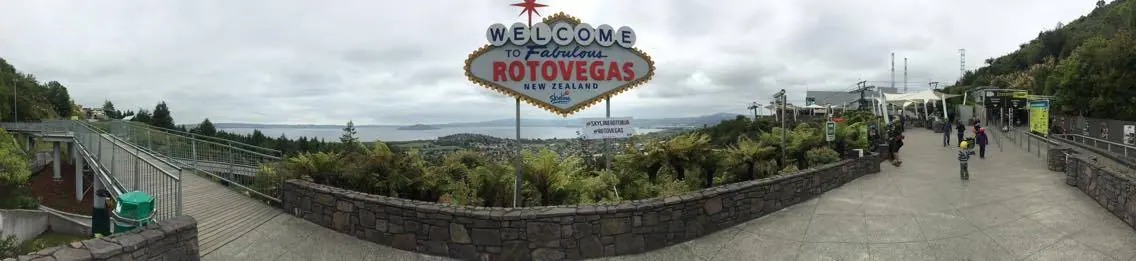
Stay in New Zealand
Hotels, guesthouses and apartments — compared in one search.
Search hotels
Transfer in New Zealand
Private driver waiting on arrival — no queues, no surprises.
Book a transfer
Stay online in New Zealand
Travel eSIM — data the moment you land, no roaming bills.
Get an eSIMMore guides in New Zealand
Where to Stay in New Zealand: Hotels, Regions and Must-See Attractions
New Zealand Food, Culture and Local Experiences: A Tour Guide to Aotearoa
The Best Time to Visit New Zealand for Hotels: A Season-by-Season Booking Guide
Best Things to Do in New Zealand: Must-See Landmarks, Hikes and Adventures