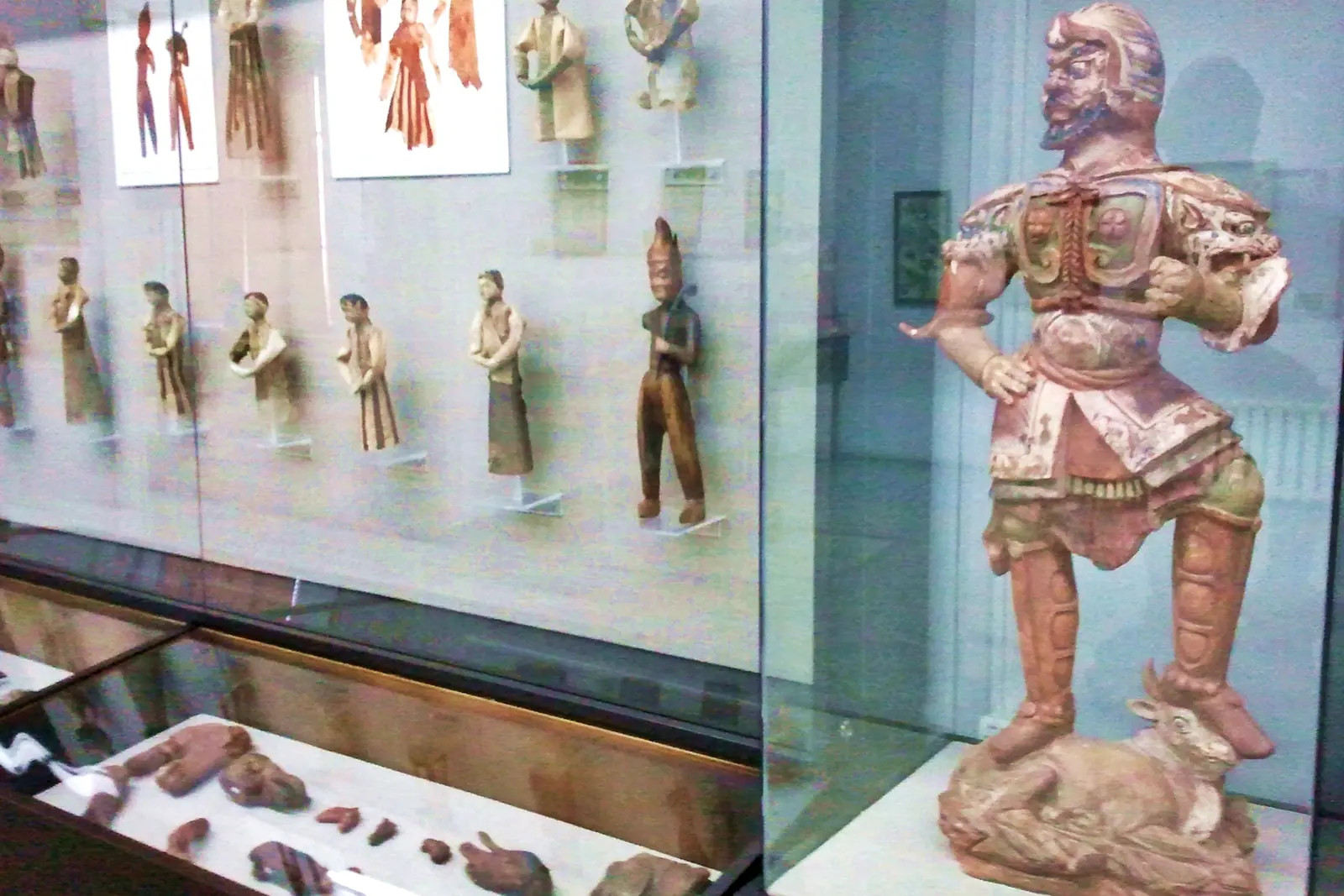
Mongolia is a country you taste before you understand: salt-slicked milk tea, dumplings eaten scalding from the hand, mutton cooked with river stones in a sealed can. Beyond the gers and the grasslands, the same hospitality runs through Ulaanbaatar's monasteries, the horse races of Naadam and the dune camps of the Gobi.
The Nomadic Table: What Mongolian Food Actually Tastes Like
Mongolian cooking starts with the animal and the fire, and it rarely pretends otherwise. The everyday staple is buuz — fist-sized steamed dumplings packed with minced mutton, onion and fat, pinched at the top and eaten by the dozen with salty milk tea. Alongside them come khuushuur, the same filling flattened and deep-fried until the edges blister, and tsuivan, hand-cut noodles tossed in a wok with meat, carrot and cabbage. These three dishes will follow you from a family ger to a city canteen, and they are the honest entry point to the national palate.
For celebrations, cooking becomes theatre. Khorkhog is mutton layered with fire-heated river stones inside a sealed milk churn, the meat steamed and lightly smoked by the rocks; boodog, usually goat or marmot, is cooked by stuffing hot stones inside the carcass itself, a technique that belongs to autumn hunting season and big family gatherings. Around these sit the dairy foods Mongolians call tsagaan idee, 'white food': aaruul, the rock-hard dried curd carried in pockets for snacking, boortsog fried dough, golden shar tos clarified butter, and airag, fermented mare's milk, which appears in late June and disappears by early September.
Expect mutton at nearly every meal, including breakfast, and expect to be offered tea the moment you sit down. Take it with your right hand or both hands, sip before setting the bowl down, and don't refuse outright — a small taste is enough. In Ulaanbaatar it's easy to find Korean, Italian, Indian and vegetarian cooking, but once you head for the steppe, bring your own supply of nuts, dried fruit and coffee. The Naran Tuul market on the capital's eastern edge is the best crash course in local ingredients, from dried curd bricks to horse tack and felt boots.
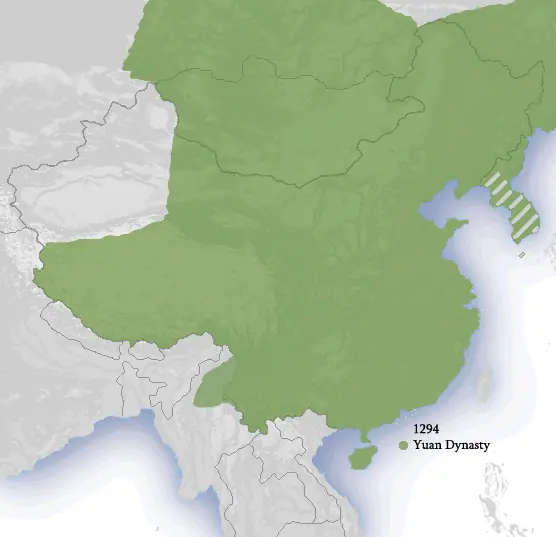
Ulaanbaatar: Monasteries, Museums and the First Bowl of Tea
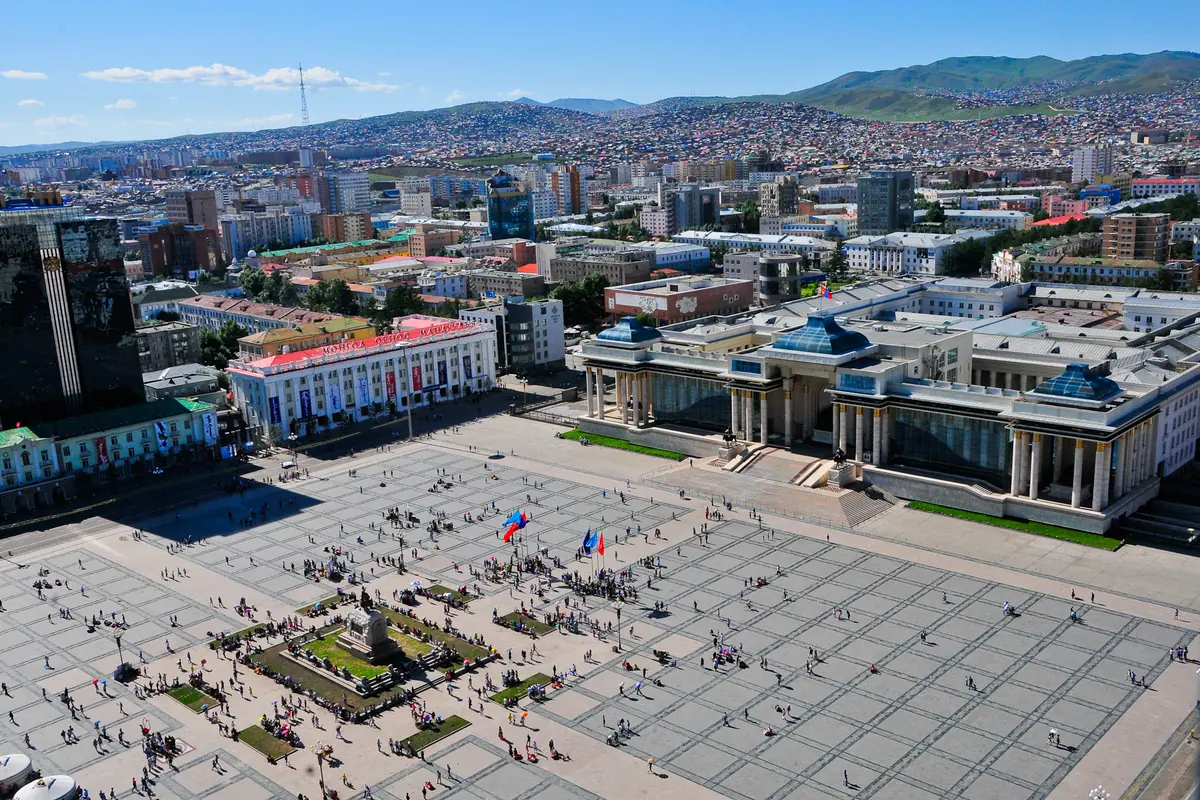
Almost half of Mongolia lives in its capital, and the city rewards two or three unhurried days before you head into the countryside. Sükhbaatar Square — often called Chinggis Khaan Square — is the ceremonial heart, framed by the colonnaded Government Palace and its enormous seated bronze of Chinggis Khaan, with the equestrian statue of Damdin Sükhbaatar in the middle. Ten minutes' walk away, Gandan Monastery (Gandantegchinlen Khiid) is the country's most important working monastery, its courtyards full of pigeons, prayer wheels and the low drone of dawn chanting around the gilded Migjid Janraisig statue.
For context, the National Museum of Mongolia layers Stone Age burials, imperial banners and Soviet-era rooms into one brisk sweep, while the Chojin Lama Temple Museum preserves a frozen Buddhist complex of painted gods and masked-dance costumes. At the southern edge of the city, the Zaisan Memorial hill gives the classic panorama over the valley's tower blocks and ger districts — best an hour before sunset, when the light goes gold and the smog thins.
Eating here is a pleasure: basement canteens dish out cheap buuz and milk tea, while newer kitchens rework lamb ribs, horse sausage and seabuckthorn into something more contemporary. Use the city to buy a proper winter-rated sleeping bag, a warm hat and a headlamp, and to sort out your onward travel — domestic flights and long-distance buses to the provinces leave early, and booking a day ahead matters in July.
Naadam, Tsagaan Sar and the Festival Calendar
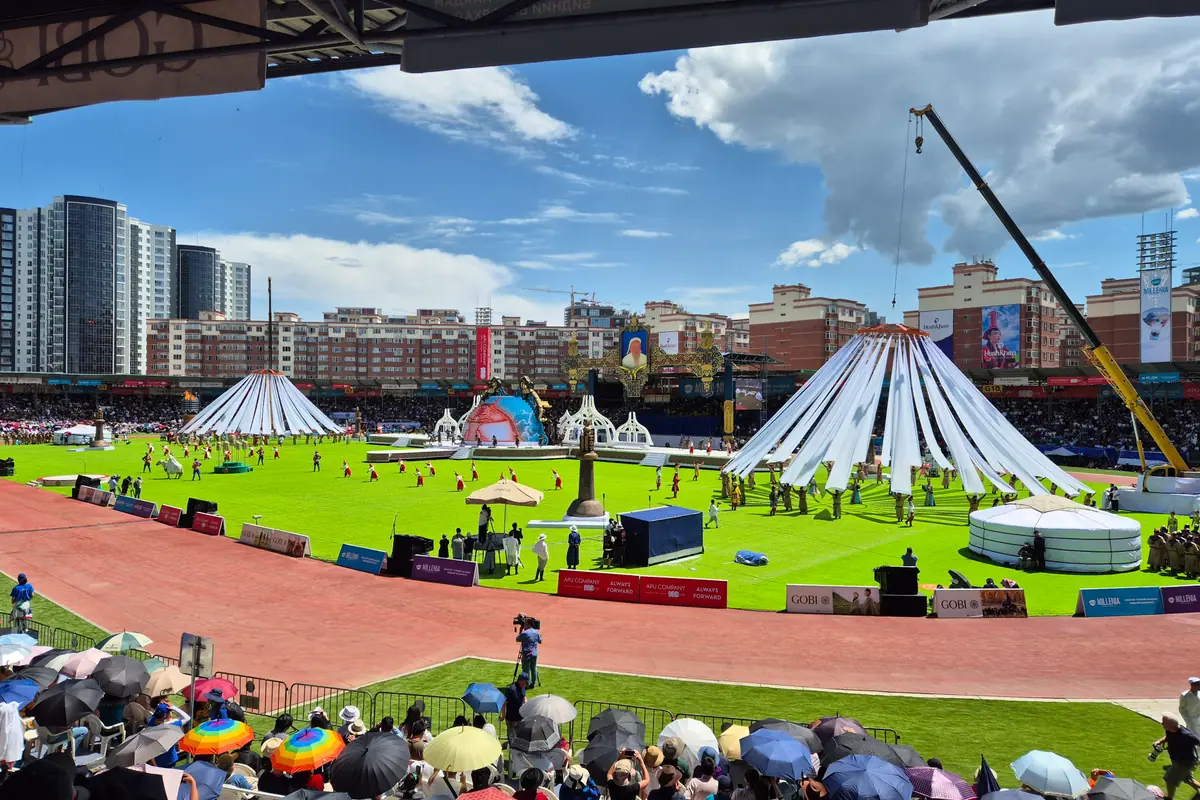
If your dates flex at all, bend them around Naadam, held nationwide on 11–15 July. Ulaanbaatar's edition opens with a horse-mounted parade and ceremony at the National Sports Stadium before the three games begin: wrestling, in which heavy-shouldered champions circle each other in slow, ritualised combat; archery, where teams loose arrows at woven targets from a distance; and horse racing, run not on a track but across open steppe, with child jockeys riding 15 to 30 kilometres depending on the age class. Knucklebone shooting, a flick-and-flick target game, completes the set and is far more gripping than it sounds.
Tsagaan Sar, the lunar new year, falls in January or February and is the most family-centred festival of the year. Homes fill with stacked ul boov biscuits, dairy platters and hundreds of buuz; younger relatives visit elders to exchange snuff bottles and silk khadag scarves, and everyone eats continuously for three days. Foreign visitors are often welcomed warmly, but arrive with a gift and follow your host's lead.
Later in the year, the Golden Eagle Festival in Bayan-Ölgii, on the first weekend of October, brings Kazakh hunters and their birds together for a two-day competition of calling, horseback pursuit and traditional dress. In the Gobi, herders gather for camel festivals in late winter, and Khövsgöl hosts ice celebrations in the depths of the cold. Book accommodation and transport two to three months ahead for any of these.
Ger Stays and Steppe Life: Sleeping Where the Herders Sleep
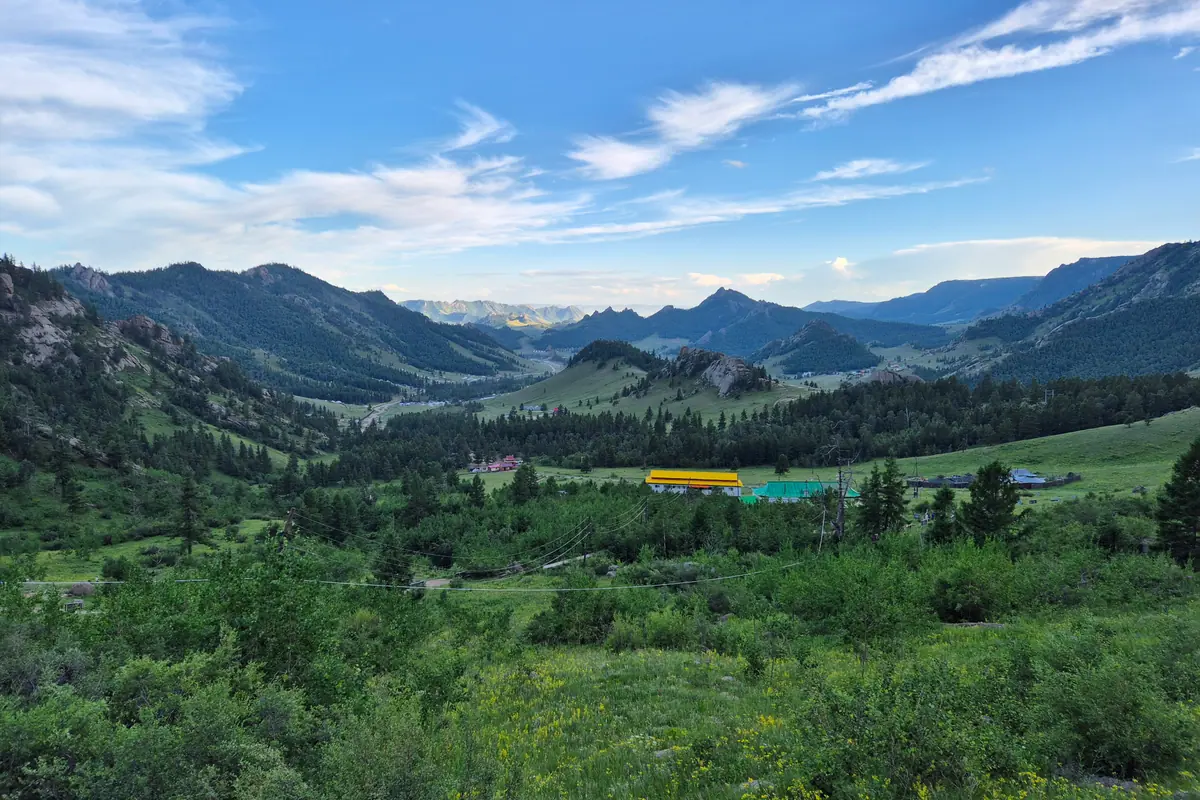
The classic Mongolian experience is a night — or five — in a ger, the round felt tent that moves with the seasons. The easiest introduction is Gorkhi-Terelj National Park, roughly a two-hour drive northeast of Ulaanbaatar, where granite cliffs and larch forest shelter both family gers and comfortable tourist camps. Further west, Khustain Nuruu National Park protects the takhi, the last truly wild horses on earth, reintroduced to these hills and often visible at dawn. North, around Khövsgöl Lake, the drives are longer but the water is impossibly blue, and multi-day trips into the taiga reach reindeer-herding families in the far north.
Life in a ger has a rhythm you slot into rather than direct: animals are milked at first light, herds are moved by horse, and the afternoon is for tea, cards and conversation. Airag is offered constantly through the summer, and a bowl of it shared in a herder's home is the taste of the season. Follow a few rules — walk clockwise inside, step over rather than on the threshold, don't lean on the central columns, accept food with your right hand or both, and never whistle indoors — and you'll be treated as a guest rather than a customer.
Come prepared for simplicity. Bathrooms are outdoor pits or nothing at all, electricity may come from a solar panel, and nights are cold even in July. Pack layers, a headlamp, wet wipes, a refillable bottle and a small gift such as good tea, chocolate or a photo of your own family. The best months for the northern lakes and the steppe are mid-June to early September; by October, many camps close.
The Gobi and the Altai: Deserts, Dunes and Eagle Hunters
The Gobi is not one landscape but several. In Gurvan Saikhan National Park, Yolyn Am — Vulture Valley — narrows into a gorge where a ribbon of ice can survive into July, a startling sight in the desert's heat. Further west rise Khongoryn Els, the singing dunes, hundreds of metres of sand that hum underfoot when the wind shifts and dry out a camp of camel herders at their base. At Bayanzag, the Flaming Cliffs glow orange at sunset and the ground still yields fossil bone; Tsagaan Suvarga's white stupa-like cliffs are another wind-sculpted detour.
Distances are the real subject here: plan on six to eight hours of driving on rough tracks between highlights, or fly to Dalanzadgad and start from there. Most travellers take a five- to eight-day loop with a driver-guide, sleeping in ger camps along the way. Late May to September is the window; midsummer days can be fierce, so sightseeing happens early and late, and evenings still need a fleece.
Far to the west, Bayan-Ölgii province feels like another country — Kazakh-speaking, Muslim, ringed by the snow peaks of Altai Tavan Bogd and its glaciers. Here you can ride out with eagle hunters, hear Mongolian long song and khoomei throat singing beside a horsehead fiddle, and eat beshbarmak and milk tea in a Kazakh ger. Add four or five days if you want this region done properly, and bring cash: ATMs are rare.
Karakorum, Erdene Zuu and the Orkhon Valley
A long day's drive west of the capital lies Kharkhorin, site of Karakorum, the 13th-century capital of the Mongol Empire. Almost nothing of the original city survives above ground, but Erdene Zuu Monastery was raised on its ruins in the 16th century, and its whitewashed wall is studded with 108 stupas — a walk around the perimeter is one of the country's great slow pleasures. Inside, temples hold gilded Buddhas and thangka paintings, and the atmosphere is quiet, incense-heavy and unhurried.
South of Kharkhorin, the Orkhon Valley opens into a protected World Heritage landscape of river bends, lava fields and grazing horses. Hillside Tövkhön Monastery, reached by a steep walk, was founded in the 17th century and looks out over the whole valley; further upstream, the Orkhon Waterfall (Ulaan Tsutgalan) drops into a basalt canyon, best seen in July and August when the flow is high. This is horse-trekking country, and several herder families take guests out for a day or a week.
Back towards Ulaanbaatar, the Chinggis Khaan Statue Complex at Tsonjin Boldog is the stop everyone photographs: a vast stainless-steel horseman rising from the steppe, with stairs inside leading up to a viewing platform in the horse's neck. Pair it with a night in Terelj, then finish with Amarbayasgalant Monastery in the north if you have time — a serene, largely rebuilt complex that few visitors reach. Ten days to two weeks is the sweet spot for combining the capital, the steppe, the Gobi or the Orkhon without spending every day in a vehicle.
Frequently asked questions
When is the best time to visit Mongolia?
Mid-June to early September offers the warmest weather, open ger camps and green steppe; July brings Naadam on the 11th–15th, so book early. Tsagaan Sar, the lunar new year, falls in January or February, and the Golden Eagle Festival in Bayan-Ölgii takes place on the first weekend of October. Winter travel is possible but genuinely extreme, with temperatures well below freezing.
What Mongolian dishes should I try first?
Start with buuz (steamed mutton dumplings), khuushuur (fried flat dumplings), tsuivan (hand-cut noodles with meat), and suutei tsai, the salty milk tea served with almost everything. For a celebration meal, seek out khorkhog, mutton cooked with hot stones. In summer, try airag, fermented mare's milk, and aaruul, the dried curd that Mongolians snack on all day.
Can I stay in a ger as a traveller?
Yes. Tourist ger camps around Gorkhi-Terelj, Khustain Nuruu, Khövsgöl Lake and the Gobi offer beds, bedding and meals, while community-based trips place you with herding families. Facilities are basic — outdoor toilets, limited power, cold nights — but the experience of sharing tea and airag with a herder family is usually the highlight of a Mongolian trip.
How much time do I need in Mongolia?
Allow at least three days in Ulaanbaatar and two weeks in total if you want the capital plus the steppe and either the Gobi or the Orkhon Valley. A Gobi loop typically takes five to eight days, and reaching Khövsgöl Lake or the Altai mountains in the west usually involves a domestic flight plus a long drive.
Is vegetarian or vegan food possible in Mongolia?
In Ulaanbaatar, yes — the city has vegetarian-friendly cafes and international restaurants. In the countryside, meals are built around mutton and meat broth, so learn the phrase 'makhgui' (without meat), pack protein-rich snacks, and be clear with your tour cook in advance. Dairy foods such as aaruul and boortsog are widely available and meat-free.
Sort the rest of your trip
Everything for Mongolia, in one place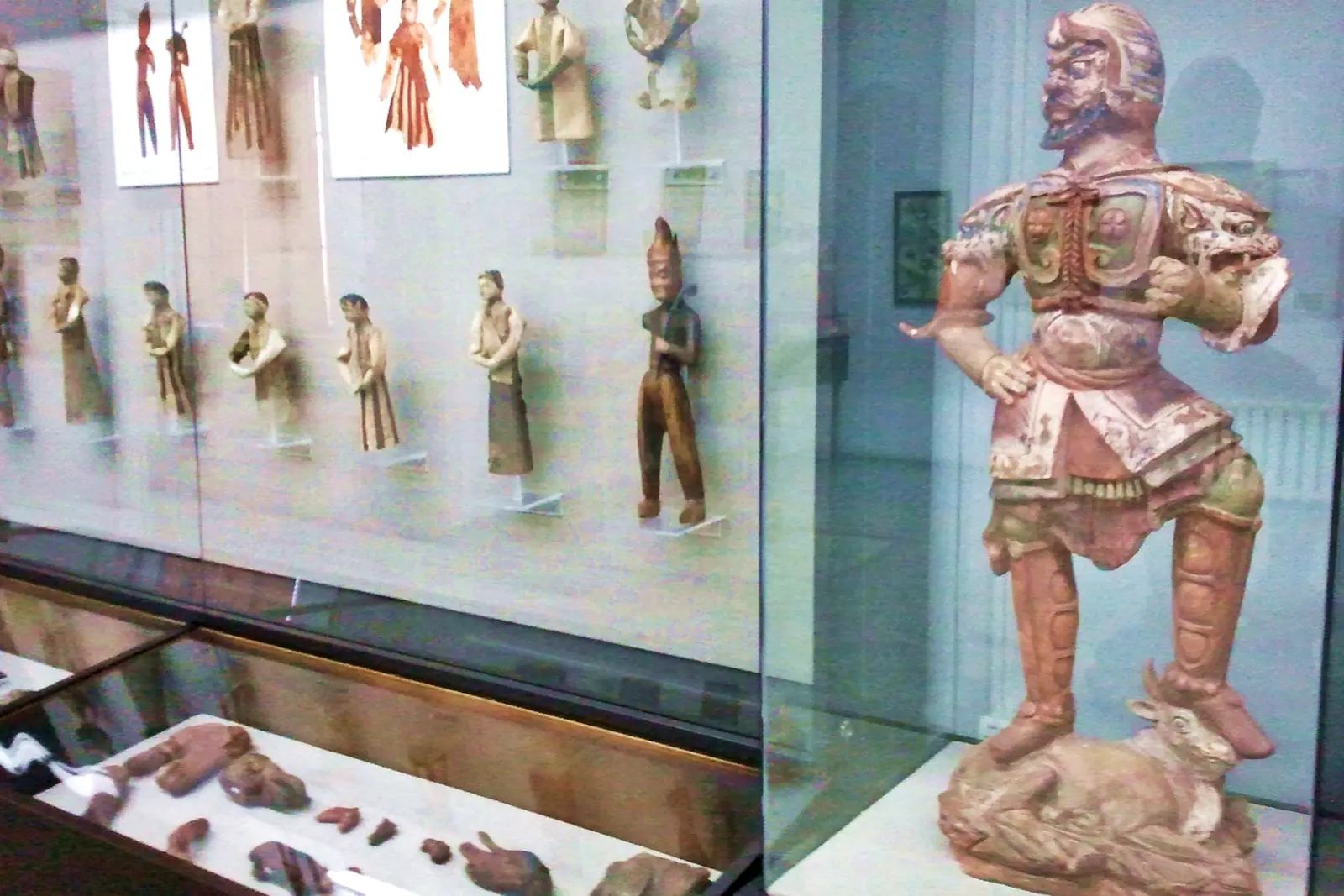
Stay in Mongolia
Hotels, guesthouses and apartments — compared in one search.
Search hotels
Transfer in Mongolia
Private driver waiting on arrival — no queues, no surprises.
Book a transfer
Stay online in Mongolia
Travel eSIM — data the moment you land, no roaming bills.
Get an eSIMMore guides in Mongolia
Where to Stay in Mongolia: Hotels, Ger Camps and Must-See Sights
One Week in Mongolia by Plane: The 7-Day Itinerary That Actually Works
Top Things to Do in Mongolia: Landmarks, Steppe and Gobi Adventures
Best Places to Visit in Mongolia: Top Sights from the Gobi to Khövsgöl