Mongolia is a country you feel before you understand: wind moving through a million hectares of empty steppe, the smell of woodsmoke in a ger door, horses grazing where an empire once mustered. The distances are enormous and the roads are often just tracks, but the rewards are some of the last genuinely vast wild places on earth.
Ulaanbaatar: Where the Country's Story Begins
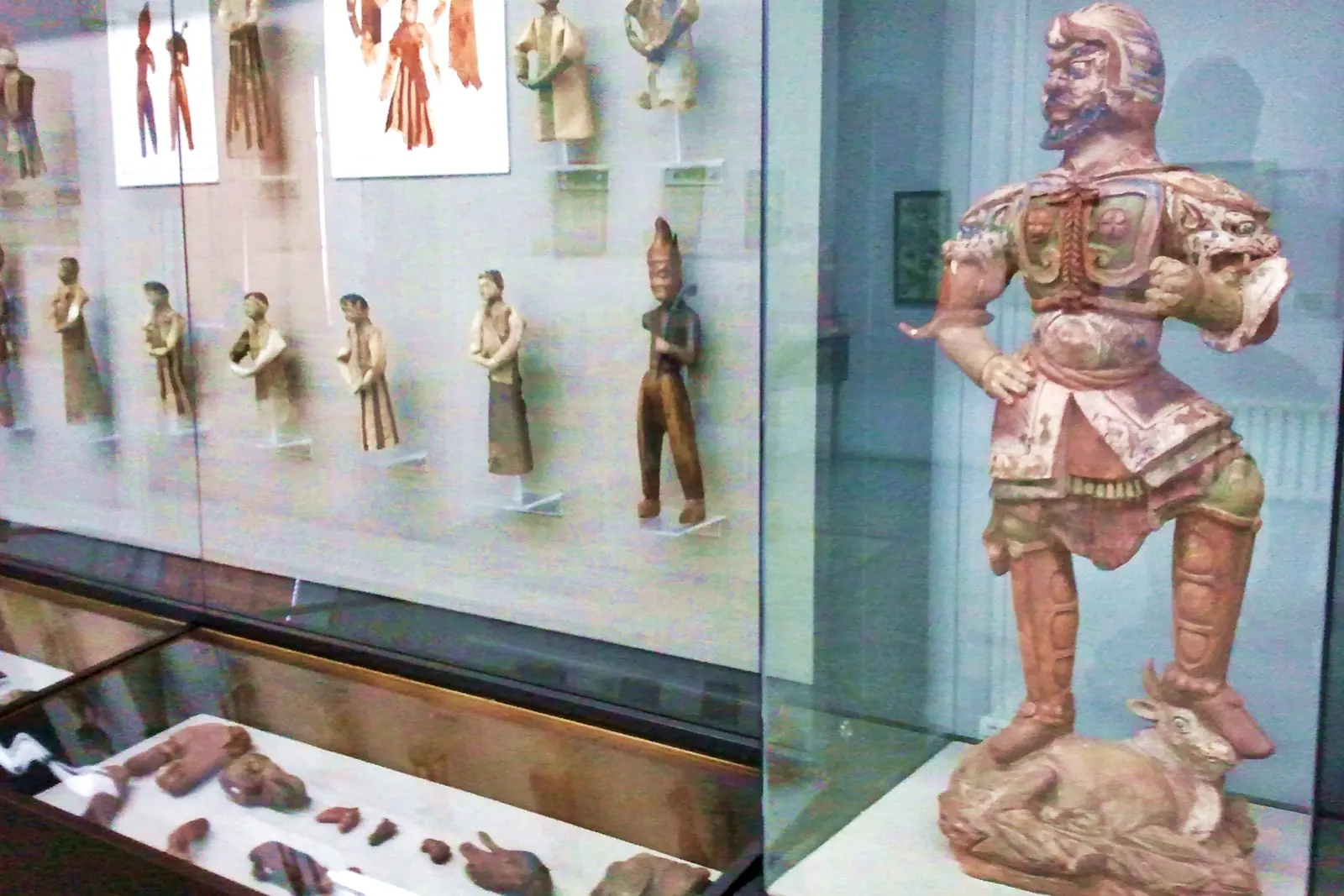
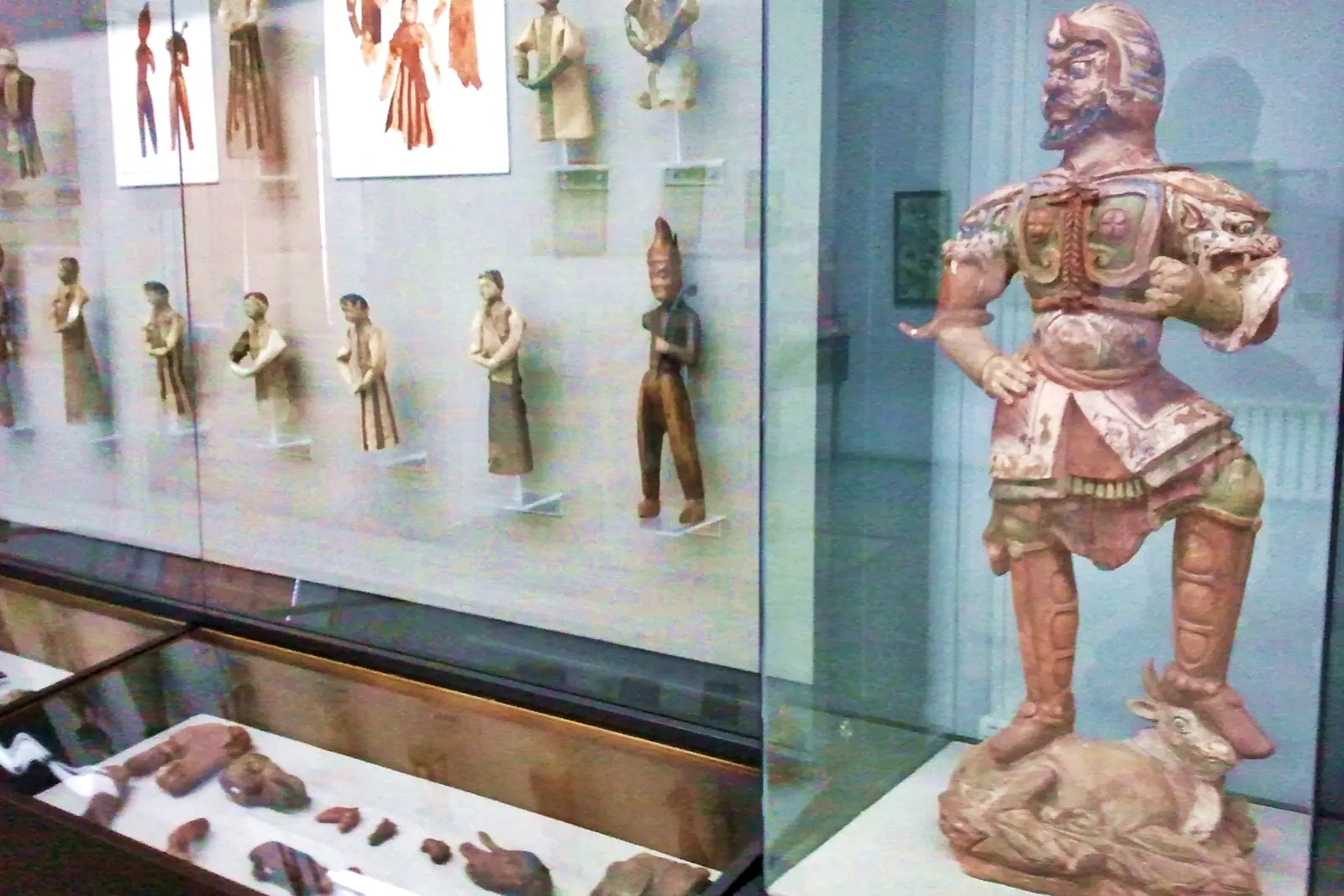
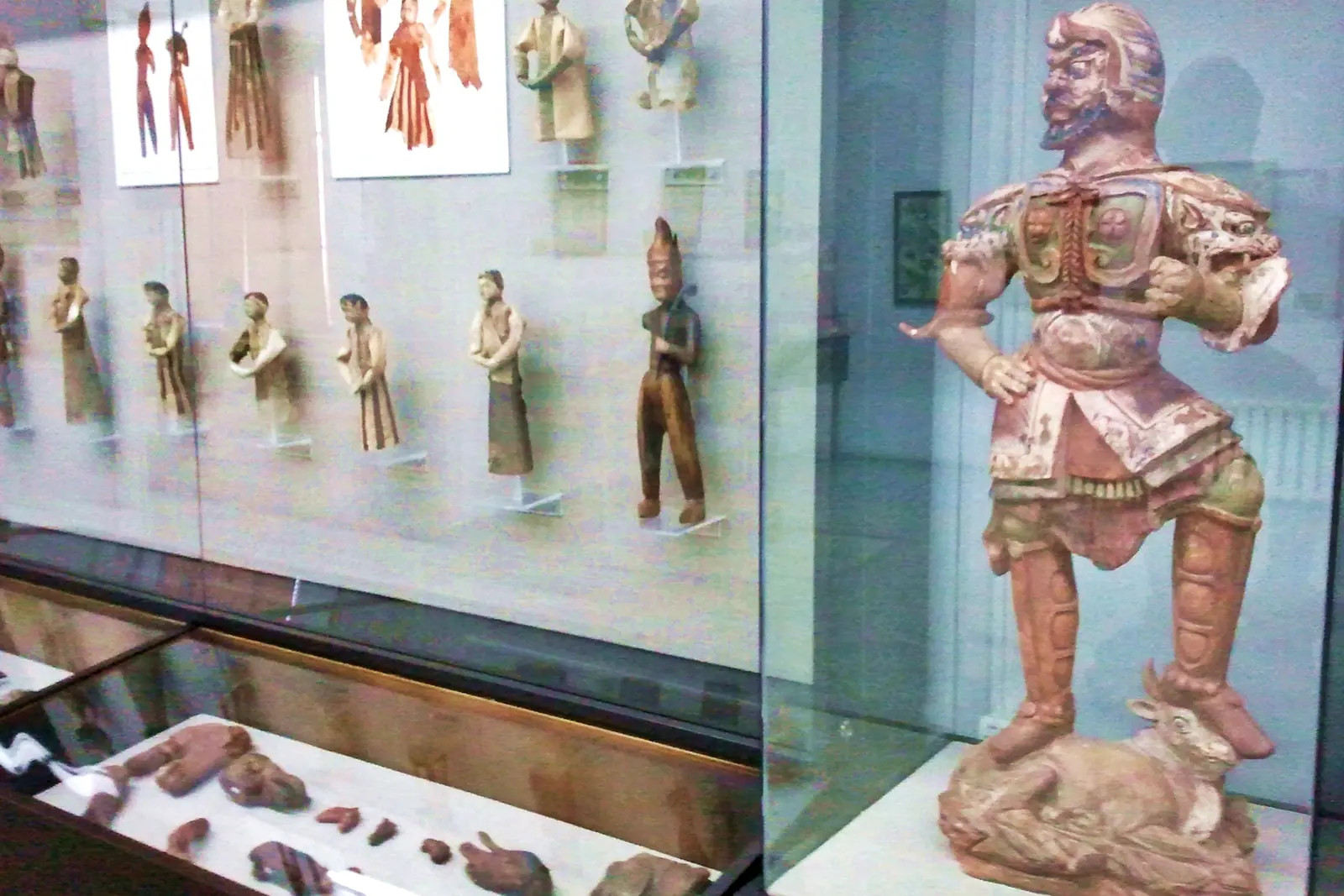
Almost every trip starts in Ulaanbaatar, a city of glass towers bolted onto a valley of ger districts and Buddhist rooftops. Begin at Chinggis Khaan Square, the ceremonial heart of the capital, where the seated statues of the great khans watch over a plaza that fills with parades, wedding parties and, on 11 July, the opening ceremonies of Naadam. A short walk away is the National Museum of Mongolia, which walks you through Bronze Age deer stones, the 13th-century empire and the 20th-century socialist decades in a couple of hours — invaluable context before you head into the countryside.
North of the centre stands Gandan Khiid, Mongolia's largest working monastery, where you can hear the low hum of monks chanting and watch worshippers circle the gilded statue of Migjid Janraisig. Nearby, the Bogd Khaan Palace Museum preserves the winter residence of the last living Buddha of Mongolia, a complex of Chinese- and Tibetan-style temples packed with thangkas and ceremonial regalia. Finish with a climb up to the Zaisan Memorial on the southern hill for the best view of the city spilling across the bowl of hills at sunset.
Give Ulaanbaatar two full days if you can: one for the square, monasteries and museums, another to organise permits, cash and gear. The city is also the gateway for the short trips below, and it's the only place with reliable ATMs and a wide spread of accommodation, from hostels to heritage-style hotels.

Gorkhi-Terelj and the Chinggis Khaan Statue
Eighty kilometres east of the capital, Gorkhi-Terelj National Park is where locals go to breathe. The valley of the Tuul River is framed by granite outcrops, the most famous of which is the Turtle Rock, a boulder shaped like a shell-backed reptile crawling up a hillside. From the car park it's a gentle hour's walk to Aryabal Meditation Temple, a small Buddhist retreat perched on a ridge with a wooden boardwalk of painted teachings and a view across the whole valley.
Terelj is also one of the easiest places to spend a night in a ger camp, ride a horse with a local herder, and eat khuushuur — the fried mutton pastries that fuel most Mongolian road trips. It's an excellent soft landing if you've never slept on the steppe before and want the comfort of a stove, hot food and a shower.
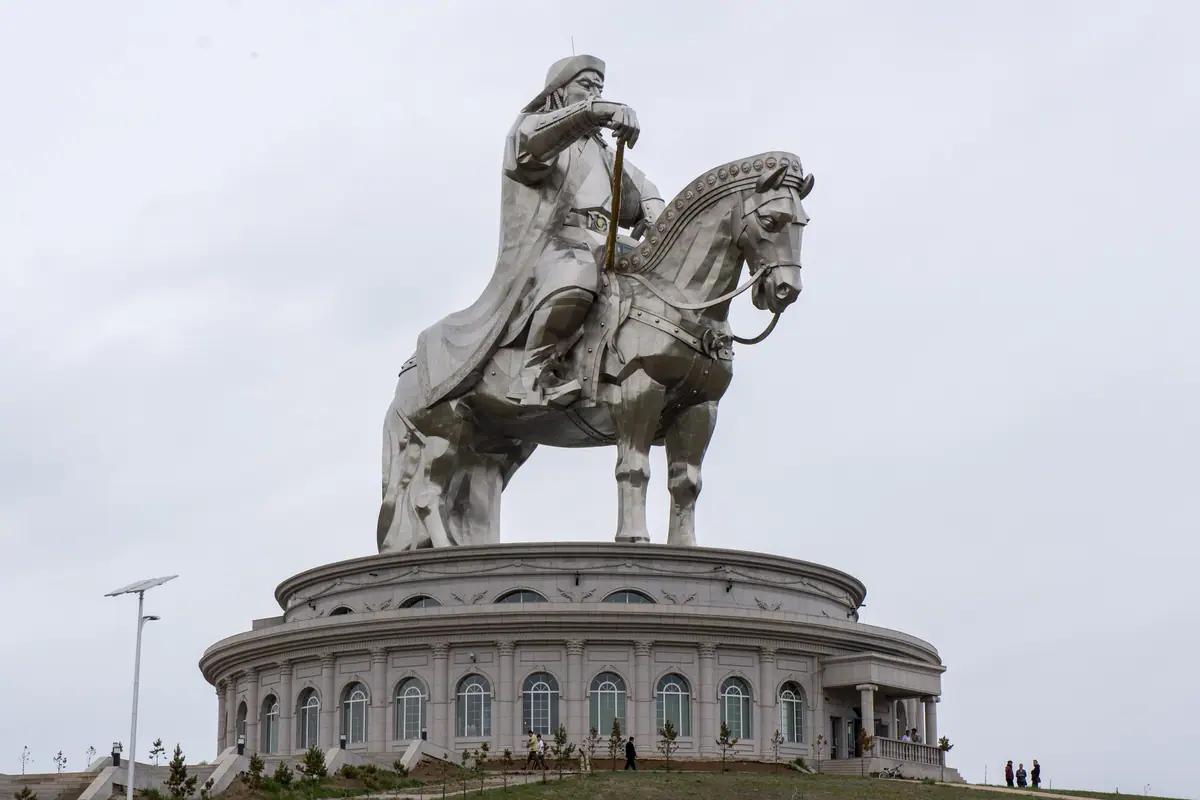
On the way back, stop at the giant equestrian statue of Chinggis Khaan at Tsonjin Boldog, a 40-metre stainless-steel figure the country raised on the spot where legend says he found a golden whip. You can ride a lift up through the horse's body to a viewing deck on the mane, and there's a small museum of Bronze Age artefacts in the base. It's unashamedly theatrical, and worth the hour.
The Gobi Desert: Dunes, Ice and Flaming Cliffs
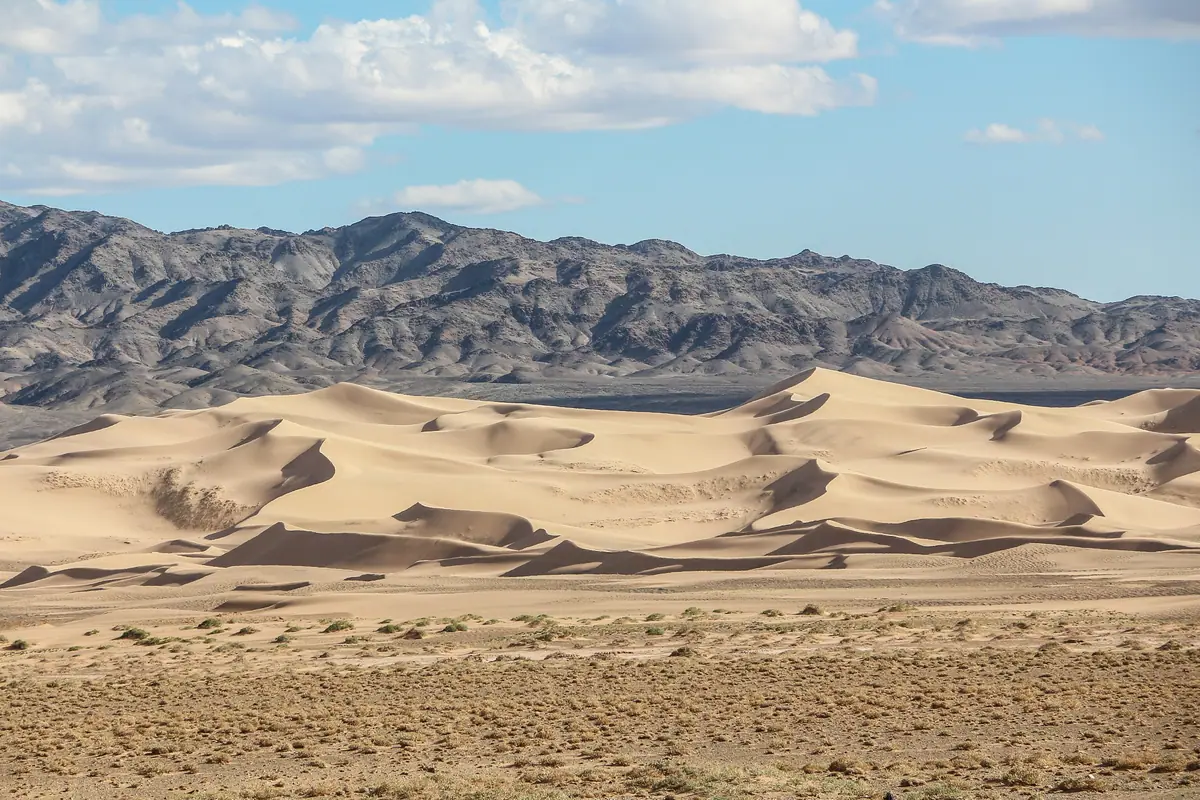
The Gobi is not a sea of sand but a mosaic of gravel plains, saxaul scrub and rocky ranges — with three sights that should anchor any itinerary. Khongoryn Els, the "singing dunes", is a wall of sand up to 200 metres high and roughly 100 kilometres long; climb the crest at dawn, when the ridges throw long blue shadows, and listen for the low hum the grains make as they slide.
Further east, Yolyn Am — Vulture Valley — is a canyon of sheer rock walls that, in early summer, still holds a ribbon of ice on its floor, a surreal sight when the valley mouth is baking at 30°C. A few hours' drive away, Bayanzag, the Flaming Cliffs, glows orange at sunset; this is where the first dinosaur eggs were discovered in the 1920s, and fragments of fossil bone still litter the ground. Deeper into the desert, Khermen Tsav is a red-walled canyon labyrinth far less visited than Bayanzag, and Gobi Gurvansaikhan National Park protects the eastern end of the Altai range, where snow leopards and ibex live.
Plan on at least five to seven days in the south, with a 4WD and a driver who knows the tracks. Fly to Dalanzadgad to skip a long drive, then loop by vehicle between the dunes, Yolyn Am and the cliffs. Nights are cold even in summer, so pack a fleece and a windproof layer; water, fuel and food stops are village-based and sparse.
Karakorum and the Orkhon Valley
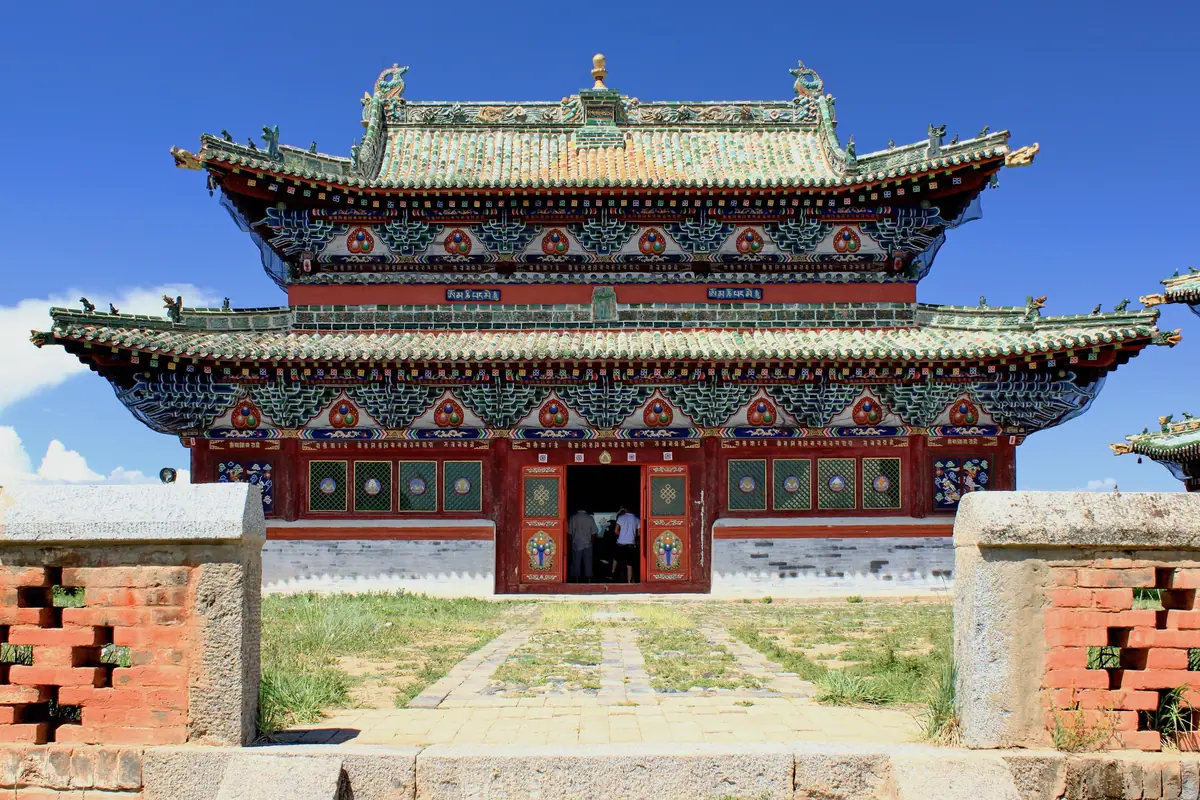
In the centre of the country lies Karakorum, the 13th-century capital of the Mongol Empire, now the small town of Kharkhorin. Its surviving monument is Erdene Zuu Monastery, ringed by a wall of 108 stupas and once home to hundreds of monks before the purges of the 1930s. Three temples remain open, filled with gilded statues and silk thangkas, and the site has the particular quiet of a place that has outlasted several empires.
The surrounding Orkhon Valley is a UNESCO-listed cultural landscape of volcanic gorges, rivers and grazing land. Ride out to Tuvkhun Monastery, founded in the 17th century on a forested peak that takes an hour or two to climb, or head to the Orkhon waterfall, where the river drops about 20 metres into a basalt canyon. Around it, hot springs and small ger camps make this the most rewarding place in Mongolia for slow travel on horseback.
Karakorum is roughly a day's drive west of Ulaanbaatar on paved road, or an easy stop on the way to the Khangai mountains. Late June through August is the window: wildflowers on the steppe, warm days, and horses fat and willing.
Lake Khövsgöl and the Northern Taiga
Up near the Siberian border, Lake Khövsgöl is a 136-kilometre sweep of freshwater so clear you can see boulders ten metres down. Mongolians call it "the blue pearl", and it's the country's premier summer retreat: pine forests, sandy bays and a shoreline dotted with ger camps. Take a boat or a horse to the northern shore, then walk the forest ridges above the water for views across to the Sayan peaks.
Pushed against the lake's western edge is the Darkhad depression, home to reindeer-herding families who live in birch-bark teepees and move with their animals through the taiga. Visiting is possible with a local guide and an invitation, and it's one of the most extraordinary cultural encounters in Asia — but it must be done respectfully, with modest behaviour, no intrusive photography, and support for the community.
Getting there means a flight to Mörön and then a long, rough drive, or two hard days overland from the capital. The season is short: camps open from mid-May to mid-September, and by October the passes are snowed in. Bring waterproof boots, insect repellent for July, and cash — there are no banks once you leave town.
The Altai Mountains and the Kazakh Eagle Hunters
Mongolia's far west is a different country in feel. Bayan-Ölgii province is home to ethnic Kazakhs, Muslim herders who train golden eagles to hunt foxes and hares across the high steppe. In Ölgii town, the aimag museum gives background on the tradition, but the real draw is the mountain edge itself: the Altai Tavan Bogd, Mongolia's highest massif, with the Khüiten Peak and the Potanin Glacier spilling down its northern flank.
Trekking here is serious and spectacular. Multi-day routes follow glacial valleys to base camps below the ice, past Turkic balbal stones and petroglyphs, with pack camels or horses carrying gear. Climbing Khüiten Peak is a mountaineering objective rather than a hike; the valley walks around the glacier are achievable for fit walkers in July and August, when the wildflowers come and daytime temperatures hover around 15°C.
Time your visit for the first weekend of October and you can catch the eagle festival near Ölgii, where hunters in embroidered coats call their birds down from the cliffs in a display of skill and horsemanship. Flights connect Ölgii with the capital several times a week, but weather cancels them often — build a spare day or two into your plan, and bring warm layers even in midsummer.
Frequently asked questions
When is the best time to visit Mongolia?
Mid-June to early September is the reliable window: warm days, open ger camps and the Naadam festival from 11 to 13 July. Late May and September are quieter and cheaper but colder at night, with some camps still shut. Winter is for the genuinely hardy — expect -25°C to -40°C and the extraordinary ice festival on Lake Khövsgöl in late February or early March.
How long do I need to see Mongolia properly?
Seven to ten days covers Ulaanbaatar, Terelj and the Gobi. Two weeks lets you add Karakorum and the Orkhon Valley or Lake Khövsgöl. Three weeks or more is realistic if you want the Altai mountains in the west, because internal flights are limited and overland driving is slow on unpaved tracks.
How do I get around the country?
Domestic flights link the capital with Dalanzadgad, Mörön, Khovd and Ölgii, which saves days of driving. Elsewhere you'll travel by 4WD with a driver-guide, often five to eight hours a day on dirt tracks and river crossings. Self-driving is possible but navigation, fuel and emergency repairs make a local driver the sensible choice.
Can I stay with nomadic families or in a ger?
Yes. Tourist ger camps operate nationwide from mid-May to mid-September, and community-run homestays exist in the Gobi, around Khövsgöl and in the west. You can also arrange a night with a herding family through a local guide. Bring a small gift, accept the offered airag or milk tea, and always ask before photographing people or their animals.
What should I pack and prepare?
Layers for 30°C afternoons and near-freezing nights, a windproof shell, broken-in boots, a headlamp, a power bank, and a water filter or purification tablets. Carry tögrög in cash — ATMs are mostly confined to Ulaanbaatar — plus any prescription medicine, since pharmacies thin out fast beyond the capital.
Plan it — experiences in Mongolia
Live search, booked directly with trusted providers.
Sort the rest of your trip
Everything for Mongolia, in one place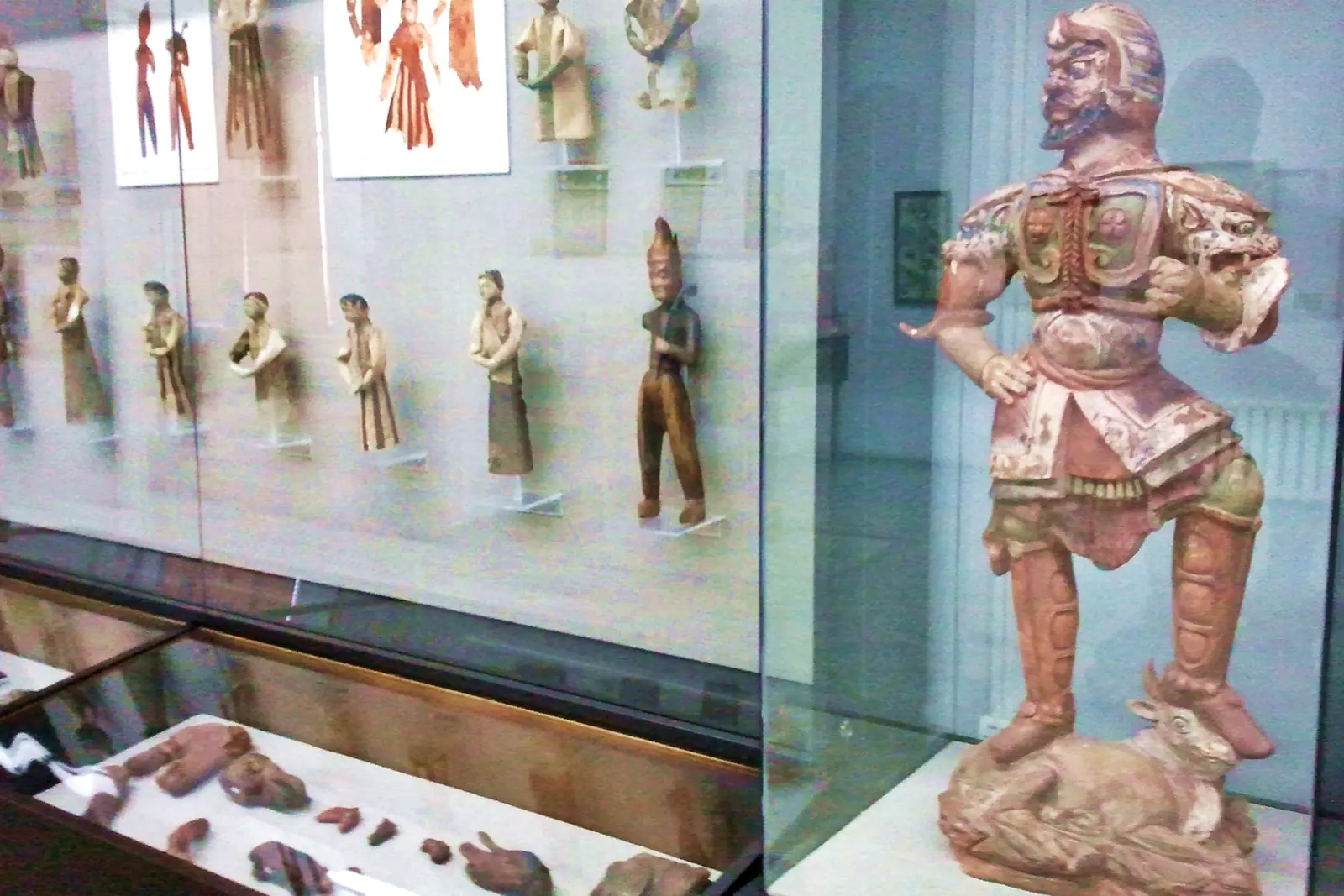
Stay in Mongolia
Hotels, guesthouses and apartments — compared in one search.
Search hotels
Transfer in Mongolia
Private driver waiting on arrival — no queues, no surprises.
Book a transfer
Stay online in Mongolia
Travel eSIM — data the moment you land, no roaming bills.
Get an eSIM