Mongolia does not do gentle transitions. The steppe goes from dust and wind to a green ocean of grass in a matter of weeks, the ger camps roll up their felt walls, and the country's entire travel calendar pivots around a handful of summer weeks. Choosing your dates carefully decides whether you get a lakeside camp at Lake Khuvsgul with hot water or a city hotel room at triple the usual rate during Naadam.
Summer (June to August): Naadam, Open Ger Camps and the Busiest Beds
July and August are the months Mongolia is built for. The grass is high across the central aimags, the passes north to Lake Khuvsgul and through the Orkhon Valley are finally clear, and the tourist ger camps — shuttered and unstaffed for much of the year — run at full capacity. Daytime temperatures in Ulaanbaatar and the Gobi hover in the mid-to-high twenties Celsius, nights drop to single digits even in midsummer, and late June brings daylight that stretches past 9pm.
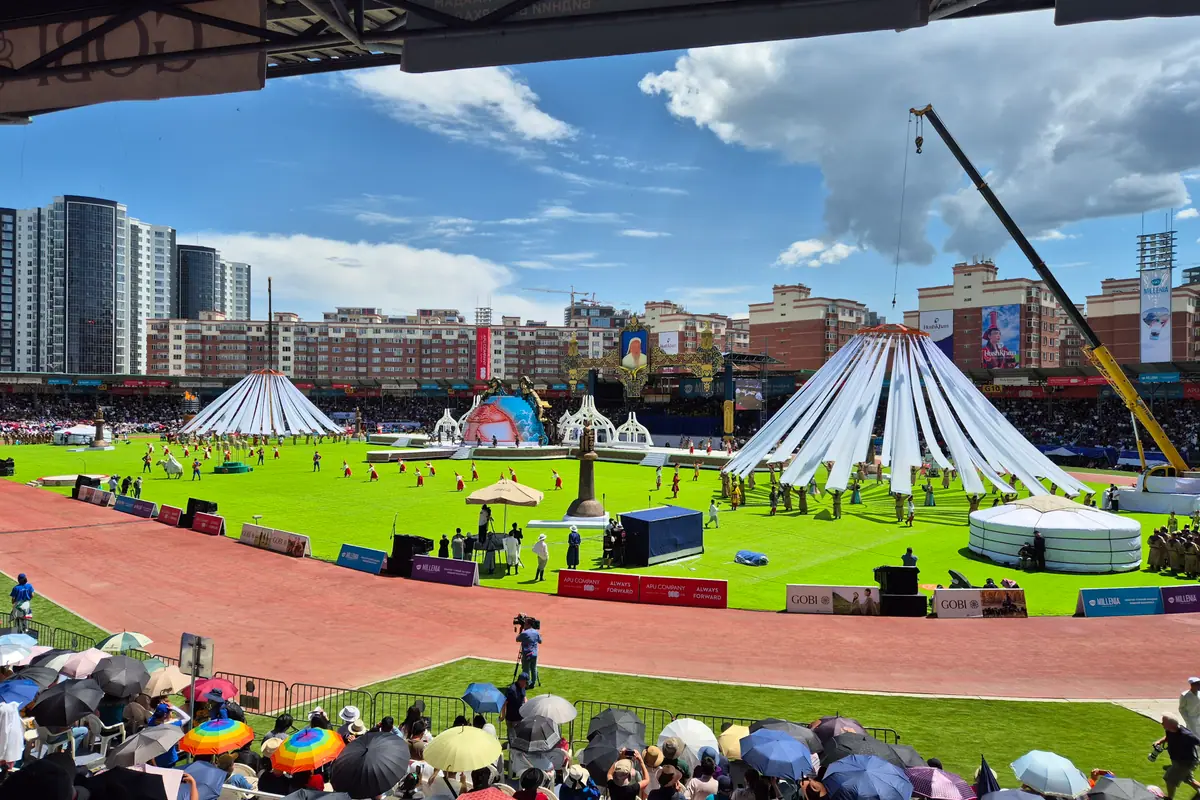
Everything tightens around Naadam, the festival of the three manly sports, held 11–15 July. Ulaanbaatar swells as herders and families pour in for wrestling, horse racing and archery, and hotels around Chinggis Khaan Square and the embassy district sell out weeks or even months ahead, some with minimum-stay rules attached. Ger camps near Gorkhi-Terelj National Park and the colossal Genghis Khan Equestrian Statue at Tsonjin Boldog fill just as fast. If Naadam is your reason for coming, treat the dates as fixed and plan backwards from them.
Rain is the trade-off. July and August are the wettest months, mostly as short, dramatic afternoon downpours — heaviest in the north, where tracks around Lake Khuvsgul can turn to mud, and lighter in the Gobi. Pack a shell layer, expect occasional delays on long drives, and book accommodation three to six months out for the peak window. Anyone wanting flexibility in summer should aim for early June, when camps are open but the crowds have not yet arrived.
Autumn (September to October): The Gobi's Best Light and Golden Larch
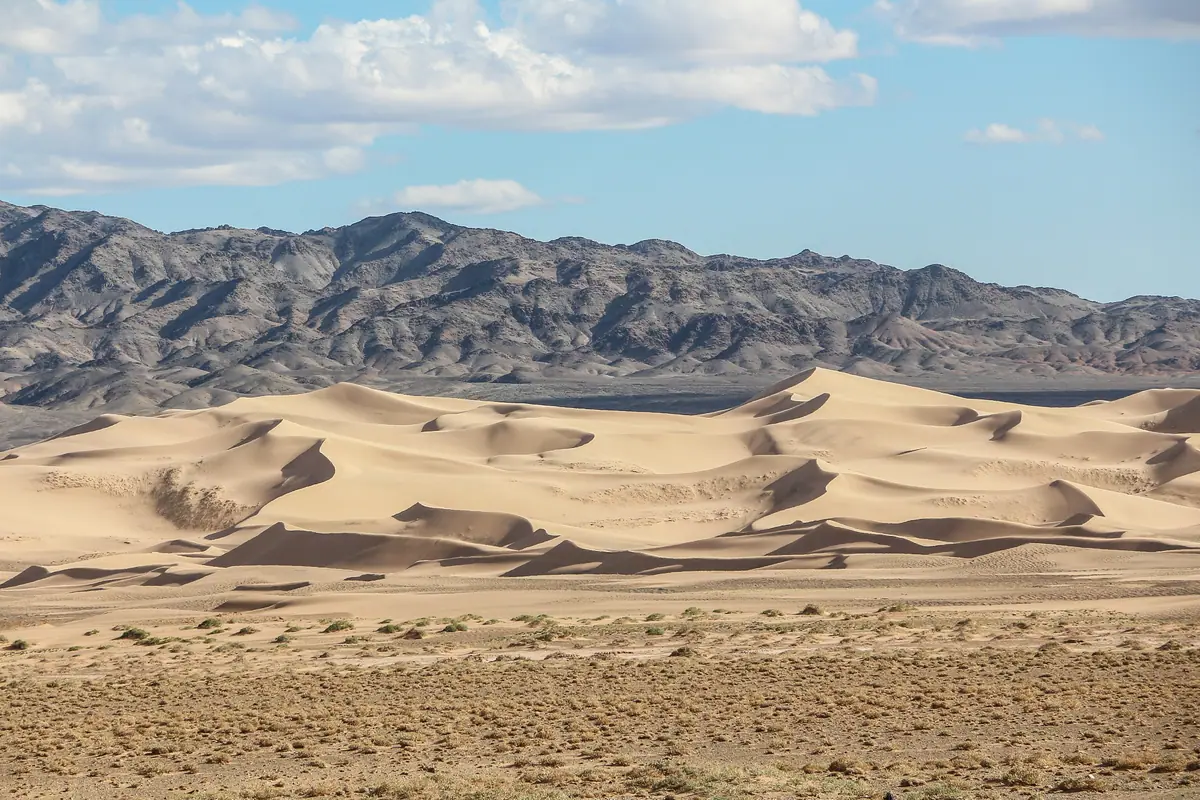
September is arguably Mongolia's finest month. The Naadam surge is gone, ger camps stay open into late September or early October, daytime temperatures sit comfortably in the mid-teens and low twenties, and the light turns long and amber. In the Gobi, this is the season the landscape finally makes sense: the singing dunes of Khongoryn Els glow at sunset, the Flaming Cliffs at Bayanzag burn orange against a deep blue sky, and the shaded gorge of Yolyn Am, where ice can survive deep into summer, is walkable without the July heat.
October shifts the colour palette north. Larch turns gold across the Orkhon Valley and around Kharkhorin, where Erdene Zuu — Mongolia's oldest surviving Buddhist monastery, ringed by a wall of stone stupas — sits amid the ruins of the old imperial capital. Farther west, the Kazakh eagle hunters of Bayan-Ölgii hold their autumn festival in early October, one of the great photographic events of the country's calendar.
The catch is speed. Many ger camps close after the first or second week of September, and by late October night temperatures in the Gobi can fall below freezing, with snow closing remote tracks without warning. Book autumn accommodation six to eight weeks ahead: enough to secure the good camps, late enough to keep your plans flexible.
Spring (March to May): Wind, Dust and the Cheapest City Hotels
Spring is Mongolia's least hospitable season and, for that reason, its cheapest. North-westerly winds rake the steppe from March, whipping up dust storms that turn the sky yellow over Ulaanbaatar, and temperatures can swing from mild afternoons to hard overnight frosts within the same week. Most ger camps stay closed until late May, so touring is largely confined to the city and its nearby valleys.
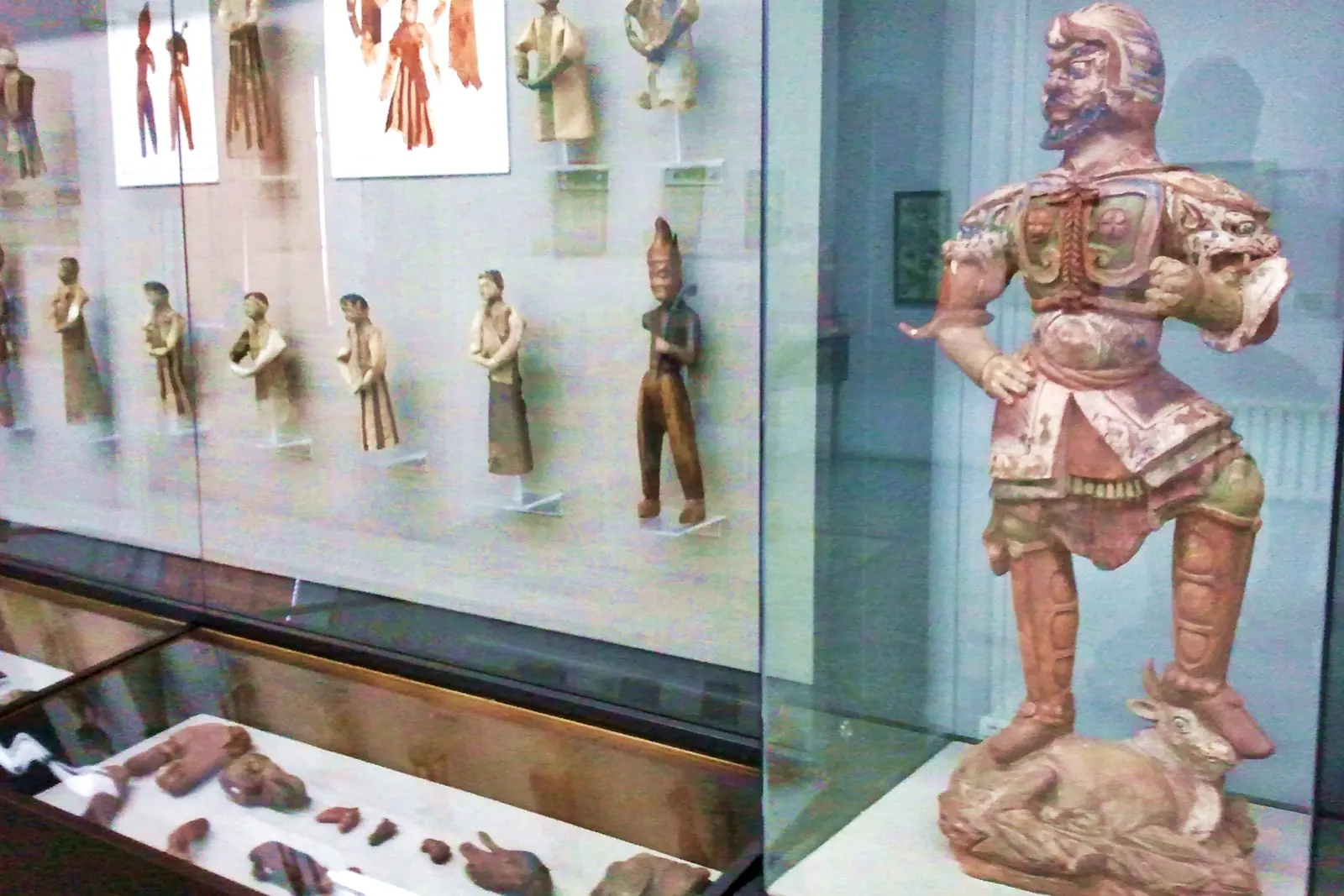
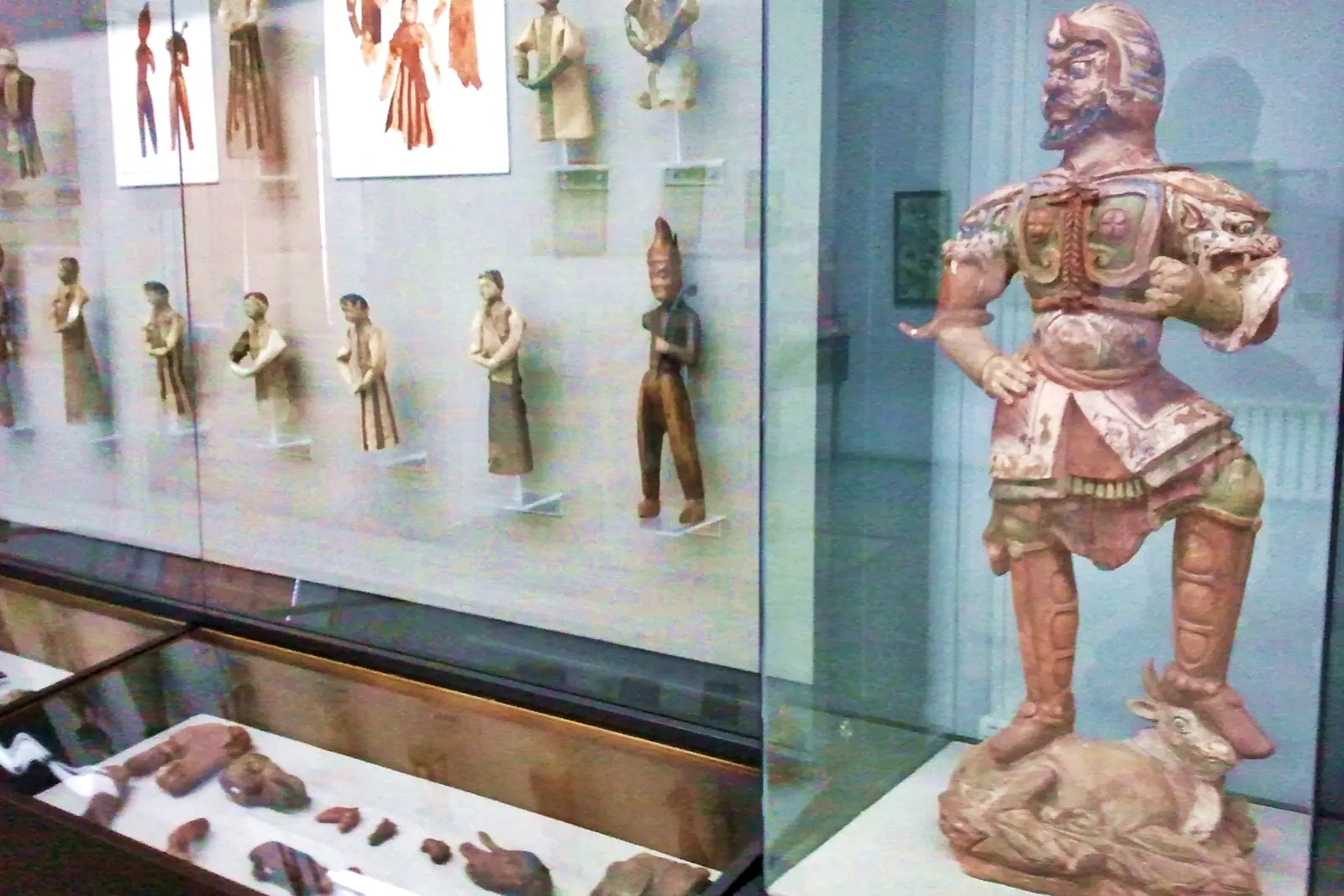
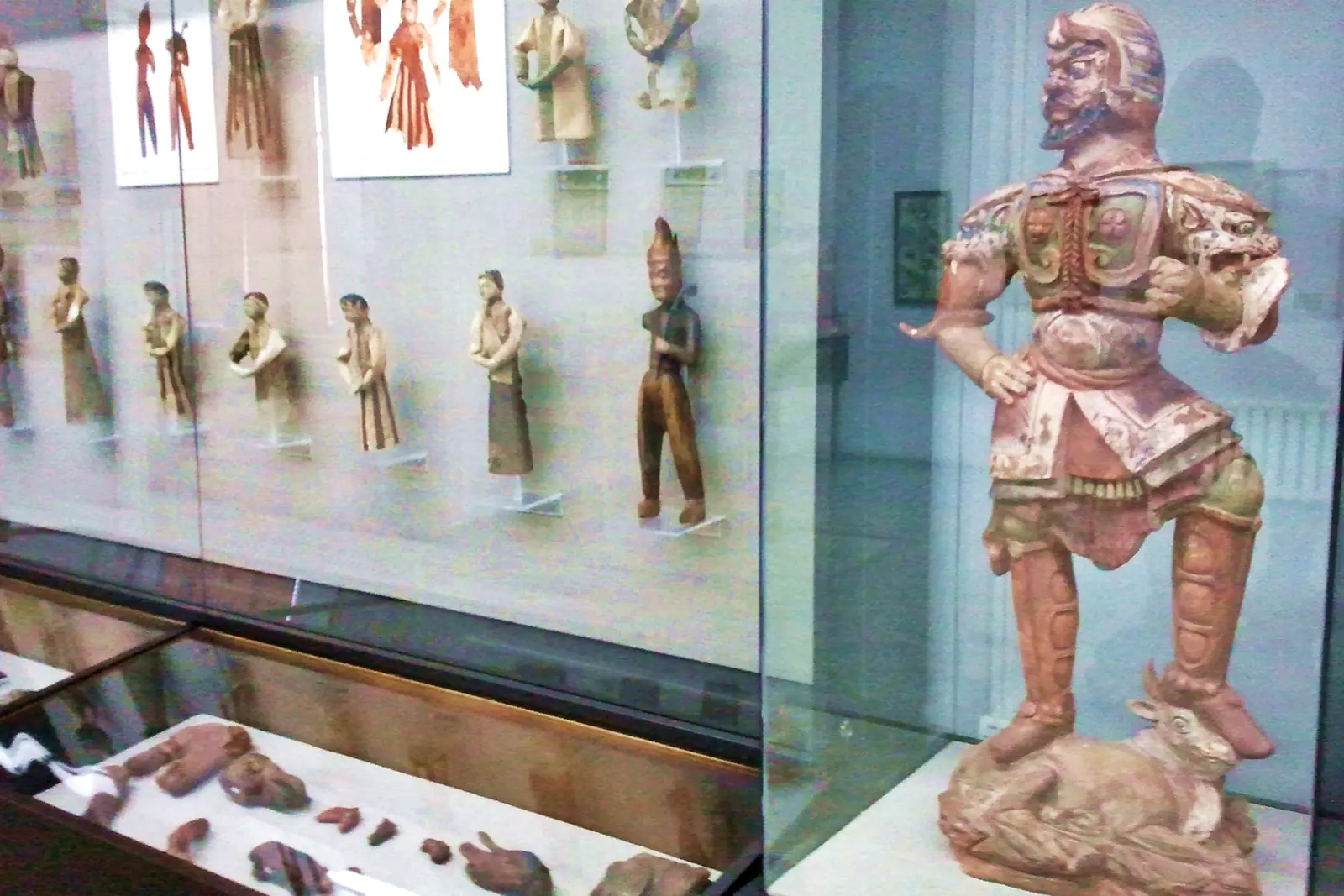
The compensation is a capital that is calm, affordable and easy to navigate. Hotel rates in Ulaanbaatar sit at their annual low, the National Museum of Mongolia and the Choijin Lama Temple Museum are quiet, and you can spend unhurried hours at Gandan Monastery without jostling for a view of the Migjid Janraisig statue. This is also the season for travellers who care about logistics: long-distance domestic flights are easier to secure and road-based itineraries can be adjusted on the fly.
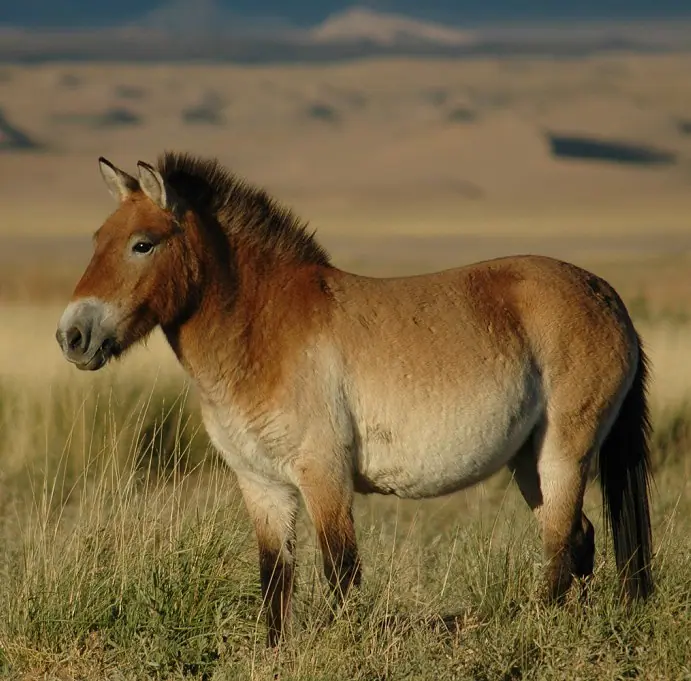
By mid-to-late May the steppe greens almost overnight, the first camps reopen, and day trips to Hustai National Park — home to reintroduced takhi, the Przewalski's horse — become genuinely rewarding as the herds move onto fresh grass. Pack windproof layers, a dust mask and patience, and spring rewards you with a Mongolia that few visitors ever see.
Winter (November to February): Blue Sky, Empty Museums and Deep Cold
Mongolian winter is the real thing: Ulaanbaatar regularly drops to minus 20 to minus 35 Celsius, with even colder spells in the surrounding valleys, yet the sky stays a hard, cloudless blue and the air is bone dry. Hotels are cheap, taxis are plentiful, and the city's cultural sights — Gandan Monastery, the National Museum of Mongolia, the winter palace of the Bogd Khaan — can be toured in near solitude.
The season's centrepiece is Tsagaan Sar, the lunar new year, which falls in January or February and effectively pauses the capital for several days as families gather, exchange greetings and feast. Many restaurants and shops close, and domestic transport thins out; if you are travelling then, confirm every booking in writing and expect hotel rates to spike briefly rather than fall.
Late February and early March bring the ice festival on Lake Khuvsgul, when the frozen surface — often more than a metre thick — hosts ice sculptures, sledding and traditional games. Fewer ger camps operate in winter, and those that do require an organised operator, wood stoves and serious cold-weather kit. Come for the photography, the empty landscapes and the bragging rights.
Pairing Mongolia's Must-See Landmarks With the Right Season
In Ulaanbaatar, start at Chinggis Khaan Square, flanked by the Government Palace and its seated Genghis Khan statue, then walk to Gandan Monastery and climb the Zaisan Memorial for the city's best sunset panorama. The National Museum of Mongolia and the Choijin Lama Temple Museum are year-round refuges from weather, which makes them ideal for a winter or early-spring trip. In summer, the city becomes a base for day trips rather than a destination in itself.
Outside the capital, the headline sights each have a season. Gorkhi-Terelj National Park and the Genghis Khan Equestrian Statue work year-round, roughly an hour and a half from the city. Kharkhorin and Erdene Zuu are best from May to October, the Orkhon Valley waterfall from June to September. Lake Khuvsgul is a July and August destination for most travellers, with the ice festival pulling a hardier crowd in late winter. The Gobi's trio — Khongoryn Els, Bayanzag and Yolyn Am — peaks in May, June, September and October, when heat and crowds are both manageable.
Farther west, the high Altai and Bayan-Ölgii reward July and August trekking, while the eagle festival draws visitors in early October. Wherever you go, remember that Mongolia's distances are enormous: a single Gobi loop can swallow a week, and internal flights and the cross-continental rail line that cuts through the desert book out early in the summer.
Hotels, Ger Camps and Guesthouses: How to Time Your Booking
Mongolia's accommodation splits into three rough tiers, and each follows its own calendar. Ulaanbaatar has international-standard hotels, boutique conversions and older city properties that stay open all year. Tourist ger camps — from basic shared-bathroom setups to luxury camps with en-suite gers and wood-burning stoves — operate roughly from late May or June until mid-September. Family ger stays with herding households and small guesthouses in towns such as Kharkhorin, Mörön, Ölgii and Dalanzadgad fill the gaps, though many close or reduce service in winter.
Booking windows matter more here than in almost any other destination. For Naadam, aim for three to six months ahead, and expect minimum stays in the capital. For July and August generally, two to four months is sensible, because tour operators block large amounts of ger camp space early in the year. September bookings are comfortable at six to eight weeks, May and October at two to four weeks, and in winter you can often walk into a good Ulaanbaatar hotel the same day.
Finally, plan for camp logistics rather than hotel luxuries. Remote camps often run generators for only a few hours in the morning and evening, hot water may be time-limited, and Wi-Fi is unreliable or absent. Carry cash in local currency for small purchases, bring a headlamp and a warm layer for the walk between your ger and the washblock, and treat the early starts and cold nights as part of the experience rather than an inconvenience.
Frequently asked questions
What is the best month to visit Mongolia?
September is the strongest all-round choice: the Naadam crowds have gone, ger camps are still open, the Gobi is at a comfortable temperature, and the light is superb. June is the best alternative if you want green steppe and full camp service before the peak-season rush, while July and August suit anyone who wants Naadam and the warmest weather.
When is Naadam, and how early should I book?
Naadam runs from 11 to 15 July and is held in Ulaanbaatar, with smaller local versions in provincial towns. City hotels and ger camps near Terelj fill months in advance, so book three to six months ahead and confirm whether a minimum stay applies to your dates.
Do ger camps stay open in winter?
Most tourist ger camps close from mid-September to late May. A small number operate year-round with wood stoves and organised transfers, and family ger stays can be arranged in winter through community tourism networks, but you should expect basic facilities and serious cold.
Is the Gobi Desert worth visiting outside summer?
Yes. May, June, September and October are actually the most pleasant months for Khongoryn Els, Bayanzag and Yolyn Am, with milder temperatures and thinner crowds. July and August are hotter and busier, while late autumn and winter bring freezing nights and occasional snow closures on remote tracks.
How far ahead should I book hotels in Ulaanbaatar?
For Naadam, three to six months. For July and August, two to four months. September needs roughly six to eight weeks, May and October two to four weeks, and in winter you can usually book within days of arrival, apart from the Tsagaan Sar holiday period when the city fills with domestic travellers.
Sort the rest of your trip
Everything for Mongolia, in one place
Transfer in Mongolia
Private driver waiting on arrival — no queues, no surprises.
Book a transfer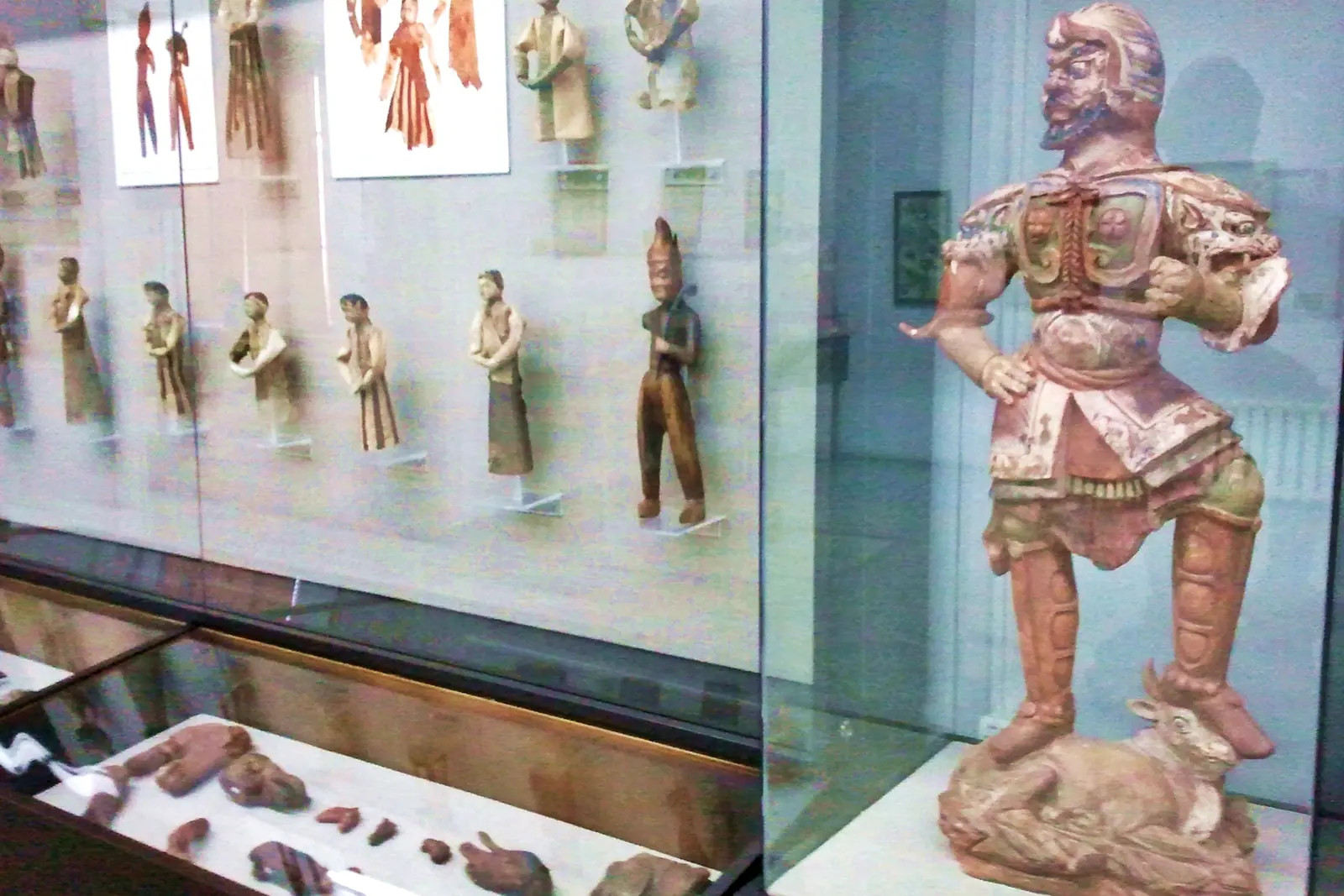
Things to do in Mongolia
Skip-the-line tickets, guided tours and standout experiences.
See experiences
Stay online in Mongolia
Travel eSIM — data the moment you land, no roaming bills.
Get an eSIM