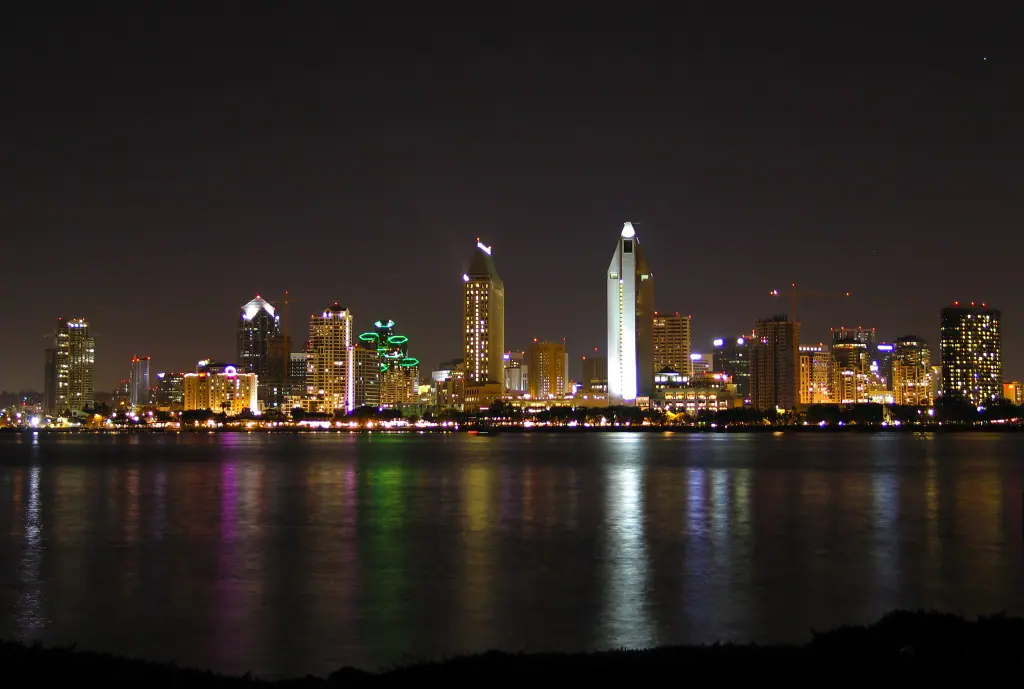
Estonia is small enough to cross in a day and layered enough to fill a fortnight. You can walk cobbles beneath a medieval town wall in the morning, eat smoked herring and black bread in a converted railway workshop at noon, and be sinking into a silent bog by late afternoon. This guide covers the food, festivals and everyday rituals that make the country feel far stranger — and warmer — than its size suggests.
Tallinn's Old Town: The Medieval Core and Its Creative Edge
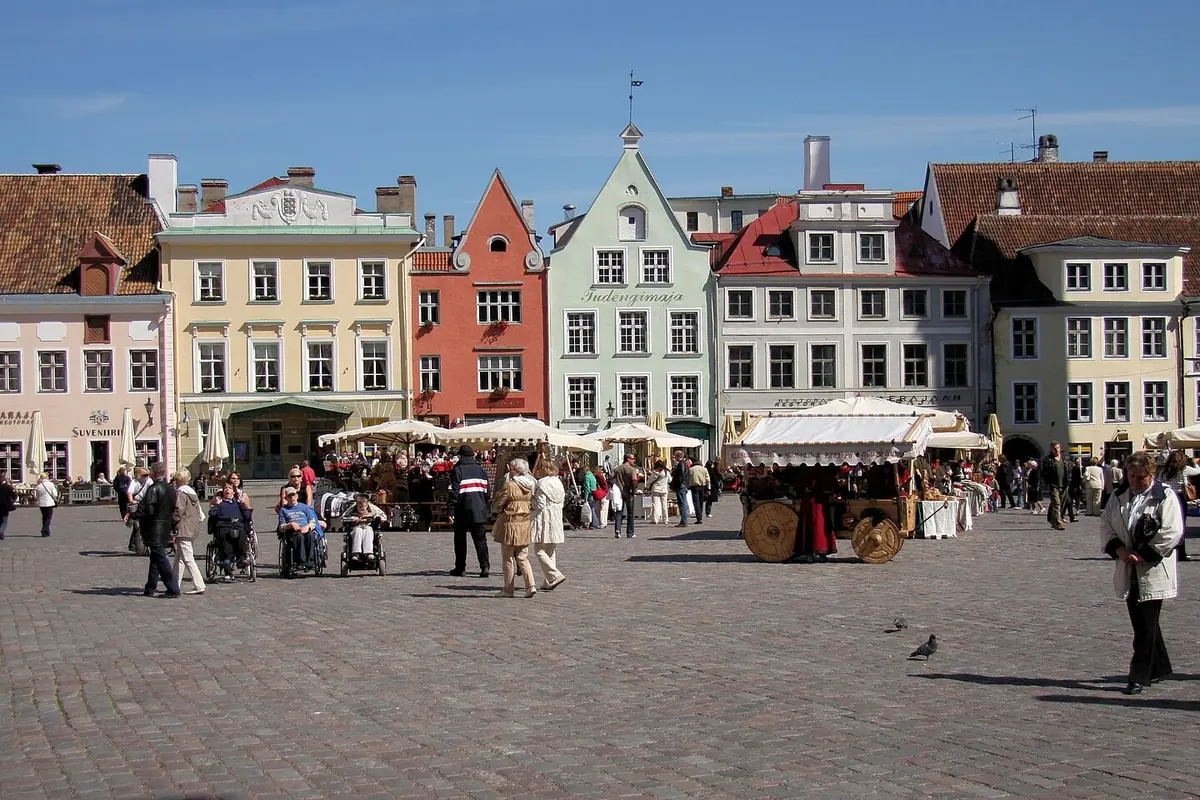
Start where every first-time visitor starts, and don't apologise for it. Tallinn's Old Town is a walled medieval city that was never demolished, and it shows: the Town Wall still runs in long, crenellated stretches past towers like Fat Margaret and Kiek in de Kök, and the cobbled lanes open onto Raekoja plats, the Town Hall Square, where the Gothic town hall has stood since the 15th century and the little pharmacy on the corner has been trading since 1422. Climb the tower of St Olaf's Church for a rooftop view that explains the whole city in one sweep, duck through the vaulted passage of St Catherine's Passage, then walk uphill to Toompea, where Toompea Castle, the pink Alexander Nevsky Cathedral and the Dome Church sit almost shoulder to shoulder.
Cross the railway tracks into Kalamaja, a district of wooden worker's houses and old industrial yards, and the mood shifts completely. Telliskivi Creative City, built inside an old railway works, is where Tallinn eats, drinks and argues about politics — studios, galleries, street art and a cluster of kitchens in converted containers. Nearby, the Balti Jaama Turg market hall stacks smoked fish, berries and cheese under one roof, and the Seaplane Harbour museum, housed in a vast concrete seaplane hangar, holds a submarine and a icebreaker you can walk through.
Give the Old Town two days rather than one: it is only twenty minutes end to end, but the good stuff is in the courtyards. Go early, before the day-trippers arrive from the ferry terminals, when the square belongs to delivery vans, seagulls and a handful of people drinking coffee on the steps. In the evening, light on the walls makes the whole place look like a stage set — which, on summer nights, it very nearly is.
What to Eat: Rye, Smoke, Forage and Fermented Things
Estonian cooking is Baltic, Nordic and stubbornly its own. Black rye bread — rukkil eib — appears with every meal and is worth judging a restaurant by. In winter, look for verivorst, blood sausage roasted until the casing splits and served with lingonberry jam and sour cabbage; mulgipuder, a comforting mash of barley and potato; sült, a set pork jelly eaten with mustard; and mulgikapsad, sauerkraut braised for hours with pork and barley. Kama, a flour of roasted barley, rye, oat and pea, is whipped into desserts or stirred into kefir for a breakfast that tastes like liquid porridge in the best possible way.
The markets are where the food culture actually lives. Balti Jaama Turg in Tallinn is the best introduction, but the smaller town markets are just as rewarding: piles of Baltic herring and sprats smoked over alder, eel in season, dark sourdough loaves, cloudberry jam sold in jam jars, and kohuke, a sweet curd snack that every Estonian grew up with. In autumn the whole country turns into a pantry — chanterelles, porcini, bilberries and lingonberries fill the forests, and the right to pick them on most uncultivated land is a national birthright, not a loophole.
Modern Estonian kitchens have taken all of this and run with it. In Tallinn's Kalamaja and Telliskivi districts, in central Tartu and along Pärnu's summer streets, young chefs serve smoked vendace with rye crisps, fermented vegetables, birch sap sorbets and local craft beer and cider, much of it from small island breweries. Order fried Baltic herring with sour cream and boiled potatoes at least once — it is the dish that tells you exactly where you are.
Tartu, Pärnu and the Towns That Tell the Real Story
Tartu is Estonia's second city and its intellectual heart, home to a university founded in 1632 and a student population that keeps the cafés busy until late. The Kissing Students fountain sits on Town Hall Square, and behind it Toomemägi hill rises with the romantic ruins of Tartu Cathedral, now partly rebuilt as a museum, and an old observatory where you can still see the domes. Wander into Supilinn, a low wooden neighbourhood of crooked streets, for the city's most photogenic corners and its best casual food. It is a two-hour bus ride from Tallinn and easily worth an overnight.
Pärnu is the summer capital: a long, shallow sandy beach, a promenade lined with art nouveau villas, mud baths that have been drawing visitors for over a century, and a pace that slows to a crawl in July. Out of season it is quiet and cheap, which suits some travellers perfectly. On the western coast, Haapsalu is a small, melancholy seaside town built around a bishop's castle with a moat and a covered railway platform that seems to stretch forever; further inland, Viljandi's Castle Hills overlook a lake and host one of the country's best-loved folk music festivals each July.
In the far east, Narva sits on the border, where the Hermann Castle and its Russian counterpart across the river face each other like two chess pieces. The city was rebuilt almost entirely after the Second World War, which makes its surviving baroque town hall all the more striking. Head south-east instead and you reach Setomaa, a region of Orthodox Seto villages where women still wear heavy silver jewellery, sing the ancient leelo polyphony, and make sõir, a pressed curd cheese with herbs, that tastes like nothing else in the country.
Islands: Saaremaa, Hiiumaa, Muhu and Kihnu
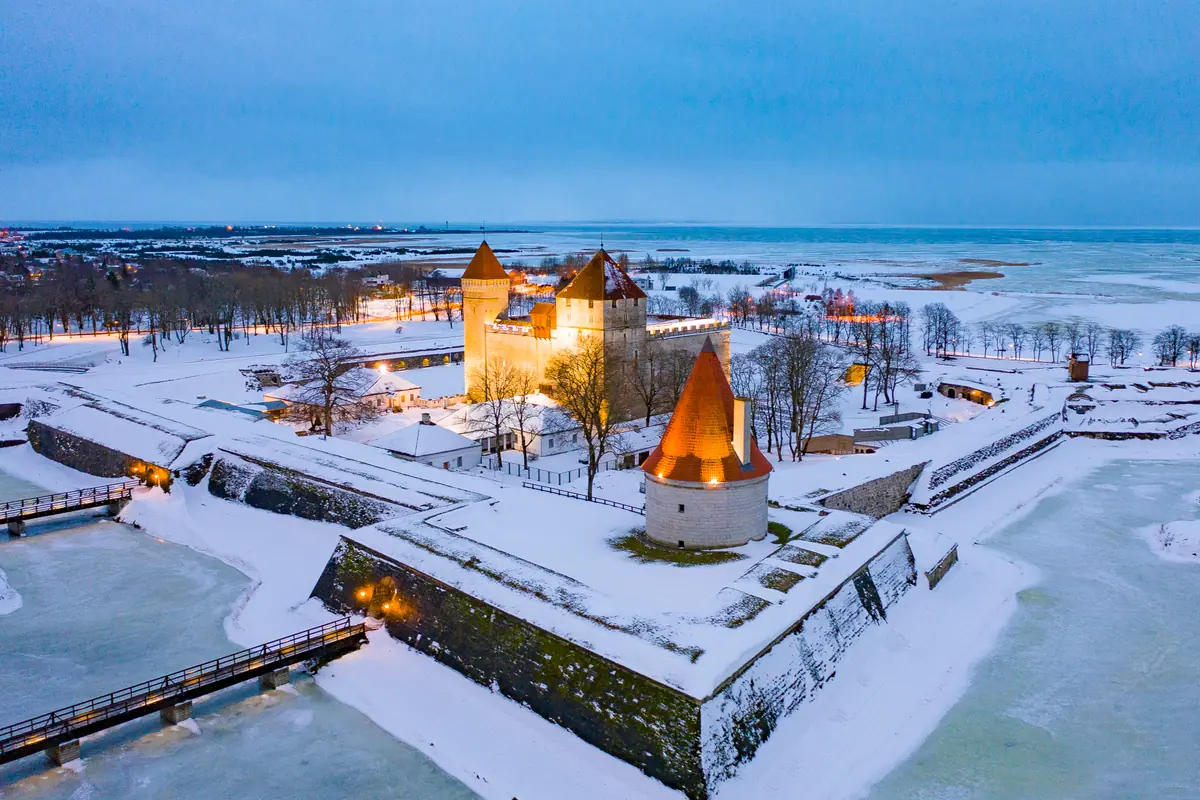
Estonia has more than two thousand islands, and the big two are worth planning a trip around. Saaremaa is reached by ferry to Muhu and then by causeway, and its capital, Kuressaare, has the best-preserved medieval bishop's castle in the Baltics — a squat, moated fortress you can walk right around. Elsewhere on the island: the Kaali meteorite crater, a shallow bowl in a meadow with a strange, hushed atmosphere; the windmills at Angla turning on a ridge; and the limestone cliff at Panga dropping straight into the Baltic. Local juniper-flavoured beer and smoked flatfish are the order of the day.
Muhu, the smaller island you cross first, is known for thick embroidered wool, thatched cottages and a slow, self-contained pace. Hiiumaa, further north, feels emptier still: pine forest, juniper scrub, the Kärdla meteorite crater, and the Kõpu lighthouse, a squat stone tower on a windy ridge that has been guiding ships for centuries. Ferries run from Virtsu and Rohuküla and fill up on summer weekends, so reserve ahead if you are taking a car.
Smallest and most distinctive of all is Kihnu, reached by ferry from Pärnu. It is a matriarchal island where women run the farms, fish and lighthouse while men are away at sea, and where striped handwoven skirts are everyday dress rather than costume. Its traditions are recognised internationally as living heritage, and visiting respectfully — buying handicrafts, staying in a local guesthouse, joining a village meal — is the whole point. In a cold enough winter, the sea between the mainland and Hiiumaa freezes hard enough for official ice roads, and locals simply drive across.
Bogs, Forests and the Fifth Season
More than half of Estonia is forest, and the bogs are the country's strangest landscape. Lahemaa National Park, an hour east of Tallinn, is the easiest introduction: the Viru Bog boardwalk loops through pools of black water and stunted pines, best at sunrise in September when the mist sits low and cranes call overhead. Add the captain's village of Käsmu on the coast and the baroque manor at Palmse, and you have a perfect day trip without ever leaving the main road.
Soomaa National Park, in the south-west, has a season that exists nowhere else in the calendar. When the snows melt, usually in late March or April, the rivers back up and flood the meadows, and locals call it the fifth season. Canoes glide between half-submerged trees, and in summer the same landscape is explored on bog shoes or on foot along study trails. Further west, Matsalu National Park is one of Europe's great bird migration staging posts, with towers and observation hides strung along the bay; in winter, the Otepää hills and Lake Peipus freeze into cross-country skiing and ice-fishing country.
Underpinning all of it is the sauna. Estonia's smoke sauna tradition, strongest in the southern Võrumaa and Setomaa regions, is recognised as living cultural heritage: a wood-fired room with no chimney, heated for hours, scented with herbs, and used with birch whisks and a cold plunge afterwards. It is not a spa treatment but a social ritual — you go with family, friends, food and a long evening, and you talk about everything. In late June, the whole country decamps to the countryside for Jaanipäev, the midsummer bonfire night, when the sun barely sets and nobody goes to bed.
Festivals, Seasons and How to Plan
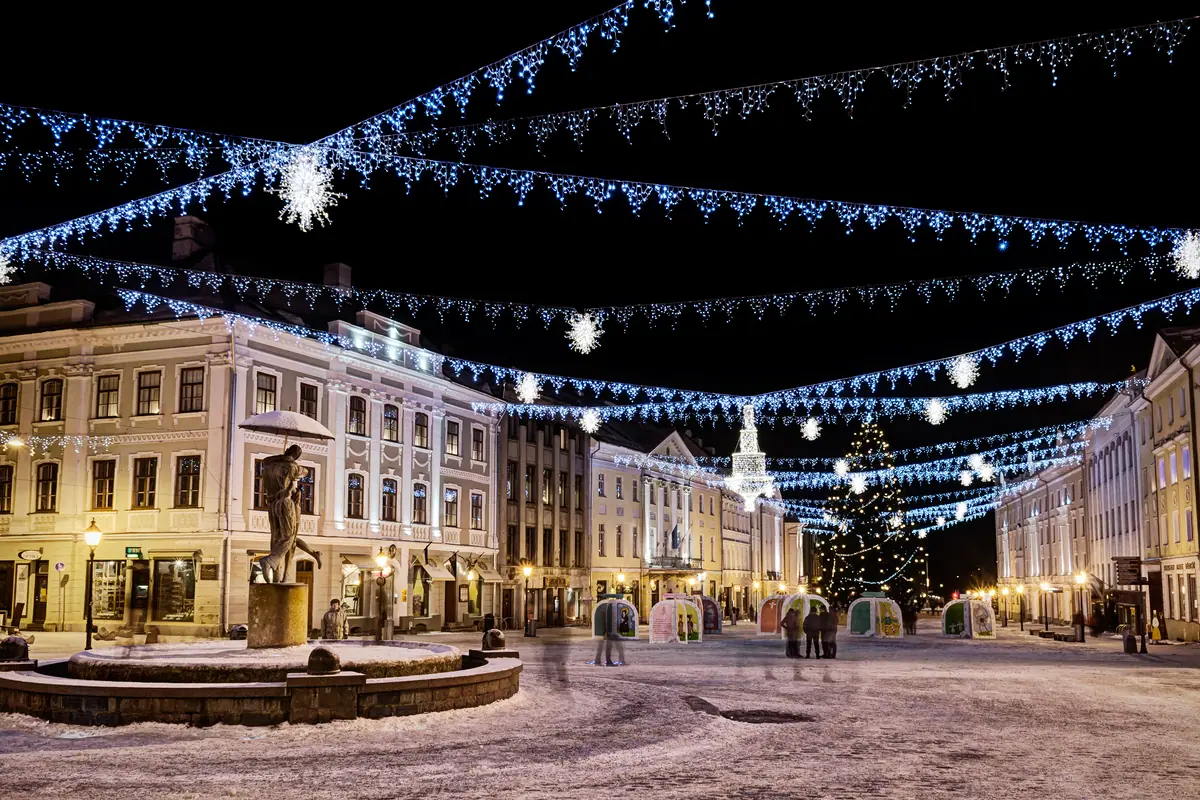
Estonia's calendar is built around a handful of events worth timing a trip for. The Song and Dance Festival in Tallinn, held every five years, gathers tens of thousands of singers at the Song Festival Grounds in a massed choir that has to be heard to be believed. The Viljandi Folk Music Festival fills the castle hills each July with fiddles and bagpipes; Tallinn's Christmas Market spreads across Town Hall Square from late November into early January, with glögg, black pudding and wool everywhere; and Jaanipäev bonfires light up the coast on 23 and 24 June.
Seasons matter more here than in most of Europe. June to August brings white nights — in mid-June the Tallinn sky never goes fully dark, and even in August the evening light lingers past ten. That is the best window for islands, beaches and long evenings, though it is also the busiest. September and early October are ideal for forests, mushrooms and cool, clear walking, with far fewer people. December to February delivers snow, Christmas markets and, in a hard winter, the ice roads to the islands; February is often the coldest month. Late March and April are unpredictable but rewarding if you want to see Soomaa's flood season.
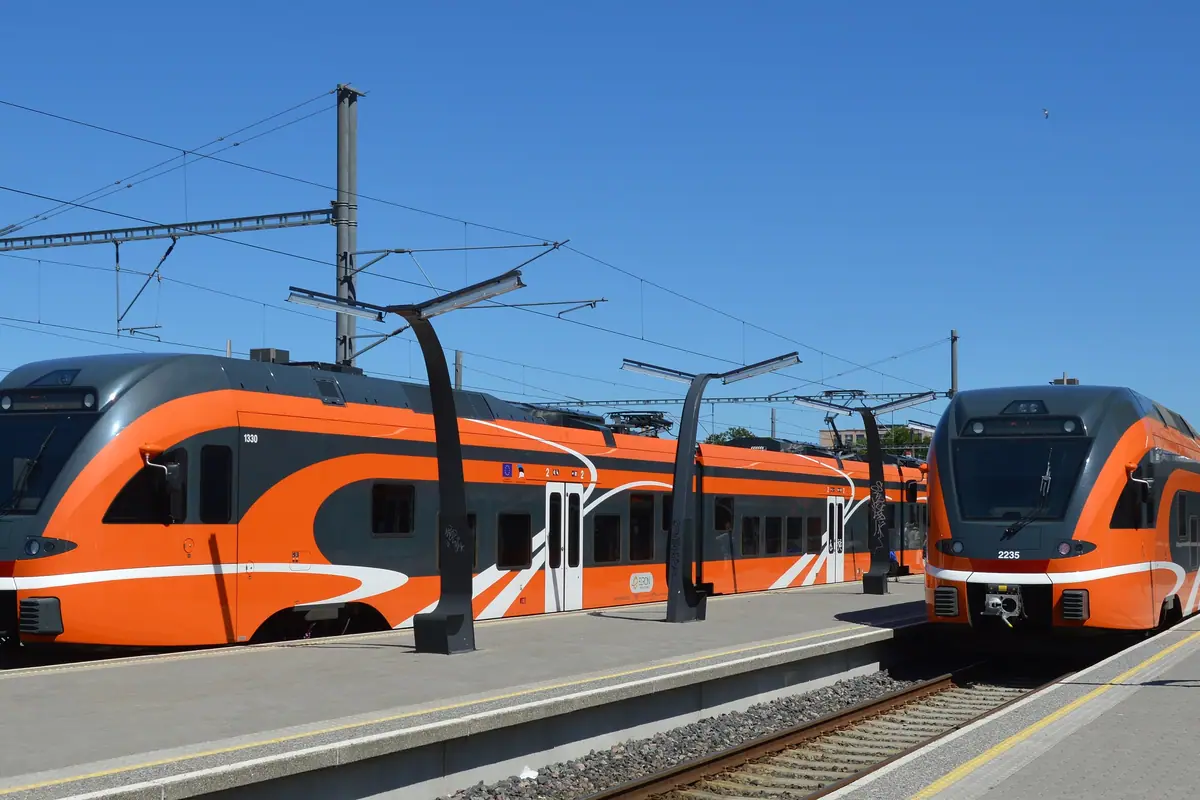
Distances are short, which makes planning simple. Buses and trains link Tallinn, Tartu, Pärnu and Narva comfortably, and ferries serve the main islands; for Lahemaa, Soomaa, Setomaa and rural Saaremaa, a rental car opens up far more. English is widely spoken, especially by anyone under forty, and cards are accepted almost everywhere, including market stalls. Allow four to five days for Tallinn plus a day trip or two, and around ten days if you want the islands, the bogs and the southern towns in one loop.
Frequently asked questions
What is the best time of year to visit Estonia?
June to August gives you the longest days, warmest weather and liveliest island and festival season, with twilight lasting past 10pm. September and early October are excellent for forest walks, mushroom season and fewer crowds. December to February is for Christmas markets, snow and, in cold years, driving on official ice roads to the islands. April can be spectacular in Soomaa National Park, when the spring flood creates the local 'fifth season'.
What food should I try in Estonia?
Start with black rye bread, then work through verivorst (roasted blood sausage with lingonberry), mulgipuder (barley and potato mash), sült (pork jelly with mustard), mulgikapsad (braised sauerkraut with pork) and kama in a dessert or a glass of kefir. Look for smoked Baltic herring and sprats, kohuke as a snack, and sõir cheese if you make it to Setomaa. Autumn is the best time for wild mushrooms and berries.
How many days do you need in Estonia?
Four to five days is enough for Tallinn's Old Town, Kalamaja and a day trip to Lahemaa National Park. Give yourself around ten days to add Tartu, Pärnu, Saaremaa and Hiiumaa without rushing. If you want the remote islands, Soomaa and the southern towns as well, plan a fortnight.
Do people speak English in Estonia?
Yes, very widely — especially among younger Estonians in Tallinn, Tartu and Pärnu, and in most hotels, restaurants and shops. Outside the main towns and on the smaller islands you will meet fewer English speakers, so a few words of Estonian (ter e, aitäh) go a long way. Russian is also common in Narva and parts of the east.
Is Tallinn a good base for exploring the rest of Estonia?
It is the easiest base, with buses and trains reaching Tartu in about two hours, Pärnu in under two, and Narva in around three, plus ferries to the islands from nearby ports. That said, staying overnight in Tartu, Kuressaare or Pärnu gives you a much better feel for the country than day-tripping back to the capital every night.
Sort the rest of your trip
Everything for Estonia, in one place
Stay in Estonia
Hotels, guesthouses and apartments — compared in one search.
Search hotels
Transfer in Estonia
Private driver waiting on arrival — no queues, no surprises.
Book a transfer
Stay online in Estonia
Travel eSIM — data the moment you land, no roaming bills.
Get an eSIMMore guides in Estonia
Top Things to Do in Estonia: Medieval Tallinn, Baltic Islands and Bogs
Best Places to Visit in Estonia: Medieval Towns, Bogs and Baltic Islands
Best Time to Visit Estonia for Hotels: A Season-by-Season Guide
Hotels in Estonia: Where to Stay in Tallinn, Pärnu and the Islands