Estonia packs more contrast into a small country than almost anywhere in Europe: a walled medieval capital lit by candles in December, peat bogs that flood into a secret fifth season each spring, and islands where windmills and meteorite craters outnumber traffic lights. This is a guide to the places worth building a trip around — and the moments in the year when they are at their best.
Tallinn's Old Town: A Medieval Capital You Can Walk in an Afternoon
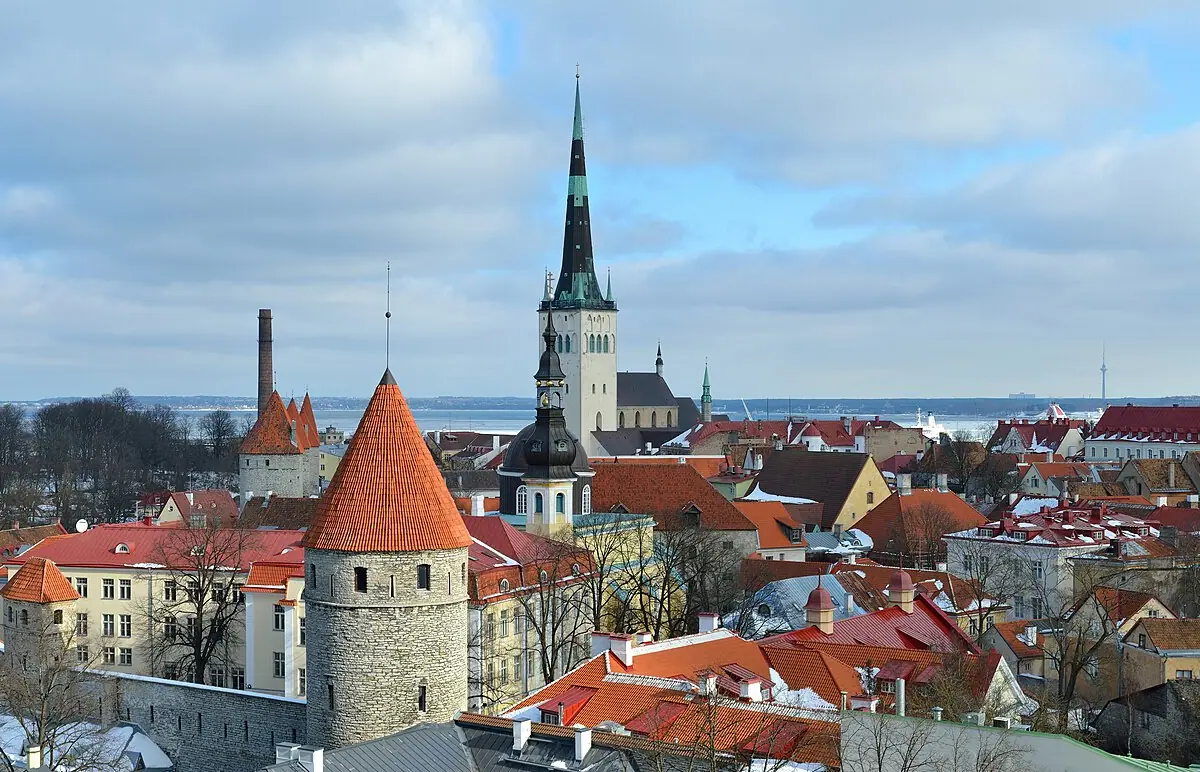
Tallinn's Old Town is the reason most travellers land here, and it earns the fuss. The UNESCO-listed core splits into two parts: Toompea, the limestone hill where the Danish and German nobility once ruled, and the lower town, a warren of merchants' houses, guild halls and hidden courtyards. Start on Toompea at the pink-and-white baroque Toompea Castle — the Estonian parliament sits inside it — then walk to the onion-domed Alexander Nevsky Cathedral and the viewing platforms at Kohtuotsa and Patkuli, which frame red rooftops and church spires against the Gulf of Finland.
Downhill, Town Hall Square (Raekoja plats) is the postcard: the Gothic town hall, the oldest continuously operating pharmacy in Europe on its corner, and, from late November, one of the continent's most charming Christmas markets, where stallholders sell winter hats, black bread and mulled wine under a giant tree. Climb the tower of St Olaf's Church for the steepest, best view over the whole city, peer into the cannonball-scarred Kiek in de Kök tower and its underground bastion tunnels, and wander St Catherine's Passage, a vaulted lane of stone-carved workshops. Two full days is a sensible amount of time; a rushed half-day will feel like skimming a film.
Modern Tallinn: Palaces, Art and a Submarine in a Seaplane Hangar
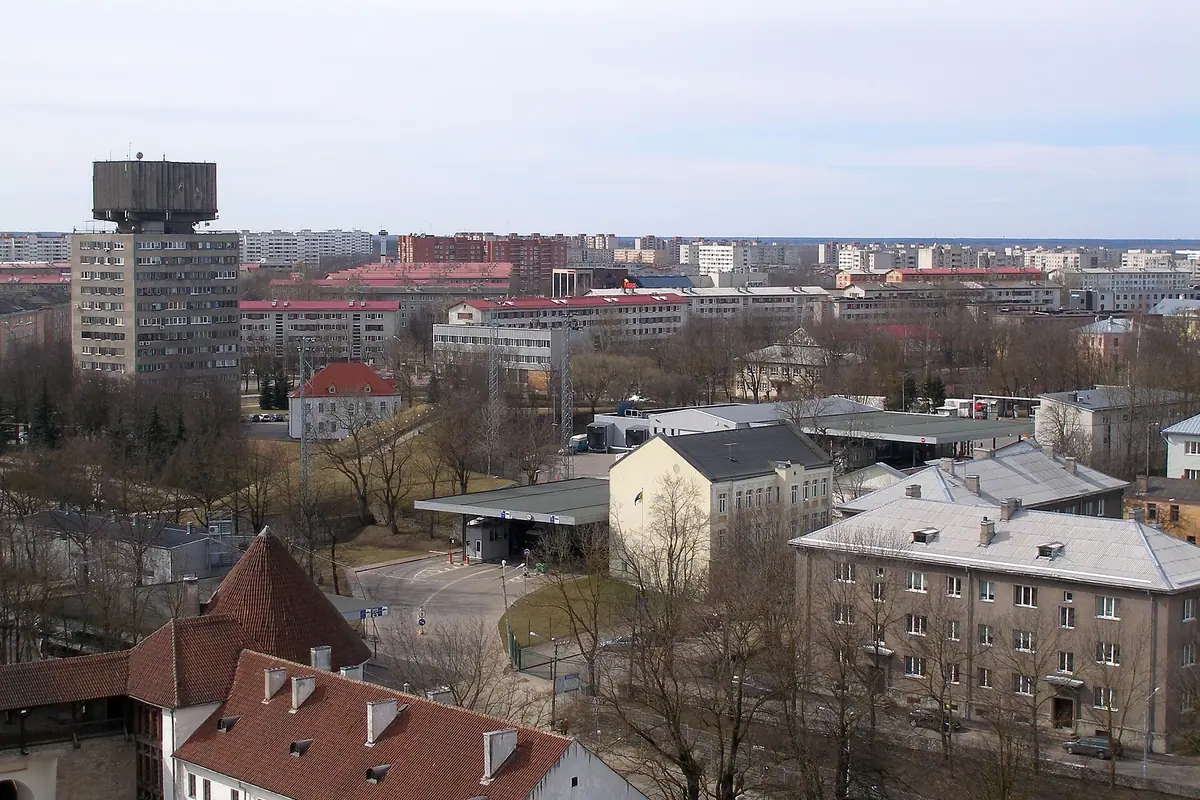
Estonia's capital rewards travellers who leave the walls. Two kilometres east of the centre, Kadriorg Palace was built as a summer residence for Peter the Great and now holds foreign art in gilded halls; its formal gardens, swan pond and surrounding park are free and gloriously quiet in the early morning. Behind it stands the Kumu Art Museum, a swooping modern building that tells the story of Estonian art from the nineteenth century to today and is easily the country's best museum for understanding how a small nation paints itself.
On the other side of the bay, the Seaplane Harbour turns a vast concrete aircraft hangar into a maritime museum, complete with a submarine you can walk through, a century-old icebreaker moored outside and an interactive hall that will keep children busy for hours. Nearby, the Telliskivi Creative City — a former railway industrial zone — is where Tallinn eats, drinks and buys locally designed ceramics, with street art covering every alleyway and the neighbouring Baltic Station market supplying smoked fish, berries and Estonian cheese. Further along the coast, the vast Song Festival Grounds amphitheatre hosts the Song Festival, a massed choir of tens of thousands that takes place once every five years and is, for Estonians, closer to a national ceremony than a concert.
Lahemaa and Soomaa: Estonia's Wild, Waterlogged Heart
An hour east of Tallinn, Lahemaa National Park is Estonia at its most cinematic — pine forest, boulder-strewn coastline and manor houses set in parkland. The Viru Bog trail is the classic introduction: a 3.5-kilometre wooden boardwalk looping across rust-coloured pools, dwarf pines and cotton grass, with a watchtower in the middle and swimming in the bog lake for the brave in summer. Round the peninsula at Käsmu, a village of sea captains with its own maritime museum, and Altja, a thatched fishing hamlet where the old net sheds still stand. Palmse and Sagadi manors, both restored Baltic-German estates, make good scheduled stops and have cafés.
South-west of the centre lies Soomaa, a national park whose name means "land of bogs". Every spring, snowmelt floods the valleys and roads disappear, creating what Estonians call the fifth season: locals canoe over submerged meadows and between the tops of trees, and walkers strap on bog shoes to cross the mires. Soomaa is also the best place in the country to see a working smoke sauna, a slow, hours-long ritual of birch whisks, steam and cold plunges that is recognised as part of humanity's intangible cultural heritage. Elsewhere, easy half-day excursions from Tallinn include the broad, brown curtain of Jägala Waterfall in spring and the forest cascade at Keila-Joa.
Tartu: The Student Soul of Southern Estonia
Two and a half hours south of Tallinn by coach or train, Tartu feels completely different: younger, slower, and intellectual. Its university was founded in 1632 and still dominates the town, its students filling the cafés around Town Hall Square, where the famous Kissing Students fountain splashes in front of the tilted, pastel-coloured houses. Climb Toome Hill for the ruins of the medieval Tartu Cathedral — now partly restored with a viewing platform in the towers — and the old observatory and angel bridge, where tradition says you should stop and make a wish.
Do not miss the Estonian National Museum, a purpose-built 2016 landmark on a former Soviet airfield with a vast, beautifully staged permanent exhibition on Finno-Ugric life and Estonian everyday history, including a hall where you can explore the traditions of the Seto community in the south-east. Families should reserve time for the hands-on science centre, and anyone with a spare afternoon should walk Supilinn, a rickety wooden district of crooked houses and gardens just across the river, and stop for coffee in the bohemian Karlova quarter. In late September, the town fills with students again and the parks turn gold.
The Islands and the Coast: Saaremaa, Hiiumaa, Pärnu and Haapsalu
Estonia has more than 2,000 islands, and Saaremaa is the one to build a trip around. Its capital, Kuressaare, is dominated by one of the best-preserved medieval bishop's castles in the Baltics, a moated square of grey stone with a park around it and, in summer, concerts in the courtyard. Beyond the town, the island delivers oddities and beauty in equal measure: the Kaali meteorite crater, where a lump of iron from space punched a deep lake into the ground around 3,500 years ago; the five post windmills at Angla; the limestone cliff at Panga; and the lighthouse on the Sõrve peninsula at the island's southern tip. Hiiumaa, reached by a second ferry, is quieter and forested, home to the stone Kõpu lighthouse, which has been burning since the sixteenth century.
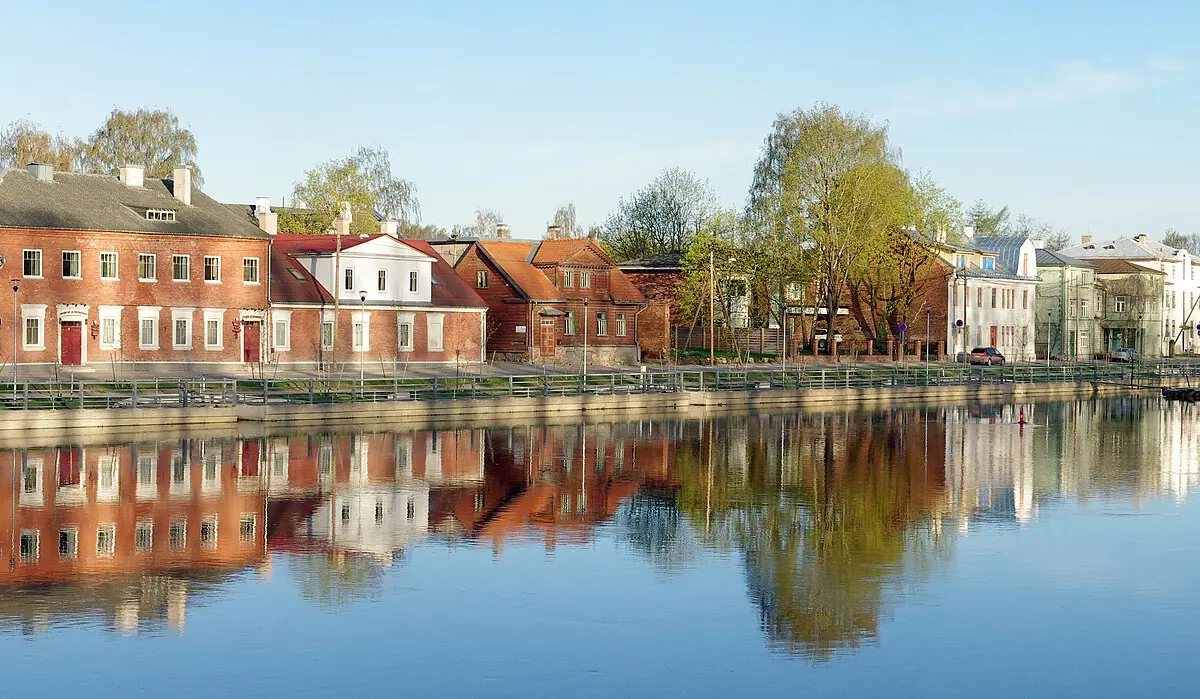
Back on the mainland, Pärnu is Estonia's summer capital: a long, shallow sandy beach, a domed mud-bath spa tradition, the riverside promenade and a packed calendar of festivals from June to August. In winter, that same coastline empties out entirely, and the shallow water can freeze. On the north-west coast, Haapsalu is a gentle, wooden spa town with a lace-making tradition, a bishop's castle whose cloister hosts candlelit musical evenings, and a charmingly nostalgic railway station with its very long, covered platform. All of these are day-trip or overnight-able from Tallinn, but staying a night or two is what transforms them from a checklist into a memory.
When to Go, How to Move and What to Know Before You Arrive
Estonia's sweet spot runs from mid-May to early September, when daylight stretches to eighteen hours or more around Midsummer and cafés spill onto the streets. June brings the white nights and the biggest folk celebrations; July and August are warmest, busiest and best for the islands and beaches. Late September and early October are for ruska, the turning of the birch and maple forests into amber and red — the bog boardwalks are spectacular then, though you will need a waterproof. Winter is a different trip rather than a lesser one: December brings snow, the Tallinn Christmas market, and in a cold snap the official ice road across the frozen sea to Hiiumaa opens to cars — an experience you will not find elsewhere in Europe. Otepää, in the south, is the country's winter sports base, with cross-country ski trails that stay open as long as the snow holds.
Getting around is easy for a small country. Coaches link Tallinn to Tartu, Pärnu, Haapsalu and Narva in one to three hours, trains are comfortable on the Tartu and Narva lines, and ferries hop from the mainland to Muhu, Saaremaa and Hiiumaa in under an hour and a half. The terrain is flat and cycling routes are excellent, while in Tallinn everything in the centre is walkable. Bring layers and a rain jacket in every season, expect long hours of darkness in December but magical light in June, and book island ferry crossings and midsummer accommodation well ahead. English is spoken almost everywhere, cards are accepted nearly universally, and tipping is polite rather than expected. Tuck into dark rye bread, sprats on toast, kama made from roasted grains and berries picked from the forest — and, if you are offered one, do not skip the sauna.
Frequently asked questions
How many days do you need in Estonia?
Five to seven days is ideal. Allocate two full days to Tallinn's Old Town and its museums, then add a day in Lahemaa National Park, an overnight in Tartu, and two nights on Saaremaa or on the Pärnu coast. A long weekend limited to Tallinn is still very rewarding, but you will miss the bogs, islands and manor houses that make the country distinctive.
What is the best time of year to visit Estonia?
Mid-May to early September is the most comfortable window, with long daylight, green forests and everything open. June offers the white nights and the biggest folk festivals; September and early October bring spectacular autumn colours in the bogs and forests. December to February suits travellers who want snow, the Tallinn Christmas market, cross-country skiing in Otepää and, in the right conditions, the frozen ice road to Hiiumaa.
How do I reach Saaremaa and Hiiumaa without a car?
Ferries connect the mainland to Muhu and onward by causeway to Saaremaa, and a separate crossing reaches Hiiumaa. Public coaches from Tallinn run to Kuressaare and Kärdla, meeting the ferries, and take roughly four hours including the crossing. On the islands, local buses and rented bicycles cover the main sights, but having a car or joining a small guided tour makes reaching remote spots like Kaali, Angla and Panga far easier.
What is Estonia's fifth season?
In Soomaa National Park, the spring snowmelt floods meadows, forests and even roads, so locals travel by canoe rather than on foot — a period they call the fifth season, usually falling in late March and April depending on the winter's snow. It is the best time for guided canoe trips over submerged land and for watching the bogs come alive.
Is Estonia an expensive destination?
Estonia sits comfortably in the mid-range for Northern Europe. Accommodation in Tallinn's Old Town is the priciest part of any trip, while guesthouses in Tartu, Haapsalu and rural manor estates offer better value. Public transport, museum tickets and everyday food are reasonable, and forests, bogs, beaches and most national park trails are free to explore.
Plan it — experiences in Estonia
Live search, booked directly with trusted providers.
Sort the rest of your trip
Everything for Estonia, in one place
Stay in Estonia
Hotels, guesthouses and apartments — compared in one search.
Search hotels
Transfer in Estonia
Private driver waiting on arrival — no queues, no surprises.
Book a transfer
Stay online in Estonia
Travel eSIM — data the moment you land, no roaming bills.
Get an eSIMMore guides in Estonia
Top Things to Do in Estonia: Medieval Tallinn, Baltic Islands and Bogs
Estonia Food, Culture and Local Experiences: Tallinn, Bogs, Islands and Smoke Saunas
Best Time to Visit Estonia for Hotels: A Season-by-Season Guide
Hotels in Estonia: Where to Stay in Tallinn, Pärnu and the Islands