Estonia changes character so completely between January and July that the season decides what kind of trip you are booking: a candlelit spa weekend behind medieval walls, or a midnight walk through Tallinn's Old Town while the sky stays stubbornly blue. Pick your months carefully, and the country's hotels — from restored merchant houses to forest manors — become part of the experience rather than just a bed.
How Estonia's Seasons Decide Where You Sleep
Estonia sits at roughly the same latitude as northern Scotland, and the light is the single biggest factor in choosing both a destination and a hotel. Around Midsummer in late June, Tallinn gets close to nineteen hours of daylight; by late December, that shrinks to barely six and a half. In practice this means summer travel is about coastlines, island ferries, outdoor cafés and long evenings, while winter travel is about interiors — saunas, spa pools, museum days and wood-panelled Old Town rooms that feel designed for candlelight.
The country's accommodation splits neatly along those lines. Tallinn's UNESCO-listed Old Town is full of small hotels tucked into medieval merchant houses around Raekoja plats and the lanes below Toompea Castle, plus design-led places in the former industrial quarters of Kalamaja and Telliskivi. Elsewhere you find spa resorts in Pärnu and Haapsalu, manor hotels such as Palmse and Sagadi in Lahemaa, island guesthouses on Saaremaa and Muhu, and simple forest cabins with a wood-fired sauna.
If you want the sweet spot — long light, warm-ish days, no crush and easier room availability — aim for late May to mid-June or the first half of September. July is the warmest and busiest month, especially on the coast; late January to March is the cheapest and quietest, with proper winter conditions in the south.
Summer: White Nights, the Old Town and the Baltic Coast
From June to August, Estonia behaves like a seaside country. Midsummer — Jaanipäev on 23 and 24 June — is the fixed point of the national calendar: towns empty, everyone drives to a country house or a lakeside bonfire, and rural guesthouses sell out months in advance. If you are in Tallinn over those dates, expect a quieter-than-usual city and a few restaurants closed; if you want a rural cabin with a sauna that week, book it in spring, not in June.
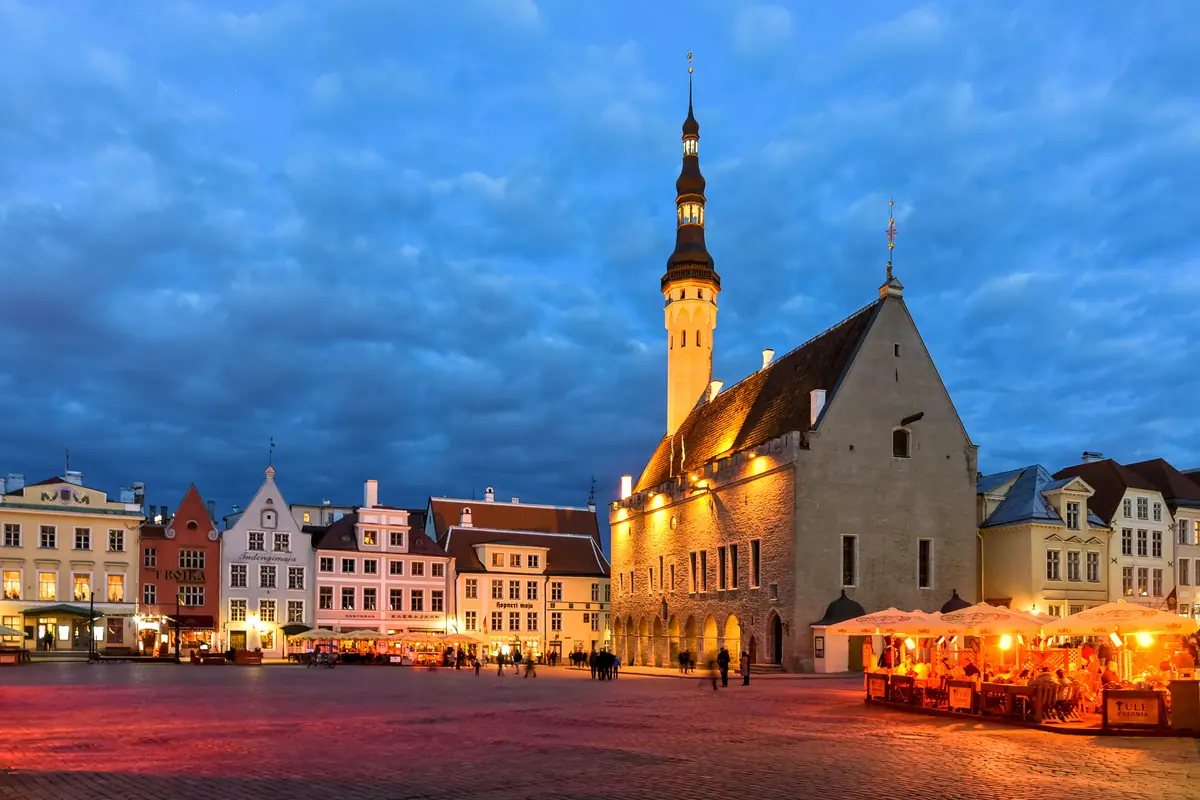
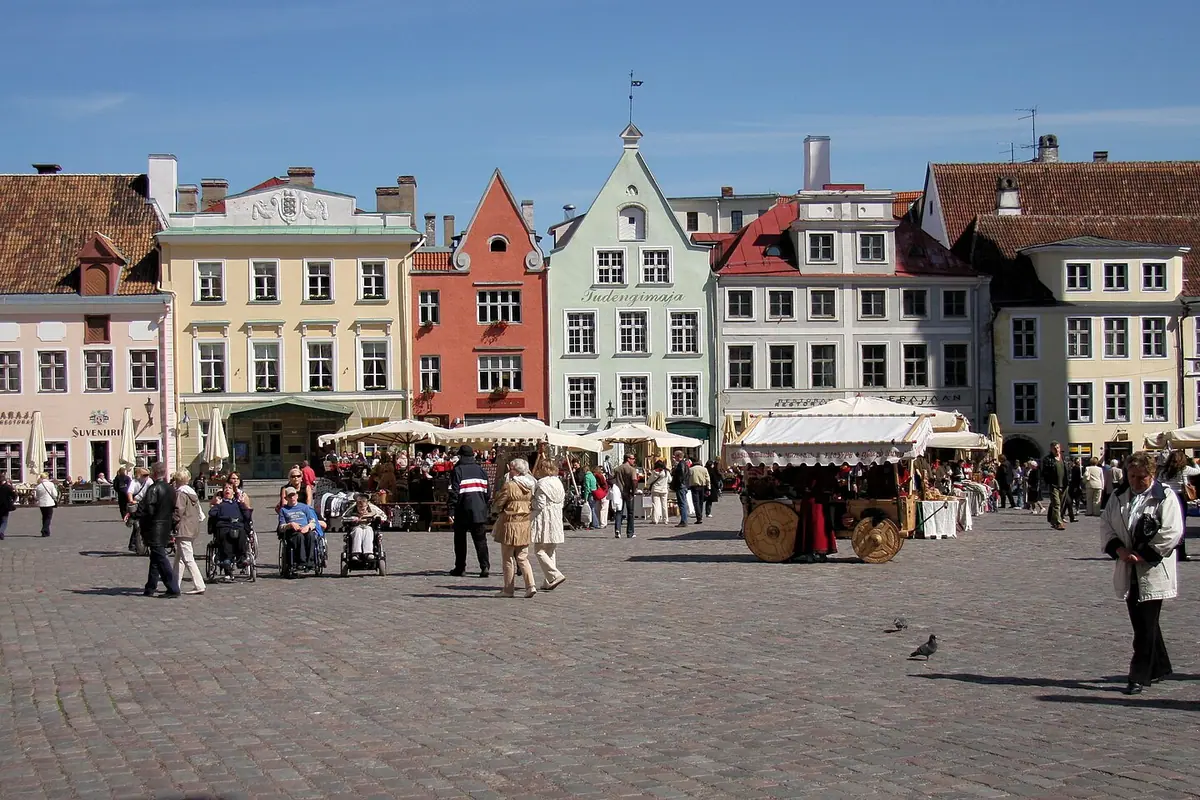
Tallinn itself rewards a summer stay. Wander the cobbles of the Old Town from Raekoja plats, the town hall square, up to Toompea Castle and the onion-domed Alexander Nevsky Cathedral, then climb the tower of St Olaf's Church for the classic rooftop view. Beyond the walls, Kadriorg Palace and the Kumu Art Museum sit in a park of the same name, the Seaplane Harbour maritime museum occupies a vast concrete hangar in Kalamaja, and Telliskivi Creative City fills old railway workshops with food trucks, galleries and bars. In July, central Old Town rooms are the first to go, so reserve two to three months out if you have a specific courtyard hotel in mind.
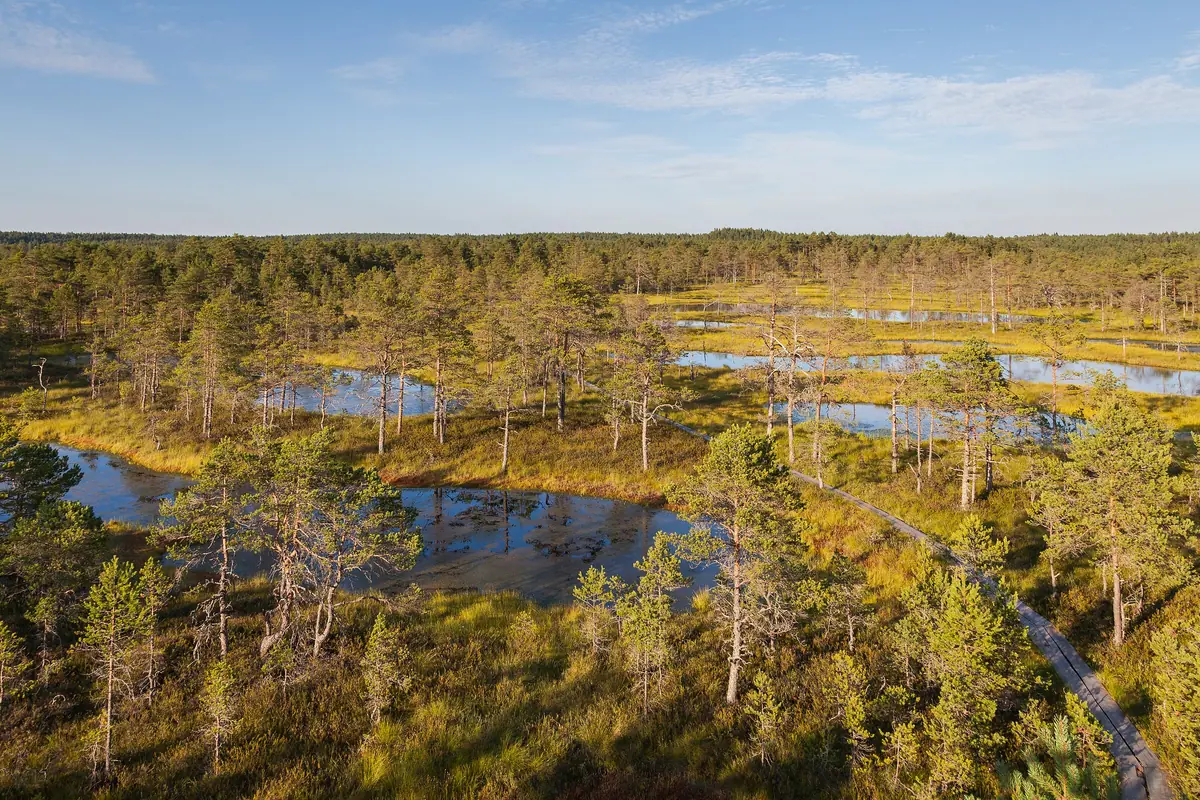
Outside the capital, the season opens up the water. Pärnu, Estonia's summer capital, has a long, shallow sandy beach and a strip of spa hotels a few streets back; July sea temperatures hover around 20°C, which locals consider genuinely warm. Ferries run frequently to Saaremaa and Hiiumaa, Lahemaa National Park's Viru Bog boardwalk is at its most walkable, and the lakes of the south around Otepää fill with swimmers. Pack mosquito repellent for evenings near bogs and lakes — it is the one reliable annoyance of an Estonian summer.
Autumn: Shoulder-Season Value, Bogs and Manor Hotels
September and early October are Estonia's most underrated weeks. The crowds thin after the first week of September, hotel rates soften noticeably, and the forests turn gold and rust through late September into mid-October. It is also mushroom season, and you will see families heading into the woods with baskets. Days are still long enough for hiking in Lahemaa National Park, canoeing in Soomaa National Park, or walking the clifftop paths and waterfalls along the northern coast.
This is the season for manor hotels. Palmse and Sagadi manors in Lahemaa, and Pädaste on Muhu island, are at their best when the evenings are cool enough to justify a long dinner and a sauna afterwards. On the west coast, Haapsalu makes a lovely autumn base: the episcopal castle ruins, the wooden railway station with its Tchaikovsky bench, and the promenade are all pleasant in soft September light. Birdwatchers should head to Matsalu National Park, where autumn migration peaks in September and huge flocks of cranes stage on the coastal meadows.
Be realistic about the weather: rain is common, daylight drops fast through October, and November is genuinely dark and damp. Treat late autumn as city-break season rather than countryside season — a museum-heavy stay in Tallinn or Tartu, with the Estonian National Museum, Kumu and the Seaplane Harbour as rainy-day anchors, works far better than a beach plan.
Winter: Christmas Markets, Spa Hotels and Snow
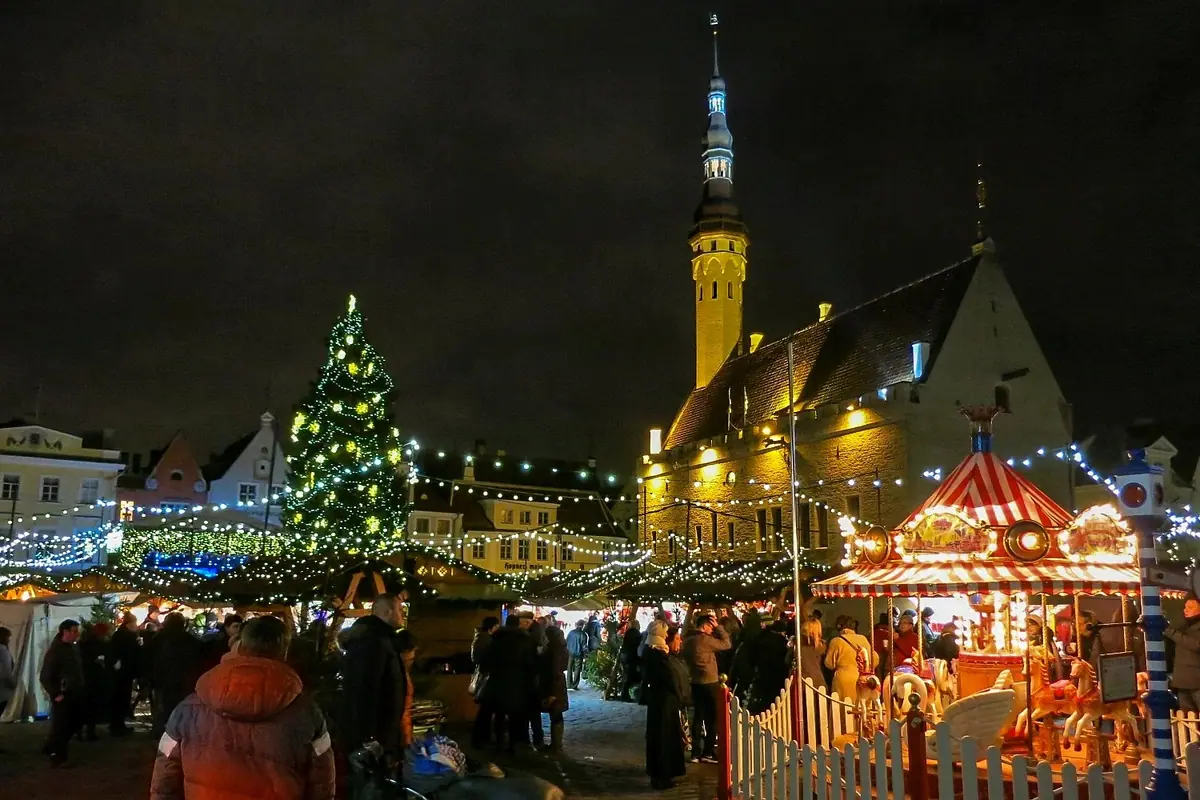
Winter in Estonia has two distinct moods. The first is December in Tallinn, when the Christmas market fills Raekoja plats from mid-November to early January with wooden stalls, glögg, black pudding and a spruce tree ringed by fairy lights. Old Town hotels with fireplaces and thick walls are at their most atmospheric — and their most expensive. For better value, choose the first week of December or the week after New Year rather than the Christmas holidays themselves, and expect short days: plan museum visits and long lunches around a sun that sets before 4pm.
The second mood is deep winter in the south. Temperatures from January to February typically sit between -5°C and -10°C, with colder snaps, and this is when snow is reliable in the hills around Otepää and Haanja, Estonia's unofficial winter capital. Cross-country skiing, snowshoeing and sledding are the local pursuits, and a guesthouse with a private sauna to return to is worth more than any hotel star rating. Tallinn, by contrast, often has more slush than snow, so if snow is the goal, head inland.
Where winter really pays off is the spa tradition. Pärnu, Haapsalu, Narva-Jõesuu and the coast west of Tallinn are dotted with spa hotels built around thermal pools, steam rooms and treatment wings, and they are far cheaper in January than in July. Sauna culture itself is close to sacred — the smoke sauna tradition of Võrumaa is recognised as living heritage — so ask whether your room or hotel has one, and whether it is included or booked by the hour.
Beyond Tallinn: When to Visit Tartu, Pärnu and the Islands
Tartu, Estonia's second city, works in almost any month. It is a university town, so May to September brings outdoor terraces, river boats and the student buzz around Toome Hill, the Kissing Students fountain and the ruins of the cathedral. Rainy days are covered by the Estonian National Museum and the hands-on AHHAA Science Centre. Hotels here cost less than Tallinn year-round, and winter has its own appeal with crisp student-city lights and a compact old centre.
Pärnu is strictly a warm-weather destination: its beach, promenade and mud-bath spas peak from mid-June to mid-August, and hotel prices peak with them. Book by April for July. For the islands, the ferry-linked pair of Saaremaa and Hiiumaa are best from May to September — Kuressaare Castle with its moat, the Kaali meteorite crater, the windmills at Angla and Kõpu Lighthouse on Hiiumaa are all fair-weather sights, and the crossing from Virtsu can be disrupted by autumn and winter storms.
In the far east, Narva is a year-round day trip from Tallinn and an underrated place to sleep cheaply: Hermann Castle stares straight across the river at the Ivangorod fortress, an odd and memorable sight. In the south, Viljandi's hilltop castle ruins host a big folk music festival in July, while Setomaa's distinctive culture and churches reward a slow summer drive. Wherever you go outside Tallinn, rural guesthouses are small — often just a handful of rooms — so summer weekends need booking well ahead.
Booking Timing and What to Expect in an Estonian Hotel
There are three genuine crunch periods: Midsummer in late June, the Christmas market weeks in December, and July weekends on the Pärnu coast. For those, reserve two to three months ahead, and up to six months for rural guesthouses with saunas. The rest of the year is forgiving — in October, February or March you can often decide a week in advance, and the same room that costs a premium in July is markedly cheaper then. If your dates are flexible, shifting a summer trip by two weeks either side of July makes a visible difference.
Estonian hotels tend to be practical and quietly comfortable. Breakfast is usually included and generous, saunas are common (sometimes private, in the room), and spa hotels include pool and steam access in the rate. Old Town properties are often conversions of medieval buildings, which means character in abundance but also steep staircases, small lifts or none at all, and compact rooms — worth checking if you have heavy luggage or mobility needs. Parking in Tallinn's Old Town is limited and best arranged in advance with the hotel.
A few details make a stay smoother. Central Tallinn is very walkable and trams and buses cover the rest, so a car is a liability in the city and an asset in the countryside. Tap water is drinkable everywhere, cards are accepted almost universally, and summer nights stay bright late — light sleepers should ask about blackout curtains in rooms facing east. Finally, if you are booking an Old Town room in July, check whether a bar or club shares the building or the courtyard; the medieval streets carry sound beautifully, which is charming at noon and less so at 2am.
Frequently asked questions
What is the best month to visit Estonia?
Late May to mid-June and the first half of September offer the best balance: long daylight, mild weather, manageable crowds and easier hotel availability. July is the warmest and liveliest month but also the busiest and priciest, especially in Tallinn and Pärnu.
When is the cheapest time to stay in an Estonian hotel?
Late January through March, plus November, are generally the quietest and most affordable periods outside the Christmas market window. Winter spa hotels in Pärnu and Haapsalu are particularly good value then, while July, Midsummer and the December holidays are the most expensive.
Is Estonia worth visiting in winter?
Yes, if you plan around the short days. Tallinn's Christmas market on Raekoja plats, candlelit Old Town streets and the country's spa and sauna culture make December memorable, while January to March brings reliable snow for skiing and snowshoeing around Otepää and Haanja in the south.
How far in advance should I book for Midsummer in Estonia?
Midsummer, on 23 and 24 June, is the hardest week of the year for rural accommodation. Book country guesthouses and cabins three to six months ahead, and reserve Tallinn hotels at least two to three months in advance if you are staying in the city instead.
Do Estonian hotels have saunas?
Many do. Spa hotels typically include pools, steam rooms and saunas in the room rate, and plenty of guesthouses and cabins offer a wood-fired or smoke sauna, sometimes for a small extra fee and often booked by the hour. In Tallinn, some rooms even come with a private sauna.
Sort the rest of your trip
Everything for Estonia, in one place
Transfer in Estonia
Private driver waiting on arrival — no queues, no surprises.
Book a transfer
Things to do in Estonia
Skip-the-line tickets, guided tours and standout experiences.
See experiences
Stay online in Estonia
Travel eSIM — data the moment you land, no roaming bills.
Get an eSIMMore guides in Estonia
Top Things to Do in Estonia: Medieval Tallinn, Baltic Islands and Bogs
Best Places to Visit in Estonia: Medieval Towns, Bogs and Baltic Islands
Estonia Food, Culture and Local Experiences: Tallinn, Bogs, Islands and Smoke Saunas
Hotels in Estonia: Where to Stay in Tallinn, Pärnu and the Islands