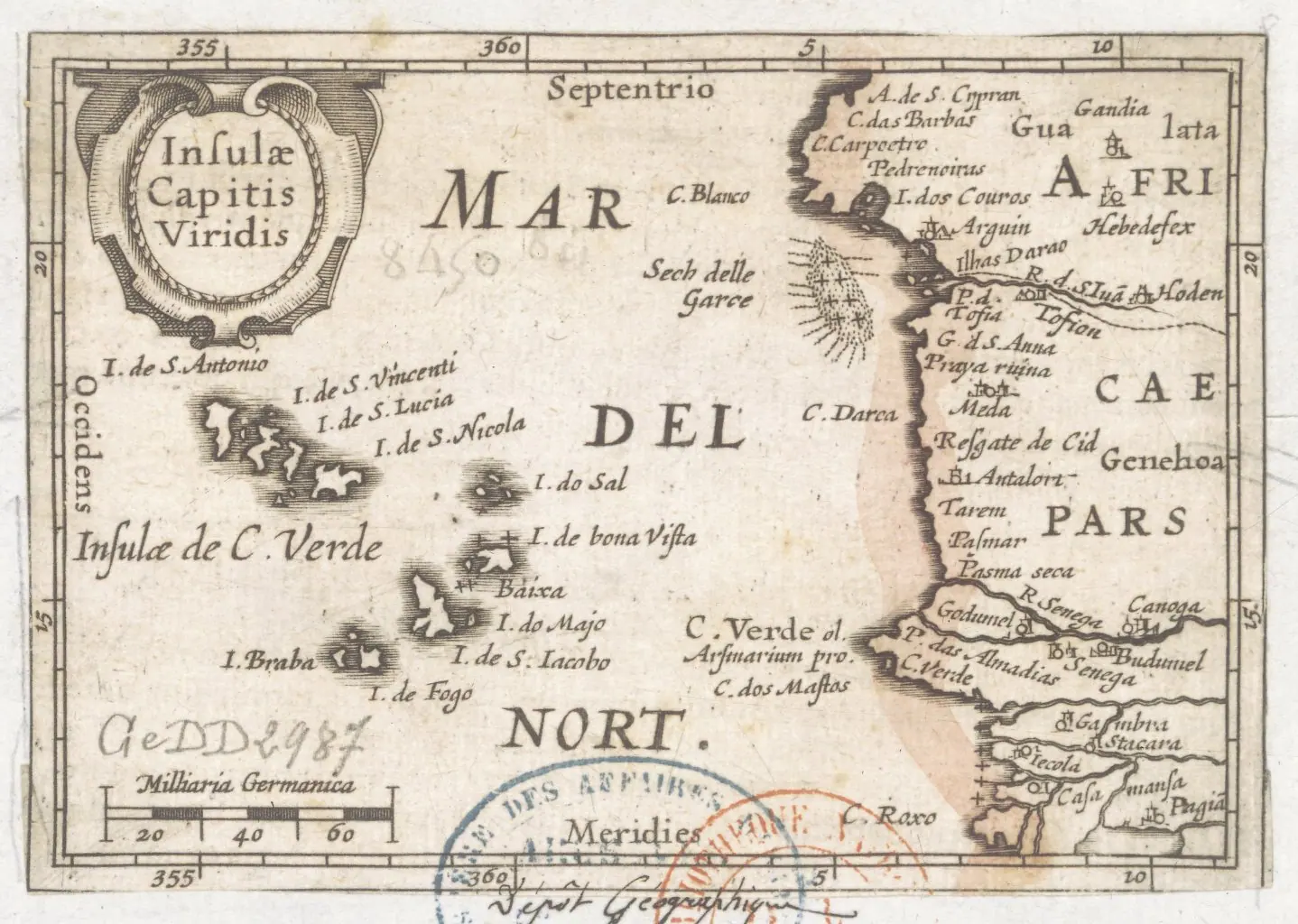
Cabo Verde tastes of corn and beans simmered for hours, sounds of a guitar picked slowly in a harbour bar, and smells of sugarcane fermenting in a mountain still. Ten islands off the West African coast, each with its own accent, dish and rhythm — this is how to eat, listen and travel through them.
Cachupa and the Crioulo Kitchen: What to Eat First
Cachupa is the dish that anchors every table in the country: corn kernels and beans soaked overnight, then simmered for hours with bay leaf, onion and whatever the house can afford. The frugal version, cachupa pobre, is built on corn, beans and squash; cachupa rica adds pork, chorizo, chicken or fish and appears at christenings, festas and long Sunday lunches. Nothing is wasted — leftovers fried the next morning with onion and sausage become cachupa refogada, a breakfast worth planning a day around.
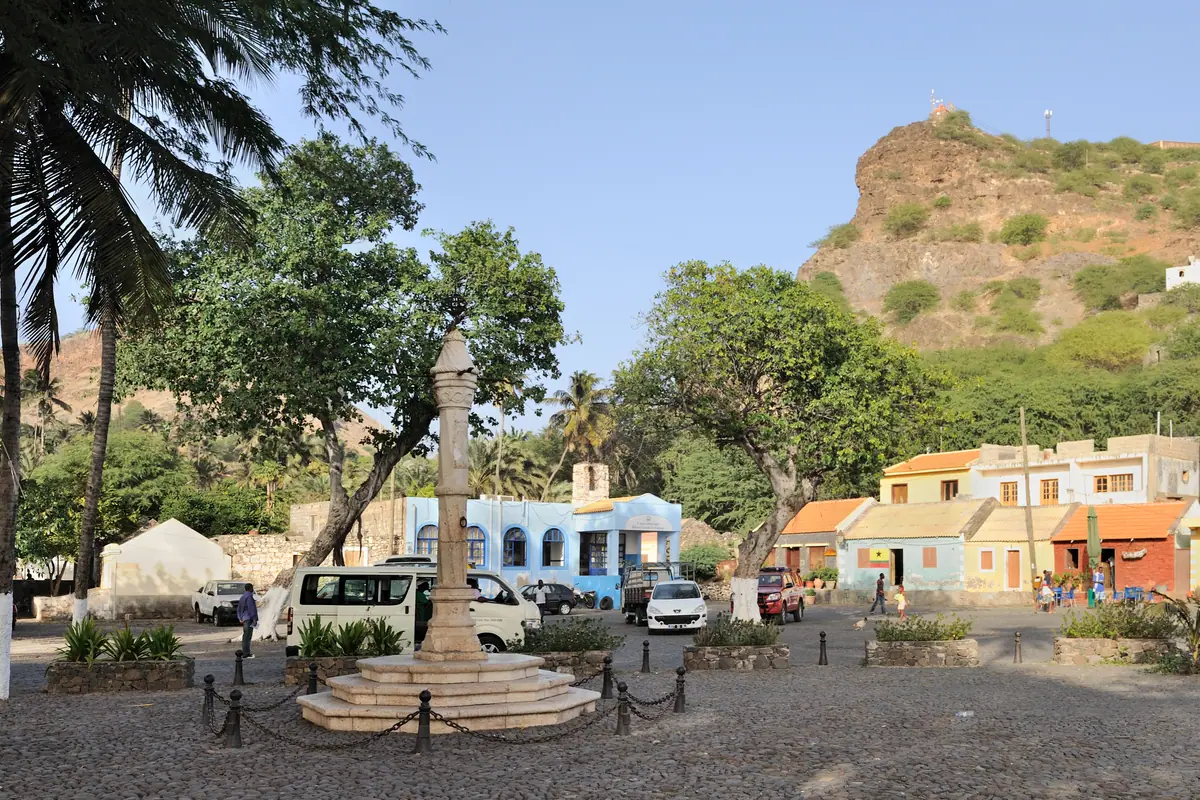
The best places to taste it are not restaurants with menus in four languages but the small family kitchens locals call cachuparias, tucked into the backstreets of Praia's Plateau and the villages of Santiago. Mornings belong to the markets: the sprawling Mercado de Sucupira in Praia sells beans, dried fish, papaya, cane and bundled herbs, while a short drive west the World Heritage-listed streets of Cidade Velha — the first European colonial town in the tropics — lead past Rua Banana and the ramparts of Forte Real de São Filipe to simple lunch tables.
Beyond the national dish, seek out pastel com diabo dentro, a flaky pastry packed with spicy tuna; buzio, conch stewed with tomato and lime; xerém, cracked corn cooked with fish; and kanja de peixe, a rice-and-fish broth. Tuna, wahoo and grouper come off the boats most afternoons and hit charcoal grills within hours, and lobster is a fixture on the eastern islands. Finish with doce de coco, bolachas de milho and a small glass of grogue. Vegetarians eat well on cachupa pobre, rice, beans and tropical fruit.
Mindelo: Morna, Coladeira and a City That Sings
Mindelo, on the island of São Vicente, is the cultural engine of Cabo Verde and the reason most visitors fall for the country's music before its beaches. Morna — the slow, wistful, guitar-led song form made famous by Cesária Évora — is recognised as intangible cultural heritage, and the city still treats it as a living craft rather than a museum piece. Alongside it runs coladeira, lighter and cheekier and made for dancing, and funaná, driven by accordion and the scraping rhythm of an iron bar.
Start at the waterfront statue of Cesária Évora, shoes off as she always performed, then walk inland to her former home, kept as a small museum of photographs and records. The Mercado Municipal and the nearby fish market are best before mid-morning, when the catch is laid out and the town is loudest. In the evening, Praça Nova and the lanes off Rua de Lisboa fill with chairs, beer and guitars; sets rarely begin before ten and run well past midnight, and Thursday to Saturday is when the choices are widest.
Climb Monte Verde for a view across the bay, then time a visit to the beach festival at Baía das Gatas, held over a full-moon weekend in August, or the island's February carnival, the loudest in the archipelago. Tour operators and guesthouses can point you to whichever bar has live music that night; cover charges are modest, and nobody minds if you simply sit and listen.

Santo Antão: Grogue Stills in the Greenest Mountains
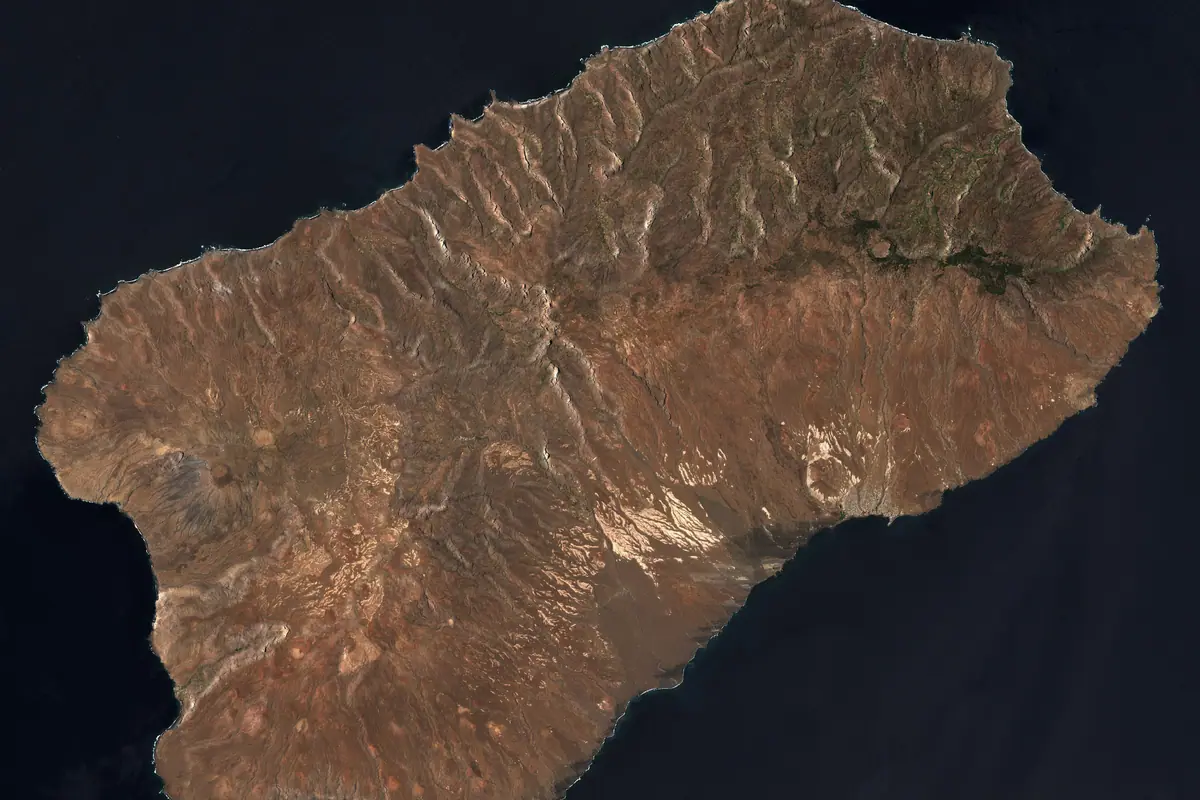
Santo Antão is the country's garden, and its signature drink comes straight from the slopes. Grogue is a rough sugarcane spirit distilled in small family stills, or alambiques, scattered along the valleys around Ribeira da Torre, Ribeira Grande and the Paúl Valley. During the cane harvest in the first half of the year you can watch the press being turned and the copper pot still working, then taste grogue clear and fiery or aged amber in a reused bottle with a hand-written label.
Mixed with honey and lime, grogue becomes ponche, the drink you will be offered on almost any veranda; the honey version, ponche de mel, is smoother and far more dangerous. Drink it after a walk through the terraced fields of the Vale do Paúl, a lush, protected valley of mango, banana and cane, or after the drive over the crater rim of Cova, where the road suddenly opens onto a bowl of green. Nearby Ponta do Sol and the cliff-hugging village of Fontainhas are the classic places to stop and eat grilled fish with the Atlantic below.
Getting there is part of the experience: a one-hour ferry from Mindelo to Porto Novo, then a shared aluguer minibus up switchback roads that climb into cloud. Roads are slow, so plan fewer villages per day than you think. Ask before photographing people at the stills, taste before buying, and remember that a bottle of grogue bought at source is a far better souvenir than anything in an airport shop.
Fogo: Wine, Coffee and a Village Inside a Volcano
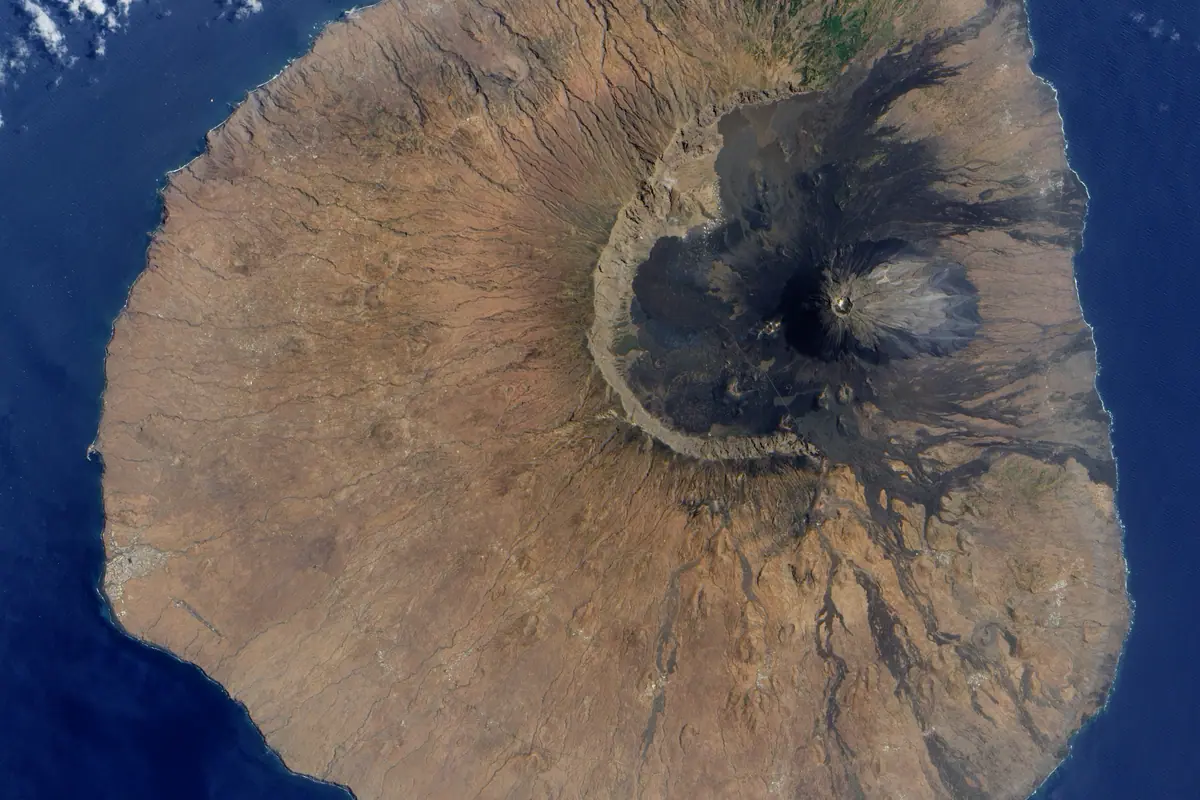
Fogo rises out of the sea to Pico do Fogo, the highest point in the archipelago, and at its base sits Chã das Caldeiras, a village built inside the crater on black lava soil. Grapes, coffee and figs grow here in a landscape that looks freshly burned, and families who lost homes in past eruptions simply rebuilt and replanted. The approach passes through São Filipe, whose colonial mansions and cobbled square are worth an afternoon of their own.
The reward is the table. Family-run adegas in Chã das Caldeiras pour vinho da terra — dry reds from the manecom grape and sweet, raisin-scented wines made from vines left to dry on the volcanic ground. Coffee from the island's slopes is roasted dark and served thick, and queijo de Fogo, a firm salted cheese, turns up in everything, including a memorable cachupa. Meals are long, cooked over wood, and often end with a glass of grogue from a neighbouring island.
Plan an extra day for the summit. The climb from the crater floor to the rim takes roughly four to six hours return, usually starting before dawn to beat the heat, and a local guide is strongly advised. Nights at this altitude are cold and windy, so bring a jacket even in the middle of the dry season, and allow time to acclimatise before pushing on.
Sal and Boa Vista: Salt Pans, Turtles and Grilled Tuna
Sal is the easiest island to land on and the most food-focused of the sandy trio, with a restaurant scene strung along the beach at Santa Maria. Inland, the salt pans of Pedra de Lume let you float in water so dense you cannot sink, while Buracona's Olho Azul glows turquoise in late-morning light and lemon sharks cruise the shallows at Shark Bay. Fishing boats come in during the afternoon, and the catch moves quickly to grills, where tuna, wahoo and octopus are served with garlic butter, rice and beans.
Boa Vista is quieter and emptier: Praia de Chaves and Santa Mónica stretch for kilometres, the dunes of Deserto de Viana shift with the wind, and Sal Rei is small enough to walk in half an hour. Between July and October, loggerhead turtles nest on beaches such as Ervatão, and guided night walks to watch hatchlings head for the water are one of the country's finest experiences — book with local guides and keep lights and hands off the animals.
Timing matters here. The trade winds blow hardest from December to March, which is heaven for kitesurfers at Kite Beach but can mean sandblasting on exposed stretches. Spring brings humpback whales past the islands from roughly March to May, while September and October are the hottest, stickiest months, when the rain is most likely to reach the higher islands.
Market Days, Festivals and Getting Between the Islands
Markets are the quickest way into Crioulo daily life. Mercado de Sucupira in Praia is the biggest and most chaotic, a maze of produce, cloth and second-hand everything, best visited early before the heat. Mindelo's municipal market is smaller and friendlier, and Sal Rei on Boa Vista still sells fish straight off the sand. In Praia itself, walk the Plateau past the presidential palace and the ethnographic museum, then drop down to Praia de Quebra Canela for a swim before dinner.
The festival calendar is worth shaping a trip around. Carnival takes over Mindelo and Praia in February, with weeks of rehearsals beforehand; São Vicente's Baía das Gatas music festival fills the August full moon; morna and coladeira gatherings keep Mindelo busy into autumn; and Santiago's tabanka processions, with their drumming and painted banners, are among the most rooted traditions in the country. June's São João brings bonfires and funaná to village squares. Whatever the date, expect the same morabeza — the unhurried hospitality that means a stranger is fed before being asked questions.
Practicalities are simple but worth planning. Portuguese is official, though Kriolu is what you hear, and a few greetings in it will change the tone of any transaction. Carry cash in Cape Verdean escudos for smaller islands, since ATMs thin out beyond Praia and Mindelo. Inter-island flights and ferries fill up in the December-to-April high season and again in August, so book crossings early, and accept that distances that look tiny on a map can take a slow, spectacular half-day by road. Lunch is midday and dinner rarely starts before eight.
Frequently asked questions
What exactly is cachupa, and when do people eat it?
It is the national dish: corn and beans slow-cooked for hours, plain as cachupa pobre or enriched with meat and fish as cachupa rica. It is the standard Sunday family lunch, appears at every festival, and is often fried up the next morning as cachupa refogada.
Which island is best for music and nightlife?
São Vicente. Mindelo is the home of morna, coladeira and funaná, with live sets in the bars around Praça Nova from Thursday to Saturday and a beach festival at Baía das Gatas in August. Praia's Plateau offers a more club-oriented alternative.
What is grogue, and can I visit a distillery?
Grogue is a sugarcane spirit distilled in small copper stills, mainly on Santo Antão, where family alambiques along the Paúl Valley and Ribeira da Torre welcome visitors during the cane harvest. Taste before buying, and try it as ponche, mixed with honey and lime.
When is the best time to visit Cabo Verde for food and festivals?
October to June brings dry, comfortable weather. February is carnival season, August brings the Baía das Gatas festival, July to October is turtle nesting on Boa Vista, and humpback whales pass between roughly March and May. September and October are the hottest and most humid.
How easy is it to travel between the islands?
Small aircraft link the main islands, and the classic ferry hop from Mindelo to Porto Novo on Santo Antão takes about an hour. Crossings and flights fill quickly in the December-to-April high season and in August, so reserve ahead and allow more travel time than the map suggests.
Sort the rest of your trip
Everything for Cabo Verde, in one place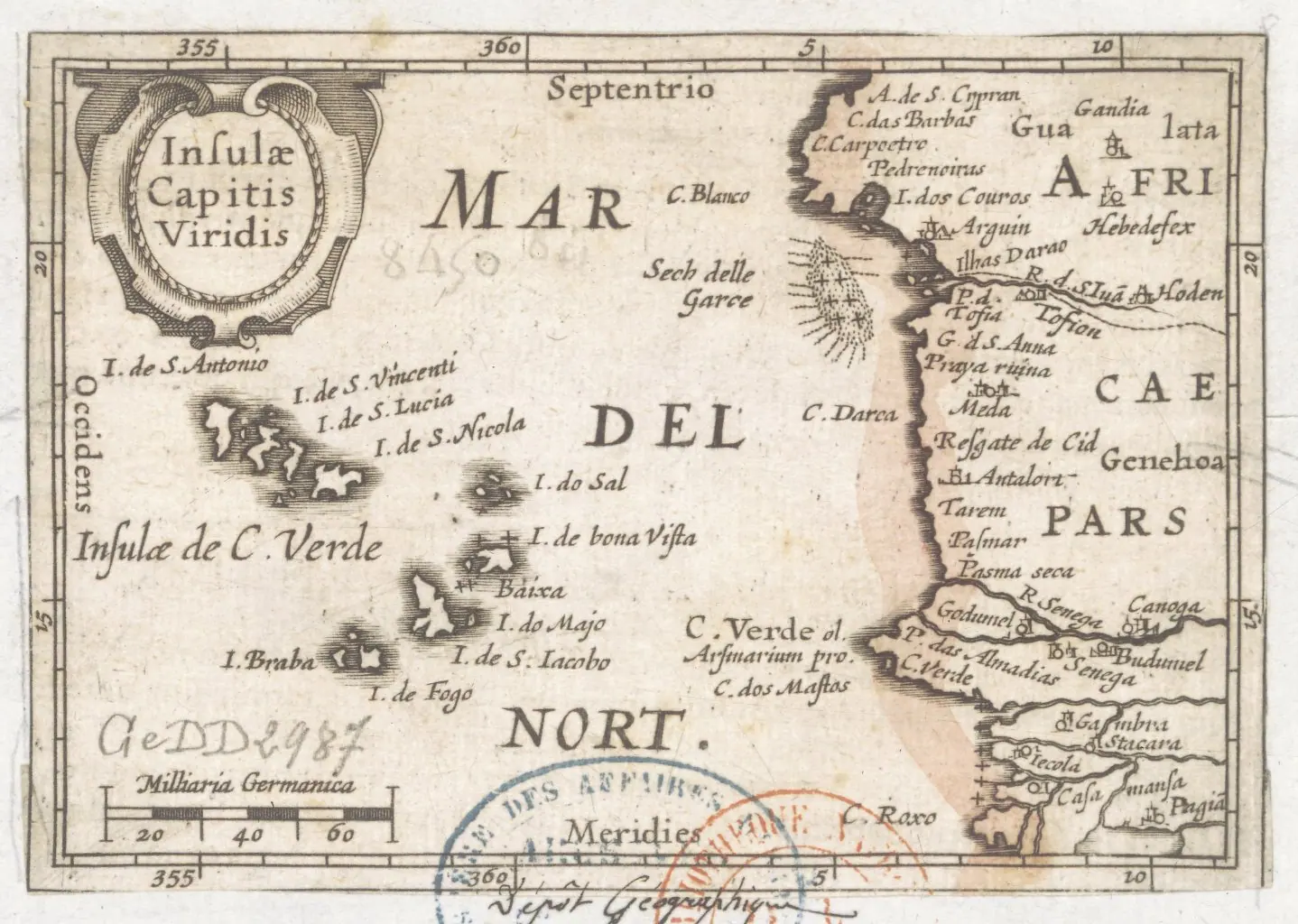
Stay in Cabo Verde
Hotels, guesthouses and apartments — compared in one search.
Search hotels
Transfer in Cabo Verde
Private driver waiting on arrival — no queues, no surprises.
Book a transfer
Stay online in Cabo Verde
Travel eSIM — data the moment you land, no roaming bills.
Get an eSIMMore guides in Cabo Verde
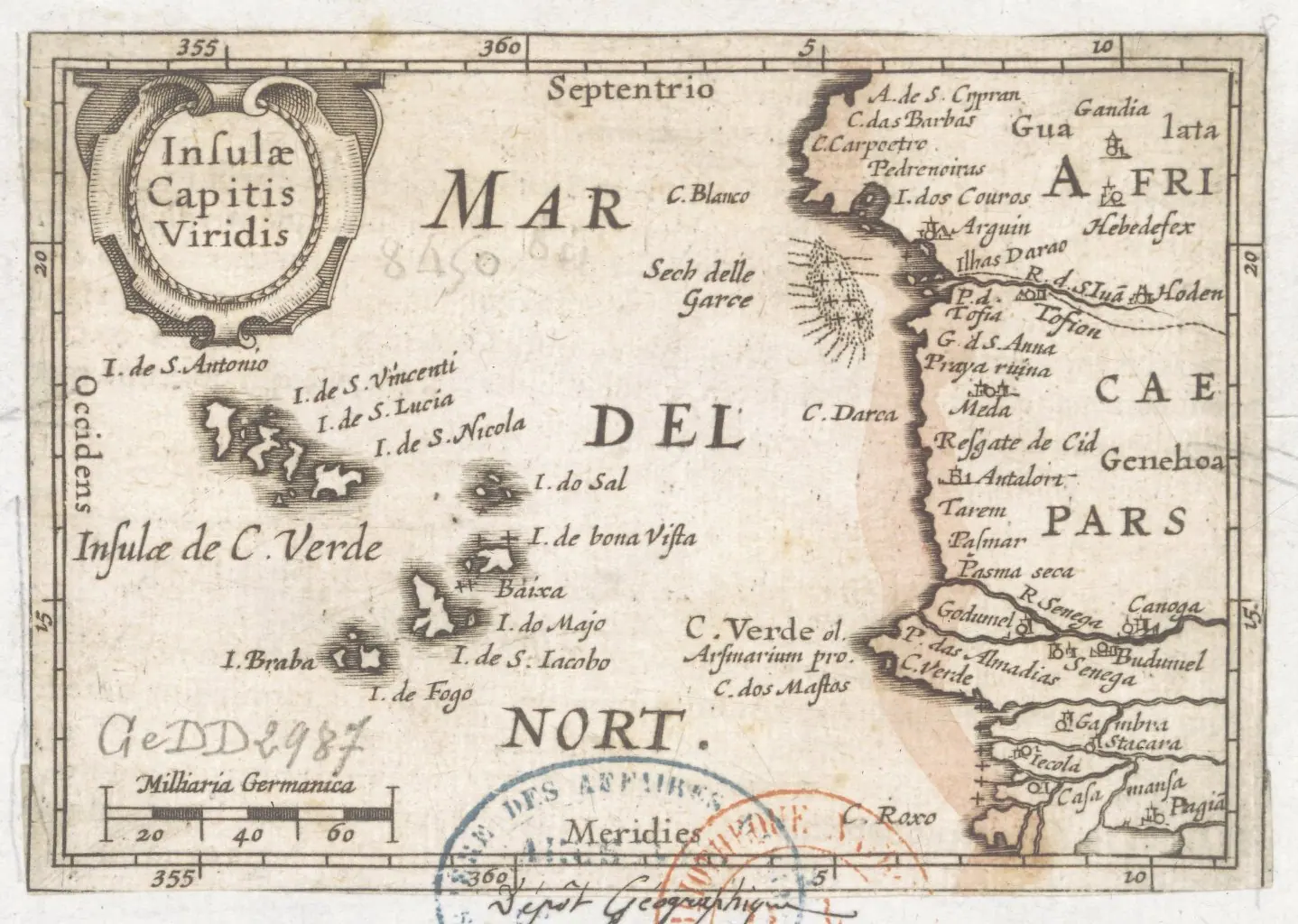
Things to Do in Cabo Verde: Landmarks, Volcanoes and Island-Hopping
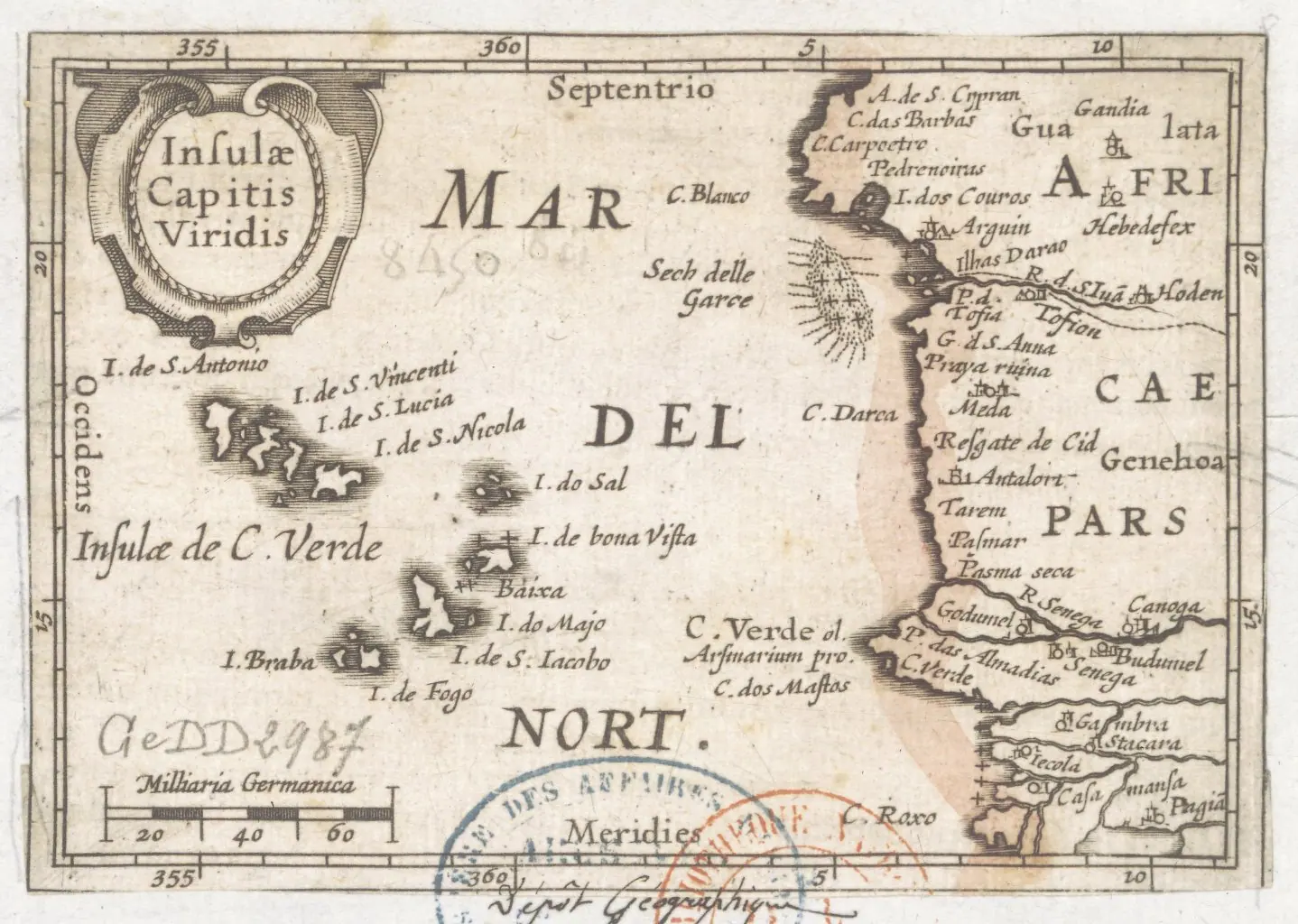
One Week in Cabo Verde: An Island-Hopping Itinerary by Flight
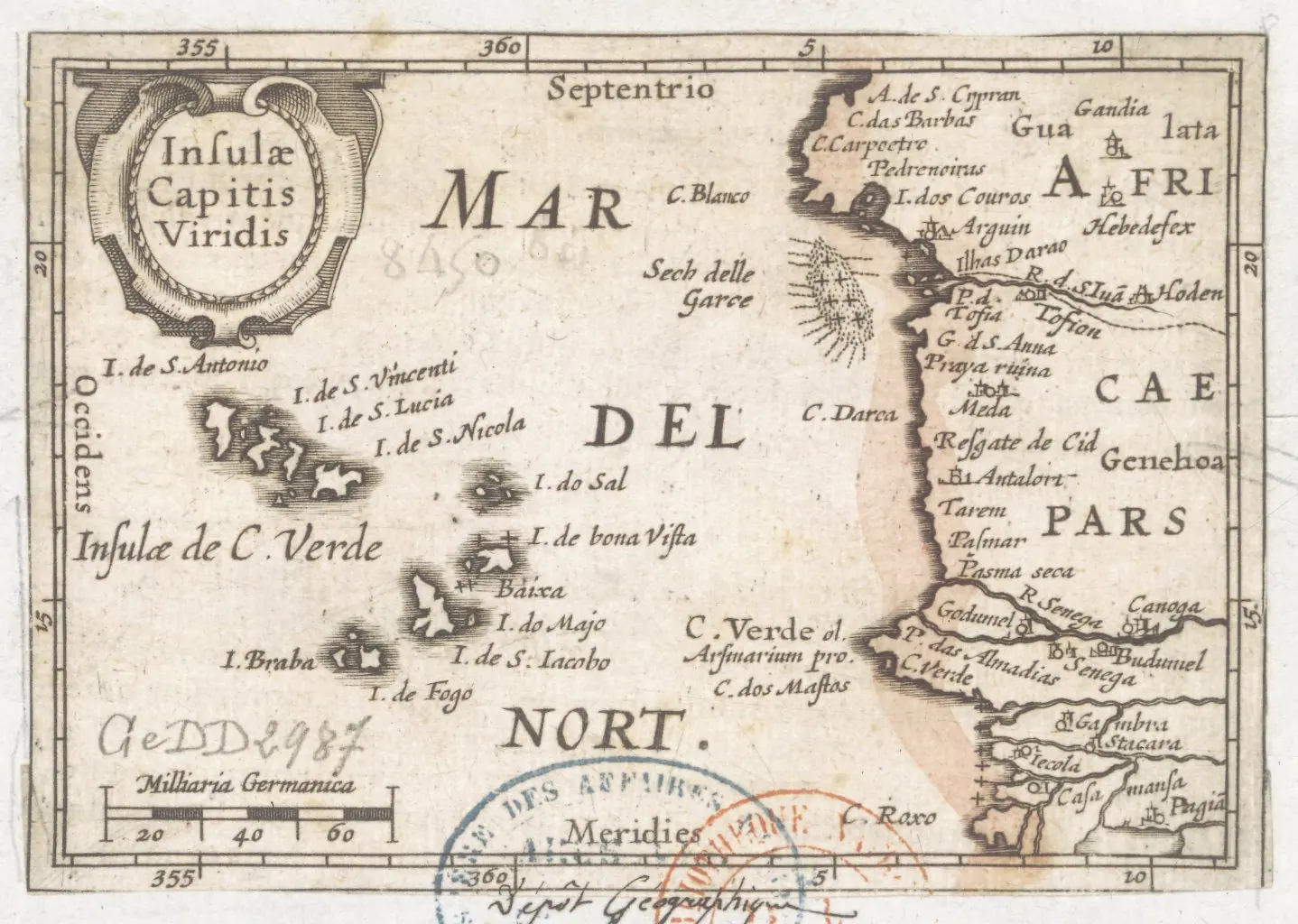
Best Places to Visit in Cabo Verde: A Island-by-Island Guide
Where to Stay in Cabo Verde: Hotels, Islands and the Sights Worth the Boat Ride