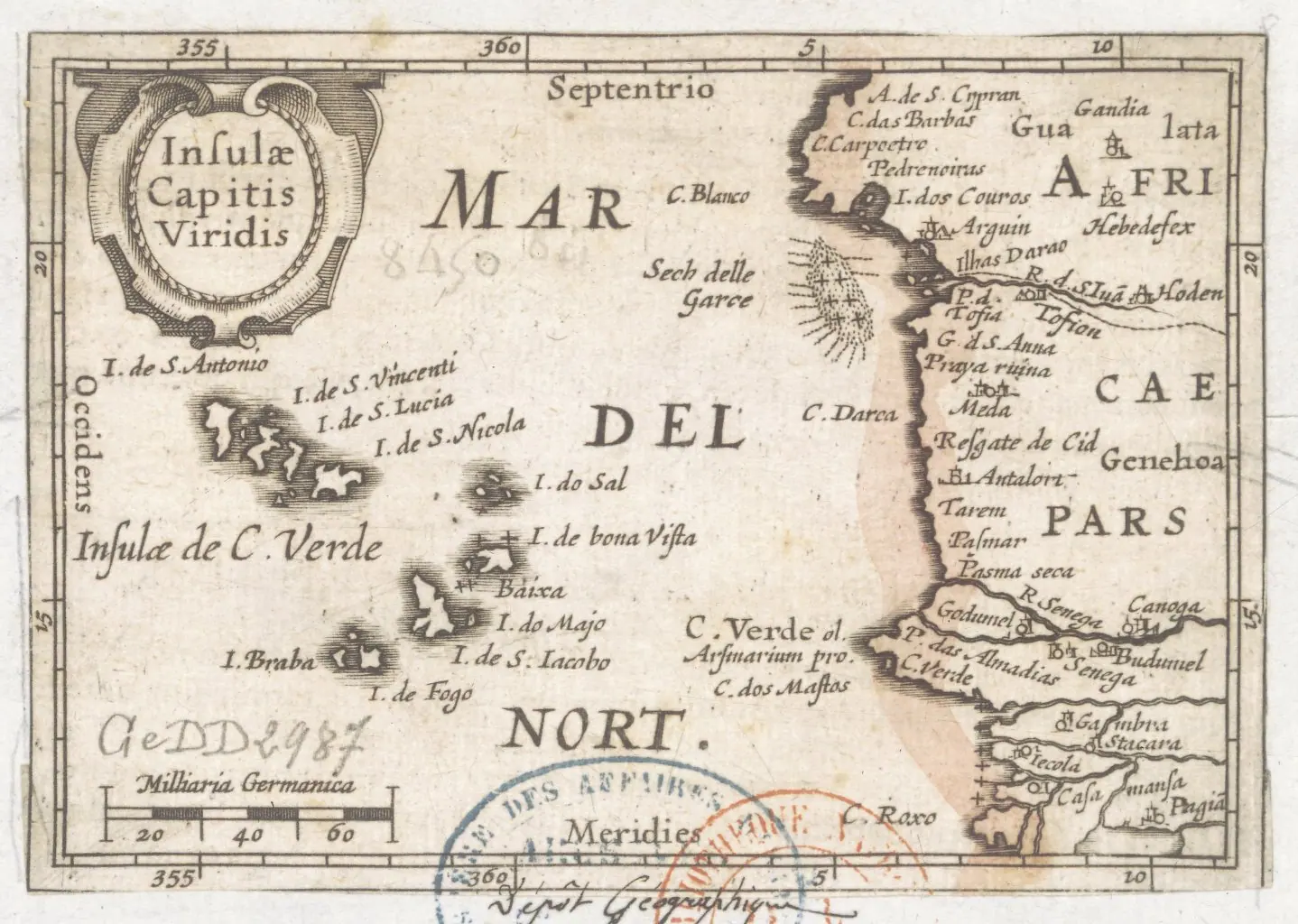
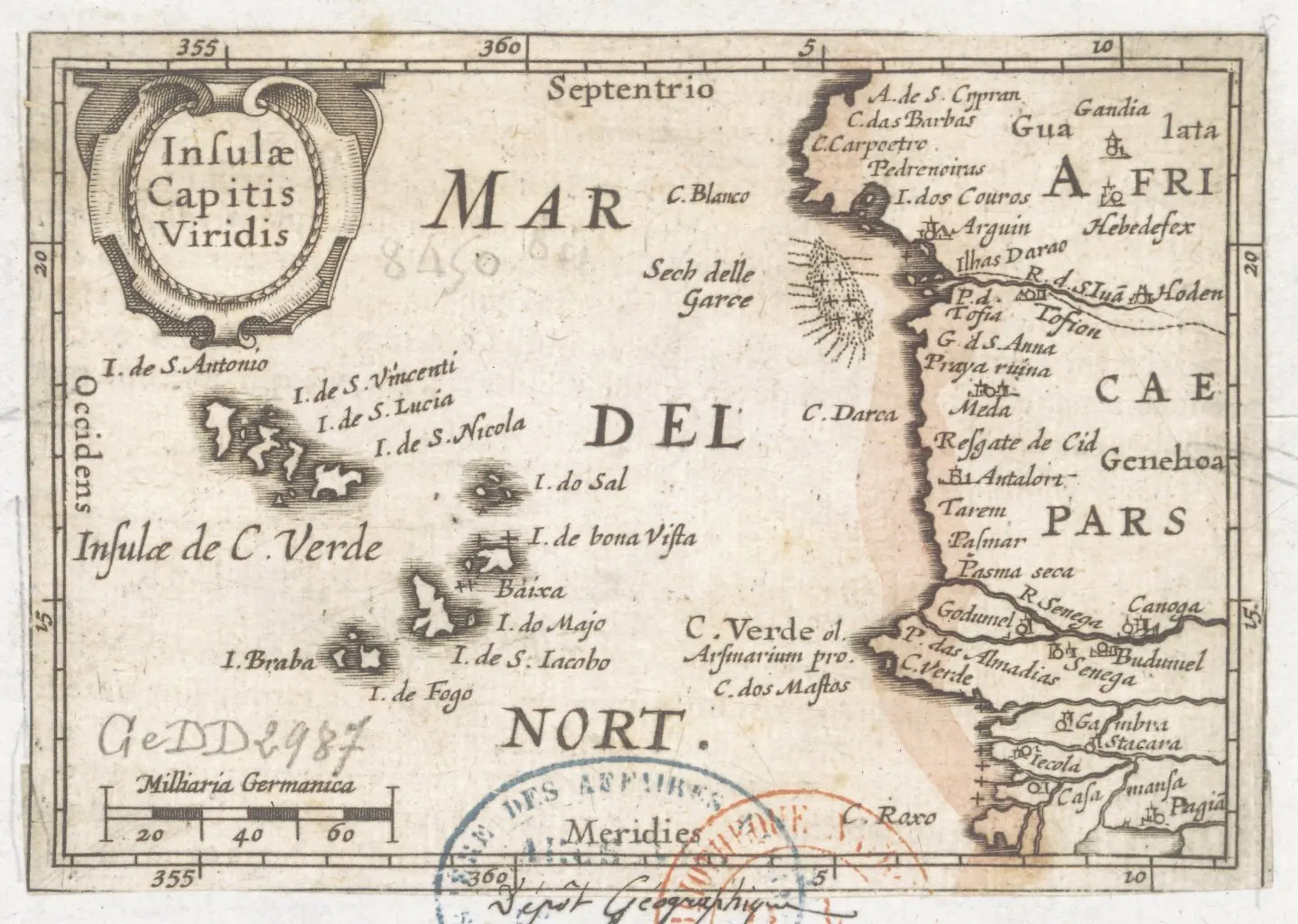
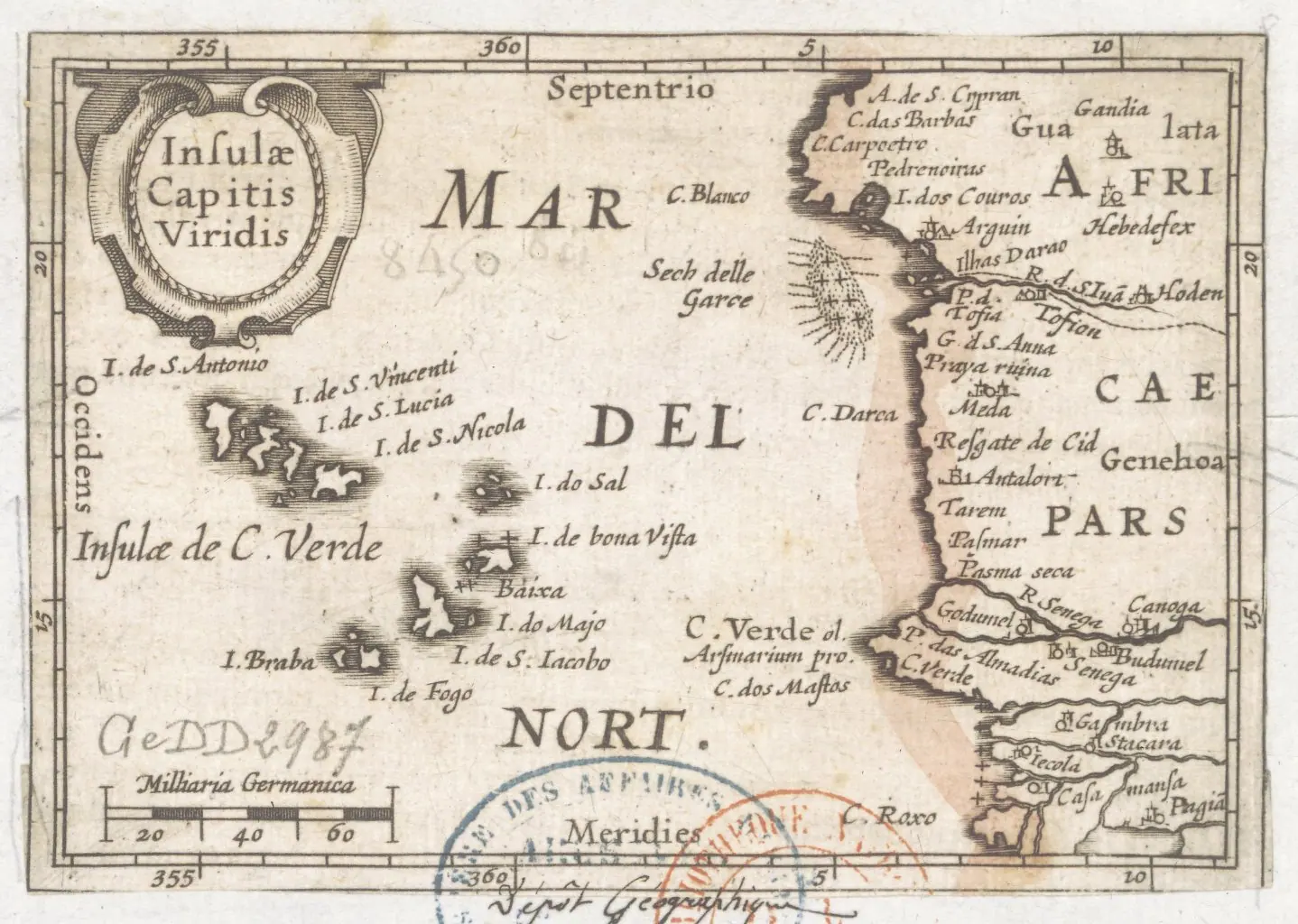
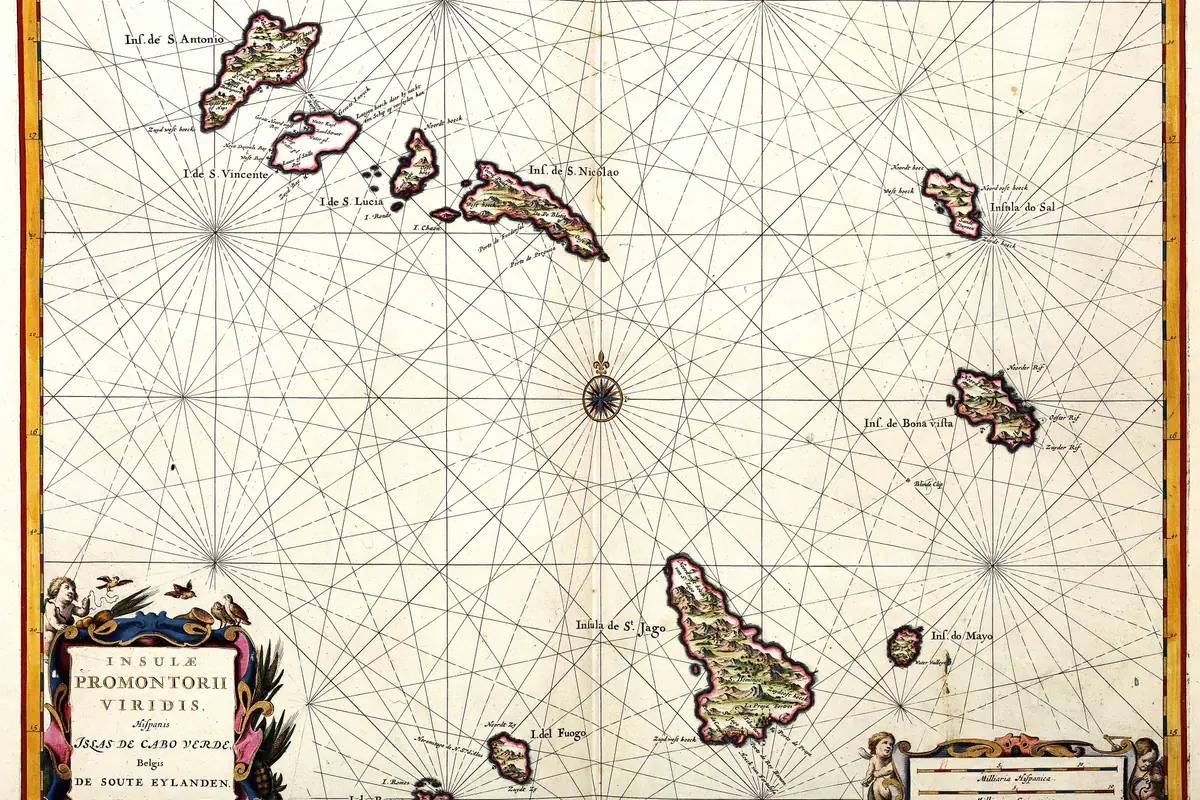
Ten volcanic islands float in the Atlantic some 570 kilometres off West Africa, and no two of them feel alike: one is a hiker's maze of green ravines, another is a black cone still warm underfoot, a third is all dunes, salt and nesting turtles. Cabo Verde rewards travellers who choose two or three islands rather than trying to tick off the whole archipelago.
Santo Antão: The Island You Walk Across
Santo Antão is the hiking capital of the archipelago, a rugged slab of volcanic ridges where every road seems to switchback and every trail ends at a village suspended above the sea. The classic route begins at Cova, a collapsed crater at around 1,100 metres where mist rolls over the rim and pine trees lean in the wind. From there a cobbled path descends for four to five hours into the Paúl Valley, past terraces of banana, sugar cane and mango, clinging to slopes so steep that farmers still move harvests by mule. The trail finishes near Vila das Pombas, from where the coastal road runs to Ponta do Sol.
Shorter walks are just as memorable. The two-hour clifftop path from Ponta do Sol to Fontainhas passes a village strung along a knife-edge ridge above the ocean, its houses painted in pinks and blues that pop against the black rock. Inland, Ribeira Grande holds the island's oldest colonial mansions and a scatter of small distilleries where sugar-cane grogue is still made over wood fires; Pico da Cruz and the Ribeira da Torre valley offer half-day alternatives. Trails are at their best from November to May, when the ground is firm and the views are clear.
Santo Antão has no airport, which keeps it blissfully quiet. You fly into neighbouring São Vicente and take the ferry from Mindelo to Porto Novo, roughly an hour across a channel that can be lively in the afternoon — morning crossings are smoother. Allow at least three nights if you want to walk seriously, and pack layers: the crater rim can be ten degrees cooler than the coast.
Fogo: Sleeping Beside a Live Volcano
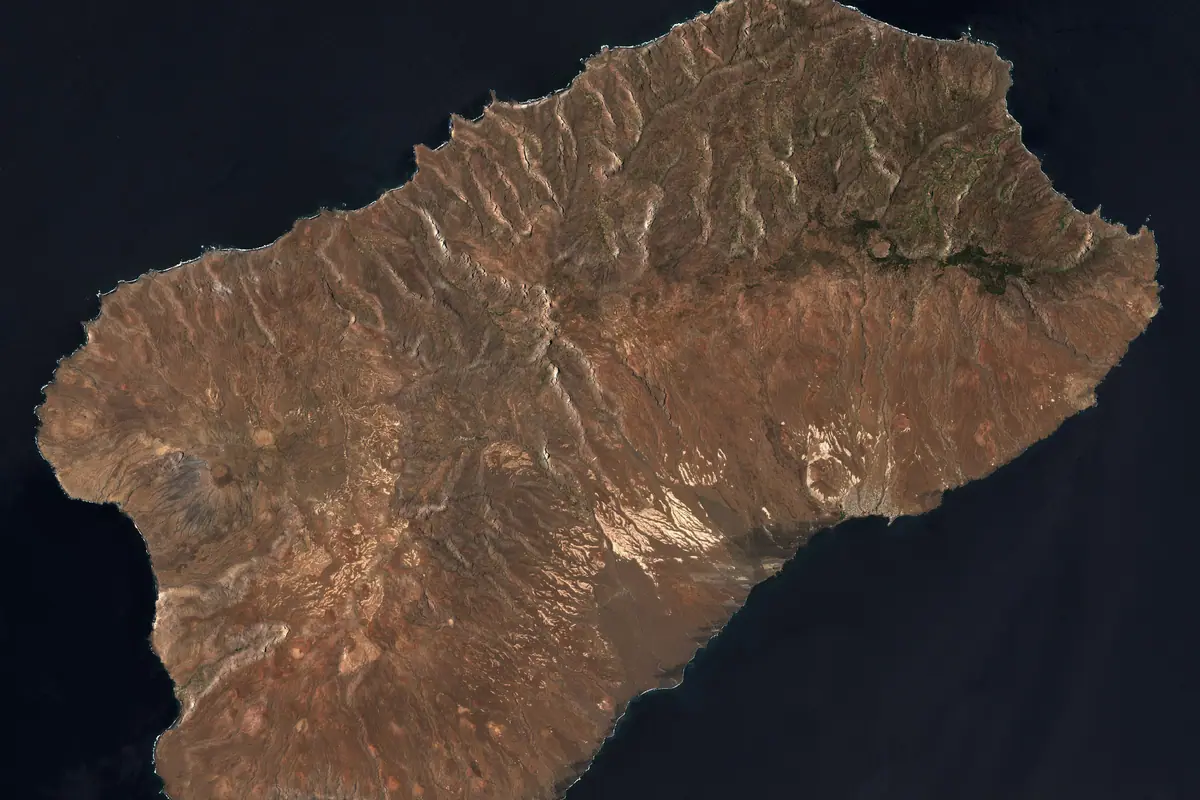
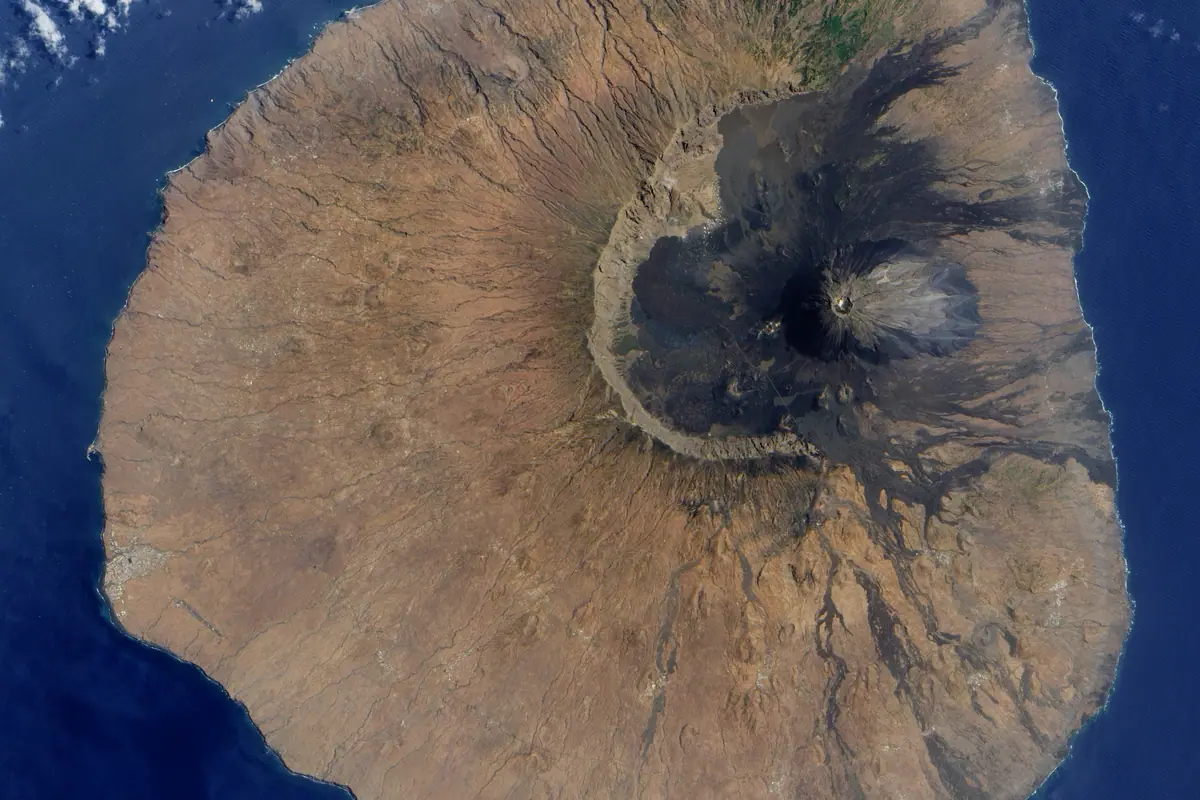
Nowhere else in Cabo Verde prepares you for Fogo. The island rises to Pico do Fogo, a near-perfect cone at 2,829 metres and the highest point in the archipelago, still active and still watched. The ascent is a serious but non-technical half-day climb, usually started before dawn from the village of Chã das Caldeiras and guided by locals; you grind up loose scree for four to six hours, then look down into a smoking crater. The descent, much of it over soft volcanic ash, takes two to three hours and is far quicker than most people expect.
Chã das Caldeiras itself is the attraction: a settlement of around a thousand people living inside the caldera on a floor of black lava, growing vines and fruit trees in volcanic soil. The 2014 eruption buried parts of the village and reshaped the landscape, and walking through the new lava field with someone who lived through it is one of the most affecting experiences in the country. The local wine — robust, earthy and served in generous jugs — is worth the journey alone, as is the coffee grown on the island's wetter northern slopes.
Below the crater, São Filipe is a graceful little capital of colonial sobrado houses with carved wooden balconies, set above a black-sand beach. Drive the Bordeira rim for panoramic views into the caldera, then linger for sunset. Fogo is reached by a short flight from Praia or an overnight ferry, and two or three nights is enough to climb, taste and slow down.
São Vicente and Mindelo: Music, Bays and Monte Verde
Mindelo is the cultural heart of Cabo Verde and the reason many travellers fall for the country. The city wraps around a handsome harbour lined with 19th-century colonial facades, a small replica of a Portuguese belém tower, and the hillside Fortim d'El Rei looking down over it all. This is the birthplace of morna, the melancholy, slow-burning song form that made the island famous, and live music spills out of bars most nights — in the days before Lent the whole city erupts for Carnival, one of the biggest in the Atlantic.
Days here revolve around water and altitude. Praia de Laginha offers calm white sand within walking distance of the centre, while the municipal market is the place to buy spices, bananas and woven baskets. For the best panorama on the island, head up Monte Verde, the 774-metre peak at the eastern end; it's a stiff walk or an easy 4x4 ride, and on a clear day you can see Santo Antão and, in the far distance, the faint outline of São Nicolau.
Further out, Baía das Gatas is a sheltered bay with a natural rock pool and a long curve of sand, and every August at the full moon it hosts a legendary beachfront music festival. The north coast villages of Salamansa and Calhau, with their windsurfing and lava coastlines, make good half-day trips. Mindelo is also the ferry gateway to Santo Antão, so combining the two islands is the single most rewarding pairing in the archipelago.
Sal and Boa Vista: Salt Pans, Dunes and Turtles
Sal is the flattest, driest and most developed island, and its headline sight is unusual: the Salinas de Pedra de Lume, salt pans sitting inside the crater of an extinct volcano, reached by a tunnel lift and swum in for the strange pleasure of floating like a cork in hypersaline brine. Nearby, Buracona is a sea cave whose Blue Eye flashes turquoise only in the late morning, roughly between 10.30am and 1.30pm, when sunlight angles straight into the water. Santa Maria, the main town, has the best restaurants and a pretty crescent of sand, while Ponta Preta is a world-class kitesurfing beach when the trade winds arrive between December and March.
Boa Vista, Sal's quieter neighbour, is the desert island of the group. The ochre dunes of the Deserto de Viana drift for kilometres behind the coast, and the beaches — Praia de Chaves, Santa Mónica, Praia da Varandinha with its wave-cut caves — are long, empty and often fringed with nothing at all. Sal Rei, the tiny capital, sits beside a rusting shipwreck that has become the island's unofficial landmark.
Boa Vista is also one of the most important loggerhead turtle nesting sites in the world. Between July and October females haul themselves up the sand at Ervatão and other beaches to lay eggs, with hatchlings emerging from August onwards; guided night walks let you watch without disturbing them. From March to May the same waters host migrating humpback whales, and both islands are small enough to cross by car in under an hour.
Santiago: Where Cabo Verde Began
Santiago is the largest island and the one that explains the country. Fifteen kilometres west of the capital, Praia, lies Cidade Velha, a UNESCO World Heritage site and the first European colonial town in the tropics, founded in the 15th century. Its cobbled Rua Banana is claimed as the oldest colonial street in the world, the roofless cathedral and the pillory in the square recall the era of the transatlantic slave trade, and the Forte Real de São Filipe on the ridge above gives a view that makes the whole history legible in one sweep.
Praia itself is busy, hilly and real, with the Plateau district at its centre, the sprawling Mercado de Sucupira for produce and crafts, and good swimming at Quebra Canela and Praia Negra. Inland, the Serra Malagueta offers cool, green day hikes through terraced ribeiras, and the market town of Assomada comes alive on Wednesdays and Saturdays when farmers descend from the hills. On the north coast, Tarrafal has a beautiful sheltered beach paired with a sobering history: the former colonial prison camp, now a small museum, sits at its edge.
Santiago is the country's transport hub, with the main international airport and easy flights to Fogo, Sal, Boa Vista and São Vicente, making it a sensible first or last stop. Two to three days covers Cidade Velha, Praia and a day trip into the mountains.
When to Go, How to Hop, and What to Eat
Cabo Verde is a year-round destination, but the seasons change the experience. November to June is the dry season, with reliable sunshine and comfortable temperatures; December to March brings the trade winds that make Sal and Boa Vista a kitesurfing playground, along with slightly cooler evenings and occasional haze. July to October is hotter and more humid, with brief heavy showers and the best turtle action on the eastern islands, while humpbacks cruise past between March and May. Carnival fills Mindelo in February, the Baía das Gatas festival lights up São Vicente in August, and Praia's jazz festival draws crowds in April.
Island hopping is straightforward. Domestic flights connect Sal, Boa Vista, Santiago, São Vicente and Fogo in 30 to 90 minutes, and ferries link São Vicente with Santo Antão, and Santiago with Fogo on a longer overnight run. Book domestic flights well ahead for peak periods — Christmas and New Year, Carnival, and Easter — and build in a buffer day before any international departure, because wind and swell occasionally delay inter-island ferries.
Eat cachupa at least once: the national dish of slow-cooked corn and beans, served plain for breakfast or loaded with pork, sausage and fish as cachupa rica. Grilled tuna and octopus appear on every coastal menu, xerém turns cornmeal into a savoury side, and pastel com diabo dentro is the ubiquitous fried pastry. Drink grogue, the raw sugar-cane spirit, either neat or in a sweet ponche with honey and lime, and finish with a glass of Fogo wine or an island coffee. Vegetarians are catered for but not spoiled, so learning a few words of Creole or Portuguese goes a long way.
Frequently asked questions
Which Cabo Verde islands should a first-time visitor choose?
Pick by mood rather than trying to see everything. Santo Antão delivers the best hiking, Fogo the volcano climb, São Vicente the music and city life, Santiago the history, and Sal and Boa Vista the beaches, watersports and turtles. Two or three islands over one to two weeks is a comfortable pace, and flying into one island and out of another saves backtracking.
What is the best time of year to visit Cabo Verde?
November to June offers the most reliable dry, sunny weather. December to March is windiest and best for kitesurfing, July to October is hotter and more humid with short downpours but the peak turtle nesting season, and March to May is prime whale-watching. Carnival in February and the August beach festival on São Vicente are worth planning around.
How do you get between the islands?
Short domestic flights link the main islands in roughly 30 to 90 minutes, which is the fastest option. Ferries handle the shorter hops — São Vicente to Santo Antão takes about an hour, while Santiago to Fogo is a longer overnight crossing. Reserve flights early for Christmas, Carnival and Easter, and always leave a spare day before an international flight home.
Is Cabo Verde easy to travel around and safe?
It is one of the safest and easiest countries in the region to travel independently, with low rates of violent crime and a relaxed, welcoming culture. Portuguese is the official language and Creole is spoken everywhere; English works well in tourist areas but less so in rural markets. Cards are widely accepted on Sal and Boa Vista, while cash is essential on Santo Antão, Fogo and the smaller islands.
What food and drink should I not miss in Cabo Verde?
Cachupa, the slow-cooked corn and bean stew, is the national dish and appears everywhere from breakfast to dinner. Look out for grilled tuna and octopus, xerém, and pastel com diabo dentro. Drink grogue, the local sugar-cane spirit, either neat or as a honeyed ponche, and try Fogo wine and island-grown coffee before you leave.
Plan it — experiences in Cabo Verde
Live search, booked directly with trusted providers.
Sort the rest of your trip
Everything for Cabo Verde, in one place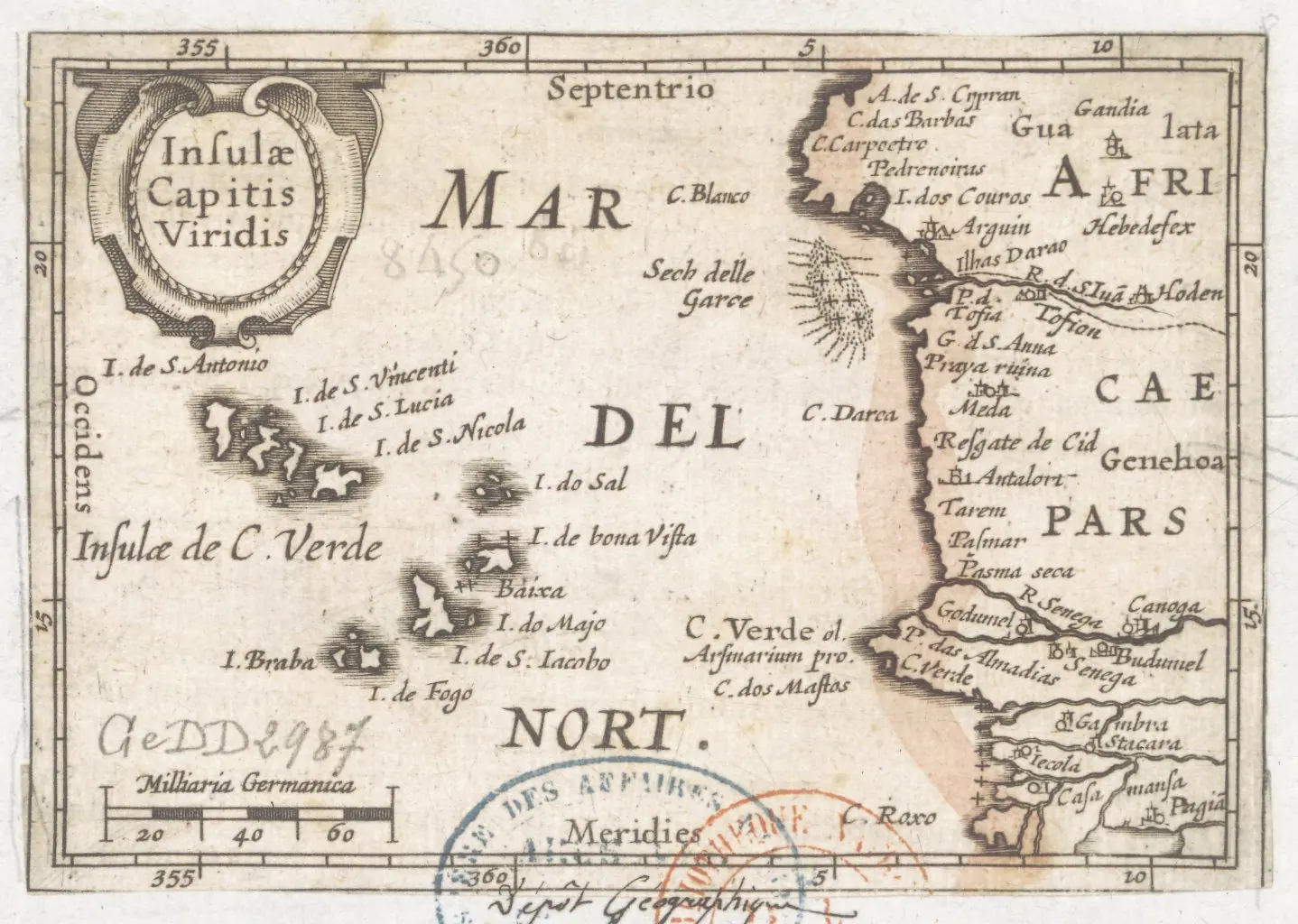
Stay in Cabo Verde
Hotels, guesthouses and apartments — compared in one search.
Search hotels
Transfer in Cabo Verde
Private driver waiting on arrival — no queues, no surprises.
Book a transfer
Stay online in Cabo Verde
Travel eSIM — data the moment you land, no roaming bills.
Get an eSIM