Cabo Verde looks like a year-round paradise on a map, but the ten islands sit in the Atlantic with two very different faces — flat, desert-dry Sal and Boa Vista, and green, volcanic Santo Antão, Fogo and Santiago. When you book your hotel matters as much as where, because the same month can mean blazing windsurf conditions on one island and muggy rain showers on another.
The Short Answer: Cabo Verde's Year at a Glance
The archipelago has two broad seasons rather than four. The dry, breezy half of the year runs roughly from November to May, when steady north-easterly trade winds keep temperatures pleasant (usually 22–27°C by day near the coast, cooler at night), skies are almost permanently blue, and sea temperatures sit around 22–24°C. The warmer, stickier half runs from July to October, when the air climbs into the high twenties and low thirties, the ocean warms to about 26–27°C, and brief but heavy rain showers arrive — mostly in August, September and early October, and mostly on the southern islands.
If your Cabo Verde dream is a beach resort with reliable sunshine, aim for the dry months. If it's empty hiking trails, dramatic cloud-shrouded craters and cheap rooms, the wet season has real appeal. Either way, the trade winds are the constant character in the story: they shape the kite and windsurf calendar, keep the coastal heat bearable, and occasionally carry a dry Saharan haze — the locals call it bruma seca — that softens the horizon between December and February.
Peak hotel demand follows the European winter holidays. From mid-December to early January, and again around February and Easter, the purpose-built resort strips on Sal and Boa Vista sell out months ahead at their highest rates. Outside those windows, prices drop steeply for the same rooms.
December to March: Peak Sun, Peak Prices and Strong Winds
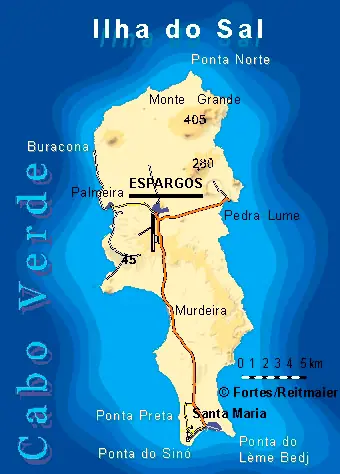
This is Cabo Verde's headline season and its most expensive. The resorts strung along Santa Maria on Sal — with the long curve of Santa Maria Beach, Ponta Preta's surf break and the shallow, bath-warm lagoon at Kite Beach — fill with winter-sun seekers escaping colder latitudes. The same is true on Boa Vista, where the hotel strip faces Praia de Chaves, a broad sweep of golden sand that runs for kilometres and rarely feels crowded even at full occupancy. Expect daytime highs of 24–27°C, evening temperatures that call for a light layer, occasional hazy days from the dry wind, and strong, consistent breezes that make December to March prime time for windsurfing and kitesurfing.
Book early. For Christmas, New Year and the February school breaks, four to six months ahead is sensible for the best beachfront rooms and the clearest choice of family suites or adults-only wings. If you're flexible, the first half of December and the last week of January can still feel like high season while costing noticeably less.
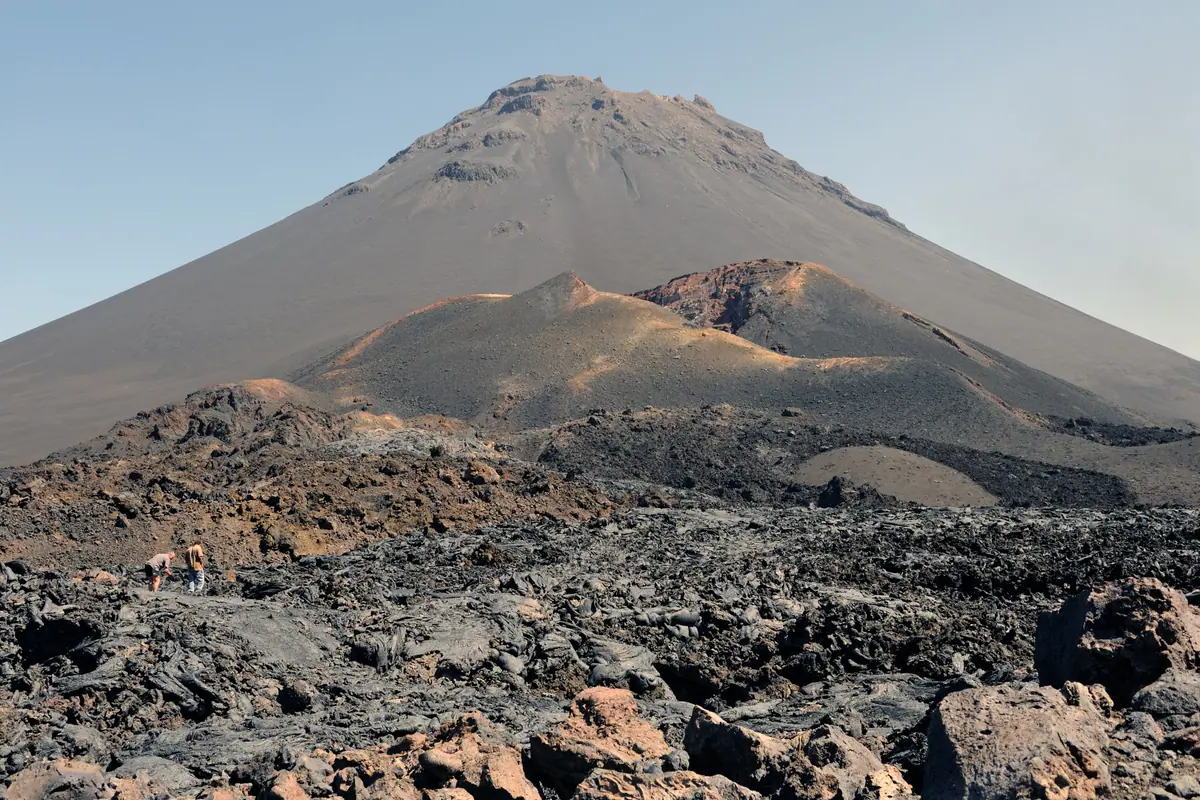
Away from the beach islands, this window is also the finest time for walking. On Santo Antão the trails through the Paúl Valley and down from the Cova crater are green and cool enough to hike comfortably; on Fogo, the climb to the 2,829-metre summit of Pico do Fogo is best attempted in these clear, stable months. Both islands reward an early start, since clouds often build by mid-morning.
April to June: The Sweet Spot for Hotel Value
If you want near-guaranteed sunshine without peak-season pricing, April, May and June are the connoisseur's choice. The trade winds ease slightly, the haze clears, and daytime temperatures settle into a Goldilocks band of 25–29°C. Hotel rates on Sal and Boa Vista usually fall by a third or more compared with the Christmas period, and the island-hopping flights and ferries between São Vicente, Santo Antão and São Filipe remain easy to arrange.
This is also when the cultural calendar starts to hum. Mindelo, on São Vicente, is Cabo Verde's music capital, and its waterfront around the marina, the grand colonial facades of Rua de Lisboa and the viewpoint on Monte Verde make it worth at least three or four nights rather than a transit stop. Sailing and diving conditions are excellent, and humpback whales are still moving through the channel between São Vicente and Santo Antão — a boat trip from Mindelo in March or April offers a good chance of sightings.
On land, May is a beautiful month for the green islands: Santiago's Serra Malagueta ridges, the terraced coffee and banana slopes above Assomada, and the highlands of Santo Antão are at their most lush. Just note that Easter week is an exception to the bargain — flights and guesthouses on Santiago and São Vicente book out early as Cabo Verdeans travel home.
July to October: Heat, Rain Showers and the Lowest Rates
This is the off-season, and it's a bargain hunter's window. Temperatures rise to 28–32°C on the coast, humidity climbs, and rain arrives in short, dramatic bursts — mostly in August, September and the first half of October. The southern islands of Santiago, Fogo, Brava and Santo Antão catch the most of it; Sal, Boa Vista and Maio are so dry that a wet day there is genuinely unusual, with some years passing almost entirely without rain. September is statistically the wettest and most humid month.
Atlantic hurricane season officially runs from June to November, with the greatest risk in August, September and October. Direct hits on Cabo Verde are uncommon but not unknown, and even a distant storm can bring swells, wind and disrupted inter-island travel. If you book in this window, travel insurance with weather cover and a flexible hotel rate are worth the small extra cost.
The payoff is real: hotel prices on the resort islands tumble to their yearly low, beaches empty, and the festivals come thick and fast. The Baía das Gatas music gathering on São Vicente in August draws crowds to a bay near Mindelo, while Santiago's independence-day celebrations in July fill Praia's Plateau with music and parades. Turtle season also runs from roughly June to October, when loggerhead turtles nest on the beaches of Boa Vista and Sal — escorted night walks to watch hatchlings scramble to the sea are a highlight of a summer stay.
October and November: The Second Shoulder and the Return of the Winds
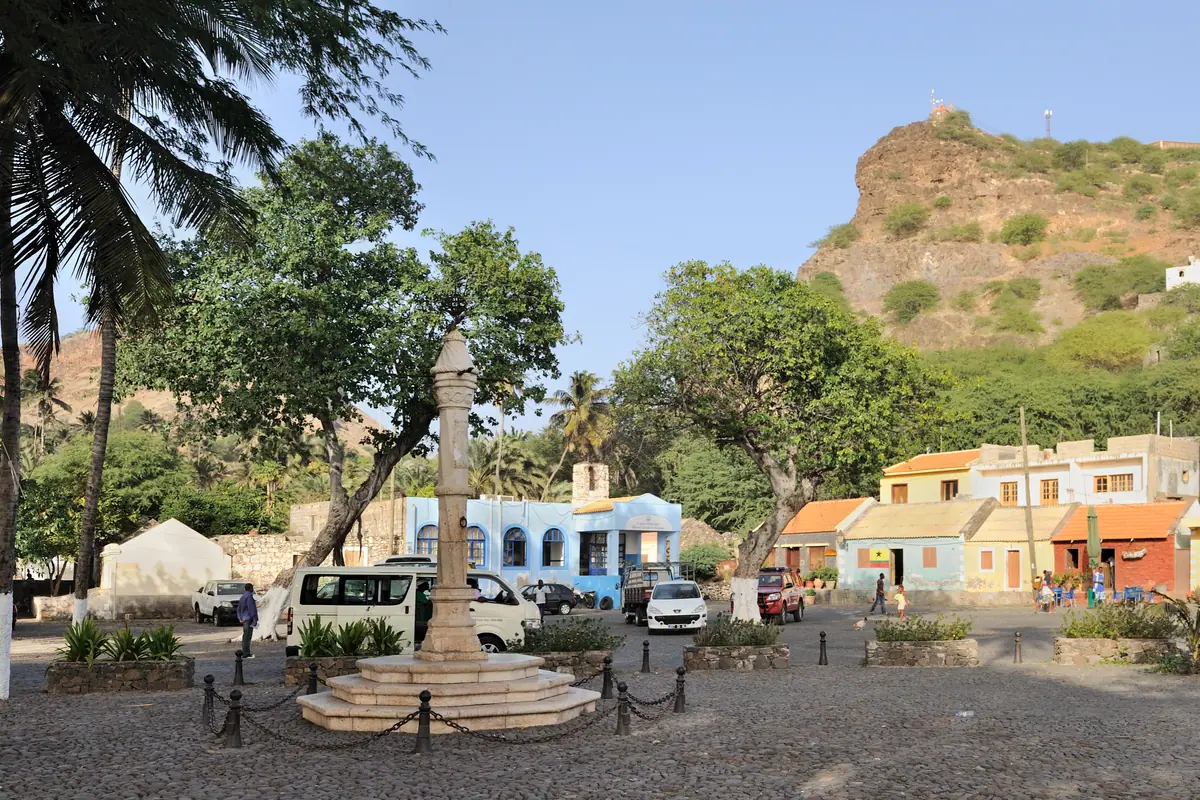
Late October and November are quietly excellent. The rains taper off, the humidity drops, the sea is still warm from the summer, and hotel rates haven't yet jumped to festive levels. It's a good month for combining a beach base with sightseeing on an island such as Santiago, where you can stay in Praia and day-trip to the UNESCO-listed old capital of Cidade Velha, with its cobbled Rua Banana, the hilltop Forte Real de São Filipe and the pillory in the square where the transatlantic slave trade once had its roots.
November is also when the wind machine switches back on. Kiters and windsurfers start returning to Sal's Kite Beach and to the breezy north coasts, and the trade winds freshen through December. On Sal, this is a fine time to visit inland sights that most beach-bound visitors miss: the surreal salt pans and pink-tinged evaporation pools at Pedra de Lume, and Buracona, where sunlight through a collapsed rock arch turns a small sea pool into a brilliant blue eye.
For hikers eyeing Santo Antão, November offers a good compromise — trails are green from the recent rain but the sky is clearing. Base yourself in Ponta do Sol or in the Paúl Valley and organise walks through a local guide, because the paths between Fontainhas, Cova and Ribeira Grande are steep, exposed and easy to lose in cloud.
Island by Island: Matching Your Hotel to the Season
Cabo Verde's weather is genuinely local, so the "best" month depends on which island you're booking. For a classic fly-and-flop holiday, Sal and Boa Vista are the safest year-round bets: minimal rain, plenty of resort-style hotels around Santa Maria and Sal Rei, and reliable sunshine even in the wet season, though December to March brings the strongest winds and the highest prices. Maio, quieter and unfashionable in the best sense, suits travellers who want empty beaches and small guesthouses with almost no crowds at any time of year.
For culture, mountains and hiking, the right season is different. Santiago, São Vicente, Santo Antão and Fogo are at their best from November to May, when trails are dry, roads to inland villages such as Chã das Caldeiras on Fogo are open, and the mountain air is crisp. In the wet season these islands become humid and some tracks turn slippery, though the landscapes turn dramatically green. On Fogo, staying in a guesthouse in Chã das Caldeiras puts you inside the crater itself, beneath the volcano — an unforgettable base, but one where winter nights are genuinely cold.
For whale watching, aim for February to April around Mindelo and Boa Vista. For turtles, book July to October. For windsurfing and kitesurfing, December to April. For the cheapest rooms and emptiest beaches, August to October. Whatever you choose, book inter-island flights early — small aircraft and limited seats mean they sell out long before hotels do, especially around Christmas, Carnival and Easter.
Frequently asked questions
What is the best month to visit Cabo Verde for beach weather?
April, May and June offer the most reliable combination: clear skies, daytime temperatures of 25–29°C, warm sea and lower hotel rates than the winter peak. December to March is also sunny but windier, busier and more expensive.
How far ahead should I book a hotel in Sal or Boa Vista?
For Christmas, New Year, February school holidays and Easter, book four to six months ahead for the best beachfront rooms. For May, June, October and November, a few weeks' notice is usually enough, and late deals are common.
Does it rain much in Cabo Verde?
Rain is concentrated in August, September and early October and falls mostly on the southern islands of Santiago, Fogo, Brava and Santo Antão. Sal, Boa Vista and Maio are desert-dry and can go a whole year with barely a shower.
Is the wet season a bad time to visit?
Not necessarily. It brings the lowest hotel prices, warmest sea temperatures, lively festivals and the turtle-nesting season. The trade-offs are humidity, short heavy showers, more mosquitoes and a hurricane risk from August to October, so flexible bookings and travel insurance are wise.
When can I see whales and turtles around the islands?
Humpback whales pass through the channel between São Vicente and Santo Antão, and around Boa Vista, mainly from February to April. Loggerhead turtles nest and hatch on Boa Vista and Sal beaches from roughly June to October, with guided night walks available.
Plan it — hotels in Cabo Verde
Live search, booked directly with trusted providers.
Sort the rest of your trip
Everything for Cabo Verde, in one place
Transfer in Cabo Verde
Private driver waiting on arrival — no queues, no surprises.
Book a transfer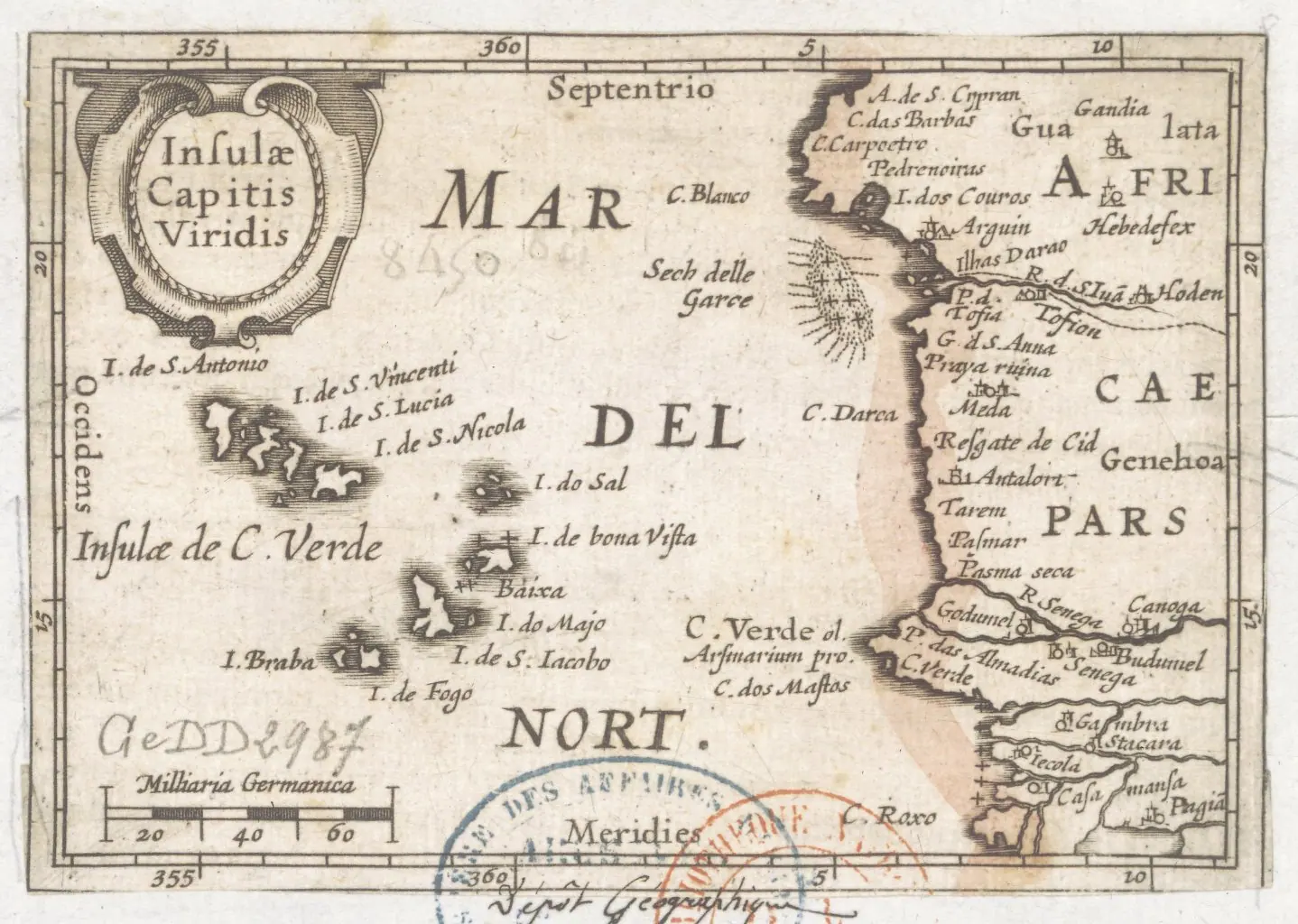
Things to do in Cabo Verde
Skip-the-line tickets, guided tours and standout experiences.
See experiences
Stay online in Cabo Verde
Travel eSIM — data the moment you land, no roaming bills.
Get an eSIM