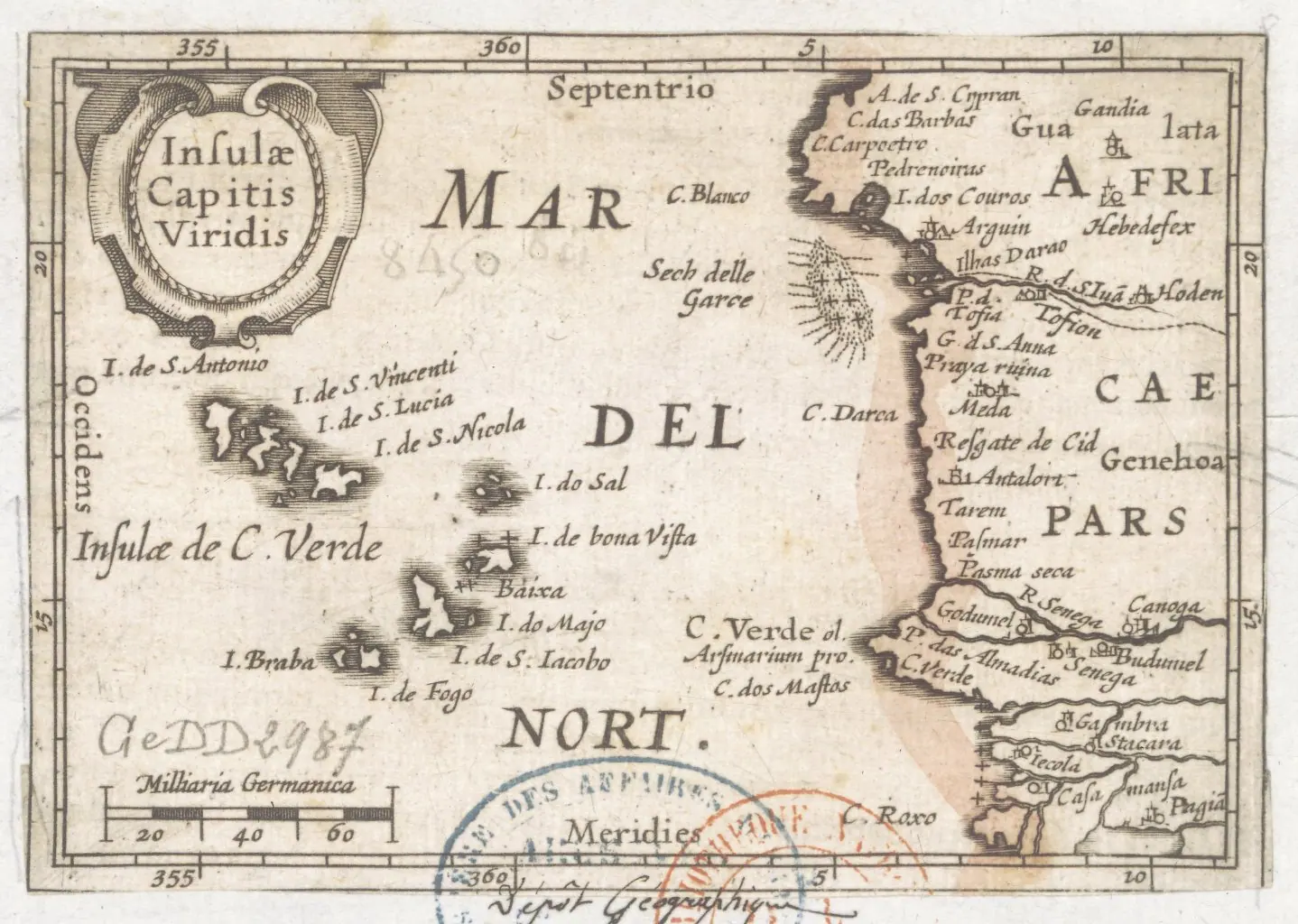
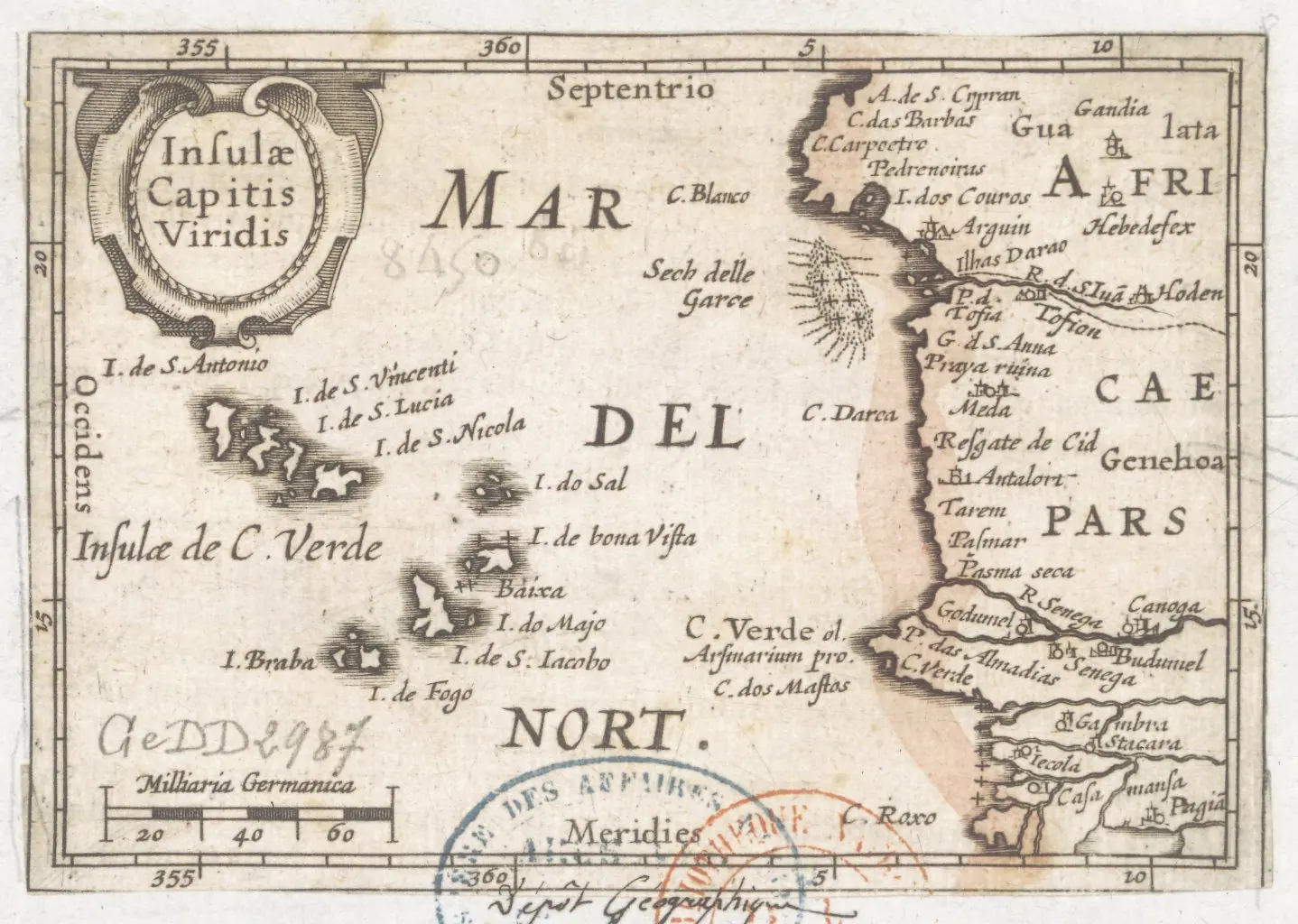
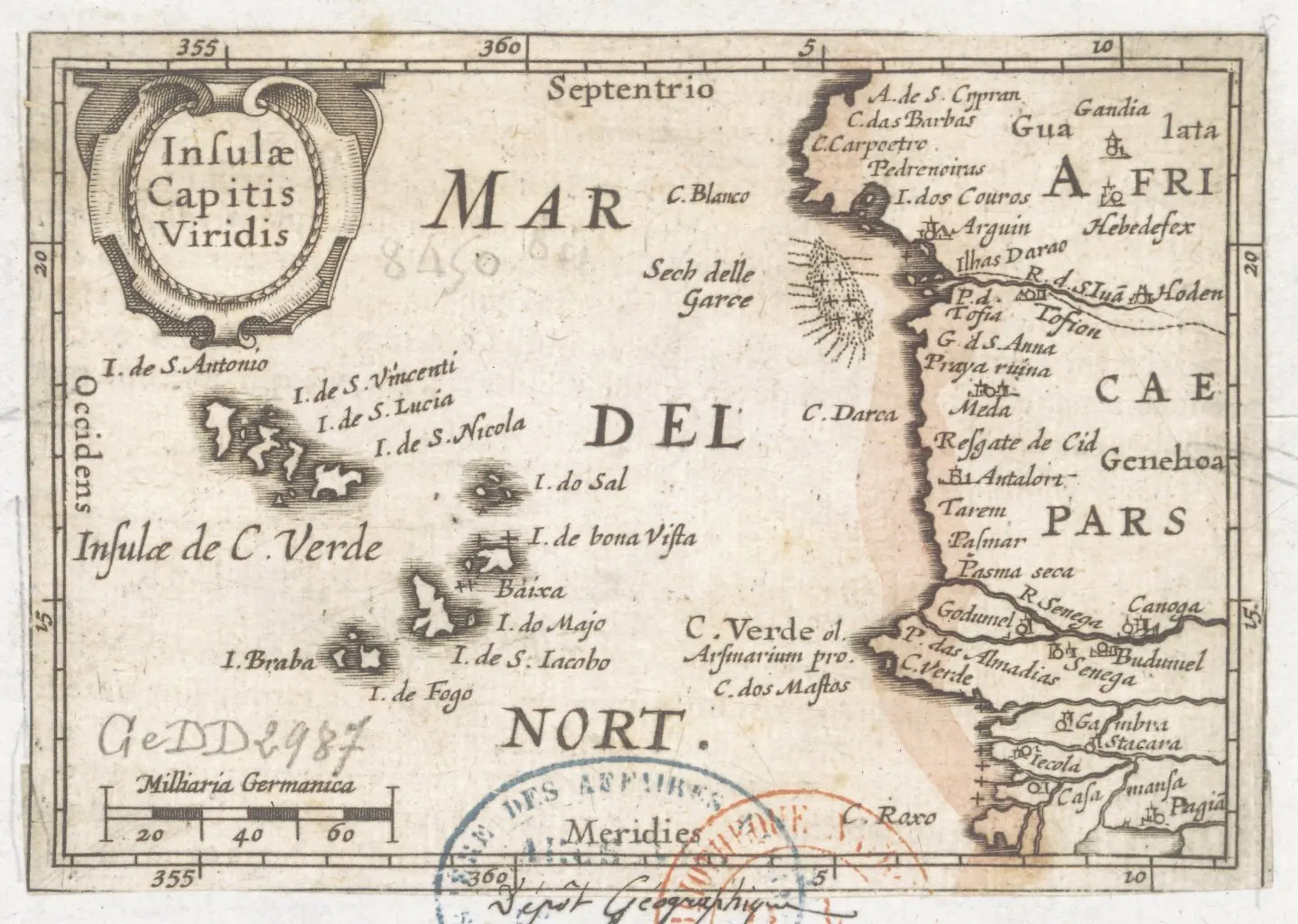
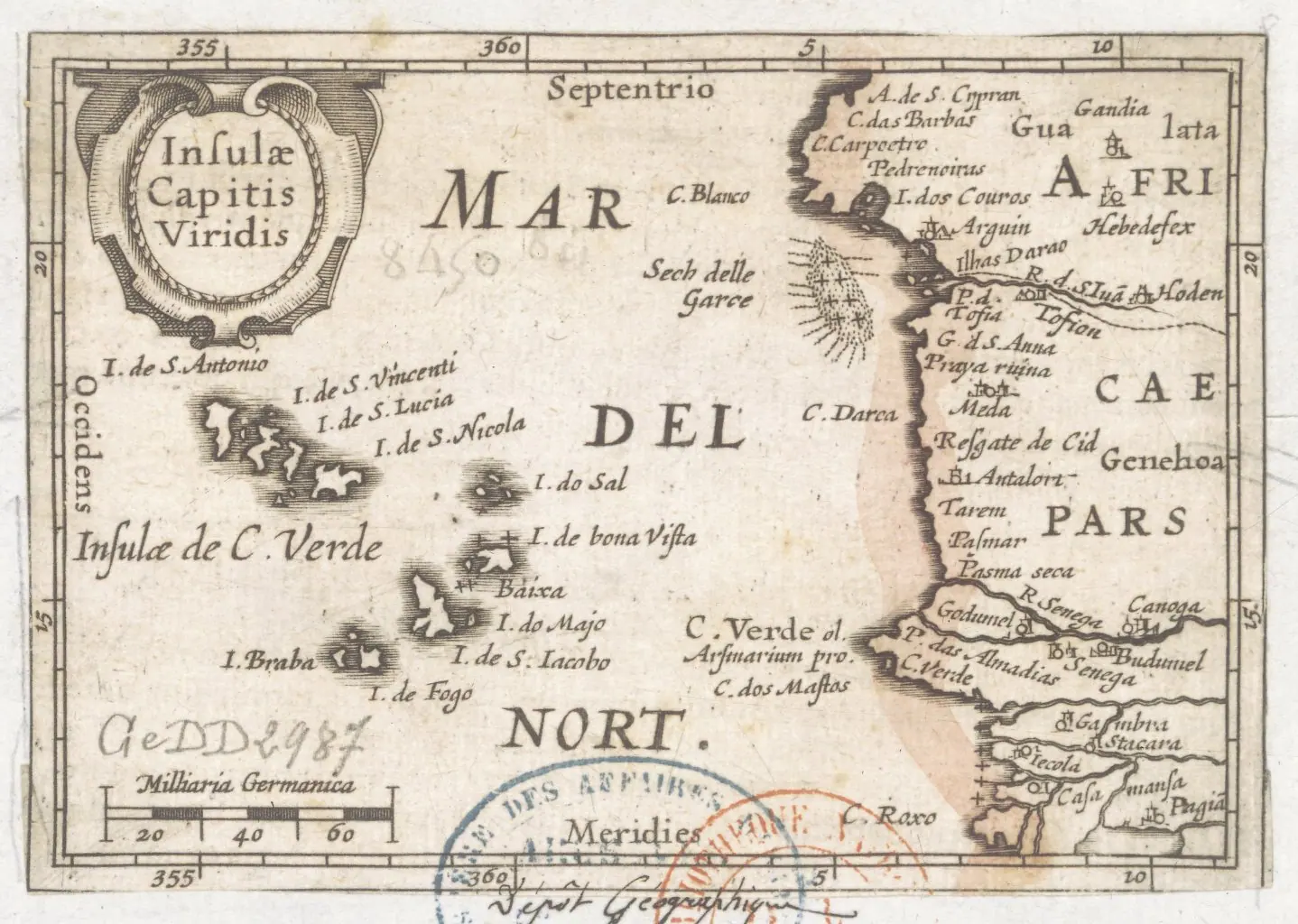
Ten volcanic islands scattered across the Atlantic some 500 kilometres off Senegal, Cabo Verde squeezes salt-flat deserts, crater lakes, grogue-scented valleys and morna-soaked harbour towns into a space you can cross by plane in under an hour. A week is enough to taste three or four islands properly — provided you build the trip around short inter-island hops instead of long sea crossings. This route starts on the flat, sandy east and works west toward the green, mountainous heart of the archipelago.
Why a Week of Short Island Flights Beats One Base
Cabo Verde is not one destination, it is two very different ones sharing a flag. Sal and Boa Vista are low, sandy and desert-dry, all salt works, dunes and wind-blasted beaches. Santiago, São Vicente, Santo Antão, Fogo and Brava are volcanic and vertical, with cloud-catching peaks, sugar-loaf valleys and cobbled towns where the Portuguese colonial past sits easily beside West African rhythm and a distinctly Creole present. Trying to see both faces of the country from a single hotel is what makes people come home feeling they missed something.
The good news is that flying between the islands is genuinely quick: hops such as Sal to Boa Vista, Sal to Praia, Praia to Mindelo or Praia to Fogo take roughly twenty minutes to an hour, and the main routes run several times a day in high season. Planes are small, so seats sell out well ahead during the busy months between December and April. Santo Antão is the exception — it has no airport at all, and is reached by a fast ferry from Mindelo on São Vicente, a crossing of about an hour that is often the most scenic part of the journey.
Timing matters enormously here. The dry, breezy season runs from November to June and suits walking, driving and long beach days; December to March can bring the harmattan, a fine Saharan dust haze that mutes the sunsets but keeps temperatures pleasant. August to October is the humid, rainy season, concentrated on the higher islands, and it is also the classic Atlantic storm window. For hiking in Santo Antão, November to April is ideal. Humpback whales cruise past Boa Vista between February and April, loggerhead turtles come ashore to nest from roughly June to October, and Mindelo's carnival explodes in February.
Days 1 and 2: Sal — Salt Pans, the Blue Eye and Santa Maria
Almost every long-haul arrival lands on Sal, a flat island of pale sand and salt that looks like a piece of the Sahara set adrift. Base yourself in Santa Maria at the southern tip, where the water is a startling turquoise and the wind rarely stops. Spend your first afternoon acclimatising on Santa Maria beach, then walk west to Ponta Preta for the sunset and watch the kites tear across Kite Beach, one of the Atlantic's great windsurfing and kiteboarding arenas. A full day is enough to shake off the flight; two is comfortable.
On day two, hire a driver or a car and work your way around the island's oddities. The Salinas de Pedra de Lume are the star: salt pans laid out inside the cone of an extinct volcano, where you can float effortlessly in water so saline it practically refuses to let you sink, then scrape the crystallised salt off your skin. Nearby Buracona hides the Olho Azul, or Blue Eye, a sea cave whose water glows electric blue when the midday sun hits it at the right angle — go between about eleven and two for the effect.
Finish at Baía de Tubarão, Shark Bay, where juvenile lemon sharks glide through knee-deep shallows behind a reef, close enough to see without touching, and stop at the little fishing port of Palmeira on the way back to Santa Maria. Evenings belong to grilled fish, punch with local grogue rum, and live music drifting out of the beach bars.
Day 3: Boa Vista — Endless Beaches and the Viana Desert
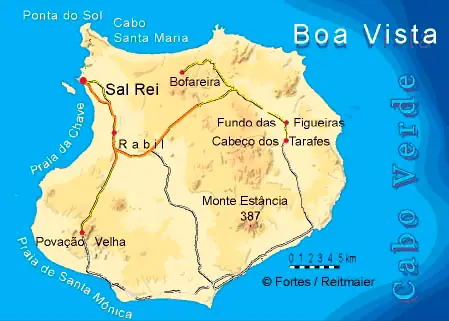
A short hop south-east brings you to Boa Vista, the sandiest island in the archipelago and the one that most closely resembles a postcard of emptiness. Fly into Sal Rei and settle there — it is a small, easy-going town with a ruined fort offshore, the Ilhéu de Sal Rei, reachable on foot at low tide. One day is tight but workable if you move early and plan a single loop of the island's highlights rather than criss-crossing it.
Start with Santa Mónica, a beach that runs for kilometre after uninterrupted kilometre of white sand, then continue to Praia de Chaves, where the dunes roll down to the surf and the wind carves long ripples into the surface. The Deserto de Viana, a genuine patch of Saharan-style dunes inland, is the surprise of the island — fine golden sand, scattered date palms, and almost nobody around. On the northern coast near Praia de Atalanta you can find the rusting remains of a long-beached shipwreck, slowly being swallowed by the beach.
If you are travelling between February and April, add a whale-watching boat trip to your day; humpbacks calve in the channel between Boa Vista and Maio, and sightings are common. From June to October the same beaches become a nursery for nesting loggerhead turtles, which come ashore after dark — visit only with a licensed local guide who knows how to keep the disturbance to a minimum.
Days 4 and 5: São Vicente and Santo Antão — Mindelo to the Paúl Valley
Fly west to São Vicente and its harbour city, Mindelo, the cultural capital of the country and the most atmospheric town in Cabo Verde. Its heart is the colonial grid around Praça Nova and the palm-lined Avenida Marginal, where the evening passeggiata fills the streets. Browse the Mercado de Peixe by the waterfront, where the morning catch comes in, then climb to Monte Verde, the island's 774-metre peak, for a panorama across the bay to Santo Antão. Offshore lies Baía das Gatas, a sheltered cove with a natural pool that hosts the country's best-known music festival in August; on the other side of the island, Ponta d'Atum offers big surf and lava-rock coastline.
Mindelo's real draw, though, is its music. This is the birthplace of morna, the slow, mournful ballad style that made the singer Cesária Évora famous around the world, and on almost any night you can find it played live in a bar with the windows open to the trades. Pair an evening of music with a bottle of the local grogue, distilled from sugar cane in the valleys of Santo Antão across the water.
The next morning, take the ferry from Mindelo to Porto Novo on Santo Antão — about an hour across a strait that is frequently choppy, so take the tablets if you are prone to seasickness. Santo Antão is the hikers' island: the Cova crater, a green bowl of farmland at around 1,200 metres, drains spectacularly down the Paúl Valley to the sea at Vila das Pombas, a descent of roughly four hours on foot. Further north, the cliff-hugging village of Fontainhas, strung along a ridge above the ocean, and the little port of Ponta do Sol are among the most photographed places in the country.
Days 6 and 7: Santiago — Praia's Plateau and Cidade Velha
Fly east to Santiago, the largest island and the seat of government. Praia's historic core, the Plateau, sits on a natural headland above the sea — a compact grid of pastel government buildings, squares and cafés that is best explored on foot. Walk down to Praia de Gamboa for the city beach, dive into the Mercado de Sucupira for fruit, spices and textiles, and continue along the coast to Quebra Canela and the red-and-white Farol de D. Maria Pia, a nineteenth-century lighthouse perched on the cliffs at the entrance to the bay.
The unmissable half-day trip from Praia is Cidade Velha, the first European colonial settlement in the tropics and a UNESCO World Heritage Site, about fifteen minutes' drive west. Walk Rua Banana, the oldest street in the country, past stone houses and mango trees; stand in the square beside the Pelourinho, the marble pillory where enslaved people were once displayed for sale; and climb to the Forte Real de São Filipe, whose bastions look straight down over the valley and out to the Atlantic. The roofless shell of the old cathedral, the Sé, is a short walk away.
If you have energy left, push north to the Serra Malagueta, a mountain ridge with pine forest and ocean views at around 600 metres, then on to the beach town of Tarrafal and its sheltered, dark-sand bay. Otherwise spend your final evening back on the Plateau with a plate of cachupa — the slow-cooked corn and bean stew that is the national dish — and a glass of local wine.
Optional Fogo Extension and the Practical Side of Island-Hopping
If you can stretch the week by a day or two, swap one beach day for Fogo, an island dominated by the perfect cone of Pico do Fogo, which rises to 2,829 metres. Flights from Praia take well under an hour, and the reward is Chã das Caldeiras, a farming village built inside the crater itself, surrounded by black lava fields and vineyards producing remarkably good wine. The climb to the crater rim is serious but non-technical, taking roughly four to six hours up depending on pace; guides in the village arrange it. The island's volcanic soil also grows the country's best-known coffee, and the old colonial town of São Filipe, with its bandeira-patterned mansions, is worth an afternoon.
Logistically, the key to a smooth week is booking inter-island flights as soon as your arrival date is fixed. Aircraft are small, luggage allowances are tight, and schedules can shift for weather or operational reasons — always leave a buffer between a domestic flight and your flight home. Ferries cover some of the same routes more cheaply and more slowly, notably between São Vicente and Santo Antão, and between Praia, Fogo, Brava and Maio; they are wonderful in calm weather and miserable in rough seas.
Pack for two climates: windproof layers and a fleece for the mountain islands and the breezy coasts, hiking shoes with grip for Santo Antão's cobbled trails, and reef-safe sun cream for the beaches. Bring a little local currency in cash for markets, taxis and village guesthouses, and check your own nationality's entry requirements well before departure, as the country uses an online arrival registration system. Above all, resist the urge to tick off every island — four well-chosen stops will always beat seven rushed ones.
Frequently asked questions
How many islands can I realistically visit in one week in Cabo Verde?
Three or four is comfortable if you fly. A classic week links Sal, Boa Vista and one mountainous island such as São Vicente with a side trip to Santo Antão by ferry, or Sal, Praia and Fogo. Anything more and you will spend your holiday in airports, since each move eats at least half a day with transfers and check-in.
When is the best time to visit Cabo Verde?
November to June offers dry, sunny weather and steady trade winds, with the most reliable conditions for hiking and long beach days. December to March can be hazy with Saharan dust, and the wind is at its strongest from January to March. August to October is the humid rainy season and the peak of the Atlantic storm period, so it suits beach resorts on Sal and Boa Vista better than mountain walking.
Do I need to book inter-island flights in advance?
Yes, especially between December and April. The planes used on domestic routes are small with limited seats, popular departures sell out weeks ahead, and schedules occasionally change at short notice. Book once your long-haul dates are confirmed, keep baggage light to meet tighter allowances than on international flights, and leave a spare day before flying home.
Is Santo Antão reachable by plane?
No — Santo Antão has no airport. You reach it by ferry from Mindelo on São Vicente, a crossing of roughly an hour, or by a longer ferry link from other islands. The crossing can be rough in windy conditions, so many travellers take seasickness tablets and sit on deck. Once there, the island is the best hiking destination in the archipelago.
What should I pack for a multi-island trip?
Light, breathable clothing for the desert islands, plus a windproof jacket and a warm layer for Mindelo, the Fogo crater and Santo Antão's high valleys, where evenings can be genuinely cold. Add broken-in hiking shoes, a swimsuit, reef-safe sun protection, a refillable water bottle and cash in local currency for markets and small guesthouses. A soft bag is easier to manage on small aircraft than a hard-shell case.
Plan it — flights in Cabo Verde
Live search, booked directly with trusted providers.
Sort the rest of your trip
Everything for Cabo Verde, in one place
Stay in Cabo Verde
Hotels, guesthouses and apartments — compared in one search.
Search hotels
Transfer in Cabo Verde
Private driver waiting on arrival — no queues, no surprises.
Book a transfer
Travel insurance
Medical cover, delays and lost baggage — sorted before you go.
Get covered