Afghanistan rewards the traveller who comes prepared rather than curious on a whim: mulberry orchards and turquoise minarets, tea poured from height into small glass bowls, and mountain lakes so blue they look painted. This is a country of enormous hospitality and equally enormous logistics, where the sights are unforgettable precisely because so few people reach them.
Before You Go: Seasons, Permissions and the Shape of an Afghan Journey
Afghanistan is not a place you book on impulse, and any honest guide has to begin there. Tourist visas are granted sparingly and often hinge on an invitation or a sponsor, several governments advise their citizens against all travel here, and conditions can change from one province to the next within weeks. In practice almost every foreign visitor moves with a licensed Afghan guide and a driver, and areas such as Bamiyan, Band-e Amir and the Wakhan Corridor need permissions arranged days in advance. Check your own government's current travel advice, keep your itinerary flexible, and treat patience as essential kit.
Seasons decide everything. April to June is the classic window: almond blossom in the valleys, snow clearing from the Salang Pass, and wildflowers across the Bamiyan plateau. September and October bring pomegranates, grapes and clean, cool light — arguably the finest weeks for Kabul and Herat. The high country, including the Wakhan Corridor and the Little Pamir, is realistically reachable only from June to early September. Mazar-i-Sharif in late March is a spectacle in its own right during Nowruz, while winter shuts many mountain roads outright.
Practicalities are old-fashioned and worth respecting. Bring clean, unmarked banknotes — international cards and ATMs are effectively useless outside a handful of city hotels. Buy a local SIM card on arrival, expect power cuts, and dress modestly: for women a headscarf and a loose, long coat such as a chador or abaya is generally expected in public. Alcohol is prohibited. Domestic flights linking Kabul, Herat, Mazar-i-Sharif and Kandahar save days; overland travel means a 4x4, a driver, daylight hours, and long waits at checkpoints where photography is firmly off limits.
Kabul: Gardens, Bazaars and the Layers of an Old Capital
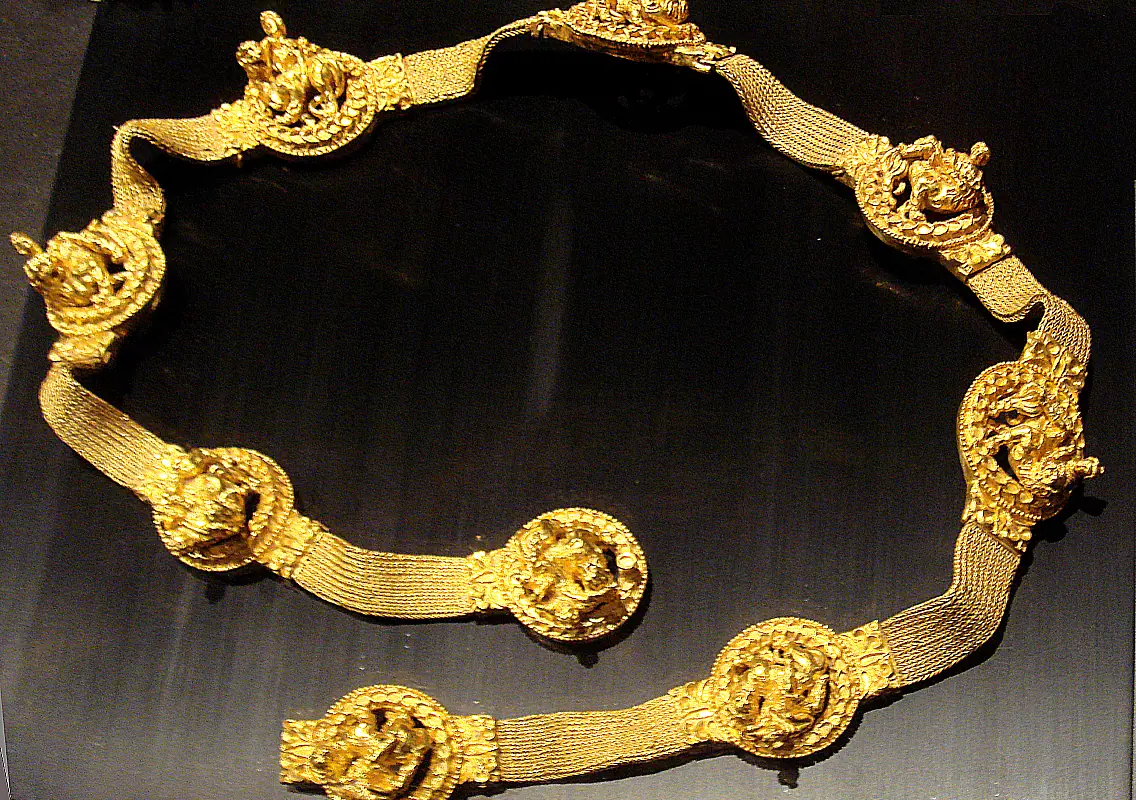
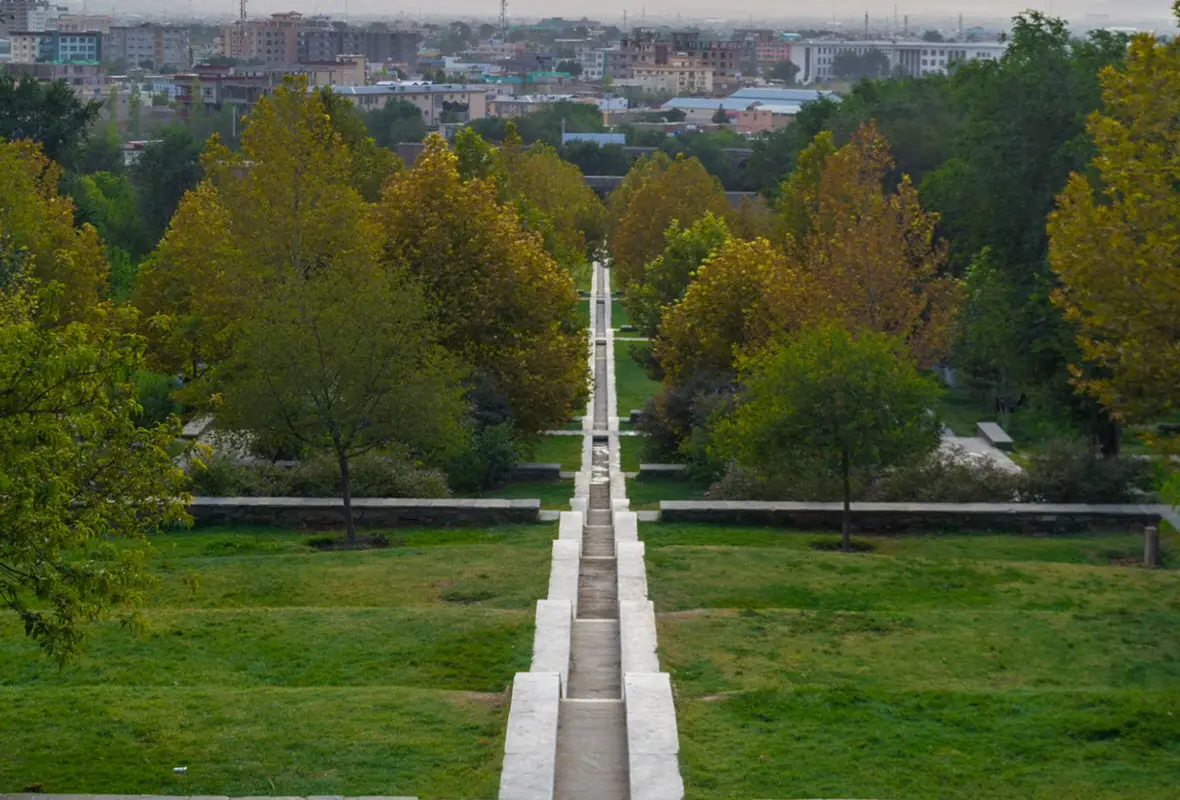
Start at Bagh-e Babur, the terraced garden where the first Mughal emperor chose to be buried. Its restored water channels, rose beds and carved headstones make it the calmest hour in the city, and on Fridays families spread carpets across the lawns for picnics. A short drive away, the National Museum of Afghanistan holds Gandhara sculpture, ivories and goldwork from the country's Greek, Buddhist and nomadic past — a collection that explains the whole Silk Road in a single room. Nearby stands Darul Aman Palace, a 1920s reformist dream still standing in its own ruins.
Then go where the city trades. The candy-striped Shah-e Doh Shamshira Mosque above the Kabul River marks the edge of the old commercial quarter, and Chicken Street remains the place to handle carpets, lapis lazuli, antique locks and karakul hats. Squeeze into the bird market, a narrow lane of caged finches and canaries hanging in wicker, where traders have gathered for generations. West of town, Lake Qargha fills with picnic parties in summer, and to the northwest the crumbling arcades of Paghman Gardens recall a royal playground of the 1920s.
Kabul's rhythm is best measured slowly. Bread ovens fire before dawn, tea houses fill after morning prayers, and Friday afternoons bring kites over the rooftops and buzkashi on the northern plains — a horseback contest for a headless calf that is the country's most thrilling spectator sport. Walk, look, accept the second and third glass of tea you are offered, and let the city set the pace.
Bamiyan and Band-e Amir: Buddha Cliffs and Six Blue Lakes
Bamiyan sits at around 2,500 metres in a wide, cold valley, and its cliff face is the reason people come. Two enormous niches once held the giant Buddhas; the statues themselves were destroyed in 2001, but the hollows, the painted cave chapels and the small site museum still carry the weight of a lost civilisation. Climb to Shahr-e Gholghola, the "City of Screams", for the classic view of the valley at sunset, and to the older red-brick citadel of Shahr-e Zuhak on the opposite ridge for the longer walk and emptier horizon.
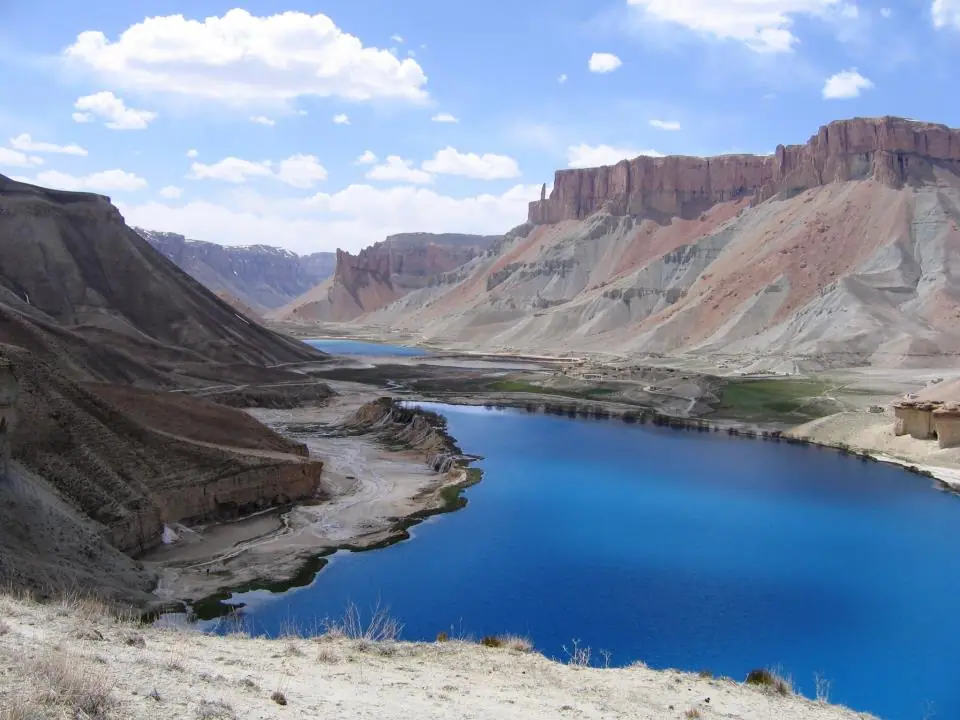
West of Bamiyan, a rough road crosses a high plateau to Band-e Amir, a chain of six dammed lakes stacked between pale travertine walls. Band-e Haibat, Band-e Panir, Band-e Pudina and their sisters shift from cobalt to jade as the light moves, and Hazara families run simple teahouses at the water's edge serving naan, tea and qurut — hard dried yoghurt balls crumbled into soup. Nights are bitterly cold even in midsummer, so bring layers, and note that the best months run from June to September.
If you have the time and the right permissions, the road continues west through Yakawlang toward the Minaret of Jam in Ghor province — a slender, intricately bricked tower standing alone in a river gorge, reached only by days of rough driving. It is one of the most remote monuments on earth, and getting there is as much the experience as seeing it.
Herat: The Citadel, the Friday Mosque and Saffron Country
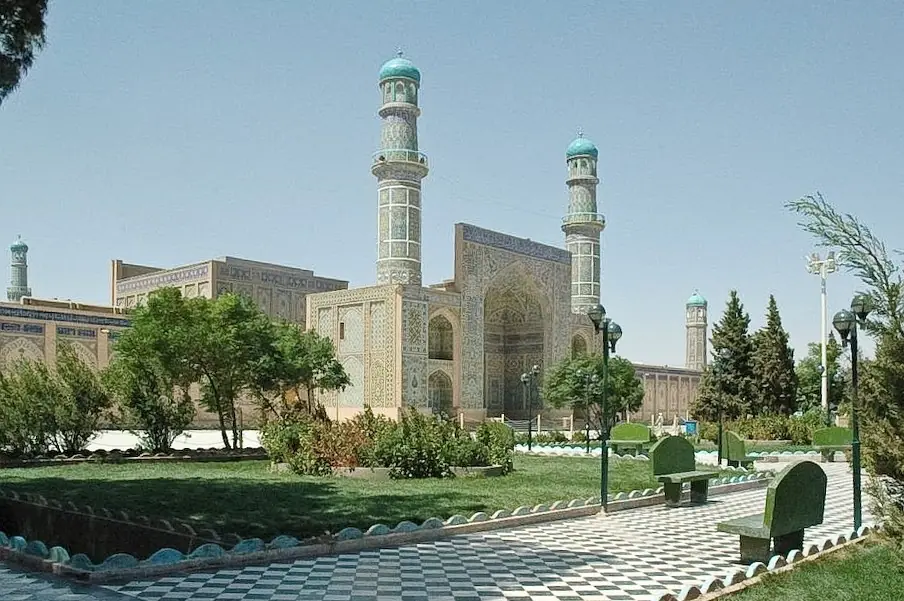
Herat has the depth of a city that has been fought over since before Alexander and rebuilt after every siege. The Citadel, raised on its hill over Achaemenid foundations, has been restored to show its Timurid and later layers, with a museum inside and ramparts that give you the whole city at once. Below it, the Friday Mosque is the masterpiece: a courtyard vast enough to hold thousands, wrapped in turquoise and cobalt tilework so dense it looks like woven cloth.
Walk west to the Musalla Complex, where the leaning minarets of Gawhar Shad's ruined college tilt at the sky like dropped needles, and out to Gazur Gah, the hillside shrine of the poet Abdullah Ansari, where pilgrims feed pigeons and musicians sing on Fridays. The tomb of Jami, the fifteenth-century poet, keeps Herat's reputation as a city of verse alive, and evening gatherings of ghazal singing are easy to find if your guide knows where to look.
Herat is also saffron country. The purple crocus blooms in October, picked before sunrise when the flowers are still closed, and the threads turn up everywhere — steeped in tea, stirred into rice, sold in tiny glass vials in the bazaar. Combine it with a Herati kebab and a bowl of yoghurt, and the west of the country will have made its case.
Mazar-i-Sharif, Balkh and the Nowruz Pilgrimage
The blue mosque at Mazar-i-Sharif, tiled in lapis and white, is where Afghanistan gathers. It is said to hold the tomb of Ali, and the city grew outward from its courtyard gates; pilgrims circle the shrine, doves scatter across the tiles, and the whole morning smells of rosewater and dust. Non-Muslims have traditionally been limited to the outer courtyard, and that alone justifies the journey.
Time your visit for Nowruz on 21 March, when the banner is raised at the shrine at sunrise, drums sound across the square, buzkashi teams ride out onto the northern plains and every household makes haft mewa — a seven-fruit drink of raisins, apricots, prunes, walnuts, almonds, pistachios and the tiny red senjed berry. Women stay up all night stirring samanak, a sweet wheat-sprout pudding, singing as the pot thickens. It is the warmest, loudest week of the Afghan year.
Twenty kilometres away, Balkh — the ancient Bactra, called the mother of cities — lies in fragments: the earth walls of the Bala Hissar, the shrine of Rabia Balkhi, and the Noh Gonbad Mosque, an early Islamic brick building with carved stucco. On the road south, Ghazni's star-studded brick minarets and citadel make a rewarding detour between Kabul and Kandahar.
The Afghan Table: Pulao, Mantu and the Rules of Hospitality
Kabuli pulao is the national dish and deserves the title: long-grain rice steamed with lamb, onion and stock, then crowned with caramelised carrot ribbons, raisins and blanched almonds. It arrives on a shared platter at weddings, Nowruz feasts and any table where a guest is being honoured. Beside it look for mantu, steamed dumplings filled with spiced beef and onion, dressed at the last minute with yoghurt, tomato sauce and yellow split peas; and ashak, its cousin, stuffed with leek and finished with garlicky yoghurt and dried mint.
Bolani — a thin, griddled flatbread packed with potato, leek or pumpkin — is the street food you will end up eating daily, dipped in yoghurt or a coriander-walnut chutney. Kebabs vary by region, from the flat, heavily spiced chapli kebab of the east to simple lamb skewers grilled over charcoal, always with naan-e Afghani, the long oval bread slapped onto the wall of a tandoor. Drink doogh, a salted yoghurt drink, or sheer chai, milky tea scented with cardamom and sometimes poured with a knob of clotted cream.
Hospitality here is a code rather than a courtesy: melmastia obliges a host to feed and shelter any guest, which means you will be pressed to eat more than you can and asked, sincerely, to stay. Meals are served on a cloth spread on the floor, eaten with the right hand or a spoon, and the guest is seated furthest from the door. When you can, repay it in the bazaar — Afghan carpets from Andkhoy and Herat, kilims, lapis lazuli from Badakhshan, and a rubab, the carved lute whose sound is the country's true national anthem.
Frequently asked questions
Is Afghanistan open to tourists right now?
Only cautiously and selectively. Tourist visas are limited and often require a sponsor or invitation, and many governments advise against all travel. Conditions vary sharply by province and week, so check your own government's current advice, expect to travel with a licensed local guide, and build flexibility into any plan.
What is the best time of year to visit Afghanistan?
April to June and September to October are the sweet spots for Kabul, Bamiyan and Herat, with mild days and clear light. High-altitude areas such as the Wakhan and Little Pamir are only practical from June to early September. Late March brings Nowruz crowds to Mazar-i-Sharif, while winter closes many mountain routes.
Do I need a guide, or can I travel independently?
Realistically, you need a guide and a driver. Travel between provinces may require local permissions arranged in advance, roads involve checkpoints, and language, currency and security logistics are difficult to manage alone. Independent backpacking is not a workable model here.
What should women wear and expect?
Modest, loose clothing that covers the arms, legs and hair is expected, with a headscarf in public and a chador or abaya in shrines and conservative areas. Expect separate seating in some transport and waiting rooms, and note that women travelling without a close male relative may face extra questions.
Can I use cards, and is alcohol available?
Bring cash — clean, unmarked notes in afghani or US dollars — as international cards and ATMs are almost useless outside a few city hotels. Alcohol is prohibited throughout the country; tea, doogh and fruit juice are the drinks of the table. Buy a local SIM card for calls and data.
Plan it — tours in Afghanistan
Live search, booked directly with trusted providers.
Sort the rest of your trip
Everything for Afghanistan, in one place
Stay in Afghanistan
Hotels, guesthouses and apartments — compared in one search.
Search hotels
Transfer in Afghanistan
Private driver waiting on arrival — no queues, no surprises.
Book a transfer
Stay online in Afghanistan
Travel eSIM — data the moment you land, no roaming bills.
Get an eSIMMore guides in Afghanistan
Best Places to Visit in Afghanistan: From Band-e Amir to Herat
Best Time to Visit Afghanistan: Seasons, Hotels and Must-See Sights
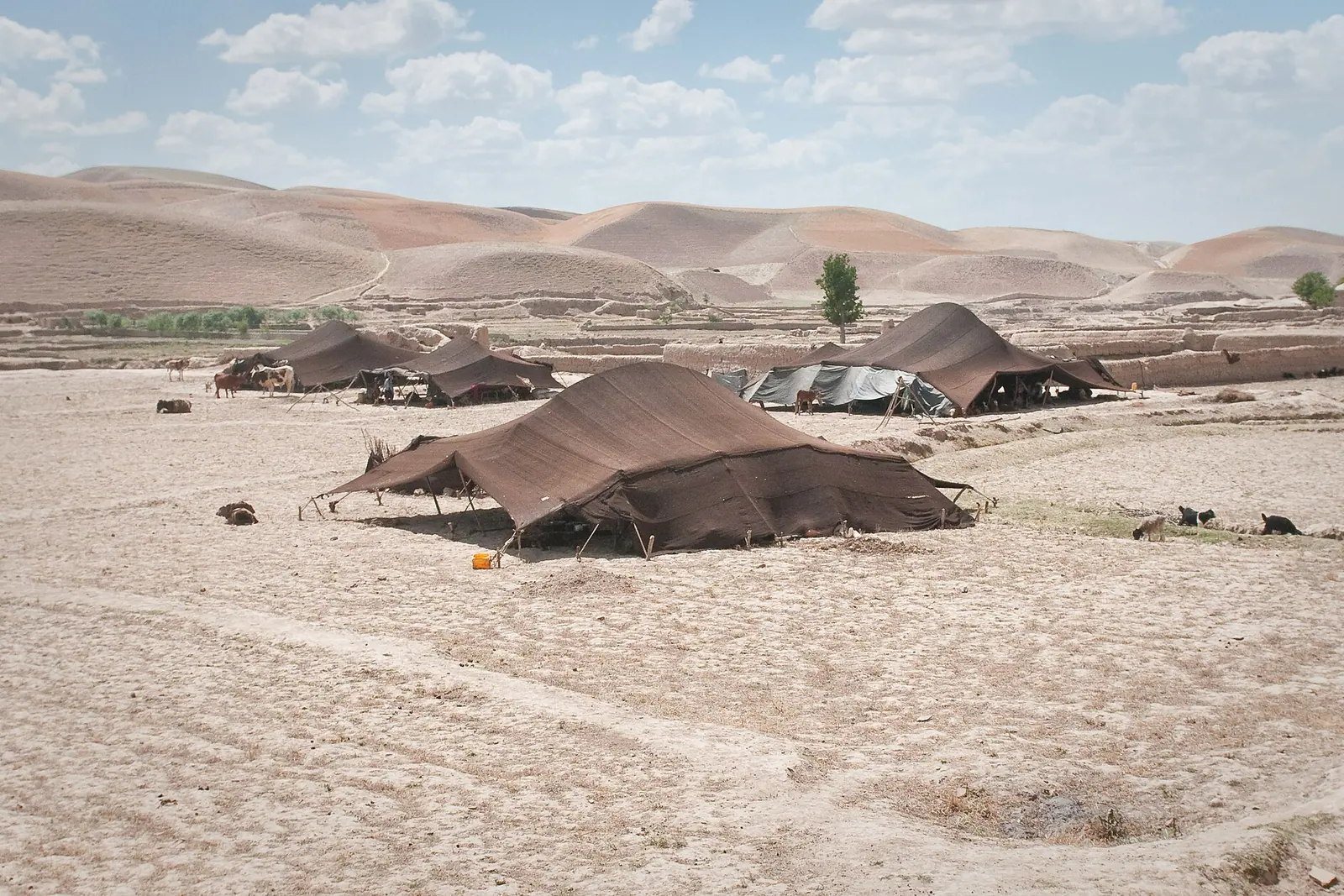
Top Things to Do in Afghanistan: Band-e-Amir, Bamyan and the Great Landmarks
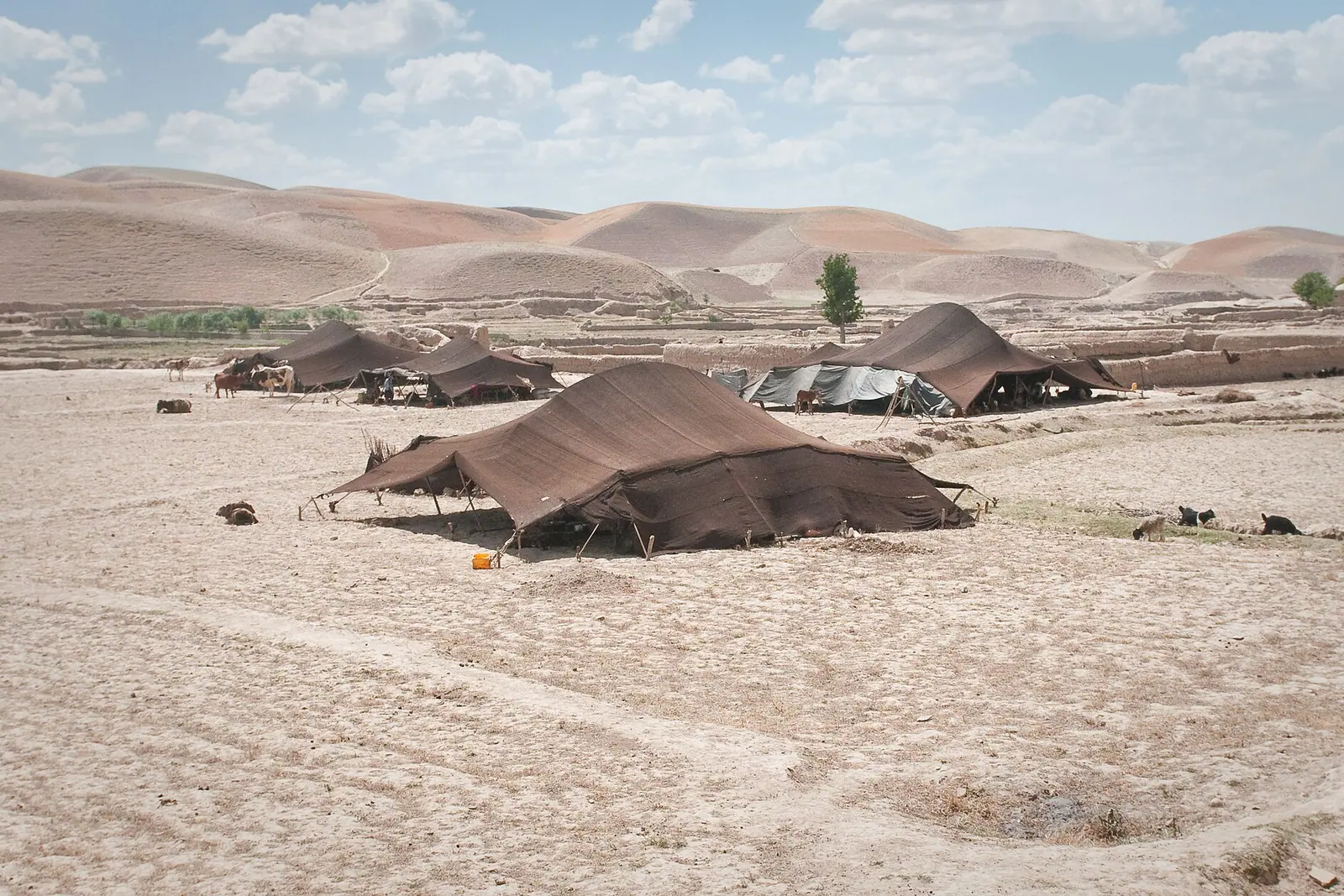
Flying Through Afghanistan: A One-Week Air Itinerary to Kabul, Bamiyan, Mazar-i-Sharif and Herat