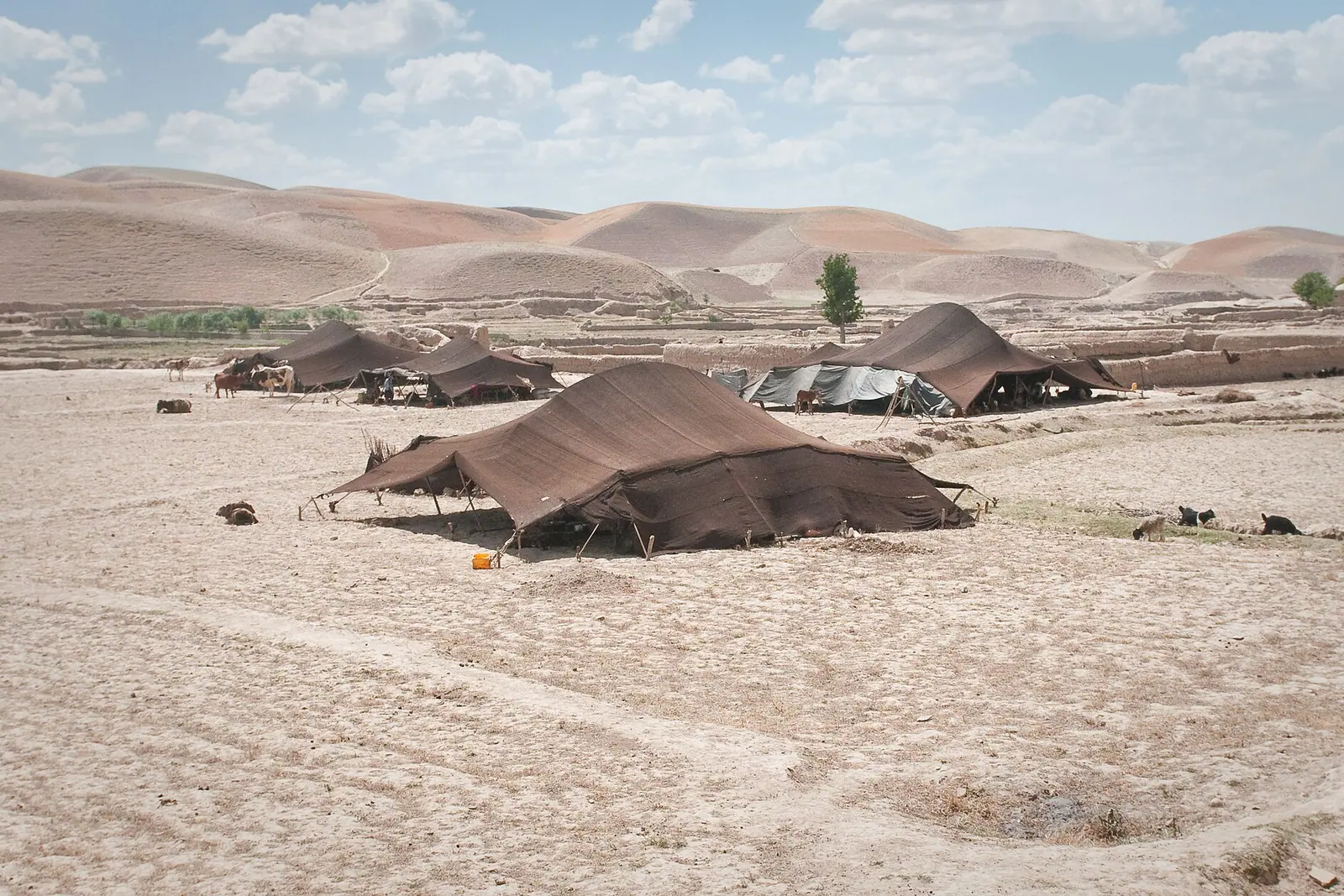
Afghanistan is not a country you stumble into; it is one you plan for months, with local contacts, flexible dates and a clear-eyed grasp of the risk. For the traveller who does go, the reward is Mughal gardens, Timurid tilework, turquoise mountain lakes and bazaars that have traded for two thousand years. This guide covers where to stay in Afghanistan — from guarded city hotels to family guesthouses — and the landmarks that justify the trip.
What Staying in Afghanistan Really Involves Today
The country has been governed by the Taliban since 2021, and nearly every Western government advises against all travel here. Consular assistance is extremely limited, and most standard travel insurance policies are void the moment you cross the border. Tourist visas are issued but are difficult to obtain and require patience and approval; many arrivals come overland through Torkham from Pakistan, Islam Qala from Iran, or Hairatan from Uzbekistan, and any of those crossings can close without notice.
Inside the country, moving between provinces means checkpoints, long waits and occasional road closures, and driving after dark is unwise. Women face severe restrictions, including strict dress codes and limits on travelling without a male relative; journalists, aid workers and dual nationals attract particular scrutiny. Keep plans private, travel in daylight, and build in slack for days that go sideways.
Accommodation falls into two broad camps. In Kabul there are larger hotels behind blast walls with armed guards, bag scanners and generators; elsewhere you will find small guesthouses with a courtyard, a kettle and sometimes a shared bathroom. Expect erratic power, slow internet and cash-only payments. Reserve by phone or through a trusted local contact — very few properties take online bookings, and consumer protection is effectively absent.
Kabul: Gardens, Museums and Where to Base Yourself
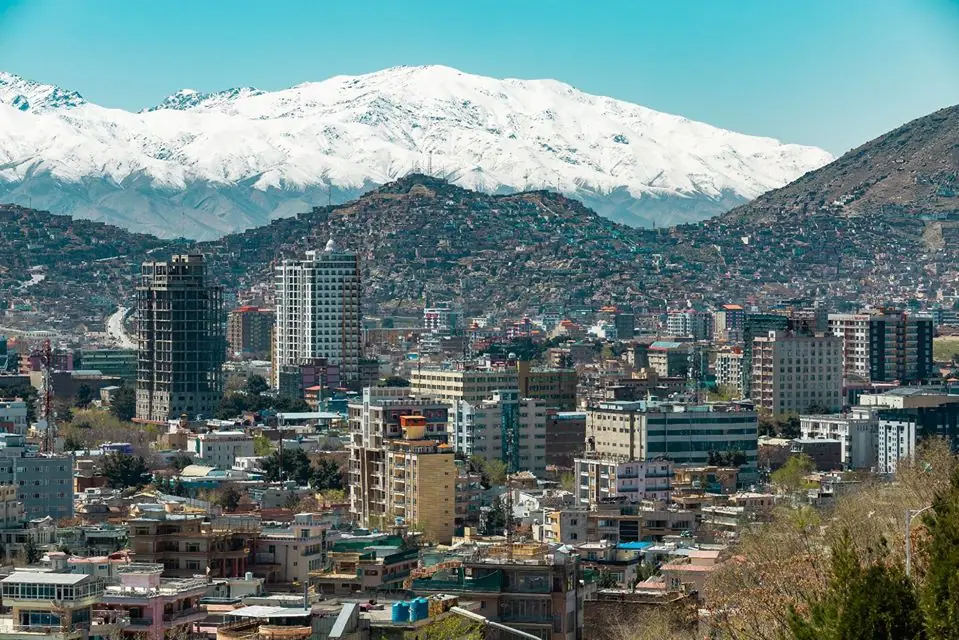
Most visitors base themselves in the capital. Shahr-e Naw, Wazir Akbar Khan and Sherpur hold the bigger hotels with restaurants, hot water and backup power; smaller guesthouses cluster in Taimani and Karte Char. Ask for a room away from the street side, and confirm the property has a night guard and a generator before you commit. The old downtown around Chicken Street is the cheapest and most atmospheric option, a warren of carpet shops, lapis lazuli and antique dealers.
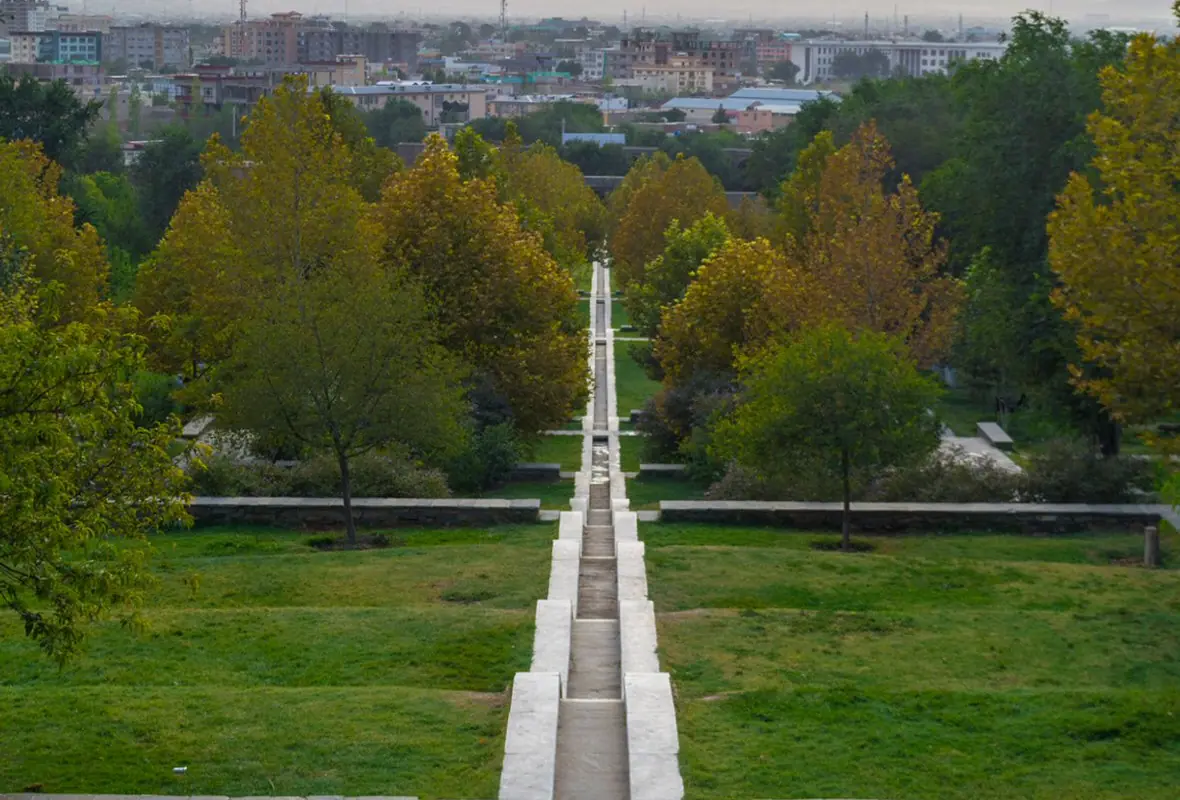
Begin with Bagh-e Babur, the terraced Mughal garden where the emperor Babur is buried; a marble mosque built by Shah Jahan crowns the upper terrace and the whole site is a rare pocket of quiet. The National Museum of Afghanistan displays goldwork from Tillya Tepe and finds from Ai-Khanoum, a reminder of the country's place on the old Silk Roads, while the shell of Darul Aman Palace stands on the western edge of the city, visible for miles.
Further out, Lake Qargha fills with picnicking families on Fridays. Back in the centre, the ochre-and-blue Shah-Do Shamshira mosque sits above the Kabul River, and the blue-tiled Sakhi shrine on its hill gives a fine evening view over the rooftops. Kabul lies at roughly 1,790 metres, so April to May and September to October are the most comfortable months; winter brings snow and biting cold.
Bamiyan and Band-e-Amir: The Great Natural Set-Piece
Bamiyan, a long drive west of Kabul over the Shibar pass when the road is open, is the most established destination outside the capital. Guesthouses are simple and family-run, with stoves and thick blankets; the town sits at about 2,550 metres, so nights are cold even in midsummer. Push on to Band-e-Amir and the choice narrows to community lodges and yurt camps with minimal facilities — bring a sleeping bag, warm layers and enough cash for the whole stay.
The cliff is the main event: two empty niches mark where the giant Buddhas stood before their destruction in 2001, and caves carved with monk cells and faded frescoes honeycomb the rock face around them. Above the valley, Shahr-e Gholghola — the so-called City of Screams — delivers the classic sunset panorama, while Shahr-e Zuhak, the red-walled ruin, guards the eastern end of the valley. Dragon Valley makes an easy half-day walk.
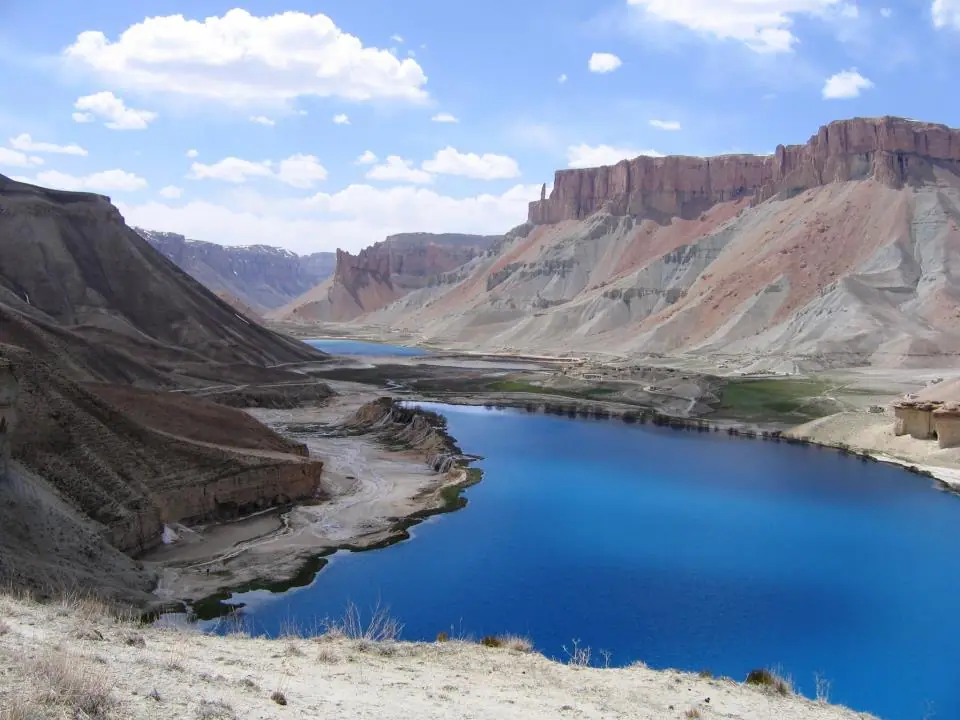
Band-e-Amir, Afghanistan's first national park, is a chain of six lakes dammed by natural travertine walls, deep blue against pale cliffs; Band-e Haibat is the largest and most photographed. June to September is the window here — snow closes the passes from roughly November to March.
Herat: Timurid Tilework and the Western Gateway
Herat is the most architecturally rewarding city in the country for many travellers: green, comparatively relaxed and close to the Iranian border. Courtyard guesthouses sit near the old city, with mid-range hotels along the main boulevards. Spring and autumn are the seasons to aim for; summer is baking and dust-heavy.
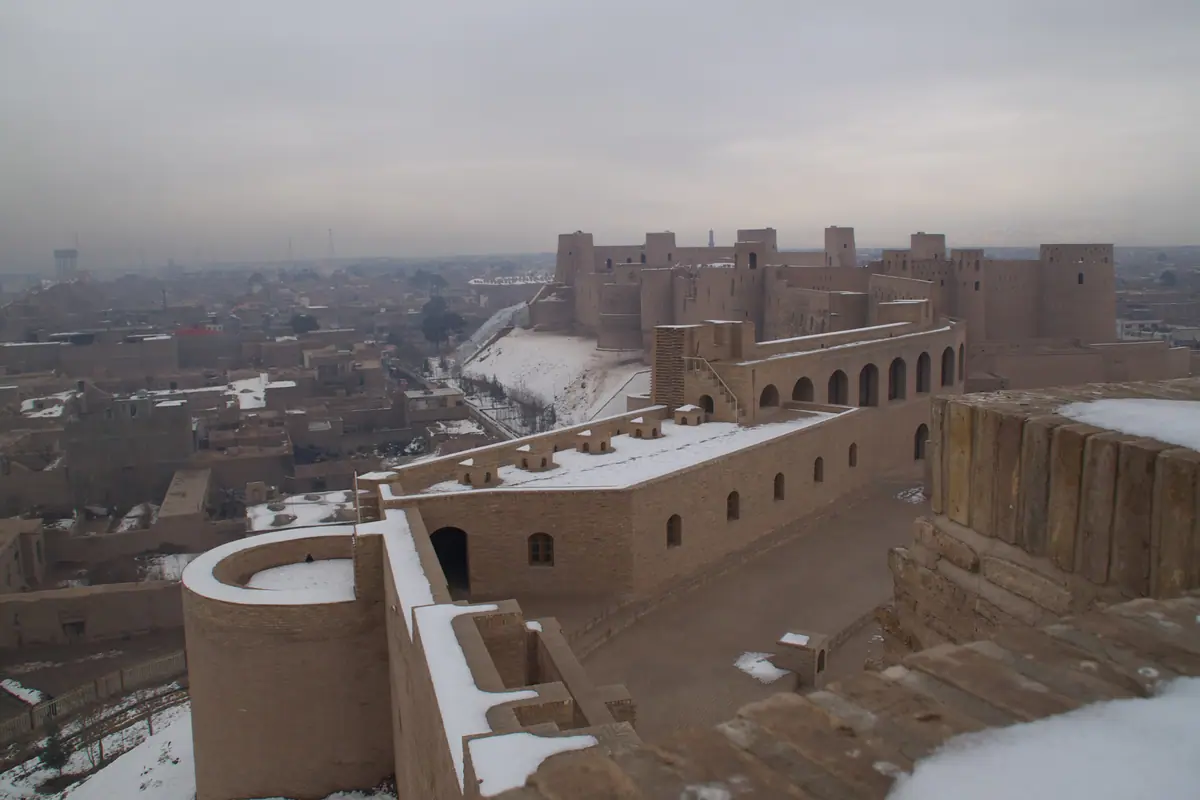
The Citadel of Herat, also known as Qala Ikhtiyaruddin, is a rebuilt hilltop fortress with a museum inside its walls. The Friday Mosque, or Jami Masjid, is the city's masterpiece, its blue tilework a monument to Timurid patronage on the site of an older Ghurid mosque. The Musalla complex, once a vast Timurid ensemble, is now marked by a handful of surviving minarets and Gawhar Shad's mausoleum, and at Gazargah the shrine of the Sufi poet Khwaja Abdullah Ansari keeps a huge bronze cauldron cast in the 14th century. The tomb of the poet Jami lies nearby.
Give Herat two or three nights. The covered bazaars are good for saffron, carpets and dried fruit, and the surrounding orchards are at their best in April.
Mazar-i-Sharif, Balkh and the Northern Plains
Mazar-i-Sharif exists because of a single building: the Shrine of Hazrat Ali, a great blue-tiled complex ringed by white pigeons. Hotels cluster within walking distance, some with rooftop views of the tiled dome; the plainer ones are still secure and central. Nowruz in late March is the busiest week of the year, when the flag is raised at the shrine and the city fills for days — book well ahead or avoid the period entirely.
Twenty kilometres away lie the ruins of Balkh, known as the Mother of Cities. Highlights include the walls of the Bala Hissar, the shrine of Khwaja Abu Nasr Parsa with its green-tiled dome, and the Haji Piyada mosque, a small ninth-century building often described as one of the oldest Islamic structures in the country. The tomb attributed to the poet Rabia Balkhi is here too.
March to May and September to October are the best months for the north. The Salang pass road is long and tiring but spectacular; domestic flights are faster when schedules hold.
Kandahar, Ghazni and Going Further
Kandahar in the south is deeply conservative, and lodging is limited to plain guesthouses and a couple of larger hotels; dress and photography demand real care. The Kherqa Sharif, the shrine said to hold a cloak of the Prophet, is the city's spiritual centre and opens to non-Muslim visitors only rarely. Nearby stands the mausoleum of Ahmad Shah Durrani, founder of the Durrani empire, and the Arghandab valley beyond is orchard country, source of much of the country's pomegranate crop.
Ghazni, on the Kabul–Kandahar highway, is the easiest stop between north and south. Two star-shaped brick minarets from the 12th century rise from the plain, their terracotta panels a remnant of a lost imperial capital; the citadel and the tomb of Mahmud of Ghazni complete the picture. At around 2,200 metres, winters here bite hard.
Beyond the main routes lie the extremes. The Minaret of Jam in Ghor province — 65 metres of baked brick standing above a river gorge — is reachable only by rough tracks with a 4x4, a local guide and permits. The Wakhan Corridor in the far northeast offers homestays along the Panj river and treks beneath the Pamirs. Both need weeks of planning and a tolerance for uncertainty.
Frequently asked questions
Is Afghanistan safe for tourists?
No. Almost every government advises against all travel here, citing kidnapping, bombings, road crime and the risk of arbitrary detention. If you go regardless, work through trusted local contacts, keep plans flexible and private, travel only in daylight, and accept that consular help may be unavailable.
Can I book hotels in Afghanistan online?
Rarely. Most guesthouses and small hotels take reservations by phone or through a local intermediary, and only the larger city properties answer email reliably. Payment is almost always cash in US dollars or afghanis; ATMs are scarce, often empty and frequently out of service.
What should I wear and how should I behave?
Dress modestly and loosely, covering arms and legs; women should carry a headscarf and a long coat or abaya. Alcohol is prohibited, and photographing women, checkpoints, mosques at prayer time or government buildings can cause serious trouble. Remove shoes before entering shrines.
When is the best time to visit Afghanistan?
April to May and September to October suit Kabul, Herat and the northern cities. Bamiyan and Band-e-Amir are best from June to September, since snow closes the passes in winter. Late March brings the Nowruz celebrations at Mazar-i-Sharif, the busiest and most colourful week of the year.
How do you get around the country?
Domestic flights link Kabul with Herat, Mazar-i-Sharif and Kandahar, though schedules change at short notice. Otherwise expect long road days in shared cars or private 4x4s, frequent checkpoints and slow progress. Never plan to drive after dark.
Plan it — hotels in Afghanistan
Live search, booked directly with trusted providers.
Sort the rest of your trip
Everything for Afghanistan, in one place
Transfer in Afghanistan
Private driver waiting on arrival — no queues, no surprises.
Book a transfer
Things to do in Afghanistan
Skip-the-line tickets, guided tours and standout experiences.
See experiences
Stay online in Afghanistan
Travel eSIM — data the moment you land, no roaming bills.
Get an eSIM