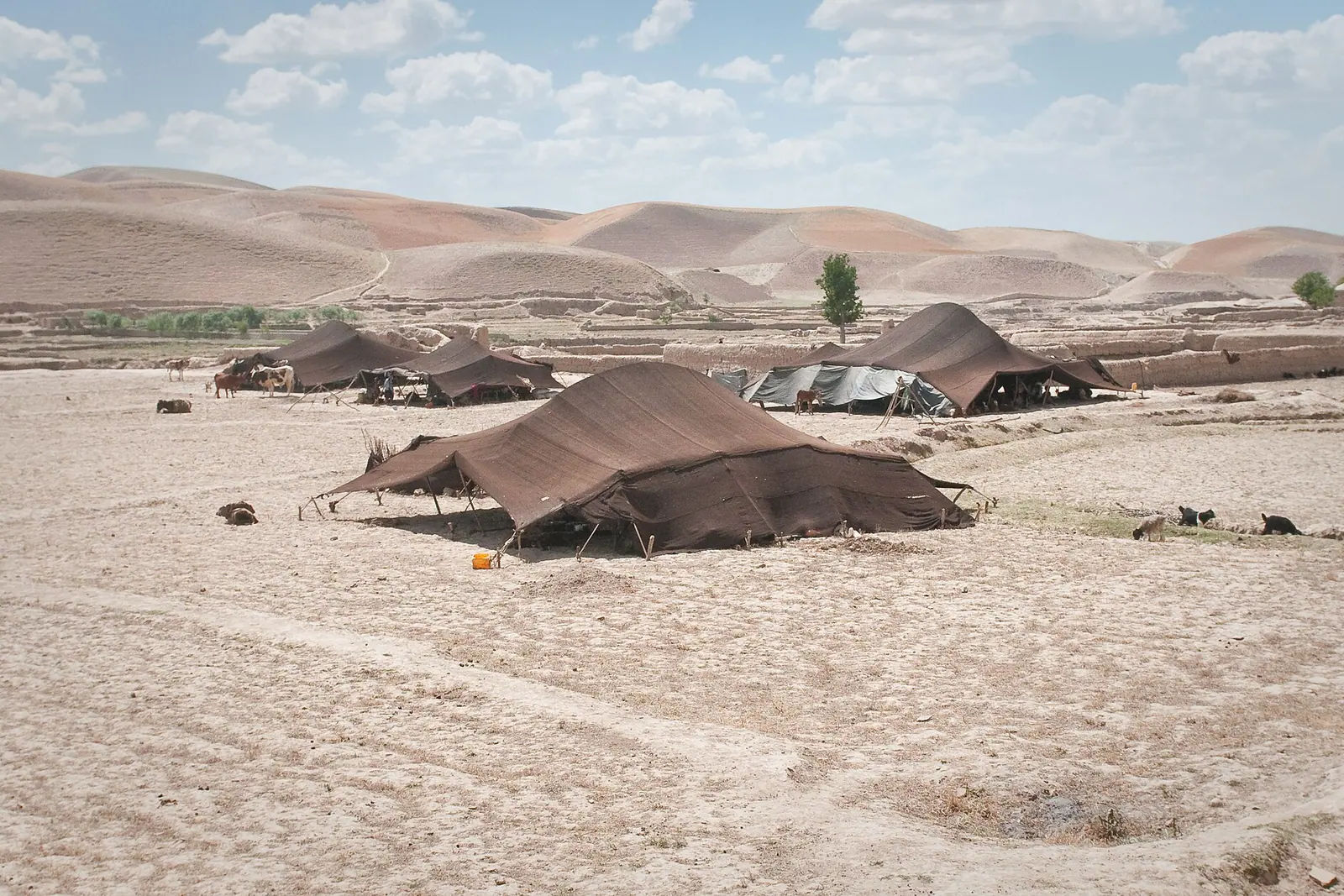
Afghanistan is a country of stacked horizons — turquoise lakes sealed behind desert ridges, tiled mosque domes in Herat, and the empty niches of Bamiyan staring out at a wall of snow-capped rock. Timing is everything here, because weather, mountain passes and local rhythms decide what is reachable, and when.
The Shape of the Afghan Year: Two Windows Worth Planning Around
Afghanistan's travel calendar is dominated by altitude and by the Hindu Kush, which splits the country into a mild highland belt around Kabul and Bamiyan and hot lowland basins in the north, west and south. Realistically there are two windows worth building a trip around: mid-March to late May, and September to early November. In those months Kabul sits in comfortable daytime temperatures in the high teens and low twenties Celsius, Herat is warm without being punishing, and the roads to the big scenery are usually open.
Summer, from June to August, is a different country. Kandahar, Jalalabad and the Helmand basin regularly push past 40°C, and even Kabul, at roughly 1,790 metres, can be uncomfortably hot and thick with dust. The trade-off is that the high country — Bamiyan, the Panjshir, the Wakhan Corridor in Badakhshan — is at its most accessible and its most beautiful, with green valleys and glacial meltwater filling the rivers. Winter, roughly November to March, brings snow to Kabul and closes the high passes for days or weeks at a time; guesthouses in smaller towns often have little heating, and some in Bamiyan and the lake districts shut altogether.
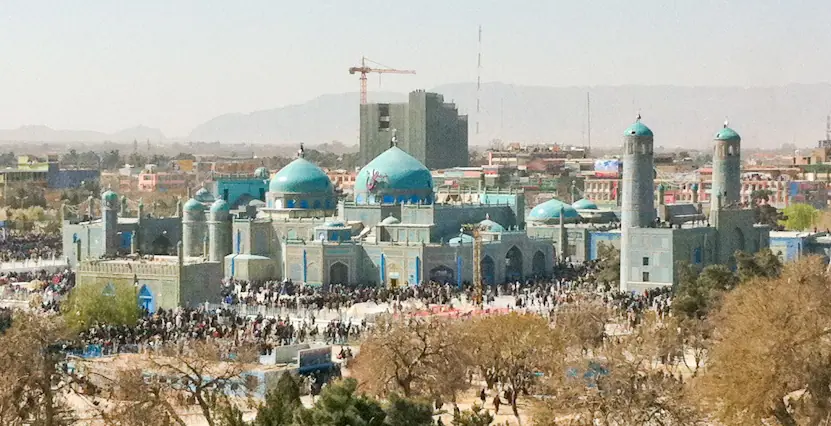
The single busiest date in the Afghan year is Nowruz, the solar new year around 21 March, when families travel to Mazar-i-Sharif for the raising of the banner at the Blue Mosque and to picnic in the parks of Kabul. Rooms in Mazar-i-Sharif and Kabul fill weeks in advance, transport is stretched, and prices peak. If you want that experience, plan far ahead; if you want quiet, avoid it entirely.
Spring and Autumn: The Best Months for Sightseeing
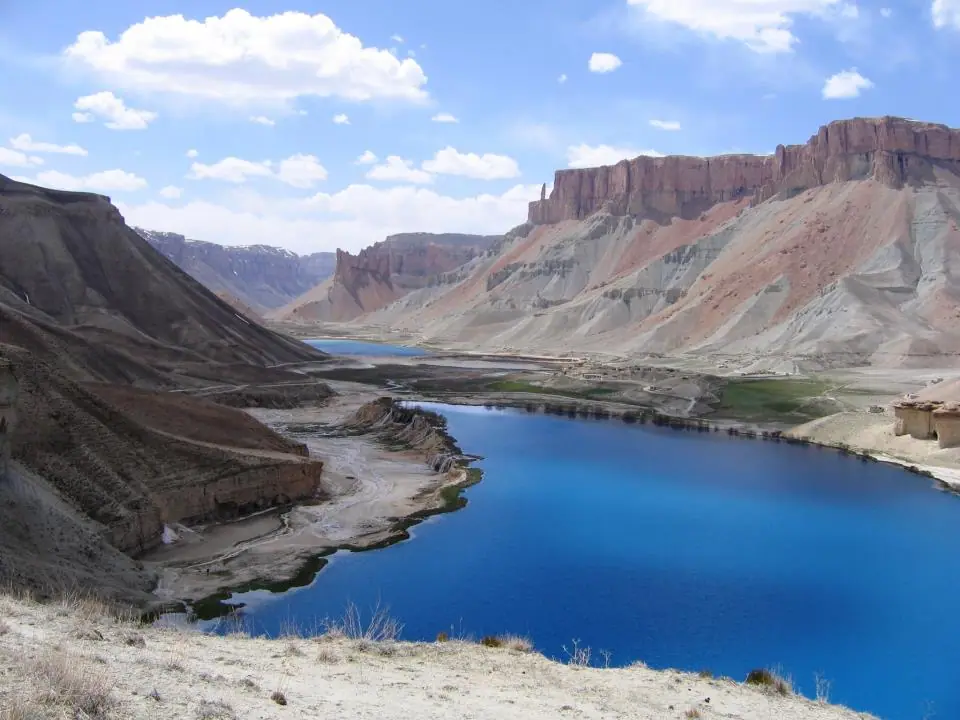
April and May are arguably the finest weeks of the Afghan year. Snowmelt turns the rivers loud and brown, almond and apricot blossom appears around Kabul and Paghman, and the six sapphire lakes of Band-e-Amir in the central highlands are at their most vivid against the bare red cliffs that dam them. The drive from Kabul to Bamiyan, over the Shibar Pass and through the Shebar valley, typically takes five to seven hours in good conditions — and spring is when those conditions are most dependable. Nights up there are still cold, so bring a real jacket.
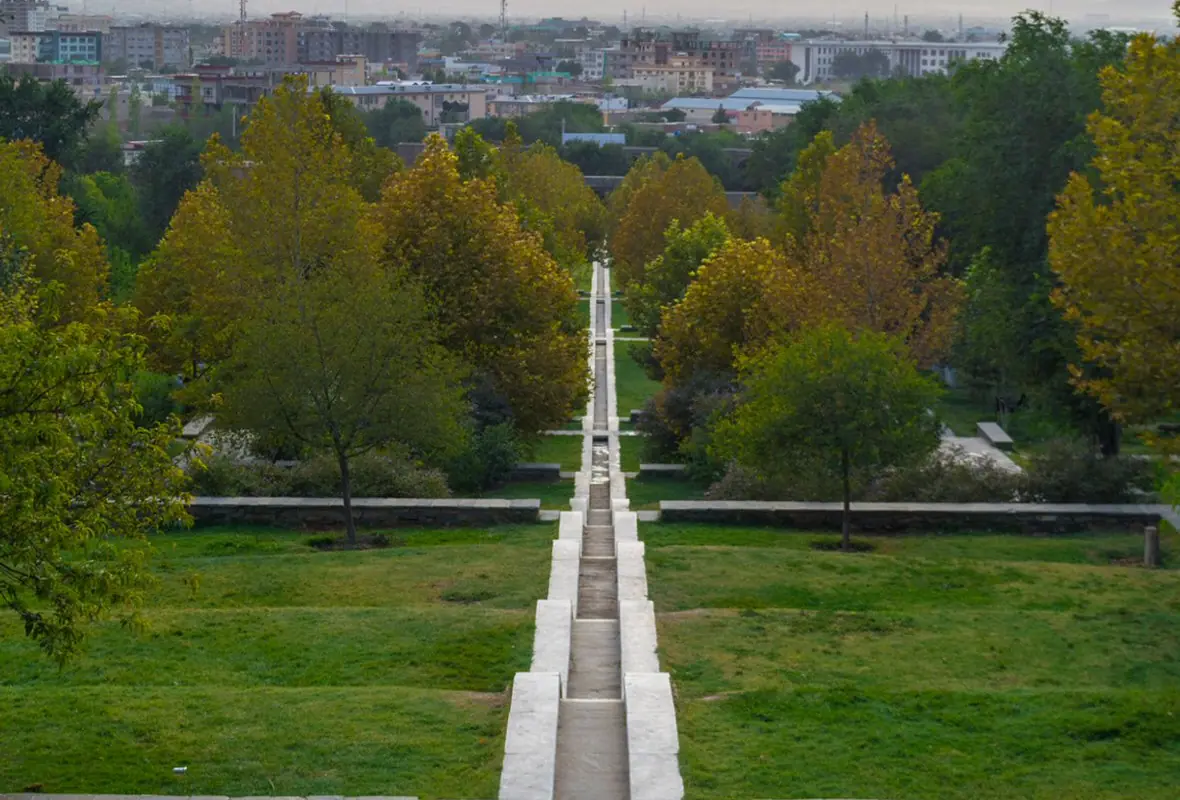
September and October are the connoisseur's choice. The summer dust has settled, the light is clean and long, and the harvest arrives: grapes and melons from the north, pomegranates from around Kandahar, walnuts from the high valleys. Kabul's Babur Gardens — the terraced Mughal garden where the emperor Babur asked to be buried — is lovely then, and Herat's blue-tiled Friday Mosque glows in the lower autumn sun. This is also Buzkashi season in the northern plains around Mazar-i-Sharif, when the horsemen play their fierce, extraordinary game on open ground.
The shoulder edges deserve respect. Late March can still dump snow on Kabul, and late October nights at altitude drop to freezing. Build a spare day or two into any itinerary that involves a mountain road, because a single landslide or a closed pass can cost you a day of your plans.
The Sights That Define an Afghan Journey
Bamiyan is the emotional centre of any trip: the cliff where the great Buddhas once stood, the honeycomb of monk's caves behind it, the ruined citadel of Shahr-e Gholghola on its hill, and the vast, silent valley. Nearby, Band-e-Amir became the country's first national park, a chain of six travertine-dammed lakes of impossible blue reached by a rough road from Bamiyan town. Further west, in Ghor province, the Minaret of Jam stands alone at the meeting of two rivers — a 65-metre brick tower of finely carved geometric bands, reachable only by a long, seasonal overland route from Herat that is practical in the drier months.
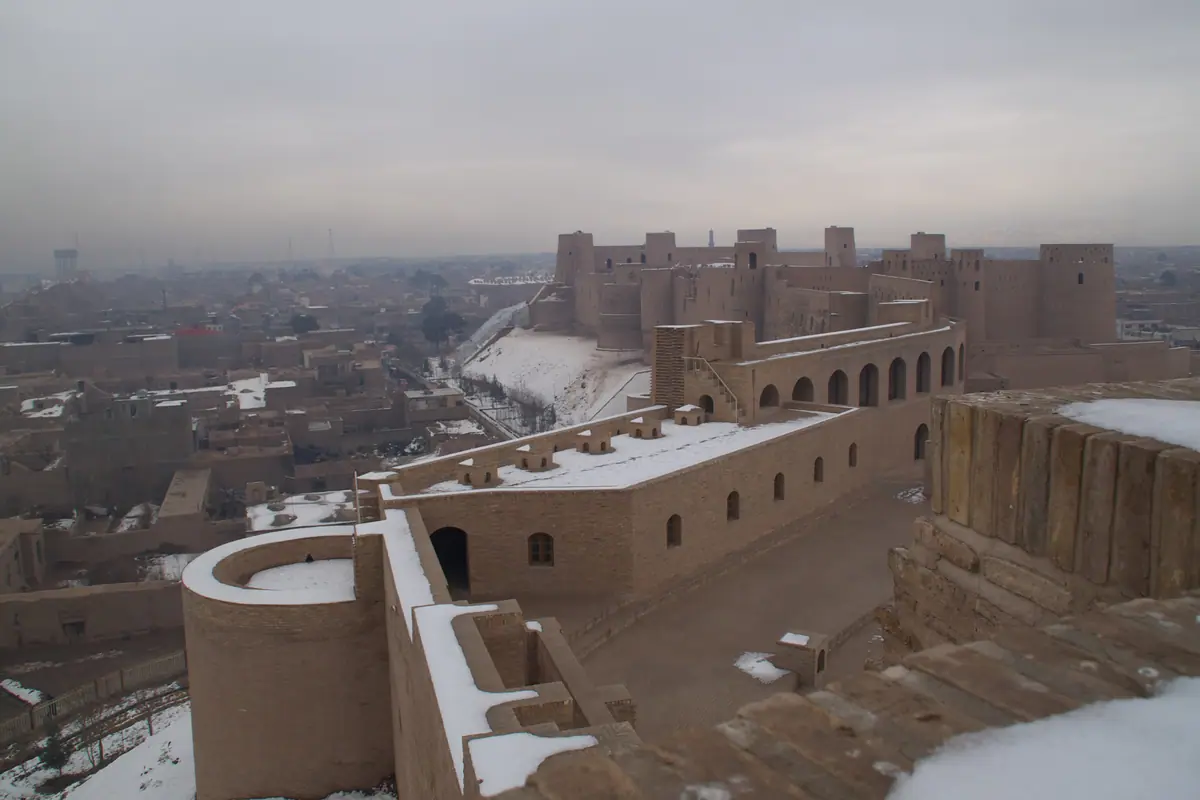
Herat is Afghanistan's cultured city, and its Citadel — the Qala Ikhtiyaruddin, a mud-brick fortress with a citadel hill that has been fortified for more than two thousand years — anchors the old quarter. The Friday Mosque, with its Timurid tilework, is one of the great monuments of the Islamic world, and the nearby Musalla Complex holds the minarets and ruined madrasa of Goharshad. In the north, Mazar-i-Sharif's Blue Mosque, the Rawza, draws pilgrims in their thousands, especially at Nowruz. In Kabul, the National Museum of Afghanistan, the Babur Gardens, the great white Shah-e Doh Shamshira mosque and the European-style shell of Darul Aman Palace give the city a strange, layered melancholy.
Elsewhere, Ghazni offers its star-topped minarets and the old citadel, and Balkh near Mazar preserves the Noh Gonbad mosque and the ruins of Bala Hissar, marking one of the oldest cities of the Silk Roads. Kandahar holds the Shrine of the Cloak, and the far north-east opens into the Wakhan Corridor, a panhandle of high valleys and Pamir peaks under Noshaq, the country's highest mountain. Few of these places are easy; all of them are unforgettable.
Hotels and Guesthouses: What the Seasons Change About Where You Sleep
Kabul has the widest range of accommodation, from international-standard hotels with generators, security gates and airport transfers to small guesthouses in Shar-e Naw, Wazir Akbar Khan and Taimani. Expect a security screening on arrival, power cuts that a generator mostly covers, and air conditioning that matters enormously in June and August. Winter heating is patchier than you would like; ask directly before booking. The best-value guesthouses are usually found through word of mouth from other travellers or through a local contact rather than online.
In Herat, small hotels cluster within walking distance of the Citadel and the Friday Mosque, and in Mazar-i-Sharif guesthouses sit near the Blue Mosque — both are pleasant in spring and autumn and uncomfortable in midsummer. Bamiyan has a handful of family-run guesthouses and simple hotels, some with cushioned, carpeted rooms in the local style; most operate from April to October and many close in deep winter. Around Band-e-Amir, the options are basic village guesthouses and homestays, with camping possible in summer; bring a sleeping bag and a headlamp.
Practicalities matter more here than in most countries. The economy runs on cash in Afghanis, so carry enough for the whole trip and change money in the cities; ATMs are unreliable and cards are almost useless. Almost no establishment serves alcohol. If you are a woman travelling, ask in advance about separate rooms, floors or family sections — many places can arrange this, but not always at short notice. And book early for Nowruz, Eid holidays and the Buzkashi season.
Roads, Passes and Flights: Timing the Practical Side
Afghanistan's geography is negotiated through a handful of chokepoints. The Salang Tunnel carries the main route from Kabul north towards Kunduz and Mazar-i-Sharif, crossing above 3,300 metres and regularly closing in winter snow or avalanche risk. The Shibar Pass governs access from Kabul to Bamiyan, and the long western road from Herat towards Ghor and Jam is best attempted between late spring and early autumn. Summer brings its own hazards: flash floods in narrow valleys and dust storms that ground flights and choke engines.
Domestic flights link Kabul with Herat, Mazar-i-Sharif and Kandahar, and schedules shift at short notice — always build in a buffer day before an international departure. Overland travel times are unpredictable because of checkpoints, road conditions and repairs; a distance that looks like four hours on a map can take twice that. Fridays are slow, with many shops and offices closed, and during Ramadan the daytime rhythm of the whole country changes: museums keep shorter hours, restaurants close in daylight, and long-distance travel becomes harder.
For photographers, the best light windows coincide with the best travel windows — spring and autumn, when the air is clearer and the sun lower. Midsummer haze washes out the far mountains, and winter shortens the usable day considerably at altitude.
Safety and Local Etiquette: The Realities That Decide a Trip
It would be dishonest to write about Afghanistan without saying this plainly: many governments advise against all travel to the country, and security conditions vary sharply from province to province and month to month. There is a real risk of armed conflict, roadside devices, kidnapping and crime, and landmines remain a genuine hazard in rural areas. Almost no travel insurance covers Afghanistan, so check your policy carefully. Most visitors who do go travel with a trusted local contact who arranges transport, permits and introductions, and who knows which roads are passable that week.
Etiquette is not optional here. Dress modestly: long trousers and sleeves for men, and for women a headscarf and a loose, full-length outer garment, with the face covered in more conservative areas. Always ask before photographing people, and never photograph checkpoints, soldiers, government buildings or anything that looks like infrastructure. Remove shoes before entering a mosque, avoid walking in front of someone at prayer, and be mindful of separate men's and women's entrances and spaces.
Health deserves planning too. Bamiyan sits around 2,550 metres, the Salang Tunnel higher still, and the Wakhan climbs steadily — allow time to acclimatise. Summer dust aggravates chest and sinus problems, so bring a mask. Routine vaccinations, careful water choices and a comprehensive first-aid kit are sensible, and remember that medical facilities outside Kabul are limited. Go informed, go with local help, and the country will reward you with some of the most extraordinary landscapes and monuments anywhere in Asia.
Frequently asked questions
What is the best month to visit Afghanistan?
April, May, September and October are the most comfortable and the most practical months. Temperatures are mild, mountain roads to Bamiyan and the central lakes are usually open, and the light is clear. Mid-summer is punishing in the lowlands, while winter snow closes the high passes and shuts down many guesthouses outside the main cities.
Can I visit Band-e-Amir and Bamiyan, and when?
Yes, but timing is tight. The Kabul–Bamiyan road over the Shibar Pass is most dependable from April to October, and the rough onward track to Band-e-Amir is best in late spring and early autumn. Snow can linger into March and return in November, and winter access is often impossible.
When is Nowruz in Afghanistan and why does it matter?
Nowruz falls around 21 March, the start of the solar new year. The biggest gathering is in Mazar-i-Sharif, where crowds attend the raising of the banner at the Blue Mosque. Accommodation and transport across the country are heavily booked for days around it, so reserve well ahead or avoid travelling then.
Are hotels and guesthouses in Afghanistan easy to book?
In Kabul you have the widest choice, from full-service hotels to simple guesthouses in Shar-e Naw and Taimani; Herat, Mazar-i-Sharif and Bamiyan have smaller, more basic options. Many places cannot be booked online and are arranged through a local contact, so plan via someone on the ground rather than arriving unannounced.
What should I know about money, dress and photography?
Bring cash in Afghanis or convertible currency — ATMs are unreliable and cards rarely work. Dress modestly, with a headscarf and long, loose clothing for women. Never photograph military sites, checkpoints or government buildings, and always ask permission before photographing people.
Plan it — hotels in Afghanistan
Live search, booked directly with trusted providers.
Sort the rest of your trip
Everything for Afghanistan, in one place
Transfer in Afghanistan
Private driver waiting on arrival — no queues, no surprises.
Book a transfer
Things to do in Afghanistan
Skip-the-line tickets, guided tours and standout experiences.
See experiences
Stay online in Afghanistan
Travel eSIM — data the moment you land, no roaming bills.
Get an eSIMMore guides in Afghanistan
Best Places to Visit in Afghanistan: From Band-e Amir to Herat
Touring Afghanistan: Food, Culture and the Sights You Should Not Miss
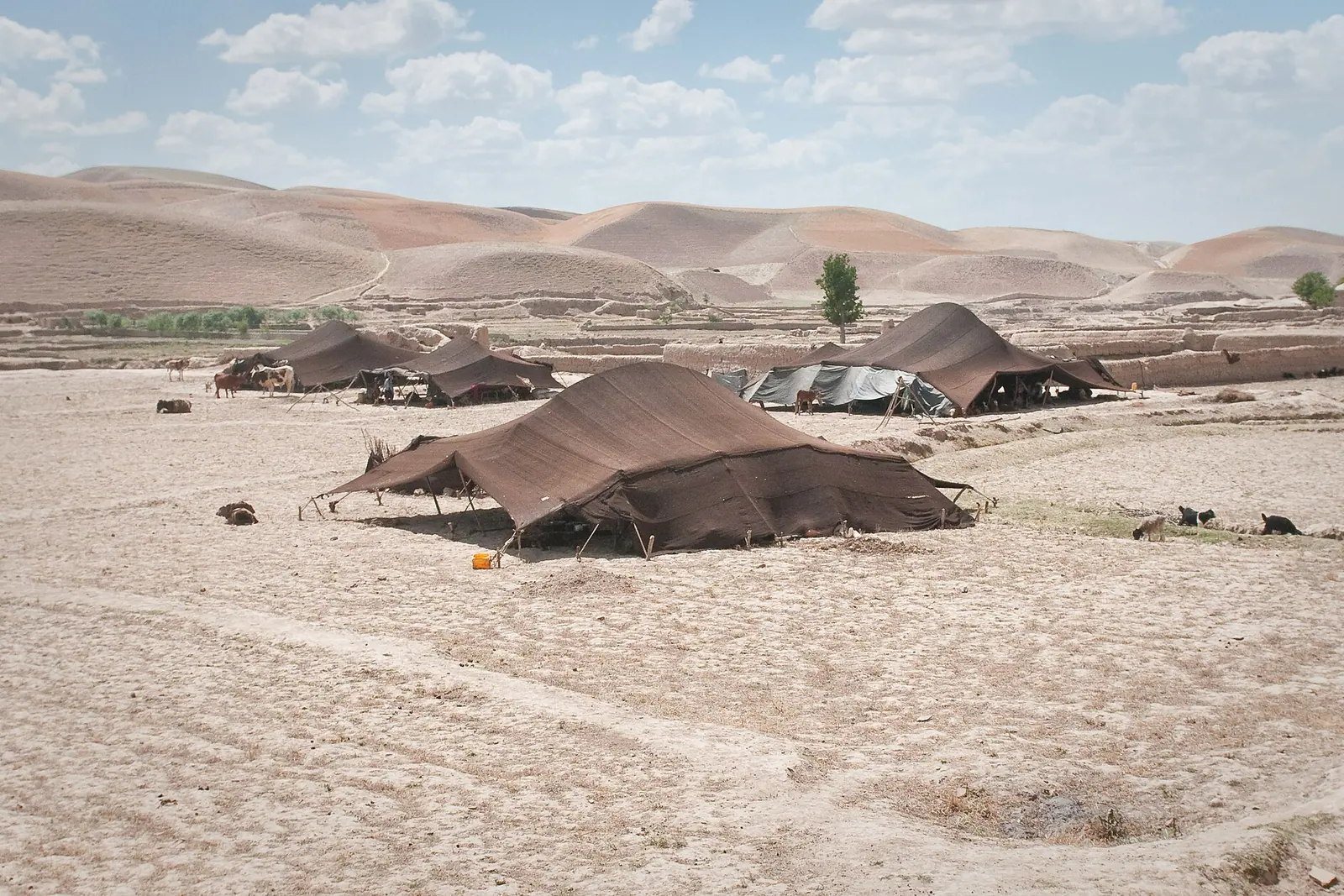
Top Things to Do in Afghanistan: Band-e-Amir, Bamyan and the Great Landmarks
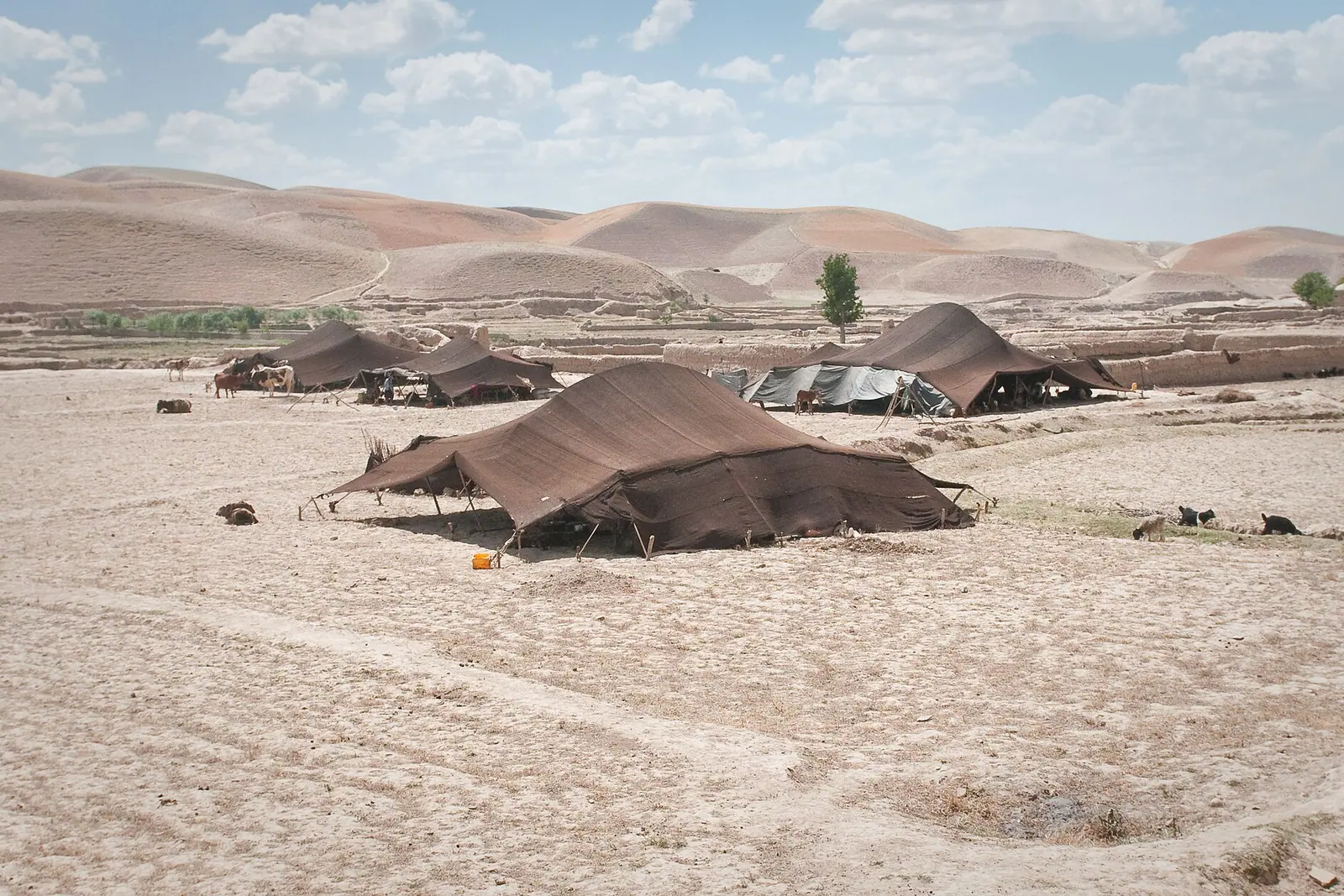
Flying Through Afghanistan: A One-Week Air Itinerary to Kabul, Bamiyan, Mazar-i-Sharif and Herat