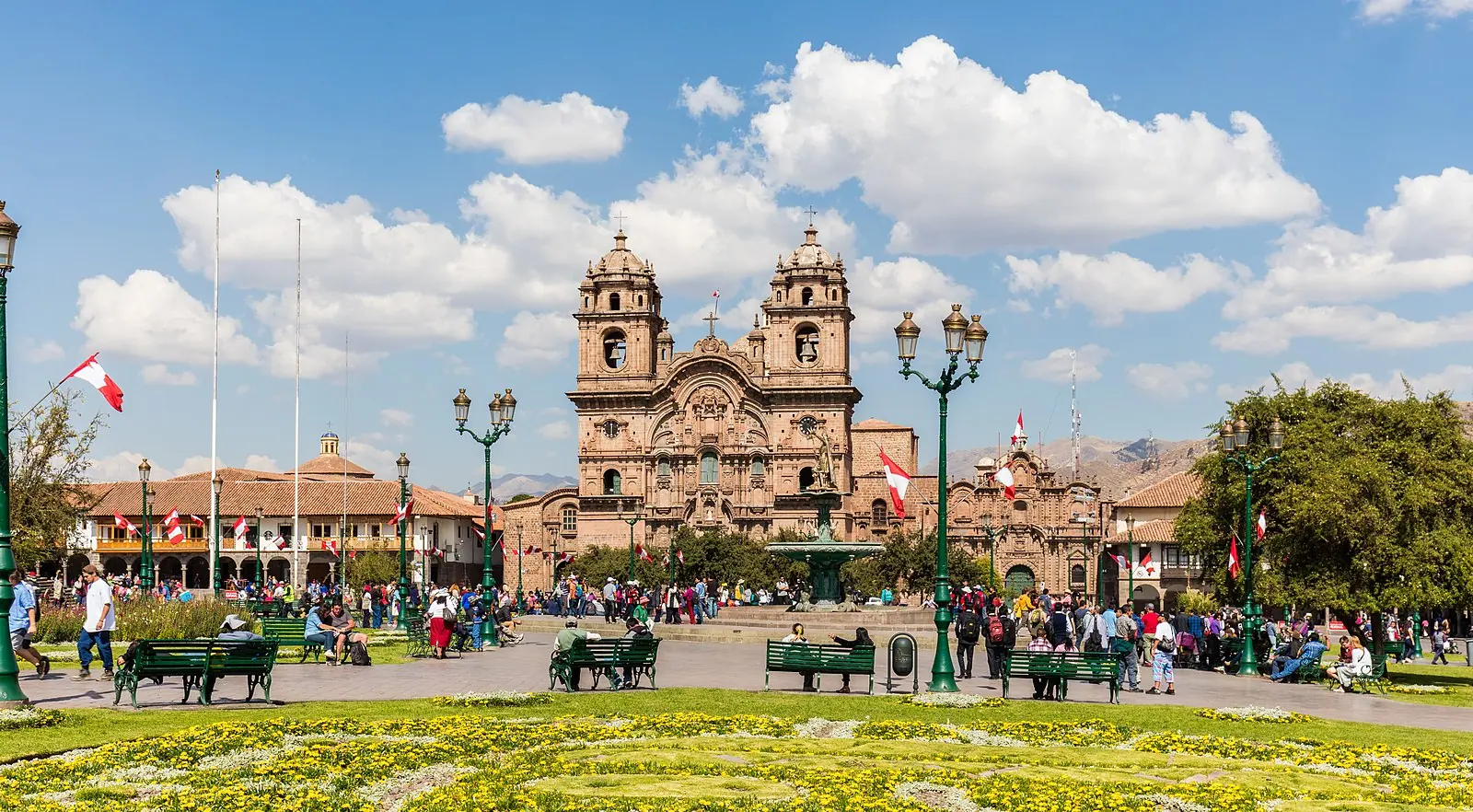
Cusco sits at 3,400 metres in a bowl of brown hills, and almost everything people come to Peru for lies within a few hours of its Plaza de Armas — Inca terraces, salt pans that shimmer like mirrors, and a lost city the Spanish never found. The trick is knowing which journeys fit a single day, which need an overnight, and how to sequence them around altitude and rain.
The Sacred Valley: Pisac, Ollantaytambo and the Weaving Villages
The classic first day out of Cusco runs down into the Urubamba Valley, where the air is thicker and the temperature noticeably warmer — a welcome relief if you have just landed. Most routes stop first at Pisac, roughly an hour from the city, where Inca terraces climb the hillside above a colonial village. The ruins take a good two hours to walk properly, and the village market below is at its fullest on Sundays, Tuesdays and Thursdays, when farmers from surrounding communities come down to trade.
Further along the valley, Ollantaytambo is the day's showpiece: a living Inca town of narrow water channels and stone doorways, with a temple-fortress of fitted megalithic blocks rising above it. Climbing to the top of the terraces takes 45 minutes to an hour at an honest pace, and the reward is a view over the valley floor where the train to Machu Picchu disappears into the gorge. Many travellers choose to end the day here and sleep in the valley rather than ride back to Cusco in the dark.
Between the two, Chinchero is worth an hour for its colonial church built on Inca foundations and for the weaving cooperatives where women demonstrate dyeing with cochineal and plant roots. If you only have one free day in Cusco and want maximum scenery for minimum effort, this loop — Pisac, Chinchero, Ollantaytambo — is the one to take.
Maras, Moray and the Salt Pans Circuit
A shorter, quieter half-day heads northwest of Cusco to two sites that photograph better than almost anything else in the region. Moray is a series of concentric circular terraces sunk into a plateau like a giant amphitheatre; archaeologists believe the Inca used the temperature difference between levels to experiment with crops. Standing on the rim at midday, with the sun straight overhead and almost nobody around, is one of the strangest and most peaceful experiences near the city.
Twenty minutes further on, the Maras salt pans spill down a hillside in thousands of shallow pools fed by a subterranean brine stream. Families have worked these pans for generations, harvesting salt by hand when the water evaporates — the same technique, locals say, that predates the Inca. The light is best in the late afternoon, when the terraces turn from white to pink and gold.
Because the circuit is compact, it pairs naturally with either a half-day return to Cusco or a continuation to Ollantaytambo. Bring soles in small notes if you want to buy salt directly from the pans, and expect strong wind and no shade at either site.
Machu Picchu in a Day: How It Actually Works
Machu Picchu is technically reachable as a day trip from Cusco, but it is a long one: you leave before dawn, travel by road to Ollantaytambo or Poroy, ride the train for around an hour and a half to three hours depending on the departure, then take a 25-minute switchback bus up from Aguas Calientes to the citadel itself. Entry is by timed slot, so your ticket determines when you walk through the gate. Adding the steep climb of Huayna Picchu or the gentler trail to the Sun Gate requires a separate permit booked well ahead.
The honest advice is that a day trip gives you roughly three to four hours inside the site. That is enough for the classic circuit and the viewpoint photographs, but not for the Inca Bridge, the museum, or a slow wander through the upper agricultural terraces. If your schedule allows, staying one night in Aguas Calientes lets you enter at first light, when the mist is still lifting off the walls and the tour groups have not yet arrived.
Season matters enormously here. The dry months from May through September bring clear skies and the familiar postcard views, but also the biggest crowds and the earliest sell-outs. From December to March, rain is frequent and the cloud can swallow the whole ridge, though permits are easier and the site feels emptier.
Rainbow Mountain and the Red Valley: The High-Altitude Day
Vinicunca, the striped mountain better known as Rainbow Mountain, sits at around 5,000 metres — higher than most people have ever walked. The day starts brutally early, with pickups from Cusco between 3 and 4am, a three-hour drive south through herds of alpacas and frost-covered pasture, and a hike of roughly an hour and a half uphill to the viewpoint. The mineral bands of rust red, mustard and turquoise are real, but they are at their most vivid when the sun is out and the ground is dry.
The single best upgrade to this trip is continuing over the ridge to the Red Valley, a broad crimson basin that most day groups skip. It adds perhaps 40 minutes of walking and turns a crowded photo stop into an actual hike. Horses can be hired for the climb if the altitude is biting, though walking slowly and breathing deliberately is usually enough.
Do not attempt this on your first or second day in Cusco. Give your body at least two or three nights at altitude first, drink more water than feels necessary, and go easy on alcohol the night before. The dry season, roughly April to October, gives the clearest mornings; in the wet months snow and mud sometimes close the access road entirely.
The South Valley and Cusco's Own Ruins
Less famous and considerably calmer, the South Valley route runs toward the town of Andahuaylillas, whose small church is often called the Sistine Chapel of the Andes for its gilded altars and painted ceilings. Nearby, Tipón preserves an Inca water system so well engineered that the channels still run, and Pikillacta offers something genuinely different: a vast grid of grey stone from the Wari culture, centuries older than the Inca and far less understood. A long lunch of chicharrón — crisp roast pork — in the village of Saylla is the traditional finish.
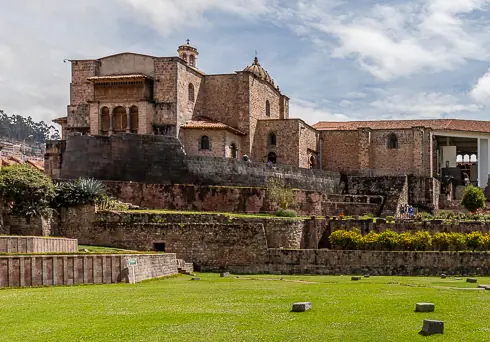
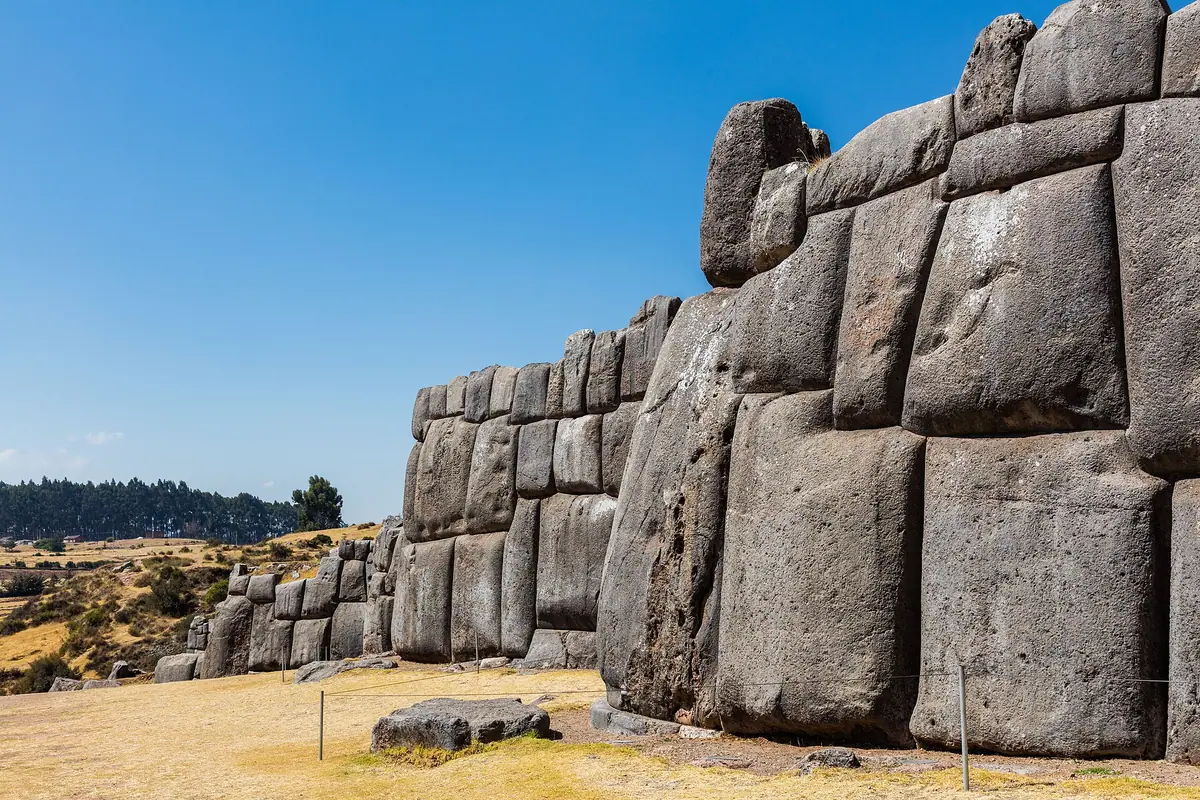
You do not even need to leave Cusco for your first taste of Inca stonework. Sacsayhuamán, a 20-minute walk uphill from the historic centre, is built from blocks so large and so precisely fitted that the joints barely admit a knife blade. The nearby sites of Q'enqo, Puka Pukara and Tambomachay can be strung together on foot or by taxi in an afternoon; a single multi-site ticket covers most of them and stays valid for several days, so there is no rush.
Time your visit for late afternoon if you can. The light goes amber across the valley, the tour buses have gone, and the scale of the walls finally registers.
Practical Rhythm: Seasons, Altitude and Sequencing a Week
Cusco's weather splits cleanly. The dry season runs from May to September: sunny, cold at night, dusty, and ideal for hiking. October and November bring a shoulder season with greener hills and fewer people. From December through March, afternoon downpours are routine, trails get slick, and flights can be delayed — but prices drop and the valleys are lush and empty. April is a quiet sweet spot with drying trails and softer light.
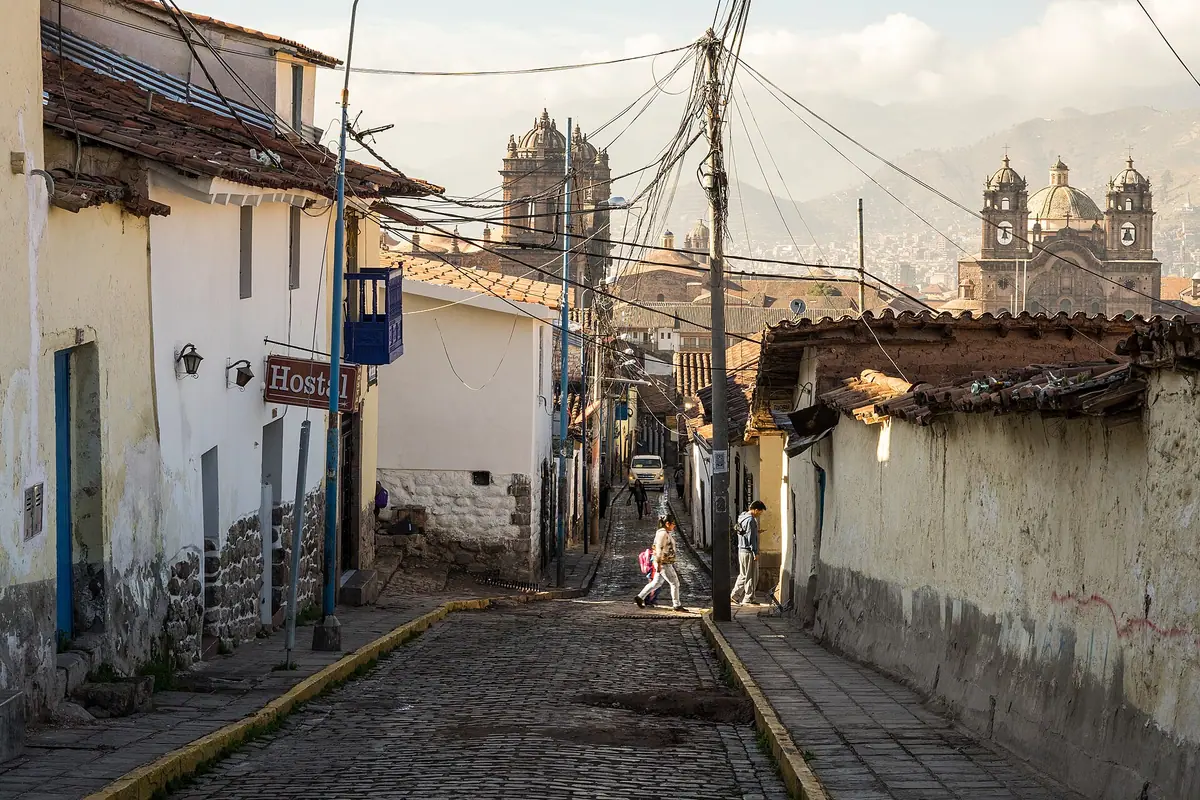
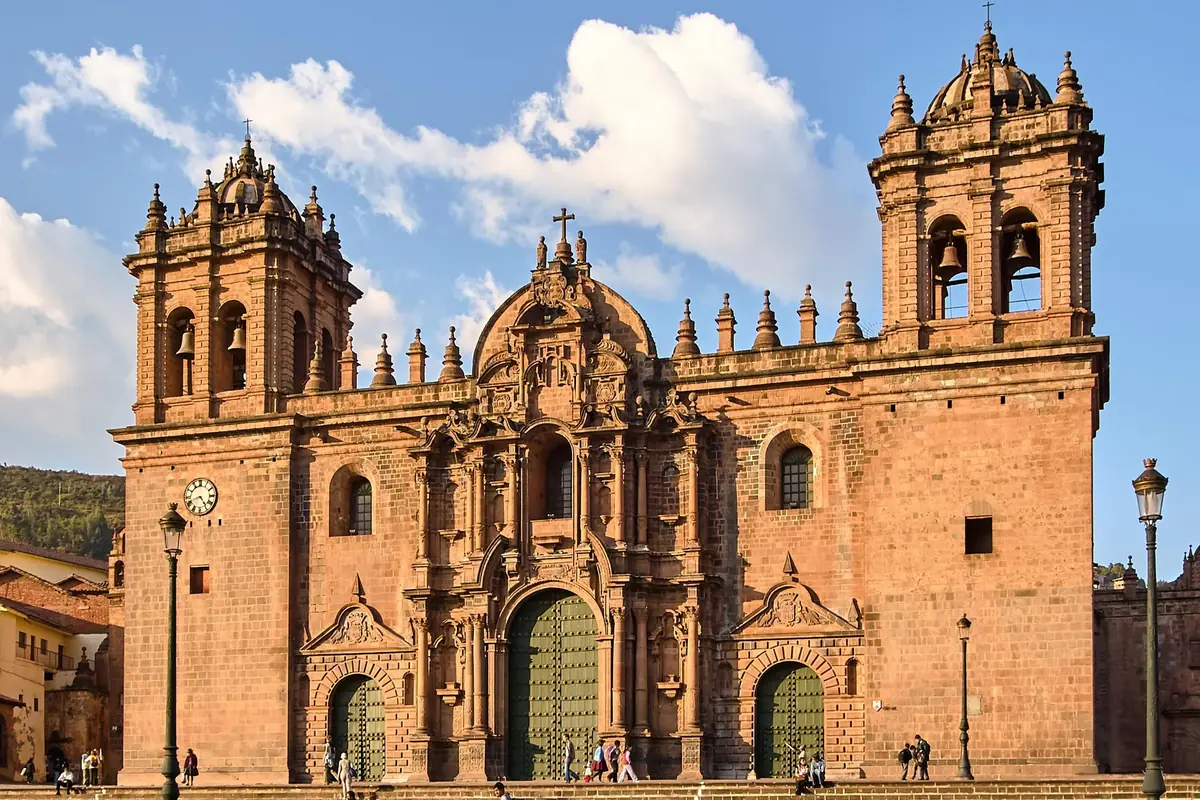
Altitude is the variable that decides how much you enjoy any of this. Plan your first two days in Cusco gently: wander San Blas, visit the cathedral and the Inca museum, eat light, sleep early. Save Rainbow Mountain, Laguna Humantay and any long hike for day three onwards, and consider starting with the Sacred Valley, which is lower than the city. Coca tea, plenty of water, and a slow pace do more good than any supplement.
For transport, group minivans are the cheapest and most sociable way to reach the Sacred Valley and Rainbow Mountain, while private cars offer flexibility for Maras, Moray and the South Valley. Shared taxis and local buses cover the shorter runs. Whatever you choose, carry layers, sunscreen, a hat, rain shell, cash in small notes, and your passport if Machu Picchu is on the itinerary. A sensible week looks like this: city and ruins, Sacred Valley, Maras and Moray, Machu Picchu, a rest day, then Rainbow Mountain last — once your lungs have caught up with your ambitions.
Frequently asked questions
How many days do you need in Cusco for day trips?
Four to six full days is comfortable. That allows for acclimatisation, the Sacred Valley, Maras and Moray, Machu Picchu, and one high-altitude hike such as Rainbow Mountain, without forcing everything into a rushed schedule.
Can you visit Machu Picchu as a day trip from Cusco?
Yes, but expect a 4am start and only three to four hours inside the site. Staying one night in Aguas Calientes is far more rewarding, since you can enter at opening and see the citadel before the crowds build.
What is the best month for day trips around Cusco?
May through September offers the driest trails and clearest views, especially for Rainbow Mountain and Machu Picchu. April and October are quieter shoulder months with decent weather, while December to March is wet but green and less crowded.
Is Rainbow Mountain safe for everyone?
It sits near 5,000 metres, so altitude sickness is a genuine risk. Only go after two or three nights in Cusco, walk slowly, hydrate well, and turn back if you feel dizzy or nauseous. Horses are available for the climb if needed.
Do you need a tour to see the Sacred Valley?
No. Shared minivans, local buses and taxis connect Cusco with Pisac, Urubamba and Ollantaytambo, so you can build your own route. Organised groups are simply easier if you want several stops in one day without planning transport.

