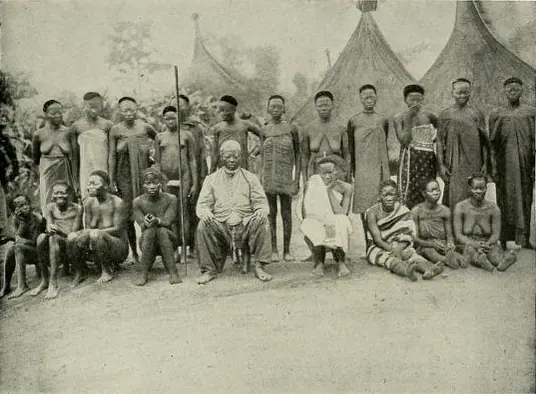
The Central African Republic is one of the least-visited places on earth, and its hotel scene reflects that: thin, scattered, and occasionally superb in the most unexpected corners. Stay here and you trade lobby marble for generators, bucket showers and forest clearings filled with elephants at dawn.
Where Hotels in the Central African Republic Actually Exist
Let's be straightforward: this is not a country where you browse a dozen listings and compare pillow menus. Almost all of the country's conventional hotel stock sits in Bangui, the capital on the Oubangui River. Outside the city, accommodation thins out fast into mission guesthouses, roadside block-built lodges with ceiling fans, park rest houses and a small number of genuinely lovely forest camps in the far southwest. For travellers here on research, conservation or aid work — or simply chasing somewhere almost nobody else goes — that scarcity is part of the appeal.
Expect the basics to work differently. French and Sango are the working languages, power flickers on and off, and air conditioning is a bonus rather than a given. Ask at check-in when the generator runs, whether the water tank is full, and whether the room has a mosquito net and a working fan. Bottled or filtered water is the norm; plug sockets are the European two-pin type at 220 volts, so bring an adaptor and a small torch.
Because so few places list online reliably, the practical route is to telephone or email directly, ask for written confirmation, and always keep a fallback address in your notes. In Bangui a comfortable mid-range room with air conditioning, a pool and a restaurant is achievable; in provincial towns you are often paying for a clean bed, a lockable door and a shower that may be a bucket and a jug.
Bangui: The Country's Only Real Hotel City
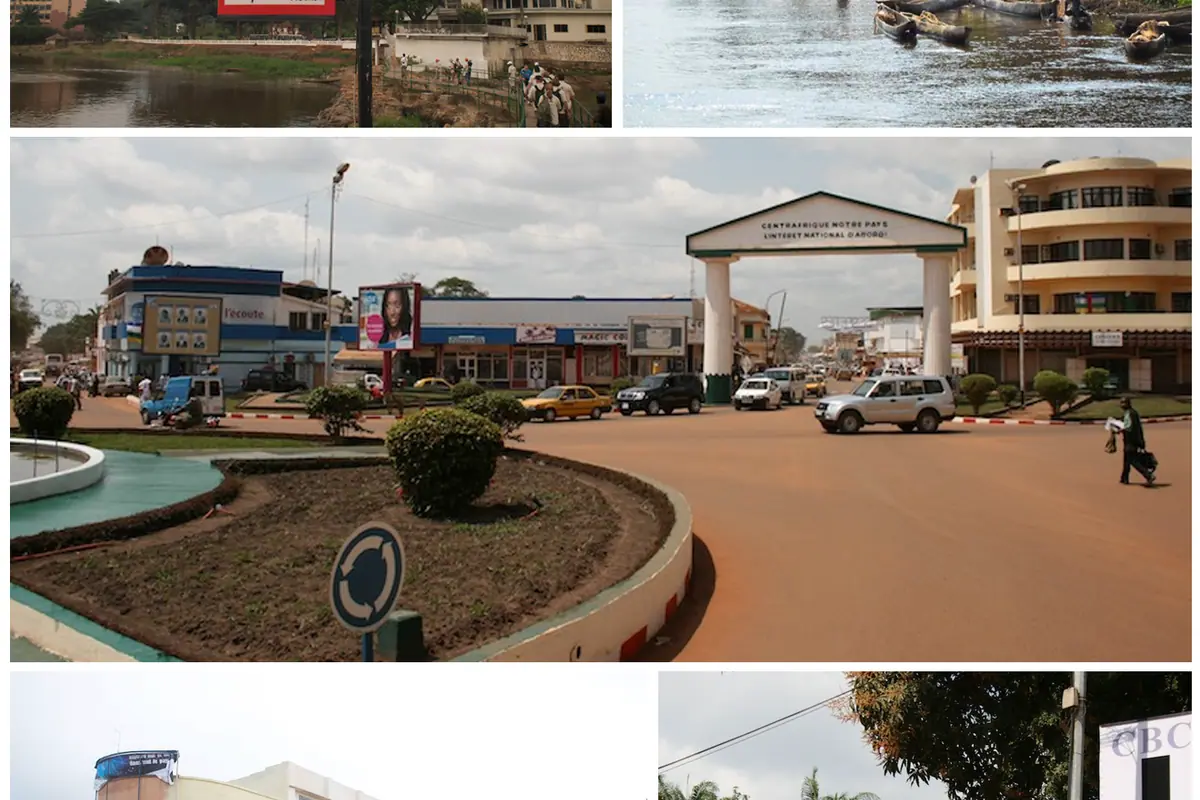
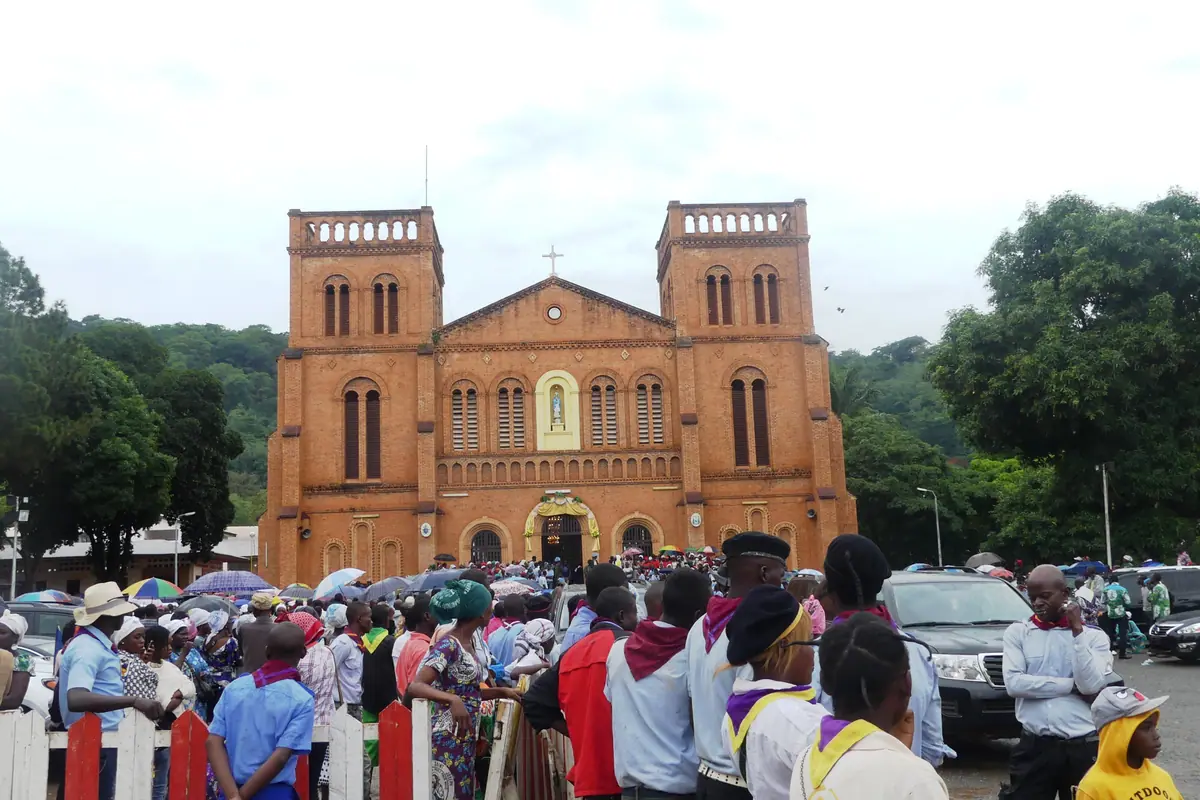
Bangui curls along the Oubangui River, and its best-known landmark is the great brick Notre-Dame Cathedral of the Immaculate Conception, set on rising ground above the centre. Nearby, the Boganda Museum — named for the country's founding political figure — holds an intimate collection of masks, drums, harps and hunting gear that gives context to everything you'll see upcountry. Down by the water, the Marché Central spills over with cassava, smoked fish, bright wax-print cloth and traditional medicines, while pirogues slide past the Presidential Palace and the riverfront at dusk, when the light goes copper and the whole city seems to exhale.
Most accommodation clusters in the central districts near the river and along the main arteries toward the airport. You'll find a handful of larger hotels with pools, restaurants and reliable generators that cater to visiting delegations and long-stay professionals, plus a layer of simpler guesthouses and small hotels with tiled floors, air conditioning in some rooms and secure courtyards. The stadium district and the residential streets behind the cathedral are quiet at night; the market area is lively but not where you want to be wandering after dark.
Book ahead if you're arriving between November and March, when visiting traffic peaks, and ask your hotel to arrange an airport pickup — the drive into town is short but easier with someone who knows the routine. Evening meals are usually taken at your hotel or at one of the handful of restaurants in the centre; moving around after nightfall is best kept to a minimum and done by car.
Boali Falls, Bouar Megaliths and the Western Road
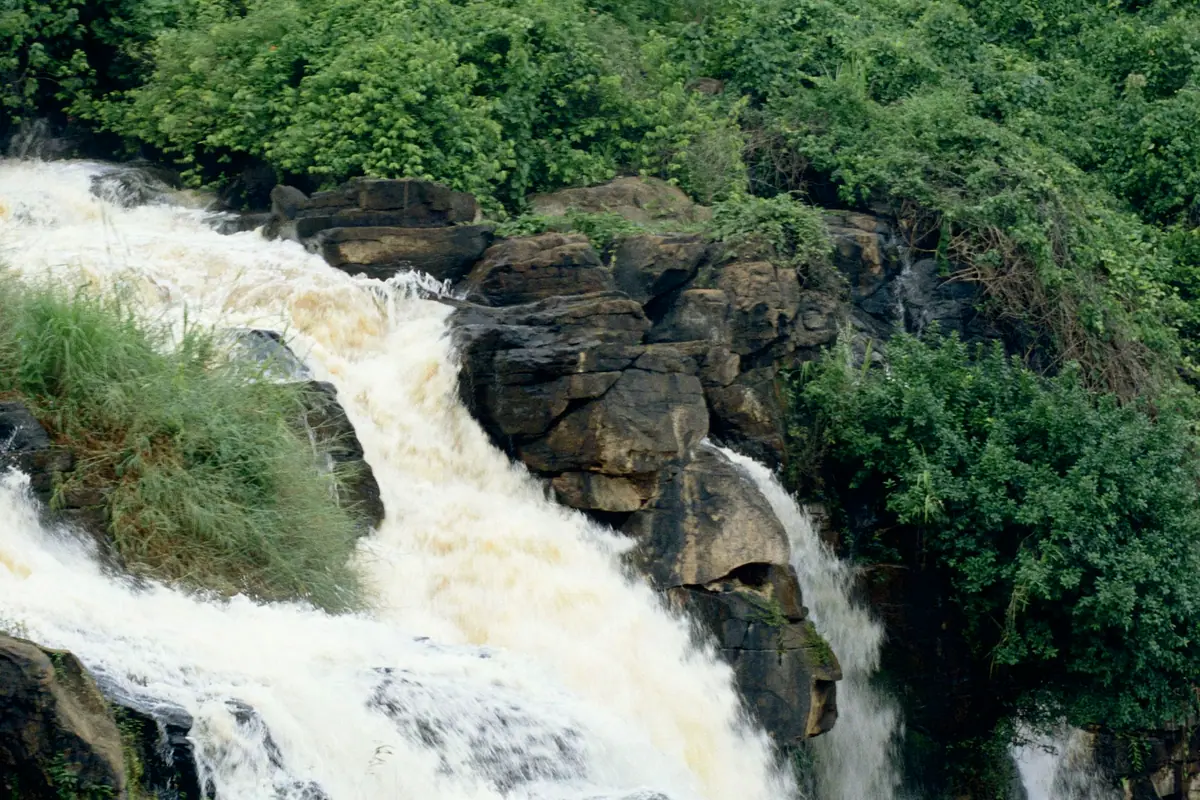
About ninety kilometres northwest of Bangui, the Chutes de Boali drop roughly fifty metres over a rocky lip beside a small hydroelectric station — a dramatic, mist-soaked sight that makes an easy overnight escape from the capital. There are simple guesthouses and rest houses in the little town, plus a handful of rooms near the falls themselves; go in the dry months between November and March for passable roads and a cleaner cascade, and expect a rough, slow onward drive if you continue west.
That road leads toward Bouar, surrounded by one of Africa's strangest archaeological landscapes: hundreds of megalithic monuments, locally called tata, arranged in circles and alignments across the savanna. Beyond lie Berbérati and Carnot, trading towns with basic hotels, markets and a warm, unhurried rhythm. Accommodation out here is plain — a bed, a fan, sometimes a shared bathroom — but mission guesthouses in the region often offer the most dependable rooms, and a letter of introduction or a local contact smooths the way considerably.
This western loop rewards patience. Fuel can be sporadic, the tarmac gives way to red laterite, and distances that look short on paper take far longer than you expect. Build in slack, travel by day, and treat any hot shower as a small victory.
Dzanga-Sangha: Forest Camps and the Dzanga Bai Elephants
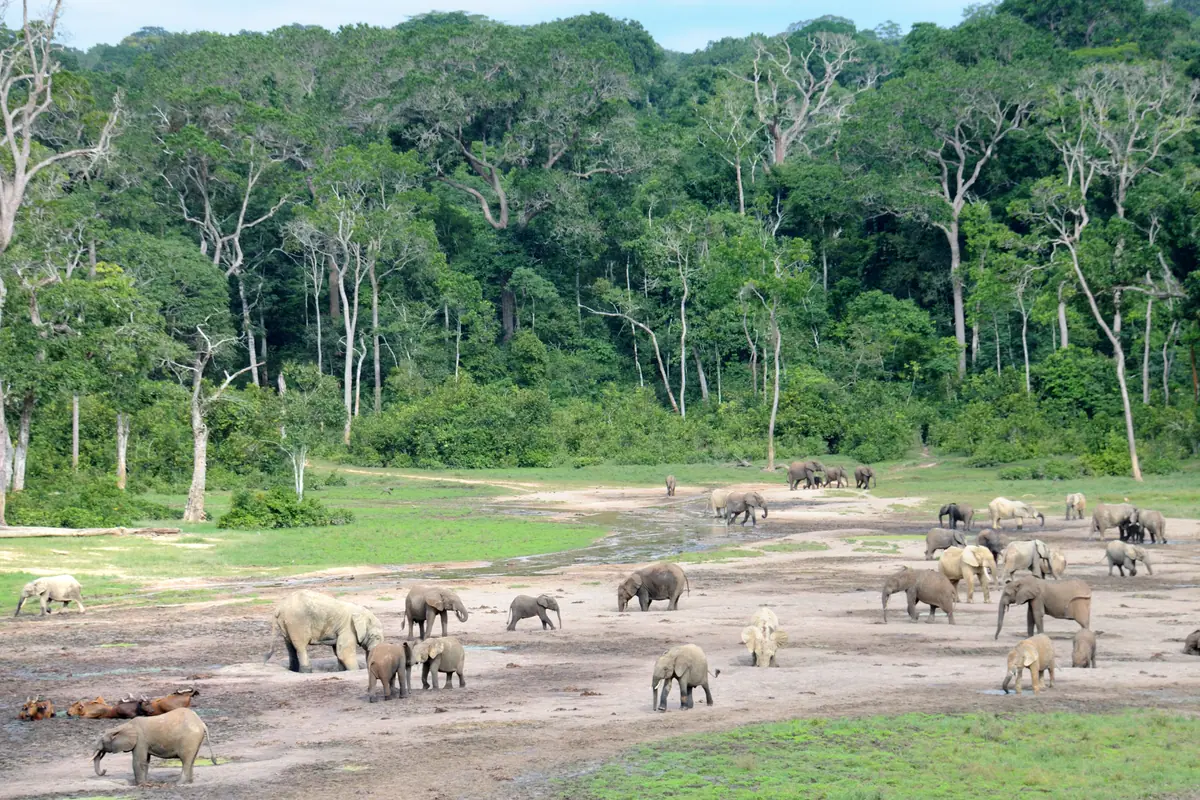
The southwest corner of the country, where the Sangha River marks the border with Cameroon and Congo, is the Central African Republic's crown jewel. The Dzanga-Sangha Special Reserve and the adjoining Dzanga-Ndoki National Park form part of a vast tri-national rainforest World Heritage landscape, and the small settlement of Bayanga is the base for exploring it. The star attraction is Dzanga Bai, a mineral-rich forest clearing where forest elephants gather in extraordinary numbers — sometimes dozens at a time — along with bongo, sitatunga and buffalo. Nearby at Bai Hokou, guided tracking gets you within metres of habituated western lowland gorillas, and pirogue trips on the Sangha River reveal hornbills, kingfishers and riverine villages.
This is where the country's most memorable lodging lives: a few low-key forest camps and community-run lodges with solar power, open-air dining, cold drinks, mosquito-netted beds and guides who know the trails intimately. Rates almost always include full board and activities, so you're paying for the whole experience rather than just a room. Book months in advance, especially for the December to February dry season, when trails dry out, gorilla tracking is at its best and the bai is thronged with elephants.
Getting there is part of the adventure: a long, dusty drive from Bangui in the dry season, or a light aircraft to a laterite airstrip near Bayanga. Bring sturdy boots, long sleeves, a headlamp and plenty of patience for early starts — most wildlife activity happens at first light.
The Wild North and East: Manovo-Gounda St Floris and Beyond
In the far north, Manovo-Gounda St Floris National Park spreads across rolling savanna and sandstone massifs — a World Heritage site that has suffered terribly from poaching but remains one of the great wild landscapes of the continent. Adjoining it, Bamingui-Bangoran National Park protects a similar mix of woodland and floodplain, while the remote Chinko reserve in the east covers an immense sweep of forest and grassland. Mount Ngaoui, the country's highest point at around 1,420 metres near the Cameroon border, rises from the western highlands.
There are essentially no conventional hotels here. What exists is a scattering of park rest houses, basic government and mission lodgings, and campsites where you bring everything — water, fuel, food, mosquito nets, a vehicle that can handle sandy tracks. Reaching these areas typically requires permits, a reputable local operator and a serious time commitment; Ndélé's old sultan's palace and the frontier town of Birao make intriguing stopovers if your itinerary stretches that far.
Be realistic about current conditions: large parts of the north and east are subject to travel advisories and periodic insecurity, and access can change with little notice. Check the latest guidance before committing, and never travel these routes without local knowledge.
Practical Wisdom: Seasons, Safety, Money and Room Tips
The dry season from November to March is the comfortable window: dusty roads, easier travel, and the best wildlife viewing, with December to February especially good for Dzanga Bai and gorilla tracking. The rains arrive around May and persist into October, turning laterite roads into slicks and making upcountry journeys slow or impossible. Temperatures sit high year-round, so lightweight clothing, sun protection and repellent matter more than layers.
Money is straightforward in theory and fiddly in practice. The local currency is the Central African franc, and cash is king — change money in Bangui rather than relying on provincial services, keep small notes for tips and market purchases, and carry enough for fuel, permits and emergencies. Health preparation is essential: yellow fever vaccination is typically required for entry, malaria prophylaxis is strongly advised, and you should stick to bottled or treated water and well-cooked food.
Finally, respect the rhythm of the place. Ask before photographing people, particularly around markets and villages; greet in French or Sango before launching into questions; and tip guides, drivers and porters, whose local knowledge is what makes a trip here possible at all. Travel insurance that covers medical evacuation is not optional — it's the single most important thing in your bag.
Frequently asked questions
Is it safe to stay in hotels in the Central African Republic?
Bangui is generally manageable with sensible precautions — stay in the central districts, avoid moving around after dark, and use hotel-arranged transport. Outside the capital, and especially in the north and east, security conditions vary and large areas carry travel advisories. Check your own government's current guidance and use local contacts before travelling beyond the city.
When is the best time to visit?
November to March is the dry season and by far the easiest time to travel, with passable roads and comfortable heat. December to February is ideal for Dzanga-Sangha, when forest elephants crowd Dzanga Bai and gorilla tracking at Bai Hokou is at its most rewarding.
How do I book a hotel here?
Directly, by phone or email, well in advance. Reliable online listings are scarce, so request written confirmation of your room, rate and airport transfer, and keep a backup address. Forest camps in the Dzanga-Sangha area should be booked months ahead, particularly for the December to February peak.
What should I expect in a typical room?
In Bangui's mid-range hotels: air conditioning, a private bathroom, a restaurant, a pool at some properties, a generator for power cuts and patchy Wi-Fi. Upcountry, expect a clean bed, a fan, a mosquito net and possibly a bucket shower. Bring a torch, a European two-pin adaptor, water treatment and cash.
What entry and health requirements apply?
Most visitors need a visa arranged in advance through an embassy, plus a yellow fever vaccination certificate. Malaria prophylaxis is strongly recommended, tap water should be avoided in favour of bottled or treated supplies, and comprehensive insurance including medical evacuation is essential given the limited medical facilities outside the capital.
Plan it — hotels in Central African Republic
Live search, booked directly with trusted providers.
Sort the rest of your trip
Everything for Central African Republic, in one place
Transfer in Central African Republic
Private driver waiting on arrival — no queues, no surprises.
Book a transfer
Things to do in Central African Republic
Skip-the-line tickets, guided tours and standout experiences.
See experiences
Stay online in Central African Republic
Travel eSIM — data the moment you land, no roaming bills.
Get an eSIMMore guides in Central African Republic
Best Time to Visit Central African Republic: Seasons, Hotels and Must-See Sights
Things to Do in the Central African Republic: Waterfalls, Forest Elephants and Bangui's Landmarks
Central African Republic in One Week: A Fly-In Itinerary from Bangui to Dzanga-Sangha
Best Places to Visit in the Central African Republic: Forest Elephants, Falls and Forgotten Forests