Central African Republic rewards travellers who plan around its weather rather than against it — a country where a single month's difference can mean a dusty, sunlit drive to thundering falls or a week of clay roads and cancelled flights. Here is how the seasons shape the hotels, the wildlife clearings and the great landmarks of the interior.
Two Seasons, One Big Decision: How CAR's Calendar Works
Central African Republic sits just north of the Equator, so it never really gets cold — but it swings hard between soaked and dry. Broadly, the dry season runs from November to March and the wet season from April or May through October, with the heaviest downpours landing between July and September. The south, where Bangui sprawls along the Oubangui River and the rainforest begins, is the wettest part of the country, soaking up well over a metre of rain a year. The northern savannas around Bouar, Bamingui-Bangoran and the Cameroon border stay dry for longer, often from November right through April.
That split matters because it dictates where your hotel is, not just when you go. A forest camp on the edge of the Sangha rainforest lives and dies by the condition of laterite tracks and the small airstrips that supply it, while a city guesthouse in Bangui barely notices the rain beyond a flooded courtyard and a slower taxi ride. In the north, the reverse is true: distances are longer, villages are further apart, and a well-timed dry-season window is the difference between reaching a park and turning back at a washed-out crossing.
Temperature adds a second layer. February and March are the furnace months, when the mercury can push past 35°C in the capital and higher still in the savanna, and air conditioning in a hotel room stops being a luxury and becomes the reason you sleep. December and January are noticeably gentler, with evenings in the north cool enough for a light jacket, and a dusty harmattan haze drifting down from the Sahel that softens the light and dulls distant horizons.
The Sweet Spot: December to February
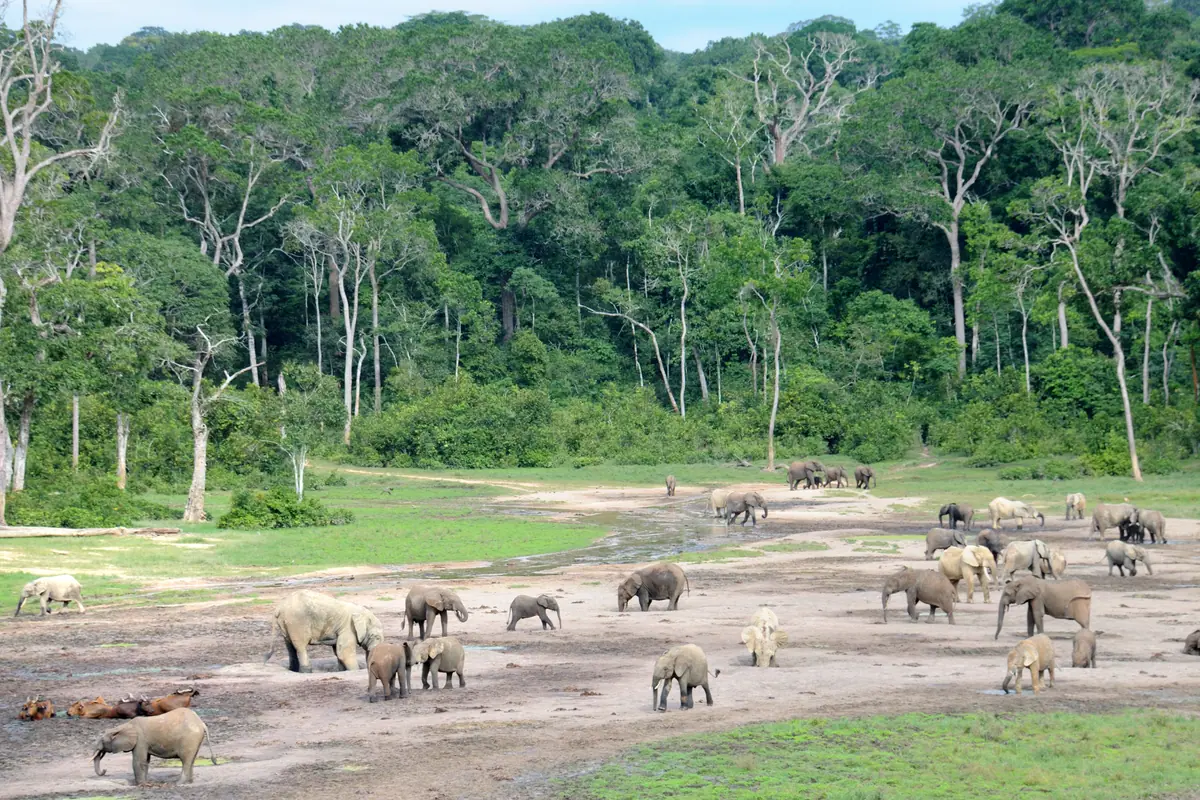
If you have one window to choose, take the turn of the year. From early December through February the rains have stopped, the laterite roads have firmed up, and the forest trails around Bayanga are at their most walkable. This is also when Dzanga Bai, the famous mineral-rich clearing deep in the southwestern rainforest, draws its greatest crowds of forest elephants — sometimes dozens at a time, filing out of the green gloom to dig for salts with their tusks. It is one of the great wildlife spectacles of the Congo Basin, and the dry months are when it delivers most reliably.
The same window is the best time for tracking habituated western lowland gorillas in the dense forest nearby, and for the long boat and vehicle transfers that connect the lodges around Bayanga with the Sangha River. Expect forest camps rather than conventional hotels out here: simple timber-and-thatch rooms, cold showers or bucket showers, generator power that often shuts down late in the evening, and the extraordinary waking chorus of the forest instead of traffic.
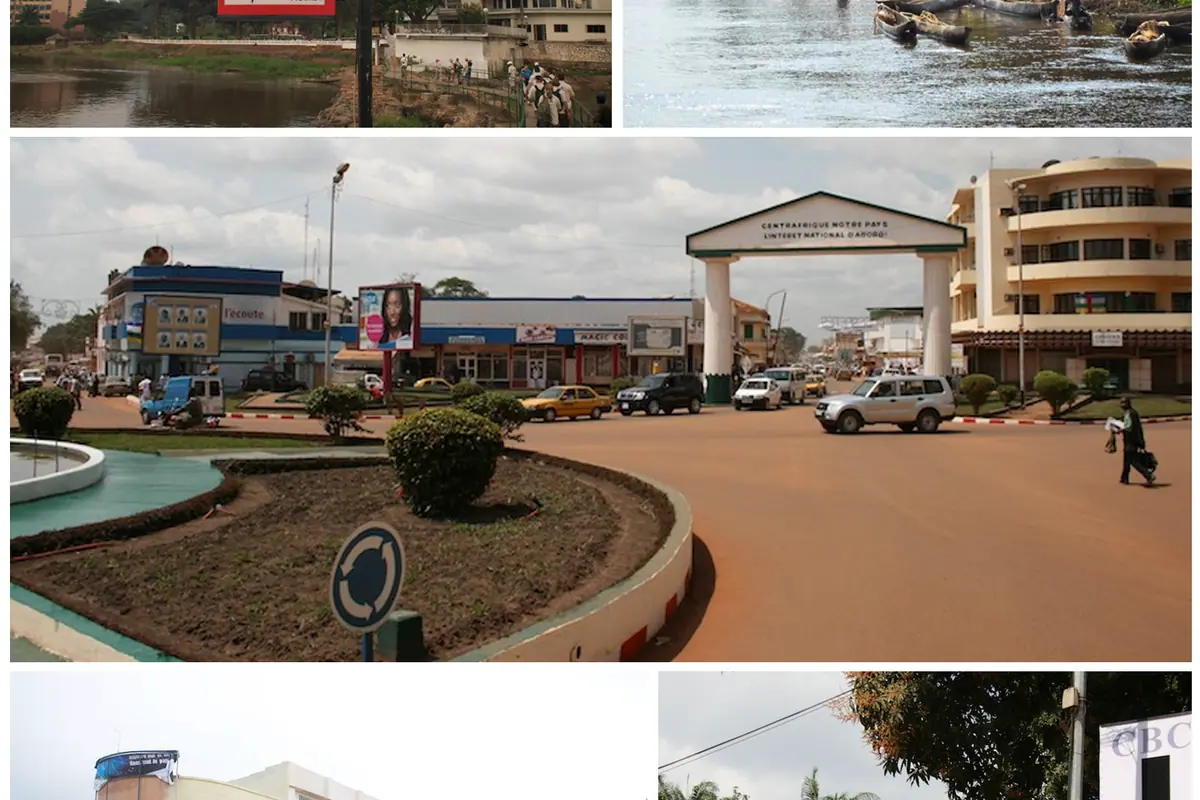
In Bangui, December to February is the season for actually enjoying the city rather than sheltering from it. You can spend a morning at the ethnographic museum that preserves the country's musical instruments, masks and hunting gear, wander the stalls of the central market, walk the riverfront where the Oubangui slides past the presidential palace, and still have time for an afternoon run out to the falls at Boali, roughly 95 kilometres north on a paved road. Hotel rooms in the capital are at their most sought-after in this period, so book well ahead — especially around the Christmas and New Year holidays, when the handful of comfortable properties fill quickly.
March to May: Heat, Haze and Bargain Rooms
March is the tail of the dry season and the hottest, most punishing month of the year. Roads remain passable and the skies stay clear, but sightseeing becomes a dawn-and-dusk affair, with the middle of the day given over to shade, cold drinks and a hotel room with working air conditioning or at least a decent fan. April and May bring the first rains — short, violent afternoon storms that knock the dust down, green the landscape almost overnight and bring the mangoes into the markets.
This shoulder period has real advantages for anyone watching their budget. Visitor numbers dip, and smaller guesthouses in Bangui and Berbérati become far more open to negotiation, particularly for stays of several nights. The heat is still a factor, and humidity climbs as the rains arrive, but the countryside is at its most photogenic: farmers planting, rivers rising, and the forest edge thick with new growth.
It is also a good window for the western part of the country. The megalithic stone monuments scattered around Bouar — rows of carved standing stones that locals call tata, set in fields and along tracks — are at their most accessible before the heaviest rains arrive, and the town makes a useful base while you explore them. Carry a rain shell even in March; the first storms come in fast and hard, and there is little shelter on the road.
June to October: The Green Season Trade-Off
From June onwards the rains settle in for the long haul, peaking between July and September. This is the season that closes things: rural laterite roads turn into slick, rutted clay, small bridges wash out, and several forest camps and rural guesthouses simply shut their doors until the weather turns. Flights into the airstrip serving the southwestern rainforest become less predictable, and the long overland route down to Bayanga can turn into a multi-day ordeal rather than a rough but manageable drive.
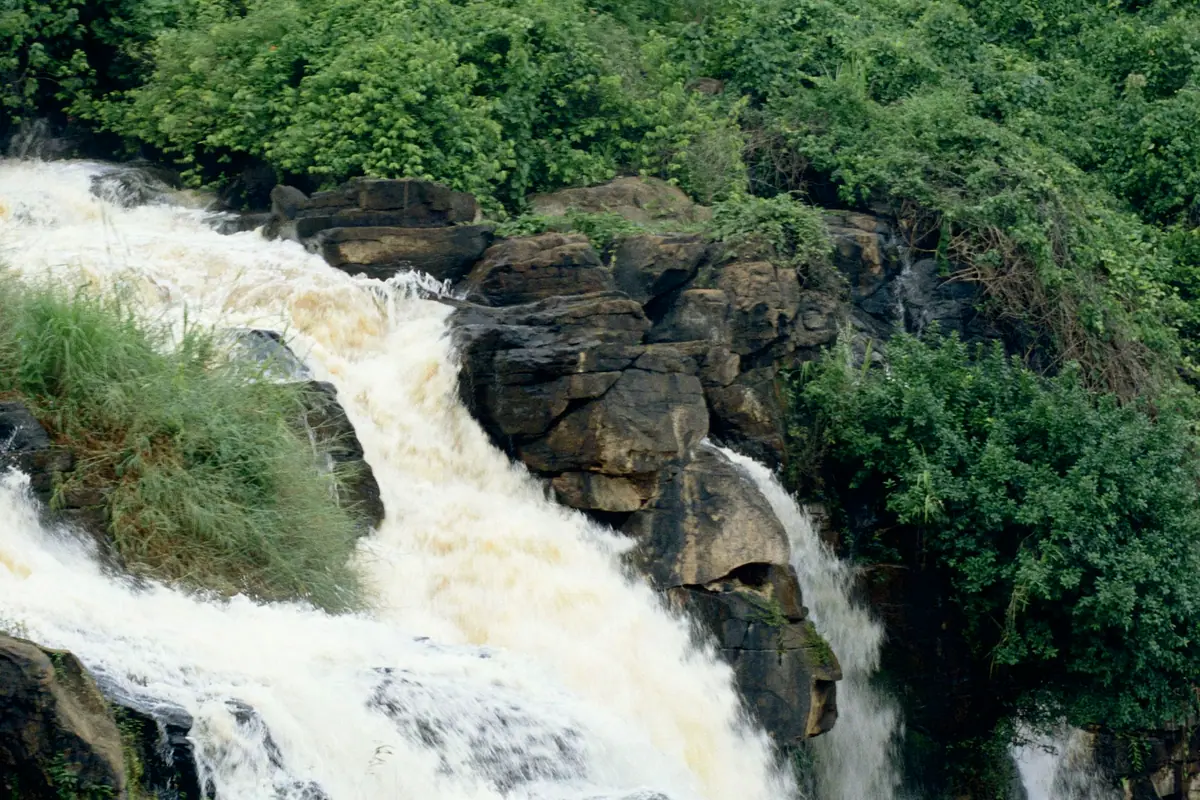
What you gain in return is a landscape in full flood and a much quieter country. The Boali Falls, on the Mpoko River north of the capital, thunder hardest late in the rains, when the whole river spreads into a broad curtain of white water. The forest fills with butterflies, frogs and the noise of birds, and hotel rates in Bangui soften considerably, with rooms readily available at short notice. If you are in the country for work rather than safari, the wet months are perfectly manageable in the capital — just build in extra time for any travel beyond it.
The northern savanna parks, including the great plains of Manovo-Gounda St Floris and Bamingui-Bangoran, are effectively off the table in this period; their tracks are impassable and their wildlife disperses. Plan those for the dry months or not at all, and be realistic about the security picture before committing to any remote travel in the north.
Must-Visit Landmarks and the Best Season for Each
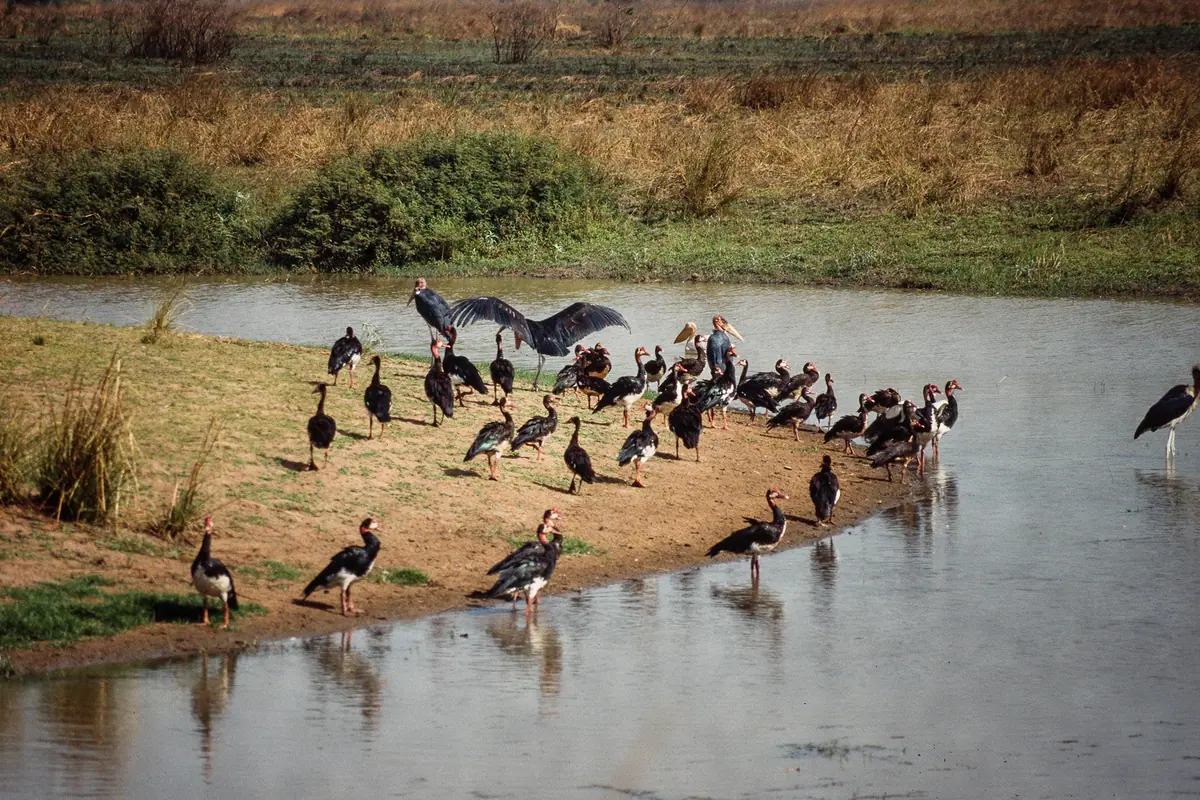
The country's signature natural attraction is the rainforest complex in the southwest, anchored by Dzanga-Ndoki National Park and the surrounding reserve around Bayanga. Dzanga Bai, the elephant clearing, is at its best from December to February, when the dry season concentrates animals at the mineral pools. The same months suit gorilla tracking at the forest sites where small groups hike with local trackers, although the forest is visitable for much of the year if you can tolerate mud and leeches.
Near the capital, the Chutes de Boali is the easy, unmissable day trip — a wide, powerful waterfall on the Mpoko River, reached by a paved road that stays open year-round, though the flow is most dramatic at the end of the wet season in September and October. In Bangui itself, the Barthélémy Boganda Museum, the cathedral and the bustling central market give a compact introduction to the country's cultures, and the Oubangui riverfront offers sunset views towards the far bank.
Further afield, the standing stones of Bouar in the west are best visited between November and April; Mount Ngaoui, the country's highest point on the Cameroon border, is a dry-season hike; and the rapids near Zinga, where the Oubangui becomes navigable, are a rewarding boat outing in the drier months. The northern parks are dry-season-only propositions, and should only be considered if the security situation in that region is genuinely calm.
Booking, Packing and Practicalities for CAR Hotels
Hotel booking here is old-fashioned: only a small number of properties accept online reservations, and many rural lodges and guesthouses are arranged by phone, email or through a local contact. Confirm in writing what you are actually getting — air conditioning or just a fan, generator hours, whether water is pumped to the room or delivered in a bucket, and whether mosquito nets are provided. In Bangui you can choose between simple guesthouses and a small clutch of international-standard hotels with restaurants, pools and backup power; outside the capital, expect forest camps, mission guesthouses and modest town hotels.
Pack for both extremes. A light rain shell, quick-drying clothes, a headlamp, a power bank, insect repellent, rehydration sachets and a basic medical kit will serve you better than anything fancy. Carry cash in Central African CFA francs, since card payments are rare outside a few Bangui establishments, and keep small notes for fuel, tips and roadside purchases. Most visitors need a visa arranged before arrival, and a yellow fever vaccination certificate is required to enter; malaria prophylaxis is strongly advised.
Finally, plan around daylight. Road travel after dark is best avoided anywhere in the country, and a dry-season itinerary with earlier starts will always beat a wet-season one that fights the weather. Check your government's current travel advice before booking anything, stay flexible about the southwest's airstrip connections, and treat the December-to-February window as your target — then let the rest of the trip arrange itself around the roads, the rain and the elephants.
Frequently asked questions
What is the best month to visit Central African Republic?
December, January and February are the strongest months overall. The rains have stopped, laterite roads are firm, evenings are cooler, and the forest clearings in the southwest draw their largest gatherings of elephants. Bangui hotel rooms are also in highest demand in this window, so book early.
Can you visit Dzanga-Sangha in the wet season?
Partly. Some forest camps close and airstrip connections become unreliable between June and October, while trails turn to deep mud. If you do go in the green season, allow extra days and expect lower rates but reduced wildlife visibility.
What are hotels like in Bangui?
The capital has a small number of international-standard hotels with restaurants, pools and backup generators, plus plenty of simpler guesthouses and budget rooms. Power cuts and water interruptions are common, so confirm what is guaranteed before you book.
Do I need a visa and vaccinations for CAR?
Most nationalities need a visa arranged in advance, and a yellow fever vaccination certificate is required for entry. Malaria prophylaxis, typhoid and hepatitis A precautions are also recommended, along with travel insurance that covers medical evacuation.
When should you avoid travelling in Central African Republic?
The heaviest rains of July, August and September make rural roads and northern parks largely impassable. Security conditions also vary by region and change quickly, so check current government travel advice and avoid remote northern and eastern areas unless the situation is clearly stable.
Plan it — hotels in Central African Republic
Live search, booked directly with trusted providers.
Sort the rest of your trip
Everything for Central African Republic, in one place
Transfer in Central African Republic
Private driver waiting on arrival — no queues, no surprises.
Book a transfer
Things to do in Central African Republic
Skip-the-line tickets, guided tours and standout experiences.
See experiences
Stay online in Central African Republic
Travel eSIM — data the moment you land, no roaming bills.
Get an eSIMMore guides in Central African Republic
Hotels in the Central African Republic: Where to Stay and What to See
Things to Do in the Central African Republic: Waterfalls, Forest Elephants and Bangui's Landmarks
Central African Republic in One Week: A Fly-In Itinerary from Bangui to Dzanga-Sangha
Best Places to Visit in the Central African Republic: Forest Elephants, Falls and Forgotten Forests