Bulgaria hides its best hotel stays in plain sight: a Renaissance-era guesthouse above a cobbled Plovdiv lane, a Black Sea balcony a two-minute walk from a UNESCO peninsula, a pine-scented lodge under the Seven Rila Lakes. This is a country where your room is rarely just a bed — it is the front door to Thracian ruins, orthodox monasteries and ski slopes.
Why Bulgaria Punches Above Its Weight on Hotels
Few European countries pack so much variety into such a short drive. From Sofia you can be on the Black Sea coast in about five hours, wallowing in a mineral spa in Velingrad in two, or standing beneath the frescoed arcades of Rila Monastery in under two hours. That compactness shapes the hotel scene: cities have polished boutique properties in restored townhouses, the coast runs on seasonal resort blocks and family apartments, and the mountains and spa towns lean on small guesthouses and modern wellness hotels with indoor pools.
The vocabulary is worth learning before you book. A 'kyshta za gosti' is a guesthouse, often family-run, often with a garden and homemade breakfast; a 'spa hotel' usually means thermal mineral water piped straight into the pools, which is the norm in Velingrad, Devin, Hisarya and Sapareva Banya. Communist-era concrete towers have largely been refurbished, and while a few grand old properties in Sofia and Varna still carry a retro flavour, most rooms now come with reliable wi-fi, air conditioning and breakfast included.
Timing decides both comfort and crowds. July and August belong to the Black Sea and prices climb steeply in Nessebar, Sunny Beach and Sozopol; late December to early March belongs to Bansko and Pamporovo, when ski weekends sell out weeks ahead. The sweet spots are May to mid-June and September to mid-October, when city hotels are calm, mountain trails are open and the coast is still warm enough for a swim in early autumn. Cultural dates to plan around include Orthodox Easter, the Rose Festival in Kazanlak in early June and the opera and folklore gatherings that fill Plovdiv's Roman theatre in summer.
Sofia: Capital Comfort with Sights on the Doorstep
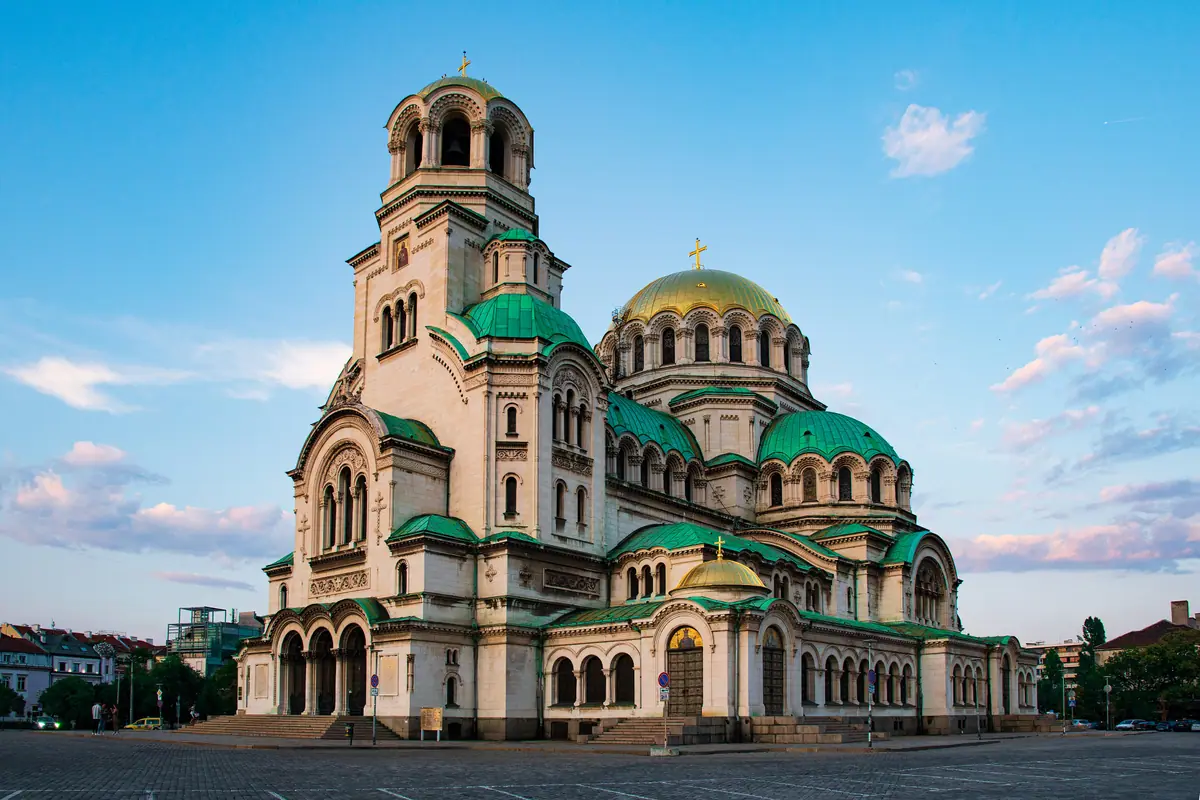
Sofia rewards staying central. Book within a few streets of Vitosha Boulevard and you can walk to almost everything that matters: the golden domes of Alexander Nevsky Cathedral, the red-brick rotunda of St George, the Roman ruins of Serdica exposed beside the presidency, the yellow-tiled Central Mineral Baths, and the cafés that spill across the paving around the National Palace of Culture. Two nights is enough for the headline sights; three lets you add the National History Museum and the UNESCO-listed Boyana Church, tucked into the wooded foothills of Mount Vitosha, where the 13th-century frescoes are astonishingly lifelike.
Accommodation splits loosely into three zones. The grid around Vitosha Boulevard and Graf Ignatiev Street holds mid-range and boutique hotels in 19th-century buildings, perfect for first-timers who want to step out into the evening. Oborishte and the streets near Doctor's Garden are quieter and greener, popular with longer stays, while the business district and airport corridor suit early flights and come with bigger rooms and gyms. A metro line runs from the airport to the centre, so a taxi is rarely necessary.
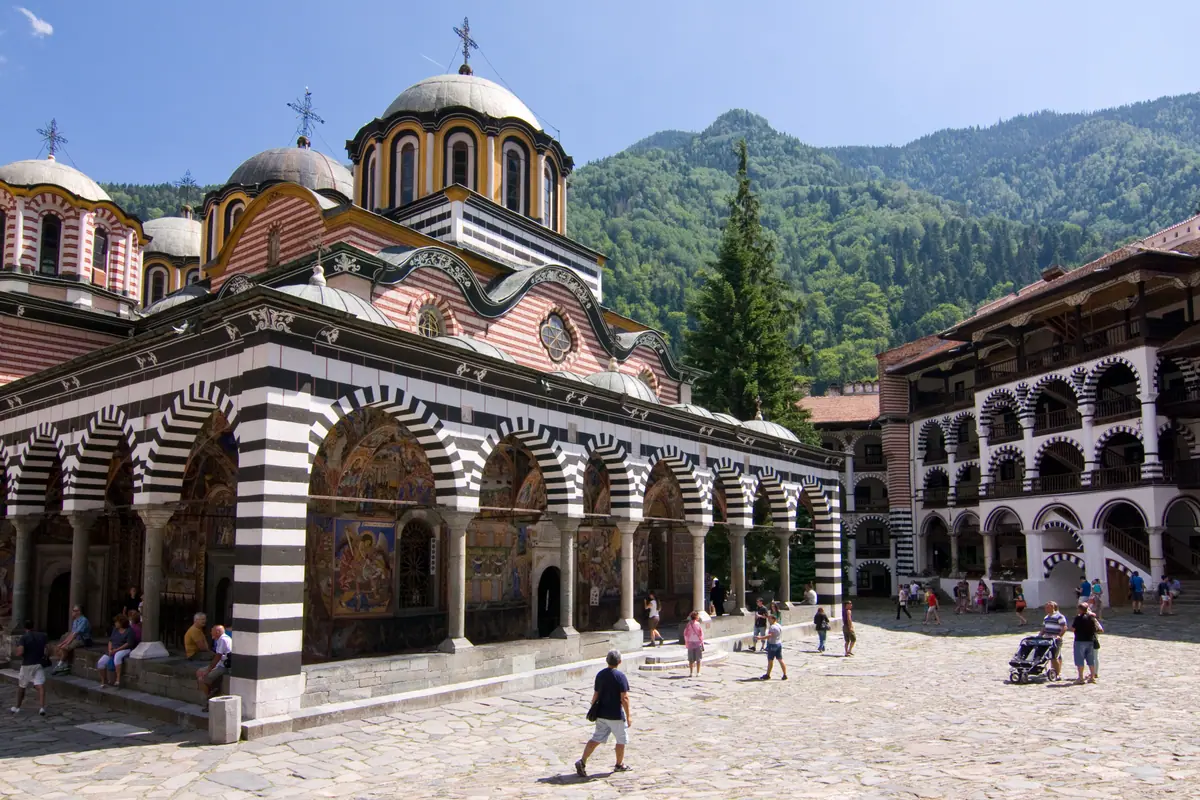
Sofia is also the best base for day trips. Rila Monastery, the country's most visited spiritual site, makes an easy full-day outing, and the Boyana Church pairs naturally with a walk or cable-car ride on Vitosha. If you prefer mountains at dawn, sleep in the foothills village of Boyana or in the spa town of Sapareva Banya, an hour south, where thermal pools steam under the pines.
Plovdiv: Old-Town Guesthouses Beside Roman Ruins
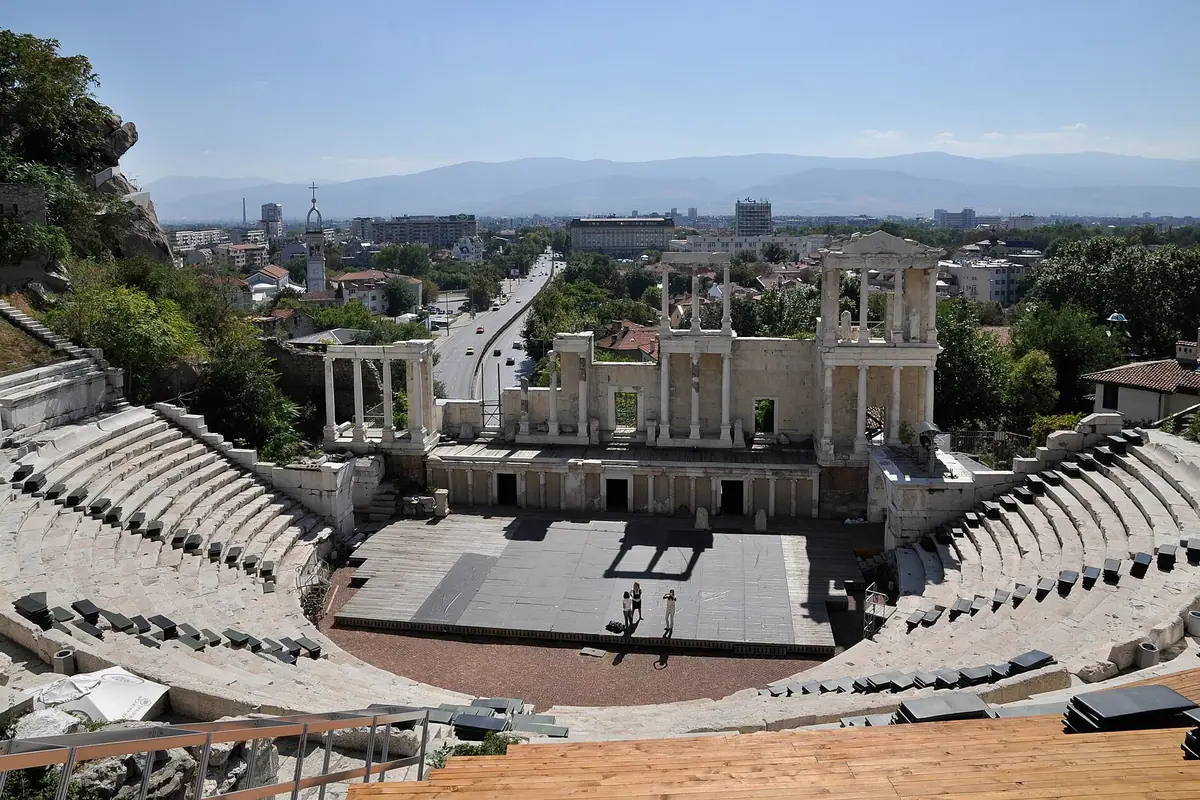
Plovdiv is where Bulgaria's hotel scene feels most romantic. The old town climbs three hills in a knot of cobbled lanes and National Revival houses with overhanging wooden balconies; many of those houses are now small hotels and guesthouses with walled gardens and views over the rooftops. Below them, the Kapana quarter — the 'Trap' — has turned into a grid of coffee roasters, wine bars and design studios, with a growing crop of stylish apartments and small hotels in converted workshops. Staying here means you can walk to dinner in five minutes and wake up above the Roman Stadium, whose tiers still sit beneath the main pedestrian street.
The must-see sights are knitted into the same few blocks. The Ancient Theatre of Philippopolis, a remarkably intact Roman auditorium carved into the hillside, still hosts summer performances; Nebet Tepe, the hilltop where the city began, gives the best sunset panorama; the Dzhumaya Mosque and the colourful main bazaar street sit just below. Allow two nights, or three if you want a half-day trip to Bachkovo Monastery and the rock chapel of the Holy Virgin, about half an hour's drive south through the Rhodope foothills.
Rooms in the old town tend to be characterful and slightly smaller, with stone walls and low timber ceilings; those in Kapana are more contemporary. Both are within easy walking distance of the train and bus stations via the pedestrian centre, so you can arrive from Sofia in around two hours and never touch a taxi.
Veliko Tarnovo and the Interior: Fortresses, Roses and Rock Formations
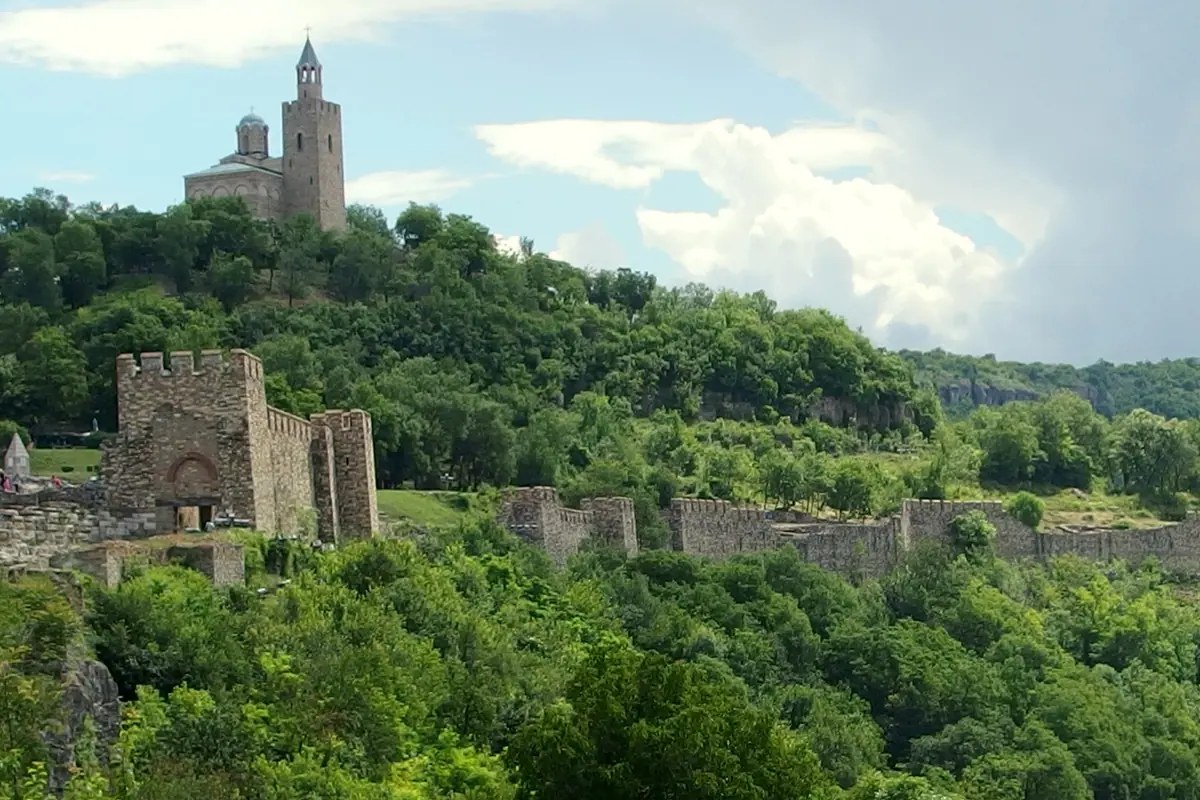
Veliko Tarnovo, the medieval capital, is built in terraces above the Yantra River, and its hotels are arranged accordingly. Upper rooms and terraces look straight at Tsarevets Fortress, the walled citadel whose illuminated silhouette is the town's signature image; the sound-and-light show staged there on summer evenings is best watched from a balcony. Below the fortress, the Samovodska Charshia crafts street is lined with workshops and small guesthouses, and the nearby village of Arbanasi offers restored merchant houses where you can sleep in rooms full of kilims and icons.
The wider interior rewards a night or two between Sofia and the coast. Kazanlak sits in the Rose Valley, home to the Thracian tomb with its painted beehive chamber and to the memorial church at Shipka Pass; the Rose Festival fills the town in early June, so book well ahead if you plan to attend. Further west, the Belogradchik Rocks — a natural wall of red sandstone figures with a Roman-built fortress squeezed into the gaps — has simple hotels and guesthouses in the town below, and the nearby Magura Cave is worth an hour of anyone's time.
Elsewhere in the interior, look for rural guesthouses in the foothills of the Balkan range, where dinners are long, local and heavy on grilled vegetables and sheep's cheese. These are the cheapest stays in the country and often the most memorable, but English can be patchy outside the big towns, so a translation app and a few Bulgarian phrases go a long way.
The Black Sea Coast: Varna, Nessebar and Sozopol
Bulgaria's coast is at its best when you match the town to the trip. Varna is a working city with a fine seaside park: the Sea Garden runs for kilometres along the cliffs, the Roman Thermae are among the largest ancient baths in the Balkans, and Aladzha Monastery is carved into the limestone just outside town. Stay near the Sea Garden or the pedestrian centre if you want culture and restaurants; stay north or south of the city if you want a pool and a sunbed.
Nessebar is the showpiece. Its old town occupies a small peninsula crammed with medieval churches, wooden houses and vine-shaded lanes, and it is a UNESCO World Heritage Site for good reason. Because the peninsula is tiny, most hotels sit on the mainland side, a five-minute walk across the isthmus — arguably the smarter choice, since you get parking, pools and quieter nights while staying inside the postcard. Do the churches early, before the day-trippers arrive, and linger after they leave. Sozopol, further south, offers a similar old-town feel with a more relaxed pace and easy access to sandy beaches.
Coastal seasonality is severe. Many hotels open in May and shut in October, prices peak in July and August, and the sea is warmest from mid-July to early September. September is the connoisseur's month: still swimmable, far less crowded, and cheaper. Families gravitate to the big resort strips, while couples and divers head for Cape Kaliakra and the quieter coves around Balchik, where a clifftop botanical garden overlooks the water.
Mountain and Spa Hotels: Bansko, Velingrad and the Rila Range
Bulgaria's mountains offer the country's best-value accommodation. Bansko, under the Pirin peaks, is a full-on ski town in winter with apartments, chalets and large spa hotels clustered around the gondola; in summer the same beds sell cheaply to hikers and digital nomads who come for the cool air and the trails into Pirin National Park. Book early for the weeks around New Year and for February half-term, when the resort is at its busiest, and check whether your hotel is genuinely ski-in or a fifteen-minute walk from the lift.
Rila Monastery deserves an overnight rather than a rushed day trip. Sleeping nearby — in the monastery guesthouse or a family hotel in the valley — lets you see the painted arcades and the museum in the soft early light before the coaches arrive. Above it, the Seven Rila Lakes are reached by chairlift and a half-day of walking; the trail is snow-free roughly from late June to early October, and mountain huts along the way take bookings by phone or through local hiking groups.
For wellness, head to Velingrad, the self-styled spa capital, where hotels pump mineral water into indoor and outdoor pools, or to Devin and Hisarya for smaller thermal towns with a gentler atmosphere. Rooms in these spa hotels usually include access to the pools and a generous breakfast, which makes them excellent value for a rest day between sightseeing stops. Bring a swim cap if you plan to swim laps — it is often expected.
Frequently asked questions
When is the best time to book a hotel in Bulgaria?
For city stays in Sofia, Plovdiv and Veliko Tarnovo, aim for May to mid-June or September to mid-October, when the weather is mild and rates are moderate. For the Black Sea coast, July and August are the warmest but the most crowded and expensive; early September is the best compromise. For skiing in Bansko and Pamporovo, book December to March well in advance, especially around the New Year.
Which Bulgarian city should I base myself in for a first trip?
Sofia makes the most practical base, with an airport, a metro and easy day trips to Rila Monastery and Mount Vitosha. If you have more time, split your stay: two or three nights in Sofia, two in Plovdiv for the old town and Roman theatre, and a night or two in Veliko Tarnovo for Tsarevets Fortress. In summer, add Nessebar or Sozopol on the coast.
What is a 'kyshta za gosti' and how is it different from a hotel?
It literally means 'guest house' — a small, often family-run property, usually with fewer than ten rooms, a garden and a homemade breakfast. They are common in old towns, mountain villages and near monasteries such as Rila. Expect more character and personal advice but fewer facilities: no lift, sometimes no 24-hour reception, and English that varies from fluent to basic.
Is it worth staying overnight in Nessebar or near Rila Monastery?
Yes, in both cases. Nessebar's peninsula is small, so most hotels sit just across the isthmus on the mainland, giving you parking and pools while the sightseeing crowds thin out in the evening. Near Rila Monastery, an overnight stay lets you visit the frescoed arcades before the day-trippers arrive and combine it with a hike to the Seven Rila Lakes.
Do Bulgarian hotels usually include breakfast and other extras?
Breakfast is included far more often than in Western Europe, particularly in spa hotels, guesthouses and coastal resorts. Spa hotels in Velingrad, Devin and Sapareva Banya typically bundle pool access with the room, while ski apartments in Bansko often come self-catering with a kitchenette. Parking is frequently free outside city centres, but in Sofia and Plovdiv old towns you should check before booking.
Sort the rest of your trip
Everything for Bulgaria, in one place
Transfer in Bulgaria
Private driver waiting on arrival — no queues, no surprises.
Book a transfer
Things to do in Bulgaria
Skip-the-line tickets, guided tours and standout experiences.
See experiences
Stay online in Bulgaria
Travel eSIM — data the moment you land, no roaming bills.
Get an eSIMMore guides in Bulgaria
Bulgaria in One Week: A 7-Day Itinerary from Sofia
Best Places to Visit in Bulgaria: Ancient Towns, High Mountains and the Black Sea
Bulgaria Tours: Food, Culture and Local Experiences Worth Building a Trip Around
Top Things to Do in Bulgaria: Landmarks, Mountains and the Black Sea Coast
