Sofia rewards travellers who choose their season carefully. Spring fills the parks with blossoms and red-and-white tassels, summer pushes life onto rooftop terraces, autumn turns the chestnut-lined boulevards gold, and winter trades crowds for thermal water and snow on the mountain that rises right at the city's edge.
Why Sofia's Seasons Feel So Different From One Another
Sofia sits in a shallow bowl at roughly 550 metres, with the slopes of Vitosha climbing to 2,290 metres along the southern edge of the city. That geography makes the seasons unusually legible. The climate is continental and unapologetic: real frost and snow in January, genuinely hot afternoons in July, heavy spring showers in May, and long, clear, golden weeks through October. You rarely get the grey, in-between weather that blurs seasons in coastal cities.
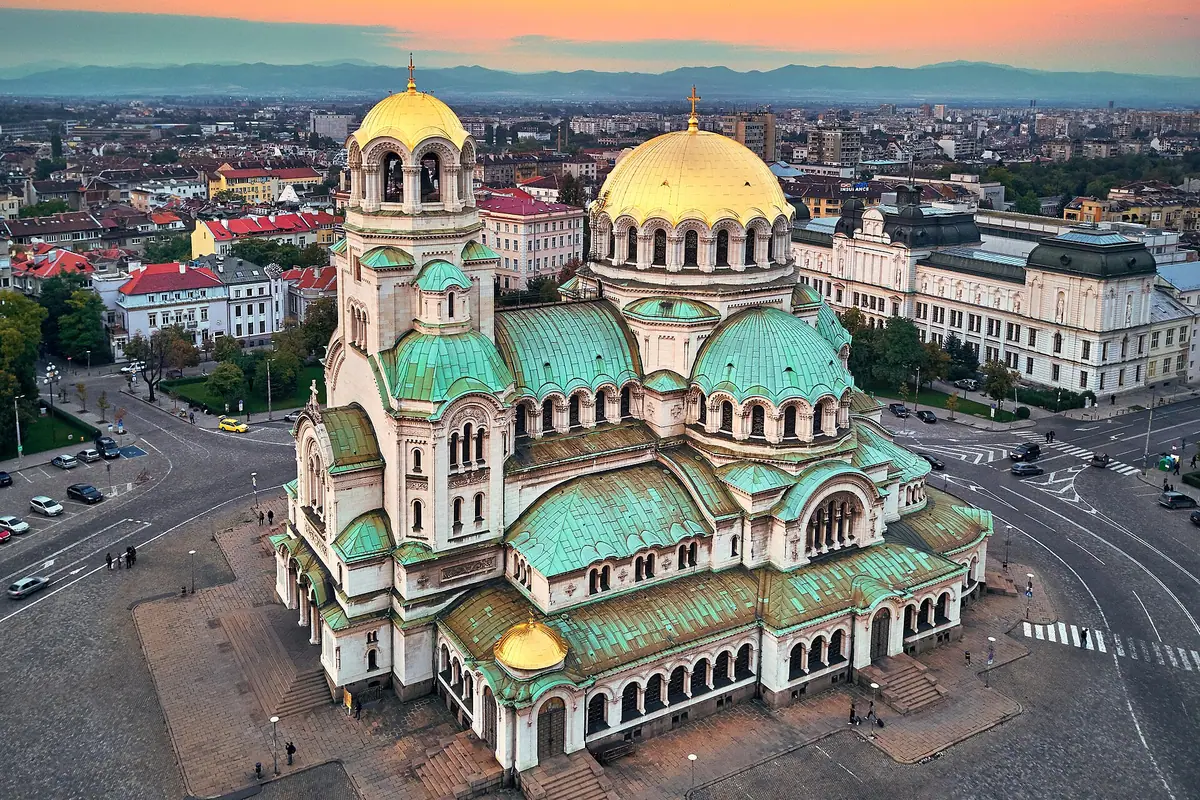
The hotel scene mirrors that rhythm. Rooftop bars and garden terraces open somewhere around late April and shut by early October. Spa floors, indoor pools and thick duvets matter most from December to February. Rates move less dramatically than in Western European capitals, but they still twitch with the conference calendar, New Year's Eve, and the first good snowfall on the mountain. Central rooms near the Roman ruins of Serdica and the gold-domed Alexander Nevsky Cathedral are the first to fill in the pleasant shoulder months.
A useful rule: Sofia is a walking city, but not everywhere is equally walkable in every season. In high summer you'll want shade and short hops; in winter you'll want to be within a few minutes of a metro entrance or a warm doorway. Choose your base with the month in mind, not just the price.
Spring (March to May): Martenitsi, Blossoms and Shoulder-Season Value
March opens with one of the loveliest local traditions in the Balkans. On the first of the month, Sofians give each other martenitsi — twisted red-and-white threads pinned to coats and tied around wrists — and you wear them until you spot a stork or a flowering tree. Days hover between 10 and 15°C, and snow is still possible, particularly early on. Liberation Day on 3 March brings wreaths and ceremonies around the centre, while Vitosha often keeps a snow cover well into April.
By mid-April the city visibly relaxes. Borisova Gradina and Doctor's Garden fill with families, the chestnuts along the pedestrian spine of Vitosha Boulevard leaf out, and café chairs reappear. May is warm, averaging around 22°C, but it is also Sofia's wettest month, so pack a light shell and plan indoor backups: the archaeology under the Serdica metro station, the city history museum in the old mineral baths, or the icon collection at the cathedral. The 24th of May, the Day of Culture and Literacy, is celebrated with alphabet-themed processions and is a genuinely moving thing to stumble upon.
For hotels, spring is the sweet spot between weather and price — but it is also conference season, so book four to six weeks ahead if you want the historic core. Ask for a room with windows that open; Sofia's spring evenings are made for a draught of cool air before sleep. Late May and early June are also the moment for day trips into the Valley of Roses, when the harvest fills the air with scent.
Summer (June to August): Rooftop Nights and a Quieter City
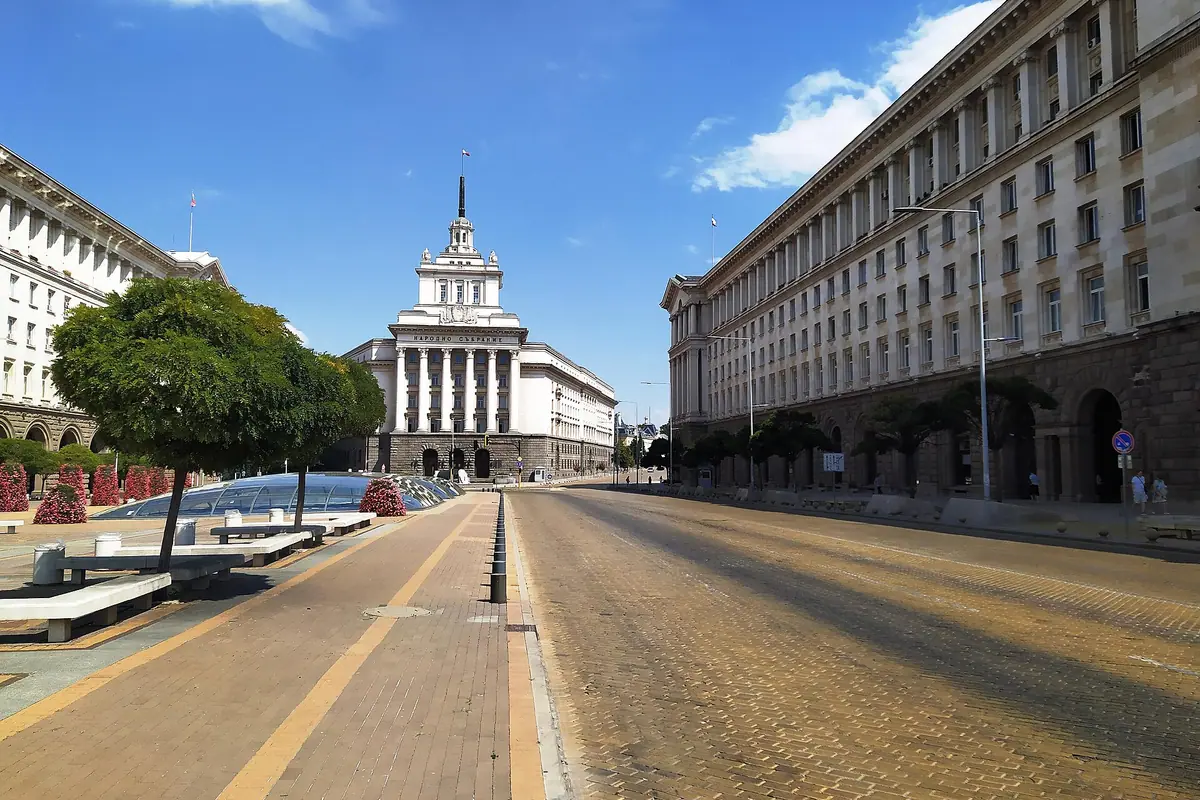
Summer in Sofia is hotter than its altitude suggests. July and August routinely reach 29 to 32°C, with occasional spikes past 35°C, broken by dramatic late-afternoon thunderstorms that clear the air within an hour. The saving grace is the elevation and the mountain breeze: evenings cool down enough that terraces, rooftop bars and courtyard restaurants become the real centre of city life, especially along Vitosha Boulevard and around the National Palace of Culture park.
August brings a curious local ritual — the great exodus. Many families head for the Black Sea coast, and some small, family-run restaurants in residential districts such as Lozenets and Oborishte quietly close for a week or two. The upside is remarkable hotel value and a city that feels unhurried and yours. The downside is that you may find your favourite neighbourhood bistro shuttered. If atmosphere matters more than savings, come in late June or July instead.
Whatever you book, confirm air conditioning in writing — some older guesthouses and converted apartments rely on fans alone. The classic escape is uphill: a taxi or bus to Aleko on Vitosha, or the gondola from Simeonovo, puts you 10°C cooler among meadows and pine. The medieval Boyana Church and the national history museum nearby make a natural pairing, and staying up in the foothills for a couple of nights is a smart move if you want cool nights and birdsong instead of traffic.
Autumn (September to November): Locals' Favourite, and the Busiest Business Weeks
Ask a Sofian when to visit and most will say autumn without hesitating. September holds daytime temperatures around 25°C with soft, clear light; October settles near 17°C and turns the parks copper and amber; the first snow usually dusts Vitosha's summit somewhere in late October or November. Theatres, concert halls and galleries restart their seasons, and the city's cultural calendar is at its densest.
This is also the peak stretch for business travel, with trade fairs and congresses pulling in rooms across the centre. If you want a specific hotel near the cathedral or the ancient Serdica complex in September or early October, book six to eight weeks out. From the second half of October, prices loosen and availability improves — though November brings low cloud, fog and the year's greyest days.
One practical detail often overlooked: Sofia's centralised district heating generally switches on around mid-November and runs until spring. Visit in early November and some older buildings can feel chilly at night, so ask whether a room has independent heating or a reliable air-conditioning unit with a warm setting. Equally, ask for an upper floor — during autumn and winter inversions, the haze settles low and the higher rooms get noticeably more daylight.
Winter (December to February): Christmas Lights, Mineral Water and Snow Above the Haze
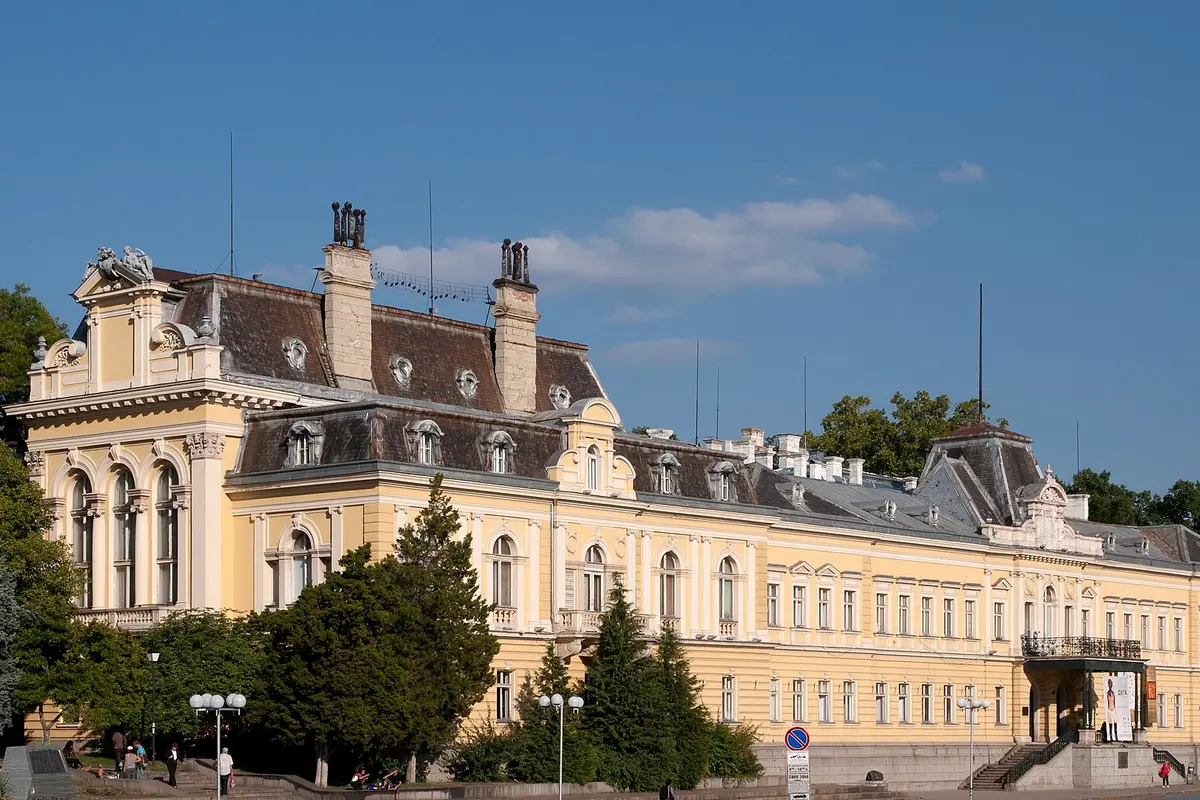
Winter is honest here. Daytime temperatures hover around 2 to 4°C, nights drop to -5°C or lower, and occasional cold snaps push well below that. Snow falls several times through the season; it tends to melt quickly in the centre while lingering on Vitosha. From late November until early January, a Christmas market spreads through the park by the National Palace of Culture and along Vitosha Boulevard — mulled wine, grilled sausages, handicrafts and strings of lights. New Year's Eve brings fireworks near the Largo and around the square by the former royal palace.
Sofia's winter quirk is the inversion. Because the city sits in a bowl, cold air and fine haze can lock in for days while Vitosha above is brilliant and sunny. Choose a hotel with upper-floor rooms and ask about air filtration if you're sensitive; then do as locals do and go up the mountain for a few hours of blue sky. Winter is also spa season. The city's mineral springs have been used for centuries — the grand old bathhouse building now houses the city history museum, hot water still pours from public taps nearby, and several central hotels pipe the same mineral water into indoor pools.
For skiing, Vitosha's own runs are short and depend on a good snow year, so serious skiers usually head further out to the mountain resorts a couple of hours away. Book New Year's Eve two to three months in advance; late January and February are the value window, with midweek rooms often available at short notice.
Where and When to Book: Neighbourhoods, Timing and Room Requests
Your ideal district changes with the month. The Serdica core — the yellow-paved blocks around the Roman ruins, the presidency and the cathedral — is unbeatable for a first visit and stays walkable even in rain. Oborishte is leafy, embassy-quiet and close to Doctor's Garden, good for spring and autumn. Lozenets, south of the palace of culture, is residential, family-friendly and fast to reach by metro. Studentski Grad is the cheapest option and the loudest. The foothill villages of Boyana and Knyazhevo make sense in July and August, when a few hundred metres of elevation buys noticeably cooler nights.
Timing is mostly about events rather than weather. Sofia remains gentler on the wallet than most European capitals, but rates jump when a large congress or trade fair lands in the city and over the New Year period. As a rough guide: book six to eight weeks ahead for May, September, October and December, and you can usually leave it to the last few days in August and mid-January. The metro line from the airport reaches the centre in about twenty minutes, so a hotel a few stops out often costs less without costing you time.
Finally, a short list of requests worth emailing ahead: air conditioning for July and August, independent heating for late October and early November, an upper floor for winter light, and a courtyard-facing room if you're staying near Vitosha Boulevard on a weekend. Small, independent hotels in Sofia are generally happy to accommodate — but only if you ask before you arrive.
Frequently asked questions
What is the cheapest time to stay in a Sofia hotel?
August and the second half of January are typically the softest months for rates, along with the first half of November. August is cheapest because locals leave for the Black Sea coast and business travel dries up. Avoid New Year's Eve and weeks when large congresses are in town, when central rooms sell out and prices climb.
How many days do you need in Sofia?
Three full days covers the historic core comfortably: the cathedral, the Serdica ruins, the city history museum in the old mineral baths, the markets and the main boulevards. Add two more days for a mountain morning on Vitosha and a day trip to Rila Monastery, Plovdiv or Koprivshtitsa.
Does it snow in Sofia, and can you ski?
Yes — snow falls several times between December and February, though it usually melts quickly in the city centre. Vitosha keeps its cover longer and has short ski runs, but they depend on a good snow year. For reliable skiing, plan a couple of days at the larger mountain resorts within a two- to three-hour drive.
When is the best time for outdoor cafés, hiking and rooftop terraces?
Mid-May to early October is the outdoor season. June brings wildflowers and long evenings, July and August are best for high-altitude hiking on Vitosha, and September to mid-October offers the clearest views and the most comfortable temperatures for walking. Terraces typically open in late April and close in early October.
Is Sofia worth visiting in winter?
Yes, if you plan around the cold. You get Christmas markets, New Year's fireworks, mineral-water spas and cheap midweek hotel rooms. The one thing to watch is the winter inversion: the city can sit under days of haze while Vitosha above is sunny, so choose an upper-floor room and plan a mountain escape.
Sort the rest of your trip
Everything for Sofia, in one place
Transfer in Sofia
Private driver waiting on arrival — no queues, no surprises.
Book a transfer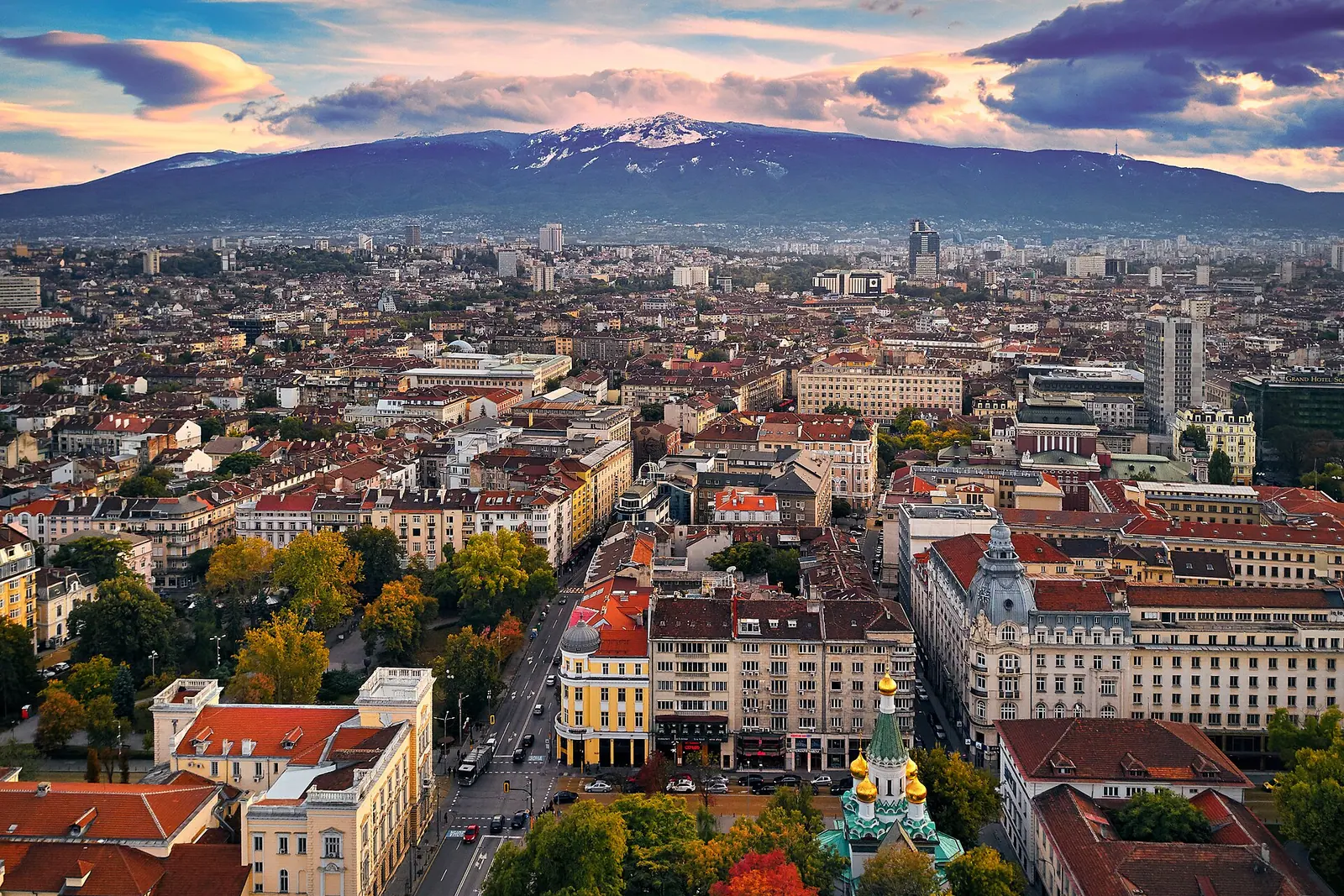
Things to do in Sofia
Skip-the-line tickets, guided tours and standout experiences.
See experiences
Stay online in Bulgaria
Travel eSIM — data the moment you land, no roaming bills.
Get an eSIM