Bulgaria packs a continent's worth of scenery into a country you can cross in a day: Roman theatres still hosting opera, monasteries painted in jewel-bright frescoes, glacial lakes stacked in the Rila Mountains and a Black Sea coast of whitewashed peninsulas. Here is where to go, what to see first and how to time it.
Sofia and the Slopes of Vitosha: Where Most Journeys Begin
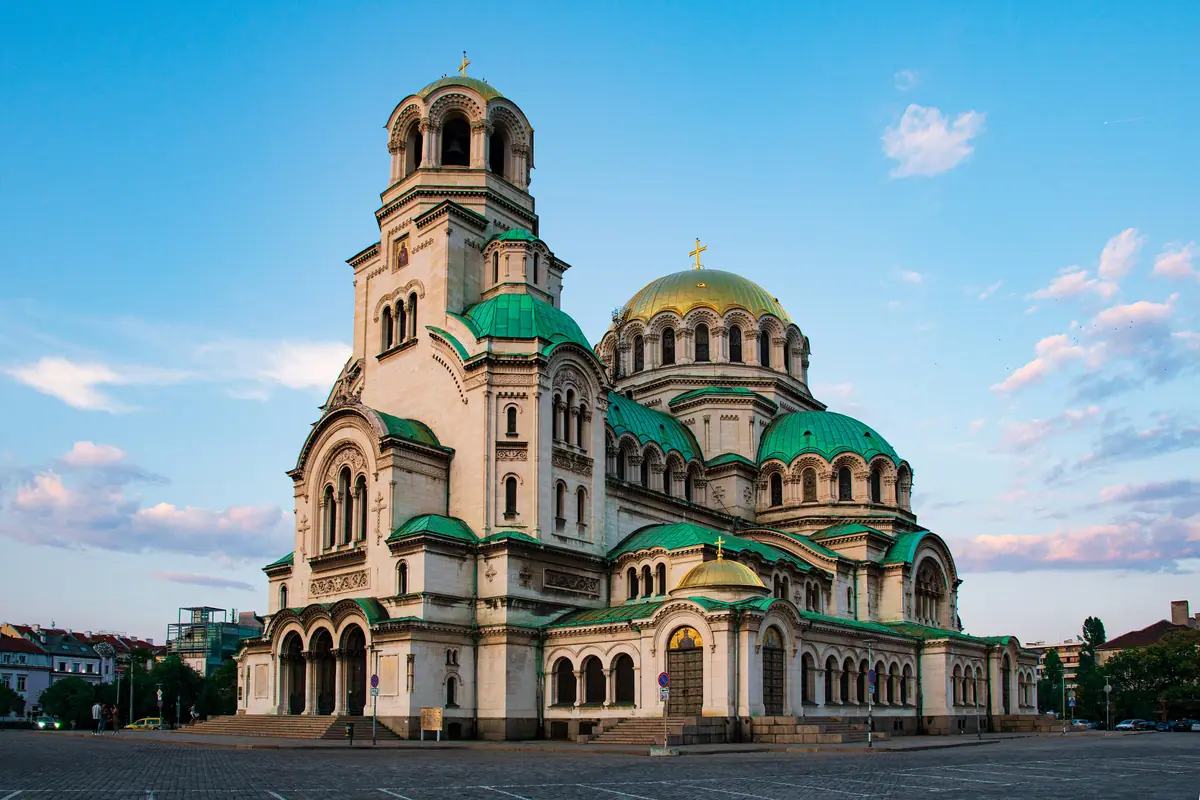
Most trips start in Sofia, a capital that wears its layers openly. The gold domes of Alexander Nevsky Cathedral anchor the city centre, and a few steps away the glass-covered ruins of Roman Serdica sit below street level, where you can walk across the original paving stones of a 2,000-year-old thoroughfare. The National History Museum out in the Boyana district holds Thracian gold and medieval treasures, and just uphill the tiny Boyana Church is a UNESCO-listed jewel whose 13th-century frescoes are startlingly human and lifelike.
Give Sofia a full day or two, then use it as a base for the mountain that rises directly behind the suburbs. Vitosha is a rarity — a proper 2,000-metre massif reachable by city bus. Take the lift or a taxi up to Aleko, and you can hike the stone rivers of Zlatnite Mostove, huge grey boulder flows that look like frozen water, or climb to Cherni Vrah in three to four hours. Spring and autumn are the sweet spots; midsummer afternoons can be humid in the city and stormy on the ridge.
Plovdiv and the Thracian Plain: Europe's Oldest Living City
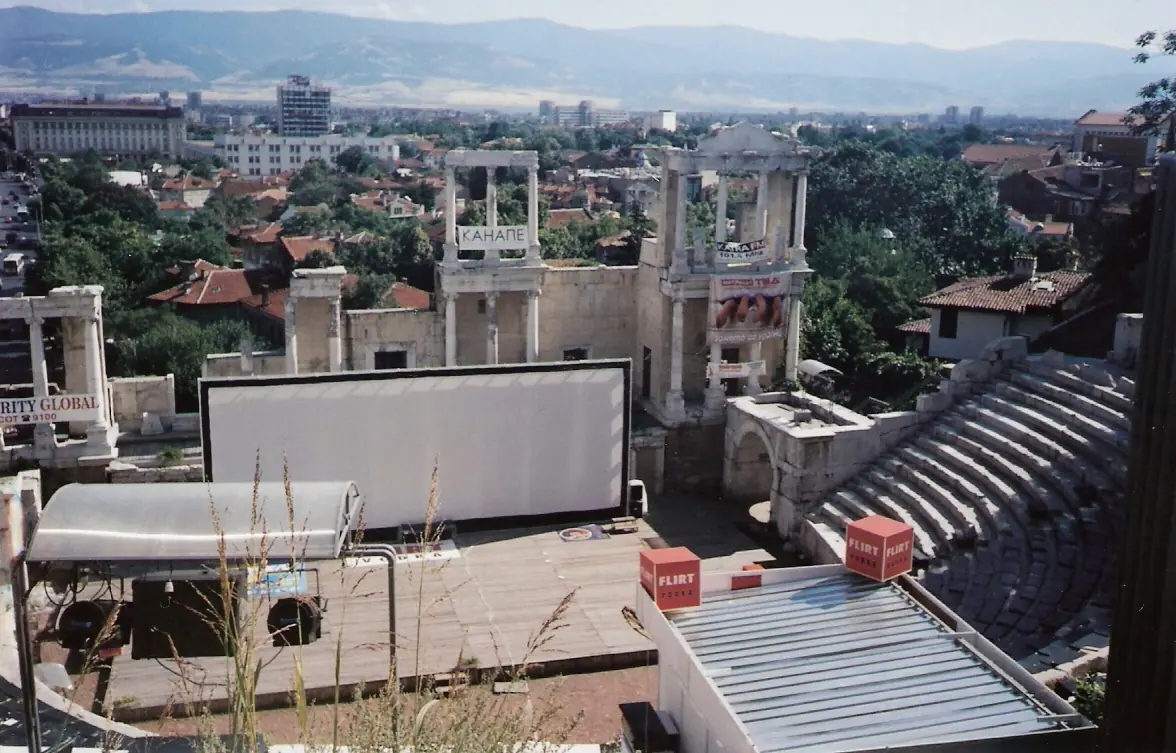
Plovdiv claims to be the oldest continuously inhabited city in Europe, and it makes the claim believable. The Roman Theatre of Philippopolis, carved into the hillside in the 1st century, still fills with audiences for opera and concerts on summer evenings, while the cobbled Old Town above it is a maze of National Revival houses with painted façades and overhanging eaves. Below, the Kapana quarter has turned former workshops into galleries, coffee bars and small design studios — the best place in the country for an unhurried afternoon.
From Plovdiv, the Thracian Plain spreads in every direction. Head south to Asen's Fortress, a medieval stronghold perched over a gorge, and the frescoed Bachkovo Monastery a short drive beyond. To the north lies the Valley of Roses around Kazanlak, where the harvest runs from late May into June and the air turns sweet with rose oil. The Thracian Tomb of Kazanlak, a beehive-vaulted burial chamber with painted walls, is a UNESCO site and one of the finest ancient monuments in the Balkans. Two days in Plovdiv, plus a day for the valley, is a generous minimum.
Veliko Tarnovo and the Balkan Mountains
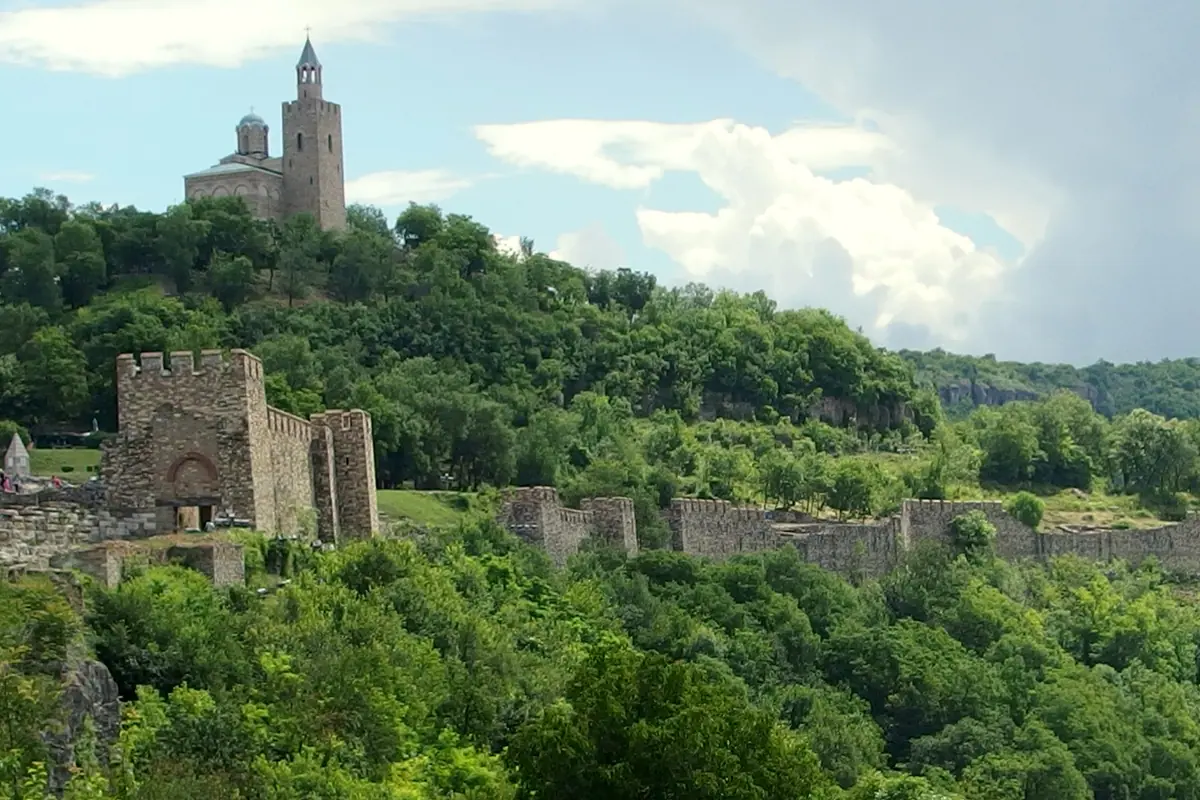
Veliko Tarnovo was the capital of the Second Bulgarian Empire, and Tsarevets Fortress — a walled hilltop city ringed by the Yantra River — still dominates the skyline. Walk the ramparts to the Patriarch's Church, then descend through Samovodska Charshia, a craft street of woodcarvers, potters and coppersmiths. On summer nights the fortress hill is illuminated for a sound-and-light show that tells the story of the medieval tsars; check the schedule locally, as it does not run nightly.
Nearby Arbanasi is a village of stone houses and painted churches, and the open-air Etar museum near Gabrovo preserves water-powered workshops along a rushing stream. Higher into the Balkan range, the Shipka Pass and its memorial church mark one of the decisive battles of the 1870s, while the abandoned Buzludzha monument stands on a windswept ridge above — a strange, circular concrete saucer that has become a pilgrimage for photographers. October brings beech forests turning copper, and the trails here are far quieter than those in Rila or Pirin.
Rila, Pirin and the High Mountains
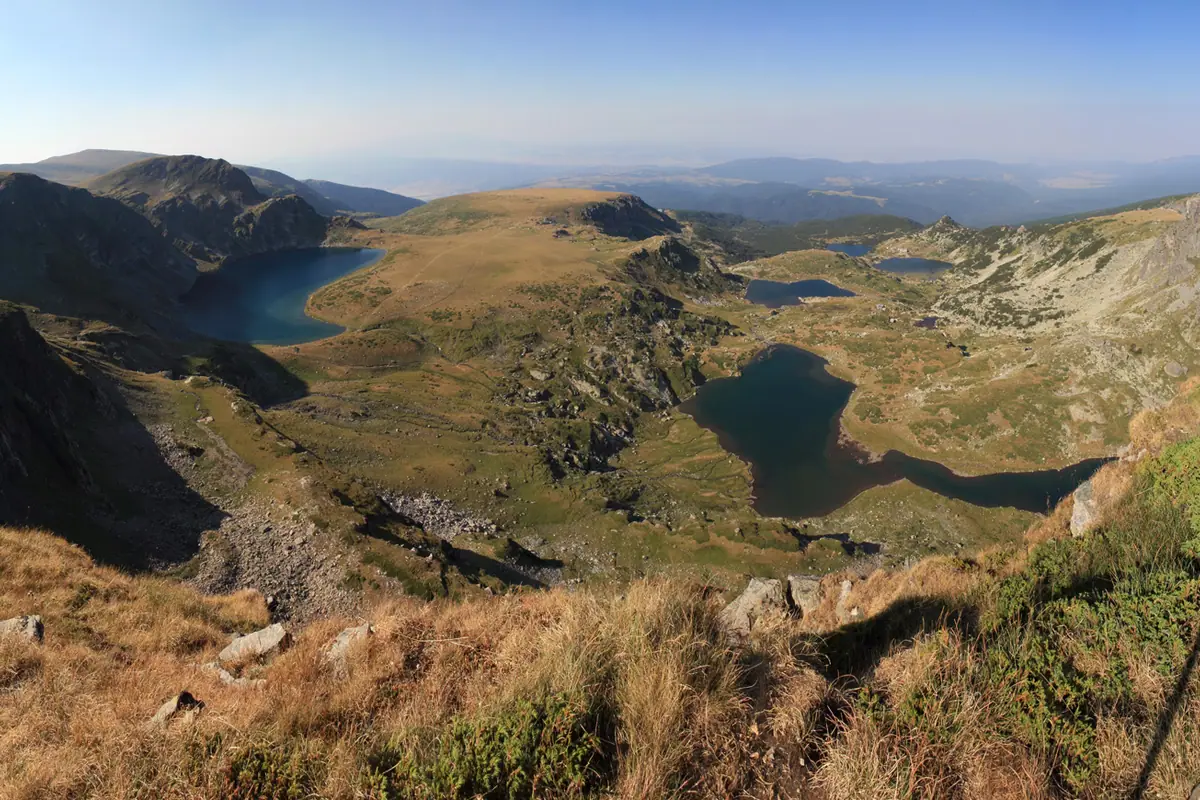
The Rila Monastery is the single sight no visitor should skip: a walled complex of striped arcades and black-and-white frescoes, founded in the 10th century and tucked into a valley about two hours from Sofia. Arrive early, when tour groups have not yet filled the courtyard, and stay for the museum and the monk's bakery. From the monastery, roads climb to the Seven Rila Lakes, seven glacial tarns stacked at different altitudes. The classic circuit takes five to seven hours; a chairlift from Panichishte removes the first, dullest stretch.
South of Rila, Pirin National Park shelters a sharper, stonier landscape of marble peaks and pine forests. Bansko is the winter base — the country's biggest ski area, with a season that usually runs from mid-December to early April — and a summer base for hikes to Vihren, the range's highest summit, or the lakes around Bezbog. Musala, at 2,925 metres the highest point in Bulgaria and the whole Balkan Peninsula, rises in Rila and can be climbed in a long day from the Borovets side. Mountain huts are basic but welcoming; book ahead in July and August.
The Black Sea Coast: Nessebar, Sozopol and Varna
Bulgaria's coast runs from the Romanian border to the Turkish one, and its finest hour is Nessebar, a UNESCO-listed old town on a narrow peninsula joined to the mainland by a causeway. Byzantine churches, timber houses and a working windmill crowd onto a scrap of rock barely 850 metres long. Further south, Sozopol has a similar mood with fewer crowds, plus the beglik tash rock sanctuary nearby. Both towns are best explored in the morning before the beach trade wakes up.
Varna is the coast's big city, with the long, leafy Sea Garden, the remains of vast Roman baths in the centre and the cliff-carved Aladzha Monastery a short drive away. North of Varna the coast becomes wilder: Cape Kaliakra, a red limestone headland with a lighthouse and legends of cliff-jumping maidens, and the botanical garden at Balchik, laid out around a former royal summer palace. The swimming season is roughly mid-June to early September; September offers warm water and half the crowds, while July and August are hot, busy and best booked well ahead.
Caves, Rock Formations and the Wild Northwest
Away from the headline sights, Bulgaria's karst country is extraordinary. In the northwest, the Belogradchik Rocks rear up in red sandstone towers and figures, with a fortress built into the gaps between them and hiking trails winding underneath. Close by, Magura Cave contains prehistoric paintings drawn in bat guano, some estimated to be thousands of years old. Near the centre of the country, Prohodna Cave is famous for the two eye-shaped openings in its ceiling — nicknamed the Eyes of God — and the nearby Krushuna waterfalls tumble over mossy travertine steps.
Devote at least two days to this region if you have them, and a car is almost essential; buses reach the towns but not the trailheads. Further east, the Iskar Gorge slices through the Balkan Mountains, and near Ruse the Ivanovo rock churches hide 14th-century frescoes in cliffside caves above the Rusenski Lom river. Bring sturdy shoes, a torch for caves and cash for small village guesthouses — card readers are common in cities but thin on the ground once you leave them behind.
Frequently asked questions
When is the best time to visit Bulgaria?
May, June, September and October are ideal for sightseeing and hiking — mild days, thinner crowds and open mountain trails. July and August are best for the Black Sea beaches but hot inland; December to March suits skiing in Bansko and Borovets, with the coast mostly shut down.
How many days do you need in Bulgaria?
A week covers Sofia, Plovdiv, Veliko Tarnovo and Rila Monastery comfortably. Ten days to two weeks lets you add the Black Sea coast, the Seven Rila Lakes and the Belogradchik or cave country in the northwest without spending your trip in transit.
Do you need a car to get around Bulgaria?
For cities and monasteries, no — trains and coaches link Sofia, Plovdiv, Veliko Tarnovo, Varna and Burgas well. For caves, rock formations and remote trailheads, a rental car saves hours. Roads are generally decent, but mountain routes are slow and winding.
Is Bulgaria good for hiking?
Yes, and it is underrated. Rila and Pirin have waymarked trails, glacial lakes and mountain huts, and the Balkan range offers long ridge walks. The Seven Rila Lakes circuit and the climb to Musala are the classic outings; go in July to September for reliable weather.
What should travellers know about the language and money?
Bulgarian uses the Cyrillic alphabet, so learning a few letters helps with bus signs and menus; English is widely spoken in cities and hotels. The local currency is the lev, and while cards work well in towns, carry cash for village guesthouses, mountain huts and small cave entrances.
Plan it — experiences in Bulgaria
Live search, booked directly with trusted providers.
Sort the rest of your trip
Everything for Bulgaria, in one place
Stay in Bulgaria
Hotels, guesthouses and apartments — compared in one search.
Search hotels
Transfer in Bulgaria
Private driver waiting on arrival — no queues, no surprises.
Book a transfer
Stay online in Bulgaria
Travel eSIM — data the moment you land, no roaming bills.
Get an eSIMMore guides in Bulgaria
Hotels in Bulgaria: Where to Stay and What to See
Bulgaria in One Week: A 7-Day Itinerary from Sofia
Bulgaria Tours: Food, Culture and Local Experiences Worth Building a Trip Around
Top Things to Do in Bulgaria: Landmarks, Mountains and the Black Sea Coast
