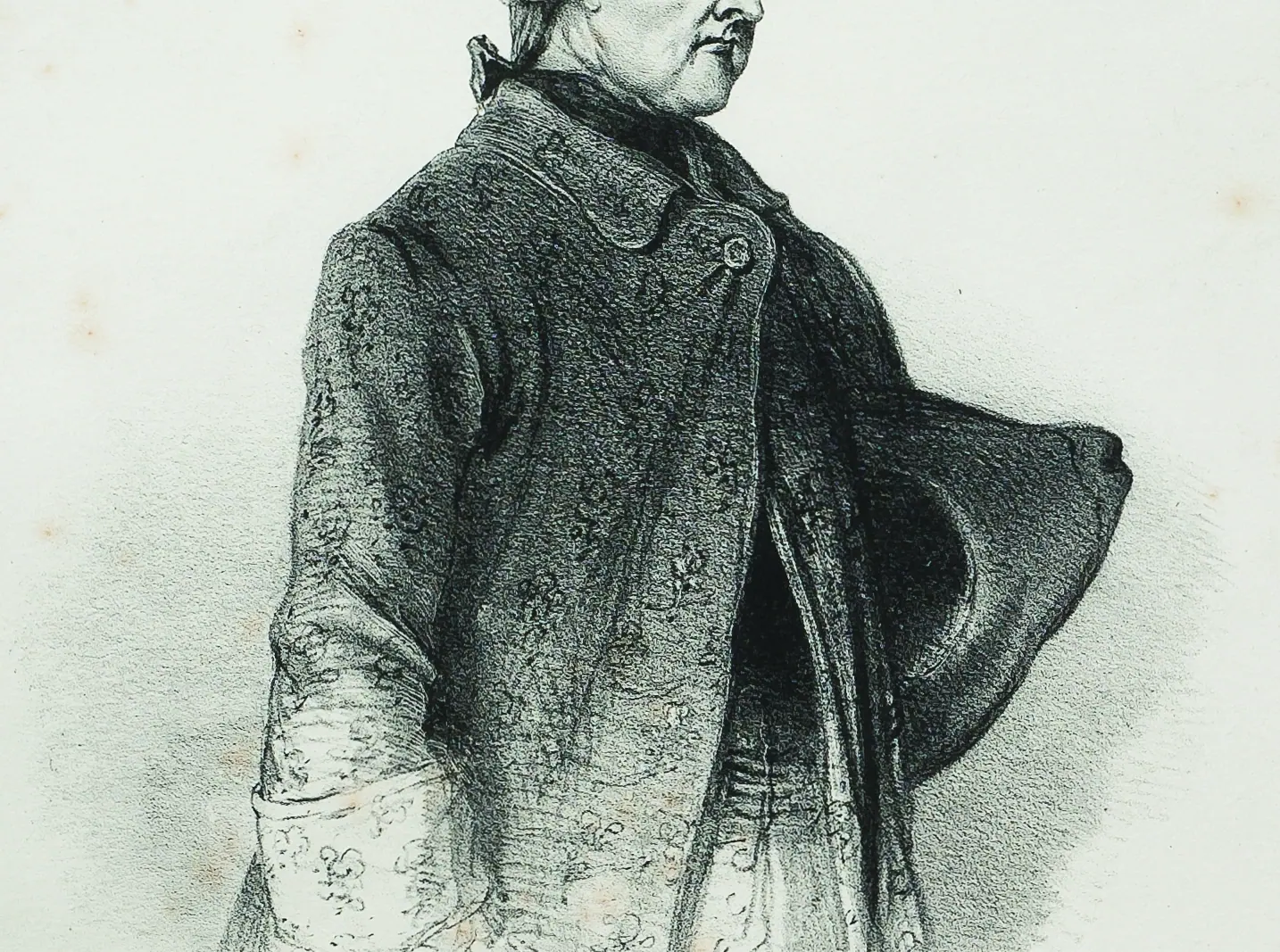
Paraguay sits squarely in the middle of South America, quietly subtropical, largely overlooked, and surprisingly seasonal for a country most travellers picture as uniformly hot. The trick is knowing when the heat, the rain and the festivals line up in your favour — and how that shapes everything from hotel rates in Asunción to whether the tracks into the Chaco are passable at all.
How Paraguay's Subtropical Seasons Actually Work
Paraguay is landlocked, and the Tropic of Capricorn cuts straight through it, which splits the country into two climatic personalities. The northern Chaco is genuinely tropical — hot, dry, thorny and enormous — while the south, where Asunción, Encarnación and the lake district sit, is humid subtropical with four recognisable seasons. Because the country lies south of the equator, the calendar is flipped: December to February is high summer, June to August is winter, and the transitional months of April–May and September–October are the two sweet spots most visitors end up planning around.
The single most useful thing to understand is the surazo, a cold polar wind that sweeps up from Argentina in winter and can drop daytime temperatures from a balmy 22°C to a grey, drizzly 8°C within a day. Buildings here are designed to shed heat, not hold it, so hotel rooms in Asunción and Encarnación often have tiled floors, thin walls and no heating at all. If you are travelling between June and August, ask specifically about heating or extra blankets before you book, and pack a proper jacket. In summer, the reverse rule applies: air conditioning is not a luxury, it is the thing that determines whether you sleep.
Rain is the other variable. The Chaco soaks up almost all of its rainfall between October and April, while the Atlantic Forest corner around Ciudad del Este and the border country near the great falls is humid and green year-round. Asunción tends to get short, violent afternoon thunderstorms in the summer months, which clear quickly but flood streets for an hour. None of this makes travel impossible — it just means the best time to visit depends heavily on which Paraguay you have come to see.
Summer, December to February: Heat, Carnival and River Beaches
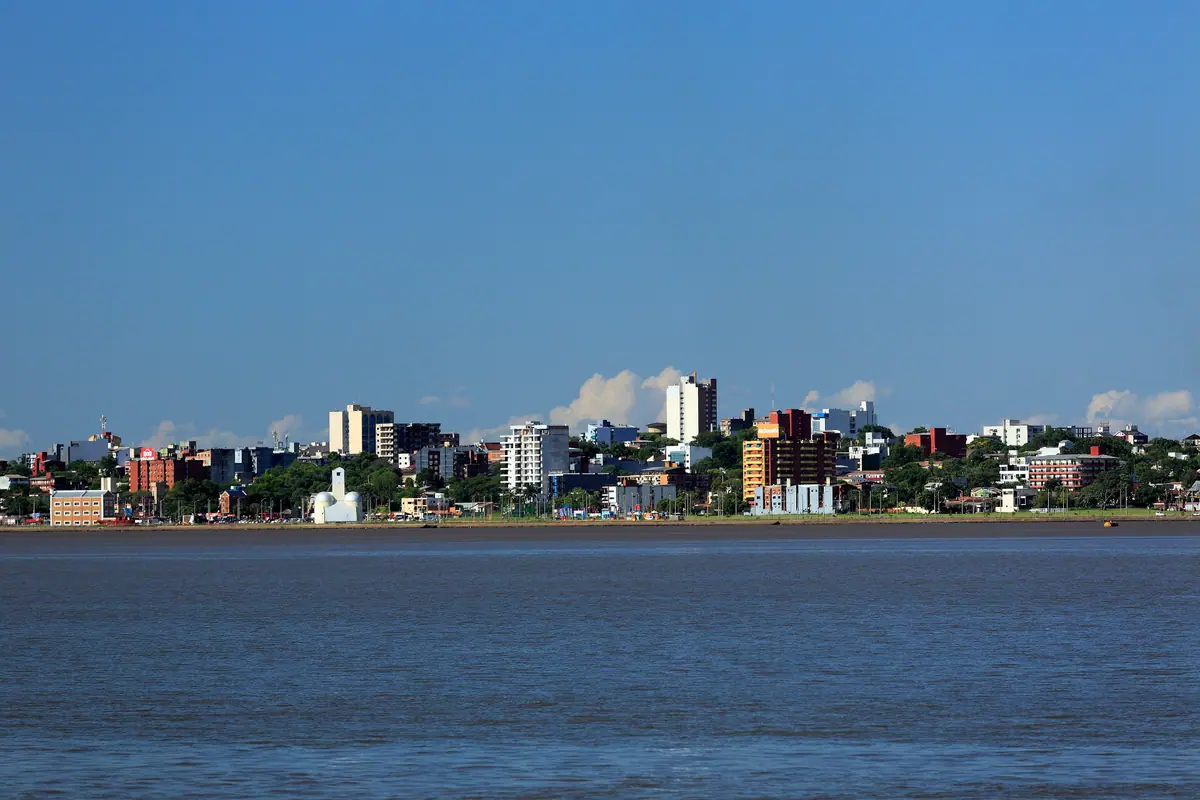
This is the season Paraguayans themselves travel, and it is not for the faint-hearted. Asunción regularly pushes past 35°C with heavy humidity, the Chaco becomes genuinely punishing, and the sensible rhythm of the day shifts to early mornings, long siestas and evenings on the Costanera. What makes summer worthwhile is the water: Encarnación, on the Paraná in the far south, grows sandy beaches along the river — Playa San José and the stretches around Playa Mboi Ka'e — and turns into the country's holiday capital. Hotels there fill fast and prices climb, so reserve well ahead if you want a river-facing room.
February brings Carnaval Encarnaceno, one of the loudest and most joyful street carnivals in the region, with comparsas, drumming and elaborate costumes filling the riverside avenues for several nights before Lent. Asunción stages its own smaller carnival parades, and the entire country tends to empty towards the beaches and the border. If you are booking accommodation during carnival week, expect minimum-stay rules and early sell-outs in Encarnación; in Asunción, city hotels are unusually quiet and often cheaper on weekends.
Summer is also when the waterfalls run at full volume. Saltos del Monday, just outside Ciudad del Este, thunders through its basalt canyon, and the great falls across the border in Brazil and Argentina are at their most dramatic. The Jesuit ruins at La Santísima Trinidad de Paraná and Jesús de Tavarangue are magnificent but almost entirely shadeless — go at opening time, carry water, and save the museums for midday.
Autumn and Winter, March to August: The Most Comfortable Months
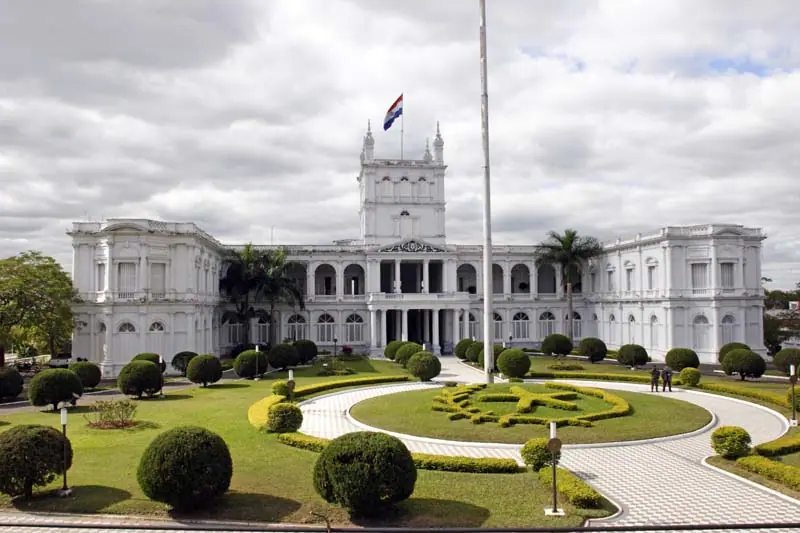
March and April are the gentle landing after summer. The worst of the heat breaks, the countryside turns deep green, and Asunción becomes a genuinely walkable city. This is prime time for the historic centre: the Panteón Nacional de los Héroes glowing at night, the Palacio de López overlooking the bay, the Casa de la Independencia, and the Museo del Barro, which holds the country's finest collection of indigenous and popular art. Cerro Lambaré gives you the classic panoramic view over the city, and the Jardín Botánico offers shade when the sun returns. Semana Santa falls in late March or April and brings solemn processions, closed shops and a noticeable hush to the streets.
June, July and August are the driest and most reliably pleasant months, with Asunción days typically between 15°C and 25°C. This is the season for anything that involves walking or driving: Ybycuí National Park and the nearby Salto Cristal waterfall, the rolling hill country of Cerro Corá National Park up in Amambay, and the string of small towns along Lake Ypacaraí. Areguá, with its strawberry farms and ceramic workshops, and San Bernardino on the lake shore both make easy weekend escapes from the capital. Note the cold snaps, though — a surazo in July can make a lakeside guesthouse feel far chillier than the thermometer suggests.
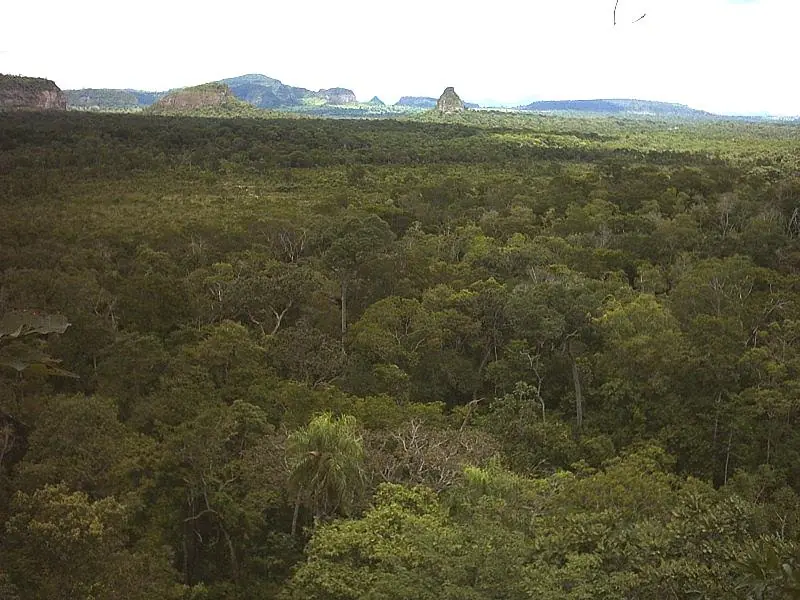
Winter is also the only realistic window for the Chaco. Once the rains stop, waterholes shrink and wildlife concentrates, which is why the dry months are the best time for the Pantanal country around Bahía Negra and the Río Negro, and for the Mennonite towns of Filadelfia, Loma Plata and Neuland, where cooperative-run hotels and estancias make comfortable, if plain, bases. In Asunción, the July trade fair fills hotels for a week, so check the calendar before you assume a quiet city.
Spring, September to November: Blossom, Festivals and Rising Heat
September is arguably the single best month in Paraguay. The air is dry, the days are warm without being brutal, and the lapacho trees — the national tree — erupt in pink, purple and yellow blossom across every city street and plaza. Late August and September also bring Areguá's strawberry festival and the folk music celebrations around Lake Ypacaraí, when the lakeside towns fill with harp players, dancers and food stalls. It is a lovely, low-key time to stay in the lake district, and hotel availability is far better than at the height of summer.
Early spring is still good for the Chaco and for birdwatching, but by November the heat and humidity are climbing back and the first rains are arriving. The northeast around Ciudad del Este is wettest of all, so if Saltos del Monday or the forest reserves near the border are on your list, aim for September and October rather than the end of the year.
One date worth planning around, even though it sits in high summer, is the pilgrimage to Caacupé on 8 December, when hundreds of thousands of people converge on the Basílica de Caacupé. Roads in the Cordillera region become slow and accommodation in the surrounding towns is booked solid for days either side. If you want to witness it, plan far ahead and stay somewhere with secure parking; if you want to avoid it, keep your distance that week.
The Must-See Sights and the Best Season for Each
Asunción rewards the cooler half of the year. Between May and September you can comfortably spend a full day on foot between the Panteón Nacional de los Héroes, the riverside Costanera and the Palacio de López, break for lunch in the Mercado 4 area, and still have energy for the Museo del Barro in the afternoon. In January the same itinerary is an endurance test. Build in two days for the capital, three if you want the botanical garden and Cerro Lambaré as well.
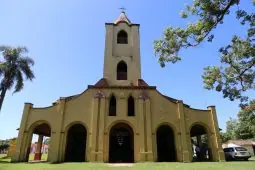
The Jesuit missions of La Santísima Trinidad de Paraná and Jesús de Tavarangue, near Encarnación, are the country's great archaeological set piece — UNESCO-listed stone churches, plazas and dwellings swallowed by vegetation. They are open all year, but winter and spring make the walking far more pleasant, and the light for photography is softer. Combine them with a night or two in Encarnación, which is calm, inexpensive and genuinely charming outside the carnival and beach season.
For natural wonders, the calendar matters more. Saltos del Monday is at its most powerful in the wetter months, while Salto Cristal, the trails of Ybycuí National Park and the sandstone country of Cerro Corá are best from May to September, when tracks are firm and the undergrowth is manageable. The remote Chaco parks and the Pantanal wetlands around Bahía Negra should be treated as dry-season destinations only — in the wet months, roads turn to impassable mud and many lodges simply close.
Where to Stay: Hotels by Region and Season
In Asunción, the modern neighbourhoods of Villa Morra and Carmelitas hold most of the international-standard hotels, with easy access to restaurants and shopping, while the historic centre has smaller boutique properties within walking distance of the Panteón and the Palacio de López — atmospheric by day, very quiet at night. Winter is the city's high season for visitors, so book a week or two ahead in June and August, and check the July trade fair dates. During Caacupé week in December, hotels along the Cordillera highway fill with pilgrims.
Encarnación is a seasonal town in the most literal sense. Riverside hotels and apartment rentals overlooking Playa San José charge their highest rates from late December through February, with minimum stays during carnival; from April to November the same rooms are often half-empty and considerably cheaper, which makes winter an excellent value base for the Jesuit missions. Wherever you stay, confirm that the room has air conditioning if you are visiting in summer, and heating or thick blankets if you are visiting in winter.
For the Chaco, look at estancias, eco-lodges and the simple, well-run hotels in Filadelfia and Loma Plata, most of which operate seasonally and are best booked from May to September. Around Lake Ypacaraí, guesthouses in Areguá and San Bernardino work well for short breaks in spring and autumn, though summer weekends are busy with Asunceños escaping the city. Rural properties often rely on generators, limited hot water and mosquito nets, so travel between November and April with repellent and a torch — and always ask about access roads after rain.
Frequently asked questions
What is the best month to visit Paraguay?
May and September are the two standout months. Both offer warm, dry, comfortable days, green or blossoming landscapes, and good conditions for both city sightseeing in Asunción and trips to the Jesuit missions near Encarnación. June, July and August are also excellent if you want the driest weather and access to the Chaco.
When is the rainy season in Paraguay?
Rainfall is concentrated between October and April, with the heaviest downpours from December to March. Asunción tends to get short, intense afternoon storms, while the northeast around Ciudad del Este is humid and wet for much of the year. In the Chaco, virtually all rain falls in summer, and dirt roads can become impassable.
How hot does Paraguay get in summer?
Very hot. From December to February, Asunción and Encarnación regularly exceed 35°C with high humidity, and the Chaco is hotter still. Plan outdoor sightseeing for early morning or late afternoon, choose hotels with reliable air conditioning, and use the middle of the day for museums, long lunches or the river beaches.
When is Carnaval in Encarnación, and do I need to book ahead?
Carnaval Encarnaceno takes place in February, in the days leading up to Lent, and is one of the country's biggest celebrations. Hotels and riverside apartments in Encarnación sell out weeks in advance and often impose minimum stays, so book early if carnival is the reason for your trip.
Do I need heating in Paraguayan hotels during winter?
Yes, it is worth checking. From June to August, cold polar winds known as surazos can push temperatures down to single digits, sometimes with days of grey drizzle. Many buildings are designed for heat rather than cold, so ask whether your room has heating, a heater or extra blankets before booking, especially outside Asunción.
Sort the rest of your trip
Everything for Paraguay, in one place
Transfer in Paraguay
Private driver waiting on arrival — no queues, no surprises.
Book a transfer
Things to do in Paraguay
Skip-the-line tickets, guided tours and standout experiences.
See experiences
Stay online in Paraguay
Travel eSIM — data the moment you land, no roaming bills.
Get an eSIMMore guides in Paraguay
Top Things to Do in Paraguay: Landmarks, Jesuit Ruins and Wild Chaco
Hotels in Paraguay: Where to Stay in Asunción, Encarnación and Beyond
Best Places to Visit in Paraguay: From Asunción to the Chaco
Paraguay Tours: A Food, Culture and Local Experiences Guide