Paraguay is the South America most travellers skip — a landlocked country of red-earth roads, Guarani-speaking towns and horizons that stretch further than seems reasonable. Between the Paraná river ports and the thorn scrub of the Chaco, it packs Jesuit ruins, a hydroelectric giant and wetlands full of caimans into a space about the size of California. These are the places worth building a route around.
Asunción: The Panteón, the Old Quarter and the Riverfront
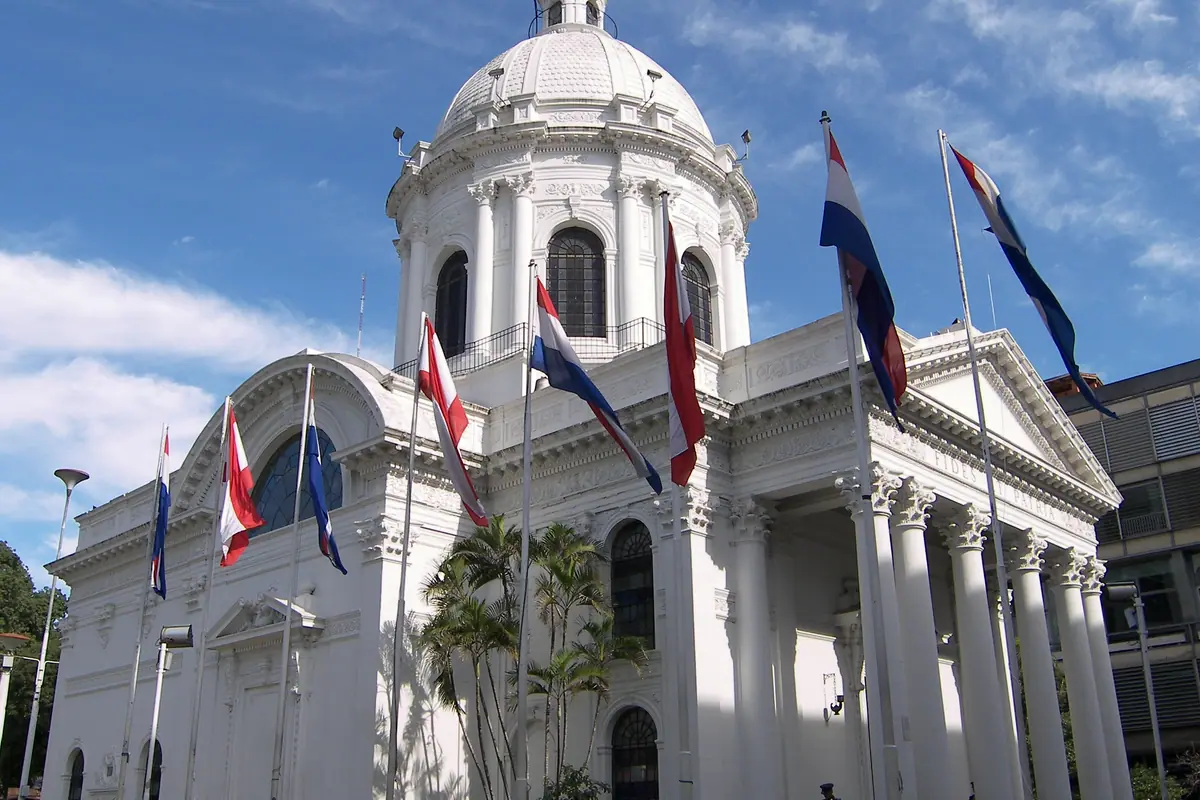
Start in Asunción, one of the oldest continuously inhabited cities in the region, founded in 1537. Its core is low-rise and walkable in a morning. The Panteón Nacional de los Héroes is the showpiece: a neoclassical colonnade and chapel on Plaza de los Héroes where guards stand watch over the country's fallen leaders, lit up beautifully after dark. A few blocks toward the water, the Casa de la Independencia preserves the colonial house where independence was plotted in 1811, while the Palacio de López sits floodlit above the bay like a wedding cake.
Follow the Costanera, the riverside promenade, in the late afternoon when families gather for terere and street food, then climb Cerro Lambaré for a panorama over the Paraguay River. The Museo del Barro holds the country's best collection of indigenous and popular art, and the Mercado 4 is where you go for chipa, sopa paraguaya and grilled meats at local prices. The old railway station, one of the earliest in South America, keeps a small museum and the occasional heritage train run.
Give Asunción two full days. The dry, mild months from May to September are ideal for walking, while December to February brings 35°C heat, heavy humidity and a genuine midday siesta culture. Carry small notes for markets and keep an eye on your bag in the busiest stalls.
The Jesuit Missions Route Around Encarnación
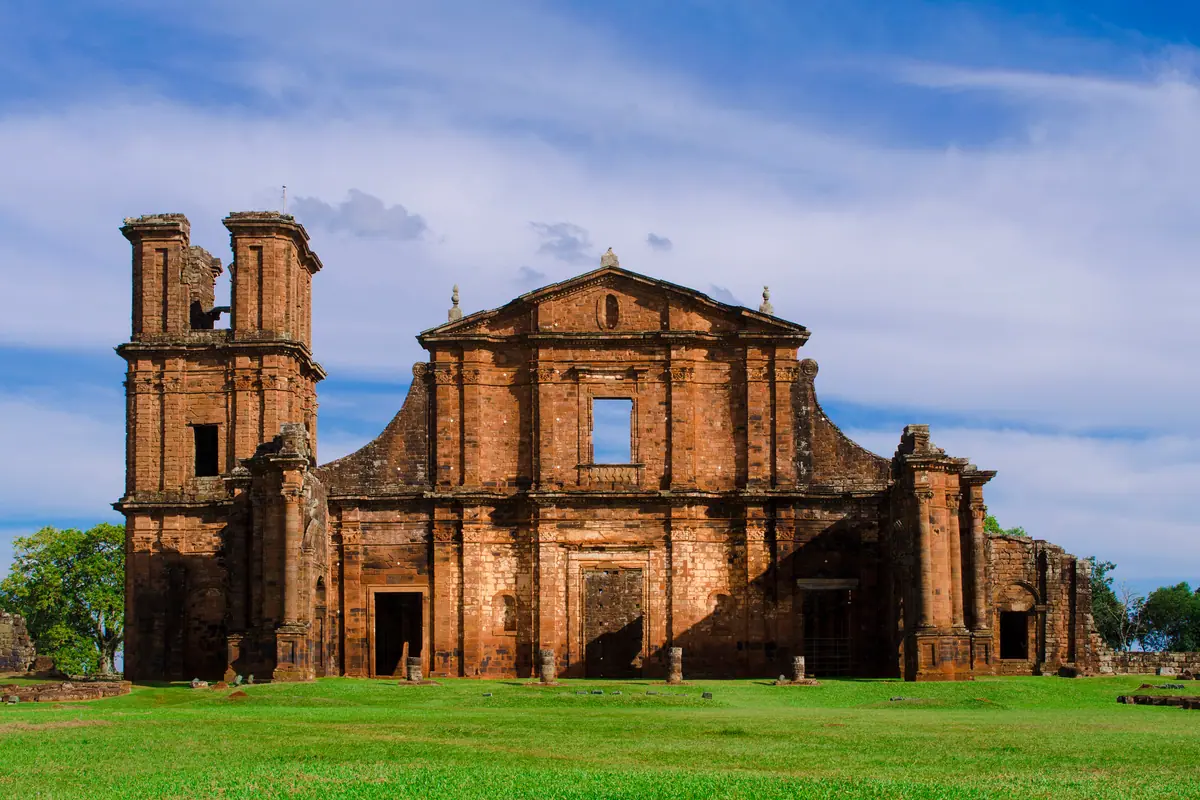
Southern Paraguay holds the country's headline UNESCO site: the Ruinas de Trinidad, a Jesuit reduction founded in the early 1700s and among the most complete in South America. You can trace the great plaza, the long nave of the church, the sacristy, the bell tower and rows of carved stone that once framed a mission town of thousands. A few kilometres away, Jesús de Tavarangue offers a different mood — an unfinished church with an angel-topped facade standing alone in open country.
Encarnación itself makes the natural base, a relaxed river city with the Costanera Padre Bolik, sandy beaches on the Paraná and one of the region's liveliest carnival celebrations each February. Cross the river to Posadas in Argentina for the day, or simply eat surubi fish by the water. Nearby San Ignacio Guazú has a small museum of mission-era carvings, and the villages of Santa María and Santa Rosa complete the circuit.
Two or three nights works well: one full day for Trinidad and Jesús, another for the town and the river. Roads here are paved and buses link Encarnación with Asunción in roughly five hours. Bring sun protection — the ruins offer almost no shade.
Itaipú, Ciudad del Este and the Atlantic Forest Edge
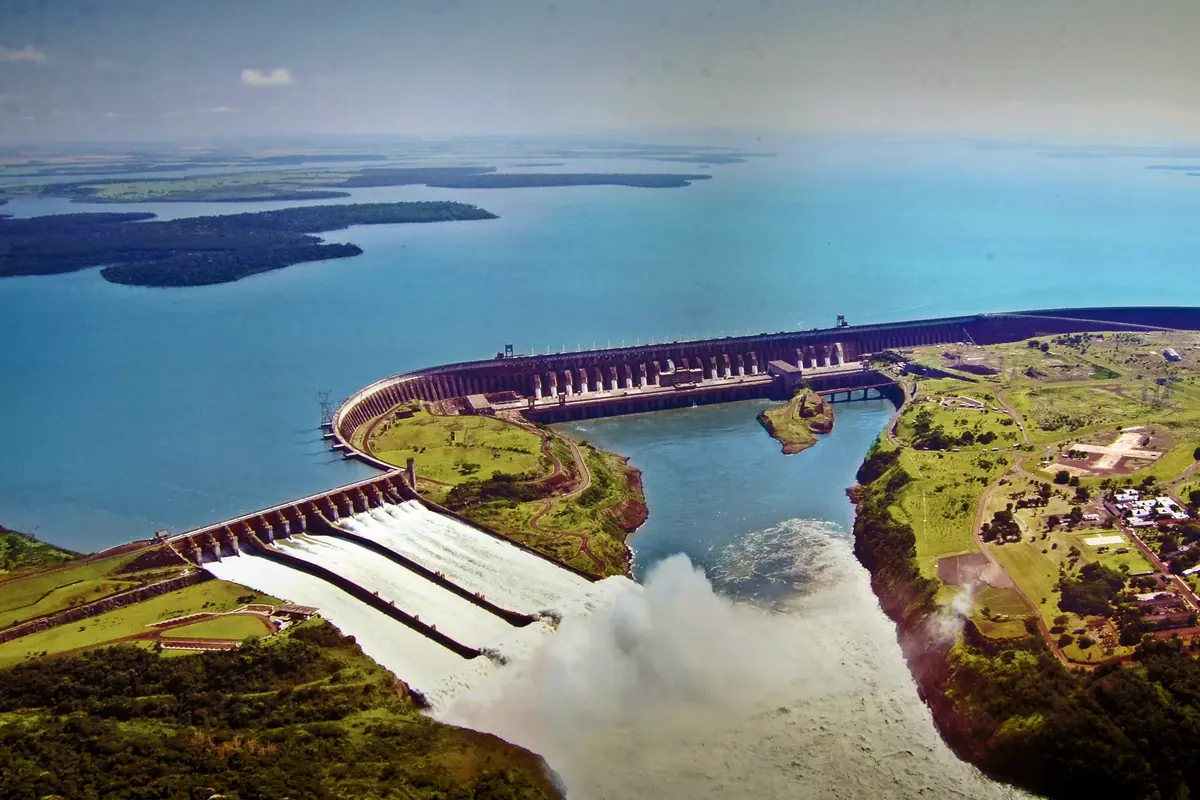
East of the country, the Itaipú Dam is an engineering spectacle on a scale that is hard to picture until you stand on the viewing platform: one of the largest hydroelectric plants on earth, holding back a reservoir that swallowed a waterfall twice the size of the one that made this region famous. Guided visits run several times daily and take in the spillway, the turbine hall and the vast concrete wall.
Ciudad del Este is a frenetic trading city, but the surrounding countryside rewards a slower pace. The Saltos del Monday, a broad waterfall plunging into a forested gorge, is a short drive away and has walking trails and zip lines. Further out, protected pockets of Atlantic Forest such as the Reserva Tatí Yupí and the old Bertoni research station protect toucans, howler monkeys and orchids.
Most travellers use the area as a springboard to the great falls on the Brazilian side, reachable as an easy day trip across the border, or hop over to Argentina for the weekend. Give the region two nights minimum; the heat and humidity here are relentless from October to March, so mornings are for sightseeing and afternoons for shade.
The Chaco: Thorn Forest, Mennonite Towns and a Northern Pantanal
West of the Paraguay River, the Chaco is a different country entirely — a flat, spiny wilderness of quebracho woodland, salt flats and cattle estancias. The Trans-Chaco highway runs through Mennonite settlements founded in the 1920s: Filadelfia, Loma Plata and Neuland, where you can visit small museums, buy cheese and cold cuts, and learn how these communities turned dry bush into farmland. Laguna Capitán, near Filadelfia, is a reliable spot for herons, storks and caimans at dawn.
Defensores del Chaco National Park is the wild heart of the region, its low hills including Cerro León, the highest point in the Chaco at around 620 metres. This is jaguar, tapir, giant armadillo and Chacoan peccary country, but sightings demand patience, a guide and early starts. Access requires a 4x4, plenty of water and self-sufficiency; there is no infrastructure once you leave the highway.
Far to the north, around Bahía Negra, the Paraguay River spills into the southern edge of the Pantanal — a watery world of oxbow lakes and flooded savannah that is superb for birdwatching and wildlife photography. June to September, the dry season, is the practical window; the heat from October to April is punishing and many tracks turn to impassable mud in the rains.

The Cordillera, Caacupé and the Green Hills of the Interior
Just east of Asunción, the Cordillera region is where Paraguayans go for weekends. Areguá is a whitewashed lakeside town of ceramic workshops and galleries, famous for its strawberry festival each August and the strange rounded rock formation of Cerro Kõi. Next door, Lake Ypacaraí and the resort town of San Bernardino offer swimming, sailing and a lingering German-influenced cafe culture.
At Caacupé, the Basilica of the Virgin of Caacupé draws hundreds of thousands of pilgrims around 8 December, when the town becomes a river of candlelight and song. South of there, Ybycuí National Park protects clear rivers, the historic iron foundry known as La Rosada, and waterfalls such as Salto Mina and Salto Guaraní, with swimming holes and short forest trails.
For something more active, Salto Cristal in Paraguarí department drops roughly 40 metres into a fern-lined bowl and can be descended by rope with a local guide. Hikers can also tackle Cerro Tres Kandú, the country's highest point at 842 metres, a steep half-day climb through cloud forest. Further north in Amambay, Cerro Corá National Park combines petroglyphs, red-earth trails and the site where the country's bloodiest war ended in 1870.
When to Go and How to Get Around
May to September is the sweet spot: dry, mild days in the low twenties, cold snaps in June and July that can drop to single digits at night, and the best conditions for the Chaco and the Pantanal edge. October to April is hot, humid and storm-prone, with heavy rain from December into March — great for the Jesuit ruins, hard work for hiking and wildlife drives.
Long-distance buses connect Asunción with Encarnación, Ciudad del Este and the Chaco towns, with comfortable overnight services on the main routes. For national parks and anything west of the river you really need a car, ideally high-clearance, and a tolerance for signposted-nothing gravel. Spanish gets you everywhere, but a few words of Guarani — aguije for thanks — are genuinely appreciated.
Tap water is generally fine in cities but stick to bottled outside them, use repellent in the Chaco and around Iguazú, and take the standard precautions you would anywhere in the region: daytime travel on rural roads, licensed taxis after dark and sun protection at altitude-less but unforgiving latitudes. Paraguay rewards travellers who move slowly and ask questions.
Frequently asked questions
How many days do you need in Paraguay?
A week covers Asunción, the Jesuit ruins around Encarnación and a quick look at Itaipú. Two weeks lets you add the Cordillera towns, Ybycuí and a proper Chaco or Pantanal-edge excursion. Anything less than five days means choosing either the south or the east.
What is the best time of year to visit Paraguay?
May to September brings dry, mild weather and the best access to the Chaco and northern wetlands. October to April is hot and humid, often well above 30°C, with the heaviest rains between December and March. Winter nights in June and July can be surprisingly cold in Asunción.
Is Paraguay safe for travellers?
It is generally calm and welcoming, with the usual urban precautions in Asunción and Ciudad del Este. Take licensed taxis at night, avoid isolated border areas after dark, and travel with a guide or organised group in remote parts of the Chaco, where heat, distance and rough tracks are the real risks.
What should I not miss on a first trip?
The Panteón Nacional de los Héroes and the Costanera in Asunción, the Ruinas de Trinidad and Jesús de Tavarangue, the Itaipú Dam, and the Saltos del Monday. If you have time, add the Basilica of Caacupé and the waterfalls of Ybycuí National Park.
Do I need a car to explore Paraguay?
No for the main cities and the Jesuit mission circuit, which are well served by buses. Yes — ideally a high-clearance 4x4 — for Defensores del Chaco, Bahía Negra and the quieter stretches of the Chaco, where fuel stops are far apart and roads become sand or mud.
What food should I try in Paraguay?
Start with chipa, the cheese-and-cassava bread sold at roadside stalls, then sopa paraguaya, a dense savoury corn cake. Grilled surubi river fish is a specialty in Encarnación, and the Mennonite colonies in the Chaco are known for their cheese and cold cuts.
Plan it — experiences in Paraguay
Live search, booked directly with trusted providers.
Sort the rest of your trip
Everything for Paraguay, in one place
Stay in Paraguay
Hotels, guesthouses and apartments — compared in one search.
Search hotels
Transfer in Paraguay
Private driver waiting on arrival — no queues, no surprises.
Book a transfer
Stay online in Paraguay
Travel eSIM — data the moment you land, no roaming bills.
Get an eSIMMore guides in Paraguay
Top Things to Do in Paraguay: Landmarks, Jesuit Ruins and Wild Chaco
Hotels in Paraguay: Where to Stay in Asunción, Encarnación and Beyond
Best Time to Visit Paraguay: Seasons, Festivals and Where to Stay
Paraguay Tours: A Food, Culture and Local Experiences Guide