Geneva is a city that changes character with the calendar: lake water warm enough to swim in by August, vineyard slopes turning gold in October, and a December old town lit for a festival that has been marked for over four centuries. The trick is knowing which version of Geneva you want — and which weeks the city's hotels quietly triple their rates.
Geneva's Seasons at a Glance — and Why the Calendar Beats the Weather
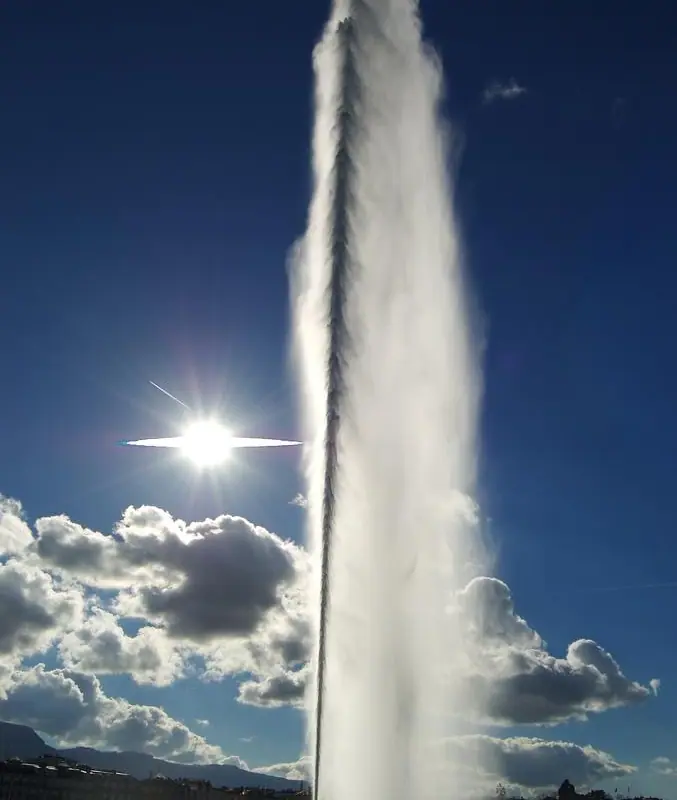
Geneva sits where the Rhône slips out of Lake Geneva, with the Jura ridge on one side and the Alps rising on the other. On a clear day the Jet d'Eau throws its 140-metre plume of water into the air against a backdrop that includes Mont Blanc, roughly 60 kilometres away. That geography gives the city four genuinely distinct seasons: warm, often sun-drenched summers; long golden autumns; crisp winters sharpened by the bise wind that funnels down the lake; and springs that arrive late but beautifully.
What most visitors don't realise is that hotel prices in Geneva follow the event calendar more closely than the weather. A major watch fair, a humanitarian summit or an international trade gathering can fill the city's rooms weeks in advance and push even modest hotels into a different price bracket, often with minimum-stay conditions attached. A quiet Tuesday in January and a Tuesday during a spring convention can feel like two different cities entirely.
The short answer for most travellers: aim for mid-May to late June, or September to mid-October. You get mild temperatures, long daylight, terraces and vineyards at their best, and room rates that sit well below the summer and December peaks.
Spring (March to May): Blossom, Open Cellars and Shoulder-Season Rates
March in Geneva still belongs to winter. Expect roughly 5 to 12°C, snow lingering on the nearby Salève, and a cold bite off the lake that keeps the quays quiet. The compensation is price: this is one of the cheapest months to stay in the city, and the museums, the cobbled lanes of the old town and the cathedral tower are blissfully uncrowded.
April brings rain and sudden green. The parks fill in — Parc des Bastions, the lakeside lawns at Mon Repos, the botanical gardens — while the wine villages of the Mandement start to look alive again. By May, Geneva is at its most seductive: daytime temperatures around 18 to 22°C, café chairs spilling onto the pavements, and the vineyards around Satigny, Peissy and Dardagny opening their doors for the late-May open-cellar weekend, when locals walk between growers tasting the new vintage.
Book with one eye on the spring trade calendar. The city's big watch industry gathering and several large fairs land between March and May, and accommodation tightens sharply around them. If your dates are flexible, shifting by a week can mean a noticeably better room for the same budget.
Summer (June to August): Lake Swimming, Music and Peak Prices
June is arguably the finest month of the year here. The solstice brings daylight until nearly half past nine at night, the Fête de la Musique fills squares and courtyards with free concerts on 21 June, and the lake is warm enough for the braver swimmers by the end of the month. Hotel rates climb steadily but haven't yet hit their ceiling.
July and August are the city's busiest and most expensive stretch. The bathing station at the Bains des Pâquis becomes the social heart of Geneva, with lake water reaching roughly 22 to 24°C in a good August, wooden decks, and simple meals eaten outdoors. Early August brings the city's biggest party: several nights of fireworks over the water, a costumed parade along the quays, and crowds that pack the lakeside from dusk. If you want a room with a lake view during that week, book three to four months ahead.
Two practical warnings. First, air conditioning is not a given in Geneva's older buildings, so if you are travelling during a heatwave, make it a filter when choosing a hotel rather than an afterthought. Second, many independent restaurants and small shops close for part of late July or August, so the city can feel simultaneously packed and half-shuttered.
Autumn (September to November): Harvest Gold and the Year's Best Value
September and early October may be the most rewarding window of all. Days stay warm — often 18 to 22°C at the start of September — the summer crowds thin after the first week, and the vineyard slopes of the Mandement turn gold and red as the grape harvest gets under way. Walking trails thread between the vines above Satigny and Dardagny, and several growers welcome visitors for tastings by appointment.
From mid-October the light softens, the woods on the Salève and in the Jura glow, and Geneva's conference season restarts. That means weekday rates rise again while weekends stay comparatively reasonable — a useful pattern if your trip can be built around a Friday-to-Sunday stay.
November is the city's greyest month, with fog sometimes sitting low over the lake for days. It is also the cheapest and most authentically local: you get long lunches in warm bistros, uncrowded museums, and the old town entirely to yourself. Pack a proper coat and a waterproof layer and you will be well rewarded.
Winter (December to February): Christmas Lights, L'Escalade and January Deals
December transforms Geneva. Strings of lights drape the shopping streets, a Christmas market spreads along the quays and into the old town, and the smell of mulled wine and roasted chestnuts follows you across the bridges. The high point is L'Escalade, held on the weekend closest to 12 December, commemorating the night in 1602 when the city repelled an attack by surprise. Expect torchlight processions, people in period costume on horseback, a road race through the streets, and the ritual smashing of a chocolate cauldron filled with marzipan vegetables — a tradition every Geneva family keeps.
Christmas week and New Year are busy and priced accordingly, but the moment the holiday ends the city empties. January and February are the cheapest months for hotels, with crisp cold days hovering near freezing, occasional biting bise winds, and the clearest, sharpest views of Mont Blanc of the entire year.
It is also prime season for day trips into the snow. Ski areas in the Jura and the Chablais are within easy reach, and French resorts across the border make a viable day out if you hire a car. Back in town, lakeside hotels at their lowest rates suddenly make spa and pool facilities look like very good value.
How to Time Your Booking: Events, Location and the Free Transport Card
Before you commit to dates, check what else is happening in Geneva. Spring watch-industry gatherings, large trade fairs and international summits in the diplomatic quarter are the three things most likely to distort prices, and they can appear with only a few weeks' notice. A flexible booking — or one that allows free cancellation — is worth more here than almost anywhere else in Switzerland.
Location shapes both your bill and your experience. The right bank, around the main station and the Pâquis district, is cheaper, livelier and a few minutes' walk from the water. The left bank — the old town, Rive and the elegant streets around the cathedral — is prettier and pricier. Neighbourhoods such as Carouge, a low-rise quarter with a village feel and a market square, or Champel, quieter and greener, offer better value with a short tram ride into the centre.
A few details worth knowing. Almost every hotel stay in Geneva includes a free transport card covering trams, buses and the train between the airport and the city centre, a journey of only about seven minutes — so you never need a taxi on arrival. A city tax per person, per night is added to your bill on top of the room rate. And most shops close on Sundays, which is worth planning for if you arrive at the weekend.
Frequently asked questions
What is the best month to visit Geneva?
Mid-May to late June and September to mid-October offer the best combination of mild weather, long daylight and reasonable hotel rates. June has the longest evenings and the Fête de la Musique; September brings warm days and the grape harvest.
When are Geneva hotels cheapest?
January and February are consistently the cheapest months, along with the first half of November. Mid-December through New Year is expensive, and summer prices peak in July and August.
Do I need a hotel with air conditioning in Geneva?
If you are visiting in July or August, yes — it is worth filtering for. Many older Geneva buildings have no cooling, and summer heatwaves can push daytime temperatures well above 30°C.
Do Geneva hotels include public transport?
Almost all of them do. Your hotel provides a free transport card covering trams, buses and the train between the airport and the city centre, which takes about seven minutes.
What is L'Escalade and when does it take place?
L'Escalade is Geneva's own winter festival, held on the weekend closest to 12 December. It marks the 1602 defence of the city with torchlight processions, costumed parades, a night-time road race and chocolate cauldrons filled with marzipan vegetables.
Sort the rest of your trip
Everything for Geneva, in one place
Transfer in Geneva
Private driver waiting on arrival — no queues, no surprises.
Book a transfer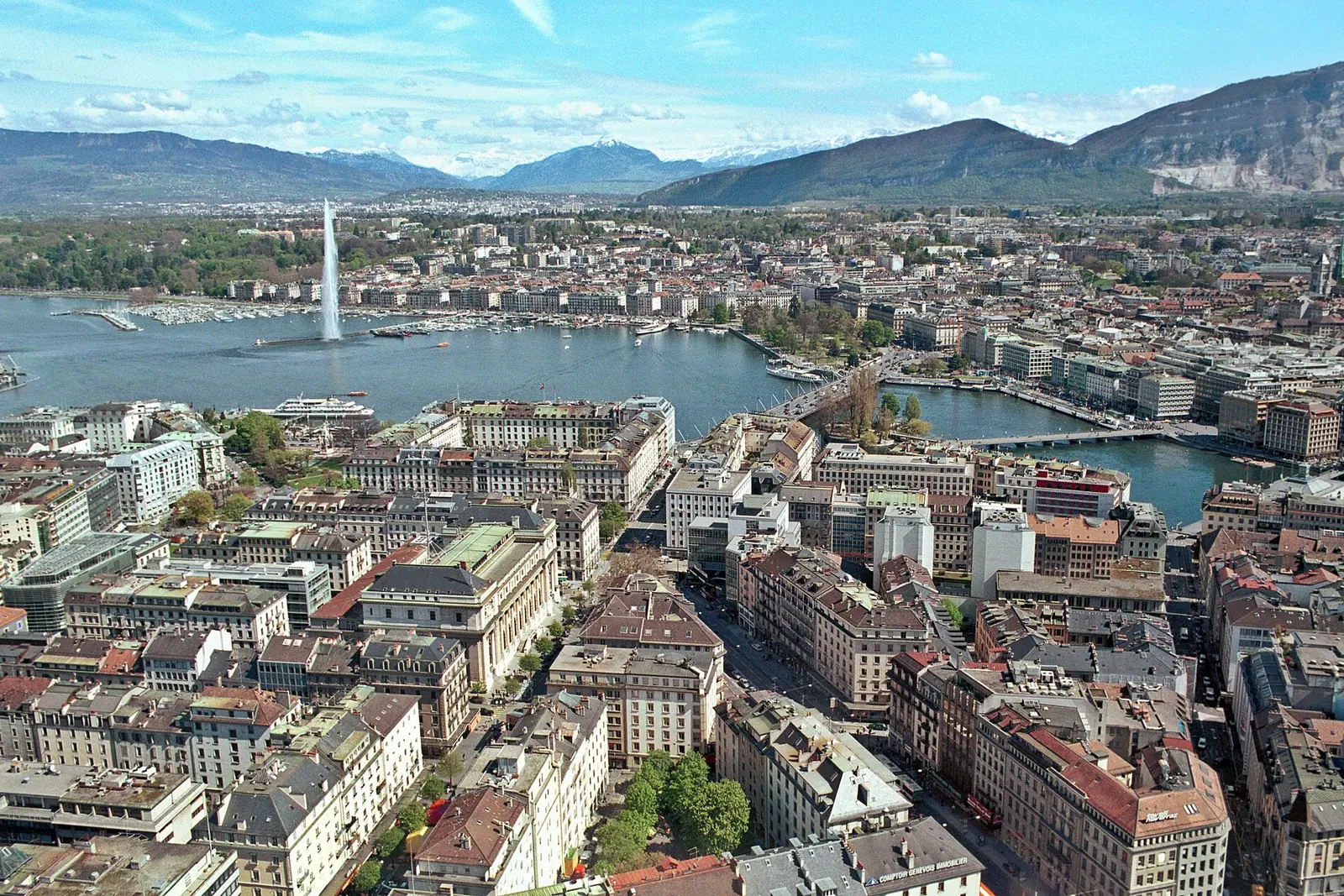
Things to do in Geneva
Skip-the-line tickets, guided tours and standout experiences.
See experiences
Stay online in Switzerland
Travel eSIM — data the moment you land, no roaming bills.
Get an eSIM