Belgium is a country you can cross in a single morning, yet its seasons behave entirely differently from one valley to the next: mist curling off the Bruges canals in November, bluebells carpeting a forest south of Brussels in April, snow settling on the Ardennes while the coast stays merely grey. That variety decides not only what you'll see, but which hotel is worth its rate — and when to book it.
Why Belgium's Calendar Shapes Your Hotel Choice, Not Just Your Itinerary
Belgium's compactness is a gift: Brussels to Bruges takes under an hour by train, Ghent and Antwerp are barely further, and the Ardennes are a two-hour drive from the capital. That means you can settle into one hotel and day-trip almost anywhere. But demand still moves in sharp peaks and troughs. Late April through June and September through October are the golden shoulders — warm enough for terraces, quiet enough for reasonable rates. Mid-July to August brings family holidays, festival crowds and full coastal towns, while the Christmas market weeks turn Bruges and Brussels into the most expensive beds in the country.
The climate is maritime and mild, with rain possible in every month — pack for drizzle in July as readily as in February. Inland, the Ardennes run five to eight degrees colder than the coast and hold snow from December into February, which is why hill-town guesthouses fill with walkers in autumn and cross-country skiers after New Year. The coast, meanwhile, is windier and busier than its temperatures suggest.
One practical quirk matters enormously when choosing a room: air conditioning is still uncommon in Belgium's older townhouses and small canal-side guesthouses. During the occasional summer heatwave, a top-floor room under a slate roof can be stifling, so ask before you book. In winter the reverse applies — check that an older building is properly heated, and be aware that ground-floor rooms along the canals can feel damp.
Spring (March to May): Bluebells, Rubens and Shoulder-Season Value
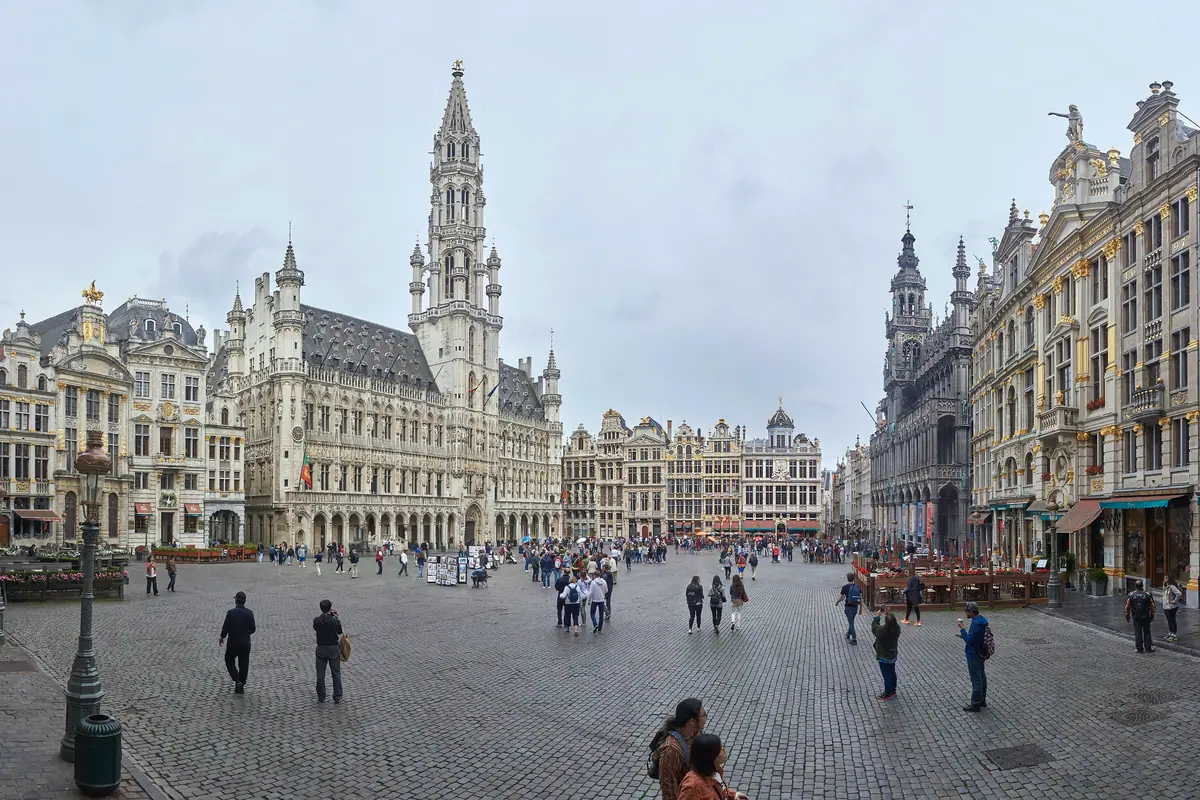
Spring arrives slowly. March is still cool and changeable, hovering around 8–12°C, but by April the country turns lush and the year's most spectacular natural event unfolds: the bluebell carpet of the Hallerbos, a beech forest just south of Brussels. The bloom lasts roughly two weeks in mid-April, and it draws crowds at weekends — go on a weekday morning and pair it with a night in Brussels or Waterloo. May is arguably Belgium's loveliest month, with long evenings and gardens in full leaf.
For city days, this is the season to tackle the big-hitters without the queues. In Antwerp, the Cathedral of Our Lady and the Rubens House reward a slow afternoon; in Ghent, the Gravensteen castle and the altarpiece in St Bavo's Cathedral are essential, though the painting is shown in timed slots, so reserve ahead. Mechelen's St Rumbold's Tower and Leuven's old market square make easy half-days from either city.
Easter school holidays and the May public holidays push prices up sharply, especially in Bruges, where small guesthouses inside the canal ring sell out weeks in advance. Ghent and Antwerp have far more rooms and better midweek value, and both are short hops from Bruges if you want to visit without sleeping there. Ask about bicycle storage — the flat Flemish countryside is made for two wheels.
Summer (June to August): Festivals, Canal Cruises and the Coast
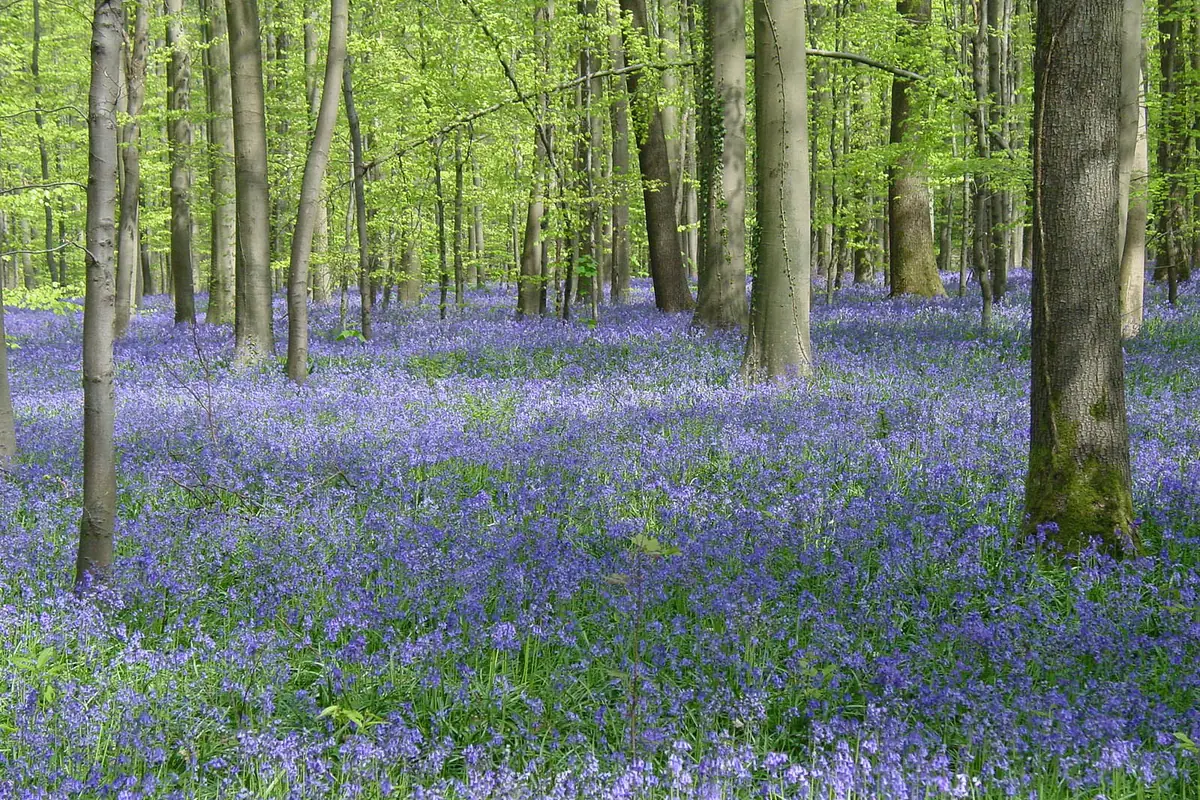
Summer brings the longest days and the biggest crowds. Early July sees the Ommegang pageant fill Brussels' Grand-Place with costumed processions, and Ghent hosts a sprawling ten-day street festival that transforms the whole centre. Belgian National Day on 21 July brings fireworks and parades in the capital. If a festival weekend is your target, book three to four months out — hotels in Ghent and central Brussels are the first to go.
Bruges is at its most photogenic and its most packed. Take the canal cruise early, before the day-trippers arrive, and wander the Rozenhoedkaai and Minnewater at dusk when the water goes glassy. Antwerp offers a breezier alternative, with the riverside MAS museum and the monumental central station worth an afternoon on their own. Along the coast, Ostend, Blankenberge and Knokke fill with Belgian families; many seafront hotels impose two- or three-night minimum stays in July and August, so check the small print.
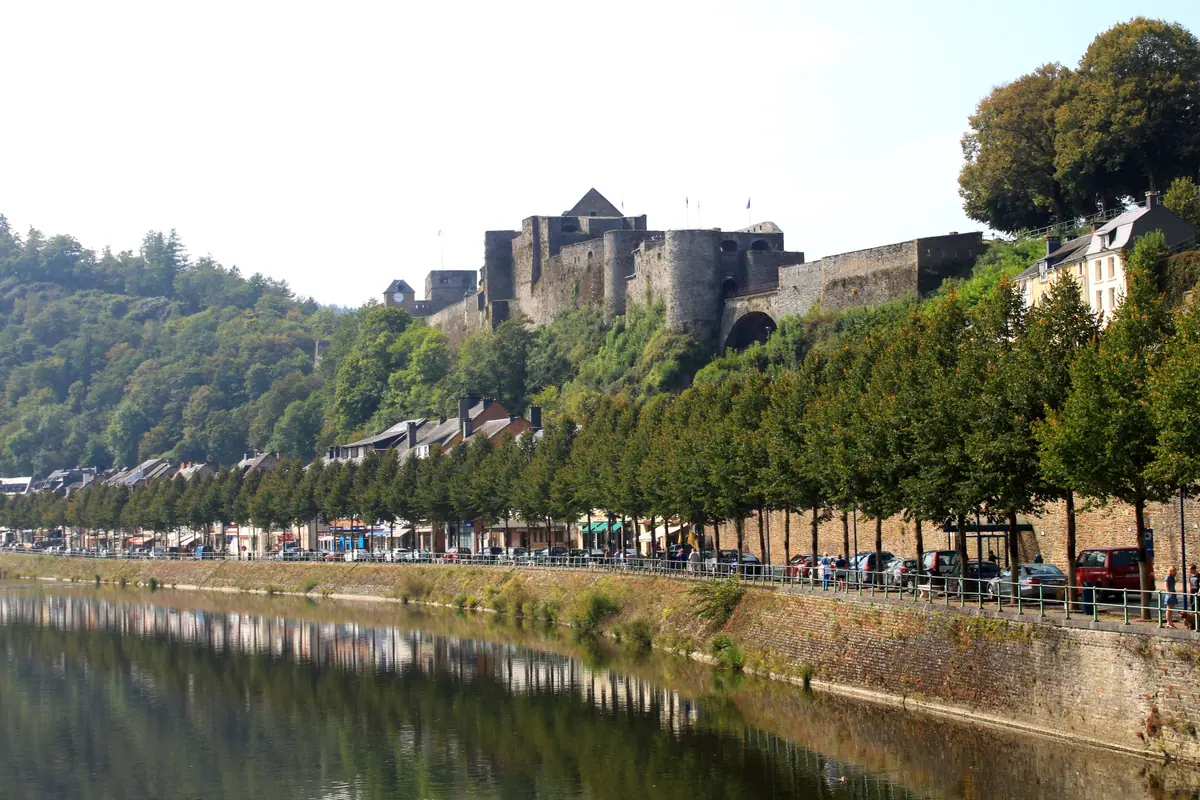
Heat is a genuine consideration. Belgium occasionally tips past 30°C in a heatwave, and air conditioning is patchy. Modern hotels cope; historic properties often don't. If you wilt easily, head for the Ardennes, where La Roche-en-Ardenne, the citadel and cable car at Dinant, and the fortress at Bouillon all sit in cooler, greener surroundings.
Autumn (September to November): Belgium's Quiet Sweet Spot
September is arguably the best all-round month: the summer crowds thin after the first week, the light turns golden, and hotel rates drop noticeably while the weather stays mild. October is for the Ardennes, when the forests above Bouillon and around Spa glow rust and amber, and restaurants start serving hearty game dishes. This is also prime museum season — the Royal Museums of Fine Arts in Brussels, the Magritte Museum, and Antwerp's printing museum all feel calmer than in July.
Beer lovers should aim for autumn, when breweries release their darker, stronger seasonal ales and taproom tours run without summer queues. Combine a brewery visit with a night in a village guesthouse and you have the most characterful stay in the country — though rural hotels often close for a few weeks between mid-November and mid-December, so confirm dates before travelling.
November is the greyest, cheapest month, with short days and drizzle. It's excellent for a city-break bargain in Brussels, Ghent or Antwerp, where weekend rates fall and restaurants are easy to walk into. Smaller towns wind down: many kitchens close on Sundays and Mondays, and some attractions switch to weekend-only opening hours.
Winter (December to February): Christmas Markets, Frost and Carnival
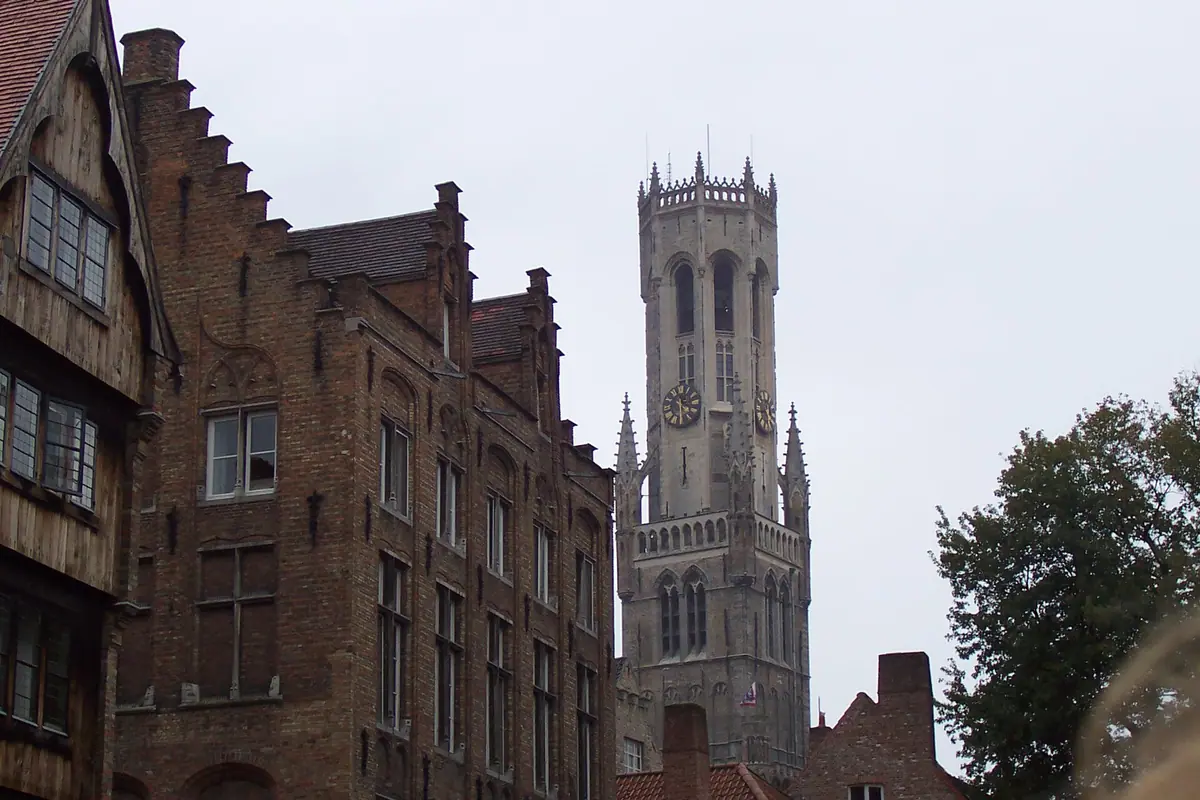
From late November to early January, Belgium leans into winter properly. Brussels drapes its Grand-Place in a light-and-sound spectacle with a market spilling through the surrounding streets; Bruges sets an ice rink on the Markt beneath the Belfry; Ghent and Antwerp follow suit; and Liège's long-established village stretches along the Meuse. Prices peak, especially at weekends, when many Bruges hotels demand minimum stays — book three to six months ahead if you want a canal-view room over the holidays.
Once the markets pack up in early January, the country empties and rates plunge. It's a superb moment for museums and the Atomium, and for the Antwerp and Brussels sights without queues. In the Ardennes, snow is reliable enough for cross-country skiing around Spa and the high plateau at the Signal de Botrange, Belgium's highest point; guesthouses there come with fireplaces, and you'll want to check road access if snow is forecast.
February brings Carnival, most famously the UNESCO-listed procession at Binche, where the Gilles in their wax masks and ostrich-feather headdresses take over on Shrove Tuesday. Nearby towns such as La Louvière fill fast, and Aalst stages its own raucous version. Expect three days of noise, confetti and very early starts if you want a good vantage point.
Choosing a Base: Matching Your Hotel to Belgium's Must-See Sights
Brussels is the practical hub, with fast trains to every corner and the Grand-Place, Manneken Pis, Atomium and the Sablon all within reach of one another. Business hotels here discount heavily at weekends, and neighbourhoods such as Saint-Gilles and Ixelles offer smaller, more characterful places a short tram ride from the centre. Do watch for major trade summits, which can spike midweek rates with little warning.
Bruges rewards staying inside the canal ring — the Belfry, the Basilica of the Holy Blood and the Markt are all minutes away, and the day-trippers vanish by early evening, leaving the streets to residents and overnight guests. Ghent and Antwerp are livelier, cheaper and better supplied with rooms, with the Gravensteen and Graslei in one and the Cathedral of Our Lady, Rubens House and MAS in the other. Both make excellent year-round bases.
For Wallonia, a car helps. Dinant pairs its citadel, cable car and Bayard Rock with riverside hotels; Namur has a citadel above the confluence; Liège's 374-step Montagne de Bueren is a sight in itself; and the Ardennes hide farmhouse guesthouses and spa-town retreats. Finally, check the calendar for the Flower Carpet, which covers Brussels' Grand-Place in begonias in mid-August of even-numbered years — accommodation across the city sells out months in advance.
Frequently asked questions
What is the cheapest time to stay in a Belgian hotel?
Late January and February, plus most of November. Christmas markets have closed, festival season is months away, and city hotels in Brussels, Ghent and Antwerp cut weekend rates sharply. Rural Ardennes hotels sometimes close entirely for a few weeks between mid-November and mid-December, so confirm opening dates.
How far ahead should I book for the Bruges Christmas market?
Three to six months for a weekend in December, and earlier if you want a canal-view room or a small guesthouse inside the canal ring. Many properties impose two- or three-night minimums during the market weeks, and prices peak between the first weekend of Advent and New Year.
Does it snow in Belgium, and where?
The coast rarely sees snow and the cities get light dustings at most. The Ardennes, particularly around Spa and the high plateau at the Signal de Botrange, usually holds snow from December through February and supports cross-country skiing. If you're driving there in winter, check road conditions and choose a hotel with easy access.
When is the best time to see the bluebells at the Hallerbos?
Roughly mid-April to early May, with the peak lasting around two weeks depending on the weather. Weekday mornings are far quieter, and the forest is an easy trip from Brussels — combine it with a night in the city or nearby Waterloo.
Do Belgian hotels have air conditioning?
Often not, especially in older townhouses, canal-side guesthouses and rural properties. Summer heatwaves do happen, and upper-floor rooms under slate roofs get hot. If that matters to you, filter for air conditioning or ask directly, and consider the cooler Ardennes for July and August stays.
Sort the rest of your trip
Everything for Belgium, in one place
Transfer in Belgium
Private driver waiting on arrival — no queues, no surprises.
Book a transfer
Things to do in Belgium
Skip-the-line tickets, guided tours and standout experiences.
See experiences
Stay online in Belgium
Travel eSIM — data the moment you land, no roaming bills.
Get an eSIMMore guides in Belgium
One Week in Belgium: The Perfect 7-Day Itinerary from Brussels
Where to Stay in Belgium: Best Areas, Hotels and Must-See Attractions in Brussels, Bruges, Ghent and Beyond
Things to Do in Belgium: Must-See Landmarks and Unmissable Experiences
Belgium Food, Culture and Local Experiences: A Tour Beyond the Postcard