Zimbabwe squeezes a continent's worth of scenery into one landlocked country: thundering spray at Mosi-oa-Tunya, elephant herds crossing dusty pans, granite hills crowded with Stone Age paintings and a medieval stone city that gave the nation its name. Where you sleep shapes the trip as much as where you drive, because the country's best lodges sit right on the edge of its greatest sights.
Where Zimbabwe's Hotels Cluster: A Quick Orientation
Zimbabwe's accommodation follows its geography almost perfectly. The highveld cities of Harare and Bulawayo hold the business hotels, leafy suburban guesthouses and self-catering apartments; the far northwest holds the Victoria Falls resort town, where garden lodges and boutique hotels stand within walking distance of the gorge; and the wild west and north hold the safari camps of Hwange, Mana Pools and Lake Kariba. In the southeast, small lodges and country hotels serve Great Zimbabwe and the misty Eastern Highlands.
Distances are bigger than they look on a map. Harare to Victoria Falls is roughly 880km by road, a long day's drive, while Bulawayo to the falls is around 440km. Short domestic flights cut those journeys to about an hour and a half, and most travellers mix one or two flights with a self-drive or guided road transfer. Fuel is available in towns but not reliably in remote park areas, and driving after dark is best avoided because of stray cattle, potholes and unlit trucks.
Practicalities matter when choosing a base. US dollars are accepted almost everywhere, though card machines can fail outside main centres, so carry cash for park fees, tips and roadside stalls. Power and water interruptions still happen in towns, but most safari camps and upmarket lodges run on solar, inverters and boreholes, which is one reason the pricier rooms feel so effortless.
Victoria Falls: Lodges Beside Mosi-oa-Tunya
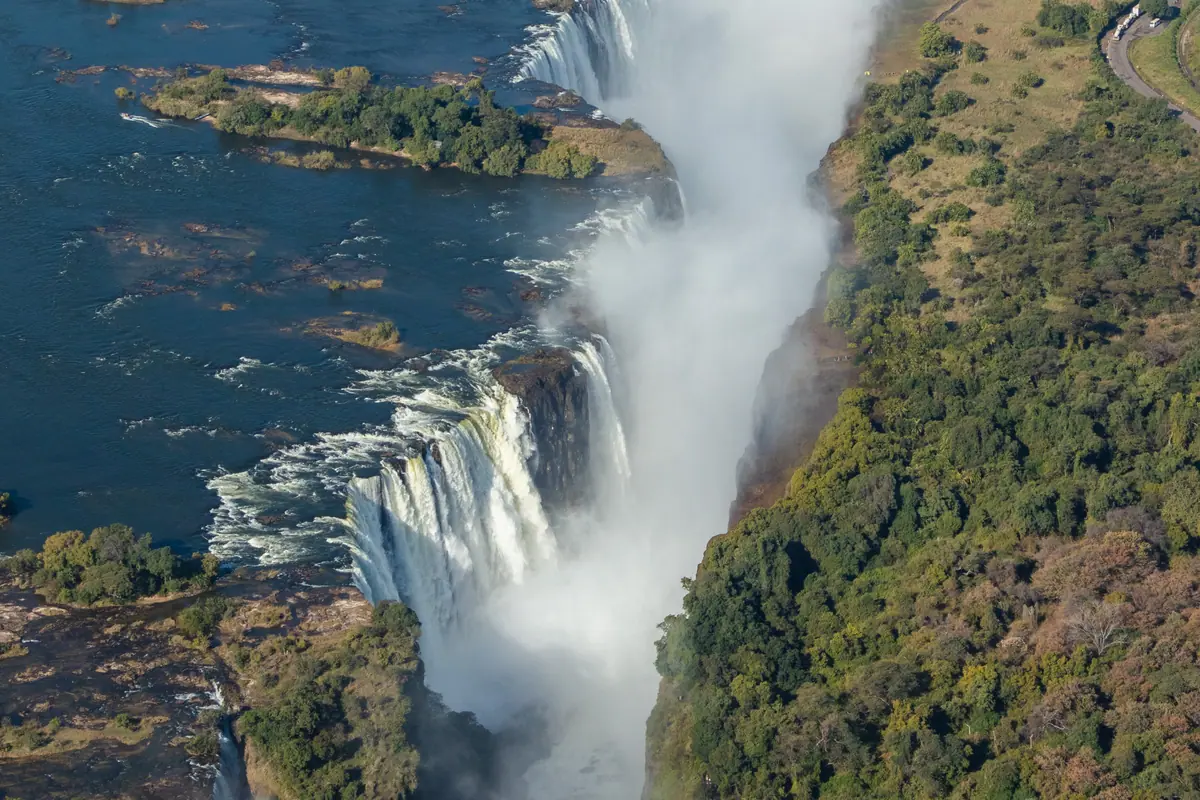
The town of Victoria Falls exists for one reason: the mile-wide curtain of water the local Shona call Mosi-oa-Tunya, the smoke that thunders. Hotels here range from colonial-era grand dames with verandas and ceiling fans to modern spa resorts, garden guesthouses and budget lodges clustered along the main road. Staying in town puts the national park gate, the craft market and the lookout points within a short walk or shuttle ride, which matters because the spray is at its most photogenic in the early morning before the crowds arrive.
The falls themselves are walked via a rainforest trail of viewpoints, where rain capes are genuinely necessary between about February and May, when the Zambezi is in full flood and the mist soaks everything within a hundred metres. From roughly September to December the flow drops and the gorge opens up, revealing the full height of the cliff face and the churning rapids below. Beyond the falls, the same town is a launch pad for sunset cruises on the Zambezi, microlight flights over the gorge, white-water rafting on the Batoka stretch and bungee jumps from the Victoria Falls Bridge, which arches over the river between Zimbabwe and Zambia.
A quieter alternative is the Zambezi National Park just upstream, where riverside lodges trade the bustle of town for elephants drinking at dawn and hippos grunting through the night. These camps suit travellers who want the falls by day and wilderness by evening, and they are usually booked through the lodge itself with transfers included.
Hwange, Mana Pools and Lake Kariba: Safari Camp Country
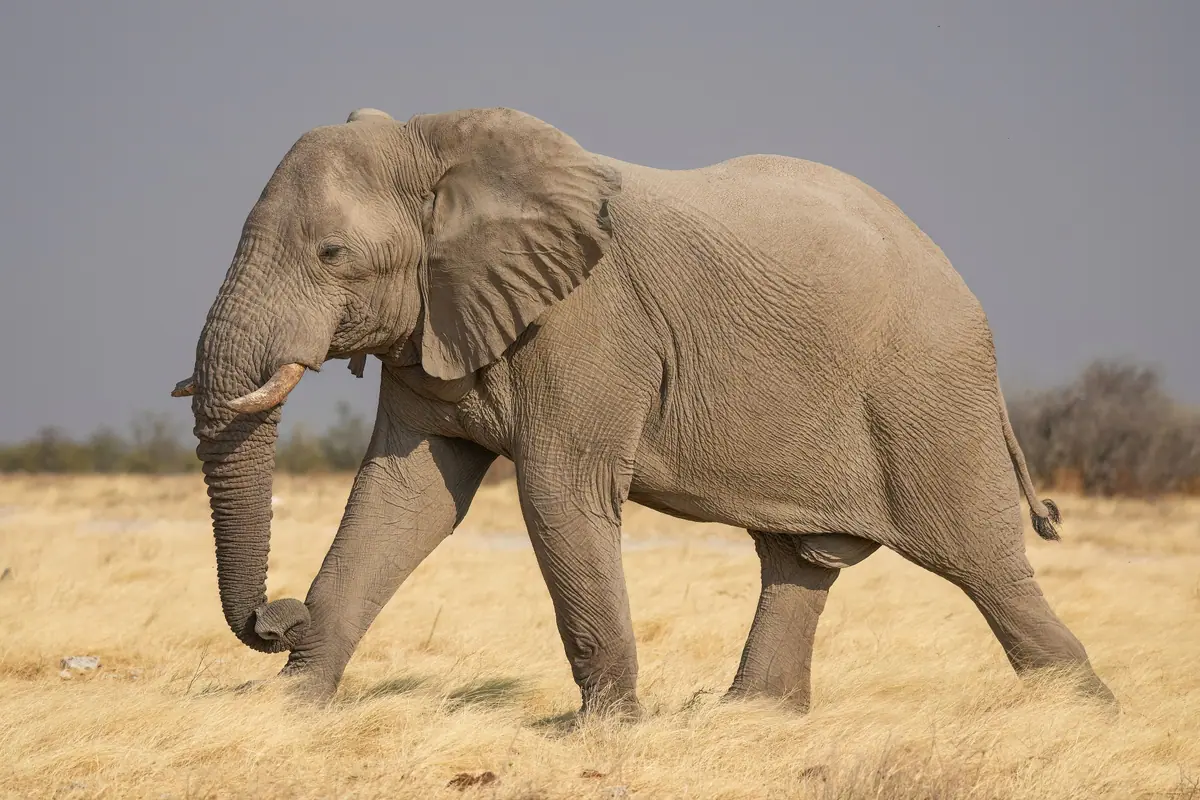
Hwange National Park, Zimbabwe's largest, is the classic safari destination: teak woodland, open vleis and a chain of pumped pans that pull in enormous elephant herds in the dry months from roughly July to October. Accommodation splits between the national parks camps at Main Camp, Sinamatella and Robins Camp, where you self-cater or stay in simple chalets, and private concessions on the park's edges that offer tented suites, guided drives and walking safaris. The private camps cost more but deliver night drives and off-road access that the public sections do not allow.
North of Hwange, Mana Pools National Park is a UNESCO-listed floodplain along the Zambezi where walking safaris are the main event and the wildlife is famously relaxed — you may track wild dog on foot in the morning and watch elephants strip albida pods from a canoe in the afternoon. Camps here are small, seasonal and often closed during the rains, so book many months ahead for the peak dry season. Chitake Springs and the Nyamepi area are the two poles of the park, one for adventurous walking, one for comfortable riverside camping.
Lake Kariba adds a third flavour entirely. Houseboats and lakeside lodges around Kariba town and the Matusadona shoreline combine tiger fishing, sunset cruises among drowned mopane trees and game viewing from the water, with elephants and buffalo wandering down to drink. It is an easy add-on to a Hwange or Mana Pools itinerary and a good option for families who want wildlife without long, hot game drives.
Harare: City Hotels, Gardens and an Arts Scene
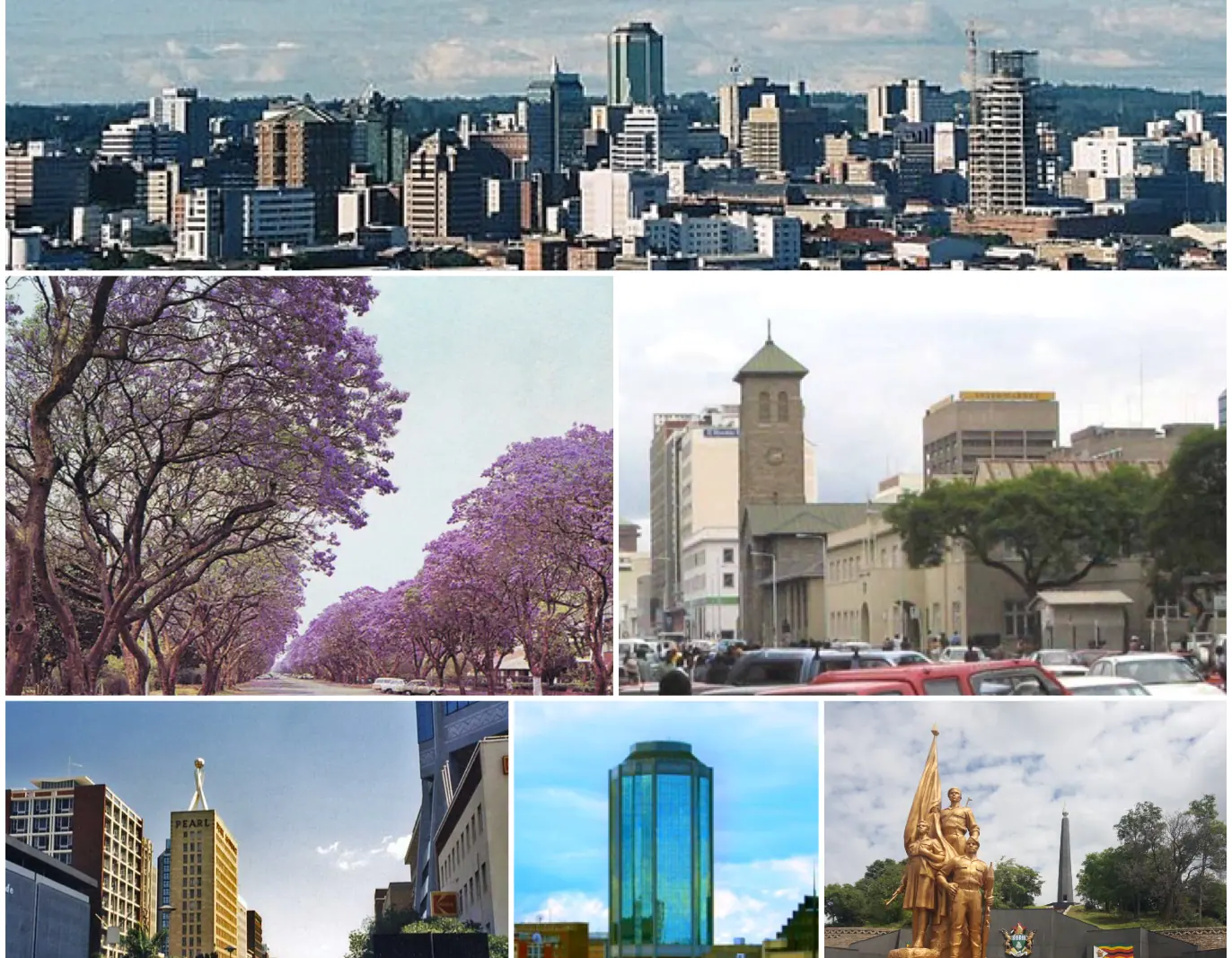
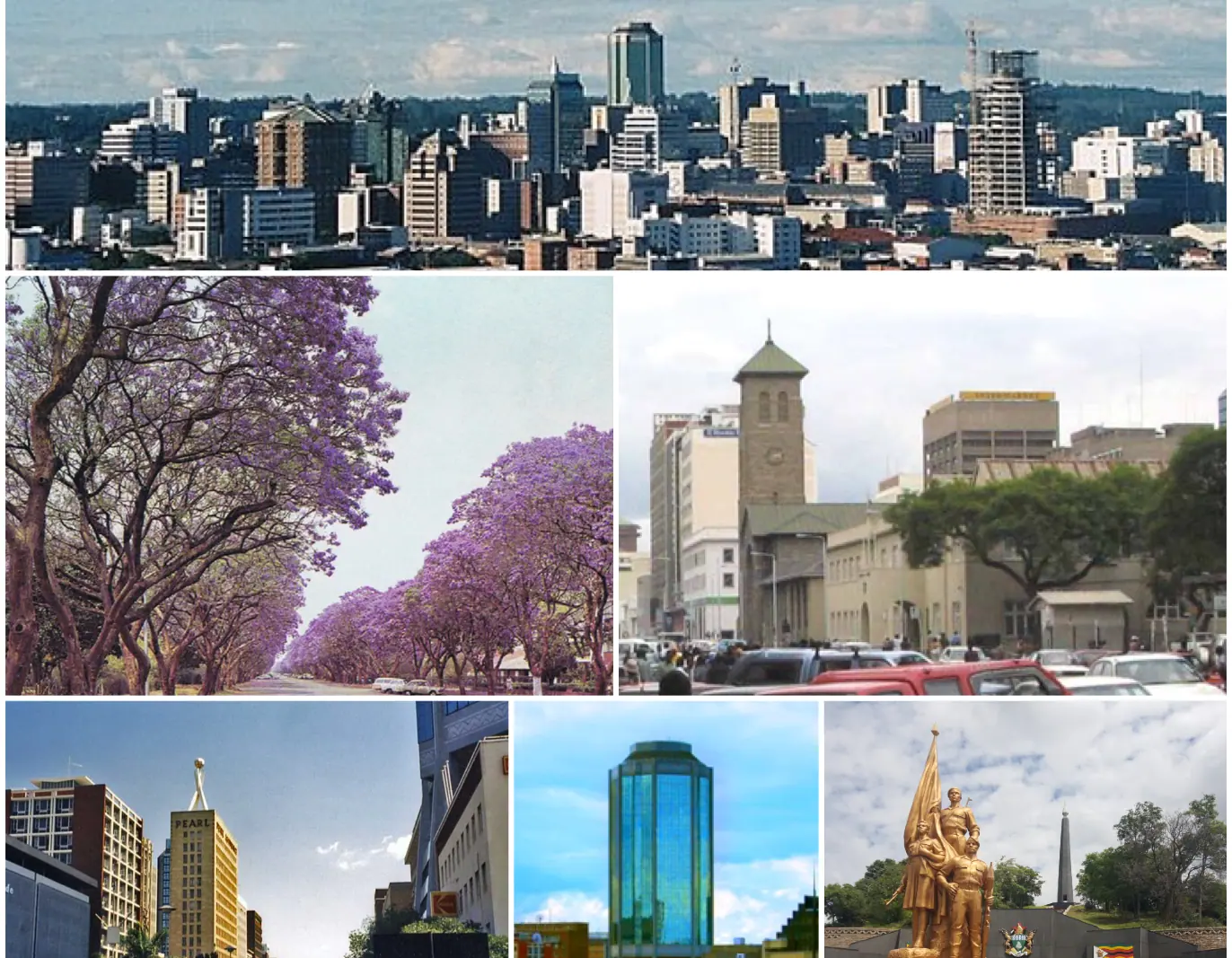
Harare is not a sightseeing city in the European sense, but it rewards a couple of days. Hotels concentrate in the northern suburbs of Avondale, Borrowdale and Mount Pleasant, where tree-lined streets hold guesthouses, boutique hotels and long-stay apartments within easy reach of restaurants and shops. The central business district is compact and walkable by day, with the National Gallery of Zimbabwe and the Zimbabwe Museum of Human Sciences both worth an afternoon, the latter holding exhibits on early human settlement and the country's rock-art heritage.
Green space is Harare's secret weapon. The Harare Gardens sit in the middle of the city, the National Botanic Garden spreads across the slopes near the university, and the Mukuvisi Woodlands on the eastern edge offer a genuine bush walk with giraffe and zebra only minutes from the office towers. Just outside town, the Balancing Rocks at Epworth and the rock-art shelters and caves at Domboshava make excellent half-day trips, and Heroes' Acre on the western outskirts is a monumental hilltop site with sweeping views over the plateau.
For markets and atmosphere, Mbare Musika is loud, chaotic and utterly authentic, best visited with a local guide and a camera you are happy to keep in your bag. Farther out, Lake Chivero and the surrounding recreational park suit a lazy Sunday, though most travellers treat Harare as a gateway: a comfortable base to rest, restock and reset before flying or driving onward.
Bulawayo and the Matobo Hills: Colonial Streets and Ancient Art
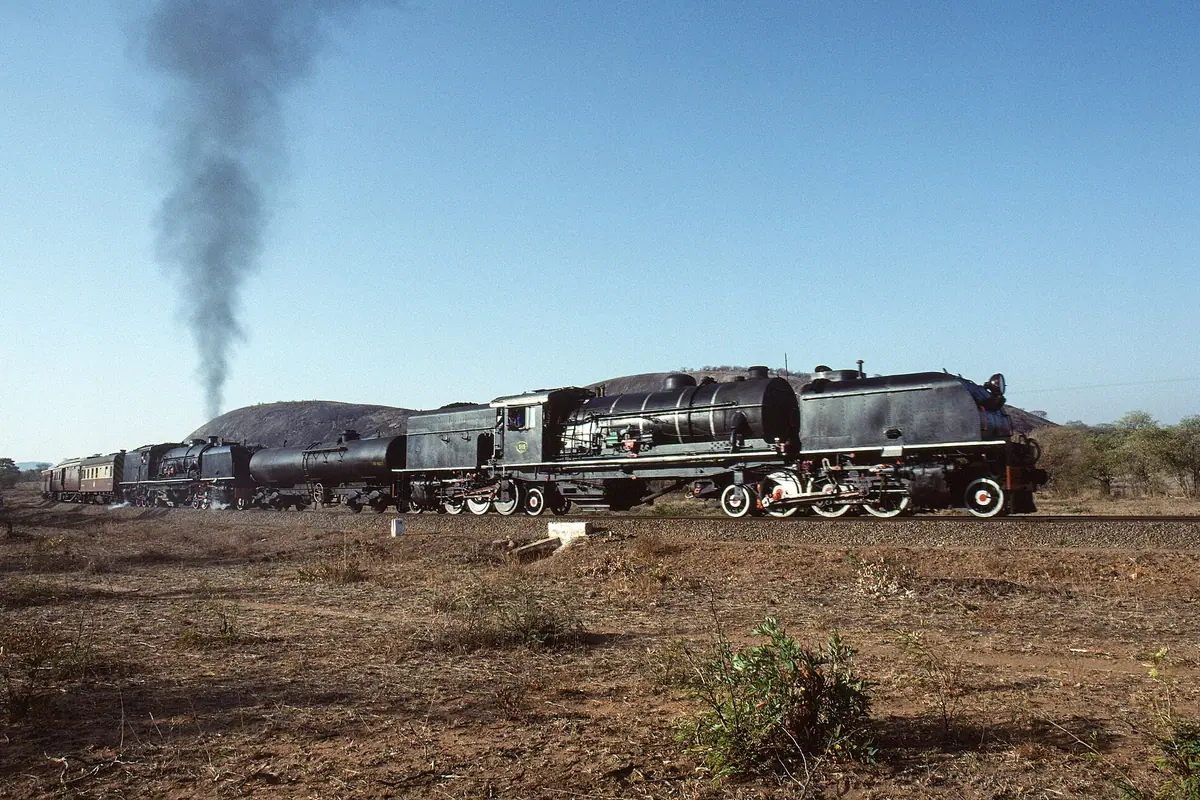
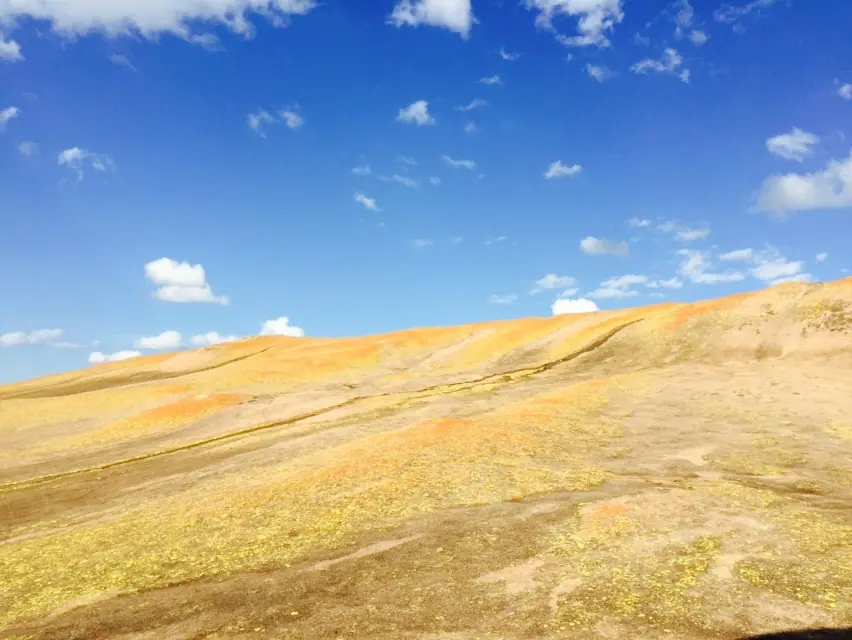
Zimbabwe's second city keeps a slower, wider rhythm than the capital, with broad jacaranda-lined avenues, a strong museum culture and accommodation in the older suburbs of Hillside, Kumalo and Malindela. The Natural History Museum holds one of the region's finest collections of mammals, birds and reptiles, while the Railway Museum tells the story of the line that once carried travellers from Cape Town to the Victoria Falls. The Khami Ruins, a UNESCO World Heritage Site of terraced stone walls a short drive west of town, are a quieter, less-visited counterpart to Great Zimbabwe.
The real draw, however, is the Matobo National Park, half an hour south, where granite kopjes rise in balancing stacks and the rock shelters hold one of the densest concentrations of San paintings in southern Africa. The summit known as World's View looks out over the whole range and is a place of real spiritual weight for local communities. Lodges inside and around the park range from simple rest camps to luxury tented camps and farm guesthouses, and most include guided walks to see white rhino on foot — one of the few places in the region where that is possible.
Allow at least two nights. The park is best explored early, when the light hits the boulders sideways and the rock art shelters are cool, and late, when klipspringers and vervet monkeys come out on the granite. Bulawayo also makes a logical stop between Harare and Victoria Falls if you are driving rather than flying.
Great Zimbabwe and the Eastern Highlands: Ruins, Mist and Tea Country
Southeast of Masvingo stands Great Zimbabwe, the mortarless granite city built and expanded between roughly the 11th and 15th centuries, and the reason the modern nation takes its name. The site divides into the Hill Complex, perched on a boulder-strewn outcrop with long views over Lake Mutirikwi; the Great Enclosure below, with its massive curving walls and mysterious conical tower; and the Valley Ruins scattered among the huts of the old settlement. The famous soapstone Zimbabwe Birds, later adopted as a national emblem, were found here. Stay in Masvingo town, about 30km away, where small hotels and guesthouses offer easy access, or in a handful of lodges closer to the ruins.
From here the road climbs into the Eastern Highlands, a green, cool world of pine plantations, tea estates and waterfalls that feels nothing like the rest of the country. Mutare is the regional hub, with hotels and guesthouses serving trips to the Bvumba Mountains, where forest trails and viewpoints hang above the Mozambican plain, and to Chimanimani, a hiker's country of granite peaks and crystal streams. Nyanga, farther north, offers trout fishing, the Bridal Veil Falls and the long climb up Mount Nyangani, Zimbabwe's highest point.
This is a wetter, milder corner, best from April to September when tracks are firm and the mist lifts by mid-morning. Bring warm layers for the evenings — it is the one part of Zimbabwe where a fleece is genuinely useful. Chinhoyi Caves, with their startling blue Sleeping Pool, make a natural stop if you are driving between Harare and the Kariba or Mana Pools side of the country.
Frequently asked questions
When is the best time to visit Zimbabwe?
The dry season from May to October is prime for wildlife, because vegetation thins and animals gather at waterholes in Hwange, Mana Pools and Matobo. For the falls themselves, February to May brings peak flow and spectacular spray, while September to December gives lower water, clearer views of the gorge and better rafting conditions. The rainy months from November to March turn the bush green and bring excellent birding, though some remote camps close.
How do I travel between Harare, Bulawayo and Victoria Falls?
Short domestic flights link all three in roughly one to one and a half hours and are the most efficient option. By road, Harare to Bulawayo is about 440km on a good highway, and Bulawayo to Victoria Falls is a similar distance on a slower, wildlife-heavy stretch. Expect long days, drive only in daylight, and consider a guided transfer if you would rather not self-drive.
Do I need malaria tablets for Zimbabwe?
Malaria risk is highest in the low-lying Zambezi valley, including the Victoria Falls area, Hwange, Mana Pools, Kariba and the southeastern lowveld. The highveld cities of Harare, Bulawayo and Masvingo carry much lower risk. Speak to a travel health professional well before you go, use repellent at dusk, and sleep under a net where one is provided.
Can I pay by card in Zimbabwe, or should I bring cash?
US dollars are widely accepted, and cards work in city hotels, supermarkets and larger lodges, but connections fail often outside main centres. Carry cash for national park entry fees, tips, fuel in remote areas, craft markets and small guesthouses. Small denominations are genuinely useful, since change can be scarce.
Where should a first-time visitor base themselves?
A classic first trip pairs two or three nights in Victoria Falls town with three or four nights in Hwange or Mana Pools, then a night or two in Harare or Bulawayo en route. If you have more time, add Great Zimbabwe and the Eastern Highlands for a completely different landscape of stone ruins, forest and tea country.
Sort the rest of your trip
Everything for Zimbabwe, in one place
Transfer in Zimbabwe
Private driver waiting on arrival — no queues, no surprises.
Book a transfer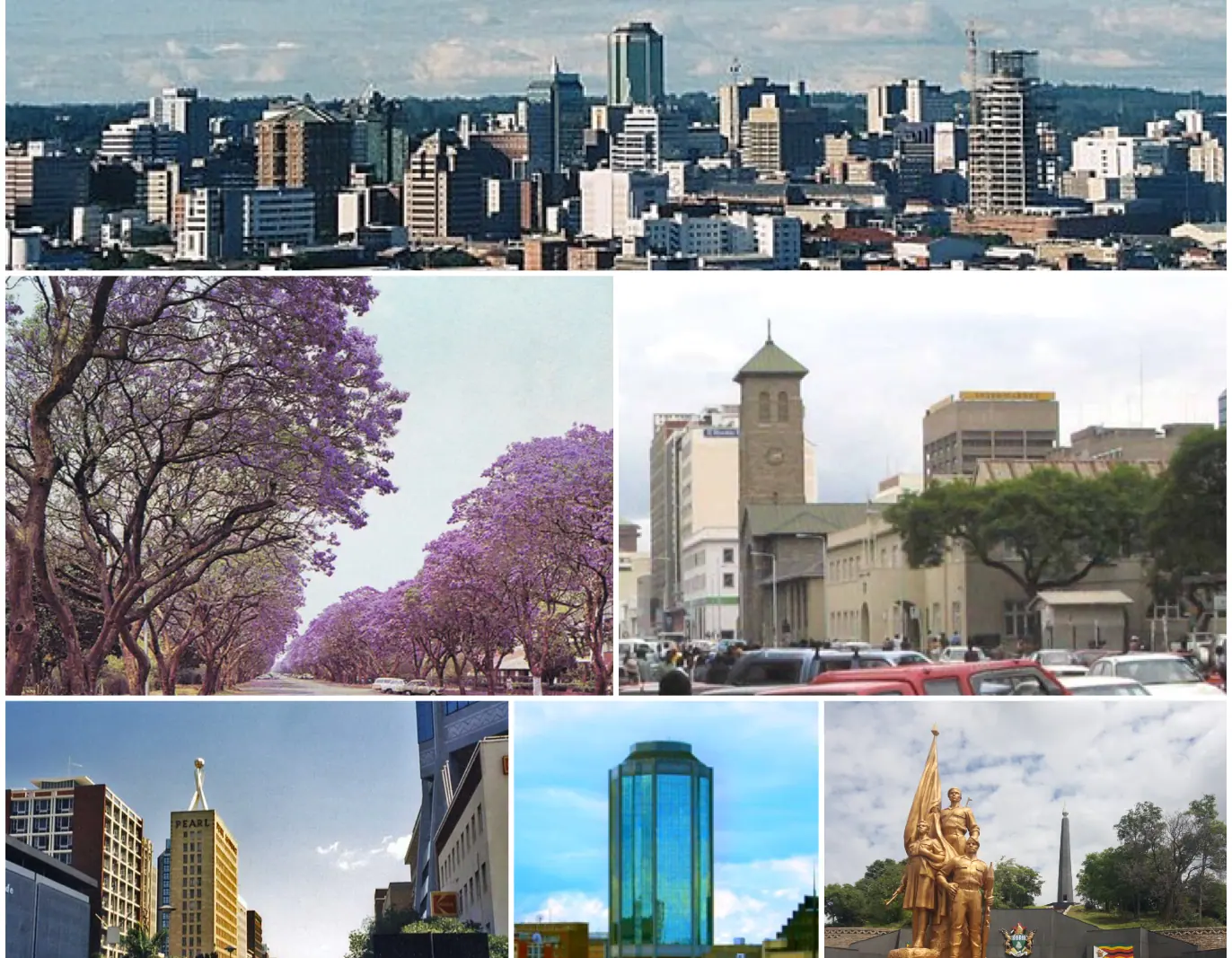
Things to do in Zimbabwe
Skip-the-line tickets, guided tours and standout experiences.
See experiences
Stay online in Zimbabwe
Travel eSIM — data the moment you land, no roaming bills.
Get an eSIMMore guides in Zimbabwe
Best Places to Visit in Zimbabwe: Waterfalls, Wildlife and Ancient Stone Cities
One Week in Zimbabwe by Air: A Fly-In Itinerary from Victoria Falls to Harare
Things to Do in Zimbabwe: Victoria Falls, Hwange and the Country's Greatest Landmarks