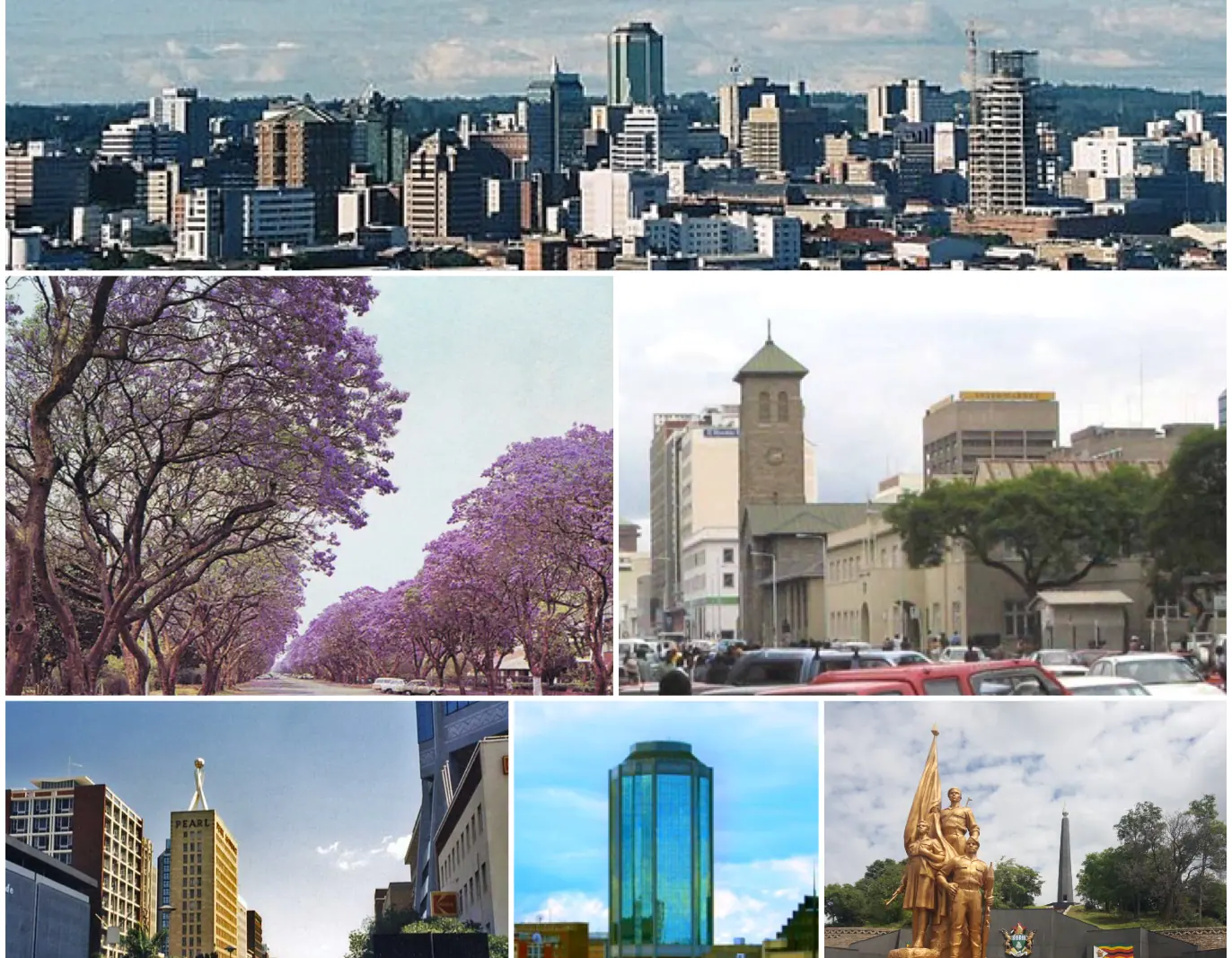
Zimbabwe packs an entire continent's worth of drama into one landlocked country: a waterfall that drenches you from a hundred metres away, floodplains where elephants walk past your tent, and stone walls built eight centuries ago without a drop of mortar. This is a guide to the places worth building a whole trip around — and the months that make them sing.
Victoria Falls and the Zambezi Gorge: The Smoke That Thunders
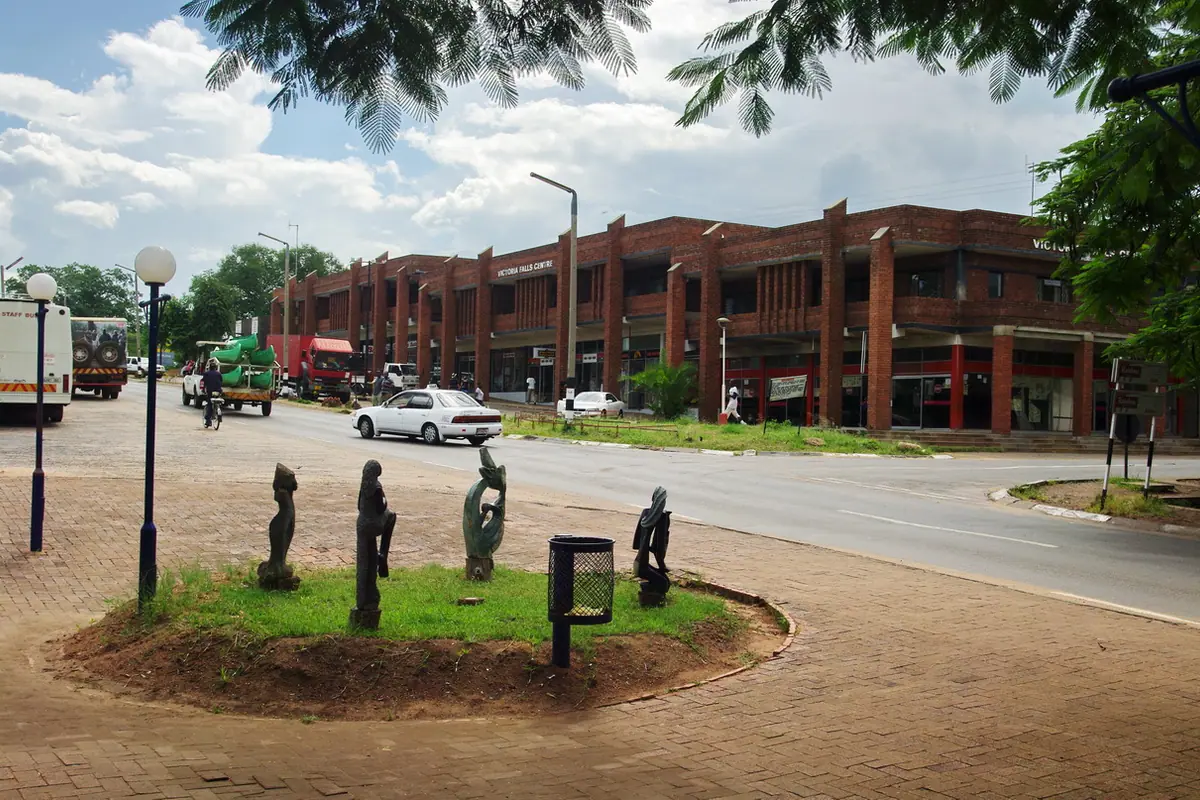
The local name says it best — Mosi-oa-Tunya, the smoke that thunders. The Zimbabwean town of Victoria Falls sits right beside the national park rainforest trail, where a paved path links numbered viewpoints facing the curtain of water. You walk from Devil's Cataract through the mist-soaked rainforest to Main Falls, then on to Horseshoe Falls and Rainbow Falls, where the spray throws permanent rainbows and you will be soaked within minutes. Bring a light rain jacket if you visit between February and May, when the Zambezi runs at full flood and the spray rises so high it can be seen from kilometres away.
The adventure doesn't stop at the viewpoints. Below the falls, the Zambezi squeezes through a series of deep gorges, and white-water rafting here is among the wildest commercial runs on the planet — roughly two dozen rapids, best tackled in the lower-water months from about August to December, when the big drops are open. Between the Zimbabwean bank and the Zambian side, the Victoria Falls Bridge carries a bungee jump, a gorge swing and a zip line, while gentler options include sunset cruises upstream, canoeing among hippos in the Zambezi National Park and helicopter flights over the gorge. Give the falls at least two or three nights.
Timing matters here more than almost anywhere in Africa. February to May brings colossal volume, thunderous noise and near-constant spray; September to December brings lower water, clearer views of the rock face and the best rafting. Either way, walk the trail early in the morning to beat the crowds and the midday heat.
Hwange National Park: Zimbabwe's Elephant Stronghold
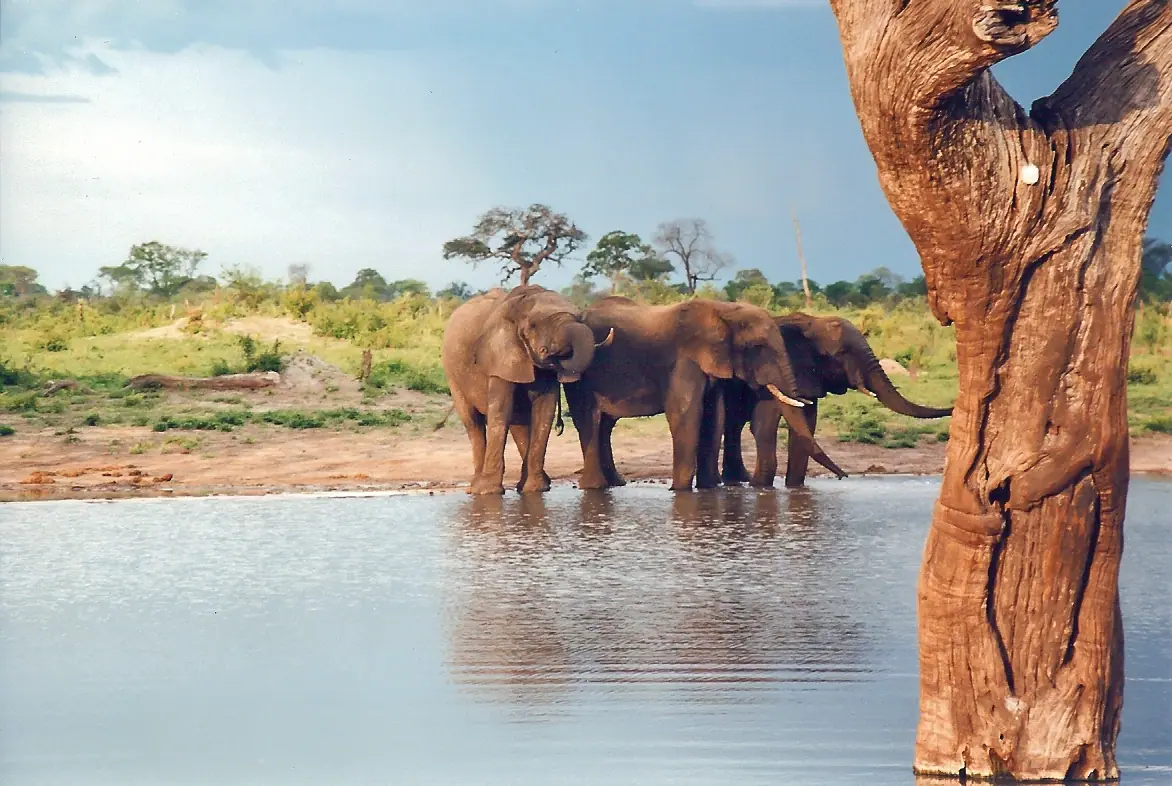
Hwange is the country's largest national park and its most accessible big-game destination, a vast stretch of teak woodland, mopane scrub and open vlei roughly two hours' drive south of Victoria Falls. What makes it special is water — or rather the pumps and pans that keep it flowing through the dry months, drawing huge concentrations of elephants, buffalo, zebra and giraffe to drink. The main viewing areas cluster around Main Camp and the Nyamandlovu pan, around Sinamatella in the north, and around Robins Camp and Mandavu Dam in the west. Sit at a pan at dusk in August, September or October and the parade can seem endless.
The dry season from roughly June to October is prime time: vegetation thins, animals commit to predictable waterholes, and predators are easier to find. The green season from November to April is a different park entirely — emerald grass, newborn antelope, migratory birds and dramatic storm skies, with far fewer vehicles. Some private concessions offer night drives and guided walks, which are the best way to see the smaller things most visitors miss: genets, bushbabies, owls and the tracks that tell the night's stories.
Distances inside Hwange are long and sandy, so most travellers base themselves at a camp or lodge and explore with a guide rather than trying to cover the whole park. Light aircraft hop between Hwange's airstrips, Victoria Falls and Bulawayo, which saves hours on the road if your itinerary is tight.
Mana Pools: Walking Safaris on the Zambezi Floodplain
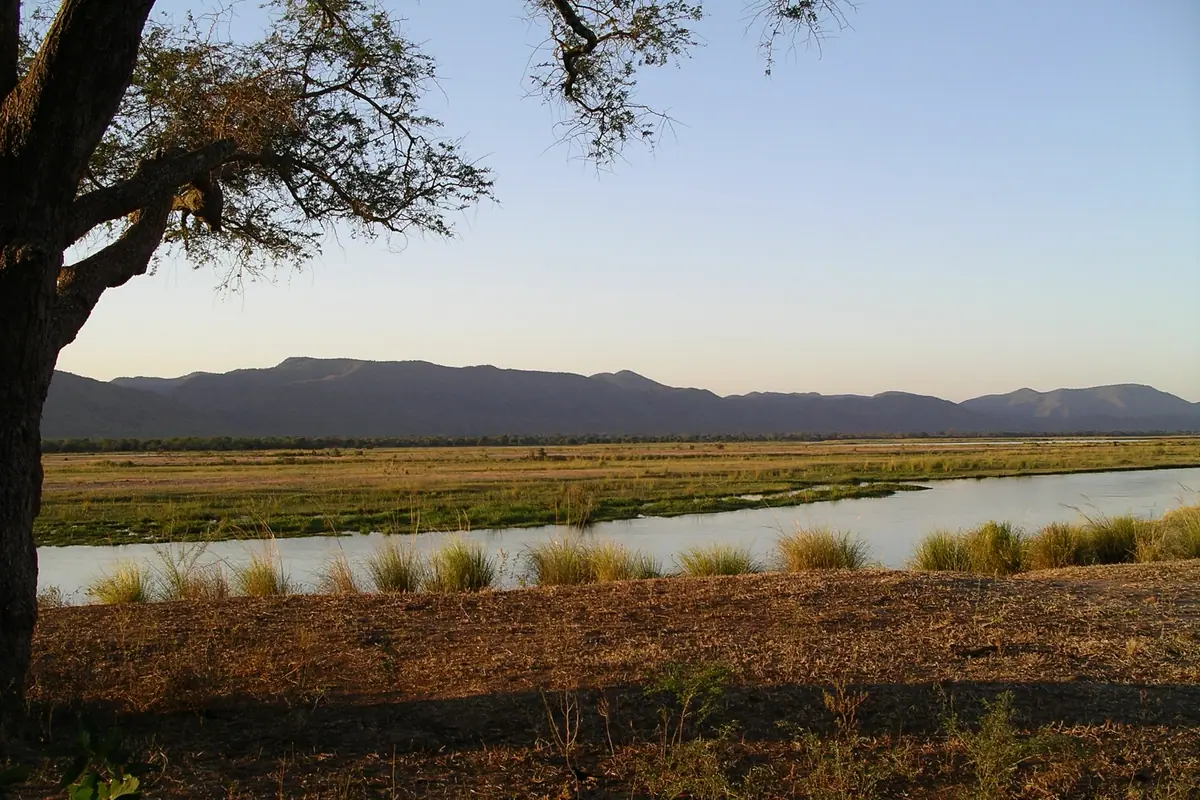
On Zimbabwe's northern border, the Zambezi spreads into a maze of channels, sandbanks and oxbow lagoons. The name Mana Pools means "four pools", and those four seasonal basins — Main, Chine, Long and Chikwenya — anchor a World Heritage Site that feels genuinely untamed. This is one of the few places in southern Africa where walking is the main event rather than an add-on. Guides lead visitors on foot across open floodplains past grazing elephants, eland, kudu and buffalo, reading tracks and keeping the wind in their favour.
Mana's resident wild dog packs are a highlight for many visitors, along with lions that patrol the river terraces and crocodiles hauled out on the sand. Canoe trails run downstream from Chirundu through the Mana mouth, a multi-day paddle that lets you drift quietly past drinking herds and camp on islands under enormous skies. It is not a comfortable trip for everyone — the terrain is hot and flat, and the middle of the dry season can push past 40°C — but it is unforgettable.
The season runs from about May to October, when the floodwaters retreat and animals depend on the river. September and October deliver the greatest concentrations of game along the water, though they are also the hottest months, so plan for dawn starts and long siestas. Access is normally by light aircraft from Harare or Kariba to a handful of bush airstrips, with self-drive possible only for the well-prepared in a high-clearance vehicle.
Great Zimbabwe, Matobo Hills and Khami: The Stone Cities
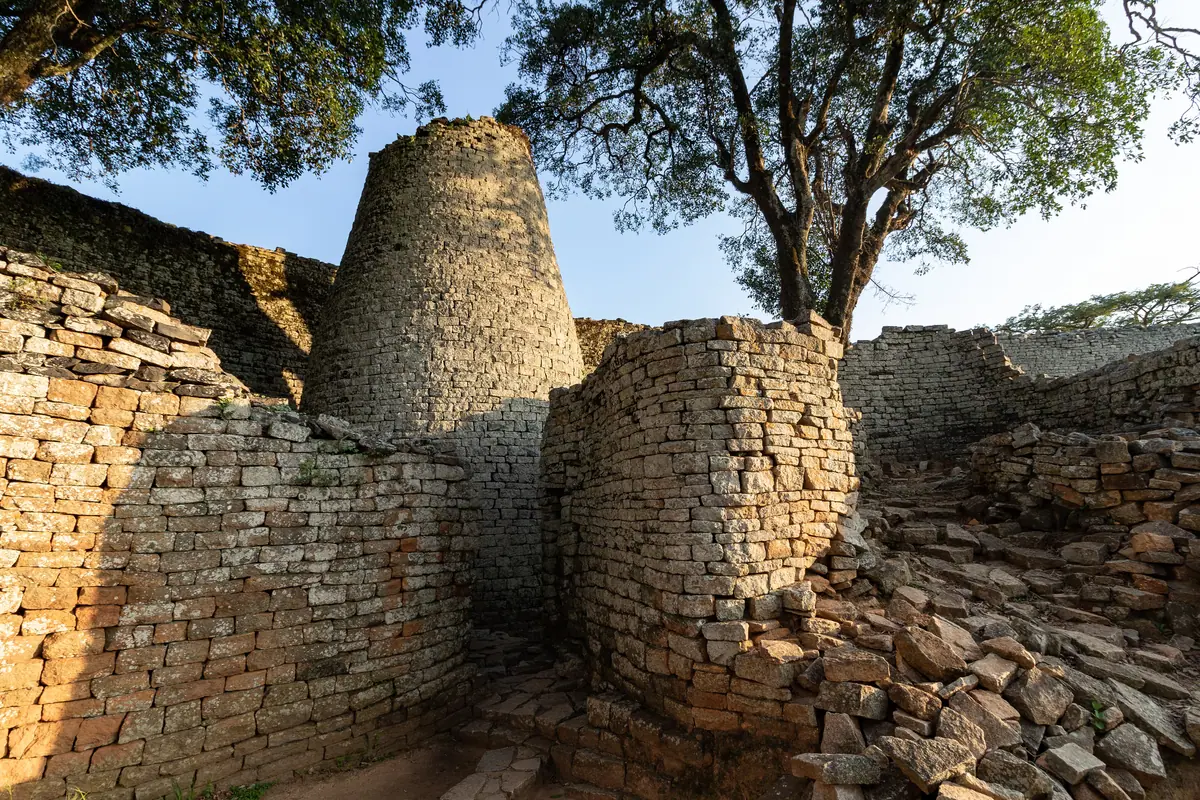
Inland from the Zambezi, Zimbabwe's history is written in granite. Near Masvingo, the ruins of Great Zimbabwe rise from the bush in dry-stone walls built between roughly the 11th and 15th centuries, with no mortar holding a single block. The Hill Complex climbs a rocky outcrop with sweeping views; below it, the Great Enclosure wraps around a massive curved wall and the mysterious Conical Tower. The carved soapstone birds found here — now national emblems — are among the most recognisable artefacts in southern Africa. A guided walk takes two to three hours and turns a pile of stones into a living royal capital.
Near Bulawayo, the Matobo Hills are a landscape of balancing granite kopjes, San rock paintings and one of the densest concentrations of birds of prey in the region. Game drives and walks here often focus on tracking white rhino on foot through the rocks, a thrilling and quiet way to see them. The hill known as Malindidzimu, or World's View, holds the grave of Cecil John Rhodes and offers a panorama of tumbled boulders stretching to the horizon.
Bulawayo itself is a relaxed, wide-avenued city worth a day: the Natural History Museum and the railway museum give context to the region's mining and colonial past. Just outside the city, the Khami Ruins are a smaller, terraced successor to Great Zimbabwe, usually visited as a half-day trip. Pair Masvingo with Matobo for a cultural counterweight to a wildlife-heavy itinerary.
Lake Kariba and Matusadona: Houseboats, Sunsets and Drowned Forests
One of the world's largest man-made lakes, Kariba stretches along the Zambezi like an inland sea, its shoreline fringed with the bleached skeletons of trees drowned when the dam was built. The result is eerie and beautiful: grey trunks standing in still water, fish eagles calling from the branches, and sunsets that turn the whole lake copper. Houseboats are the classic way to experience it — you drift, swim off the back, fish for tigerfish and let the crew cook while elephants and hippos graze the shore nearby.
Across the water, the Matusadona National Park shelters a rugged escarpment, shoreline grasslands and good populations of elephant, buffalo and lion, plus the occasional sighting of the park's famous black rhino lineage. Most visitors arrive by boat or light aircraft rather than road, which keeps the experience quiet. Tiger fishing peaks in the warmer months, roughly September to November and again from March to May, though a line off the back of a houseboat can produce a strike almost any time.
Kariba town is the main hub, with a harbour full of houseboats and ferries, while Binga and Mlibizi on the western shore are quieter launch points. The dry, mild months from May to September are the most comfortable for sleeping on deck; October and November are scorching but spectacular for storms and sunsets.
The Eastern Highlands and Around Harare: Mountains, Mist and Rock Art
Zimbabwe's eastern spine climbs toward the Mozambique border in a series of cool, green hills that feel nothing like the rest of the country. Nyanga National Park holds Mount Nyangani, Zimbabwe's highest point, plus trout streams, rolling grassland and Mutarazi Falls, a slender ribbon of water that plunges over a sheer escarpment and is often described as the country's tallest. Farther south, the Vumba range offers botanical gardens, forest walks and the famous view toward Mozambique from Leopard Rock.
In the far southeast, Chimanimani is hikers' country: trails into the granite massif, waterfalls such as Bridal Veil, and the ancient, cathedral-like trees of the Chirinda Forest. Conditions are coolest and clearest from about April to September, when mornings can be misty and nights genuinely cold — pack a fleece, which surprises most visitors to Africa.
Harare makes a practical base for a day or two. The National Gallery showcases contemporary Zimbabwean art, while the Domboshava hills just outside the city hide rock-art caves with paintings centuries old, reached by a short, steep climb with wide views. Combine a city stop with a detour to the Chinhoyi Caves, where a startlingly blue pool drops into darkness and has long been a site of local legend.
Frequently asked questions
When is the best time to visit Zimbabwe?
For wildlife, the dry season from roughly June to October is best, as animals gather at reliable waterholes in Hwange, Mana Pools and Matusadona. For Victoria Falls at full throttle, come between February and May, when the Zambezi is at peak flood. For white-water rafting and clearer views of the gorge, aim for August to December. The green season from November to April brings lush scenery, newborn animals and superb birding, with occasional heavy afternoon storms.
How many days do you need in Zimbabwe?
A focused week works well: two or three nights at Victoria Falls, then three or four in Hwange. Ten days to two weeks lets you add Mana Pools or Lake Kariba, and a fortnight or more allows the eastern highlands, Matobo Hills and Great Zimbabwe. Travel distances are long, so build in travel days rather than trying to tick off every region.
Which side of Victoria Falls is better, Zimbabwe or Zambia?
The Zimbabwean side faces roughly two-thirds of the falling water, with a rainforest trail linking many viewpoints, so it gives the most complete picture of the falls. The Zambian side gets you closer to the lip and the spray, and it is the jumping-off point for some activities. If time allows, cross the bridge and see both — the border crossing is quick and straightforward for most nationalities.
What is the single unmissable experience in Zimbabwe?
A guided walking safari in Mana Pools, on foot among elephants and wild dogs along the Zambezi floodplain, is the experience people remember for decades. If walking isn't for you, a sunset at a Hwange waterhole in the dry season, or a night on a Lake Kariba houseboat, comes very close.
How do you get around Zimbabwe?
Most visitors combine short domestic flights with road transfers. Light aircraft link Harare, Victoria Falls, Kariba, Hwange and Mana Pools, which saves long drives on sometimes rough roads. Self-driving is possible with a high-clearance vehicle and plenty of fuel planning, but for parks such as Mana Pools and Matusadona, flying in and exploring with a lodge guide is far easier.
Plan it — experiences in Zimbabwe
Live search, booked directly with trusted providers.
Sort the rest of your trip
Everything for Zimbabwe, in one place
Stay in Zimbabwe
Hotels, guesthouses and apartments — compared in one search.
Search hotels
Transfer in Zimbabwe
Private driver waiting on arrival — no queues, no surprises.
Book a transfer
Stay online in Zimbabwe
Travel eSIM — data the moment you land, no roaming bills.
Get an eSIMMore guides in Zimbabwe
Where to Stay in Zimbabwe: Top Cities, Safari Lodges and Must-See Attractions
One Week in Zimbabwe by Air: A Fly-In Itinerary from Victoria Falls to Harare
Things to Do in Zimbabwe: Victoria Falls, Hwange and the Country's Greatest Landmarks